Best Season to Catch Striped Bass in Maine
Ah, the pursuit of striped bass in Maine! There's nothing quite like the thrill of feeling that powerful pull on your line, especially when you've been waiting all year for them to arrive. But let's be honest, figuring out the absolute best time to chase these magnificent fish can feel a bit like trying to solve a puzzle with moving pieces. The good news is, while the stripers don't exactly send out invitations, their annual migration patterns in and out of our glorious Maine waters are fairly predictable, making it easier to plan your outings. This guide will walk you through the distinct phases of the Maine striped bass season, helping you understand when and where you're most likely to hook into that prize striper, from their first appearance to their autumnal farewell.
The Annual Migration: Understanding the Striper's Journey to Maine
Striped bass are truly migratory fish, and their arrival in Maine each year is a direct response to warming waters and the availability of baitfish. They undertake incredible journeys, traveling north from their overwintering grounds further south to feast on the abundance our coastline offers during the warmer months. Understanding this cycle is the first step to timing your fishing trips perfectly.
The Spring Run and Initial Influx
As the chill finally leaves the air and our coastal waters begin to warm up, usually hitting that sweet spot in the low 50s, the first vanguard of striped bass starts to trickle into Southern Maine. This typically happens in late May, sometimes earlier if we have a particularly mild spring. These early arrivals are often the "schoolie" stripers – smaller, but incredibly feisty fish, eager to feed after their long journey. They're usually found pushing into the estuaries and tidal rivers, seeking out the first signs of baitfish. Many anglers cherish this time because the fish are often less pressured and very aggressive.
These initial movements are incredibly exciting, but they can be a bit hit or miss. One day a river mouth might be teeming, and the next, they've moved on to new feeding grounds a few miles upriver or along a new section of the coast. Paying attention to water temperature is key; a sudden cold snap can delay their arrival or push them back out to slightly deeper, warmer water for a spell. The early season is a time for exploration and keeping a close eye on local fishing reports, as the conditions can change rapidly.
Following the Baitfish North
As the season progresses into June, more and larger stripers arrive, pushing further up the Maine coast. Their journey isn't just about water temperature; it's intricately linked to the massive schools of baitfish that also migrate north to spawn and feed. Mackerel, herring, sand eels, and even river herring pushing into freshwater to spawn, all become prime targets for hungry stripers. The stripers follow this buffet, moving from the southern beaches and estuaries all the way up to mid-coast and even Downeast Maine by mid-summer.
This pursuit of baitfish means that if you can locate the bait, you're often not far from the stripers. Watching for diving birds or nervous water can give away the presence of baitfish schools, and by extension, the predatory stripers underneath. The larger "cow" stripers, those impressive 30-plus inch fish, tend to make their appearance a bit later than the smaller schoolies, usually once the water has really settled into its summer warmth and the bait is plentiful. This staggered arrival means a prolonged season of opportunity for anglers along different stretches of the coast.
Spring Awakening: Early Season Striper Action (Late May – June)
The late spring and early summer period is a fantastic, albeit sometimes challenging, time to target striped bass in Maine. The fish are fresh off their migration, often lean but aggressive, and keen to pack on weight. If you're eager to get out there as soon as possible, this is your window.
Targeting Estuaries and River Mouths
When the stripers first arrive in Maine, they don't typically spread out along the open coast right away. Instead, they make a beeline for the warmer, shallower waters of estuaries, tidal rivers, and protected bays. Think about places like the Kennebec River or the Saco River – these are often the first places to see consistent striper action. The reasons are simple: these areas warm up faster than the open ocean, and they're often teeming with early-season baitfish, like river herring and marine worms, making them a perfect pit stop after a long journey.
Fishing these areas early in the season often means working with soft plastics, small plugs, or even bait like sandworms. The fish are looking for easy meals. Focus on outgoing tides around river mouths where bait is being flushed out, or incoming tides as stripers move into shallower areas to feed. Look for structure like oyster beds, rock piles, or channel edges. Remember that the water can still be quite cold, so the fish might be a bit lethargic and less willing to chase fast-moving lures. Slower retrieves and patience are often rewarded. Check out Maine Striped Bass Season and Limits for specific regulations during this exciting time.
The Role of Water Temperature and Baitfish Presence
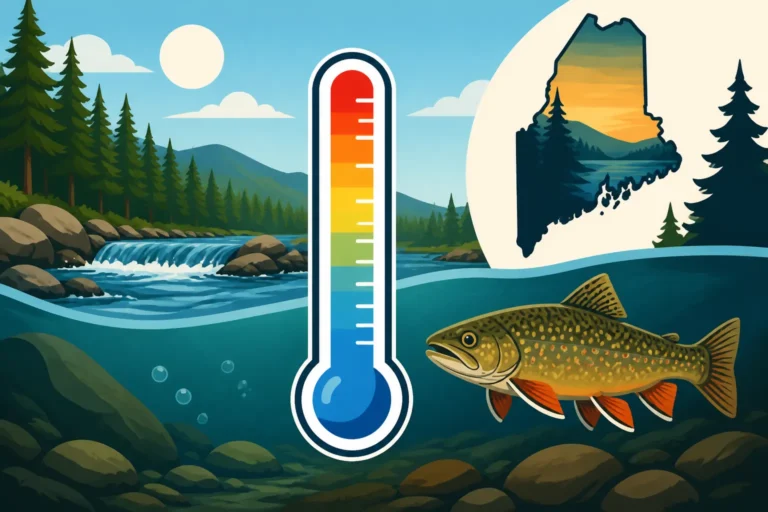
Water temperature is the ultimate arbiter of when and where stripers will be found in the spring. They prefer water in the mid-50s to low-60s Fahrenheit. Anything below that and they can be sluggish, holding in deeper pockets. Anything much warmer and they'll start to spread out. You'll often find them congregating in areas where the sun has warmed the water more quickly, such as shallow flats or dark-bottomed areas. A good fishing thermometer is an invaluable tool for early-season striper hunting.
The availability of food is equally critical. Early season baitfish like mummichogs, silversides, and river herring migrating upstream for spawning are irresistible to hungry stripers. If you see signs of these baitfish – small splashes, nervous schools, or even birds working the water – you can bet stripers are likely nearby. Carrying a variety of lures that imitate these specific forage species can make a huge difference. Many anglers stock up on these versatile lures from retailers like Amazon, ensuring they have the right presentation for whatever the stripers are feeding on.
Summer Heat: Prime Time for Maine Striped Bass (July – August)
Once July rolls around, Maine's striped bass season is in full swing. The waters are warm, the baitfish are abundant, and the stripers are actively feeding, having fully settled into their summer patterns. This is when the fishing can really heat up.
Peak Season Action and Locations
July and August represent the peak of the Maine striped bass season. The fish are widespread along the entire coast, from our rocky shores and sandy beaches to our sprawling estuaries and island-dotted bays. Larger fish, often referred to as "cow" stripers, are more commonly encountered during these months as they've had time to gorge themselves on the plentiful bait. You'll find them cruising rips, holding in deeper channels, and pushing bait against shorelines.
During this period, opportunities abound for both shore anglers and boaters. Surfcasters can find success on beaches at dawn and dusk, especially around structure like jetties or rocky points. Boaters can target stripers in deeper channels, around offshore islands, and by trolling or casting into concentrations of mackerel. The sheer volume of fish and their aggressive feeding habits make this a truly exhilarating time to be out on the water. Don't be surprised to find other species mixed in, as many of Maine's fish are active during these prime months. Consider exploring Best Maine Rivers for Fishing for some excellent summer striper spots.
Morning, Evening, and Nocturnal Strategies
While stripers can be caught throughout the day during summer, the bite often peaks during low light conditions – early morning and late evening. The cooler air temperatures and reduced boat traffic encourage the fish to move into shallower water to feed. Topwater lures can be incredibly effective during these times, providing explosive, heart-stopping strikes. Imagine watching a huge striper blow up on your popper at sunrise – it's an unforgettable experience!
Many seasoned Maine anglers also swear by nocturnal fishing for striped bass, especially for those larger, more elusive fish. Under the cloak of darkness, big stripers become less wary and will often move into very shallow water to feed on crabs, eels, and other unsuspecting prey. Fishing with large, dark-colored swimming plugs or live eels can be incredibly productive at night. Just remember to always prioritize safety when fishing after dark, especially if you're exploring unfamiliar terrain or venturing out on the water. A good headlamp from Amazon with a red light option is a must-have for preserving your night vision.
Fall Farewell: Last Chances for Stripers (September – Early October)
As summer fades and the first hints of autumn color appear, the striped bass season enters its final, often spectacular, phase. This is the time when stripers, sensing the impending cold, go on a feeding frenzy to bulk up for their long migration south.
The Pre-Migration Blitz
September can offer some of the most exciting, high-action striper fishing of the entire year. The waters are still relatively warm, but the days are shortening, and the fish know winter is coming. This triggers an instinctual feeding binge, often referred to as a "blitz." Stripers will aggressively school up and relentlessly pursue baitfish, creating incredible surface disturbances that are visible from a distance. If you're lucky enough to witness a full-on blitz, it's an experience you'll never forget – a true spectacle of nature.
During these fall blitzes, nearly any presentation can work, from casting large pencils and poppers into the fray to jigging heavy metals beneath the schools. The fish are focused on eating, and they're not particularly picky. This is also a fantastic time to target larger stripers, as they are actively preparing for their journey. However, like the spring run, the fall blitzes can be unpredictable, often occurring rapidly in response to specific bait movements. Keeping an eye on weather patterns and tides is crucial.
The Disappearing Act: When Stripers Head South
As October progresses, the water temperatures steadily drop, eventually falling below the comfortable range for striped bass. Once the water dips into the low 50s consistently, the vast majority of stripers will have begun their southern migration. The fishing can become much tougher, marked by fewer fish and more scattered catches. While a few stragglers might hang around in particularly warm estuaries or deep river channels into early November, the main body of fish will be long gone.
This "disappearing act" signals the end of the open water striper season in Maine. It's a bittersweet time for many anglers, but it's also a reminder of the incredible journey these fish undertake each year. Knowing when they leave is just as important as knowing when they arrive, as it helps manage expectations and signals the time to switch gears to other species or prepare for the upcoming ice fishing season. For those wondering about other coastal opportunities, perhaps a Maine Deep Sea Fishing Charters trip for groundfish is in order.
Factors Influencing Striper Season Success
Beyond the general seasonal patterns, several specific factors play a crucial role in how successful your striped bass fishing will be on any given day or during a particular week. Understanding these nuances can significantly improve your chances.
Tides and Currents
Tides are arguably the most critical factor when fishing for striped bass in Maine, especially along our rocky coast and within our tidal rivers. Stripers are opportunists, and they use the movement of water to their advantage, often ambushing baitfish that are swept along by currents.
- Moving Water is Key: Both incoming and outgoing tides can be productive, but the key is moving water. Slack tide, when the water is still, often results in a slower bite. As the current picks up, so does the activity of both baitfish and predators.
- Optimal Tide Phases: Many anglers find success during the middle hours of an outgoing tide, especially around river mouths and estuaries, as bait is flushed out. Similarly, the first few hours of an incoming tide can be excellent as stripers move into shallower areas, like flats and rocky coves, to feed.
- Reading Rips and Eddies: Along the open coast, look for "rips" – areas where fast-moving current interacts with structure, creating turbulence. These are prime feeding grounds. Eddies, calm spots just out of the main current, can also hold fish looking for a resting spot or an easy meal of disoriented bait. Learning How to Read Tides for Striped Bass Fishing will dramatically boost your success.
Baitfish Presence and Forage Patterns
As we've touched upon, stripers follow their food. The abundance and type of baitfish present in Maine waters directly influence where the stripers will be and what they'll be willing to eat.
- Seasonal Forage: In spring, it might be river herring or marine worms. In summer, mackerel, pogies (menhaden), sand eels, and silversides dominate. Fall sees stripers gorging on whatever they can find, often herring and mackerel, before their southward journey.
- Visual Cues: Keep an eye out for visual signs of baitfish. Diving birds, frantic splashes on the surface, or even a sudden increase in activity from seals are all indicators that bait is present and stripers might be close behind.
- Matching the Hatch: Carrying lures that imitate the prevalent baitfish of the season is a smart strategy. If the stripers are keying in on small sand eels, a slender, soft plastic jig might be more effective than a large popper. Observing the size and color of the baitfish in the area can help you select the most appropriate lure from your tackle box, perhaps one you picked up from Amazon.
Weather Conditions
While we can't control the weather, understanding its impact on stripers can help you adjust your strategy or choose the best days to fish.
- Barometric Pressure: Stable barometric pressure often leads to more consistent fishing. Rapid drops (indicating an approaching storm) or rises can sometimes put fish off the bite or make them feed aggressively just before a front hits.
- Wind: A moderate chop on the water, caused by a steady breeze, can actually improve fishing by breaking up the water's surface, making it harder for stripers to detect anglers and easier for them to ambush bait. Strong winds, however, can make fishing difficult and dangerous, especially for small boats. The direction of the wind can also push bait closer to shore or into certain areas.
- Rain and Overcast Skies: Overcast days or light rain can often lead to excellent fishing, as the reduced light penetration encourages stripers to feed more actively throughout the day, rather than just during low-light periods. Heavy downpours, especially combined with runoff, can sometimes muddy the water and temporarily slow the bite in estuaries.
Essential Gear for Maine Striped Bass Fishing
Having the right equipment won't guarantee a trophy striper, but it will certainly improve your chances and make the experience much more enjoyable. Maine's diverse striper fishing opportunities, from rocky shores to open ocean, call for versatile gear.
Rods, Reels, and Line Choices
The type of rod and reel you choose will largely depend on where and how you plan to fish, but versatility is a good theme for Maine striper anglers.
- Rods:
- Shore Fishing: For casting from beaches or rocky points, a medium-heavy to heavy spinning rod, typically 9 to 11 feet in length, is ideal. This length allows for long casts to reach distant rips and helps manage fish in the surf.
- Boat Fishing: A medium-heavy spinning or conventional rod, 7 to 8 feet in length, offers a good balance of casting distance and fighting power for boat-based applications, whether you're casting lures or soaking bait.
- Fly Fishing: If you're into fly fishing for stripers, a 9 or 10-weight fly rod is generally appropriate, capable of handling large flies and strong fish, particularly when you're targeting those bigger fish in estuaries or calmer waters.
- Reels: A robust spinning reel in the 4000 to 6000 series size, with a smooth drag system and ample line capacity, is a solid choice for most striper fishing. For conventional setups on boats, a star drag or lever drag reel in a similar capacity will serve you well. Look for models built for saltwater use to withstand the corrosive environment.
- Line: Braided line is highly recommended for its strength-to-diameter ratio, sensitivity, and casting distance. A 20-40 lb test braid is a common choice. Always use a fluorocarbon leader (20-50 lb test, 2-4 feet long) tied directly to your main line with a strong knot like an FG or Alberto knot. This leader provides abrasion resistance against rocky structure and is less visible to the fish. You can find excellent quality braided lines and fluorocarbon leaders on Amazon.
Lures, Baits, and Terminal Tackle
The array of lures and baits for striped bass is vast, but having a few staples in your tackle box will cover most situations.
- Topwater Lures: Poppers and walk-the-dog style lures are fantastic for exciting surface strikes, especially during low light conditions in summer and fall.
- Plugs and Swimmers: Minnow-imitating plugs (like SP Minnows) and larger swimming plugs are effective for mimicking baitfish in various water columns.
- Soft Plastics and Jigs: Paddle-tail swimbaits, soft plastic jerkbaits, and bucktail jigs are incredibly versatile. They can be fished slow and deep, jigged, or retrieved rapidly to imitate fleeing bait. They're often highly effective in estuaries and when fish are feeding on sand eels.
- Live Bait: Live mackerel, eels, or pogies are often the most effective bait for enticing larger, more wary stripers, particularly when fished from a boat or pier. Just be sure to check Maine Fishing Regulations Explained for rules on bait collection and use.
- Terminal Tackle: Stock up on strong, sharp hooks (inline single hooks are often preferred for easy release), swivels, and split rings. Have a good pair of pliers and a hook remover, as stripers can swallow baits deeply.
Safety and Other Essentials
Beyond your fishing setup, a few other items are critical for a safe and enjoyable striper fishing experience in Maine.
- Waders and Boots: If you're planning on shore fishing, especially from rocky areas or wading into estuaries, a good pair of waterproof waders and sturdy wading boots with good grip are non-negotiable for comfort and safety.
- Rain Gear: Maine weather can be unpredictable. High-quality rain gear will keep you dry and comfortable, even if a sudden shower rolls in.
- Headlamp: Essential for nocturnal fishing or navigating trails in the dark, particularly if you're hitting those early morning or late evening bites.
- Pliers/Dehooker: For safely removing hooks from fish, minimizing stress on the striper, and protecting your hands.
- First Aid Kit: Always a good idea to have one on hand, especially when fishing remote areas or handling sharp hooks.
- Fishing License: Absolutely paramount! Make sure your Maine Fishing License Guide is current.
- Cooler and Ice: If you plan to keep any fish within the slot limit, a cooler with ice is essential to preserve your catch.
By understanding the seasonal movements of striped bass, paying attention to environmental factors, and equipping yourself with the right gear, you'll be well on your way to experiencing the incredible thrill of striper fishing in Maine.
Seasonal Striper Fishing Overview in Maine
To help you visualize the opportunities throughout the year, here's a quick overview of what you can generally expect during each phase of the Maine striped bass season.
| Season | Typical Dates | Striper Size & Activity | Key Locations | Recommended Techniques & Lures | Notes |
|---|---|---|---|---|---|
| Spring Run | Late May – Mid-June | Primarily schoolies (18-28"), aggressive but scattered | Estuaries, tidal rivers, protected coves | Small soft plastics, bucktail jigs, sandworms, small plugs | Focus on warmer water, incoming tides, look for bait. Can be hit or miss early on. |
| Early Summer | Mid-June – Early July | Increasing numbers, larger fish start arriving, active feeding | River mouths, beachfronts, rocky points, inshore islands | Swimming plugs, soft plastics, live mackerel, topwater lures (dawn/dusk) | Fish are spreading out. Early morning/late evening best. |
| Peak Summer | Mid-July – Mid-August | Abundant fish of all sizes, often large cows, very aggressive | Entire coastline, offshore islands, rips, deep channels | Topwater, large swimming plugs, live eels/mackerel, large soft plastics, jigging metal | Prime time! Nocturnal fishing can yield big results. Watch for blitzes. |
| Fall Run | Late August – Mid-October | High numbers, fish feeding heavily for migration, "blitz" behavior | Open beaches, river mouths, coastal rips, offshore ledges | Large plugs, poppers, heavy jigs, live bait (eels/mackerel) | Intense feeding periods, can be spectacular. Water cooling signals imminent departure. |
| Late Fall | Mid-October – Early Nov. | Few stragglers, fishing slows dramatically, erratic bite | Deep estuaries, protected coves (warmest water) | Deeper presentations, live bait, patience | Most fish have departed. Focus on isolated warm pockets. Season winding down. |
Disclaimer
This article is for general informational purposes only and does not constitute professional advice. Laws, prices and regulations vary by location and change over time. Consult a qualified professional for guidance on your specific situation.