Fishing Access to Chesuncook Lake in Maine
Getting to Chesuncook Lake isn't like pulling up to your local pond with a paved boat ramp; it’s an adventure that requires careful planning and a deep appreciation for Maine's wild heart. Many anglers dream of its pristine waters and trophy fish but feel overwhelmed by the logistics of reaching such a remote destination. This comprehensive guide will meticulously break down every aspect of accessing Chesuncook Lake, from navigating rugged roads to choosing the best entry points, ensuring your fishing trip to this iconic Maine wilderness is both successful and stress-free.
Understanding Chesuncook Lake's Unique Character
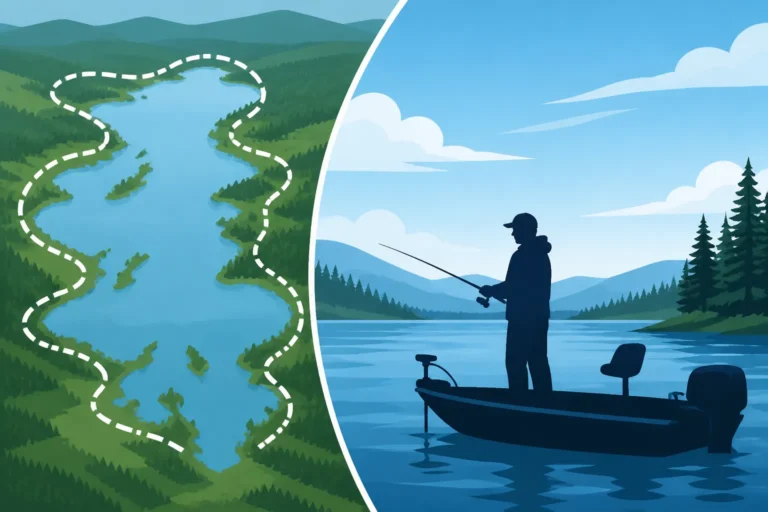
Chesuncook Lake isn't just a body of water; it's an experience, a journey into the soul of the Maine North Woods. Its sheer size and isolation are what draw anglers and wilderness enthusiasts from all over. Situated deep within Piscataquis County, far from paved roads and bustling towns, it demands respect and preparation. This remoteness is precisely what preserves its incredible fishing and unparalleled natural beauty, making the effort to get there absolutely worth it for those seeking a true wilderness escape.
The Remote Wilderness Experience
Imagine pulling up to a lake where the only sounds are the calls of loons, the whisper of the wind through ancient pines, and the splash of a rising fish. That's Chesuncook. This isn't a place for casual day-trippers who expect amenities around every corner. It's a vast, undeveloped expanse, stretching over 20 miles long and covering more than 26,000 acres, making it Maine’s third-largest lake. The surrounding landscape is primarily managed forestland, which means logging operations are active, and infrastructure is minimal. This pristine environment is exactly why the fishing here is so exceptional, but it also necessitates a self-sufficient mindset and a thorough understanding of backcountry travel. The challenges of accessing Chesuncook are part of its allure, ensuring that those who make the journey are truly dedicated to experiencing the untamed Maine wilderness.
Key Fish Species and Their Habitat
Chesuncook Lake is a coldwater fishery paradise, renowned for its population of native brook trout, landlocked salmon, and lake trout, which Mainers affectionately call "togue." These species thrive in the deep, oxygen-rich waters and abundant forage provided by the lake's ecosystem, particularly its healthy smelt populations. If you're looking for a serious challenge and the chance at a truly memorable catch, Chesuncook won't disappoint.
- Landlocked Salmon: These powerful, acrobatic fish are a top draw for many anglers. They tend to patrol the open waters, often found near baitfish schools. Trolling with various lures or flies is a popular and effective method here. Anglers often refer to the lake's "deep, cold water pockets" as prime habitat for these majestic fish, especially during warmer months. Understanding the nuances of Landlocked Salmon Fishing in Maine can significantly boost your success.
- Brook Trout: While larger brook trout are often found in the feeder streams and shallower areas of the lake, particularly during spring and fall, Chesuncook is known for supporting a robust population of wild, native brookies. Fly fishing around structure, inlets, and rocky points can be highly productive. For those passionate about native fish, learning more about Brook Trout Fishing in Maine will deepen your appreciation for these beautiful species.
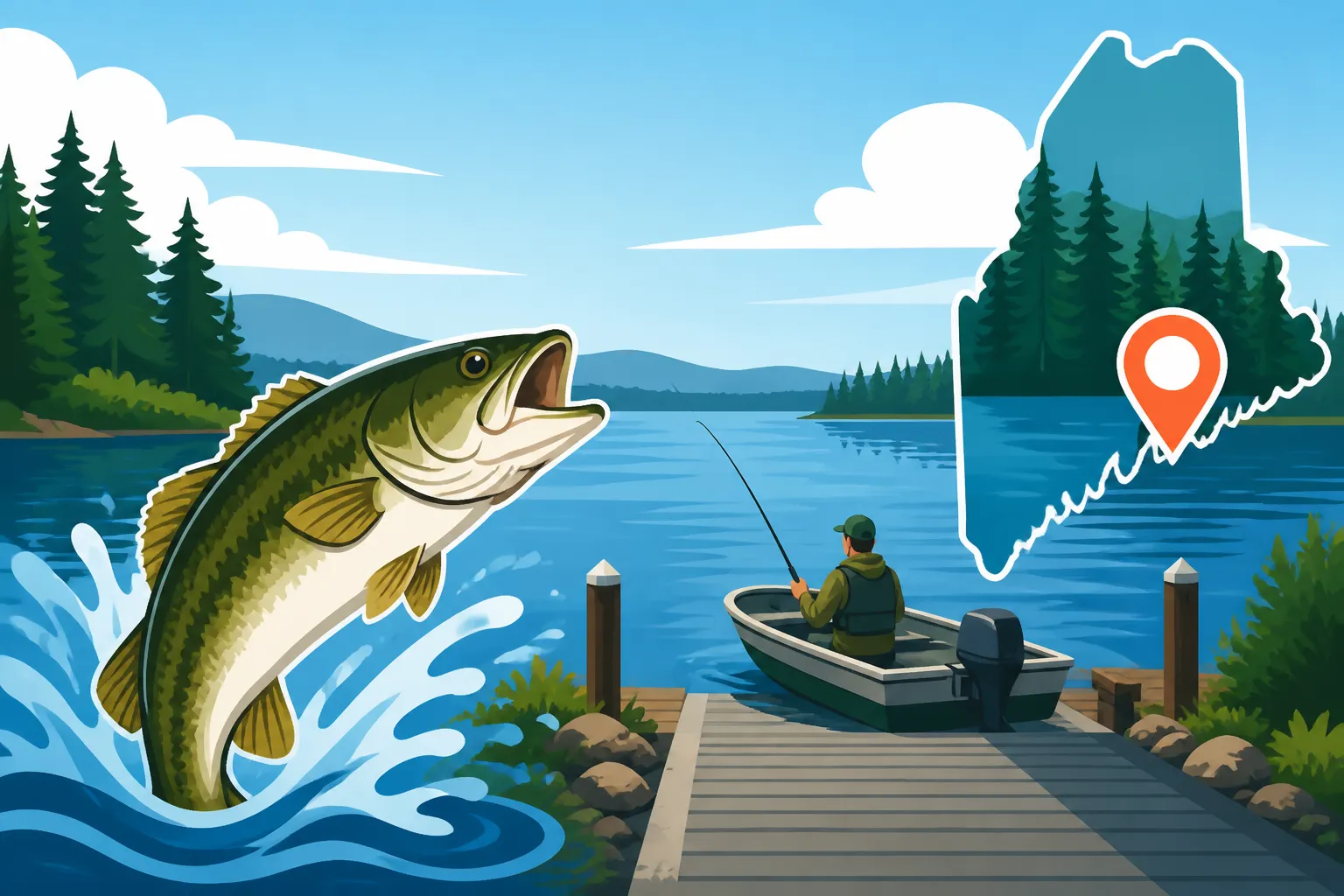
- Lake Trout (Togue): These deep-water predators are a staple in Chesuncook. Togue can grow to impressive sizes, making them a fantastic target for those who enjoy jigging or deep trolling. They prefer the cooler, deeper sections of the lake, especially in summer. If you're gearing up for a battle with these powerful fish, it's worth exploring specialized Lake Trout and Togue Fishing in Maine techniques.
Each species has its preferred habitat and feeding patterns, and the vastness of Chesuncook means there’s always a new section to explore. Knowing the lake's structure, including its depths, drop-offs, and points, is crucial for targeting these prized fish effectively.
Primary Access Routes to Chesuncook Lake
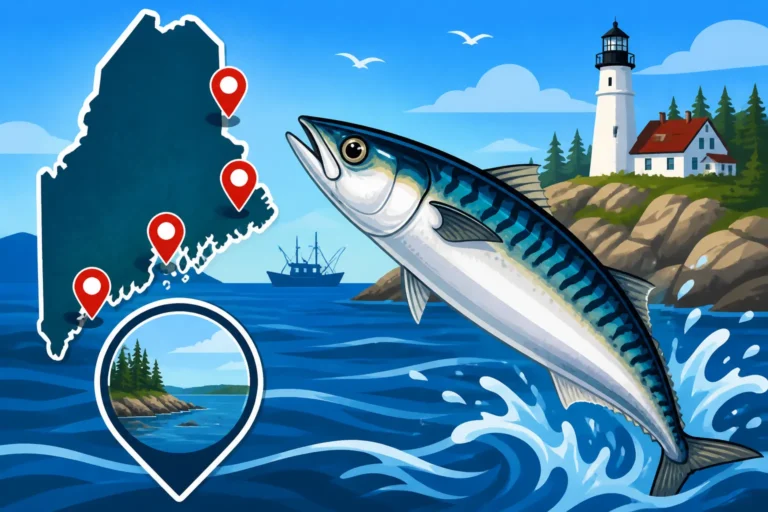
The journey to Chesuncook Lake is an integral part of the adventure. There are no direct paved roads leading to its shores, which is exactly why it remains so wild and untamed. Most access involves navigating a network of private logging roads, or utilizing water or air transport. Each method presents its own unique challenges and rewards, so choosing the right approach depends on your vehicle, comfort level with remote travel, and budget.
Vehicle Access and Challenges The Golden Road
The most common, albeit challenging, way to reach Chesuncook by vehicle is via the legendary Golden Road. This privately owned, industrial logging road stretches for nearly 100 miles, connecting the town of Millinocket to various points deep in the North Woods. It’s primarily used by large logging trucks, and travelers must exercise extreme caution.
- Navigating the Golden Road: From Millinocket, you'll head north, eventually reaching the junction with the Golden Road. Be prepared for gravel, dirt, and often corrugated surfaces that can be punishing on vehicles. Speeds are generally low, and dust can be significant during dry periods. You’ll be sharing the road with massive trucks that have the right of way, so always pull over and yield. These trucks are often hauling heavy loads at speed, and they cannot stop quickly. It's not uncommon to encounter washouts, potholes, or sections where the road surface deteriorates significantly, especially after heavy rains or during spring thaw.
- Gatehouses and Fees: The Golden Road is managed by logging companies (primarily Prentiss & Carlisle and Plum Creek, though ownership can shift), and entry requires passing through staffed gatehouses. There will be a fee for public access, which is subject to change. Make sure to have cash on hand, as credit card facilities are not always available. At the gate, you’ll typically be asked for your destination and vehicle information, and you'll receive a map and a list of rules. Always respect the rules – they are in place for your safety and to protect active logging operations. Don't expect cell service once you're on the Golden Road; it's spotty at best, and often nonexistent.
- Vehicle Requirements: A high-clearance vehicle, preferably a 4×4 or AWD, is highly recommended for the Golden Road and any spur roads leading off it. Spare tires, emergency repair kits, extra fuel, and plenty of water are not luxuries, but necessities. Breakdown assistance can be hours, if not days, away, and costs are often exorbitant. Many seasoned Maine North Woods travelers bring a full-size spare and tools for basic repairs, knowing they might be on their own for a while.
Water Access via Ripogenus Dam and Umbazooksus Lake
For those who prefer to keep their vehicle on more stable ground, or who wish to avoid some of the roughest sections of the Golden Road, an alternative involves driving to Ripogenus Dam and then arranging for water transport across Umbazooksus Lake to the southern end of Chesuncook Lake.
- Reaching Ripogenus Dam: You can access Ripogenus Dam via the Golden Road from Millinocket. The drive is still substantial and requires navigating the logging roads, but it gets you to a major access point. At the dam, there's limited parking and boat launching facilities. This area serves as a popular put-in for canoe trips on the West Branch of the Penobscot River, but it also acts as a gateway to Chesuncook.
- The Umbazooksus Lake Shuttle: From Ripogenus Dam, you'll need to cross Umbazooksus Lake to reach the narrow thoroughfare that connects to Chesuncook Lake. While you can launch your own boat (with suitable clearance and power for open lake travel), many people opt for a shuttle service provided by local sporting camps or independent operators. These services typically use large, sturdy boats capable of handling the gear and passengers for the journey. This water shuttle bypasses some of the trickiest logging road sections and delivers you directly to Chesuncook Village or specific camps on the lake. It's an excellent option if you're bringing a lot of gear or prefer not to subject your personal vehicle to the full Golden Road experience.
Air Access via Seaplane
For the ultimate wilderness experience or simply to minimize travel time and wear-and-tear on your vehicle, accessing Chesuncook Lake by seaplane is an unforgettable option. Several air service operators in Maine offer flights directly to the lake.
- Seaplane Operators: Companies like Currier's Flying Service in Greenville or Folsom's Air Service in Moosehead Lake operate regular flights into the remote lakes of the North Woods, including Chesuncook. These services typically fly out of towns with direct access to suitable lakes for takeoff and landing, such as Greenville, which is a major hub for seaplane operations in Maine. This removes the need to deal with the Golden Road entirely.
- Benefits and Considerations: Seaplane access offers breathtaking aerial views of the vast Maine wilderness and gets you to your destination quickly. It's often the preferred method for those staying at remote sporting camps directly on Chesuncook. The downside is the cost, which can be considerably higher than driving. However, for a truly immersive and efficient entry into the wilderness, it’s unmatched. It also means less time spent worrying about road conditions and more time fishing. Booking in advance is crucial, especially during peak fishing seasons, as space is limited, and weather can impact flight schedules.
Boat Launches and Watercraft Considerations
Once you've successfully navigated the wilds of the Golden Road or soared over the pines by seaplane, the next consideration is how you'll get your boat onto the vast waters of Chesuncook Lake. This is a critical step, as access points are limited and facilities are rudimentary at best.
Public vs. Private Launch Points
Finding a suitable place to launch a boat on Chesuncook Lake requires specific knowledge, as public boat ramps as you might imagine them simply don't exist in abundance. This isn't a suburban lake with multiple concrete ramps; it's a wilderness gem.
- Chesuncook Village Launch: The most accessible "launch" for day-trippers or those staying at nearby camps is often in or near Chesuncook Village, located at the southern end of the lake. However, calling it a "ramp" is generous. It’s typically a dirt or gravel area that allows you to back a trailer in. Depending on water levels, it can be steep and soft. A 4×4 vehicle is almost essential for launching and retrieving anything larger than a canoe or a small aluminum boat. This area is usually managed by local entities or private landowners, so be mindful of signage and any posted rules. You'll likely need to navigate a very rough dirt road to get here, even after getting off the Golden Road itself.
- Sporting Camp Access: Many of the traditional sporting camps dotted around Chesuncook Lake offer private launch facilities for their guests. These might be slightly better maintained, but they are still designed for rugged use. If you're planning to stay at a camp, inquire about their launch facilities and if they offer any assistance. This is often the most convenient option if you're already committed to a stay. For example, some lodges might have simple docks or small areas where you can hand-launch smaller craft.
- Hand-Carry Access: For canoes, kayaks, or very small boats, there are various points along the shoreline where you can hand-carry your craft down to the water, particularly at some of the designated campsites or primitive clearings. This is a popular option for paddlers who are exploring the lake and its many remote coves and islands. Remember, portaging long distances with heavy gear is a serious undertaking in this terrain.
| Access Method | Pros | Cons | Vehicle Type Recommended | Notes |
|---|---|---|---|---|
| Golden Road (Direct) | Most direct vehicle access | Rough, dust, logging trucks, fees, no cell service | High-clearance 4×4/AWD | Spare tire, emergency kit essential. |
| Ripogenus + Water Shuttle | Avoids some roughest road sections | Adds transfer logistics, shuttle cost, weather dependent | High-clearance 4×4/AWD | Good for large groups or lots of gear. |
| Seaplane | Fastest, scenic, avoids all roads | Most expensive, luggage limits, weather dependent | N/A | Book well in advance, ideal for remote camps. |
| Own Boat Launch | Flexibility on water, cost-effective | Limited, primitive launches, requires suitable vehicle | High-clearance 4×4/AWD | Chesuncook Village is primary launch area. |
Navigating Chesuncook Lake: Safety and Regulations
Once you're on the water, Chesuncook presents its own set of challenges and considerations. It's a massive body of water, and conditions can change rapidly.
- Size and Weather: The lake's immense size means that strong winds can quickly whip up large, dangerous waves. What starts as a calm morning can turn into a white-capping gale in an hour. Always check the weather forecast before heading out, and be prepared to seek shelter if conditions deteriorate. Smaller boats, canoes, and kayaks are particularly vulnerable. It's easy to get disoriented in its vastness, especially on an overcast day or when navigating unfamiliar coves.
- Navigation: While Chesuncook is a natural lake, it does have some submerged hazards, particularly near shorelines and around islands. A good quality map (paper and digital, if possible) and a GPS unit are highly recommended. Many modern fish finders also offer detailed mapping capabilities that can be invaluable. Always give plenty of space to shorelines and be aware of changing water levels.
- Fuel and Supplies: There are no gas stations or convenience stores on Chesuncook Lake itself. Any fuel you need for your boat, or any supplies for your trip, must be brought in with you. This means carefully calculating your fuel needs for the duration of your stay, plus a healthy reserve. It's always better to carry too much than too little.
- Maine Fishing Regulations Explained: Before you even think about dropping a line, make sure you're fully aware of all the Maine Fishing Regulations Explained for Chesuncook Lake. As part of the general law waters in Maine's North Zone, there are specific rules regarding season dates, bag limits, and length restrictions for different species. Always carry your valid Maine Fishing License Guide and be prepared to show it to a Maine Game Warden. Additionally, be mindful of specific regulations that might apply to certain tributaries or sections of the lake. These regulations are designed to protect the fragile ecosystem and ensure sustainable fishing for future generations. For example, always check the Maine Fish Bag Limits Guide and Maine Fishing Season Dates Guide for Chesuncook.
- Water Safety: Life jackets are not just a recommendation; they are required. Ensure everyone on board has a properly fitting life jacket and that all required safety equipment (oars, bailing device, sound-producing device, fire extinguisher for motorized boats) is on board and in good working order. Hypothermia is a real risk, even in summer, if you fall into the cold water.
Lodging and Services for Anglers
Given Chesuncook Lake's remote nature, don't expect a typical "lodge and tackle shop" setup you might find in more developed areas. The accommodations and services here are as unique as the lake itself, catering to those who truly want to unplug and immerse themselves in the wilderness.
Remote Sporting Camps and Lodges
The most popular lodging option for anglers on Chesuncook Lake is to stay at one of the historic sporting camps or lodges. These establishments are deeply ingrained in Maine's outdoor heritage, offering a blend of rustic charm and essential amenities.
- Traditional Maine Sporting Camps: Places like the legendary Chesuncook Lake House, which has been in operation for over a century, offer a unique step back in time. These camps typically feature individual cabins, often without electricity or running water (though some may have generators for limited hours or shared bathhouses). Meals are often served family-style in a main lodge, providing a wonderful opportunity to swap fishing stories with other guests. They provide an authentic experience, focusing on connection with nature rather than luxury. Many offer canoe rentals, boat shuttles, and can arrange for guided fishing trips.
- What to Expect: Prepare for a "back-to-basics" experience. While some camps have made modern upgrades, the emphasis is still on the natural environment. You'll likely use propane lights, wood stoves for heat, and perhaps an outhouse or a shared bathhouse. This isn't a deficiency; it's part of the appeal for those seeking true wilderness. The proprietors are often incredibly knowledgeable about the lake and its fishing, providing invaluable local insights.
- Booking and Availability: Because these camps are relatively few and highly sought after, especially during peak fishing seasons, booking well in advance is essential. It's not uncommon for popular camps to be booked a year or more out. When considering your options, it's wise to look into services like FishingBooker for potential guides associated with these remote camps or to discover other local outfitters who can assist with logistics for a stay. They often handle everything from transport arrangements to meal planning, allowing you to focus purely on the fishing.
Nearby Town Services and Supplies
While Chesuncook Lake itself is remote, the towns that serve as gateways to the North Woods are crucial for stocking up on supplies and accessing modern conveniences.
- Millinocket and Greenville: These two towns are the primary jumping-off points for Chesuncook adventures.
- Millinocket: Located at the southern end of the Golden Road, Millinocket offers grocery stores, hardware stores, gas stations, and a few restaurants. It's your last reliable stop for significant provisions before heading into the wilderness. You can pick up fishing tackle, camping supplies, and anything else you might need.
- Greenville: Situated on Moosehead Lake, Greenville is another vital hub, especially if you're flying in by seaplane. It also has grocery stores, tackle shops, outfitters, and lodging options. It’s also a common place to find Maine Lake Fishing Guides and charter services for other lakes. For those looking for a Registered Maine Guide to lead their Chesuncook adventure, Greenville is an excellent place to start your search, and platforms like FishingBooker can help you connect with qualified professionals in this region.
- Essential Supplies Checklist: Before leaving these towns, double-check your packing list. This isn't a place where you can just run to the store for forgotten items. Consider:
- Food and Water: Enough for your entire trip, plus extra. Potable water is crucial.
- Fuel: Extra gas for your boat and any generators.
- Fishing Gear: Rods, reels, tackle, bait, waders, rain gear.
- Navigation: Maps, compass, GPS, personal locator beacon (PLB).
- First Aid: Comprehensive kit for wilderness emergencies.
- Clothing: Layers for all weather conditions, including cold nights.
- Safety: Life jackets, fire starter, headlamps, bear spray (if comfortable).
- Communication: Satellite phone or inReach device, as cell service is non-existent.
Having a robust supply strategy is paramount for a safe and enjoyable trip to Chesuncook.
Planning Your Chesuncook Lake Fishing Trip
A successful trip to Chesuncook Lake is less about luck and more about meticulous planning. From what you bring to who you bring along, every decision contributes to a smoother, safer, and more enjoyable wilderness fishing experience. This isn't a spur-of-the-moment destination; it's a planned expedition.
Essential Gear and Supplies
Given the remote nature of Chesuncook, your gear needs to be robust, reliable, and well-thought-out. What you pack (and what you don't) can make or break your trip.
- Fishing Tackle for Coldwater Species:
- Rods & Reels: Medium-light to medium-heavy spinning or baitcasting setups for trolling and casting. If you're into fly fishing, a 6-8 weight rod is versatile enough for salmon and larger brook trout.
- Line: Spool up with fresh line, 6-10 lb test monofilament or fluorocarbon for spinning, or braided line with a fluorocarbon leader for added sensitivity and strength.
- Lures & Flies: A diverse selection is key. For salmon and togue, consider spoons (e.g., Mooselook Wobblers, DB Smelt, Suttons), stickbaits (Rapalas, J-Plugs), and dodgers/flashers with a streamer fly or worm harness. For brook trout, small spoons, spinners (Mepps, Panther Martin), and traditional dry flies (elk hair caddis, adams), nymphs (pheasant tail, hare's ear), and streamers (grey ghost, black ghost) are effective. Don't forget an array of jigging spoons and soft plastics if you plan to target deeper togue.
- Bait: Live bait, such as shiners or worms, can be incredibly effective, especially for brook trout and togue. Check local regulations on bait use and ensure you source it locally to prevent the spread of invasive species.
- Landing Net: A sturdy, long-handled landing net is essential for safely landing larger salmon and togue.
- Waders/Rain Gear: High-quality waterproof and breathable rain gear is non-negotiable. Weather in the North Woods can change in an instant, and staying dry is crucial for comfort and safety.
- Navigation & Safety Equipment:
- Maps & GPS: As mentioned, detailed topographic maps (e.g., DeLorme's Maine Atlas and Gazetteer) and a reliable GPS unit are critical. Download offline maps to your phone or dedicated device, as cell service is unreliable.
- Communication Device: A satellite messenger (like a Garmin inReach or Zoleo) or a satellite phone is highly recommended for emergencies. Cell service is virtually non-existent on Chesuncook.
- First Aid Kit: A comprehensive wilderness first aid kit, and knowledge of how to use it, is vital.
- Bear & Insect Protection: Bear canisters for food storage, bear spray, and plenty of insect repellent (especially strong DEET-based repellents for black flies and mosquitoes) are crucial during certain seasons.
- Headlamps & Lanterns: For navigating after dark at camp or on the water.
- Camping Gear (if applicable): High-quality tent, sleeping bags, cooking stove, and proper food storage are essential for primitive camping.
Remember, every item you bring needs to be packed in, and packed out. Leave No Trace principles are paramount in this sensitive wilderness environment.
Hiring a Registered Maine Guide
For many, navigating the complexities of Chesuncook Lake and its surrounding wilderness is best done with the expertise of a Hiring a Maine Fishing Guide. A Registered Maine Guide isn't just a fishing expert; they are wilderness professionals who can transform a daunting trip into an incredible adventure.
- Why Hire a Guide?
- Expert Navigation: Guides know the Golden Road, the lake's hidden hazards, and the best fishing spots like the back of their hand. They can navigate challenging terrain and changing weather conditions safely.
- Fishing Expertise: They understand the subtle nuances of Chesuncook’s fish species, including where to find them, what they're biting on, and the best techniques for success. They can tailor the trip to your preferred style of fishing, whether it’s fly fishing for brookies in a secluded cove or trolling for trophy salmon in open water.
- Logistical Support: Guides often provide transportation, boats, specialized gear, and even meals, taking the burden of logistics off your shoulders. They can arrange for water shuttles or even seaplane flights.
- Safety: This is paramount. A guide is trained in wilderness first aid and knows how to handle emergencies in remote settings. They carry crucial safety equipment, including satellite communication devices.
- Local Knowledge: Beyond fishing, guides offer invaluable insight into the region's history, wildlife, and ecology, enriching your entire experience.
- Finding the Right Guide:
- Reputation and Specialization: Look for guides who specialize in the Chesuncook Lake area and the specific species you want to target. A quick online search for "Moosehead Lake Fishing Guides" or "Allagash Wilderness Fishing Guides" can be a good starting point, as many guides operate across the broader North Woods region.
- Licensing: Always ensure your guide is a properly Maine Registered Guide License Requirements. This verifies they have passed rigorous exams covering wilderness first aid, navigation, trip planning, and state regulations.
- Booking Platforms: Platforms like FishingBooker are excellent resources for finding and booking Registered Maine Guides for remote trips. You can read reviews, compare services, and communicate directly with guides to ensure they meet your specific needs and expectations. When browsing, make sure to ask about their experience on Chesuncook Lake specifically.
- Interview Your Guide: Don't hesitate to ask questions about their experience, what they provide, what you need to bring, and their emergency protocols. A good guide will appreciate your thoroughness.
Whether you're a seasoned angler or new to wilderness fishing, a Registered Maine Guide can significantly enhance your Chesuncook Lake experience, allowing you to relax and fully enjoy the unparalleled beauty and fishing opportunities of this incredible destination.
Conclusion
Chesuncook Lake truly stands apart as a premier fishing destination in Maine, offering an unrivaled opportunity to connect with raw wilderness and pursue some of the state's most coveted game fish. While accessing its pristine waters demands a bit more effort and preparation than your average fishing trip, the rewards—from the thrill of landing a trophy landlocked salmon to the profound peace of its untouched landscapes—are immeasurable. By understanding the unique access challenges, preparing adequately, and perhaps enlisting the expertise of a Registered Maine Guide, you'll ensure your journey to Chesuncook is not just a fishing trip, but an unforgettable adventure into the heart of Maine's majestic North Woods.
Disclaimer
Please note that fishing regulations, access fees, and conditions can change. Always consult the latest rules and advisories from the Maine Department of Inland Fisheries and Wildlife (MDIFW) and local land managers before planning your trip. Safety in the wilderness is paramount, and preparation is key.