Do Maine Guides Offer Shore Lunch on Trips?
Many folks planning a fishing trip to the stunning lakes, rivers, or coastal waters of Maine often wonder about the full experience they're signing up for, especially when it comes to meals during a long day on the water. A common and very valid question that pops up is whether the revered Registered Maine Guide you've hired will provide that classic, often legendary, shore lunch. It's more than just food; it's an integral part of the Maine outdoor tradition. This guide will delve deep into the expectation of shore lunches with Maine Guides, what's typically offered, and how to ensure your culinary desires are met on your wilderness adventure.
The Tradition of Shore Lunch with Maine Guides
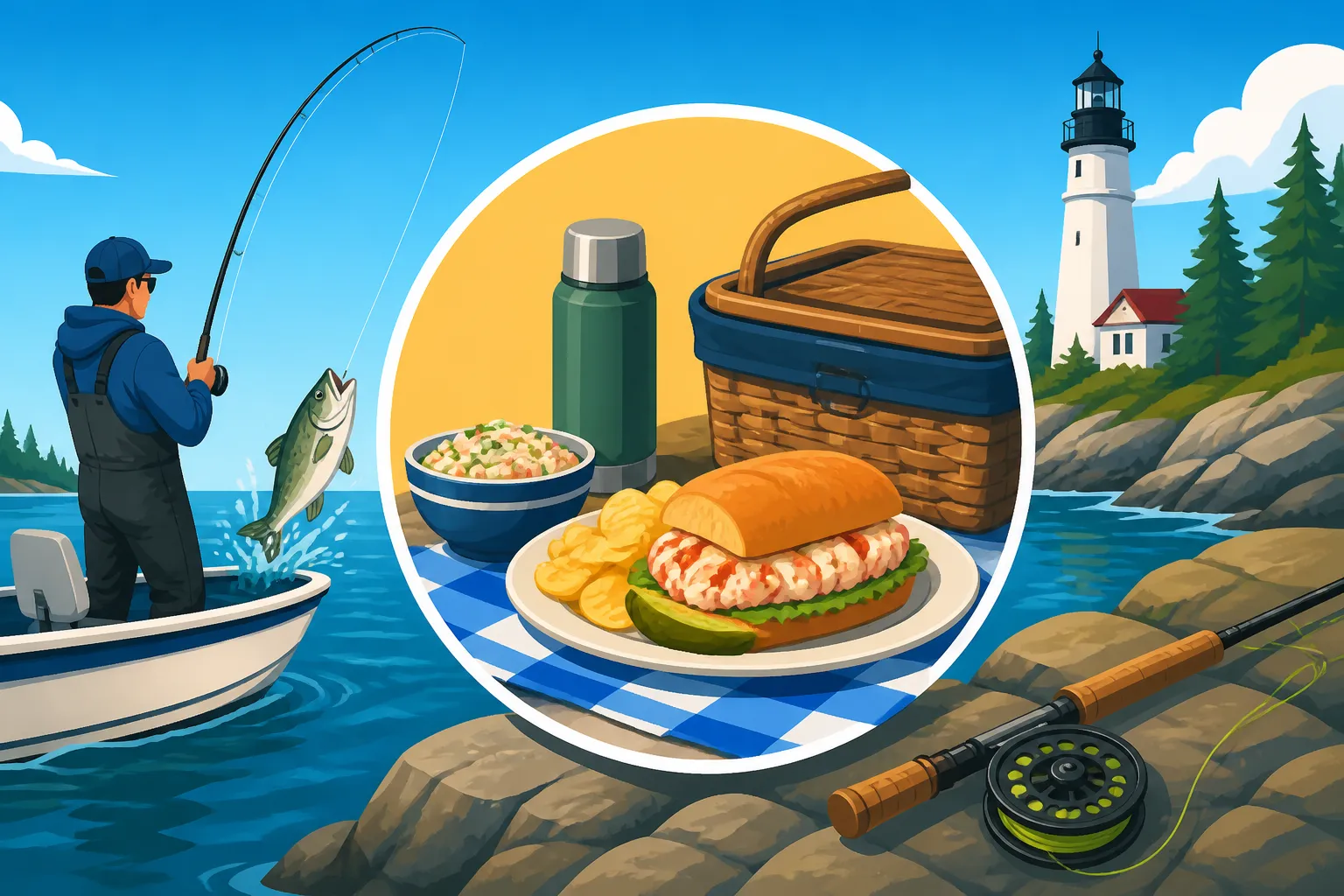
There’s something truly iconic about the image of a Maine fishing guide preparing a hot meal over an open fire or a portable stove right on the edge of a pristine lake or a babbling river. This isn't just sustenance; it's a cherished ritual, a pause in the day that allows you to soak in the scenery, share stories, and savor the freshest possible ingredients. For many, this shore lunch is as much a part of the Maine fishing experience as the bite of a wild brook trout or the thrill of a jumping salmon. It’s a moment of connection with the wilderness and with the guide who often becomes a temporary steward of your experience.
Why Shore Lunch is a Classic Maine Tradition
The tradition of shore lunch dates back to the early days of guiding in Maine, when trips often extended for days or even weeks into the wilderness. Guides were, and still are, expected to be completely self-sufficient and to provide for their clients' needs in remote settings. This included not just finding fish, but also preparing them, along with other provisions. The crackle of a fire, the aroma of fresh-fried fish, sizzling bacon, or brewing coffee carried on the wind—these are sensory memories that stay with anglers long after the trip ends. It’s a moment of unparalleled satisfaction, especially when you’re enjoying a fish that was swimming just moments before.
Picture this: you've been casting all morning, feeling the chill of the early spring air, perhaps landing a beautiful landlocked salmon. Your guide pulls the canoe ashore on a secluded beach, and before you know it, a small fire is crackling. They expertly clean your catch, slice some potatoes, and within minutes, the air is filled with the scent of a gourmet meal being cooked over the coals. It's a rustic five-star dining experience that no fancy restaurant can replicate, precisely because of its wild setting and the authenticity of the moment. Many guides take immense pride in this part of their service, seeing it as an extension of their hospitality and woodsman skills.
Factors Influencing Shore Lunch Offerings
While deeply rooted in tradition, not every Registered Maine Guide trip automatically includes a full, hot shore lunch. Several factors come into play that can influence whether your guide will offer this iconic meal. These can range from the type of trip you're on to the specific arrangements made when you book. It's never safe to assume, which is why clear communication is key.
For example, a full-day lake fishing trip targeting brook trout or togue is far more likely to feature a hot shore lunch, especially if the weather calls for it. The guide often brings a dedicated cooking kit, fresh ingredients, and even a portable grill or cast-iron pan. However, if you're on a half-day trip, perhaps chasing striped bass in a coastal estuary or doing a quick catch-and-release fly fishing excursion on a smaller stream, a shore lunch might be impractical or simply not part of the standard offering. The focus might be on maximizing fishing time, with quick snacks and drinks provided instead.
Another significant factor is the specific guide's individual business model and their personal preferences. Some guides specialize in the "full Maine experience," including all meals, while others prefer to keep their trips focused purely on the fishing itself, offering snacks and drinks but expecting clients to bring their own lunch. The remoteness of the fishing location also plays a role; preparing a hot meal deep in the backcountry requires more planning, gear, and time than pulling over at a more accessible spot. Always clarify these details when you are Booking a Maine Fishing Guide in Advance to avoid any disappointment on the day of your trip.
What to Expect with a Maine Guide's Provisions
When you hire a Registered Maine Guide, you’re investing in their expertise, their knowledge of local waters, and their ability to navigate and ensure your safety in the Maine wilderness. While the specifics can vary greatly from guide to guide and trip to trip, there are some general expectations regarding what provisions and gear will typically be included, and what you might need to bring yourself. It's always best to have a clear understanding beforehand.
Provisions and Gear Typically Included
Most reputable Maine Guides will provide the essential fishing gear, especially if you're a beginner or traveling from out of state. This usually means rods, reels, and a selection of appropriate tackle, lures, or flies tailored to the fish species and waters you'll be targeting. Think about it: carrying your own gear can be a hassle, and having a guide supply it means you’re using equipment that’s proven effective for local conditions. Many guides will also provide fresh bait if it's applicable to your trip, so you don't have to worry about sourcing worms or shiners. For a deeper dive into what's supplied, you might want to read Do Maine Fishing Guides Provide Bait and Tackle?.
Beyond the fishing equipment, safety gear is paramount. Your guide will almost certainly provide Coast Guard-approved life jackets for all passengers, especially if you're on a boat. They'll also carry a first-aid kit, emergency communication devices, and likely have extensive Do Maine Guides Need First Aid Certification? themselves, which is crucial for any wilderness outing. On colder days or for ice fishing trips, some guides might even have extra warm blankets or a portable shelter to keep you comfortable. Non-alcoholic beverages like bottled water, soda, or juice are usually supplied, and sometimes a selection of easy-to-eat snacks like granola bars, fruit, or chips will be available to keep your energy up throughout the day.
What You Might Need to Bring Yourself
Even with a well-equipped guide, there are always personal items you'll be responsible for bringing. The most critical is appropriate clothing. Maine weather can be unpredictable, even in summer, so dressing in layers is almost always recommended. Think waterproof outerwear, extra warm layers (even in July!), hats, gloves, and comfortable, waterproof footwear. Sunscreen, insect repellent, and sunglasses are also must-haves, regardless of the season. Your guide might have some spares, but don't count on it.
Of course, your personal fishing license is non-negotiable. Your guide cannot provide this for you, and fishing without one can lead to significant fines. Make sure to purchase the correct Maine Fishing License Guide for your trip type and residency status well in advance. While guides usually provide some snacks, if you have specific dietary needs, allergies, or simply prefer certain types of food, it’s best to pack your own specialty snacks or drinks. Many anglers also like to bring a camera to capture their catches and the stunning Maine scenery. You might also want to bring a small personal bag for your essentials. For a more comprehensive checklist, check out What to Bring on a Maine Fishing Charter.
Planning Your Guided Trip
The key to a successful and enjoyable guided fishing trip in Maine, where all your expectations are met, lies in thorough communication before you even set foot in the boat or on the trail. Don't be shy about asking questions; a good guide wants you to have the best possible experience, and that includes understanding what's included and what's not.
Communicating Your Expectations
Before you confirm your booking, pick up the phone or send an email to your prospective guide and ask about their specific policies regarding meals. Don't just ask "Do you offer shore lunch?" but rather, "What are your meal provisions for a full-day trip?" or "Is a hot shore lunch included in the price, and if so, what does it typically consist of?" Be specific about any dietary restrictions or preferences you or anyone in your party might have. A guide can often accommodate allergies or vegetarian requests if they know in advance. This is particularly important if you're booking through an online platform like FishingBooker, where initial communication might be text-based. Always follow up with a direct conversation if meal plans are important to you.
It's also a good idea to discuss the overall pace of the day. Some trips are structured for maximum fishing time, while others might build in more leisurely breaks. If a relaxing, traditional shore lunch experience is high on your priority list, make sure that aligns with the guide's typical trip structure. For instance, a hardcore angler focused solely on trophy landlocked salmon might prefer to eat a quick sandwich while still drifting, whereas a family looking for a memorable outdoor experience might prioritize the full shore lunch tradition. Your guide can tailor the experience to some extent, but only if they know what you're hoping for.
Alternative Meal Options and Flexibility
If a full, hot shore lunch isn't part of your guide's standard offering, don't despair! There are always alternatives. Many guides will still provide cold packed lunches, often consisting of sandwiches, chips, and a sweet treat, which are easy to eat on the go or during a quick stop. These can be just as satisfying, especially if the fishing is hot and you don't want to break the action for long. Again, confirming this arrangement beforehand is crucial.
Alternatively, you might opt to pack your own lunch. This gives you complete control over your meal choices and ensures you have exactly what you want. Your guide will likely be happy to provide a cooler and ice to keep your food fresh. If you're on a multi-day trip or staying at a sporting camp, meals might be provided at the lodge, making a shore lunch less of a necessity. For advice on selecting the right service, you might look into How to Find a Reputable Maine Fishing Guide or consider reaching out to guides directly through platforms like FishingBooker to discuss customized meal plans. Remember, flexibility and open communication are your best tools for a truly enjoyable trip.
Here's a quick look at what you can generally expect versus what you should definitely clarify when planning your Maine guided fishing trip:
| Feature | Generally Included | Always Clarify/Ask About |
|---|---|---|
| Fishing Gear | Rods, reels, basic tackle, bait (for most trips) | Specialty gear (e.g., specific fly rod weights), waders |
| Safety Equipment | Life jackets, first-aid kit, emergency comms | Personal flotation devices for young children |
| Beverages | Bottled water, some sodas/juices | Alcoholic beverages, specific soft drinks |
| Snacks | Granola bars, fruit, chips (light provisions) | Specific dietary needs, extensive snack selection |
| Lunch/Meals | Often a cold packed lunch or quick sandwiches | Hot shore lunch, specific meal requests, dietary needs |
| Transportation | To/from fishing spots from meeting point | Pick-up from your accommodation, complex logistics |
| Fish Handling | Cleaning and preparing keeper fish for transport | Filleting, packaging for freezing, cooking the catch |
| Expertise & Guidance | Local knowledge, casting tips, safety instruction | Advanced lessons, specific technique coaching |
Beyond the Plate: Other Benefits of a Guided Trip
While the allure of a delicious shore lunch is certainly a draw, hiring a Registered Maine Guide offers a multitude of benefits that extend far beyond the culinary experience. These professionals are not just cooks; they are experts in their craft, deeply knowledgeable about Maine's diverse ecosystems, and dedicated to providing you with a safe and successful fishing adventure. Whether you're a seasoned angler or a complete novice, a guide can transform your trip.
Local Knowledge and Expertise
One of the most invaluable assets a Maine Guide brings to the table is their intimate, hyper-local knowledge of the waters. They know the best fishing spots that aren't advertised, the secret coves where big brook trout lurk, the exact depths where landlocked salmon feed, or the specific tides that bring in the striped bass. This isn't information you can easily glean from a map or a quick internet search. They understand fish behavior specific to different seasons and weather patterns, helping you choose the right bait or lure at the right time. For instance, knowing the subtle differences between Maine North Zone vs South Zone Fishing Rules or how local water temperatures affect certain species can make all the difference between a frustrating day and a fantastic one.
Think of it this way: you could spend days, or even weeks, on a new lake trying to figure out the patterns, the structure, and where the fish are holding. Or, you could hire a guide who has already put in decades of time on that very water, understanding its nuances like the back of their hand. They know the best access points, the submerged ledges, the deepest holes, and the spawning grounds. This level of local insight drastically increases your chances of success and allows you to focus on the joy of fishing rather than the frustration of searching. Guides can also introduce you to Maine Fishing Season Dates Guide and specific regulations for particular bodies of water, ensuring you stay compliant with the law.
Safety and Logistics Handled
Navigating the Maine wilderness, whether it's by boat on a vast lake like Moosehead or trekking along a remote river, comes with inherent risks. This is where a Registered Maine Guide truly earns their stripes. Their primary responsibility is your safety. They are trained in wilderness first aid, navigation, and emergency procedures. They know how to read the weather, operate watercraft safely, and handle unexpected situations, from a sudden storm to a minor injury. When you're out with a guide, you can relax, knowing that an experienced professional is at the helm, managing the logistics and looking out for your well-being.
Beyond safety, guides handle all the practical logistics that can often bog down a fishing trip. This means launching and retrieving the boat, planning the route, setting up camp if it’s an overnight trip, and ensuring all necessary permits and regulations are met. For visitors, this is especially helpful. You don't have to worry about finding public boat launches, understanding complex local rules, or getting lost in unfamiliar territory. They make the experience seamless and stress-free, allowing you to fully immerse yourself in the natural beauty and the thrill of the catch. This frees you up to enjoy the experience, whether it's a casual day or a more intensive excursion. For newcomers to Maine fishing, consulting a guide is often the Best Guide Service for Beginners in Maine.
Disclaimer
This article is for general informational purposes only and does not constitute professional advice. Laws, prices and regulations vary by location and change over time. Consult a qualified professional for guidance on your specific situation.