Are Chain Pickerel Good to Eat?
Chain pickerel carry an unfair trash fish reputation because of their reptilian look, sharp teeth and aggressive habits, even though many anglers keep them.
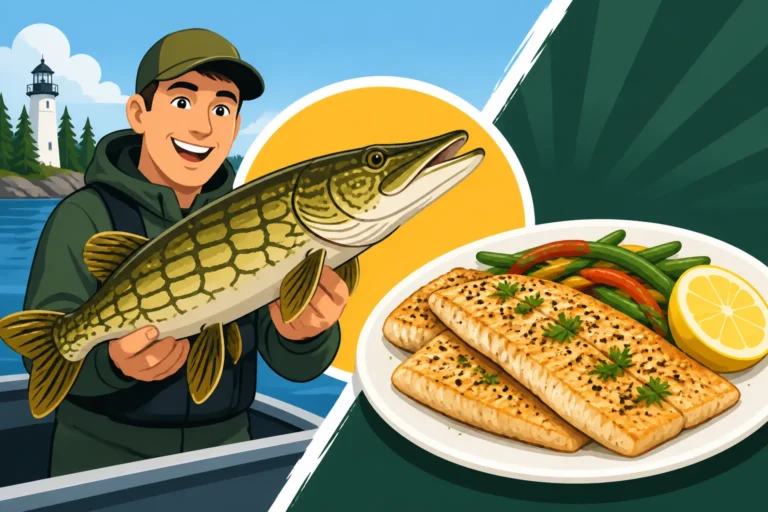
Chain pickerel carry an unfair trash fish reputation because of their reptilian look, sharp teeth and aggressive habits, even though many anglers keep them.
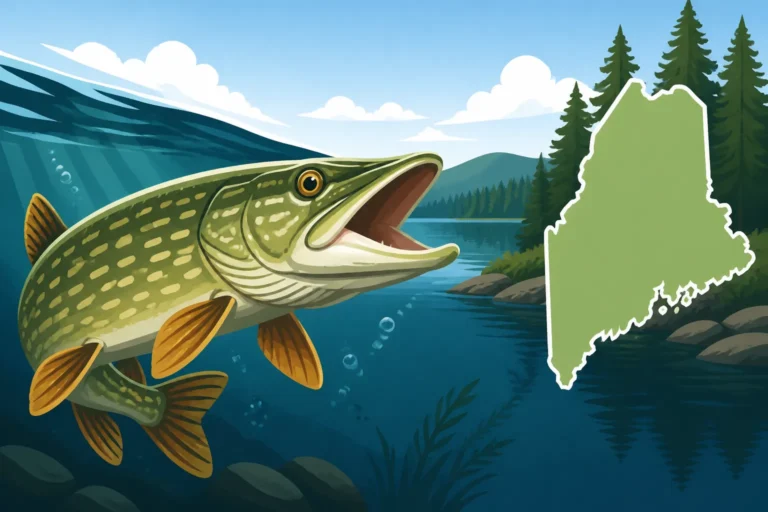
Northern Pike inhabit certain Maine lakes and river systems due to illegal human introductions, impacting native fisheries.
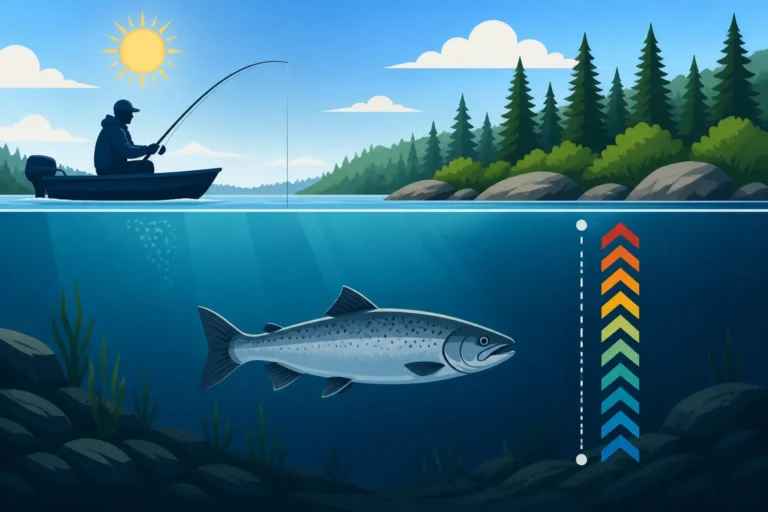
Maine landlocked salmon hold at depths of twenty to sixty feet during summer to find cool temperatures and dissolved oxygen.
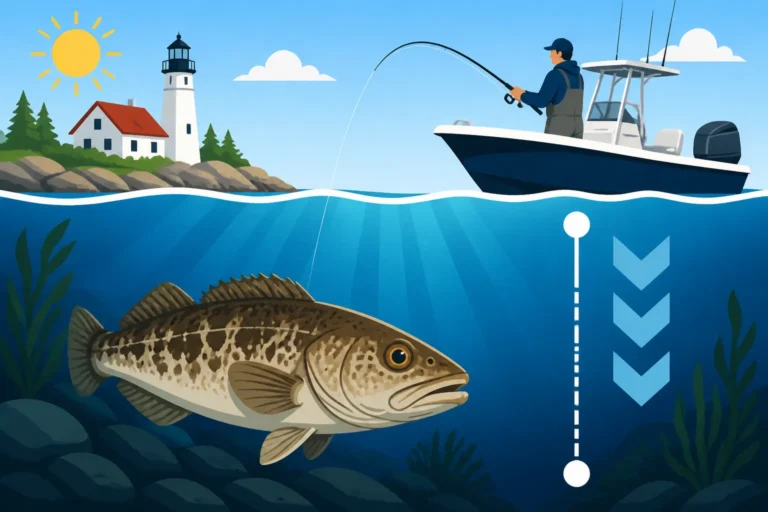
Summer togue depths in Maine lakes range from forty-five to fifty-five degrees Fahrenheit, driven by temperature, oxygen, and smelt.
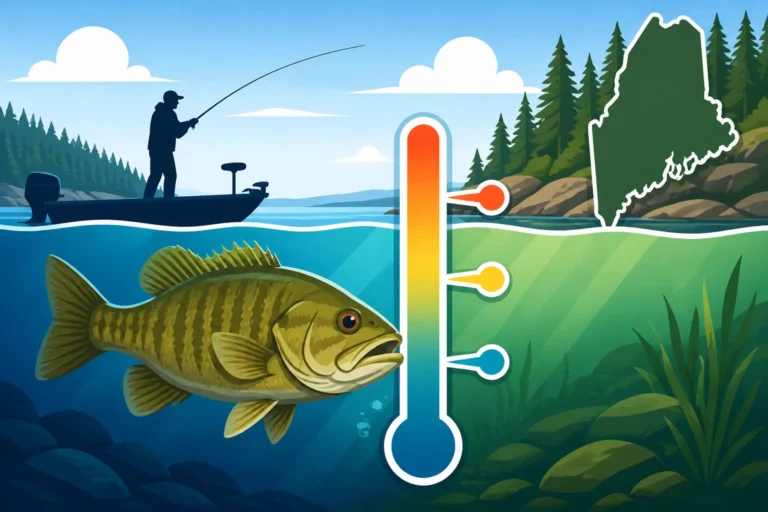
Smallmouth bass thermal preferences and seasonal water temperature ranges explain how to find fish in Maine lakes and rivers.
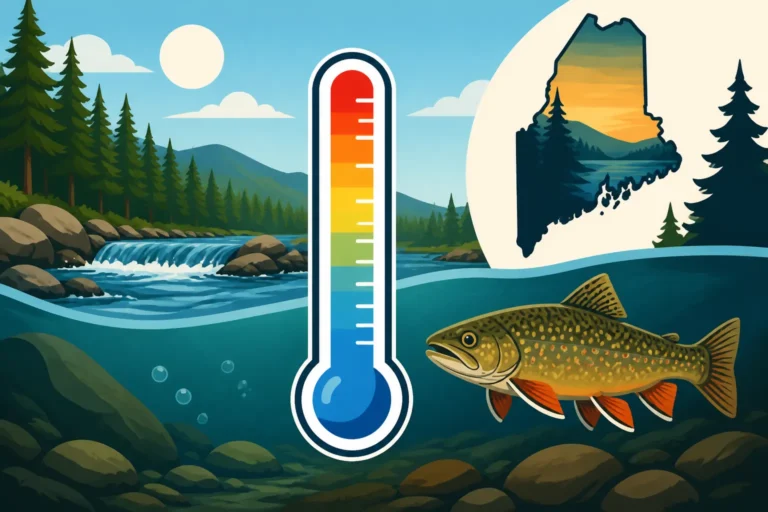
Maine brook trout prefer water temperatures between 45 and 65 degrees for active feeding and survival in cold streams and ponds.
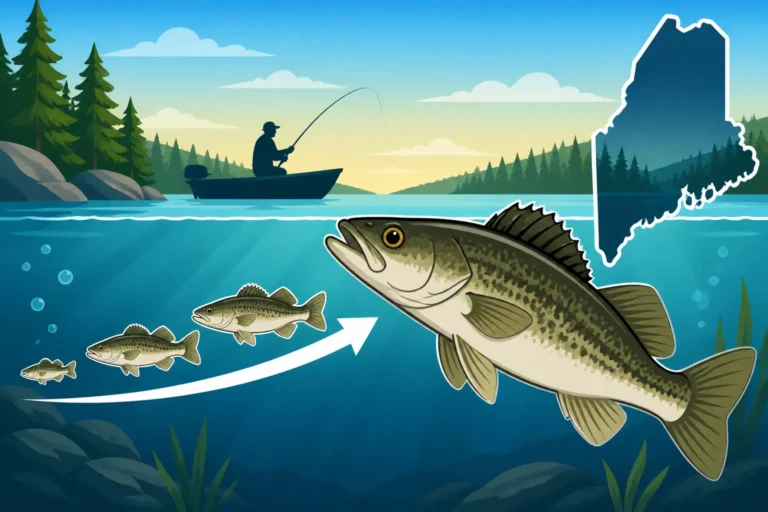
Togue growth rates in Maine lakes depend on food availability, water temperature, population density, and fish genetics.
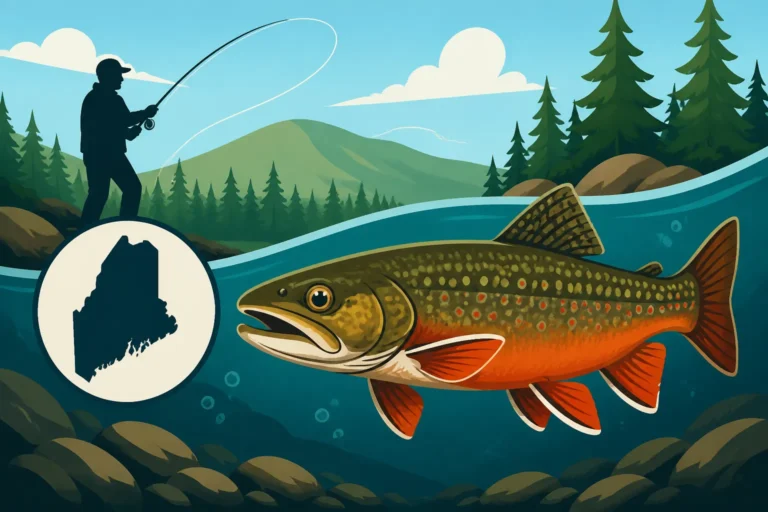
Wild brook trout in Maine typically live two to five years, while exceptional individuals reach six or seven years in remote ponds.
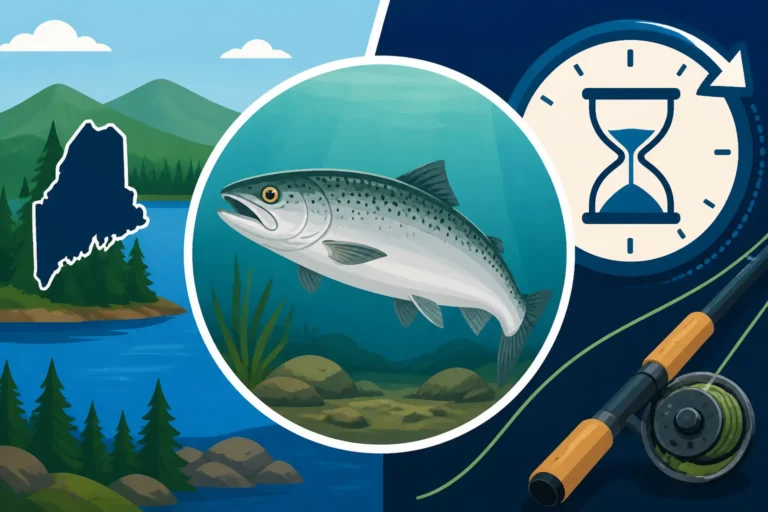
Maine landlocked salmon typically live four to seven years, though exceptional individuals reach eight or nine years of age.
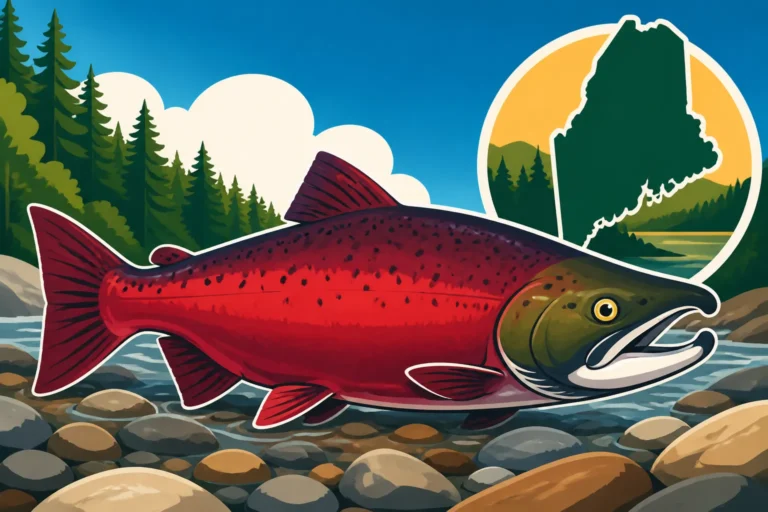
Maine landlocked salmon spawning colors, triggered by cooling autumn water, feature coppery-red, bronze, and orange hues.