How to Fish From a Kayak Safely
There's nothing quite like the freedom and intimacy of fishing from a kayak in Maine. You can slip into those quiet coves, navigate shallow marshlands, or hug the coastline, reaching spots that larger boats simply can't. It's a truly immersive experience, connecting you directly with the water and the wild. But let's be real, while it's incredibly rewarding, it also comes with its own set of challenges, especially in Maine's often unpredictable waters. The thought of flipping in cold water, getting lost in a fog, or being caught unprepared can be a real worry. This guide is here to walk you through all the essential steps to ensure your kayak fishing adventures in Maine are not just fruitful, but above all, safe.
Essential Safety Gear for Maine Kayak Fishing
When you're out on the water in a kayak, you're essentially in a small, low-profile vessel, and that means being extra vigilant about safety. The elements, other boaters, and even your own movements can pose risks. Having the right gear isn't just a suggestion; it’s absolutely critical for coming home safe and sound after a day of chasing brook trout in a remote pond or striped bass along the coast. Think of it as your non-negotiable insurance policy.
Personal Flotation Devices PFDs and Apparel
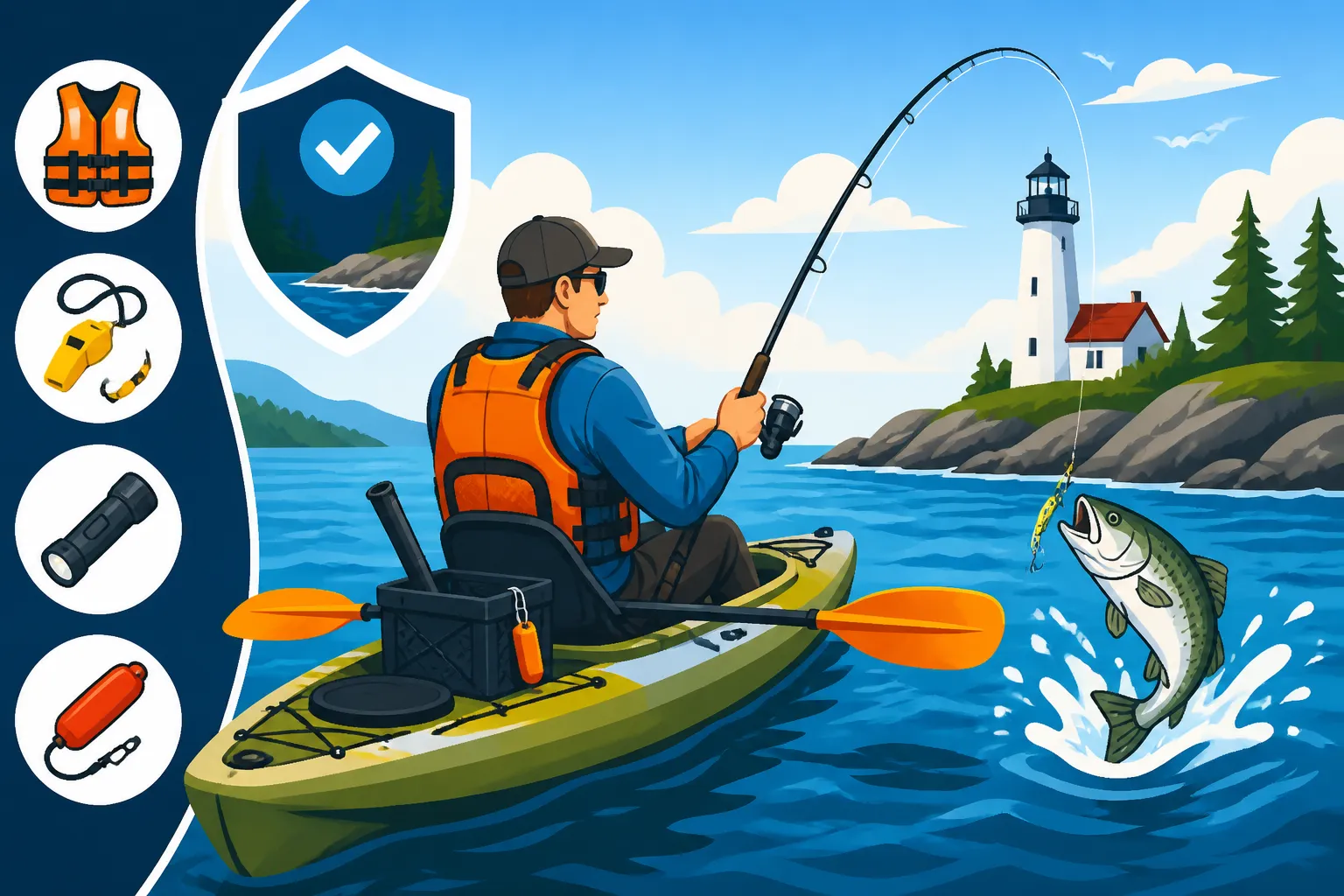
Let's start with the absolute must-have: a Personal Flotation Device, or PFD. I know, I know, sometimes they feel bulky or restrictive, but trust me, always wear your PFD when kayak fishing. Maine's waters, even inland lakes and rivers, can be shockingly cold, especially in spring and fall. Falling into 50-degree water can quickly lead to hypothermia, impairing your ability to swim or even think clearly. A PFD will keep your head above water, conserving energy and allowing you to focus on self-rescue or waiting for help.
There are different types of PFDs, and for kayak fishing, you'll want one designed for paddle sports. These often have thinner backs to accommodate kayak seats, larger armholes for unrestricted paddling, and multiple pockets for essentials like a whistle or knife. You can find excellent options on retailers like Amazon, often with integrated features that make them comfortable enough to wear all day. Beyond the PFD itself, consider your clothing. Layers are key in Maine. Even on a sunny summer day, a sudden squall can drop temperatures significantly. Think moisture-wicking base layers, insulating mid-layers, and a waterproof outer shell. Don't forget a hat for sun protection and sunglasses to reduce glare and protect your eyes from stray hooks.
Visibility and Signaling Devices
Being seen on the water is just as important as being able to see. Kayaks are small, and larger boats, especially those speeding across a big lake or navigating a busy harbor, might not spot you until it's too late. A visibility flag mounted on a pole is a simple yet incredibly effective way to increase your profile. These flags are often brightly colored and stand several feet above your kayak. For low-light conditions – dawn, dusk, or if you find yourself out later than planned – navigational lights are imperative. A 360-degree white light, visible from all directions, is required in many areas after sunset and before sunrise. You can find battery-operated LED versions that are easily attached to your flag pole or kayak.
Beyond just being seen, you need to be able to signal for help if things go south. A loud whistle is an essential piece of gear; attach it directly to your PFD so it's always accessible. A signaling mirror can also be surprisingly effective on a sunny day. Remember, your voice might not carry far over the water, especially if there's wind or other noise. These simple, inexpensive tools can be literal lifesavers.
Navigation and Communication Tools
Maine's vast and wild landscape is part of its charm, but it also means it's easy to get disoriented, especially on larger lakes like Sebago Lake or when navigating complex coastal areas. Having reliable navigation and communication tools is non-negotiable. A waterproof phone case is great for keeping your phone safe, allowing you to access maps, check weather, or make emergency calls. However, phones can lose signal in remote areas. A handheld VHF radio is a fantastic backup for communicating with other boaters or marine patrol, especially on saltwater or larger freshwater bodies.
A dedicated GPS device, or a reliable GPS app on your phone with downloaded offline maps, can be invaluable for pinpointing your location, tracking your route, and finding your way back to your launch point. Always carry a physical map and compass as a fail-safe, and know how to use them – batteries die, electronics fail. Before heading out, make sure your devices are fully charged and that you've told someone your float plan. This brings us to our next crucial safety aspect: planning.
Planning Your Kayak Fishing Trip in Maine
Spontaneous fishing trips have their charm, but when you're in a kayak in Maine, a little planning goes a very long way. The wild beauty of this state demands respect, and that means understanding the environment you're venturing into and making preparations that go beyond just rigging your rod.
Understanding Maine's Waters and Weather
Maine offers an incredible diversity of fishing environments, from the serene ponds of the North Woods to the mighty Penobscot River, and the rugged, tide-swept coastline. Each presents unique challenges. On large, open lakes like Moosehead Lake or Sebago Lake, sudden winds can whip up significant chop, turning a calm paddle into a dangerous struggle. Rivers like the Saco River can have strong currents, hidden rocks, and changing water levels. And the ocean? Well, the ocean is a whole different beast with tides, currents, and swell to contend with.
Always check the weather forecast before you go, and keep an eye on it throughout the day. Marine forecasts are particularly important for coastal fishing. Be aware of predicted wind speeds and directions, as a strong headwind on the way back can exhaust you quickly. Understanding Maine's unique climate means acknowledging that a sunny morning can turn into a squall by afternoon. Remember to consult the Maine Fishing Season Dates Guide to know what to expect in terms of typical weather patterns for your chosen fishing period.
Float Plans and Partnering Up
This is a simple step that many anglers overlook, but it's one of the most important for safety. A float plan doesn't have to be anything formal; it's simply informing a trusted friend or family member of your intentions. Tell them:
- Where you're going to launch and where you expect to land.
- Your intended route and fishing area.
- Who you're with (if anyone).
- Your expected return time.
- What your kayak looks like.
This way, if you don't check in by a certain time, someone knows where to start looking. Better yet, try to always fish with a buddy. Having another person with you in a separate kayak significantly increases safety. They can offer assistance if you capsize, help with a re-entry, or go for help if needed. There's a true sense of camaraderie when you're out on the water with a friend, and that extends to looking out for each other.
Equipment Checks and Maintenance
Before every trip, give your kayak and gear a thorough once-over. Is your paddle in good condition? Are the blades secure? Does your rudder (if you have one) operate smoothly? Check your scupper plugs – make sure they're in place if you want a dry ride, or removed if you're in rougher water and want water to drain. Make sure all your gear, especially your fishing rods, tackle box, and cooler, are securely tethered to your kayak. Losing a valuable rod or your lunch overboard is frustrating; losing critical safety gear is dangerous.
Consider what you're bringing in terms of bait and tackle. For specific guidance on what you can and can't use, especially if you're exploring new waters, make sure you're up-to-date on the Maine Fishing Regulations Explained. This check ensures you're not just ready for fishing, but also ready for the unexpected. A well-maintained kayak and securely stowed gear reduce the chances of equipment failure or loss, which could quickly escalate into a safety issue.
On-Water Safety Practices and Emergency Preparedness
Once you've done your planning and packed your gear, the real adventure begins. But even on the water, safety practices remain paramount. How you handle your kayak, respond to changing conditions, and prepare for emergencies can make all the difference.
Launching, Landing, and Stability
The moment you push off from shore or return after a successful trip can sometimes be the trickiest part of kayak fishing. Choose a launch and landing spot that's safe, with minimal current and an easy entry/exit point. When getting into your kayak, especially if it's new to you or you're on an unstable surface, take your time. Distribute your weight evenly and use your paddle to brace yourself. Think of it like this: your kayak is most stable when it's flat on the water and your weight is centered and low.
Understanding your kayak's stability is crucial. Some kayaks are incredibly stable, designed for standing and casting, while others are narrower and faster but more prone to tipping. Never overload your kayak. While it might be tempting to bring every piece of gear you own, excess weight makes your kayak less stable and harder to paddle. If you're planning a trip to a spot like Kayak Fishing on Sebago Lake, which can get choppy, prioritizing stability over cargo is a smart move. Practice getting in and out in calm, shallow water so you're comfortable with the motion before venturing further afield.
Re-Entry Techniques and Cold Water Safety
The fear of capsizing is real for many kayakers, and for good reason. Maine's waters, even during summer, can be cold enough to induce cold shock and hypothermia surprisingly quickly. Practicing self-rescue – getting back into your kayak after tipping over – in a controlled environment is perhaps the single most important safety skill you can learn. It's much harder in real-life conditions with waves, current, and cold water affecting your strength and coordination. There are various techniques, such as the paddle float re-entry or scramble re-entry, depending on your kayak type. Look up videos, or even better, take a local kayak safety course.
The dangers of cold water cannot be overstated. Even water that feels "refreshing" can be dangerous. Always dress for the water temperature, not just the air temperature. If you fall in, your body will react. The "1-10-1" rule is a good guideline: 1 minute to control your breathing from cold shock, 10 minutes of meaningful movement before you lose muscle control, and 1 hour before unconsciousness from hypothermia. Wearing appropriate thermal layers under your PFD can significantly extend that "10 minutes" window.
Dealing with Unexpected Situations
No matter how well you plan, things can go wrong. A lost paddle, a snagged line that causes you to tip, or even a sudden shift in weather can turn a pleasant outing into an emergency. Always have a spare paddle or a paddle leash to prevent losing your primary one. If you capsize, focus on getting yourself and your kayak under control before worrying about your fishing gear. Your life is more important than a lost rod.
Carrying a small, dry emergency kit is a smart idea. This could include a basic first-aid kit, a headlamp, a fire starter, and some emergency food. For coastal adventures, be mindful of marine wildlife. Seals, porpoises, and even larger whales are common visitors, and while usually harmless, giving them space is crucial for both your safety and theirs. When fishing rivers, particularly those with rapids or dams like sections of the Kayak Fishing on the Saco River, know your limits and scout ahead for potential hazards.
Navigating Regulations and Responsible Angling
Beyond personal safety, being a responsible angler and kayaker in Maine involves understanding and respecting the rules of the water, and ensuring your presence doesn't negatively impact the environment or other users.
Maine's Kayak Fishing Regulations
Just like any other vessel on the water, kayaks are subject to certain regulations. While a non-motorized kayak generally doesn't require registration, if you add a motor – even a small electric one – you might need to register it with the state. Always check current regulations through the Maine Department of Inland Fisheries and Wildlife (MDIFW) or the Maine Marine Patrol. As mentioned, PFDs are required to be carried for each person on board, and if you're out after dark or in low visibility, proper lighting is mandatory.
And of course, don't forget your fishing license! Whether you're targeting brook trout in a remote pond or striped bass in Casco Bay, you need a valid Maine fishing license. You can get a sense of what's generally required by looking at the Maine Fishing License Guide. Additionally, be aware of specific local rules. Some ponds or sections of rivers might have special regulations regarding bait, line limits (like Maine Open Water Line Limits), or even catch-and-release only policies. Ignorance of the law is never an excuse, and a friendly warden can quickly turn a fun day into a costly one if you're not compliant.
Environmental Awareness and "Leave No Trace"
One of the greatest joys of kayak fishing is experiencing Maine's pristine natural beauty. It's our collective responsibility to keep it that way. Always adhere to "Leave No Trace" principles. This means packing out everything you pack in, including all trash, fishing line scraps, and even organic waste like fruit peels (which take a long time to decompose and can attract wildlife). Avoid disturbing sensitive habitats, especially during spawning seasons.
If you're using live bait, be mindful of where you source it and dispose of it properly to avoid introducing invasive species into Maine's delicate ecosystems. When handling fish, especially if you intend to release them, minimize stress. Wet your hands before touching fish, support their body, and return them to the water quickly and gently. For more detailed guidance, consider reviewing Catch and Release Best Practices in Maine. By being a conscientious steward of the environment, you help ensure that Maine's waters remain healthy and vibrant for future generations of anglers.
Here's a quick overview of some essential safety items for your Maine kayak fishing adventures:
| Category | Essential Items | Purpose | Where to Find (Example) |
|---|---|---|---|
| Personal Safety | PFD (Coast Guard Approved) | Keeps you afloat, conserves energy in cold water | Amazon |
| Whistle, Signal Mirror | Attract attention in emergencies | Local Outfitters | |
| Warm, Layered Clothing & Waterproof Outerwear | Protection against cold, wind, and rain; prevents hypothermia | Sporting Goods Stores | |
| Visibility | Visibility Flag & Pole | Increases your profile to other boaters | Amazon |
| 360-degree White Light (for low light) | Mandatory for night/low-light navigation | Marine Stores | |
| Navigation & Comm. | Waterproof Phone Case / Dry Bag | Protects phone for emergencies & navigation | Amazon |
| VHF Radio (handheld) | Reliable communication, especially on open water | Electronics Retailers | |
| GPS Device or App (with offline maps) | Pinpoint location, track route, find launch point | App Stores / Amazon | |
| Emergency Prep. | Spare Paddle / Paddle Leash | Backup if primary paddle is lost | Kayak Shops |
| Small First Aid Kit | Treat minor injuries | Drugstores | |
| Knife or Line Cutter | Cut tangled lines, retrieve gear | Fishing Stores | |
| Dry Bag (for essentials) | Keeps wallet, keys, phone, and emergency items dry | Amazon |
Disclaimer
This article is for general informational purposes only and does not constitute professional advice. Laws, prices and regulations vary by location and change over time. Consult a qualified professional for guidance on your specific situation.