Catch and Release Tips to Keep Fish Healthy
We all love the thrill of feeling a strong tug on the line, the heart-pounding fight, and the beauty of a fish in our hands. But for many of us, the joy isn't just in the catch, it's in the chance to respectfully release that fish back into its watery home, ensuring our beloved Maine fishing traditions continue for generations. This guide is all about giving those fish the absolute best chance of survival after you've shared a moment with them, covering everything from smart gear choices to gentle handling techniques.
The Responsible Angler's Ethos: Why Catch and Release is More Than Just a Policy
It's easy to think of catch and release as just another rule, especially when fishing specific waters or for certain species. But honestly, it's so much more than that here in Maine. It's about stewardship, respect for the resource, and ensuring that those vibrant brook trout streams and teeming salmon lakes remain abundant. There's a deep satisfaction that comes from knowing you've played your part in preserving Maine's natural heritage.
Understanding the "Why" Behind Catch and Release
For many species, especially those with strict bag limits or size restrictions, catch and release isn't just a suggestion; it's a critical management tool. Consider a prized landlocked salmon fishery; if everyone kept every legal fish they caught, the population simply couldn't sustain itself. By carefully releasing fish, we're actively contributing to healthy breeding populations and robust ecosystems. It allows younger fish to grow into larger, more reproductively successful adults, and it ensures that trophy fish, once caught and admired, can pass on their genes. It's a fundamental pillar of sustainable angling.
Beyond the regulations, there's a personal ethical component. Many anglers simply derive immense pleasure from the challenge of the catch itself, rather than the act of taking fish home. It allows for more fishing opportunities, as you're not limited by a daily bag. It means you can spend all day on a particular stretch of the Allagash Wilderness Waterway Fishing Guide targeting native brook trout, knowing each one you release is a potential future catch for you or another angler. This approach fosters a deeper appreciation for the fish and their habitat.
When to Keep and When to Release: A Thoughtful Approach
While this guide focuses on releasing fish, it's important to remember that keeping fish, within legal limits, is a perfectly legitimate and enjoyable part of fishing. There’s nothing quite like fresh-caught Maine fish on the dinner table. However, making an informed decision about keeping or releasing involves a few considerations. Are you fishing in a designated "catch and release only" water? Are you exceeding your daily limit? Is the fish of legal size? These are non-negotiable points covered in guides like the Maine Fishing Regulations Explained.
Beyond the rules, think about the fish's condition. If a fish is deeply hooked, bleeding profusely, or severely injured, releasing it might not be the most humane option if its chances of survival are slim. In such cases, if it's a legal fish and within your bag limit, it's often better to dispatch it quickly and humanely. Conversely, if you're targeting a species known for high survival rates post-release, like many bass, and you plan to enjoy a full day of angling, releasing them allows you to continue fishing without worrying about limits. It's about making thoughtful choices based on the situation and the welfare of the fish.
Essential Gear for Gentle Handling: Tools That Make a Difference
Having the right equipment can drastically improve a fish's chances of survival after release. It's not just about what you catch them on, but how you handle them once they're off the hook. Think of it as a first-aid kit for your finned friends; small investments in specialized tools can make a world of difference.
Choosing the Right Hooks and Line
One of the biggest factors in fish survival is the hook. Single, barbless hooks are the gold standard for catch and release. Barbs create a larger wound and make removal much more difficult, often tearing delicate mouth tissues. If your favorite lure comes with treble hooks, consider replacing them with single, barbless hooks. If you can't find barbless, simply crushing the barb with a pair of pliers makes a huge difference. This simple step, which you can do with a basic pair of pliers that many anglers already have in their tackle box, drastically reduces the damage and the time it takes to remove the hook.
Using appropriate line strength for the fish you're targeting is also crucial. While it might seem counterintuitive, using too light a line can prolong the fight, exhausting the fish to the point of no return. A fish that's been fought to complete exhaustion often has a harder time recovering and swimming off strongly. On the other hand, excessively heavy line can be less sporting. The goal is a balanced setup that allows you to land the fish efficiently, minimizing stress. For example, if you're targeting large landlocked salmon, using a line that can handle their powerful runs is better than trying to horse them in on ultralight tackle, which prolongs the fight unnecessarily. You can find a good range of appropriate lines on sites like Amazon.
Landing Nets and De-Hooking Tools
A proper landing net is indispensable. Look for nets with knotless, rubberized, or silicone mesh. Traditional knotted nylon nets can strip off a fish's protective slime layer, damage fins, and even remove scales, leaving the fish vulnerable to disease and infection. A soft, rubberized net cradles the fish, preventing abrasion and allowing you to easily untangle hooks without harming the fish. It's especially useful when trying to land feisty Brook Trout Fishing in Maine or powerful Landlocked Salmon Fishing in Maine.
Essential Catch and Release Gear Comparison
| Gear Item | Traditional/Poor Choice | Best for Catch and Release | Why It Matters |
|---|---|---|---|
| Hooks | Barbed treble hooks | Single, barbless hooks | Minimizes tissue damage, speeds hook removal, reduces stress. |
| Landing Net | Knotted nylon net | Knotless, rubberized, or silicone mesh net | Protects slime coat, fins, and scales; reduces injury and disease risk. |
| De-Hooking Tool | Fingers only, standard pliers | Hemostats, long-nose pliers, specialized de-hooker | Allows quick, deep hook removal without excessive handling or gill plate contact. |
| Fish Gripper | Grabbing by the gill plate or jaw | Lip gripper (with caution) | Reduces handling stress, avoids damage to gills or internal organs. |
| Handling Gloves | Dry cloth, bare hands | Wet, soft gloves (optional) | Helps maintain slime coat if direct contact is unavoidable. |
De-hooking tools are equally important. Long-nosed pliers, hemostats, or even specialized de-hookers allow you to quickly and efficiently remove hooks, especially if they're a bit deep. These tools minimize the need for excessive handling, which is a major stressor for fish. If you're fishing for species known to swallow hooks occasionally, like some trout or smallmouth bass, a longer tool can reach in without you having to put your fingers near sharp teeth or delicate gills. You can easily find these specialized tools online, often on retail platforms like Amazon, making it simple to upgrade your tackle box.
On the Water: Best Practices from Hook-Set to Landing
The moment a fish strikes, your actions dictate much of its post-release survival. From how you set the hook to how you bring the fish to hand, every step matters. A quick, decisive fight followed by gentle handling is the recipe for success.
Minimizing the Fight and Time Out of Water
When you feel a bite, set the hook firmly but not violently. A strong, quick hook-set helps embed the hook in the fish's mouth, often in the lip, making it easier to remove later. Prolonging the fight, especially with strong species like lake trout (or "togue" as we often call them here in Maine, as explored in Togue and Lake Trout Fishing in Maine), can push a fish to its physical limits. When a fish is fought for too long, lactic acid builds up in its muscles, making it difficult to recover and swim away. Aim to land the fish as quickly and safely as possible without putting undue strain on your tackle.
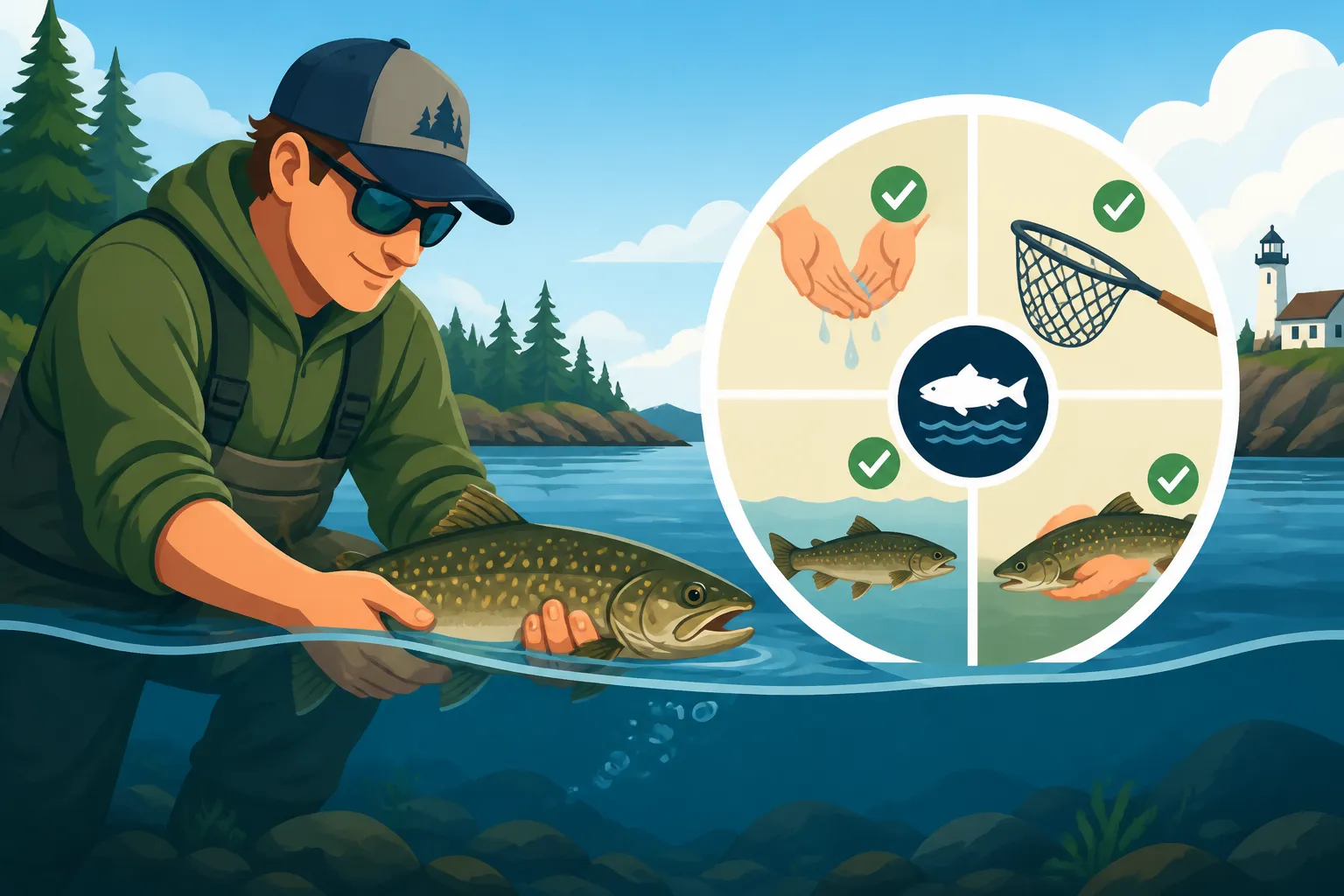
Once the fish is reeled in, the less time it spends out of water, the better. Fish need water to breathe, just like we need air. Even a few seconds out of water can be incredibly stressful, especially in warm weather. If possible, try to keep the fish submerged while removing the hook. If you must lift it for a quick photo, do so gently and quickly, holding your breath if you want to gauge how long is too long for the fish. A wet hand or wet glove, rather than a dry towel, is also key for maintaining the fish's protective slime layer.
The Gentle Touch: Proper Fish Handling Techniques
Perhaps the most critical aspect of catch and release is how you actually handle the fish. Avoid touching the gills or eyes at all costs, as these are incredibly delicate and vital organs. When holding a fish, support its weight horizontally, often with one hand gently under its belly and the other near its tail. This prevents damage to its internal organs and spinal column, which can occur if a fish is held vertically by its jaw, especially larger, heavier fish.
For species with sharp teeth, like chain pickerel, or powerful jaws, a lip gripper can be useful, but use it with extreme care. Over-squeezing can damage the fish's jaw. The key is minimal, gentle contact. If you need to remove the hook, try to do it while the fish is still in the net or even in the water if conditions allow. If the fish is thrashing, wait a moment for it to calm down, or gently secure it for a second. This gentle approach greatly increases their chances of survival, which is a core theme in How to Handle Fish Without Hurting Them.
The Gentle Farewell: Ensuring a Strong, Healthy Release
The release isn't just about letting go; it's about actively giving the fish the best chance to swim away strongly and recover. A proper release can make all the difference in whether that fish thrives or succumbs to stress or injury.
Reviving and Releasing the Fish
Before you release, take a moment to assess the fish's condition. If it's been a long fight, or if the fish looks sluggish, it might need a little help to revive. Hold the fish gently upright in the water, facing into a mild current if available. Move it slowly back and forth to push oxygenated water over its gills. This "water flow" helps the fish recover its strength and allows oxygen to circulate through its system. You'll know it's ready when it can hold itself upright and tries to swim out of your hands with some vigor.
Avoid just tossing or dropping the fish back into the water, especially from any height. This can cause internal injuries or disorient the fish, making it vulnerable to predators or unable to find its way. Gently lower it into the water and support it until it can swim away on its own power. Sometimes, a fish might need a few minutes of revival, so be patient. The goal is to see it swim away strong, not just drift away. These thoughtful steps are part of Best Practices for Releasing Trout and apply to all species.
Deep Hooked Fish and Tough Decisions
Despite our best efforts, sometimes a fish will swallow the hook deeply, especially if they strike aggressively or if you're using bait. In these situations, attempting to rip out a deeply embedded hook can cause more harm than good, tearing the fish's esophagus or stomach. If a hook is truly deep and difficult to remove without causing severe trauma, the best course of action is often to simply cut the line as close to the hook as possible. Many hooks, especially those made of non-stainless steel, will eventually rust out, allowing the fish a chance to recover.
This is where the earlier discussion about barbless hooks comes into play; even a deeply swallowed barbless hook has a better chance of passing or working its way out with less damage. Making the decision to cut the line can be hard, as it means leaving gear behind, but it's often the most compassionate choice for the fish. For more on this, you might find specific techniques in Maine Open Water Fishing Techniques Guide useful, as they often cover different scenarios.
Post-Release Observation and Environmental Considerations
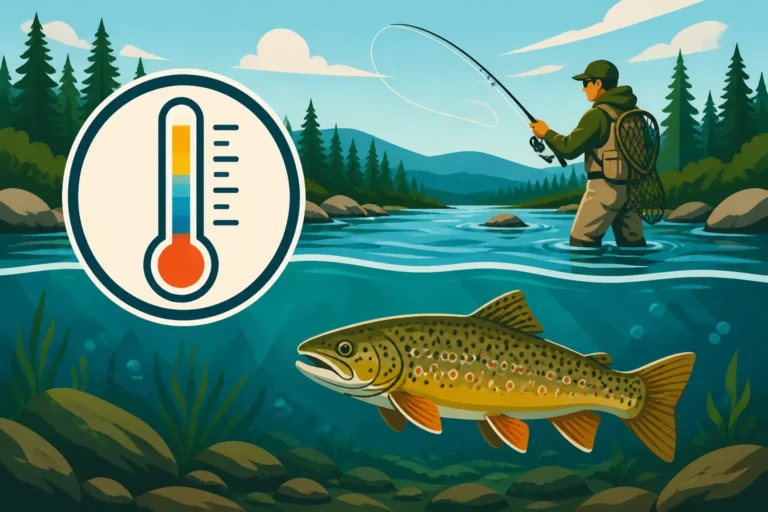
After you've revived and released a fish, take a moment to watch it swim away. Does it dart off quickly, or does it slowly sink or struggle? This observation helps you learn what works and what doesn't in terms of your handling techniques. If you notice a pattern of fish struggling, it might be a sign to re-evaluate your gear or methods. Remember that the surrounding environment plays a huge role in survival. Warm water temperatures, common during the height of Maine Summer Fishing Guide, significantly reduce oxygen levels, making catch and release more stressful for fish.
On extremely hot days, consider fishing cooler, deeper waters, or postponing your trip. Similarly, avoid handling fish near shallow, stagnant water where oxygen levels are naturally lower. Be mindful of areas with known predators, as a disoriented fish can quickly become an easy meal. Your awareness of these factors contributes to a holistic approach to conservation, ensuring that every fish you release has the best possible shot at thriving back in its natural habitat. Thinking about the overall health of the fishery is part of why we have rules like those in the Maine Fishing License Guide and the broader Maine Fishing Laws for Beginners.
Disclaimer
This article is for general informational purposes only and does not constitute professional advice. Laws, prices and regulations vary by location and change over time. Consult a qualified professional for guidance on your specific situation.