Best Fall Fishing Techniques for Salmon
Fall fishing for salmon in Maine can be incredibly rewarding, but it often feels like a puzzle trying to figure out the best techniques as the weather cools and the fish change their habits. Many anglers get frustrated because what worked in summer simply doesn't cut it anymore. This guide is here to help you unlock the secrets of autumn salmon fishing, diving deep into strategies that will put more fish in your net during Maine's stunning fall season.
Why Fall is the Absolute Sweet Spot for Maine Salmon Anglers
There's just something magical about fall in Maine, isn't there? The air is crisp, the foliage is bursting with color, and for those of us chasing landlocked salmon, it's truly one of the most exciting times to be on the water. While summer fishing can be fantastic, the fall brings a different kind of energy, driven by the salmon's natural instincts as the seasons change.
The Spawning Run and Aggressive Behavior
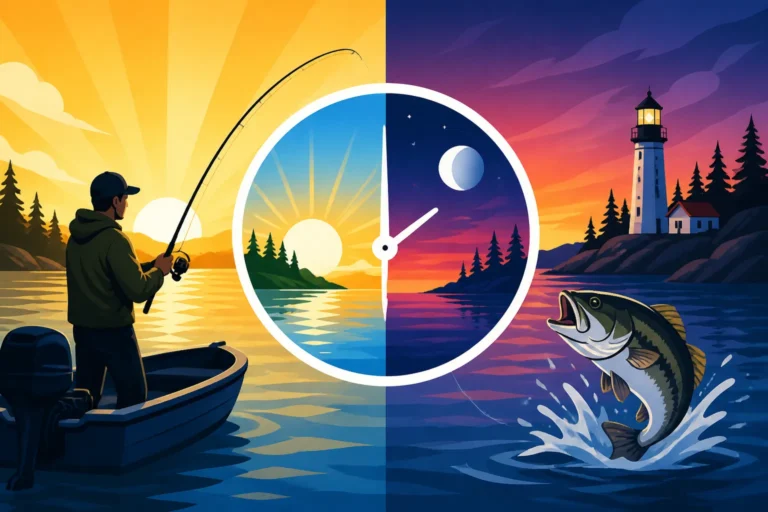
As the water temperatures begin to drop from their summer highs, landlocked salmon, especially the mature ones, start to feel the undeniable pull of their spawning instincts. This isn't just about reproduction; it fundamentally alters their behavior. They become more aggressive, more territorial, and often more willing to strike a lure or fly. They’re moving into shallower waters, rivers, and stream mouths, making them more accessible than their deep summer haunts. This focused, aggressive behavior means they're often less finicky about what they'll hit, provided you're presenting it correctly in their vicinity. It's a prime window for trophy-sized fish that might have been elusive all summer.
Optimal Water Temperatures and Oxygen Levels
The declining water temperatures are perhaps the single most important factor that makes fall fishing so productive. During the heat of summer, salmon seek out deep, cold pockets where oxygen levels are adequate. This often means trolling at significant depths or focusing on thermoclines. However, as the fall progresses, the entire water column cools down and "turns over," meaning oxygen-rich water is more evenly distributed. This allows salmon to roam more freely, often moving into shallower areas to feed more actively. They're no longer stressed by warm water, which translates into stronger fights and more vigorous strikes. Understanding these temperature shifts is key to knowing where the fish will be, and a good way to stay on top of this is by referring to our comprehensive guide on the Maine Fishing Season Calendar.
Essential Fall Salmon Techniques You Need to Master
When it comes to fall salmon fishing, you can't just stick to one method. The conditions change, the fish move, and being versatile is your best friend. From covering vast expanses of a lake to precise presentations in rivers, each technique has its moment to shine.
Trolling for Cruising Salmon
Trolling remains a dominant and highly effective method for landlocked salmon in the fall, especially on Maine's larger lakes like Sebago Lake or Moosehead Lake. As salmon start to stage near river mouths or migrate along shorelines before their spawning runs, trolling allows you to cover a lot of water and intercept these actively moving fish. The key in fall is often adjusting your depth and speed. Unlike summer, you might find salmon higher in the water column as the entire lake cools. Experiment with different depths, from the surface down to 20-30 feet, using lead core line, downriggers, or even just long lines with planer boards. Spoons are a classic choice, with favorites like Mooselook Wobblers, Suttons, and the venerable DB Smelt. Don't be afraid to try brighter colors on overcast days or in stained water. For more in-depth advice on this method, you can check out our article on Trolling Techniques for Maine Lakes. For those looking to precisely control their depth, learning How to Use a Downrigger for Lake Trout can also apply to salmon, as they often inhabit similar depths depending on the season.
When the salmon are moving into the shallower, pre-spawning areas, you might find that less aggressive trolling, almost a "slow-and-go" approach, can be more effective. Think about imitating a baitfish that's a little disoriented, maybe a bit slower. Adjust your boat speed, and even try a zig-zag pattern to make your lure speed up and slow down naturally. This can often trigger a strike from a salmon that's just cruising. Before hitting the water, I often browse Amazon for new spoon designs or colors that might just be the ticket for a picky fall salmon.
Casting and Jigging Near Inlets and Outlets
As salmon transition towards their spawning grounds, inlets and river mouths become absolute hotspots. This is where casting and jigging really come into their own. Fish will congregate here, staging before their final push upstream, or feeding on baitfish that are also moving into these areas. Throwing spoons, stickbaits, or even heavy streamers from shore or a boat positioned strategically can be incredibly productive. Look for current breaks, submerged structure, or eddies where salmon might rest and ambush prey. Vertical jigging with a Swedish Pimple or a heavier soft plastic jig can also tempt fish holding deeper in these bottleneck areas. It's all about precision and placing your offering right in front of the fish.
This kind of fishing often requires a bit more stealth. Approaching these areas quietly is crucial, especially if you're fishing from shore or in a smaller boat. Long casts help keep you distanced from the fish, minimizing disturbance. Pay attention to water clarity; if it's clear, scale down your line size and opt for more natural-looking presentations. These are the spots where you might connect with some of the biggest, most vibrant salmon of the season, showing off their brilliant fall colors.
Fly Fishing in Rivers and Stream Confluences
For the dedicated fly angler, fall offers some of the most exhilarating opportunities to target landlocked salmon, particularly in the rivers and larger streams that feed into Maine's major lakes. This is when salmon make their legendary spawning runs, pushing upstream into often shallower, faster-moving water. While some rivers are "fly fishing only" or "catch and release," others offer incredible opportunities with the right gear. Streamer patterns that imitate baitfish (like smelt or small minnows) are king here. Think big, flashy patterns in white, black, olive, or grey. You'll want to cast across and slightly upstream, letting your fly swing through likely holding lies—pools, riffles, and behind large rocks. A sinking tip or full sinking line can be invaluable for getting your fly down quickly in the current.
Patience and persistence are virtues when river fishing for salmon. Often, a fish won't hit on the first cast, or even the tenth. Vary your retrieve, add pauses, and experiment with different angles. Sometimes, a subtle twitch or a change in swing speed is all it takes to trigger an aggressive strike. This is also a fantastic time to think about Fly Fishing Techniques for Maine Rivers more broadly. Before heading out, I often peruse Amazon for a new selection of streamer patterns or some extra tippet material, just to make sure I'm fully stocked.
Gear Up for Success: Fall Salmon Essentials
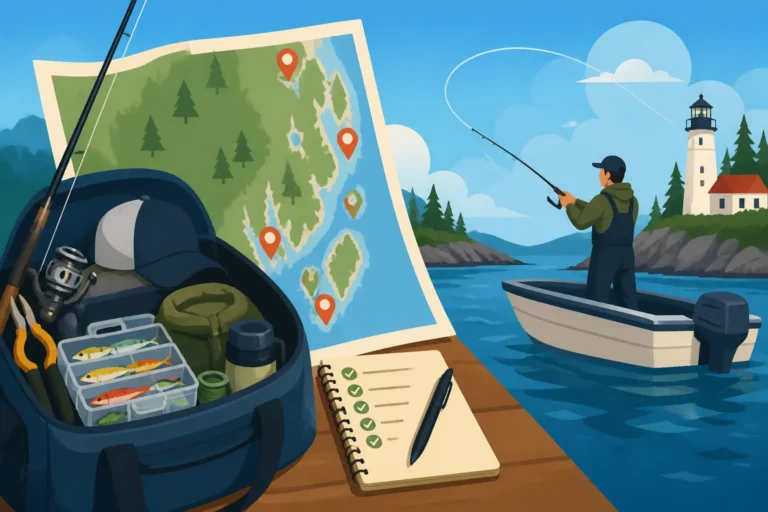
Just like the fish change their habits, your gear needs to adapt to the cooler temperatures and unique conditions of fall. Having the right rods, reels, lines, and especially the right apparel, can make all the difference between a miserable day and a memorable one.
Rods, Reels, and Line Selection
For fall salmon fishing, versatility in your rod setup is key. If you're primarily trolling, a medium-action spinning or baitcasting rod, around 7 to 8.5 feet, with a forgiving tip and good backbone, is ideal. This allows you to absorb the violent strikes of a salmon and handle powerful runs. For casting spoons or stickbaits, a slightly shorter, medium-heavy spinning rod (6'6" to 7'6") offers better casting accuracy and control. Fly anglers targeting rivers will want a 7 or 8-weight rod, 9 feet long, capable of casting large streamers and fighting strong fish in current.
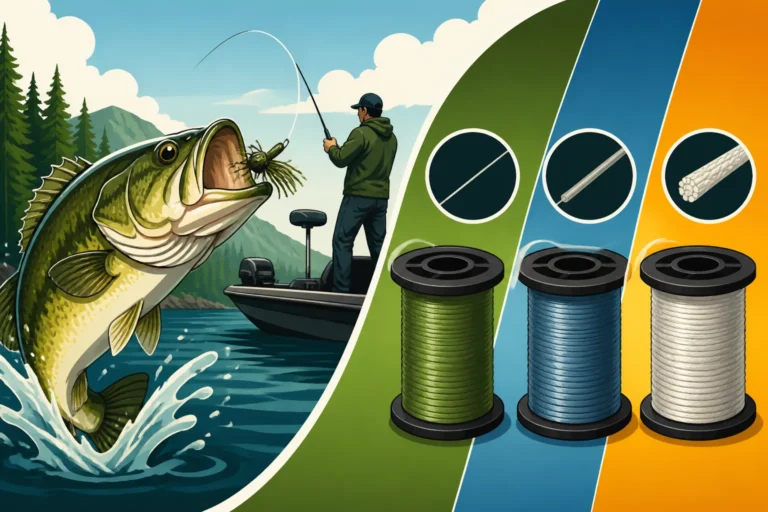
Pair your rods with reliable reels. For spinning and baitcasting, look for reels with a smooth, strong drag system and enough line capacity for long runs. Spool up with 8-12 lb monofilament or fluorocarbon for trolling and casting, or a braided mainline with a fluorocarbon leader for added sensitivity and strength. Fly reels should also have a robust drag, loaded with a weight-forward floating line for dries or nymphs, and sinking tip or full sinking lines for streamers in current. Getting a good quality reel can truly make or break your experience, and browsing options on Amazon can reveal some great choices. Our guide on How to Choose the Right Rod for Trolling offers more detailed insights for this specific technique.
Lures, Bait, and Scent Strategies
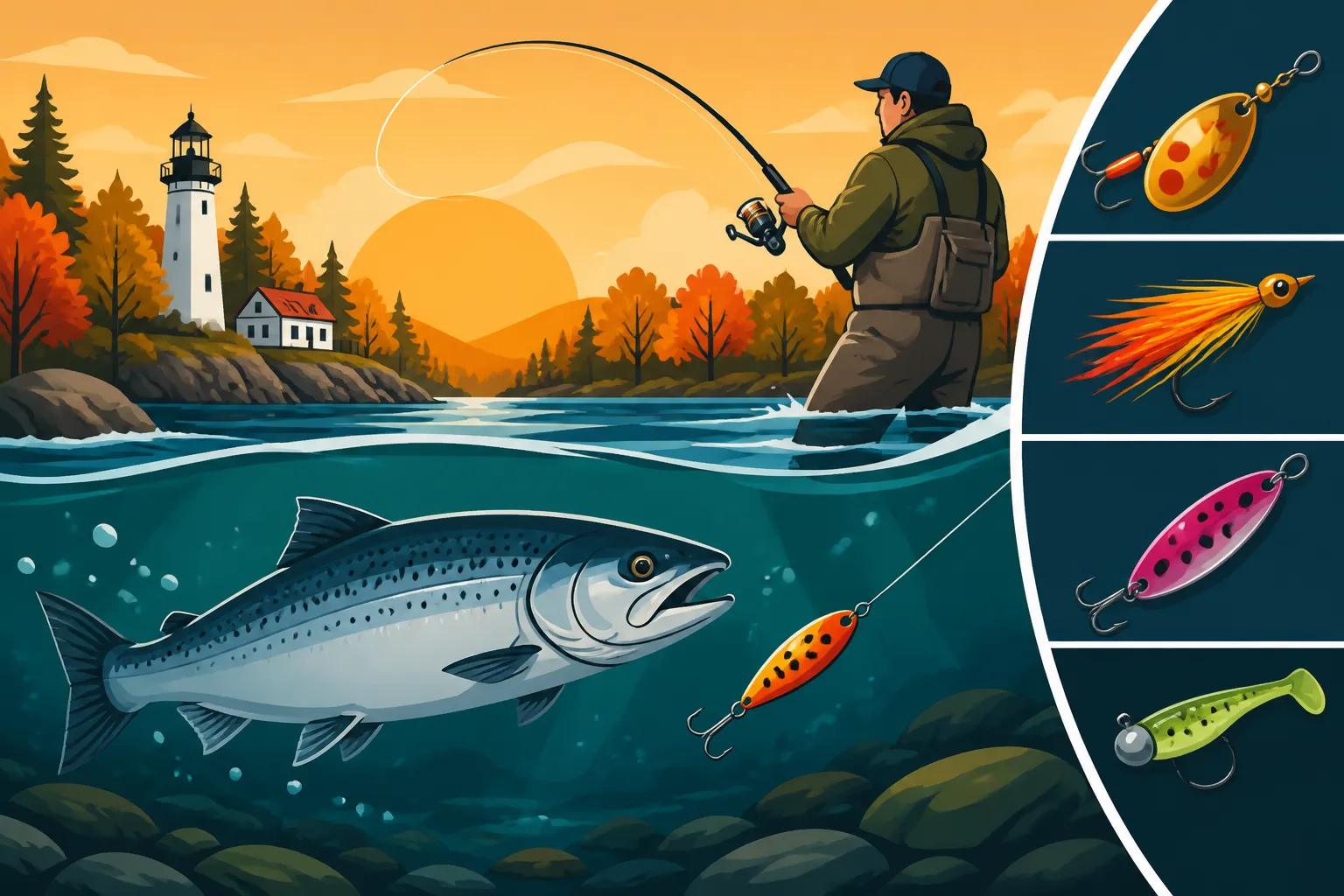
The go-to lures for fall landlocked salmon often mimic their natural forage, primarily smelt. Thin, silver, or blue-and-silver spoons are perennial favorites for trolling and casting. The Mooselook Wobbler, Sutton Spoon, and various streamer flies in smelt patterns (like the Gray Ghost, Supervisor, and Black Ghost) are legendary for a reason. Don't shy away from vibrant colors like orange, red, or chartreuse, especially if the water is stained or on darker days. For jigging, white or chartreuse soft plastics on a lead head, or vertical jigs, can be deadly.
Live bait can also be incredibly effective, especially shiners or smelts, fished under a bobber in staging areas or slow-trolled. Always check local regulations for bait restrictions. Don't forget scent! Applying a fish attractant to your artificial lures can provide an added edge, masking human scent and enticing hesitant salmon. Different scents work better at different times, so having a variety on hand can pay dividends.
Essential Apparel and Safety Gear
Fall weather in Maine is famously unpredictable. One minute it's crisp and sunny, the next a cold rain or even an early snow squall can roll in. Layering is absolutely crucial. Start with a moisture-wicking base layer, add insulating layers like fleece or wool, and top it off with a waterproof and windproof outer shell. A warm hat, gloves, and waterproof footwear are non-negotiable. Hypothermia is a real risk if you're not prepared.
Beyond staying warm and dry, safety is paramount. Always wear a personal flotation device (PFD) when on the water, especially in smaller boats or kayaks. Carry a fully charged cell phone, a first-aid kit, a whistle, and navigational tools. If you're venturing into remote areas, let someone know your float plan. Even though the air is cooler, the water can be shockingly cold, so take every precaution. For more tips on staying comfortable, check out our Best Layering Tips for Cold Weather Fishing.
Navigating Fall Challenges and Maximizing Your Trip
Even with the best techniques and gear, fall fishing can throw some curveballs. Understanding potential challenges and knowing how to adapt will significantly boost your success rate and ensure a more enjoyable trip.
Understanding Fall Regulations and Special Waters
Maine's fishing regulations can be complex at the best of times, and fall is no exception. With specific seasons for different fish species, zones (like the Maine North Zone vs South Zone Fishing Rules), and even special regulations for individual lakes and rivers, it's absolutely vital to do your homework before you go. Many rivers and stream sections that are popular for salmon spawning runs have very specific rules, including "fly fishing only" sections, "catch and release only" mandates, or even specific dates when they open or close for certain species. Penalties for non-compliance can be stiff, so always consult the latest Maine Fishing Regulations Explained booklet or the DIFW website.
Keeping an eye on Landlocked Salmon Size and Bag Limits in Maine is also critical, as these can vary by waterbody. Ignorance of the law is no excuse, and wardens are out there making sure everyone is playing by the rules designed to protect these precious resources. A little research upfront will save you a lot of headaches later, ensuring you have a legal and ethical fishing experience.
Weather Resilience and Adapting Tactics
As mentioned, fall weather in Maine is a fickle beast. One day can be Indian summer, the next can bring biting winds and freezing rain. Don't let a forecast of less-than-ideal conditions deter you entirely, but always be prepared to adapt. On blustery, overcast days, salmon might be more active closer to the surface, and brighter, flashier lures can be more visible. If a cold front rolls through, fish might become lethargic and drop deeper or hold tighter to structure. Slowing down your presentation and using more subtle baits can sometimes entice a strike.
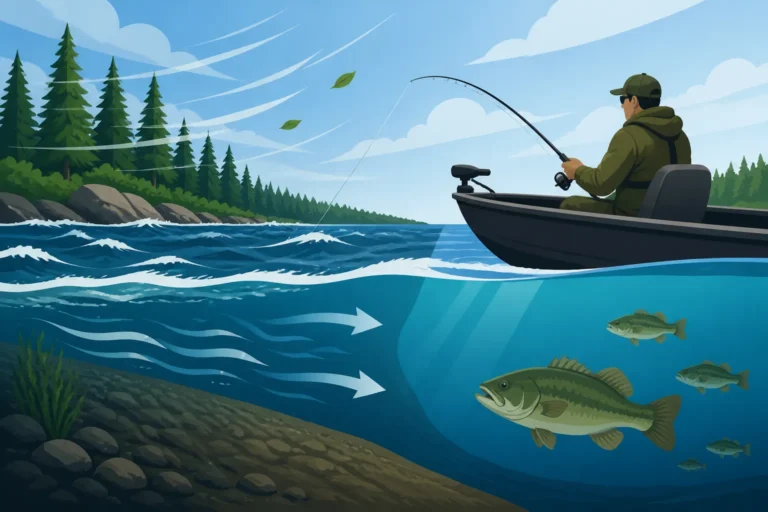
Wind can also be a major factor, especially on large lakes. Strong winds can make boat control challenging for trolling, but they can also create current and push baitfish, concentrating salmon in certain areas. Learning to "fish the wind" – by positioning your boat to drift or troll along a productive seam created by the wind – can be a masterstroke. Always prioritize safety; if the wind and waves are too much, it's better to stay ashore and try another day.
Best Practices for Catch and Release
Many fall salmon, particularly those in their spawning colors, are truly magnificent fish. While you might be allowed to keep a certain number based on Maine Fish Bag Limits Guide, practicing careful catch and release, especially for the larger, mature spawners, helps ensure future generations of salmon. Handle fish as little as possible. Keep them in the water if you can for unhooking and photography. Use a rubberized net to protect their slime coat and fins.
If you must remove a fish from the water, do so quickly, support its entire body horizontally, and get it back in the water as fast as possible. Gently revive the fish by holding it upright in the current until it swims away under its own power. These practices not only conserve the fishery but also show respect for these incredible creatures that provide us with such thrilling angling experiences. Being a responsible angler is just as important as being a successful one.
Here's a quick comparison of popular fall salmon techniques:
| Technique | Best for Conditions | Ideal Location | Recommended Lures/Bait | Key Advantage |
|---|---|---|---|---|
| Trolling | Covering large areas, variable depths, moderate wind | Large lakes, open water, near river mouths | Spoons (Mooselook, Sutton), stickbaits | Efficiently locates scattered fish |
| Casting/Jigging | Concentrated fish, structure, current breaks | Inlets, outlets, points, shorelines | Spoons, stickbaits, soft plastics, jigs | Precise presentation to active fish |
| Fly Fishing | Spawning runs, flowing water, clear conditions | Rivers, stream confluences, riffles, pools | Streamers (Smelt patterns), nymphs | Highly engaging, targets aggressive spawners |
Fall fishing for landlocked salmon in Maine is an experience every angler should savor. By understanding the salmon's behavior, adapting your techniques, gearing up properly, and respecting the regulations, you're not just increasing your chances of success; you're also embracing the full beauty and challenge that Maine's autumn waters have to offer. So, bundle up, cast out, and enjoy the spectacular show!
Disclaimer
This article is for general informational purposes only and does not constitute professional advice. Laws, prices and regulations vary by location and change over time. Consult a qualified professional for guidance on your specific situation.