How to Fish for Smallmouth Bass in Spring
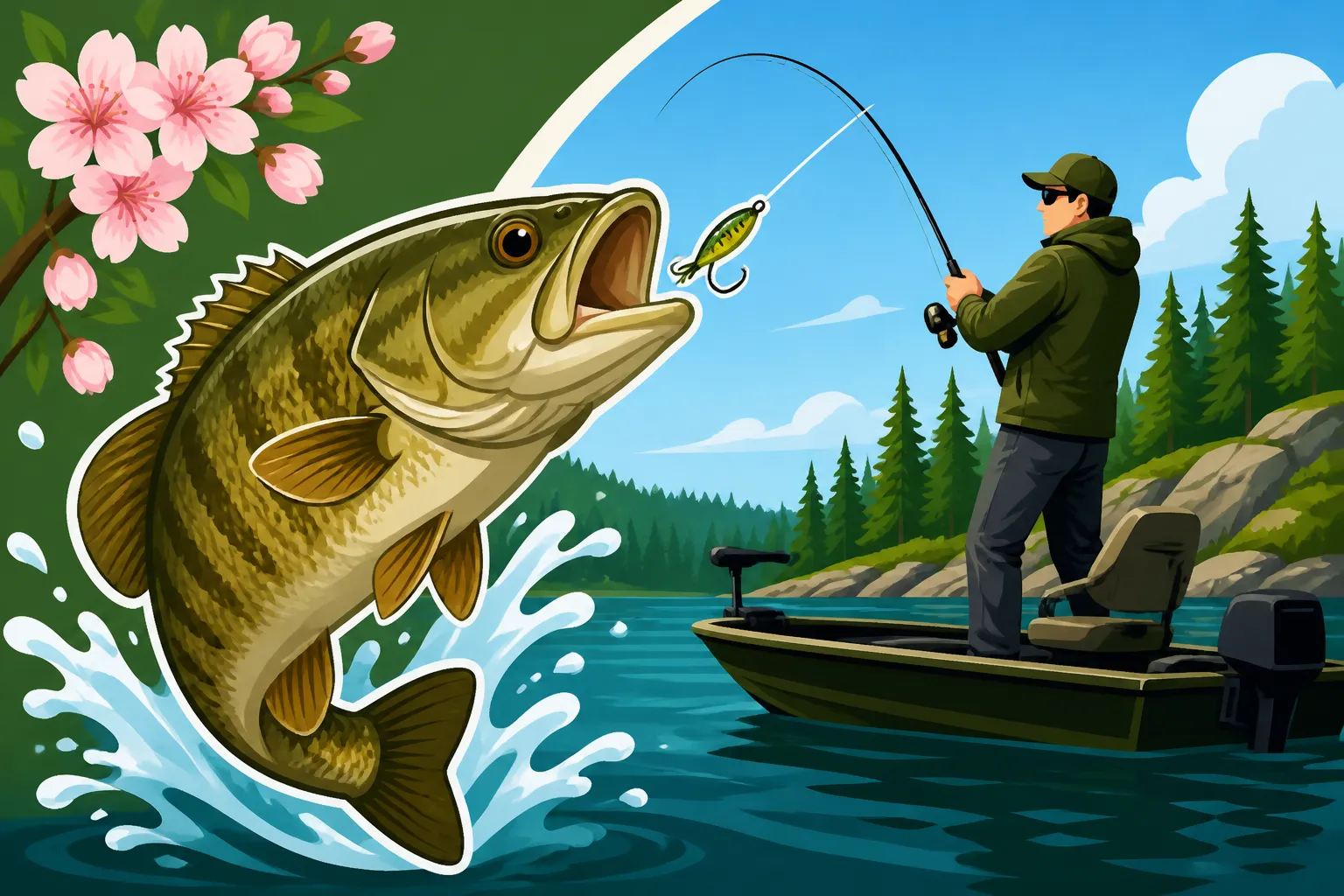
Trying to catch smallmouth bass in Maine during the spring can feel like you're playing a high-stakes game of hide-and-seek. One day they're biting like crazy, and the next, it's crickets, leaving you wondering if you're doing something wrong or if they've just vanished into thin air. It's a common frustration, but understanding their unique spring behavior is key to unlocking consistent success. This guide will walk you through everything you need to know about how to fish for smallmouth bass in Maine in the spring, from their cold-water habits to the best lures and techniques to use when the bite gets tough.
Understanding Spring Smallmouth Bass Behavior in Maine
Maine's spring fishing for smallmouth bass is a world of transitions. Unlike the consistent patterns of summer, spring is a dynamic time influenced heavily by water temperature, weather fronts, and the impending spawn. If you head out expecting them to be in their typical summer haunts, you'll likely come up empty-handed. Their behavior is a direct response to the warming (or sometimes re-cooling) water, and knowing what triggers their movements is your first step to success.
Early Spring Cold Water Habits
When the ice has just melted off Maine's lakes and ponds, the water is still bone-chillingly cold, often in the low 40s. During this early spring period, smallmouth bass are lethargic. Their metabolism is slow, and they aren't expending much energy chasing down fast-moving prey. Instead, they'll typically be tucked away in deeper, more stable water, often near the bottom.
Think about areas that retain heat better or offer shelter from the elements. Deep rock piles, the edges of steep drop-offs into main lake basins, or areas near significant submerged timber can be prime locations. They're seeking refuge, waiting for the sun to work its magic. Your approach needs to match their mood: slow, subtle, and right in front of their faces. You won't find them actively cruising the shallows yet; they're conserving energy until conditions improve.
Pre-Spawn Aggression and Movement
As spring progresses and water temperatures begin to climb into the upper 40s and 50s, a remarkable shift occurs. This is the pre-spawn phase, and it's arguably one of the most exciting times to target smallmouth bass in Maine. The bass, feeling the urge to reproduce, start to move out of their deep wintering holes and push towards shallower areas where they'll eventually build nests.
During pre-spawn, their appetites kick into high gear as they stock up on energy for the upcoming spawn. They become much more aggressive, willing to chase baits and strike with considerable force. Look for them staging on transition areas like points that extend into deeper water, rocky humps, or the deep edges of flats adjacent to potential spawning bays. The key is finding those areas where they can easily move between deeper comfort zones and shallower feeding grounds. This is when you can really start to feel the tug of a Maine smallmouth.
The Impact of Maine's Variable Spring Weather
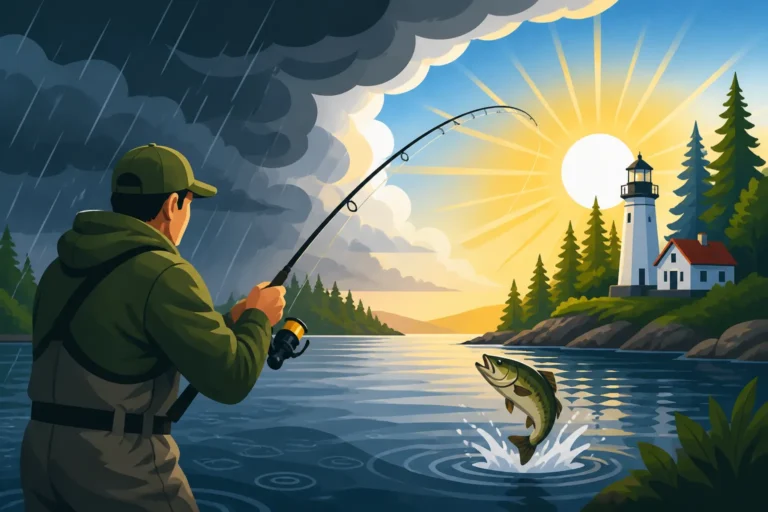
Maine weather in the spring is notoriously fickle. You can have a glorious, warm sunny day followed by a cold, blustery one with rain or even snow. These fluctuations significantly impact smallmouth behavior. A sudden cold front can send bass that were starting to move shallow right back to deeper water, making them shut down entirely. Similarly, a prolonged period of warm, stable weather can accelerate their move to the shallows and make them incredibly active.
Barometric pressure also plays a huge role. Often, falling pressure associated with an approaching storm can trigger a feeding frenzy, while stable high pressure after a front can make the bite tough. Being able to read the weather and understand how these changes influence the fish is crucial. Don't be afraid to adjust your location and tactics based on what the weather is doing. If you're fishing one of the Best Fishing Lakes in Maine like Sebago Lake or Moosehead Lake, these large bodies of water can have microclimates and varying conditions across different sections, so stay alert.
Essential Gear and Tackle for Spring Smallmouth Bass
Having the right tools for the job can make all the difference, especially when spring smallmouth bass are finicky. You need gear that allows for subtle presentations, excellent sensitivity, and the power to handle these hard-fighting fish. Don't just grab your summer topwater rod; spring fishing demands a more nuanced approach.
Rods, Reels, and Line Choices
For spring smallmouth, sensitivity is paramount. When fish are sluggish in cold water, their bites can be incredibly subtle, feeling more like a slight "thump" or spongy weight rather than an aggressive strike.
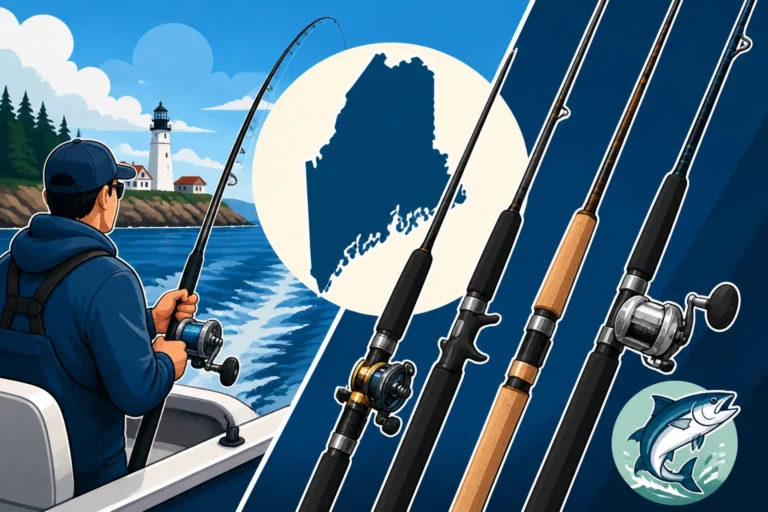
- Rods: Medium-light to medium power spinning rods, around 6'6" to 7'2" in length, are ideal. Look for a fast or extra-fast action tip that allows for precise casting and excellent feel, while still having enough backbone to fight a strong bass. A good graphite rod will transmit those light bites much better than a fiberglass one. If you're looking for recommendations, many anglers swear by brands like St. Croix or Fenwick for their sensitivity. For a deeper dive into selecting the right equipment, consider reading our guide on How to Choose the Right Rod for Bass Fishing.
- Reels: Pair your spinning rod with a high-quality spinning reel in a 2000-3000 size range. Smooth drag and good line capacity are key.
- Line: For cold-water sensitivity, many anglers opt for a braided main line (10-15 lb test) with a fluorocarbon leader (6-10 lb test). The braid offers superior sensitivity and no stretch for solid hooksets, while the fluorocarbon leader is virtually invisible underwater and has excellent abrasion resistance around rocky structures. Alternatively, a straight fluorocarbon line in the 8-10 lb range can also be very effective for finesse techniques, offering a good balance of sensitivity and invisibility.
Top Lures for Maine Spring Smallmouth
Choosing the right lure is critical, and in spring, "slow" is often the magic word. You're not looking to provoke a reaction strike as much as you are trying to present an easy meal.
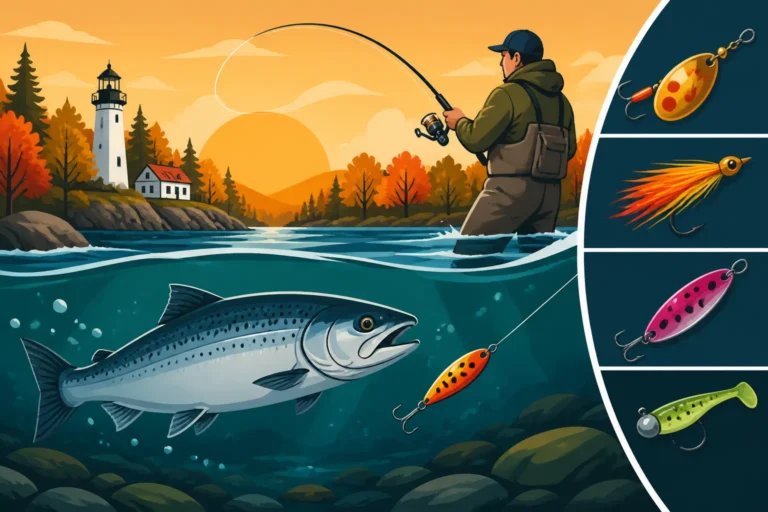
- Jerkbaits: Suspending jerkbaits are absolute killers in early to mid-spring. They mimic baitfish that are stunned or struggling in the cold water. The beauty of a suspending jerkbait is that you can twitch it, then let it sit motionless in the strike zone for an extended period, often drawing strikes from otherwise inactive bass. Look for natural baitfish colors like silver/blue, perch, or ghost minnow. Brands like Rapala (their X-Rap) or Lucky Craft are popular choices and can often be found on Amazon.
- Jigs and Trailers: Football jigs or stand-up jigs (1/4 to 3/8 oz) fished slowly along the bottom with a plastic trailer (crawfish or beaver-style baits) can be incredibly effective. The subtle action of the trailer and the bottom contact are irresistible to bass looking for an easy meal. Darker colors like black and blue, green pumpkin, or brown are excellent choices, mimicking crawfish that are often emerging in spring.
- Tube Baits: The tube jig is a classic smallmouth killer, especially in colder water. Rigged with an internal jig head, it spirals enticingly on the fall and can be hopped, dragged, or shaken along the bottom. Green pumpkin, smoke, or white colors are reliable.
- Small Swimbaits: Soft plastic swimbaits, especially those with a subtle paddle tail, rigged on a small jig head (1/8 to 1/4 oz) can be deadly. Fish them slowly, just above the bottom, mimicking small baitfish.
- Blade Baits: For vertical jigging over deeper rock piles or drop-offs, blade baits like a Silver Buddy or Damiki Vault can be fantastic. The vibration and flash can entice strikes from inactive fish, especially when worked with a lift-and-fall retrieve.
- Finesse Baits: When the bite is tough, a Ned Rig (a small mushroom head jig with a short, buoyant worm) or a drop shot rig can be a lifesaver. These ultra-finesse presentations are perfect for presenting a small, natural-looking bait to finicky bass in clear, cold water.
Here's a quick reference table for spring smallmouth lures:
| Lure Type | Ideal Water Temp (F) | Retrieval Speed | Key Action | Best Location |
|---|---|---|---|---|
| Suspending Jerkbait | 40-55 | Slow, erratic | Twitch, pause (long pauses critical) | Points, rocky shelves, main lake basins |
| Football Jig/Trailer | 45-60 | Slow drag, hop | Bottom contact, subtle trailer movement | Deep rock piles, drop-offs, timber |
| Tube Bait | 40-55 | Slow hop, drag | Spiraling fall, bottom "puffing" | Rocky bottoms, transition areas |
| Small Swimbait | 45-60 | Slow reel | Subtle tail kick, baitfish imitation | Along contours, submerged vegetation edges |
| Blade Bait | 40-50 | Lift & Fall | Vibration, flash on vertical retrieve | Deeper humps, main lake basins, vertical drops |
| Ned Rig | 40-60 | Ultra slow drag | Stand-up action, subtle wiggle | Clear water, sparse cover, tough bite conditions |
| Drop Shot | 40-60 | Stationary/Shake | Suspended bait, subtle quiver | Deep structure, steep breaks, suspended fish |
For more options and to explore different brands, you can always check out the variety of Best Lures for Maine Open Water Fishing available.
Proven Techniques for Spring Smallmouth Bass Success
Understanding where smallmouth bass are is only half the battle; the other half is knowing how to present your bait effectively. Spring fishing often requires patience and precision, rather than power and speed. Your techniques need to coax a bite, not demand one.
Slow and Low Presentation
This is the golden rule for spring smallmouth fishing. Cold water means slower metabolism for the fish, and they simply aren't going to chase down a bait moving at summer speeds. You need to keep your lures in the strike zone longer and present them as easy, non-threatening meals.
- Jerkbait Tactics: For suspending jerkbaits, cast it out, twitch it a few times to get it to its running depth, then implement long pauses. In water below 50 degrees, these pauses can be as long as 10-20 seconds. Many strikes will occur on the pause. Experiment with the length of your pauses.
- Bottom Bouncing: When fishing jigs, tubes, or Ned Rigs, focus on maintaining constant contact with the bottom. Drag your bait slowly, feeling for subtle changes in bottom composition or light taps. When you feel something, let it sit for a few seconds before moving it again. A common mistake is reeling too fast; remember, you're trying to replicate a slow-moving crawfish or an injured baitfish.
- Suspended Baits: For drop shots or suspending jerkbaits, pay attention to your electronics. If you see fish suspended at a certain depth over structure, present your bait at or just above that depth. Keeping the bait stationary at their eye level can often trigger a strike from inactive fish.
Targeting Key Spring Structures
Smallmouth bass are structure-oriented fish, and in spring, they gravitate towards specific types of cover and contour changes that offer warmth, cover, and access to food.
- Rocky Points and Humps: These are classic smallmouth magnets. Rocky areas absorb heat from the sun faster, warming the surrounding water, and they provide excellent ambush points. Start by working the deep side of the point or hump in early spring, then gradually move shallower as the water warms.
- Drop-Offs and Transition Zones: Smallmouth will often hold on the edges of deep-water flats or along sharp drop-offs, giving them quick access to both deep sanctuary and shallower feeding areas. These "transition zones" are critical because they allow fish to move up and down in the water column as conditions change throughout the day. Learning How to Find Drop-Offs on a New Lake will significantly boost your success.
- Submerged Timber and Brush Piles: While often associated with largemouth, smallmouth will also use submerged trees, stumps, and brush piles, especially those on deeper edges or points. These provide excellent cover and concentrate baitfish. Approach these areas carefully to avoid snags, often with a weedless jig or Texas-rigged tube.
- Inlet and Outlet Areas: Rivers or streams flowing into a lake can bring slightly warmer water and nutrients, attracting baitfish and, in turn, smallmouth. Focus on the areas where the current slows down, creating eddies or deeper pockets. Just be sure to check the Maine Fishing Regulations Explained for any special rules around these sensitive areas.
Reading the Water and Adjusting Your Approach
Being adaptable is key to spring smallmouth success. What worked yesterday might not work today, and what works on one part of the lake might not work on another.
- Water Temperature: This is your most important indicator. Pay close attention to your boat's temperature gauge or a handheld thermometer. As the water warms, generally from 40s to 50s, fish will become more active and move shallower. If it drops suddenly due to a cold front, be prepared to slow down your presentation and fish deeper. Understanding Reading Water Temperature for Maine Trout principles can be applied here.
- Water Clarity: Maine's spring waters can range from crystal clear to stained, especially after heavy rains or snowmelt. In clear water, finesse presentations and natural colors are usually best. If the water is stained, brighter colors (chartreuse, orange) and lures with more vibration can help fish find your bait.
- Barometric Pressure: As mentioned earlier, How Barometric Pressure Affects Fish Behavior is a real phenomenon. High, stable pressure often means slower fishing, requiring finesse. Falling pressure before a storm can lead to aggressive bites. Don't be afraid to experiment with different lure types and presentations based on these environmental cues.
Navigating Maine's Unique Spring Challenges
Fishing in Maine during the spring offers incredible rewards, but it also comes with its own set of challenges that experienced anglers learn to respect and adapt to. Being prepared for these can turn a frustrating day into a memorable one.
Dealing with Cold Fronts and Post-Front Blues
Ah, the dreaded spring cold front. You've had a few beautiful, warm days, the bass are starting to move up, and then BAM! A front rolls through, dropping temperatures, bringing high pressure, and shutting the bite down faster than you can say "smallmouth." This is perhaps the biggest challenge for spring anglers.
When a cold front hits, smallmouth bass often retreat to deeper water, become extremely lethargic, and simply don't want to eat. Your best bet here is to go to extreme finesse. Downsize your baits, slow your retrieve even further, and focus on presenting your lure right on their nose. Ned Rigs, drop shots with tiny plastics, and super-slow dragged jigs are your friends during these "post-front blues." Focus on isolated cover in deeper water, where fish might be hunkering down. Remember, sometimes "no bite" just means "no bite yet." Patience truly is a virtue here.
Respecting the Spawn
While the peak of the smallmouth bass spawn in Maine typically occurs in late spring or early summer when water temperatures consistently reach the low to mid-60s, the pre-spawn movements we've discussed are all leading up to this critical event. It's important to be mindful of the bass during this period.
Once smallmouth are on their beds, they become very aggressive in defending their nests. While it can be tempting to target them, excessive pressure on spawning fish can disrupt their reproductive cycle and impact future populations. Maine does have specific Maine Fish Bag Limits Guide and Maine Fishing Regulations Explained for bass. It's always a good idea to practice responsible catch and release, especially with larger, egg-laden females in the pre-spawn or spawning phase. Take photos quickly, minimize handling, and ensure a healthy release. Remember, a sustainable fishery means healthy fish for years to come.
Safety First on Maine's Spring Waters
Spring in Maine, while beautiful, can be deceptively dangerous, particularly on the water. The air might feel warm, but the water temperatures are often still dangerously cold, hovering in the 40s or low 50s. A fall into water this cold can lead to hypothermia rapidly.
Always wear a life jacket, especially if you're fishing alone or in smaller boats. Dress in layers, preferably non-cotton, moisture-wicking materials, and have a dry bag with extra clothing. File a float plan with someone on shore, letting them know where you're going and when you expect to return. Check your boat's safety equipment, including paddles, bailing devices, and a whistle. Maine's spring waters, while inviting, demand respect. For those looking at the broader picture of their fishing trips, our Maine Fishing Season Calendar offers a comprehensive view of yearly conditions and considerations.
Disclaimer
Please note that fishing regulations, including license requirements, seasons, and bag limits, can change. Always consult the most current regulations published by the Maine Department of Inland Fisheries and Wildlife (MDIFW) before heading out. This guide provides general information and recommendations based on common fishing practices.