Best Time of Day for Fly Fishing
You’ve geared up, driven to your favorite Maine river or stream, and spent hours casting with precision. But the fish just aren't cooperating. It’s frustrating, isn't it? You might start to wonder if it's your technique, your fly choice, or perhaps, simply the wrong time. The truth is, timing is everything in fly fishing, and understanding the daily rhythms of fish and their environment can dramatically improve your chances. This guide is all about demystifying the clock, helping you pinpoint the best time of day for fly fishing in Maine, no matter the season or conditions, turning those frustrating outings into successful adventures.
Understanding the Daily Rhythms of Fish
Fish, much like us, have their peak activity periods influenced by light, temperature, and food availability. These periods often dictate when they're most willing to rise to a fly or strike a streamer. Mastering these rhythms is a cornerstone of effective fly fishing.
The Golden Hours: Dawn and Dusk
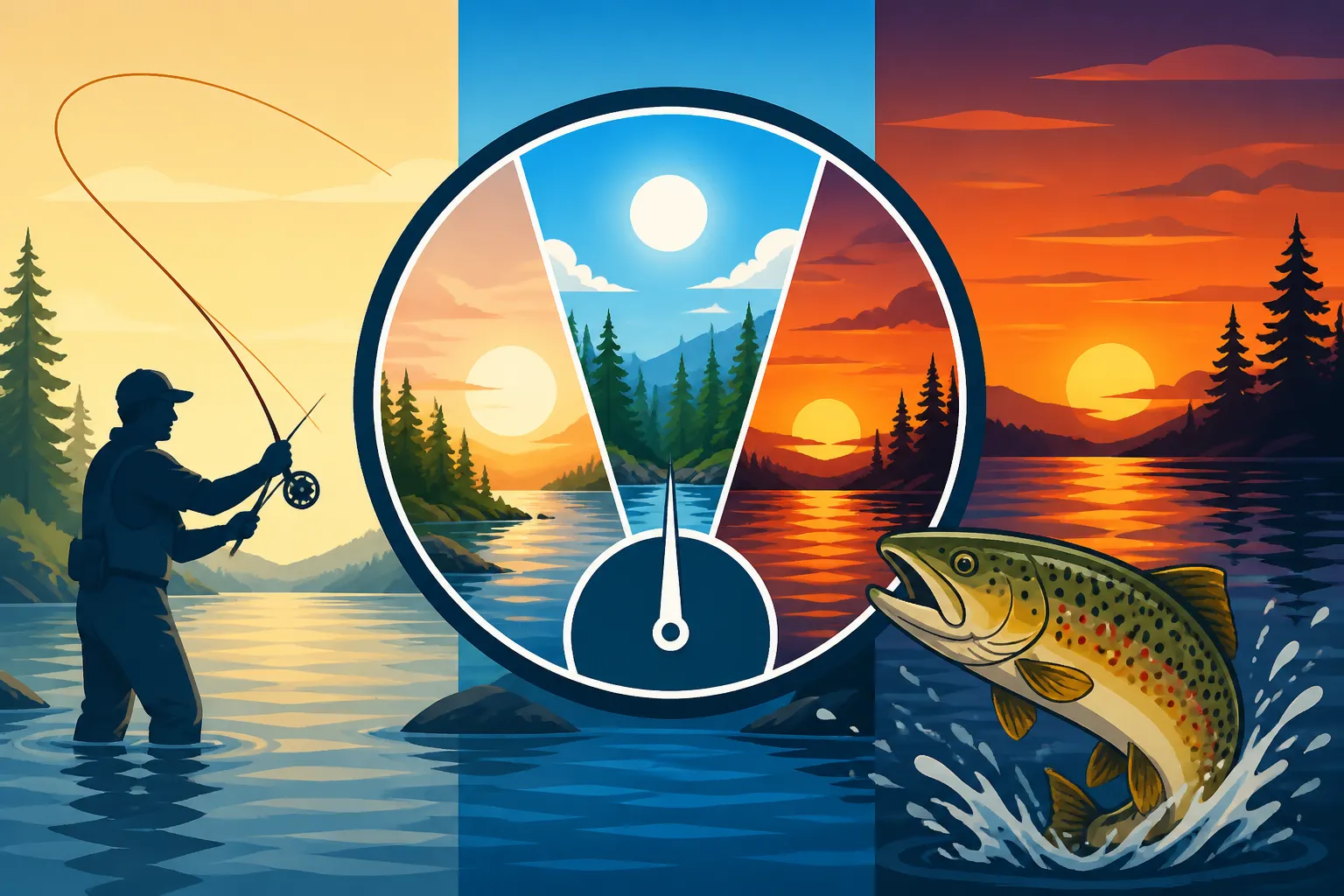
There's a reason why anglers often call dawn and dusk the "golden hours" or "magic hours" for fly fishing. For many coldwater species like trout and landlocked salmon, these periods offer a perfect storm of favorable conditions that trigger intense feeding. As the sun dips below the horizon in the evening or just begins to paint the sky in the morning, light levels are subdued, providing a sense of security for fish that might be wary during brighter parts of the day.
More importantly, these low-light conditions often coincide with major insect hatches. Think about delicate mayflies fluttering off the water at sunset or caddis flies skittering across the surface as the morning mist begins to lift. These hatches provide a predictable, abundant food source, and fish will often move from deeper, more protected lies into shallower, more accessible feeding lanes to capitalize. Observing a river during these times, you'll often see tell-tale rises as trout sip insects from the surface, a clear signal that it's prime time for dry fly action. For the adventurous angler, it’s worth checking out our full guide on Fly Fishing Techniques for Maine Rivers to hone those skills.
Midday Challenges and Opportunities
While the golden hours are undeniably productive, don't write off midday completely. However, you'll need to adjust your strategy. During the brightest parts of the day, especially in summer, direct sunlight can push fish into deeper, cooler water or under heavy cover like fallen trees, undercut banks, or large boulders. The surface may appear barren, devoid of rising fish, and the air might feel still and quiet.
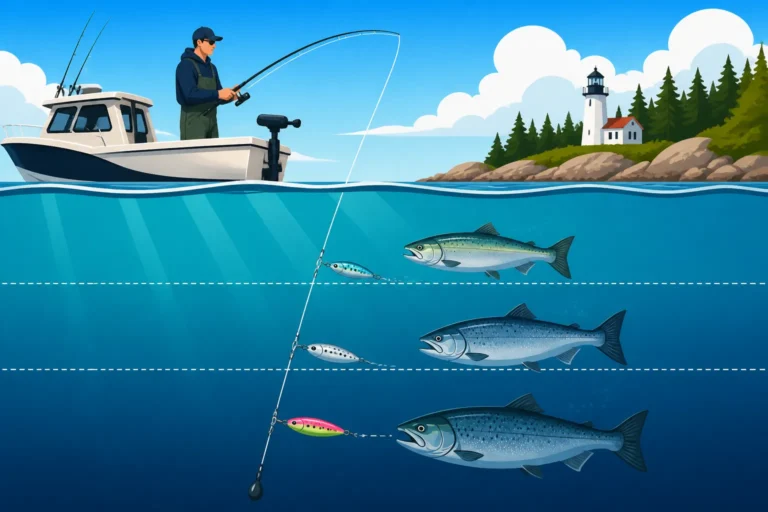
This doesn't mean the fish aren't eating; they're just doing it less conspicuously. Midday can be an excellent time to target fish with nymphing techniques, presenting flies deep in the water column where fish are holding. Streamers, mimicking baitfish, can also be effective when stripped through deeper pools or along shaded edges. Species like smallmouth bass, which are often more tolerant of warmer water and brighter conditions, can be quite active during the midday sun, particularly if they have access to structure or slightly darker water. Always be prepared to experiment, as conditions can change rapidly.
Night Fishing for Specific Species
Night fishing for certain species, while less common, can be incredibly rewarding and provides a completely different experience. As darkness falls, large brown trout, for example, often become far more aggressive and less cautious, moving out from their daytime hiding spots to hunt larger prey. They're less likely to spook and more likely to take a big, noisy surface or subsurface fly. This can be especially true on larger rivers or lakes that hold a good population of baitfish.
The key to successful night fishing is safety and preparation. You'll need a good headlamp, but often you'll find yourself fishing by feel and sound, relying on the splash of a rising fish or the tension of your line. It’s a different game entirely, requiring patience and a strong sense of your surroundings. Before heading out after dark, it's wise to check Maine Fishing Regulations Explained to ensure you're compliant with any specific local rules for nighttime angling.
Seasonal Shifts and Their Impact on Daily Timing
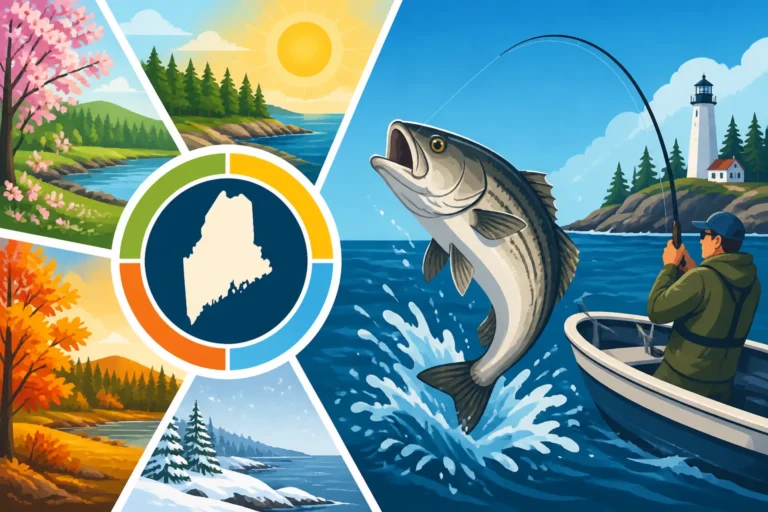
Maine's distinct seasons play a huge role in the daily behavior of its fish. What works in April might be completely ineffective in August, and vice-versa. Understanding these seasonal shifts is crucial for timing your fly fishing trips just right.
Springtime: The Early Bird Catches the Worm (or Caddis)
Spring in Maine is a season of awakening and can be a fantastic time for fly fishing, but timing is critical. Immediately after ice-out, water temperatures are still quite cold. In early spring, fish are often sluggish, and their metabolism is slow. During this period, the warmer parts of the day, typically from late morning to late afternoon, become the most productive. The sun's warmth helps raise the water temperature just enough to stimulate insect activity and, consequently, fish feeding. Nymphing or slowly retrieved streamers can be particularly effective as fish are not yet chasing aggressively.
As spring progresses into late May and early June, and water temperatures continue to rise, the famous spring insect hatches begin in earnest. Caddis, stoneflies, and various species of mayflies start to emerge, providing abundant food. This is when those "golden hours" of dawn and dusk really kick into gear, offering spectacular dry fly fishing opportunities. If you're looking for more details on this season, our Maine Spring Fishing Guide offers a deep dive into what to expect.
Summer: Adapting to Heat and Brightness
Summer fly fishing in Maine brings its own set of challenges and unique timing considerations. With longer daylight hours and often much warmer water temperatures, fish like brook trout and landlocked salmon will seek refuge in cooler, deeper waters or oxygenated areas, especially during the peak heat of the day. This makes the early morning, just as the sun rises, and the late evening, as it sets, the most productive times.
During these cooler periods, fish are more likely to be active and feed near the surface. You'll often find terrestrial insects like grasshoppers, ants, and beetles become important food sources, especially during mid-to-late summer. Look for shaded stretches of river or stream, areas with good current, or the mouths of colder tributaries entering larger bodies of water. If you're fishing bigger lakes for Landlocked Salmon Fishing in Maine or Togue and Lake Trout Fishing in Maine, trolling deep with a streamer can still produce during warmer parts of the day, but overall, it's about avoiding the heat. For a more comprehensive look at fishing in the warmer months, check out our Maine Summer Fishing Guide.
Fall: The Pre-Winter Feeding Frenzy
Ah, fall in Maine. The foliage is breathtaking, the air is crisp, and the fishing can be absolutely phenomenal. As water temperatures begin to cool, fish become more active throughout the day, often entering a pre-winter feeding frenzy to pack on calories. Unlike summer, where dawn and dusk are king, fall often sees extended feeding windows that can last through the late morning and into the afternoon, especially on overcast days.
Many trout and salmon species also begin their spawning runs in the fall, making them highly concentrated in certain areas. While targeting spawning fish directly isn't always the best practice for conservation, understanding these movements helps you locate active fish in the surrounding areas. The cooler temperatures mean oxygen levels are high, and fish are generally less stressed and more willing to chase a fly. If you're particularly interested in specific species during this time, consider exploring Brook Trout Fishing in Maine or Landlocked Salmon Fishing in Maine to learn more about fall patterns. Our Maine Fall Fishing Guide also provides extensive information for making the most of this spectacular season.
Environmental Factors Influencing the Clock
Beyond the general daily and seasonal rhythms, specific environmental conditions can act as catalysts or deterrents, finely tuning the "best time" for fly fishing. Being observant and understanding these factors can give you a significant edge.
Weather Conditions and Cloud Cover
The weather doesn't just affect our comfort; it dramatically impacts fish behavior and, by extension, the best time to cast a fly. Overcast days, for instance, often extend prime feeding windows. Without the intense direct sunlight, fish feel safer and are more likely to stay active in shallower water throughout the day, rather than retreating to deep cover. This can mean good dry fly action even at midday.
Rain can be a mixed bag. A light, warm rain can be fantastic, as it often washes terrestrial insects into the water, creating an instant food source and breaking up the surface tension, making fish less wary. However, heavy downpours can muddy the water, increase flow dramatically, and make fishing difficult or even dangerous. After a heavy rain, waiting for the water to clear and settle, often a day or two later, can be extremely productive as fish key in on new food sources washed downstream. Strong winds can also complicate fly casting and make it difficult to spot rises, pushing the best fishing times to calmer periods.
Water Temperature and Flow
These two factors are perhaps the most critical environmental determinants of fish activity. Every fish species has an optimal temperature range for feeding and metabolism. For instance, trout and salmon thrive in cooler, well-oxygenated water. If the water temperature rises above their comfort zone, they become stressed, sluggish, and stop feeding. This is why in summer, knowing Reading Water Temperature for Maine Trout is essential and why those early morning and late evening windows become so critical when water temperatures are at their lowest. You can often find a reliable stream thermometer on Amazon to help you track conditions.
Similarly, water flow dictates where fish hold and when they feed. Stable, moderate flows are generally ideal. High water can disorient fish and make currents too strong for them to hold effectively, while very low water can make them skittish and concentrate them in fewer, easily spooked pools. Understanding how to read the river's flow and temperature is key to determining not just the best time, but also the best place to fish.
Insect Hatches and Forage Availability
The presence of food is the ultimate driver of when and where fish feed. For fly anglers, this often translates to insect hatches. When a significant hatch of mayflies, caddis, or stoneflies occurs, fish will actively feed, and this becomes, without question, the best time to be on the water. These hatches are often predictable, occurring at specific times of day and in specific conditions. Learning the local entomology – what insects hatch when – is an invaluable skill.
Beyond insects, the availability of baitfish or other forage also influences feeding times. Fish might chase baitfish more aggressively during low light, while terrestrial insects are most available during windy summer days. Constantly observe the water: are there insects fluttering? Are baitfish darting around? Are there subtle rises indicating fish feeding subsurface? These observations will tell you exactly when the best time is. Being prepared with a variety of flies, especially those for Fly Selection for Brook Trout, will help you capitalize on whatever food source is present.
Practical Tips for Maximizing Your Fly Fishing Time
Knowing when the fish are likely to bite is only half the battle. Maximizing your time on the water requires observation, adaptation, and the right preparation.
Scout, Observe, and Adapt
One of the most valuable lessons any veteran angler learns is the importance of being a keen observer. Don't just cast blindly; take a few moments to watch the water. Look for rises, swirling fish, or even subtle disturbances. Are insects hatching? If so, what kind and where? Are there any signs of baitfish activity? These observations, coupled with checking the water temperature and flow, will inform your strategy and confirm if you've hit a prime feeding window.
Sometimes, the "best time" is not a fixed hour but rather a dynamic window determined by immediate conditions. If a cloud bank rolls in during midday, extending favorable light conditions, be ready to seize the opportunity. If a sudden rain shower brings on an unexpected hatch, adapt your fly choice immediately. Always be prepared to change your approach, your fly, or even your location if what you're doing isn't working. This continuous cycle of scouting, observing, and adapting is key to consistent success.
Gear Up for All Conditions
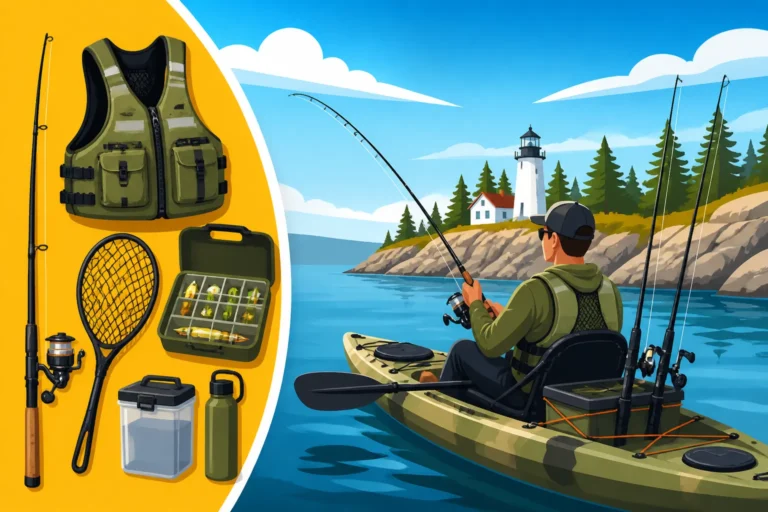
Being prepared for whatever the Maine weather throws at you means you can extend your effective fishing time. Layering your clothing is paramount, allowing you to adjust to changing temperatures from a chilly dawn to a warm afternoon. High-quality waterproof waders and boots are non-negotiable for comfort and safety, enabling you to access prime spots. Don't forget polarized sunglasses, which cut through glare and allow you to spot fish and subsurface structure, enhancing your ability to read the water.
Having a well-stocked fly box with a variety of patterns, including dries, nymphs, and streamers, is crucial for matching whatever the fish are feeding on. You can find excellent fly assortments and all sorts of fly fishing gear on Amazon, from waders to fly lines. A reliable headlamp or small flashlight is also essential, not just for night fishing but also for safely navigating riverbanks during those early morning or late evening golden hours. Being properly equipped ensures you're ready to fish productively whenever the best time hits.
The Joy of Being There
While understanding the best time of day for fly fishing is undoubtedly valuable for increasing your catch rate, it's also important to remember the inherent joy of the sport. Sometimes, despite all your planning and observation, the fish simply aren't biting. That's fly fishing. It's a pursuit that often teaches patience and humility.
Even on slower days, being out on a pristine Maine river or stream, surrounded by nature, listening to the sounds of the water and the forest, is a reward in itself. The crisp morning air, the vibrant colors of a sunset, the challenge of a perfect cast – these elements contribute to an experience that transcends the number of fish in your net. So, while you strive to hit those prime windows, don't let the pursuit of the "best time" overshadow the simple pleasure of being present in Maine's incredible outdoor environment.
| Time of Day | Primary Conditions | Typical Fish Behavior | Ideal Fly Types & Techniques | Target Species |
|---|---|---|---|---|
| Dawn (Pre-sunrise to 9 AM) | Low light, cool temps, often misty, first hatches | Actively feeding, less wary, surface/subsurface | Dry flies (emergers), small nymphs, streamers | Brook Trout, Landlocked Salmon, Brown Trout |
| Mid-Morning (9 AM to 12 PM) | Increasing light/temp, slowing hatches | Moving deeper, seeking shade/cover, some active feeding | Nymphs (drifted), small streamers, terrestrials | Smaller Trout, Bass (if present) |
| Midday (12 PM to 3 PM) | Bright sun, warmest temps, fewest hatches | Holding deep, sluggish, seeking thermal refuge | Deep nymphs, heavy streamers, weighted patterns | Togue/Lake Trout (deep), Bass (structure) |
| Late Afternoon (3 PM to Sunset) | Decreasing light/temp, renewed insect activity | Becoming more active, moving to feeding lanes | Nymphs, emergers, terrestrials (grasshoppers) | Brook Trout, Landlocked Salmon, Bass |
| Dusk (Sunset to Dark) | Low light, cooling temps, major evening hatches | Highly active, bold feeding, surface/subsurface | Dry flies (larger), dark streamers, mouse patterns | Landlocked Salmon, Brown Trout, Bass |
| Night (Dark) | No light, cool temps | Nocturnal predators active, very bold | Large streamers, poppers (bass), mouse patterns | Large Brown Trout, Large Bass |
Disclaimer
Fishing regulations and conditions in Maine can change frequently. Always consult the official Maine Department of Inland Fisheries and Wildlife (MDIFW) regulations before heading out. This guide is for informational purposes only and does not supersede state or local laws. Be safe, respect the resource, and practice responsible angling.