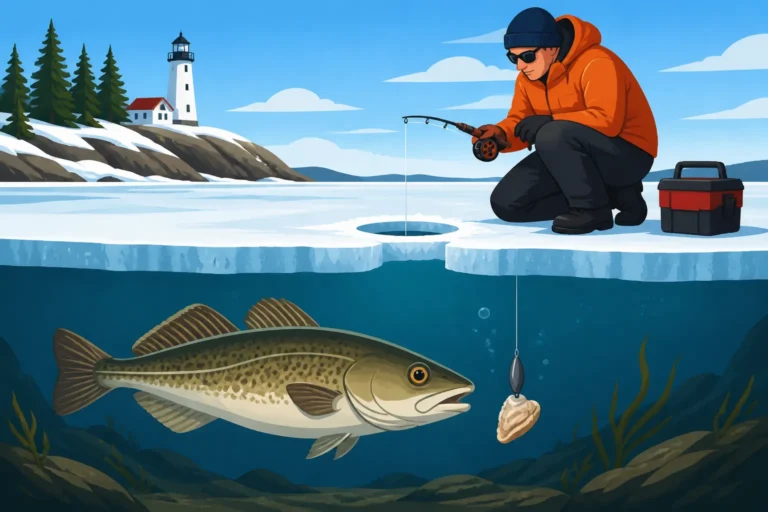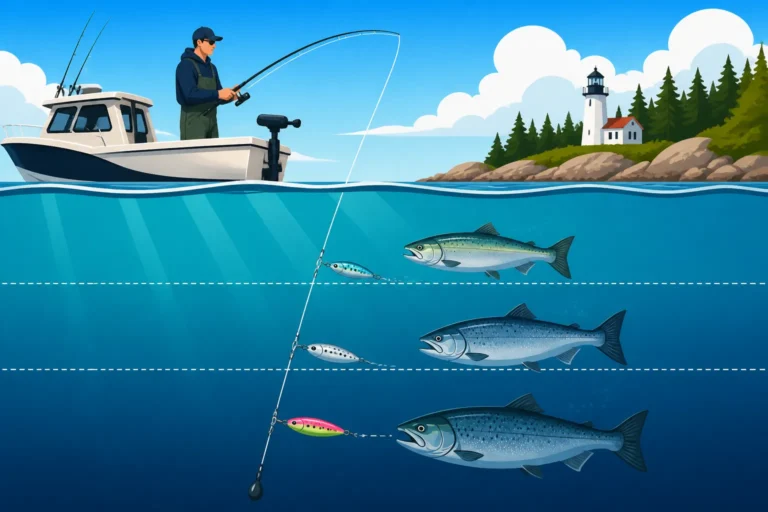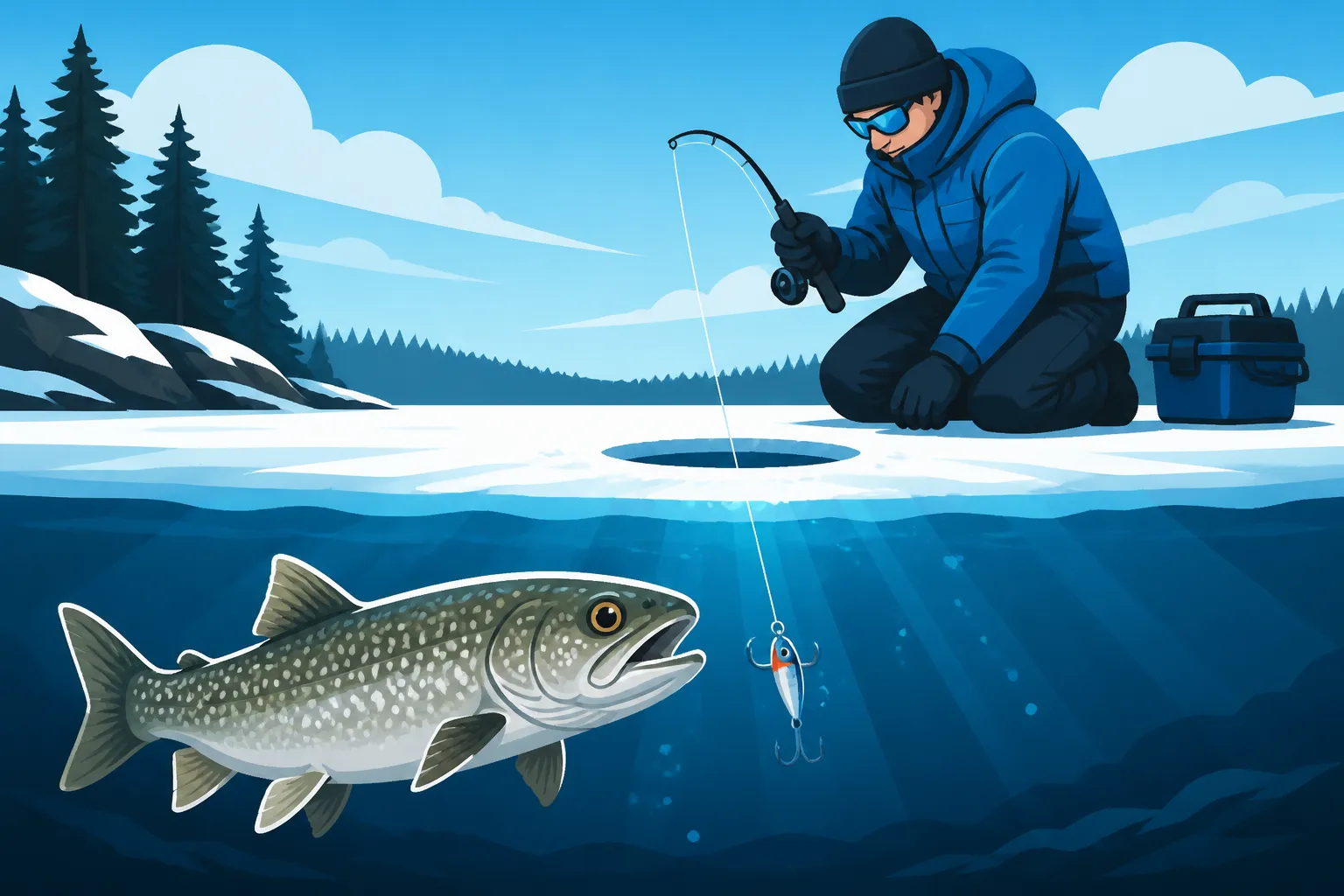
How to Jig for Lake Trout in Winter
There’s nothing quite like the crisp air and serene silence of a Maine winter day, but trying to consistently connect with the elusive lake trout, affectionately known as togue here, through a small hole in the ice can be one of the most frustrating challenges an angler faces. Many folks drill countless holes, brave the biting cold, and still come up empty-handed, wondering if they’re using the wrong gear or simply missing some secret technique. This comprehensive guide is designed to demystify winter togue jigging, offering proven strategies and practical advice to help you turn those challenging days into memorable catches.
Understanding Maine's Winter Togue Behavior
Before you even think about dropping a line, it's crucial to understand the nuances of how togue behave under the ice. These magnificent fish, often confused with their close relatives, the brook trout, have distinct habits that dictate where and how you should target them. Their behavior shifts throughout the winter, influenced by ice thickness, water temperature, and forage availability.
Where Togue Hold in Winter Lakes
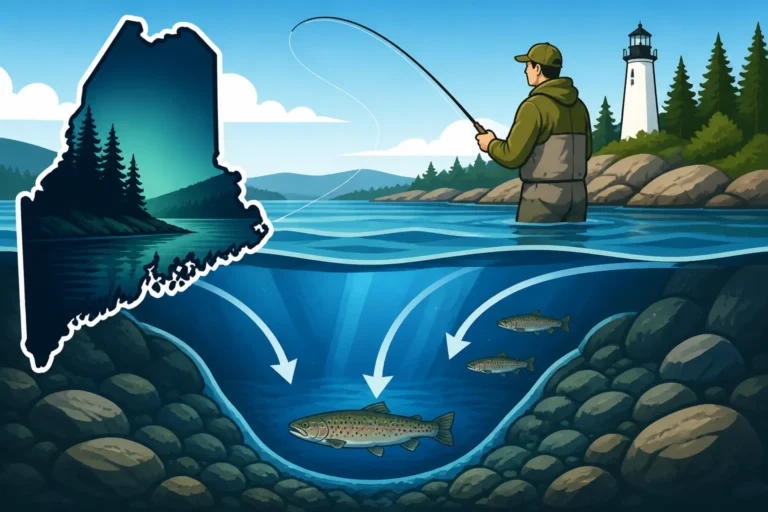
During the winter months, togue are often found in specific areas of a lake. Unlike some other species that might move into shallower bays or weed beds, togue are generally structure-oriented, gravitating towards deep-water features. This means you'll be looking for underwater points, humps, sharp drop-offs, and even submerged rock piles or old river channels. These structures provide ambush points for their preferred prey, like smelt and other baitfish, while also offering thermal refuge in deeper, more stable water temperatures. Think of it like this: if you were a cold-blooded predator looking for food in a vast, icy expanse, you'd want a clear advantage and a comfortable place to hang out, right? That's exactly what these deep structures offer.
Identifying these spots often requires good topographical maps, either paper versions from a local tackle shop or digital ones on your fish finder. Many seasoned anglers will spend hours pouring over charts before even stepping on the ice, marking potential hot spots. On larger lakes, these "hot spots" can be miles apart, so having a good plan to cover water efficiently is key. Don't just drill a random hole; have a reason for every single one.
Preferred Depths and Structures
Togue are cold-water fish, and they remain active in the frigid depths of Maine's lakes even in winter. While there's no hard and fast rule, a good starting point for jigging will typically be in waters ranging from 30 to 80 feet deep, sometimes even deeper on massive bodies of water like Sebago Lake or Moosehead Lake. The exact depth will often be dictated by the presence of baitfish schools. Togue are opportunistic feeders, and they'll follow their food source. If the smelt are holding at 50 feet over a deep basin, that's precisely where the togue will be lurking, ready to strike.
Structures like submerged ledges or rocky reefs create current breaks and attract baitfish, making them prime real estate for togue. They might sit on top of a hump, or more commonly, cruise along its edges, ambushing anything that swims by. The key is finding that sweet spot where the structure transitions into deeper water. This is often where the most action happens. Sometimes you'll find them suspended slightly off the bottom, or even in the middle of the water column if bait is schooling there. This constant search is part of the winter togue jigging puzzle, and understanding these subtle preferences can make all the difference. For more detailed information, check out our guide on Sebec Lake Togue Fishing Depths.
Why Jigging Works for Togue
Jigging is incredibly effective for winter togue because it mimics the erratic, injured movements of their natural prey. When you drop a jig down, give it a sharp lift, and let it flutter back down, it imitates a struggling baitfish, sending out vibrations and flashes that predatory togue can detect from a distance. Unlike stationary tip-ups, which are great for passive fishing, jigging allows you to actively present your lure, cover different depths, and entice strikes from fish that might not be aggressive enough to chase down a live minnow.
The control jigging offers is also a huge advantage. You can vary your retrieve, experiment with different cadences, and react immediately to what your fish finder is telling you. If a togue appears on the screen, you can adjust your jigging motion to try and coax a bite, speeding it up or slowing it down. This active engagement is why jigging is so rewarding and often leads to more consistent catches, especially for larger, more discerning fish. It's a method that requires skill and patience, but the rewards are well worth the effort.
Essential Gear for Winter Togue Jigging
Having the right equipment is non-negotiable when you're targeting big, feisty togue in freezing conditions. The rugged environment of Maine's winter demands gear that can stand up to the cold, the fight, and the potential size of your quarry. Don't skimp on quality; a broken rod or snapped line due to cheap gear is a story you definitely don't want to tell back at the ice shack.
Rods, Reels, and Line Selection
For winter togue jigging, you need a rod with a good backbone but a sensitive tip. A medium-heavy action rod, typically between 30 and 42 inches long, is ideal. The strong backbone is necessary to handle the weight of larger fish and set the hook effectively in deep water, while the sensitive tip allows you to detect those subtle "mushy" bites that togue are famous for. Brands like St. Croix or Ugly Stik make excellent ice fishing rods that can withstand the abuse of winter angling. For reels, a good quality spinning reel in the 1000 to 2500 series is perfect. Look for one with a smooth drag system, as this is crucial when a big togue makes a powerful run.
Line choice is critical. While some anglers prefer fluorocarbon for its invisibility and low stretch, many dedicated togue jigglers opt for a braided line as their main line, usually 10-20 lb test, spooled onto their reel. Braided line offers superior sensitivity, allowing you to feel even the slightest tap, and it has virtually no stretch, which is a huge advantage for solid hooksets in deep water. You'll then tie a 6-10 foot leader of 10-15 lb fluorocarbon to your braid using a strong knot like an Albright or Uni-to-Uni. The fluorocarbon leader provides stealth, as togue can be line-shy, and acts as a shock absorber. When choosing line, always consider the extreme cold; some lines become stiff and prone to memory in frigid temperatures, so research those designed for ice fishing. To learn more about specific setups, refer to our guide on Best Rods for Ice Fishing.
The Best Jigs and Lures for Togue
When it comes to lures for togue, flash, profile, and action are paramount. Togue are predators that primarily feed on smelt, minnows, and other small fish, so your jigs should imitate these forage species. Here's a breakdown of common types:
- Spoon Jigs: These are perhaps the most popular for togue. Spoons like the classic Swedish Pimple, Acme Kastmaster, or a simple white Dardevle spoon are incredibly effective. Their fluttering action on the drop mimics a dying baitfish, and their flash attracts attention. Sizes typically range from 1/4 oz to 1 oz, depending on depth and desired fall rate. Colors like silver, gold, blue/silver, and chartreuse are perennial favorites.
- Tube Jigs: Soft plastic tubes, often rigged on a leadhead jig, are another excellent choice. The tentacles on a tube jig pulse and undulate in the water, looking very natural. White, black, and natural baitfish colors work well. Sizes from 3 to 5 inches are standard. You can tip them with a small piece of cut bait for added scent and appeal.
- Blade Baits: These lures, like the Rapala Rippin' Rap or the Johnson ThinFisher, generate a lot of vibration, which can be irresistible to togue. They are fished with a lift-and-drop motion, creating a noisy, erratic retrieve that can call fish in from a distance.
- Swimbaits/Paddle Tails: Small paddle tail swimbaits, rigged on a jig head, offer a lifelike swimming action. These are particularly good when togue are actively chasing bait.
It’s often a good idea to tip your jig with a small piece of bait – a smelt head, a small shiner, or even a piece of commercially available Gulp! bait – to add scent and an extra visual attractant. Experimentation is key; sometimes a small, subtle presentation works best, while other times a large, aggressive jig is what it takes to provoke a strike. Don't be afraid to cycle through a few different options if the bite is slow. When you're shopping, you can often find a good selection of these on Amazon, making it easy to stock up before your trip.
Electronics and Ice Fishing Shelters
In the modern age of ice fishing, electronics are no longer a luxury, but a necessity, especially for targeting deep-water togue. A good flasher or a fish finder with an ice fishing transducer will allow you to see your lure, detect fish, and even watch their reaction to your presentation in real-time. This immediate feedback is invaluable for refining your technique. Brands like Vexilar, Humminbird, and Marcum are popular choices among serious ice anglers. Being able to see a fish approach your jig, stop, and then subtly inhale it makes all the difference in knowing when to set the hook. Knowing How to Read a Fish Finder for Ice Fishing is a skill that will dramatically improve your success rate.
An ice fishing shelter, whether it's a portable pop-up or a more robust hub-style shanty, provides much-needed protection from the harsh Maine elements. Not only does it keep you warm and comfortable, allowing for longer, more focused fishing sessions, but it also creates a dark environment over the hole. This darkness significantly reduces light penetration into the water, making it easier to see your line and detect subtle bites, as well as making your fish finder screen easier to read. A comfortable, warm angler is a patient and successful angler. Make sure your shelter is well-vented if you're using a heater inside. Don't forget to check the Ice Fishing Shack Rules Before You Set Up in Maine to ensure you're compliant with local regulations.
Mastering Winter Jigging Techniques for Togue
Once you have your gear sorted and a basic understanding of togue behavior, it’s time to get down to the actual fishing. Jigging for togue isn't just about dropping a lure and hoping for the best; it's a nuanced dance between lure action, observation, and quick reaction. This section will guide you through the process, from finding fish to finessing them into biting.
Locating Fish with Your Electronics
This is where your flasher or fish finder truly shines. When you arrive at a promising spot, drill a few holes in a pattern that covers different depths or sections of a structure. Immediately drop your transducer into the first hole. You'll want to scan the water column for baitfish schools and any larger arches or lines that indicate togue. Togue often cruise at specific depths, so if you see them consistently at 40 feet, concentrate your efforts there.
Once you drop your jig down, your electronics will show you its exact depth. Now you can strategically position your lure just above where you're seeing fish. Often, fish will respond best to a lure presented slightly above them, forcing them to look up to strike – a more natural feeding posture. If you're not seeing fish in an area after a reasonable amount of time (say, 15-20 minutes), move to another hole. This mobile approach, often called "run and gun," is incredibly effective for finding active togue. Remember, togue are actively seeking food, so you need to be active in seeking them out. For expansive areas, using a powerful auger can make drilling multiple holes much less tiresome.
The Art of the Jigging Motion
There's no single "right" way to jig for togue, but there are definitely effective techniques to master. The goal is to make your lure look enticing and alive. Start by dropping your jig to the desired depth. Then, begin with a series of aggressive lifts and drops, perhaps a 1-2 foot lift, letting the lure fall back down on a semi-slack line to flutter. Do this 3-5 times, then pause for 5-10 seconds. This initial aggressive action is often what calls fish in from a distance.
Once you have a fish on your screen, or if the initial aggressive jigging doesn't produce, you'll want to refine your presentation. Often, a more subtle approach is needed to coax a bite. Try shorter, softer lifts, maybe 6-12 inches, with longer pauses. Sometimes, just holding the jig perfectly still for an extended period, or simply quivering the rod tip to make the lure subtly "dance," is what finally triggers a strike. Pay close attention to your electronics: if a fish rises quickly to your lure, speed up your retrieve slightly; if it approaches slowly and seems hesitant, slow down and be more subtle. It's a constant game of cat and mouse, and your ability to adapt your jigging motion is key. The guide on Maine Ice Fishing Techniques Guide offers more general tips that can be applied here.
Reading the Bite and Setting the Hook
Togue bites can range from an aggressive tug that nearly pulls the rod out of your hand, to an incredibly subtle "mushy" feeling, or simply your line going slack as the fish inhales the lure on the drop. This is where a sensitive rod tip and braided line become invaluable. Always watch your line at the hole; any subtle twitch, slackening, or sudden movement could indicate a bite. If you feel anything out of the ordinary, or if your fish finder shows a fish "commit" to your lure, set the hook immediately with a firm, upward sweep of the rod.
When fighting a togue, especially a large one, be prepared for powerful runs. They often make several strong dives, particularly as they get closer to the hole. Keep constant pressure on the fish, and use your reel's drag system to tire it out. Don't try to horse a big fish up the hole; that's a recipe for snapped lines and lost fish. Let the rod and drag do the work. Once you get the fish's head into the hole, gently but quickly guide it up and out. Having a gaff or a large net handy for bigger fish is always a good idea. Remember to be mindful of Maine Togue and Lake Trout Limits and release any fish outside of the legal slot or if you've met your bag limit.
Tips for Success and Safety on the Ice
Beyond the specific techniques of jigging, a successful and safe winter togue fishing trip to Maine involves planning, preparation, and a keen awareness of your surroundings. The winter environment can be unforgiving, so taking precautions is just as important as knowing how to catch fish.
Best Times and Conditions
While you can catch togue throughout the winter, some periods offer better opportunities than others. Early ice, generally from December to early January, is often fantastic. The fish are usually very active and haven't seen much fishing pressure. They're often found in shallower parts of their preferred deep structures during this time. As winter progresses and ice thickens, togue tend to move to deeper, more consistent thermal zones, and can become more lethargic, requiring more finessed presentations. Late ice, from mid-March until ice-out, can also be excellent, as fish become more active again, often staging near spawning areas or reacting to increasing daylight and warmer water near inlets. For specific dates, consult the When Does Maine Ice Fishing Season Start? guide.
Weather conditions also play a role. Overcast days with stable barometric pressure often lead to more active fish. Bright, sunny days with high pressure can make togue more finicky, pushing them deeper or making them less willing to chase. Windy conditions can make jigging difficult due to line blow-around and can make staying warm a challenge. However, a little wind can also stir up currents and concentrate baitfish. Always be prepared for anything Maine's winter weather can throw at you, and prioritize safety above all else.
Drilling Holes and Ice Safety
Knowing How Thick Should Ice Be Before Fishing on It? is paramount for safety. A minimum of 4 inches of clear, solid ice is generally considered safe for foot traffic, but more is always better, especially on large lakes with currents or springs. Always check ice conditions locally before heading out, especially on unfamiliar bodies of water. Use an ice chisel or spud bar to test the ice as you walk, particularly near shorelines, inlets, and outlets. Remember, ice thickness can vary greatly, even on the same lake.
When drilling holes, especially for actively jigging, an 8-inch auger is a good balance. It's wide enough to land most togue you'll encounter but not so large that it's difficult to drill manually if needed. A power auger, whether gas or electric, is a lifesaver when you're drilling dozens of holes in thick ice. Always bring safety gear: ice picks worn around your neck, a throwable rope, and a spare change of clothes in a waterproof bag are non-negotiable. Fishing with a buddy is also highly recommended. Our Early Ice Safety Tips for Maine Anglers provides an even deeper dive into staying safe.
What to Do When the Bite Slows
Even the best togue jigglers have slow days. When the bite dies, don't despair; it's a call to action. First, check your electronics to see if the fish have moved or changed depths. If they have, adjust accordingly. If fish are still present but not biting, start experimenting.
- Change Lures: Cycle through different colors, sizes, and types of jigs. Sometimes a subtle color change or a completely different lure profile can make all the difference. Maybe switch from a spoon to a tube jig, or vice-versa.
- Vary Your Presentation: If aggressive jigging isn't working, switch to ultra-subtle movements. Try holding the lure perfectly still for a minute or two, then just barely quiver it. Sometimes a dead-stick presentation will trigger a bite from a finicky fish.
- Add Scent: Tipping your jig with a fresh piece of cut bait or a scent attractant can often trigger strikes from inactive fish. Commercially available scents from brands like Smelly Jelly or Pro-Cure can be purchased from your local tackle shop or found online, sometimes even on Amazon.
- Move: This is often the most effective strategy. If you've tried everything in one set of holes and the fish aren't cooperating, pick up and move to a new area. Even a short move can put you on active fish. This is where knowing How Many Lines Are Legal for Maine Ice Fishing? becomes relevant, allowing you to maximize your chances across multiple holes, even if only one is actively jigged.
Remember to dress warmly in layers, as staying comfortable is crucial for patience and focus. Our guide on How to Stay Warm While Ice Fishing offers invaluable advice on layering and cold-weather gear.
Togue Jigging Comparison Chart
To help you visualize some popular jigging options for winter togue, here’s a quick comparison:
| Lure Type | Key Characteristics | Primary Action | Typical Sizes | Best Conditions | Pros | Cons |
|---|---|---|---|---|---|---|
| Spoon Jig | Metal construction, often flashy, many colors/patterns | Fluttering, wobbling | 1/4 – 1 oz | Active fish, calling them in | Excellent flash, versatile, easy to use | Can get snagged easily on bottom structure |
| Tube Jig | Soft plastic, hollow body, tentacles | Undulating, subtle | 3 – 5 inches | Finicky fish, natural presentation | Realistic, scent can be added, subtle action | Less flash than spoons, slower fall rate |
| Blade Bait | Flat metal body, vibrates intensely, often has treble hooks | Vibrating, rattling | 1/4 – 1/2 oz | Aggressive fish, deep water | High vibration, calls fish from afar, fast fall | Can snag, may be too aggressive for some fish |
| Swimbait | Soft plastic, paddle tail, mounted on jig head | Swimming, lifelike | 2.5 – 4 inches | Active chasing fish | Realistic profile, good for suspended fish | Requires a jig head, less flash than spoons |
This chart is a starting point; the best approach is always to experiment and find what the togue are hitting on any given day.
Disclaimer
The information provided in this guide is for general informational purposes only. Fishing regulations, ice conditions, and fish behavior can change rapidly. Always consult the most current Maine Department of Inland Fisheries and Wildlife (MDIFW) regulations before fishing. Prioritize safety by checking ice conditions carefully and never fishing alone.