Best Time of Day to Fish in Maine
You’ve driven all the way to a pristine Maine lake or river, gear packed, enthusiasm high, only to cast your line and find… nothing. The fish just aren't biting. It’s a frustrating scenario many of us have faced, and often, the culprit isn't your bait, your technique, or even the weather — it’s simply the time of day. Just like people, fish have peak activity periods, and understanding these daily rhythms is one of the most crucial elements to becoming a successful angler in the Pine Tree State. This guide will dive deep into the best times of day to cast your line in Maine, helping you understand why fish behave the way they do at different hours and how to adapt your strategy for maximum success.
The Early Bird Catches the Worm: Dawn Patrol in Maine
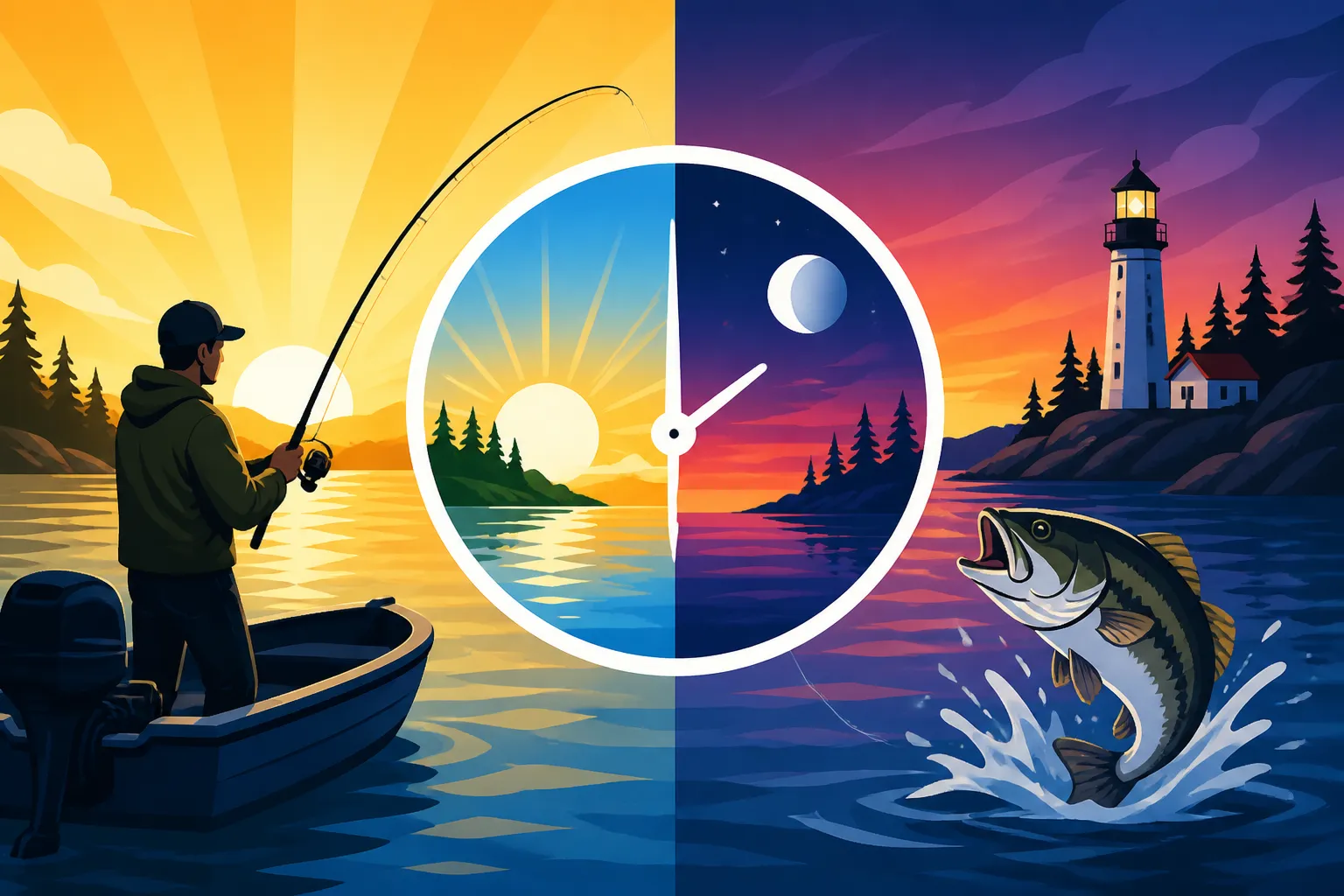
There's a reason why so many serious anglers set their alarms for pre-dawn hours. That stillness before the sun crests the horizon, the cool air, the gentle sounds of nature waking up – it’s not just peaceful, it’s often the most productive time to be on the water. Fish, particularly predatory species, are often most active during this "magic hour," taking advantage of lower light conditions and more comfortable water temperatures.
The Magic Hour: Why Early Morning Excels
As the first sliver of light appears, the entire aquatic ecosystem begins to stir. Water temperatures are typically at their coolest and most stable after the long night, which is incredibly appealing to cold-water species like brook trout and landlocked salmon. These fish are far more comfortable and active in cooler conditions, making them more willing to chase down a meal. The low light also provides a significant advantage for predators. Just like a hunter under the cloak of twilight, game fish feel more secure moving into shallower waters to feed without the harsh glare of the sun making them vulnerable.
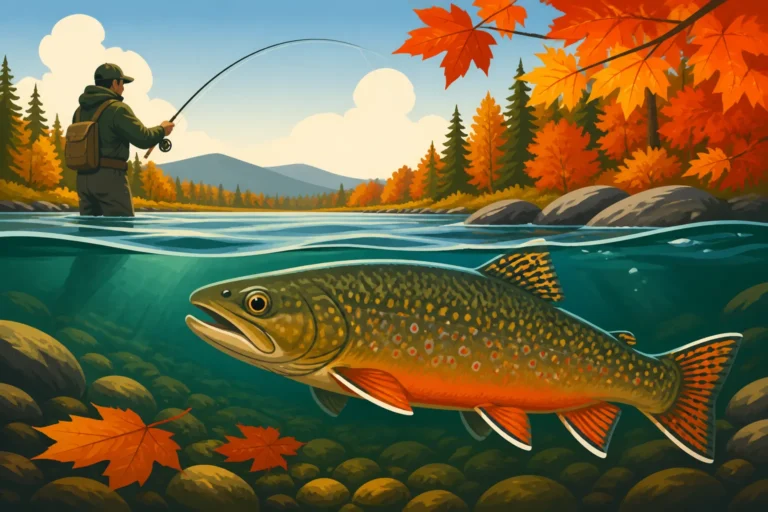
For species like the native brook trout, the early morning can be absolute gold. They’ll often move from deeper holding areas or beneath protective cover into stream riffles or lake shallows, actively searching for emerging insects or small baitfish. Landlocked salmon, known for their athleticism and strong fights, also become very active. You might find them cruising just below the surface in larger lakes like Sebago Lake or Moosehead Lake, ambushing schools of smelt. This prime feeding window is brief but incredibly intense, often tapering off as the sun climbs higher and changes the light penetration and water temperature.
Gear and Tactics for First Light Success
To truly capitalize on the early morning bite, stealth and presentation are paramount. Fish are often closer to the surface and more alert, so any unnatural movements or loud noises can easily spook them. Think light lines, quiet approaches, and subtle presentations. For fly anglers, matching the hatch is often critical, as many aquatic insects emerge at dawn. Small dry flies mimicking mayflies or caddis can be highly effective in rivers and streams, while streamers or nymphs might tempt larger trout or salmon in lakes. When it comes to open water fishing techniques, small, shallow-running stickbaits or spoons that imitate baitfish are excellent choices for salmon and trout.
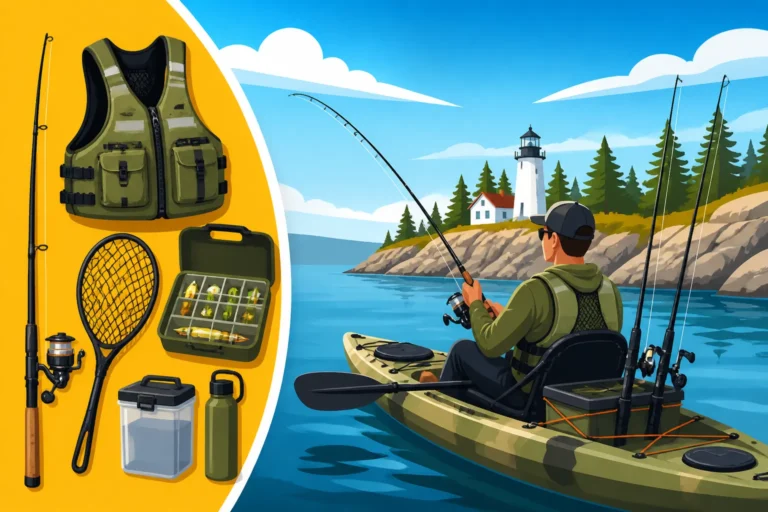
For bass anglers, especially targeting smallmouth bass, topwater lures can be explosive during low light. Poppers, walk-the-dog baits, or buzzbaits fished near rocky shorelines or submerged structure can elicit aggressive strikes. The cool water and low light make bass feel secure enough to hunt near the surface. You'll want to have your gear organized and ready to go before first light, as precious minutes can be lost fumbling with tackle. Many anglers find a good headlamp essential for rigging up in the dark – and you can find excellent, waterproof options on Amazon that make those pre-dawn preparations a breeze. Don't forget to check the Maine Fishing Season Dates Guide to ensure you're fishing within legal parameters for your target species.
Mid-Day Challenges and Opportunities: Beating the Maine Sun
As the sun climbs higher in the sky, casting its direct rays onto the water, the fishing often takes a noticeable dip. Many anglers pack it in, assuming the day is a bust. However, while the peak "magic hours" might be over, smart anglers know that mid-day still offers plenty of opportunities if you know where to look and how to adjust your tactics. It’s all about understanding how fish react to increased light and warmer water.
When the Sun is High: Deep Dives and Shade Seeking
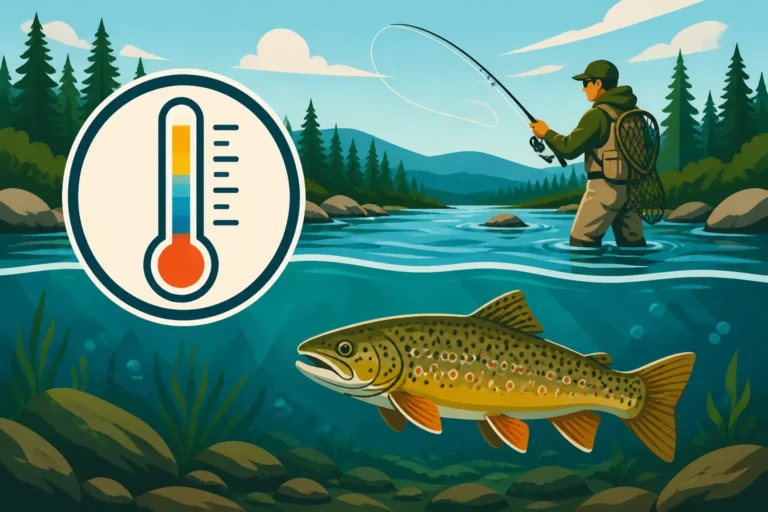
With bright sunshine comes increased light penetration into the water, and often, rising surface temperatures. Most desirable game fish in Maine, whether we’re talking about brook trout, landlocked salmon, or even bass, generally prefer cooler, more stable water. When the surface warms up, they tend to retreat. For cold-water species, this means moving to deeper, cooler sections of lakes and ponds or finding cold thermal refuges in rivers, such as the mouths of feeder streams or deep pools with spring-fed currents. This is why reading water temperature for Maine trout is so crucial, as even a small difference can dictate where fish will hold.
Bass, while more tolerant of warmer water than salmonids, will also seek refuge from the midday sun. They'll often pull back into thick cover – dense weed beds, submerged timber, docks, or even under lily pads. Any structure that casts a significant shadow becomes a potential hotspot. In larger bodies of water, they might suspend in deeper areas or relate to deep rock piles or ledges. This isn't to say fish stop feeding entirely, but their activity levels decrease, and they become far more selective and cautious. They're conserving energy and waiting for more favorable conditions.
Adapting Your Approach: Slow and Steady Wins
Fishing effectively during the harsh mid-day sun requires a complete shift in strategy. Forget those fast, aggressive retrieves you used at dawn. Now, it's about slow, deliberate presentations right into the fish's hiding spots. For deep-water salmon and lake trout (togue), this means breaking out the downriggers or lead core lines and trolling deep, often 30-60 feet or more, depending on the lake and season. Jigs tipped with cut bait or slow-moving spoons are often effective. Check out our guide on Trolling Techniques for Maine Lakes for more in-depth strategies.
For bass, pitching or flipping jigs or Texas-rigged worms into heavy cover is a classic and highly effective mid-day tactic. The goal is to get your lure right into their face, giving them an easy meal without having to expend much energy. Heavily weighted soft plastics that can penetrate dense vegetation are key here. You might also find some success with crankbaits or spinnerbaits fished along deep breaks or channel edges. Don't be afraid to experiment with different depths and retrieve speeds. Sometimes, a painfully slow retrieve, almost crawling your lure along the bottom, is what it takes to tempt a sluggish fish. Even a simple worm and bobber rig cast into a shaded eddy can produce results, especially for panfish or smaller trout that might still be opportunistic feeders. When buying jigs or weighted soft plastics for this kind of deep-water or heavy-cover fishing, sites like Amazon offer a vast selection, often with customer reviews that can help you pick the most effective options.
The Evening Bite: Sunset and Dusk Strategies
Just as the early morning offers a prime feeding window, the transition from late afternoon into dusk often provides a second surge of fish activity. This "second golden hour" can be just as productive, if not more so, than the dawn bite, especially during the warmer months. As the sun begins its descent, the water surface gradually cools, light levels decrease, and many aquatic insects prepare for their evening emergence, signaling a dinner bell for fish.
The Second Golden Hour: Why Evening Fishing Can Be Prime
As the intensity of the sun diminishes and shadows lengthen, the water temperature begins to drop, particularly in the shallows. This cooling trend, coupled with decreasing light, makes fish much more comfortable moving out of their deep-water sanctuaries or dense cover. Predatory species, sensing the impending darkness, often go on a feeding frenzy to stock up before night truly falls. This is when you'll see a lot of surface activity, especially on calm evenings, as fish key in on emerging insects or baitfish pushed to the surface.
For those targeting brook trout or landlocked salmon, the evening can be fantastic. You might observe a "smelt run timing" on some lakes, where schools of smelt become active near the surface, triggering a feeding frenzy among salmon and trout. In rivers, insect hatches often intensify as evening progresses, providing phenomenal opportunities for fly fishing with dry flies. Bass, too, become incredibly aggressive, moving out from their shaded hideouts to cruise shorelines and ambush prey in the fading light. The overall mood of the water changes; it feels alive and expectant, and the fish reflect that energy.
Lures, Flies, and Baits for Twilight Success
The key to successful evening fishing is to capitalize on the increasing activity and reduced visibility. For salmon and trout, a variety of presentations can work. As mentioned, if there's a visible hatch, matching it with a well-presented dry fly or emerger pattern is hard to beat. If no insects are apparent, small streamers or soft-hackle flies can mimic baitfish or drowned insects effectively. For spin fishermen, small spoons, spinners, or even a classic Rapala minnow can draw strikes as they imitate erratic baitfish.
Bass anglers can have a blast with topwater lures during the evening bite. The low light obscures the line and the angler, making topwater presentations incredibly exciting. Poppers, frogs, or even large buzzbaits can create enough commotion to draw bass out of cover for a strike. As it gets darker, switch to darker colored lures or those with a strong silhouette, as fish will be relying more on vibration and profile than visual cues. Larger soft plastics, like Texas-rigged worms or jigs, can also be highly effective when worked slowly along bottom contours or structure. Remember, many species are on the hunt, so don't be afraid to use a slightly more aggressive retrieve initially, and then slow it down if you're not getting bites.
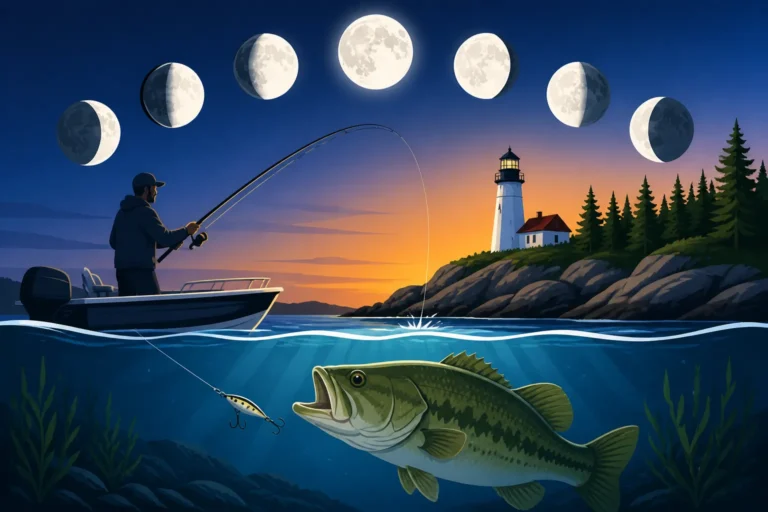
Under the Moonlight: Maine Night Fishing Techniques
While many anglers consider the fishing day done when the sun sets, some of the most dedicated (and successful) fishermen know that true darkness can unlock a whole new world of angling opportunities. Night fishing in Maine offers a unique experience, a quiet solitude broken only by the sounds of the water and, hopefully, the splash of a hooked fish. It’s also often the domain of larger, more elusive fish that are too wary to feed during daylight hours.
The Allure of Darkness: What Makes Night Fishing Unique
Night fishing isn't just about extended hours on the water; it's about tapping into a completely different behavioral pattern for many fish species. Under the cover of darkness, fishing pressure dramatically decreases, allowing fish to relax and move more freely into areas they'd avoid during the day. Big, trophy-sized fish, which are often the most cautious, will frequently venture into shallower water to feed, where they feel less exposed than in bright sunlight. The lack of visual cues means fish rely heavily on their other senses – their lateral line to detect vibrations, and their sense of smell.
Another unique aspect is the change in the baitfish and insect activity. Many nocturnal insects emerge, and certain baitfish species become more active, drawing predators to them. For species like striped bass along the Maine coast, night fishing is almost mandatory. These powerful fish are renowned for moving into shallow flats, estuaries, and river mouths under the cover of darkness to ambush prey. Freshwater species like bass, lake trout, and even large brook trout can also be surprisingly active after dark. It’s a completely different rhythm, and one that can be incredibly rewarding for those willing to embrace the darkness. If you want to dive deeper, our specific guide on Maine Night Fishing Techniques has even more insights.
Essential Gear and Tactics for Night Anglers
Safety is paramount when night fishing. Always tell someone where you're going and when you expect to return. A reliable headlamp (or two, with spare batteries) is non-negotiable, not just for rigging but for navigating. A good quality one available on Amazon can be a lifesaver. Beyond light, consider using glow-in-the-dark lures or jigs, or those with built-in lights to attract attention. Scented baits and lures become even more effective, as fish are relying on their sense of smell. Heavier line might also be advisable, as you'll be fighting fish in low visibility and often in or near structure.
Tactics shift to emphasize sound and vibration. Large, noisy topwater lures for bass, or lipless crankbaits that send out strong vibrations, can be incredibly effective. For striped bass, large, dark-colored soft plastics or big plugs retrieved slowly can fool wary fish. Live bait, such as mackerel or eels, is also a prime choice for stripers after dark. In freshwater, slow-rolling spinnerbaits or using jigs with scent can tempt bass and lake trout. Always approach your fishing spot quietly, avoid shining bright lights directly on the water, and be patient. Bites can be subtle in the dark, so pay close attention to your line and rod tip.
Seasonal Variations: Time of Day Across Maine's Calendar
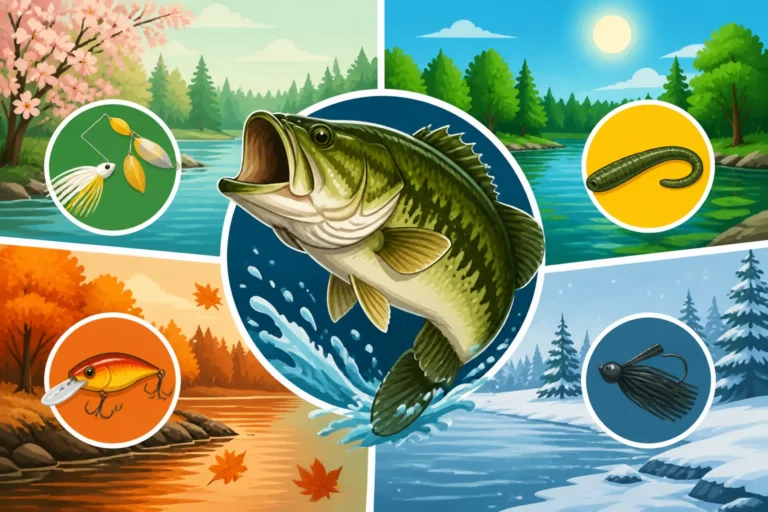
Maine's diverse climate means that the "best time of day" isn't a static concept. It shifts dramatically with the seasons, influenced by changes in air temperature, water temperature, daylight hours, and fish spawning patterns. What works in a chilly April morning might be entirely ineffective in a sweltering July afternoon. Understanding these seasonal nuances is key to year-round fishing success.
Spring's Sweet Spot: Warming Waters, Active Fish
Spring in Maine, especially the early season, is a transitional period marked by rapidly changing conditions. As ice-out occurs and waters begin to warm, fish that have been relatively dormant under the ice become much more active. The early morning and late afternoon are often the most productive times. In spring, the sun's warmth is actually beneficial in the middle of the day, helping to raise water temperatures slightly and invigorate fish. However, the true feeding frenzies often happen during those "shoulder" hours when light levels are lower but temperatures are still agreeable.
Species like landlocked salmon and brook trout will actively feed, especially in the upper water column or near inlets where warmer water and new food sources are entering the lake or river. Bass, particularly smallmouth bass, begin to move into shallower areas as they prepare for their spawn. Our Maine Spring Fishing Guide goes into more detail, but generally, look for fish to be active for longer stretches during the day, with peaks around dawn and dusk. This is a great time for spin casting with minnow imitations or even fly fishing with streamers and nymphs as aquatic life reawakens.
Summer's Heat: Early & Late Are Key
Summer in Maine can be absolutely glorious, but the rising air and water temperatures mean anglers need to adjust their daily schedule significantly. Mid-day becomes a challenging period as surface waters warm considerably and oxygen levels can decrease in the shallows. For heat-sensitive species, the best time of day becomes heavily skewed towards the very early morning (pre-dawn to an hour or two after sunrise) and the late evening (an hour or two before sunset until dark, or even into the night).
During the hottest parts of the day, fish like trout and salmon will retreat to the deepest, coolest parts of lakes or find cold water pockets in rivers. Bass will seek dense cover and shade. To learn more about this, check out our Maine Summer Fishing Guide. This is when deep trolling for lake trout (togue) or vertical jigging in deeper sections of lakes becomes a prime strategy. For striped bass, the coastal waters are often best fished at dawn, dusk, or under the cover of night, especially around tidal movements. Adapting to the heat means prioritizing comfort for both you and the fish – target those cooler, low-light windows.
Fall's Bounty: Feeding Frenzies Before Winter
Ah, fall in Maine. Crisp air, stunning foliage, and often, some of the best fishing of the year! As water temperatures begin to cool steadily, fish enter a pre-winter feeding frenzy, trying to bulk up before the lean months of ice cover. This often translates to more extended feeding windows throughout the day compared to summer. While dawn and dusk remain prime, mid-day fishing can be surprisingly productive, especially on overcast days or in early fall when the sun isn't as harsh.
Brook trout in rivers become incredibly vibrant and aggressive, often moving into shallower spawning areas. Landlocked salmon follow suit, with their incredible fall spawning runs in many rivers and streams. Bass, both smallmouth and largemouth, remain active, keying in on schooling baitfish. Our Maine Fall Fishing Guide provides excellent tips for this season. Look for signs of baitfish activity, and target areas where these forage species congregate. Spoons, larger streamers, and crankbaits that mimic baitfish can be highly effective during this time. The cooling water makes fish feel comfortable and active for longer periods, meaning you might have success from late morning right through to evening.
Winter's Chill: Ice Fishing's Mid-Day Peak
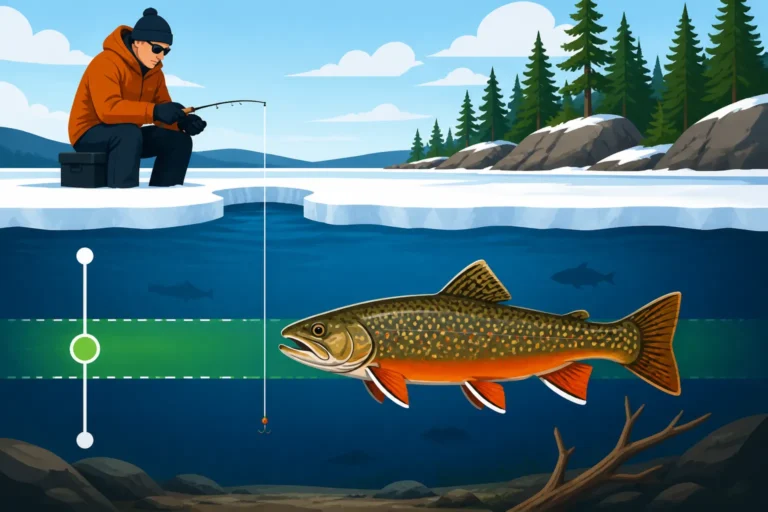
When the lakes and ponds of Maine freeze over, the "best time of day" concept takes a counter-intuitive turn for many species. While some fish will bite at dawn and dusk through the ice, often the most consistent action for many popular ice fishing species like lake trout (togue), cusk, and even some brook trout, occurs during the mid-day hours. This can be a welcome change from open water fishing, allowing for a slightly later start! Our Maine Winter Ice Fishing Guide has many more specific techniques.
Why the mid-day peak? A few factors are at play. First, the sun, even a weak winter sun, can penetrate the ice and slightly warm the water column, stimulating fish activity. Barometric pressure also tends to be more stable around mid-day, which can influence fish behavior. Additionally, baitfish and other forage organisms sometimes become more active during these brighter, slightly warmer periods, drawing in the predators. While you can certainly catch fish early and late, don't be surprised if your most productive hours through the ice are between 10 AM and 3 PM. This often means setting up your tip-ups or jigging lines a bit later, making for a more relaxed ice fishing experience.
Best Time of Day by Species and Season in Maine
| Species | Season | Best Time of Day | Key Tactics |
|---|---|---|---|
| Brook Trout | Spring | Early Morning, Late Afternoon | Small spinners, nymphs, dry flies near riffles |
| Summer | Dawn, Dusk, Night (Rivers) | Deep pools, cold inlets, small dry flies, streamers | |
| Fall | All Day (peak morning/evening) | Streamers, nymphs, small spoons in spawning areas | |
| Winter | Mid-Day (Ice Fishing) | Small jigs tipped with bait, tiny spoons | |
| Landlocked Salmon | Spring | Early Morning, Late Afternoon | Trolling spoons, minnow imitations; streamers in river runs |
| Summer | Dawn, Dusk, Night (Deep Trolling) | Deep trolling with downriggers/lead core; very early/late topwater | |
| Fall | All Day (peak morning/evening) | Trolling, casting spoons/streamers, river fishing during spawn | |
| Winter | Mid-Day (Ice Fishing) | Jigging with smelt, tip-ups, small tube jigs | |
| Lake Trout (Togue) | Spring | Early Morning, Late Afternoon | Trolling spoons, large streamers near thermocline |
| Summer | Dawn, Dusk (Deep Trolling); Night | Deep trolling (50-100ft+), jigging large plastics or tube jigs | |
| Fall | All Day (Deeper Water) | Deep trolling, jigging, large sucker imitations | |
| Winter | Mid-Day (Ice Fishing) | Jigging heavy spoons, large tube jigs, dead bait on tip-ups | |
| Smallmouth Bass | Spring | Mid-Morning, Late Afternoon | Jigs, tubes, jerkbaits, spinnerbaits near spawning beds |
| Summer | Dawn, Dusk, Night | Topwater, poppers, plastic worms, deep cranks near structure | |
| Fall | All Day (peak mid-day to afternoon) | Crankbaits, jerkbaits, swimbaits, jigs near rocky points | |
| Winter | N/A (generally inactive under ice) | (Not typically targeted through ice in Maine) | |
| Largemouth Bass | Spring | Mid-Morning, Late Afternoon | Jigs, plastic worms, spinnerbaits in shallow cover |
| Summer | Dawn, Dusk, Night | Frogs, topwater, jigs, plastic worms in heavy cover/pads | |
| Fall | All Day (peak mid-day to afternoon) | Spinnerbaits, jigs, crankbaits, swimbaits around dying weeds | |
| Winter | N/A (generally inactive under ice) | (Not typically targeted through ice in Maine) | |
| Striped Bass | Spring | Dawn, Dusk, Night (Coastal) | Soft plastics, jerkbaits, flies in estuaries, river mouths |
| Summer | Dawn, Dusk, Night (Coastal, Rivers) | Live bait, large plugs, topwater, soft plastics, trolling tube & worm | |
| Fall | Dawn, Dusk, Night (Coastal) | Large plugs, swimbaits, live bait, chasing baitfish schools | |
| Winter | N/A (migrate south) | (Not present in Maine waters) |
Disclaimer
The information provided in this guide is for general informational purposes only. Fishing regulations in Maine can change frequently and vary by specific water bodies. Always consult the most current Maine Fishing Regulations Explained issued by the Maine Department of Inland Fisheries and Wildlife (MDIFW) before heading out on your fishing trip. Ensure you have the appropriate Maine Fishing License Guide and understand all local rules, including bag limits and length requirements for specific species. Be aware of all safety considerations, especially when fishing near water or in adverse weather conditions.