Maine Summer Fishing Guide
Summer in Maine is truly magical, but if you're an angler, you know it also brings its own set of unique challenges. The crystal-clear lakes and rivers, normally teeming with eager fish, can suddenly feel sparse as fish seek refuge from warming waters and increased boat traffic. This guide is designed to help you navigate those specific frustrations, unlock the secrets to successful summer fishing in Maine, and make your time on the water truly rewarding.
Understanding Maine's Summer Fishing Challenges
When the calendar flips to summer in Maine, the landscape transforms. Tourists flock to our beautiful state, and the lakes and coastlines become hubs of activity. For anglers, this means a significant shift from the quiet, often cooler conditions of spring and fall. Understanding these changes is the first step to adapting your strategy and finding success.
The Impact of Warm Water on Fish Behavior
One of the most profound changes in summer is the rise in water temperature. As surface waters warm up, many of Maine's prized coldwater species like landlocked salmon, brook trout, and lake trout (or "togue" as we affectionately call them) retreat to deeper, cooler thermal refuges. This isn't just about comfort; it's a matter of survival for them. Their metabolism speeds up in warmer water, requiring more oxygen, which is less abundant in heated water.
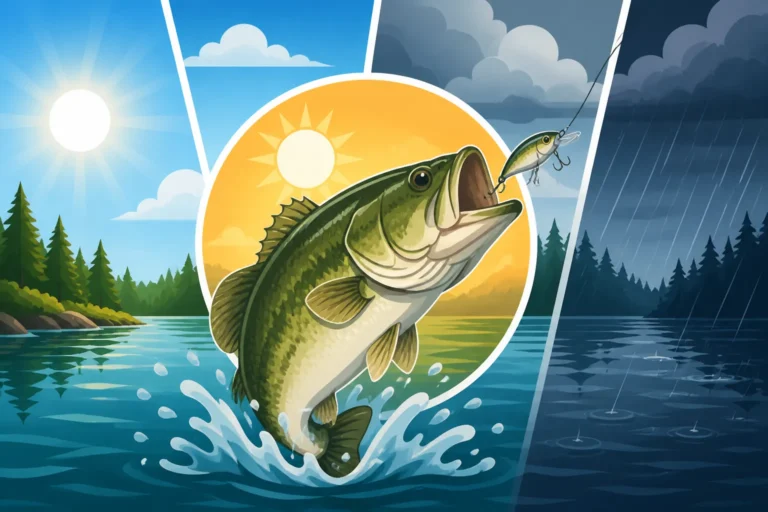
You'll often find these fish congregating around cold springs, deep drop-offs, or thermoclines – those distinct layers where water temperature changes rapidly. What was a productive shallow bite in May might be completely barren by July. This can be incredibly frustrating if you're used to catching fish in familiar spots, only to find them gone. Even warmwater species like bass and perch can become lethargic during the hottest parts of the day, preferring to feed during dawn and dusk.
Dealing with Increased Recreational Traffic
Another undeniable reality of Maine summers is the sheer volume of recreational users on our waters. From roaring speedboats and jet skis to kayakers, paddleboarders, and swimmers, many of your favorite fishing spots can become bustling playgrounds. This increase in activity isn't just a minor inconvenience; it creates noise, wakes, and can actively disturb fish, pushing them further into cover or deeper waters.
Imagine setting up a perfect drift on a picturesque lake, only for a parade of pleasure boats to churn up the water, sending your target species scattering. This can be disheartening and requires anglers to adjust their timing and location. Often, the early mornings, late evenings, or even mid-day during the week when traffic is lighter, become prime windows for a peaceful and productive fishing experience. It also means sometimes exploring those lesser-known, smaller ponds where the big boats can't go.
Adapting to Changing Forage Patterns
Just as fish behavior changes with water temperature, so too do the patterns of their prey. Baitfish like smelts, which are crucial forage for salmon and togue, also move deeper to find cooler water in the summer. Insect hatches, which drive much of the trout fishing in spring, become less predictable or shift to different times of day or night.
This means the flies, lures, or baits that worked wonders in May might be completely ignored in August. Anglers need to be more observant and flexible. Are the salmon chasing schools of smelt down deep? Are bass ambushing frogs or crayfish near structure? Understanding these seasonal shifts in the food chain is paramount. It’s about being a detective, looking for clues like surface activity (or lack thereof) and experimenting with different presentations. Sometimes, a subtle change in lure color or retrieve speed, or even switching from artificial to live bait, can make all the difference.
Prime Freshwater Targets: Lakes and Ponds in Summer
Maine boasts an incredible array of freshwater lakes and ponds, each offering unique opportunities for summer anglers. While the summer heat does make things a bit more challenging for coldwater species, a strategic approach can still yield fantastic results.
Chasing Coldwater Species: Salmon and Togue
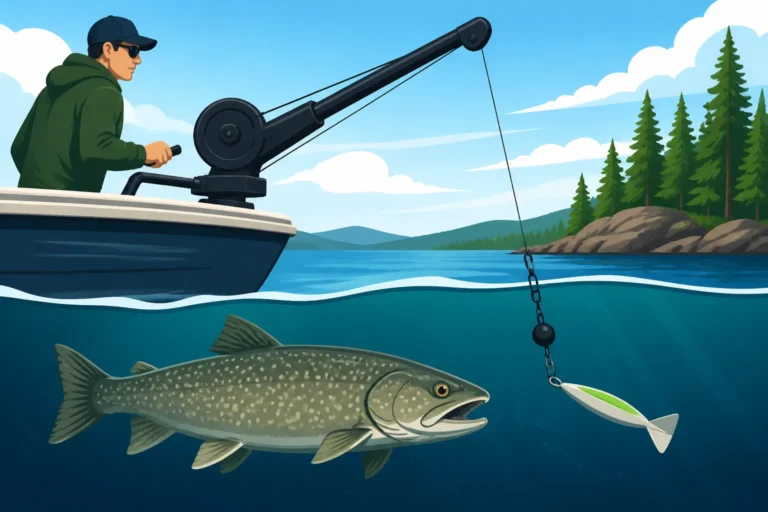
If you're after landlocked salmon or togue (lake trout), summer means going deep. These fish are driven by the need for cold, oxygenated water, typically found in the lower strata of Maine's larger, deeper lakes like Moosehead Lake, Sebago Lake, or the Rangeley Lakes. The thermocline, that distinct layer where water temperature drops dramatically, becomes your best friend. In July and August, this can often be anywhere from 25 to 60 feet down, sometimes even deeper, depending on the lake and current weather patterns.
Trolling is king for these species during summer. Using downriggers, lead core line, or even copper line, you'll need to get your offerings down to where the fish are holding. Popular lures include flashy spoons like Mooselook Wobblers, Suttons, or Dave's Kobras, often tipped with a piece of smelt or shiner for added scent. Flatfish or Rapalas in natural baitfish patterns can also be very effective. Early morning and late evening are often the most productive times, as fish might briefly move shallower to feed before the sun drives them back down. If you're new to this kind of fishing, checking out resources like the guide on Maine Togue and Lake Trout Limits can give you an idea of what you're working with.
Exciting Warmwater Opportunities: Bass and Perch
While coldwater species retreat, warmwater species like smallmouth bass, largemouth bass, and various perch species really come alive in Maine's summer warmth, though they too have their preferred feeding windows. Maine's bass fishing, particularly for smallmouths, is phenomenal in the summer. They'll often be found near rocky points, ledges, submerged islands, and weed beds, especially those adjacent to deeper water where they can retreat during the hottest parts of the day. For largemouth, target heavy cover like lily pads, fallen trees, and thick submerged vegetation.
Topwater action for bass can be explosive during dawn and dusk. Poppers, walk-the-dog lures, and frog imitations can draw thrilling strikes. During the brighter, hotter parts of the day, switch to Texas-rigged worms, Senkos, jig-and-pig combinations, or crankbaits to probe deeper structure or dense cover. You might also find luck with spinnerbaits or chatterbaits around weed lines. White perch and yellow perch are abundant and provide excellent light tackle fun, often found in schools in slightly deeper water or around submerged structure. A simple worm on a hook under a bobber or small jigs can lead to a cooler full of delicious panfish. Make sure to consult Maine Bass Fishing Limits by Zone before you head out.
Locating Summer Hotspots on Maine's Big Lakes
Finding those elusive summer hotspots on Maine's vast lakes can feel like searching for a needle in a haystack, but with the right approach, it's entirely doable. Forget what you know about spring fishing; the fish are now thinking about thermal comfort and easy access to food. Start by looking for areas where cooler water might enter the lake, such as stream mouths or deep springs. These are natural attractants for coldwater species.
For bass and other warmwater species, focus on structural elements that offer shade and access to different depths. Rocky points that extend into deeper water, submerged humps, sudden drop-offs, and dense weed beds near channels are all prime real estate. Marine electronics, like a good fish finder and a GPS-enabled chart plotter, become invaluable tools. You can often find excellent models on retailers like Amazon. They help you pinpoint subtle changes in bottom contour, identify baitfish schools, and even mark the thermocline. Pay attention to contour maps before you even launch your boat. Many of the Best Fishing Lakes in Maine have excellent topographical maps available. Remember that fish in summer often hug structure tight, so precise presentations are key.
River Fishing Strategies for Warmer Months
Maine's rivers and streams, from the smallest brooks to mighty arteries like the Kennebec and Penobscot, offer diverse fishing opportunities throughout the summer. However, just like lakes, rivers present their own set of challenges with rising temperatures and fluctuating water levels.
Targeting River Smallmouth Bass
River smallmouth bass are absolute champions of summer fishing in Maine. Unlike their lake-dwelling counterparts, river smallmouth often remain active even during hotter periods, as river currents keep the water more oxygenated and provide a constant conveyor belt of food. Look for them in areas with current breaks: behind large boulders, along submerged logs, in eddies, and at the head and tail of riffles and pools. Anywhere the current slows down slightly, offering them a place to rest and ambush prey, is a potential hotspot.
Spinning gear with lightweight lures like small crankbaits (Rapala Shad Raps or similar), spinnerbaits, tube jigs, or soft plastic baits rigged on a jig head can be incredibly effective. For fly anglers, poppers, deer hair bugs, and crayfish patterns are deadly. Focus your efforts during early morning and late evening for peak activity, but don't shy away from fishing shaded areas or deeper pools during the brighter parts of the day. The fight of a river smallmouth on light tackle in a strong current is truly exhilarating.
Finding Coolwater Refuges for Trout and Salmon
While river smallmouth thrive, targeting trout and salmon in rivers during summer requires a more delicate touch and a keen eye for coolwater refuges. Wild brook trout, brown trout, and landlocked salmon in rivers are extremely sensitive to warm water. As river temperatures climb, they will seek out spring-fed tributaries, deep pools with cold groundwater seepage, or areas below dams where water might be drawn from deeper, cooler reservoirs. Fishing for these species in warm river sections can stress them significantly, leading to high mortality rates upon release.
It's crucial to monitor water temperatures. Many anglers carry a small thermometer. If the water temperature rises above 68-70 degrees Fahrenheit, it's generally best to avoid targeting coldwater species altogether and give them a break. If you do find a cooler spot, focus on subtle presentations with small nymphs, dry flies mimicking emerging insects (often in the cooler hours), or tiny spinners and worms. Always practice exemplary Catch and Release Best Practices in Maine to ensure these delicate fish survive. Consider wading wet and keeping your hands cold and wet when handling fish.
Understanding Water Levels and Flow
River levels and flow rates are critical factors in summer river fishing. After spring snowmelt, river levels can drop significantly, concentrating fish but also exposing them to warmer temperatures and making them more skittish. Heavy summer rains can cause sudden spikes in water levels and turbidity, which can either turn fishing off or, sometimes, on for species like bass as new food sources are washed into the river.
Before heading out, check local stream gauges and recent weather patterns. Low, clear water demands a stealthy approach, lighter lines, and smaller, more natural presentations. Higher, murkier water might call for larger, more vibrant lures that create more vibration, or even live bait to cut through the reduced visibility. Understanding how changes in flow affect fish holding lies – whether they're pushed to the edges, behind cover, or into deeper pockets – is a skill that comes with experience but is vital for consistent summer river success.
Coastal and Saltwater Summer Opportunities
Maine's rugged coastline comes alive in the summer, offering some of the most exciting saltwater fishing action you can imagine. From the surf to the deep offshore canyons, there's a myriad of species to target, each providing a unique challenge and thrill.
The Thrill of Striped Bass Fishing
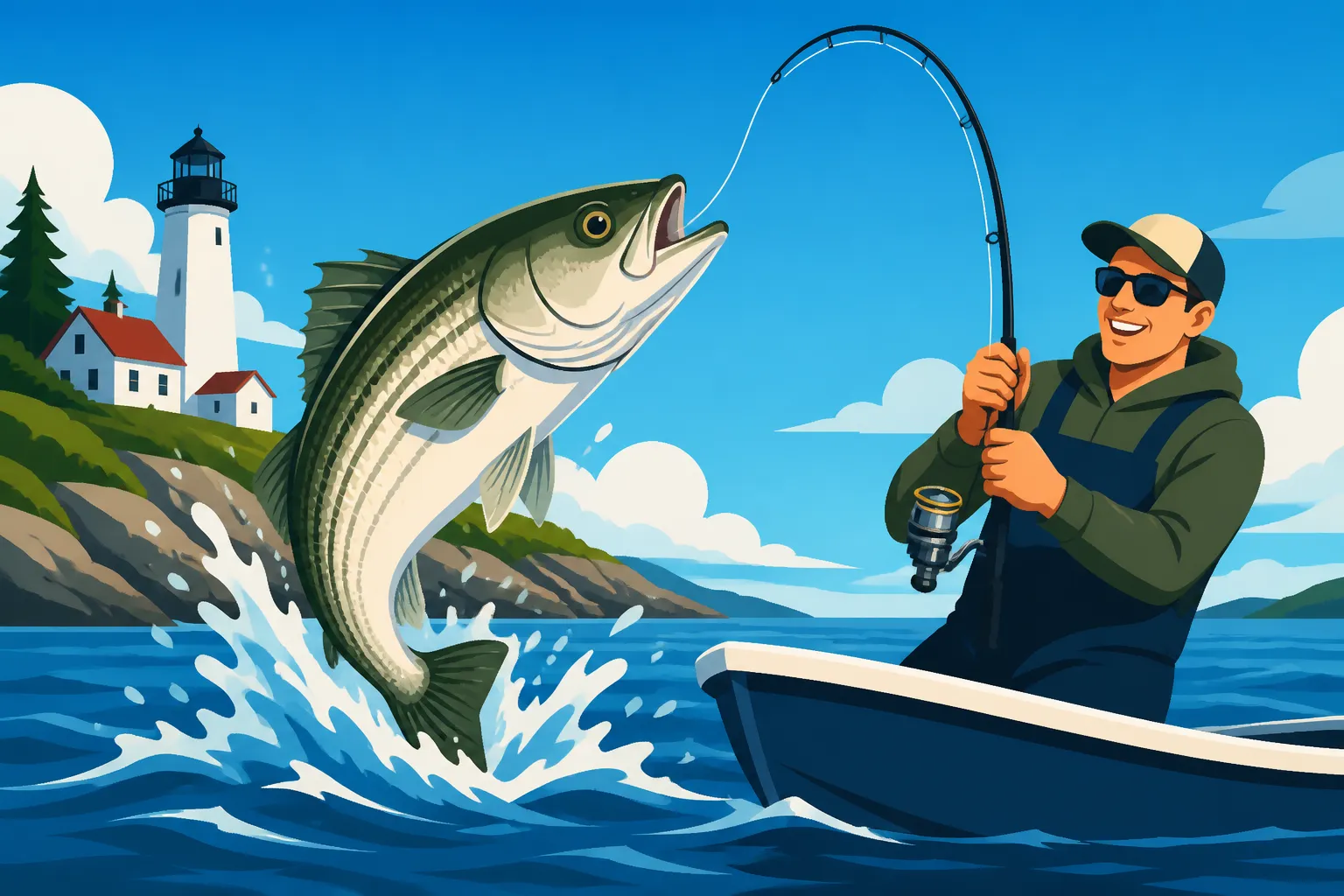
Without a doubt, striped bass are the rock stars of Maine's summer saltwater scene. These powerful, migratory fish follow baitfish schools north into our bays, estuaries, and along the rocky shores, providing incredible opportunities for shore-bound anglers and boaters alike. The season typically heats up in June and remains strong through August and into early fall. Target areas where current converges, around rocky points, ledges, mussel beds, and the mouths of rivers like the Kennebec, Penobscot, and Saco.
Early morning and late evening, particularly around tide changes (incoming or outgoing), are prime times for stripers. For bait fishing, fresh mackerel, seaworms, or chunks of menhaden are excellent. For artificials, poppers, pencil poppers, stickbaits, soft plastic paddle tails (like the popular Zoom or Keitech brands), and even bucktail jigs can entice aggressive strikes. Many anglers find great success casting from the beaches, jetties, or rocks, while others prefer to drift or troll from a boat. Always be mindful of the Maine Striped Bass Season and Limits, as these regulations are specific and designed to protect the population.
Deep Sea Adventures for Groundfish
If you're looking for bigger fish and an offshore adventure, Maine's deep-sea fishing charters offer fantastic opportunities for groundfish during the summer. Common targets include Atlantic cod, haddock, pollock, and various species of hake. These trips typically involve heading miles offshore to rocky bottoms, wrecks, or ledges where these fish congregate. You'll usually be fishing with bait, often clams, squid, or pieces of mackerel, dropped to the bottom with heavy sinkers.
Many charter boats are equipped with powerful fish finders to locate these deepwater structures and schools of fish. The fishing can be fast and furious once you hit a productive spot, providing plenty of action and a good supply of delicious table fare. These trips are also a fantastic way to experience the vastness of the Gulf of Maine. While a charter trip is often the best way to access these fisheries, if you have your own seaworthy vessel and proper navigation equipment, you can certainly venture out on your own. Just be prepared for variable offshore conditions. If you're considering a trip, checking out a Maine Fishing Charters Guide would be a great first step.
Kayak and Shoreline Exploits
Not everyone has a boat, and that's perfectly fine! Maine's coastline offers fantastic opportunities for kayak anglers and those who prefer to keep their feet on solid ground. Kayaks provide stealth and access to shallow coves, tidal creeks, and rocky shorelines that larger boats can't reach. This makes them ideal for targeting striped bass, especially in quieter estuarine areas. Light spinning tackle or fly gear with saltwater flies like clousers or deceivers can be incredibly productive. Just remember to always prioritize safety when kayaking in saltwater, especially with changing tides and potential boat traffic.
Shoreline fishing from beaches, docks, and piers is also a popular summer activity. While stripers are the main draw, you might also hook into mackerel, cunner, or even a flounder. A simple bottom rig with a weight and a baited hook (seaworms are a favorite) can yield surprises. Many public access points, like state parks and town landings, offer great shoreline fishing. Always respect private property and leave no trace behind. Don't forget to register for the Maine Saltwater Fishing Registry Guide if you plan on fishing in saltwater.
Essential Gear and Techniques for Summer Anglers
Successful summer fishing in Maine isn't just about finding the fish; it's also about having the right tools and knowing how to use them. Adapting your gear and techniques to the specific challenges of the season can dramatically increase your chances of a productive outing.
Lures and Baits for Summer Success
When the water warms up, fish can become pickier or more lethargic, making lure and bait selection crucial. For coldwater species like salmon and togue deep in the lakes, large, flashy trolling spoons that imitate smelt are often key. Brands like Mooselook, Sutton, or DB Smelt are perennial favorites. Adding a scent like Pro-Cure or Mike's Lure Oil to your artificials, or tipping them with a small piece of actual baitfish, can sometimes provide that extra edge. Live bait, such as shiners or smelts, fished on a weighted hook or suspended under a bobber in deep water, can also be irresistible.
For bass, summer opens up a huge array of options. Topwater lures like poppers, frogs, and walking baits (Zara Spooks, Heddon Super Spooks) are exciting, especially during low light. When the sun is high, switch to soft plastics: Texas-rigged worms, creature baits, Senkos (wacky or Neko rigged), or jig-and-pig combos worked slowly around cover. Crankbaits that dive to different depths can also be effective for searching structure. For stripers in saltwater, fresh mackerel or seaworms are tough to beat for bait. For artificials, consider larger poppers, stickbaits, soft plastic paddletails (like those from Amazon or local tackle shops), and bucktail jigs.
Effective Trolling and Casting Strategies
Trolling is a cornerstone of summer fishing for Maine's coldwater lake species. The key is finding the right depth and speed. Use your fish finder to locate the thermocline and schools of baitfish, then present your lure just above or through them. Vary your trolling speed until you find what triggers bites – often, a slower, more deliberate speed (1.5-2.5 mph) works best. Don't be afraid to make S-turns or sudden changes in direction; these movements can make your lure dart erratically, often provoking a strike from following fish. A variety of tools like downriggers, lead core lines, or even planer boards (for surface trolling for salmon during low light) are part of an effective strategy. You can learn more about specific approaches in a dedicated Maine Open Water Fishing Techniques Guide.
For bass and stripers, casting strategies are paramount. For bass in cover, precise casts that land your lure exactly where you want it are crucial. Pitching and flipping techniques allow you to drop baits into tight spots with minimal splash. For topwater lures, learn to work them effectively to create enticing disruptions on the surface. For stripers, long casts are often necessary to reach schooling fish or distant structure from shore or boat. Vary your retrieve speed and incorporate pauses to mimic wounded baitfish. In both cases, paying attention to the retrieve is just as important as the cast.
Sun Protection and Comfort on the Water
Summer days in Maine can be long and bright, and while beautiful, the sun's intensity demands proper protection. Sun exposure isn't just about discomfort; it's a serious health concern. Invest in high-quality polarized sunglasses to reduce glare and protect your eyes, allowing you to see into the water to spot structure or even fish. A wide-brimmed hat and lightweight, long-sleeved UPF-rated clothing are essential for protecting your skin from harmful UV rays. Many excellent options are available from brands like Columbia or Simms, easily found on Amazon.
Hydration is also critical. Carry plenty of water and drink it frequently, even if you don't feel thirsty. Electrolyte drinks can be beneficial on particularly hot days. Pack sunscreen and reapply it regularly, especially after sweating or getting wet. Consider bringing a neck gaiter or bandana for added protection. Staying comfortable will not only make your trip more enjoyable but also allow you to fish longer and more effectively. A small, portable cooler for drinks and snacks will be your best friend.
Navigating Regulations and Conservation in Summer
Maine's diverse fisheries are carefully managed to ensure their sustainability for future generations. Summer anglers have a responsibility to understand and adhere to these regulations, and to practice conservation ethics that go beyond just the letter of the law.
Specific Summer Bag Limits and Slot Sizes
Maine's fishing regulations can vary significantly by species, water body, and even by zone (North Zone vs. South Zone). In summer, it's particularly important to be aware of species-specific rules for the fish you're targeting. For instance, Maine Landlocked Salmon Bag Limits might dictate a certain number of fish per day, potentially with size restrictions like a minimum length or a "slot limit" where only fish within a specific size range can be kept. The same applies to Maine Fish Bag Limits Guide for other popular species such as brook trout, bass, and togue.
Saltwater species like striped bass also have strict slot limits and bag limits designed to protect spawning populations and ensure a healthy fishery. These regulations are subject to change, so always consult the most current Maine Department of Inland Fisheries and Wildlife (MDIFW) open water fishing law book or their website before each season, or even before heading to a new body of water. Ignorance of the law is not an excuse, and wardens are out there protecting our resources.
Practicing Responsible Catch and Release
During the summer, when water temperatures are higher, practicing responsible catch and release becomes even more critical for the survival of fish you intend to release. Warmer water holds less oxygen and stresses fish more quickly. Minimize fight time by using appropriately sized tackle. Avoid playing a fish to complete exhaustion. Handle fish gently with wet hands, keeping them in the water as much as possible, especially coldwater species.
Use de-barbed hooks or even single hooks to minimize damage and make hook removal easier. If a fish is deeply hooked, cut the line as close to the hook as possible rather than trying to rip it out. For exhausted fish, hold them gently in the water, facing into the current (if in a river), until they regain their strength and can swim away under their own power. Never throw a fish back; always release it carefully. This practice is essential for maintaining healthy fish populations, especially for species that might be more vulnerable during warmer months.
Avoiding Lead Tackle and Protecting Wildlife
Maine is actively working to protect its wildlife, particularly loons and other waterfowl, from lead poisoning. As of September 2026, there will be a statewide ban on the use and possession of lead sinkers and jigs weighing one ounce or less. However, many anglers are already making the switch to non-lead alternatives. Even before the full ban takes effect, using lead-free options, especially for smaller weights and jigs, is a responsible choice.
Loons, a beloved symbol of Maine's wilderness, often ingest small lead tackle, which can be fatal. By choosing materials like tungsten, tin, steel, or bismuth, you're directly contributing to the health of our wildlife. Many tackle shops and online retailers like Amazon offer a wide selection of lead-free sinkers and jigs. It's a small change in your tackle box that can make a huge difference for Maine's iconic birds and other aquatic wildlife.
Planning Your Ultimate Maine Summer Fishing Trip
A successful summer fishing trip in Maine isn't just about luck; it's about thoughtful planning. From deciding when and where to go, to choosing whether to hire a guide, a bit of foresight can turn a good trip into an unforgettable one.
Best Times of Day to Fish
In the summer, the "golden hours" for fishing become even more pronounced. Early mornings, from dawn until a couple of hours after sunrise, and late evenings, from a few hours before sunset until dusk, are almost always your best bet. During these cooler periods, fish are generally more active and willing to feed. Coldwater species might venture slightly shallower, and warmwater species will be more aggressively hunting for prey.
Mid-day, especially on hot, sunny days, can be notoriously slow. The intense sun drives fish deep, into dense cover, or causes them to become lethargic. If you must fish mid-day, focus on deep water, heavy shade, or structural elements that provide relief from the heat. Sometimes, a passing cloud cover or a sudden rain shower can temporarily turn on a bite during otherwise slow periods. For fly anglers, some hatches might occur mid-day in shaded river sections, but generally, patience and a slow presentation are key during the brightest hours.
Choosing the Right Location for Your Target Species
Maine offers such a vast diversity of fishing opportunities that choosing a location really depends on what you want to catch. If trophy landlocked salmon or togue are your goal, you'll want to focus on the deep, cold waters of large lakes like Sebago, Moosehead, or the Rangeley Lakes. These lakes are managed for these species and provide the necessary habitat. If you're hoping for aggressive smallmouth bass action, many rivers across the state, and medium to large lakes with rocky structures, will be productive. For largemouth bass, look for shallower, weedy lakes, especially in Southern and Central Maine.
For coastal stripers, the rocky shores, estuaries, and river mouths of coastal towns from Kittery to Acadia National Park offer prime access. Before you go, research specific water bodies, their unique regulations, and what species they are known for. Websites like the MDIFW provide stocking reports and general information, helping you identify potential hotspots. Consider whether you prefer the solitude of a remote pond or the amenities around a larger, more popular lake when making your choice.
Hiring a Guide or Planning a DIY Adventure
Deciding whether to hire a Registered Maine Guide or plan your own adventure is a key step in summer trip planning. If you're new to Maine fishing, targeting a specific species, or want to maximize your chances of success in a limited time, hiring a guide is an excellent investment. A guide brings local knowledge, understands seasonal patterns, has the right gear, and can quickly put you on fish. They know the summer haunts of salmon, the best bass spots, or the prime striper tides, saving you countless hours of searching. Many guides specialize in different techniques, from trolling for lake trout to fly fishing for river bass. You can find more details in our guide on Hiring a Maine Fishing Guide.
However, if you're an experienced angler who enjoys the challenge of figuring things out, or if you prefer a more budget-friendly approach, a DIY adventure can be incredibly rewarding. With good maps, online resources, and a willingness to explore, you can certainly find success on your own. Many public boat launches and shore access points are available. Just be sure to do your homework on regulations and safety for your chosen location. Sometimes, a mix of both works well: hiring a guide for one or two days to get acquainted with an area, then exploring independently for the remainder of your trip.
Safety First: Staying Safe on Maine Waters in Summer
While summer fishing in Maine is incredibly rewarding, the season also brings unique safety considerations. From dealing with the elements to navigating busy waterways, prioritizing safety ensures your trip remains enjoyable and accident-free.
Heatstroke, Dehydration, and Sun Safety
The bright Maine sun, especially when reflecting off the water, can quickly lead to heat-related illnesses if you're not careful. Heatstroke and dehydration are real dangers. Always start your day well-hydrated and continue to drink plenty of fluids throughout your trip. Avoid excessive caffeine or alcohol, which can contribute to dehydration. Recognize the symptoms: dizziness, nausea, headache, and excessive sweating (or lack thereof in severe cases). If you feel unwell, seek shade immediately, cool down with water, and consider cutting your trip short.
Beyond hydration, sun protection is paramount. Wear a wide-brimmed hat, sunglasses, and light-colored, long-sleeved clothing with UPF protection. Apply broad-spectrum sunscreen liberally to all exposed skin and reapply every couple of hours, especially if you're sweating or getting wet. Remember that even on cloudy days, UV rays can penetrate, so don't skip the protection. A simple cooling towel, soaked in water, can also provide immense relief on hot days.
Boating Safety and Navigation
Summer brings a surge in boat traffic to Maine's lakes, rivers, and coastal waters. This means increased vigilance for all boaters, anglers included. Always wear a U.S. Coast Guard-approved life jacket, especially if you're fishing alone or in smaller vessels like kayaks or canoes. Ensure your boat is properly equipped with all required safety gear, including navigation lights (if out after dark), a whistle or horn, a fire extinguisher, and a throwable flotation device. Regularly check the weather forecast, as summer thunderstorms can develop quickly, bringing high winds and dangerous waves.
If you're operating a motorboat, familiarize yourself with boating rules of the road. Maintain a safe speed, especially in congested areas, and yield to larger vessels or those with limited maneuverability. For those fishing at night, bright navigation lights are not just a legal requirement but a crucial safety measure for visibility. Knowing how to use your marine radio (VHF) for emergencies or weather updates is also a valuable skill. Taking a boating safety course is a great way to ensure you're prepared for anything Maine's waters can throw at you.
Dealing with Insects and Wildlife Encounters
Maine's natural beauty in summer comes with a small price: insects. Black flies, mosquitoes, and deer flies can be relentless, particularly during dawn and dusk or in shaded, wooded areas. Pack and use an effective insect repellent (DEET or picaridin-based repellents are generally most effective). Wearing long sleeves and pants, even in warmer weather, can also provide a physical barrier. A head net can be a lifesaver in certain areas, especially when fishing small, remote streams.
While encounters with larger wildlife like moose or bears are less common when actively fishing on open water, they can occur during shore access or camping trips. Always keep a respectful distance and never approach or feed wildlife. Be aware of your surroundings, especially when walking through dense woods. For snake encounters, Maine has only one venomous snake, the Timber Rattlesnake, which is extremely rare and found only in a very specific, isolated region. Most snakes you'll see are harmless garter snakes or northern water snakes, so there's no need to panic. Be prepared, be aware, and you'll find these minor nuisances don't detract from the overall joy of summer fishing in Maine.
Disclaimer
Please note that fishing regulations in Maine are subject to change. Always consult the most current Maine Department of Inland Fisheries and Wildlife (MDIFW) regulations book or their official website before heading out on any fishing trip. This guide provides general information and recommendations, but it is the angler's responsibility to know and follow all applicable laws.