Maine Open Water Fishing Techniques Guide
Figuring out the best way to tackle Maine's open waters can feel like a daunting task, especially with such a diverse landscape ranging from vast freshwater lakes to roaring rivers and a rugged coastline. Many anglers get bogged down trying to match the right technique to the right species in the right location, often leading to frustration and fewer fish. This comprehensive guide is designed to cut through that confusion, offering practical, in-depth open water fishing techniques that will equip you for success across Maine's incredible fishing grounds.
Understanding Maine's Open Waters: A Diverse Playground
Maine truly is an angler's paradise, but its sheer variety of water bodies means that "open water fishing" isn't a one-size-fits-all endeavor. Each environment presents its own set of challenges and rewards, demanding specific approaches and a keen understanding of what lies beneath the surface. It’s easy to feel overwhelmed when faced with so many choices, but breaking them down helps clarify your strategy.
Lakes and Ponds: The Freshwater Jewels
From the massive expanse of Moosehead Lake to the sprawling Belgrade Lakes region and countless smaller, secluded ponds, Maine's freshwater lakes and ponds are teeming with life. These waters are often characterized by varying depths, distinct thermal layers, and a mix of structure like rocky shoals, submerged timber, and weed beds. The size and depth of these lakes dictate everything from the fish species present to the techniques that will be most effective. You might find landlocked salmon and lake trout (or "togue" as we call them here in Maine) lurking in the frigid depths of a large, deep lake, while shallow, weedy ponds are prime habitat for largemouth bass and various panfish. The frustration often comes from trying to use a deep-water trolling setup in a shallow pond, or vice-versa, without understanding the unique characteristics of each.
Rivers and Streams: Flowing Opportunities
Maine's rivers and streams offer a completely different experience. They range from powerful, wide waterways like the Kennebec and Penobscot, which host seasonal runs of migratory fish like striped bass and offer excellent smallmouth bass fishing, to the intimate, clear flows of smaller tributaries that are home to wild brook trout. The constant current, varying flow rates, and features like riffles, pools, and eddies dictate specific angling methods. Fly fishing often shines in these environments, but spin fishing can be incredibly effective too, particularly when targeting aggressive species or navigating tight quarters. The challenge here is learning to "read the water" – understanding how the current moves, where fish might hold, and how to present your offering naturally without getting snagged or washed out.
Coastal and Offshore: Saltwater Adventures
Stepping into Maine's saltwater realm opens up yet another world of fishing. Our rugged coastline, dotted with islands, rocky ledges, and sandy beaches, provides prime habitat for species like striped bass, mackerel, and bluefish. Further offshore, the deep sea holds treasures like cod, haddock, pollock, and even tuna for those brave enough to venture out. Saltwater fishing demands different gear, often heavier tackle, and a keen awareness of tides, currents, and even moon phases. It’s a completely different beast from freshwater, with the added elements of rougher seas, the need for sturdy boats, and a whole new set of regulations. The common mistake many freshwater anglers make is assuming their lake gear will suffice, quickly learning that saltwater fish are often bigger, stronger, and much more demanding on equipment.
Essential Gear for Maine Open Water Fishing
Having the right tools for the job is crucial, whether you're chasing trophy salmon in the vastness of Moosehead Lake or casting for stripers along the rocky coast. The sheer volume of fishing gear available can be bewildering, leaving many anglers feeling unsure of where to invest their hard-earned money. It doesn't have to be complicated, though. Focusing on quality essentials that match your target species and environment will set you up for success.
Rods, Reels, and Line: Matching Your Quarry
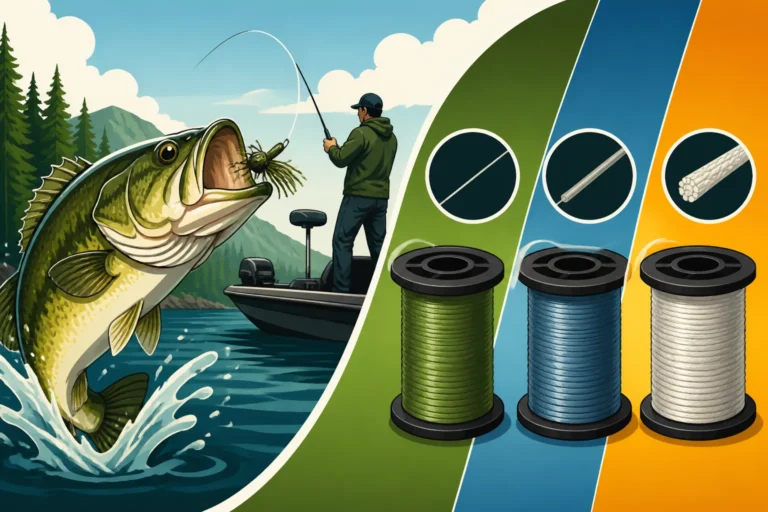
The backbone of any fishing setup is your rod, reel, and line combination. For freshwater pursuits in Maine, you'll generally want a versatile medium-action spinning rod (6-7 feet) paired with a 2500-3000 series spinning reel spooled with 8-12 lb monofilament or braided line. This setup is perfect for everything from casting for bass and panfish to light trolling for trout and salmon. If you're specifically targeting larger landlocked salmon or togue in deep lakes, a medium-heavy baitcasting or trolling rod with a robust levelwind reel and 15-20 lb braided line, often paired with a fluorocarbon leader, will handle the stronger pulls and deeper presentations.
For fly fishing in rivers and streams, a 5- or 6-weight fly rod (8.5-9 feet) with a matching reel and weight-forward floating line is a fantastic all-around choice for brook trout and smaller salmon. For the more powerful rivers that might hold bigger trout or smallmouth bass, you might step up to a 7 or 8-weight setup.
When you transition to saltwater, you'll need to beef things up considerably. For casting to striped bass from shore or a boat, a medium-heavy to heavy spinning rod (7-9 feet) with a 4000-6000 series corrosion-resistant reel spooled with 30-50 lb braided line is standard. The longer rod helps with casting distance and fighting larger fish. For deeper, offshore bottom fishing or trolling, specialized boat rods with conventional reels and even heavier lines (50-80 lb braid) are necessary. Remember, saltwater fish don't play fair, so robust gear is a must. Knowing your target species and typical water conditions is paramount when selecting your setup. For more specific details on what tackle to use, check out our guide on Best Lures for Maine Open Water Fishing.
Lures and Baits: What Works Best Where
Choosing the right lure or bait can often feel like a guessing game, especially when fish are being finicky. The secret is to have a diverse tackle box and understand when to use each.
- Freshwater Lures:
- Spoons: Classic metal spoons like Mooselook Wobblers or Daredevils are deadly for trolling for landlocked salmon and togue. Their erratic wobbling action mimics injured baitfish.
- Plugs/Stickbaits: Jointed or solid body plugs like Rapalas or Rebels are fantastic for casting to bass, particularly smallmouth, in rocky areas or around structure. They also work well for shallow-water trolling for trout.
- Soft Plastics: Grubs, worms, and creature baits rigged on jig heads or weedless are incredibly versatile for bass and panfish, allowing for subtle presentations.
- Spinners: In-line spinners, such as Mepps or Panther Martins, are perfect for casting in streams and rivers for brook trout or for retrieving over weed beds for bass.
- Flies: From dry flies that imitate aquatic insects hatching on the surface to nymphs that mimic subsurface larvae and streamers that imitate baitfish, fly selection is an art form. Having a variety is key.
- Freshwater Baits: Live bait, like shiners, suckers, or worms, can be incredibly effective, especially when dead-sticking or slow-trolling. Worms are universally good for panfish and trout.
- Saltwater Lures:
- Plugs/Poppers: Topwater plugs like poppers or walk-the-dog baits create surface commotion that can drive striped bass into a frenzy, especially during low light conditions.
- Jigs: Heavy bucktail jigs or soft plastic swimbaits rigged on jig heads are excellent for casting from shore or boat, mimicking baitfish and producing a strong enticing action.
- Spoons/Metal Lures: Kastmasters or similar casting spoons are great for distance casting when stripers are busting bait far out.
- Live/Cut Bait: Mackerel, menhaden (pogies), clams, or worms are prime choices for catching striped bass, especially when fished on a three-way swivel or fish-finder rig.
It's wise to have a selection of options. Sometimes, the fish want a fast retrieve; other times, a slow, subtle presentation is key. Don't be afraid to experiment with different sizes, colors, and actions until you find what triggers a bite.
The Little Things: Accessories That Make a Difference
Beyond the main tackle, a few accessories can significantly enhance your open water fishing experience and alleviate common frustrations.
- Pliers/Forceps: Essential for safely removing hooks from fish, especially those with sharp teeth or when practicing catch and release. A good pair of long-nosed pliers or fishing forceps can save a lot of grief.
- Line Cutters: Small, sharp scissors or clippers for clean line cuts. Dull knives just fray the line and weaken knots.
- Net: A landing net, especially one with rubberized mesh, helps protect fish for release and prevents lost catches at the boat or shore. For larger salmon and togue, a bigger net is a game-changer.
- Tackle Box/Bag: Keeping your lures, weights, hooks, and tools organized is paramount. Nothing is more frustrating than fumbling for the right gear when the bite is on. A waterproof tackle bag can be a real blessing on a rainy day or a choppy boat. You can find a vast selection of tackle boxes and fishing bags for every type of fishing on online retailers like Amazon, often at competitive prices.
- Sun Protection: Sunscreen, a wide-brimmed hat, and polarized sunglasses are not luxuries; they're necessities. Polarized sunglasses cut glare, allowing you to see into the water and spot fish or structure.
- First Aid Kit: Accidents happen, especially around hooks and sharp objects. A basic first aid kit is a must for any fishing trip.
- Cooler: For keeping your catch fresh if you plan on harvesting, and for keeping your drinks and snacks cold.
Having these small but mighty items readily available means you can focus more on fishing and less on scrambling for a solution to a minor problem.
Mastering Freshwater Techniques: Lakes, Ponds, and Rivers
Maine's freshwater fishing offers incredible diversity, from the deep, cold waters of our largest lakes to the intimate, babbling brooks. Each environment, and each target species, calls for a slightly different approach. The key to consistent success is understanding and adapting your techniques to these varied conditions.
Trolling for Salmon and Togue
Trolling is undeniably one of the most effective ways to catch landlocked salmon and lake trout (togue) in Maine's big, deep lakes like Sebago Lake, Moosehead Lake, or the Rangeley Lakes. These fish are often pelagic, meaning they roam vast areas of open water, and trolling allows you to cover a lot of ground, presenting your lure to fish that might otherwise be out of reach.
The frustration often stems from not knowing what depth to target or what speed to maintain. Start by checking water temperature; salmon and togue prefer colder water, typically in the 40s to low 50s Fahrenheit. In spring, they might be near the surface or in shallower coves as the water warms, but as summer progresses, they'll retreat to thermoclines in deeper water. This means you might be trolling anywhere from 10 to 60 feet or deeper. To achieve these depths, anglers use various methods: lead core line, downriggers, or weighted lines with snap weights. Lead core line changes depth based on how many "colors" (sections of colored line, usually 10 yards each) are out, allowing for a precise and consistent depth. Downriggers use a heavy ball to hold your lure at a set depth, making it easy to adjust.
Speed is equally critical. For salmon, a faster troll (2.0-3.0 mph) often mimics a fleeing smelt, their primary forage. For togue, a slightly slower pace (1.5-2.5 mph) can be more effective. Experimentation is key; vary your speed until you find what elicits a strike. Lure choice is also vital: spoons like the Mooselook Wobbler, Sutton Spoons, or small FLS (Fast-Sinking Spoon) flies are perennial favorites. Don't forget to check the specific Maine Fishing Season Dates Guide for your target lake, as special regulations often apply to specific bodies of water.
Casting and Jigging for Bass and Panfish
When it comes to smallmouth and largemouth bass, along with panfish like perch and sunfish, casting and jigging are your go-to techniques. These fish are often structure-oriented, meaning they relate to features in the water like rock piles, submerged logs, weed beds, docks, or drop-offs.
- Casting for Bass: For smallmouth bass, especially in clear, rocky lakes and rivers, focus on casting crankbaits, spinnerbaits, or soft plastic tubes and grubs near rocky points, ledges, and current breaks. A medium-light to medium spinning rod with 8-10 lb fluorocarbon line offers good sensitivity and casting distance. For largemouth bass, which prefer weedier, shallower, and often warmer water, target lily pads, dense weed beds, and fallen timber. Techniques here include flipping jigs or soft plastic worms into heavy cover, or working topwater frogs and buzzbaits over mats of vegetation. The thrill of a largemouth exploding on a topwater lure is unmatched!
- Jigging for Panfish: Panfish like yellow perch and white perch are often found in schools, making them a great target for jigging. Small jig heads (1/16 to 1/8 oz) tipped with a small plastic grub, a piece of worm, or a tiny minnow fished vertically around docks, brush piles, or weed edges can yield consistent action. Ultra-light spinning gear makes catching even small perch incredibly fun. These techniques are often best employed during the warmer months, but can extend into the shoulder seasons.
Fly Fishing: Art and Science on the Flowing Waters
Fly fishing is more than just a technique; it's an art form deeply intertwined with the natural world, particularly suited for Maine's pristine rivers and streams. While it can seem intimidating at first, the satisfaction of fooling a wild brook trout with a hand-tied fly is immense.
The core of fly fishing involves casting a nearly weightless fly with a weighted line. This requires a different rhythm and casting motion than spin fishing. Beginners often struggle with getting the line to "load" the rod, but with practice, it becomes second nature.
- Dry Fly Fishing: This is perhaps the most iconic form of fly fishing, where you present a floating fly on the surface to imitate an adult insect that has hatched. Success hinges on "matching the hatch" – selecting a fly that closely resembles the size, shape, and color of the insects currently emerging from the water. Look for rising fish, which indicate they are actively feeding on the surface.
- Nymph Fishing: Often more effective than dry fly fishing, nymphing involves presenting a weighted fly (nymph) subsurface, imitating insect larvae or pupae. This is done upstream or across-stream, allowing the fly to drift naturally with the current. Strike indicators (small bobbers) are used to detect subtle bites.
- Streamer Fishing: Streamers are larger, often flashy flies designed to imitate baitfish, leeches, or other larger prey. They are typically cast across or downstream and then retrieved with varying strips and pauses, mimicking a swimming or injured baitfish. This can be very effective for larger trout and even landlocked salmon, especially during periods when they are more aggressive.
Regardless of the specific technique, understanding how to "read the water" is paramount in river fishing. Look for holding water: deep pools, undercut banks, current seams (where fast and slow water meet), and the tailouts of riffles. These are prime spots where fish conserve energy while waiting for food. For an even deeper dive, our guide on Fly Fishing Techniques for Maine Rivers provides comprehensive details.
Unlocking Saltwater Techniques: Coastline and Deep Seas
Maine's jagged coastline and the vast Atlantic Ocean offer thrilling saltwater fishing opportunities. Unlike the relatively contained world of freshwater, saltwater fishing introduces elements like powerful tides, expansive open water, and a whole new cast of formidable species. It’s a different ball game entirely, demanding specialized gear and knowledge.
Shore Fishing for Stripers
Shore fishing for striped bass is a quintessential Maine summer experience. From rocky headlands to sandy beaches and tidal rivers, stripers cruise these areas in search of baitfish. The beauty of shore fishing is its accessibility – you don't need a boat, just a willingness to walk and explore.
- Understanding Tides: Tides are the most critical factor in successful shore fishing for stripers. They dictate when and where fish will feed. Typically, the incoming and outgoing tides, especially around the high or low slack, are the most productive. These moving tides create current, dislodging bait and concentrating fish. Learning to read a tide chart for your specific location is non-negotiable.
- Lure Selection: When casting from shore, versatility is key. Topwater plugs like poppers or "walk-the-dog" style baits can create explosive strikes, particularly at dawn and dusk. Soft plastic swimbaits rigged on jig heads (e.g., a Hogy or Albie Snax) are incredibly effective, mimicking various baitfish. Bucktail jigs can be bounced along the bottom or retrieved through the water column. Metal casting spoons are great for covering distance when fish are feeding further out.
- Bait Fishing: If you prefer bait, a fish-finder rig with a fresh chunk of mackerel, a clam, or seaworms can be deadly, especially in deeper channels or inlets. Cast out, let it settle on the bottom, and wait for a bite. Just be prepared to hold on! Our article on Maine Striped Bass Fishing Techniques dives even deeper into how to effectively fish for these powerful predators. Remember to check the Maine Saltwater Fishing Registry Guide for registration requirements before heading out.
Boat Fishing: Drifting, Trolling, and Bottom Fishing
Having a boat opens up a much wider array of saltwater fishing possibilities, allowing you to access deeper water, navigate around islands, and cover more ground.
- Drifting for Stripers: Drifting with the current over rocky structure, ledges, or along riprap is an incredibly effective way to cover ground and present bait or lures naturally. You can drift live mackerel, menhaden, or even eels. Alternatively, soft plastic jigs or bucktails can be bounced along the bottom as you drift. The key is to let the current do the work, making your offering appear natural.
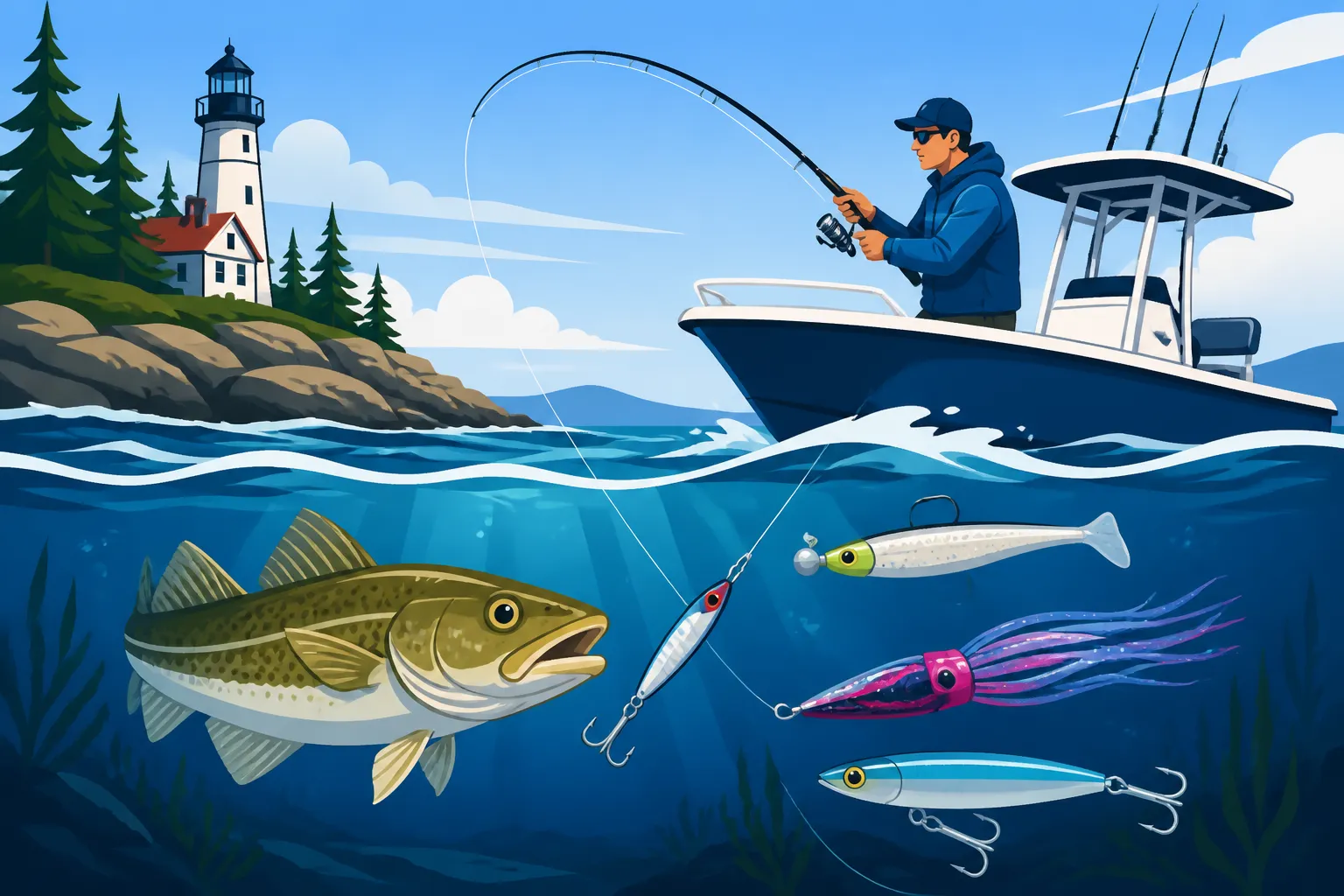
- Trolling for Mackerel and Blues: Trolling is excellent for locating schools of mackerel, bluefish, and even smaller striped bass. Using small spoons, shiny plugs, or Sabiki rigs (a multi-hook rig designed to catch several baitfish at once) behind the boat can quickly fill a cooler with mackerel. For bluefish, slightly larger spoons or plugs trolled at a faster speed are effective.
- Bottom Fishing for Groundfish: Venturing a bit further offshore, you can target groundfish like cod, haddock, and pollock. This typically involves anchoring over known rocky bottom or wrecks, or drifting slowly, and dropping bait (clams, cut bait, or even jigs) directly to the bottom. Use heavy sinkers (8-16 oz, depending on current and depth) to keep your bait down. A simple high-low rig with two hooks and a sinker is a common and effective setup.
Deep Sea Adventures: Offshore Species and Tactics
For the truly adventurous, Maine's deep sea fishing offers the chance to tangle with powerful pelagic species far from shore. These trips often require chartering a dedicated deep sea vessel due to the specialized equipment and local knowledge required.
- Tuna Fishing: Bluefin tuna are the kings of the North Atlantic, and they can be found off the Maine coast during late summer and fall. This is a highly specialized pursuit, often involving heavy-duty stand-up gear, precise trolling patterns with large lures or bait, and a tremendous amount of patience and skill. Techniques include trolling large spreader bars, daisy chains, or ballyhoo. Chunking (throwing chunks of bait into the water to attract tuna) is another popular method. This isn't for the faint of heart, as these fish can weigh hundreds of pounds and provide epic battles.
- Shark Fishing: While not as common as tuna, mako, thresher, and even porbeagle sharks can be targeted offshore. This involves chumming (creating a slick of fish oils and bait to attract sharks) and using large baits on heavy tackle.
- Halibut and Tilefish: In deeper, cooler waters, anglers can target massive halibut or exotic tilefish. This requires specialized deep-dropping techniques, often using electric reels and extremely heavy weights (multiple pounds) to reach depths of hundreds or even a thousand feet.
Deep sea fishing is a significant investment of time and money, but the potential rewards are truly unforgettable. It's highly recommended to go with an experienced Maine Deep Sea Fishing Charters captain who knows the grounds and the specialized techniques required for these offshore giants.
Reading the Water: Environmental Factors and Fish Behavior
Understanding how fish react to their environment is perhaps the single most important skill an angler can develop. Fish are creatures of instinct, driven by factors like food, shelter, and comfort. If you can anticipate where they'll be and why, your chances of success skyrocket. Ignoring these cues is a common frustration, leading to hours of casting into unproductive water.
Understanding Water Temperature and Depth
Water temperature is a primary driver of fish behavior, dictating metabolism, activity levels, and where fish choose to reside. Each species has an optimal temperature range for feeding and comfort.
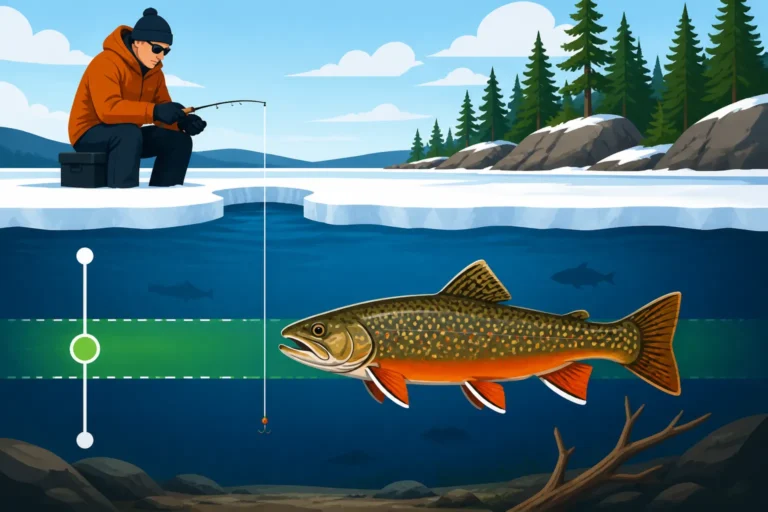
- Trout and Salmon: Coldwater species like brook trout, landlocked salmon, and togue thrive in colder temperatures, generally from the mid-40s to low 60s Fahrenheit. In spring, as ice retreats, they'll often be found near the surface or in shallower coves where water warms first. As summer progresses and surface temperatures rise, these fish retreat to the cooler, deeper parts of lakes, often congregating around the thermocline – the layer where water temperature changes rapidly. Knowing how to locate this layer, often with a fish finder, is crucial for summer success. For example, our article on Reading Water Temperature for Maine Trout offers specific guidance on this.
- Bass and Perch: Warmwater species like smallmouth and largemouth bass, along with perch, prefer warmer water, typically from the high 50s to low 80s Fahrenheit. In spring, they'll move into shallow, sunny areas to spawn. During the heat of summer, they might seek deeper structure or shade during the day, becoming more active during low-light periods. In fall, as water temperatures cool, they become highly active, feeding aggressively before winter.
Depth is intrinsically linked to temperature. Without proper understanding, you might be casting into barren water. Using electronics like fish finders, or even a simple thermometer, can provide invaluable clues.
The Impact of Weather and Barometric Pressure
Weather patterns and changes in barometric pressure have a profound effect on fish activity, though it's often subtle and misunderstood.
- Cold Fronts: A strong cold front that brings clear skies and a sudden drop in temperature can often shut down fishing. Fish tend to become lethargic and less willing to feed. During these times, a slower, more subtle presentation is usually more effective. Don't be discouraged if the bite is slow; it's a natural reaction from the fish.
- Warm Fronts/Stable Weather: Periods of stable, warm weather, or the approach of a warm front, often correlate with increased fish activity. Fish are more comfortable and actively feeding. These are prime fishing conditions.
- Overcast Skies: Overcast days often diffuse sunlight, making fish less skittish and more willing to feed throughout the day, especially in shallower water.
- Rain: Light rain can sometimes improve fishing by washing insects and nutrients into the water, and also by breaking up the surface, making fish feel more secure. Heavy downpours, however, can muddy waters and scatter fish.
- Barometric Pressure: A rising or stable high-pressure system (associated with clear, calm weather) often makes fish feel the pressure, literally, pushing them deeper and making them less active. A falling or low-pressure system (often associated with approaching storms or cloudy weather) can trigger a feeding frenzy, as fish might sense an impending change and feed aggressively. Paying attention to weather forecasts, particularly pressure changes, can help you predict fish behavior.
Tides and Currents: The Ocean's Rhythm
For saltwater anglers, understanding tides and currents isn't just helpful; it's absolutely essential. They are the lifeblood of coastal ecosystems, dictating bait movement, fish location, and feeding patterns.
- Tidal Flow: The incoming and outgoing tides create currents that move baitfish, shrimp, and crabs, concentrating them in certain areas. Striped bass and other predatory fish will position themselves in current seams, eddies, or ambush points to easily intercept this food as it washes by. Fishing during the peak of a strong tide, especially around structures like jetties, bridge pilings, or rocky points, can be incredibly productive.
- Slack Tide: The period of little to no current around high or low tide is called slack tide. While some species might become less active, others, like flounder, might be easier to target as they settle on the bottom. Slack tide can also be a good time to move locations or re-rig without fighting a strong current.
- Current Breaks: Anywhere the current hits an obstruction – a boulder, a point, a channel bend – it creates a current break or an eddy. These are prime ambush points for stripers, as they can sit out of the main flow, conserving energy while waiting for food to be delivered. Casting lures or drifting bait into these current breaks is a highly effective strategy.
- Moon Phases: The moon's gravitational pull significantly influences tidal strength. New moons and full moons create the strongest "spring tides" with the biggest tidal swings and strongest currents. Quarter moons result in weaker "neap tides." Stronger tides often mean more active fish, but can also make fishing more challenging due to the powerful currents. Many seasoned saltwater anglers consult moon phase calendars in addition to tide charts. The intricate dance of tides and currents can make or break a saltwater fishing trip, validating the frustration of those who don't crack its code.
Seasonal Strategies for Maine Open Water Fishing
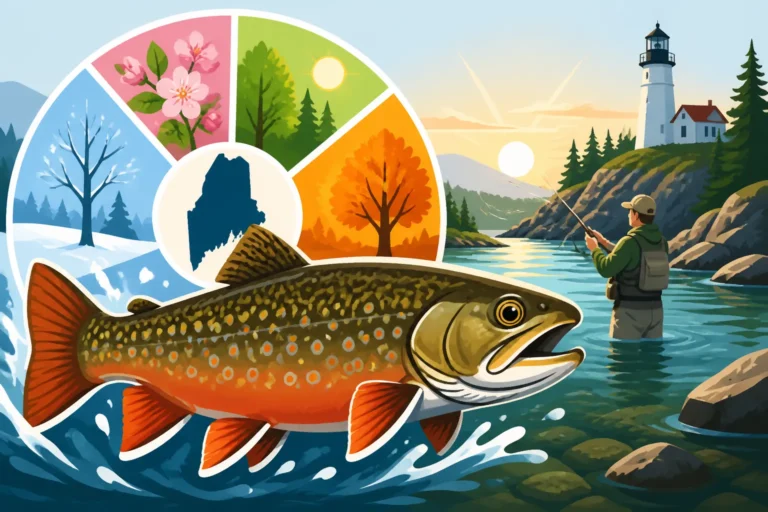
Maine's distinct seasons profoundly influence fish behavior and, consequently, the best open water fishing techniques. What works in May might be completely ineffective in July or October. Adapting your approach with the changing seasons is vital for consistent success and often marks the difference between a productive day and a frustrating one. Many anglers overlook the nuances of seasonal changes, limiting their potential. For a comprehensive overview, don't forget to review our Maine Fishing Season Dates Guide.
Spring: The Thaw and Early Season Excitement
Ah, spring in Maine! As the ice finally recedes (a process we affectionately call "ice-out"), a sense of renewed energy fills the air, and fish begin to stir. This is a truly exciting time to be on the water.
- Coldwater Fish Surge: For species like landlocked salmon, brook trout, and brown trout, spring is prime time. As surface waters warm just enough, these fish become highly active and can often be found in relatively shallow water, particularly in coves and near inlets where snowmelt or warmer runoff enters the lake. They're recovering from winter and feeding aggressively. Trolling small spoons or streamers near the surface or just below can be incredibly effective. For river trout, the early spring runoff means higher water, and fish often tuck into eddies or behind structure, making nymphing a top choice.
- Bass and Perch Prep: While still cold for bass, they'll slowly begin to move into shallower, sun-drenched bays and flats as water temperatures climb into the 50s. They're not yet in full spawn mode, but they're waking up. Slowly retrieved jerkbaits, jigs, or even live minnows can entice a bite. Panfish like yellow and white perch also become more active, often schooling up in shallow coves.
- Saltwater Awakens: Along the coast, the first striped bass of the season begin to arrive, often in late May or early June. These "schoolies" are hungry and can be caught on small soft plastics or flies in tidal rivers and estuaries. This is a time of anticipation, watching for those first signs of migratory fish. Our Maine Spring Fishing Guide offers even more specific tactics for this season.
Summer: Warm Waters and Diverse Opportunities
Summer brings consistent warm weather and a wide array of fishing opportunities, but it also presents challenges, particularly for coldwater species.
- Deep for Trout and Salmon: As surface temperatures rise, landlocked salmon and togue retreat to the cooler, deeper parts of lakes, often suspended around the thermocline. This means adjusting your trolling techniques, utilizing downriggers, lead core, or copper line to get your lures down to the correct depth. Early morning and late evening often offer brief windows when these fish might move shallower to feed.
- Bass Fishing Heats Up: Summer is prime bass fishing season. Largemouth bass will be in their full shallow-water, weed-line glory. Topwater action is fantastic at dawn and dusk, while flipping jigs and soft plastics into dense cover is productive during the day. Smallmouth bass, especially in deeper, clear lakes, will relate to rocky points, humps, and drop-offs. Drop-shotting, jigging, or even deep cranking can be very effective. Night fishing for bass can also be incredibly productive during the hottest periods.
- Coastal Action Explodes: Summer is peak season for striped bass along the Maine coast. They are abundant and actively feeding. Shore anglers will find them in estuaries, around jetties, and along beaches. Boaters can target them in rips, around islands, and in the mouths of rivers. Mackerel and bluefish also arrive in force, offering fast action offshore. Deep sea charters for groundfish are highly popular during these months.
- Panfish Galore: Panfish are abundant and cooperative throughout the summer, making it a fantastic time for family fishing trips. They can be found around docks, weed edges, and submerged structure, eager to take worms, small jigs, or spinners.
Fall: The Pre-Winter Feed
Fall is arguably one of the most rewarding times to fish in Maine, characterized by crisp air, vibrant foliage, and aggressively feeding fish preparing for winter. Many experienced anglers consider this their favorite season.
- Salmon and Trout on the Move: As water temperatures cool, coldwater species become incredibly active. Landlocked salmon and brook trout will move out of their deep summer haunts and often closer to shore, particularly in rivers and near spawning areas. They are putting on weight for winter and will readily strike spoons, streamers, and flies. The salmon runs into rivers are a spectacular sight and offer fantastic opportunities for catch-and-release fishing. For tactics tailored to this season, our Maine Fall Fishing Guide has you covered.
- Bass Blitz: Fall is also phenomenal for bass fishing. Both largemouth and smallmouth bass feed heavily, often schooling up. Crankbaits, spinnerbaits, and jigs can be highly effective as they chase baitfish. They’ll be found on points, flats, and deep edges, gorging themselves.
- Last Chance Stripers: Striped bass remain along the coast well into fall, sometimes even into November, before migrating south. These fish are often larger and more aggressive, trying to pack on calories for their long journey. Look for them feeding on mackerel and herring along the outer coast or in major river estuaries. This can be some of the best striper fishing of the year, but weather can be unpredictable.
Understanding these seasonal shifts and adapting your techniques accordingly will unlock Maine's open water fishing potential throughout the year, turning potential frustrations into successful outings.
Responsible Angling and Conservation in Maine
As stewards of Maine's incredible natural resources, every angler has a responsibility to practice ethical and sustainable fishing. Maine's fisheries are precious, and our collective actions directly impact their health and abundance for future generations. Ignoring these principles not only threatens the fish but also tarnishes the reputation of all anglers.
Catch and Release Best Practices
While keeping a legal limit of fish for the table is part of the fishing experience, practicing catch and release, especially for larger or sensitive species, is a vital conservation tool. It's not just about letting the fish go; it's about ensuring it survives to be caught another day or to spawn.
- Minimize Fight Time: Bring the fish in as quickly as possible without over-stressing your tackle. A prolonged fight exhausts the fish, reducing its chances of survival.
- Handle with Care: Keep the fish in the water as much as possible. If you must remove it, do so gently, supporting its body horizontally. Avoid touching the gills or squeezing its belly. Wet your hands before handling to protect the fish's protective slime coat.
- De-hook Quickly and Safely: Use needle-nose pliers or forceps to quickly remove the hook. If the hook is deeply embedded and cannot be removed without causing further damage, cut the line as close to the hook as possible. Barbless hooks greatly aid in quick and easy removal.
- Revive If Necessary: If a fish appears lethargic, hold it gently in the water, facing into a mild current, and move it back and forth slightly until it regains strength and can swim away on its own. For very deep-caught fish that are showing signs of barotrauma (e.g., bulging eyes, protruding stomach), a descending device can help return them to depth for recovery. Our detailed guide on Catch and Release Best Practices in Maine offers more specific advice.
Respecting Regulations and Limits
Maine has a comprehensive set of fishing regulations designed to protect fish populations and ensure fair chase. These rules cover everything from license requirements to length limits, bag limits, and specific tackle restrictions. Ignorance of the law is not an excuse, and violating regulations can result in hefty fines and the loss of fishing privileges.
- Obtain a Valid License: Always ensure you have a current Maine Fishing License Guide before heading out. Both residents and non-residents typically require one, with different options available.
- Know Your Bag and Length Limits: Every species has specific regulations. For example, knowing the Maine Landlocked Salmon Bag Limits or Maine Fish Bag Limits Guide for brook trout is crucial. For striped bass, Maine often employs a "slot limit," meaning you can only keep fish within a certain size range, while smaller and larger fish must be released. These limits are designed to protect spawning stock and trophy fish.
- Understand Special Regulations: Many lakes, ponds, and sections of rivers in Maine have special regulations that supersede general law. These might include artificial lures only, fly fishing only, specific seasonal closures, or unique bag limits. Always consult the Maine Open Water Fishing Regulations book (available online through the Maine Department of Inland Fisheries and Wildlife or at license vendors) for the specific water you are fishing. Using navigation apps with integrated regulations can also be very helpful.
- Line Limits: Be aware of how many lines you are legally allowed to fish with simultaneously. For instance, Maine Open Water Line Limits typically state you can only fish with two lines at one time.
Keeping Maine's Waters Clean
Preserving the beauty and health of Maine's waters is everyone's responsibility. This means adopting a "leave no trace" ethic.
- Pack It In, Pack It Out: Whatever you bring with you, take it back. This includes all trash, old fishing line, bait containers, and food wrappers. Monofilament fishing line, in particular, is a serious hazard to wildlife.
- Dispose of Waste Properly: If you're cleaning fish, do so responsibly. Don't leave carcasses on shore or toss them near public access points.
- Prevent Invasive Species: Be diligent about cleaning your boat, trailer, and fishing gear (waders, nets, etc.) between water bodies to prevent the spread of aquatic invasive species like Eurasian watermilfoil or zebra mussels, which can devastate native ecosystems.
- Respect Private Property and Public Access: Always be mindful of private land boundaries and respect posted signs. When using public access points, park responsibly and don't block access for others.
By embracing these responsible angling practices, we ensure that the incredible open water fishing opportunities in Maine remain vibrant and accessible for generations to come, allowing everyone to enjoy the tranquility and thrill of the sport.
Disclaimer
The information provided in this guide is for general informational purposes only and is subject to change. Fishing regulations in Maine are complex and can vary significantly by water body and season. Always consult the most current Maine Department of Inland Fisheries and Wildlife (MDIFW) open water fishing regulations handbook or their official website before fishing. State and federal laws supersede any information presented here.