Best Fishing Spots on Pushaw Lake
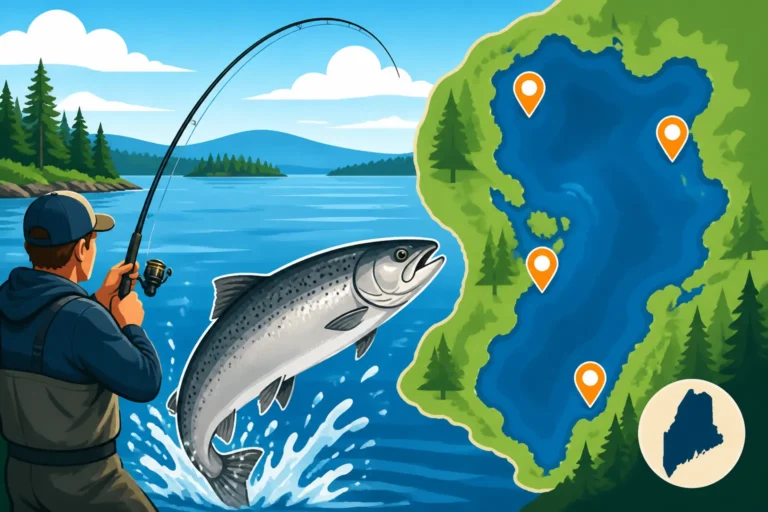
Figuring out the best fishing spots on a new lake can feel like searching for a needle in a haystack, especially when you're faced with a sprawling body of water like Pushaw Lake. You want to maximize your time on the water, not spend it endlessly guessing where the fish might be hiding. This guide is here to cut through the confusion, offering a deep dive into Pushaw Lake's most productive areas, what species you can expect to find, and how to successfully hook into them, no matter the season.
Understanding Pushaw Lake's Unique Fishing Landscape
Pushaw Lake, nestled just northwest of Bangor and Orono, is a true Maine gem, offering a vastly different fishing experience than some of the state's deeper, colder lakes. It's a place where the landscape profoundly influences the fishing, and knowing its quirks is your first step to success.
A Northern Maine Gem with Diverse Habitats
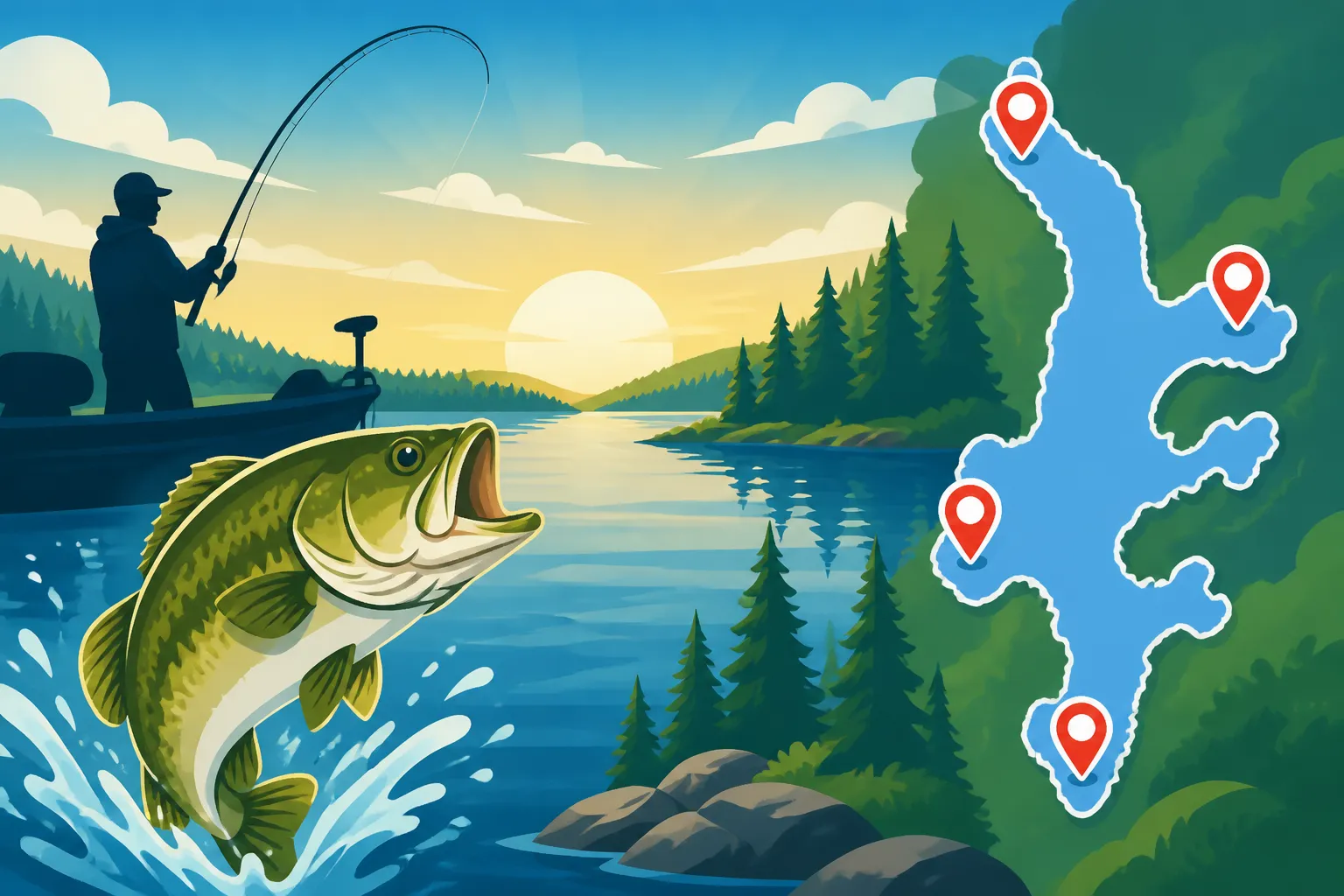
Pushaw Lake isn't just one big bowl of water; it's a dynamic system with varied depths, numerous coves, and a significant amount of aquatic vegetation, especially in its shallower areas. Covering over 5,000 acres, it presents a vast expanse that can initially seem daunting. The northern end, particularly around the Pushaw Stream inlet, tends to be shallower and weedier, creating ideal ambush points for certain species. As you move towards the southern basin, the lake opens up more, with slightly deeper sections and subtle contours that hold different fish. This diversity means that what works in one part of the lake might not work in another, making local knowledge or a good map essential. Many anglers, myself included, have spent frustrating hours trying to apply tactics from a deep, clear lake to Pushaw's murkier, weedy environment, only to come up empty-handed. Understanding this fundamental difference is crucial.
Primary Fish Species You'll Encounter
Pushaw Lake is a warmwater fishery primarily, which means you'll be targeting a different suite of species than you might in the cold, clear depths of places like Moosehead or Sebago. The lake boasts robust populations of highly sought-after game fish, each with its own preferred hangout spots and feeding habits. Knowing these preferences is key to pinpointing where to cast your line.
First and foremost, the lake is renowned for its Smallmouth Bass and Largemouth Bass. These two species dominate the angling scene, and for good reason—they're plentiful and offer exhilarating fights. Smallmouth tend to gravitate towards the rocky, harder bottom areas and points, often patrolling the edges of drop-offs. Largemouth, on the other hand, are kings of the dense vegetation, lily pads, and woody cover, using these areas to ambush prey.
Beyond the bass, you'll also find a healthy population of Chain Pickerel. These aggressive predators, with their distinctive chain-like markings, are often found lurking in similar weedy cover as largemouth bass. They're not shy, and they put up a surprisingly strong fight, making them a fun catch, especially when the bass bite slows down.
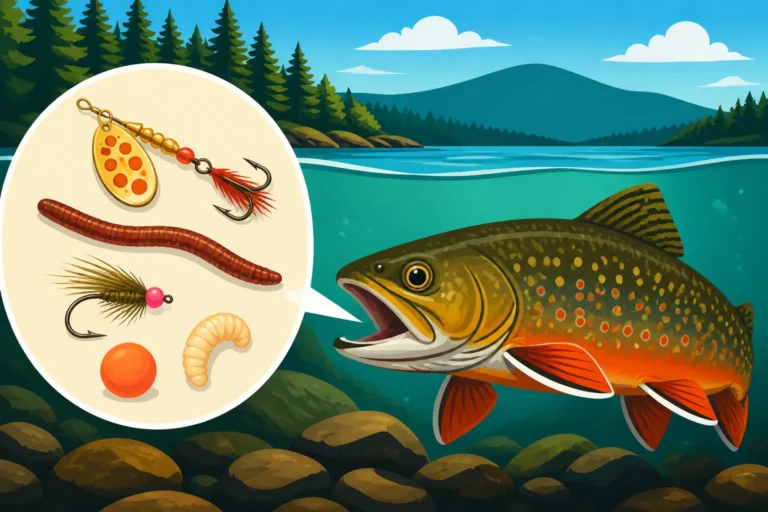
Finally, Pushaw Lake is home to abundant panfish, specifically White Perch and Yellow Perch. These schooling fish are a fantastic target for anglers of all skill levels, providing consistent action, especially for families or those looking for a tasty meal. They often hang around submerged structures, weed lines, and sometimes suspend in open water over deeper flats, particularly during the colder months. While you might occasionally stumble upon a rogue brook trout if water temperatures are just right, it's not their primary habitat; Pushaw truly shines for its warmwater species.
Top Hotspots for Bass Anglers on Pushaw Lake
If bass are what you're after, Pushaw Lake is a fantastic destination. Both smallmouth and largemouth thrive here, but they often occupy very different niches. Knowing where to look for each will drastically improve your success.
Targeting Largemouth Bass in Weedy Coves
Largemouth bass are ambush predators, and on Pushaw Lake, that means they live and breathe in the dense, often shallow, aquatic vegetation. Think lily pads, thick coontail, and submerged hydrilla. You'll find the most consistent action in the numerous protected coves and shallow flats, particularly on the northern and eastern shores. Areas like the large cove on the eastern side near the outlet of Pushaw Stream, or the shallower, reedy sections closer to the town of Glenburn, are prime largemouth territory.
Imagine a calm summer morning, the mist still clinging to the water's surface, as you carefully pitch a topwater frog or a Texas-rigged worm into the thickest part of a lily pad field. The sudden explosion as a largemouth bass erupts from the cover, engulfing your lure, is an experience that keeps anglers coming back. Soft plastic frogs, creature baits, and heavy-weighted Texas-rigged worms are your best friends here, allowing you to penetrate the dense cover without getting hopelessly snagged. Another excellent tactic is working a swim jig or a weedless spinnerbait along the edges of the weed lines, where bass often patrol, waiting for an easy meal. If you're feeling a bit overwhelmed by Pushaw's vastness and want to maximize your largemouth bass opportunities, a guide found through services like FishingBooker can often pinpoint these exact productive weed beds, saving you valuable time.
Finding Smallmouth Bass on Rocky Points and Drop-offs
While largemouth love the weeds, smallmouth bass prefer the hard stuff: rocks, gravel, and steep transitions. Pushaw Lake has several key areas where these conditions come together, creating ideal smallmouth habitat. Look for prominent points that extend into deeper water, especially those with rocky bottoms or submerged humps. The southern basin of the lake, where the water gets a bit deeper and the bottom contours are more pronounced, tends to hold better smallmouth populations.
Picture your sonar screen lighting up with schools of baitfish holding just off a rocky point that drops sharply from 8 feet down to 20 feet. This is classic smallmouth territory. These fish often suspend or hug the bottom, especially during bright sunny days or when the water is warmer. Effective techniques include drop-shot rigs fished with small worms or minnow imitations, tube jigs bounced along the bottom, or deep-diving crankbaits that mimic fleeing baitfish. If you're fishing during the cooler months of spring or fall, smallmouth will often move shallower, congregating on these same rocky points before retreating to deeper water as temperatures fluctuate. Pay close attention to current, even subtle currents created by wind or inflows, as smallmouth will often position themselves to ambush prey.
Pursuing Perch and Pickerel: Year-Round Action
Beyond the bass, Pushaw Lake offers fantastic opportunities for anglers seeking white perch, yellow perch, and chain pickerel. These species are often more numerous and can provide consistent action when the bass are being finicky.
Locating White and Yellow Perch Schools
Perch are schooling fish, which means if you find one, you've likely found many! Both white and yellow perch thrive in Pushaw's environment. White perch tend to prefer open water and can often be found suspended over deeper flats or cruising along subtle break lines. Yellow perch are often found in similar areas but might also relate more closely to weeds and submerged timber, especially during summer. They are fantastic table fare, making them a popular target.
To find perch, concentrate your efforts around submerged humps, the edges of weed beds that transition into deeper water, or deeper sections of the lake's main basin. A fish finder is invaluable for locating these schools. Once you find them, they're usually eager biters. Small jigs tipped with a piece of worm, tiny spoons, or even just a plain hook with a nightcrawler fished under a bobber can be incredibly effective. During the ice fishing season, jigging tiny tungsten jigs or small Swedish Pimples tipped with a grub or a small piece of minnow is a deadly tactic. Many anglers specifically targeting a mixed bag of fish on Pushaw will find that a guide service listed on platforms like FishingBooker can quickly put them on these schooling fish, especially if they are unfamiliar with the lake's specific contours and depths.
Chain Pickerel: The Aggressive Predators of the Shallows
Chain pickerel are often overlooked, but they offer exciting, aggressive strikes and are a blast to catch. These elongated predators are common throughout Pushaw Lake, particularly in the same weedy, shallow water that largemouth bass favor. They are ambush hunters, lying perfectly still in dense cover, waiting for an unsuspecting baitfish or frog to swim by.
You'll find pickerel lurking in the thickest weed beds, around fallen trees, and near the mouths of any small inlets or culverts that feed into the lake. They aren't picky eaters and will strike a wide variety of lures. Silver or gold spoons, spinnerbaits with flashy blades, and live shiners fished under a bobber are all incredibly effective. Be prepared for a savage strike and bring a pair of pliers for unhooking, as their mouths are full of razor-sharp teeth! While not as prized as bass or salmon, pickerel provide constant entertainment and are a great species to target, especially on days when other fish are slow to bite.
Seasonal Strategies for Maximizing Your Catch
Pushaw Lake, like any body of water in Maine, transforms with the seasons, and so do the fish. Adapting your approach throughout the year is essential for consistent success.
Springtime Opportunities: Post-Spawn Feasts
As the ice finally retreats from Pushaw Lake, typically in April or early May, the fish begin to stir, moving out of their wintering grounds. This is a time of transition, and fishing can be incredibly rewarding. After the initial ice-out, fish will be staging in shallower, warmer water, often near spawning areas. For bass, this means targeting northern coves and protected areas that absorb sunlight quickly, warming the water a few crucial degrees. These warmer pockets will hold baitfish, which in turn attract hungry bass.
Post-spawn, fish will be recovering and feeding aggressively to regain energy. Focus on transition areas—where shallow flats meet deeper water, or where rocky bottoms give way to weeds. Jerkbaits, spinnerbaits, and medium-diving crankbaits can be highly effective as fish are still somewhat scattered but actively hunting. This period, often detailed in a comprehensive Maine Spring Fishing Guide, also marks a key time to observe fish patterns before the full onset of summer. Understanding the general flow of Best Time of Year to Fish in Maine can give you an edge, as Pushaw Lake's species respond similarly to broader seasonal shifts.
Summer Deep Dives and Early Morning Bites
Summer fishing on Pushaw Lake brings its own set of challenges and rewards. As water temperatures rise, fish often become more lethargic during the day, seeking cooler, deeper water or retreating into dense overhead cover. This is when patience and strategy become paramount. For largemouth bass, target those same dense weed beds and lily pads, but concentrate your efforts during the low-light hours of early morning and late evening. Topwater lures can provide explosive action during these times, before the sun climbs high.
During midday, bass will often hold tight to cover or move to the coolest available water. For smallmouth, this often means retreating to deeper rocky humps, points, and drop-offs. Using electronics to pinpoint these structures and then employing drop-shot rigs or deep-jigging tactics can be effective. Perch, both white and yellow, might be found suspended in the deeper parts of the main basin. Trolling small spoons or lures can help you cover water and locate these schooling fish. It's a prime example of How Hot Weather Affects Fishing on Maine Lakes, requiring anglers to adjust their timing and depth.
Fall Turnover and Pre-Winter Feeding Frenzies
Fall is arguably one of the best times to fish Pushaw Lake. As water temperatures cool and the lake begins its annual turnover, fish become incredibly active, instinctively feeding heavily in preparation for winter. This pre-winter feeding frenzy means fish are often less finicky and more willing to chase down a meal.
Bass will move out of the thickest summer cover and start to school up, often on rocky points, humps, and along the edges of deeper channels. Crankbaits, jerkbaits, and Alabama rigs can be deadly during this time, allowing you to cover water and intercept active schools. Perch also school up tightly and can be found in similar transition areas, often providing fast and furious action. For detailed insights into this productive season, checking out a Maine Fall Fishing Guide can provide additional strategies and species-specific advice that applies well to Pushaw's environment.
Ice Fishing Thrills on Pushaw Lake
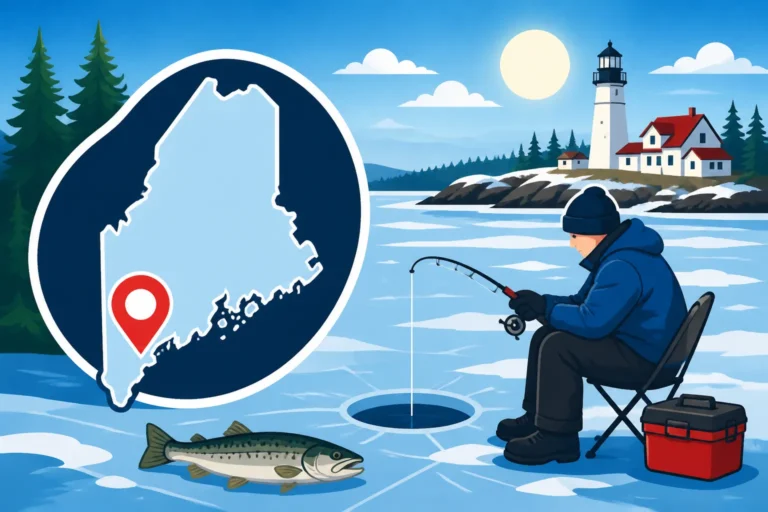
When winter blankets Maine, Pushaw Lake transforms into an ice fishing paradise, typically freezing solid enough for safe access from late December through March. The lake's relatively shallow nature in many areas, combined with its abundant warmwater species, makes it a favorite among ice anglers.
Concentrate your ice fishing efforts around known summer hotspots: the edges of prominent weed beds, rocky points, and submerged humps. These structures continue to hold fish even under the ice. For chain pickerel, focus on shallower, weedy coves where they'll lurk for unsuspecting baitfish. Tip-ups are a popular choice for pickerel and larger bass, set with live minnows. For perch, jigging small spoons or tungsten jigs tipped with a wax worm or a piece of shiner meat can lead to continuous action. Understanding Maine Ice Fishing Techniques Guide and how to effectively use Setting Up Tip-Ups for Ice Fishing will significantly boost your success. Always remember to be mindful of Maine Ice Fishing Line Limits and to check current conditions, as the When Does Maine Ice Fishing Season Start? can vary year to year based on ice thickness and safety.
Essential Tips for Fishing Pushaw Lake Successfully
Beyond knowing where to fish and when, there are practical considerations that will make your Pushaw Lake fishing trip more enjoyable and successful.
Navigating Pushaw Lake: Access and Hazards
Pushaw Lake is large, and like many Maine lakes, it has its fair share of navigational quirks. The main public boat launch is located in Glenburn, off Route 15, offering good access for various boat sizes. However, there are also a number of private access points and smaller launches around the lake. Once on the water, pay attention to your surroundings. While much of the lake is navigable, there are numerous shallow areas, especially in the northern end and some of the coves, which can contain submerged rocks, stumps, and dense weed beds that can be hazardous to propellers.
Investing in a good mapping chip for your fish finder or using a reliable navigation app on your phone can save you a lot of headaches. Always keep an eye out for navigation markers, but don't rely solely on them, as water levels can fluctuate. Getting stuck on a submerged shoal or damaging your prop is a quick way to ruin a perfectly good fishing day, so proceed with caution, especially when exploring new areas of the lake.
Choosing the Right Gear and Baits
For Pushaw Lake's primary species, a versatile rod and reel setup will serve you well. A medium to medium-heavy spinning rod or baitcasting setup, ranging from 6'6" to 7'3", paired with 8-12 lb test monofilament or fluorocarbon, or 20-30 lb braided line, will handle most situations.
For Largemouth Bass:
- Topwater: Frogs, poppers, walking baits fished over pads and weeds.
- Soft Plastics: Texas-rigged worms (green pumpkin, black/blue), creature baits, swim jigs.
- Spinnerbaits/Chatterbaits: Chartreuse, white, or dark colors along weed edges.
For Smallmouth Bass:
- Jigs: Tube jigs (green pumpkin, brown), football jigs on rocky bottoms.
- Drop-Shot: Small worms, minnow imitations on points and humps.
- Crankbaits: Medium to deep divers in crawfish or baitfish patterns.
For Perch (White and Yellow):
- Small Jigs: 1/16 to 1/8 oz jigs tipped with worms, grubs, or minnow pieces.
- Spoons: Small Kastmasters or Swedish Pimples for jigging, especially through ice.
- Live Bait: Worms, small minnows under a bobber.
For Chain Pickerel:
- Spoons: Silver or gold spoons, 1/4 to 1/2 oz, retrieved quickly.
- Spinnerbaits: White, chartreuse, or black with flashy blades.
- Live Bait: Shiners or small minnows.
Remember to bring plenty of terminal tackle, as snags in the weedy sections are inevitable. For more specific lure ideas, consult a guide on Best Lures for Maine Open Water Fishing which offers broader advice applicable to Pushaw's diverse fishing scenarios.
Understanding Regulations and Conservation
Fishing on Pushaw Lake, like all Maine waters, requires adherence to specific regulations designed to protect fish populations and ensure sustainable angling for future generations. Before you even head out, make sure your Maine Fishing License Guide is up to date and you've consulted the most recent edition of the Maine Fishing Regulations Explained. These regulations cover everything from season dates to specific Maine Fish Bag Limits Guide for each species, and these can change from year to year.
It's also crucial to practice responsible angling, especially if you're targeting larger bass or pickerel. Many anglers on Pushaw Lake practice catch and release for these species, particularly for the biggest fish, to help maintain the healthy population dynamics. If you do plan to release fish, understanding Catch and Release Best Practices in Maine is vital to ensure the fish's survival. Always handle fish gently, minimize their time out of water, and use proper tools for unhooking. By respecting the rules and practicing good conservation, we all contribute to keeping Pushaw Lake a fantastic fishery for years to come.
| Species | Best Locations on Pushaw Lake | Recommended Techniques | Primary Season |
|---|---|---|---|
| Largemouth Bass | Weedy coves, lily pad fields, shallow structure | Topwater frogs, Texas-rigged plastics, swim jigs | Spring, Summer, Fall |
| Smallmouth Bass | Rocky points, submerged humps, steep drop-offs | Drop-shot rigs, tube jigs, crankbaits | Spring, Summer, Fall |
| White Perch | Open water flats, weed edges, deeper sections | Small jigs (tipped), spoons, live worms | All Year (ice fishing good) |
| Yellow Perch | Weed lines, submerged structures, near inlets | Small jigs (tipped), small spoons, live minnows | All Year (ice fishing good) |
| Chain Pickerel | Dense weed beds, shallow cover, creek mouths | Spoons, spinnerbaits, live shiners | All Year (aggressive) |
Disclaimer
Fishing regulations and conditions are subject to change. Always consult the latest official Maine Department of Inland Fisheries & Wildlife (MDIFW) regulations before heading out on the water. This guide provides general information and recommendations based on common fishing practices and knowledge of Pushaw Lake.