Where Do the Big Togue Come From on Moosehead Lake?
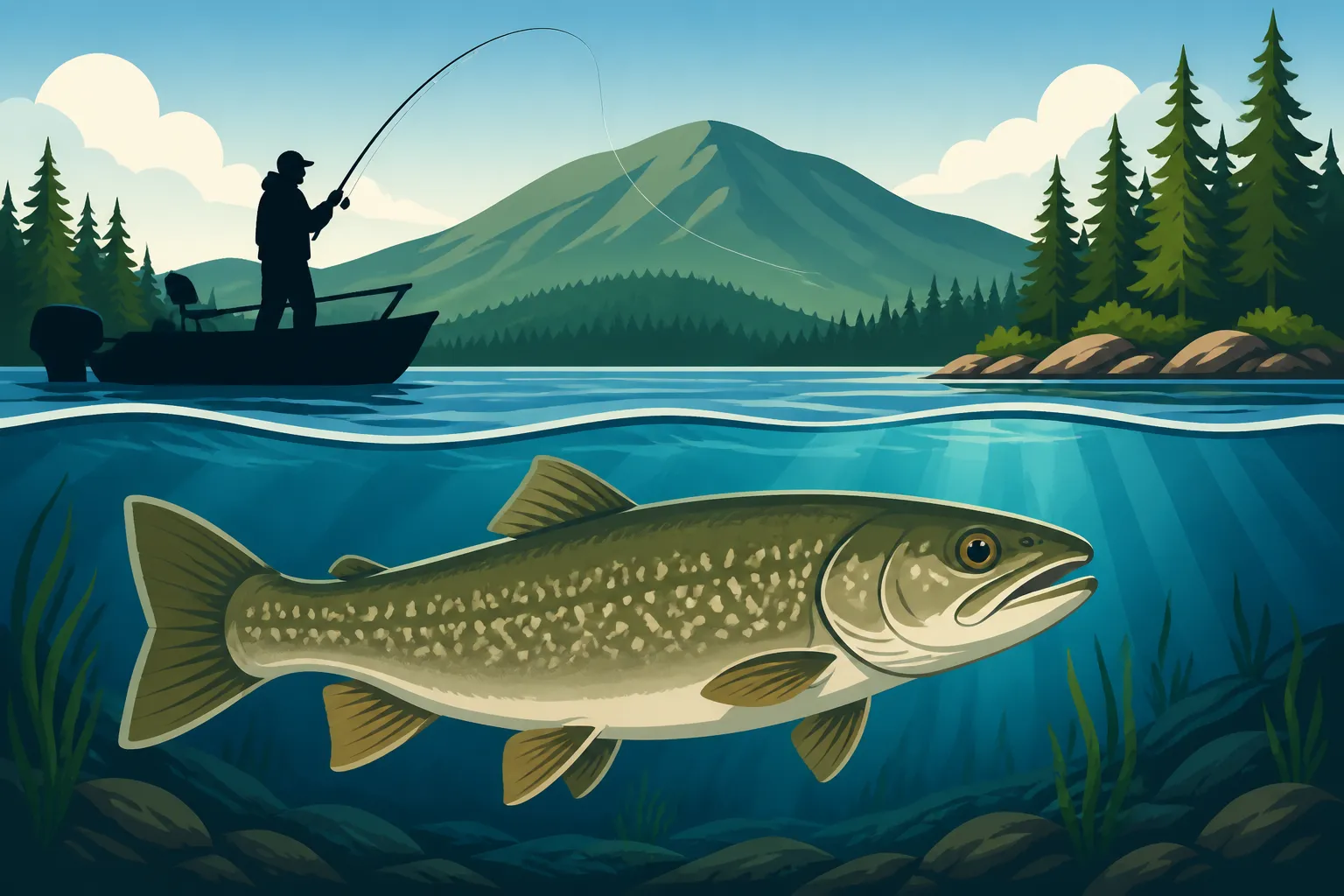
Every angler who's ever dreamed of reeling in a truly monumental fish in Maine probably has a picture of a massive togue (lake trout) from Moosehead Lake dancing in their head. It's the stuff of legends, the kind of fish that puts a serious bend in your rod and gives you a story to tell for years. But if you’re like most of us, you’ve probably wondered, "Where do those absolute giants actually come from?" It's not just luck; there's a whole ecosystem at play, specific habitats, and a bit of science behind why Moosehead Lake consistently produces some of the biggest togue in the state. This guide will take a deep dive into the mysteries of Moosehead's trophy togue, revealing their secrets so you can better understand (and hopefully catch!) these magnificent fish.
Understanding Moosehead Lake's Togue Population
Moosehead Lake isn't just a pretty face; it's a dynamic, cold-water ecosystem perfectly suited for growing substantial lake trout, or "togue" as we affectionately call them here in Maine. The sheer size and depth of the lake provide unique advantages that contribute to the impressive specimens found within its waters.
The Deep, Cold Realm of Moosehead
Imagine a vast inland ocean, stretching for miles, with depths that plunge hundreds of feet. That's Moosehead Lake for you. With an average depth of around 50 feet and some spots dropping well over 200 feet, this is not your typical shallow pond. This immense volume of deep, cold water is absolutely crucial for togue, especially during the warmer months. While other fish might struggle with rising water temperatures in shallower lakes, togue on Moosehead can simply retreat to the comfortable, oxygen-rich depths where the water remains consistently cold, even when the summer sun is beating down. This natural refuge from thermal stress allows them to conserve energy and continue feeding, even when their counterparts in smaller, shallower lakes might become lethargic. This ability to always find their ideal temperature zone is a significant factor in their health and growth. Knowing how to interpret a fish finder is key to locating these deep pockets during the warmer months, as they won't be cruising the shallows.
Native vs. Stocked Togue Dynamics
Now, you might be thinking, "Are these fish native, or are they all stocked?" That's a great question! Moosehead Lake boasts a healthy population of both wild, naturally reproducing togue and supplemental stockings by the Maine Department of Inland Fisheries and Wildlife (IFW). The wild population thrives in the lake's extensive suitable habitats, with numerous rocky shoals and gravelly bottoms providing excellent spawning grounds. However, IFW also strategically stocks various strains of lake trout, often aiming to enhance growth rates, disease resistance, or genetic diversity. These stocked fish are often fingerlings or yearlings that quickly adapt to Moosehead's rich environment. The interplay between these wild and stocked populations creates a robust and resilient fishery, ensuring a strong presence of these fish for anglers. Understanding the nuances of Maine's stocking programs and how they contribute to the overall fishery is fascinating, and something you can learn more about in resources like the Stocked vs Wild Lake Trout in Maine Lakes guide.
The Importance of Smelt in the Ecosystem
You can't talk about big togue without talking about smelt. Think of smelt as the ultimate energy bar for a togue. These small, silvery fish are incredibly abundant in Moosehead Lake and form the primary forage base for growing big togue. Togue are predators, and like any predator, their growth is directly tied to the availability and caloric value of their prey. Smelt provide an incredibly rich, fatty food source that allows togue to pack on weight rapidly. Without this ample supply of smelt, the togue simply wouldn't have the fuel needed to reach those impressive sizes. It’s a classic food chain scenario: healthy smelt populations lead to healthy, large togue. This understanding helps anglers choose the right bait for togue, often imitating these prevalent baitfish.
Prime Habitats for Trophy Togue
Big togue don't just hang out anywhere; they are creatures of habit, often found in specific environments that offer the perfect combination of food, cover, and comfortable water temperatures. Knowing these key habitats is essential for any angler hoping to land a trophy.
Deepwater Ledges and Drop-offs
When you're searching for those truly immense togue, focus your efforts on deepwater ledges and dramatic drop-offs. These aren't just random spots on the lake bottom; they are underwater highways and feeding stations. Togue love to cruise along these abrupt changes in depth, using the ledges as ambush points for unsuspecting smelt and other baitfish. A sharp drop-off from, say, 30 feet down to 100 feet creates a thermal break and a natural boundary that concentrates baitfish. The togue will often suspend just off these ledges, either waiting to strike or actively pursuing prey. Imagine them like wolves patrolling a canyon edge, ready to pounce. It's not uncommon to find several togue stacked up along a single prominent ledge, especially during specific times of the day or year. Learning to read lake structure for species like togue is a skill that will pay dividends.
Identifying Spawning Grounds
Even the biggest togue were once small, and their journey begins in spawning grounds. Togue are unique in that they typically spawn in the fall, usually from late September through November, often on rocky shoals, reefs, and gravelly bottoms in relatively shallow water (usually 5 to 30 feet deep). While fishing during the spawn is often restricted or not recommended due to fish vulnerability, understanding where these areas are located can give you insights into where large fish might congregate before and after the spawning period. These areas, particularly the deeper approaches to them, can hold significant numbers of larger togue looking to fatten up before the rigors of reproduction or recover after the event. The "gravelly bottom" is critical, as the eggs need oxygenated water flowing through the rocks to develop properly.
Forage-Rich Zones and Structure
Beyond ledges and spawning grounds, "forage-rich zones" are where the real action often happens. These are areas where smelt and other baitfish are consistently found in high concentrations. Often, this means looking for underwater humps, points extending into deeper water, or even specific thermocline depths where baitfish are most comfortable. Structure, in this sense, can also mean submerged islands, old stream beds, or even significant boulder fields. Togue, being opportunistic feeders, will follow these baitfish movements. If you can locate the bait, you're usually in the vicinity of the big predators. Utilizing modern electronics, like those you might see a guide using when you book a trip through a service like FishingBooker, can be incredibly helpful in identifying these subtle underwater features and bait concentrations. Remember, a thriving population of smelt is directly linked to the health and size of togue.
Factors Contributing to Togue Growth and Size
It's not just about surviving; it's about thriving. Several key factors combine to allow Moosehead Lake togue to reach their legendary sizes, from their diet to their lifespan and even their genetic makeup.
Abundant Food Sources
As mentioned, the sheer abundance of high-quality forage, particularly smelt, is paramount. Imagine a bodybuilder trying to gain muscle without enough protein – it’s just not going to happen. Similarly, for a togue to grow to 20, 30, or even 40 pounds, it needs a continuous, readily available supply of nutrient-dense food. Moosehead Lake provides exactly that. The cold, clear water supports vast schools of smelt, which are rich in fat and protein. This consistent "all-you-can-eat buffet" allows togue to develop thick, powerful bodies and achieve exceptional growth rates over their lifetime. Without this foundational food source, the dream of catching a trophy togue would simply remain a dream. This connection is why biologists closely monitor smelt populations to ensure the health of the entire fishery, and why you'll often see guides and seasoned anglers referring to fish activity in relation to the smelt runs.
Longevity and Growth Rates
Another critical factor is the togue's impressive longevity. These aren't short-lived fish; they can live for a very long time, often exceeding 20 years in a healthy environment like Moosehead Lake. Think about it: the longer a fish lives, the more time it has to grow. Combine that extended lifespan with the abundant food and ideal cold-water habitat, and you have the perfect recipe for truly enormous specimens. While they might grow relatively slowly compared to some warm-water species, that steady, consistent growth over two decades or more is what eventually results in those massive, thick-shouldered togue that Maine is famous for. It’s a testament to the lake’s ability to sustain these long-term residents. This slow growth means that trophy fish are truly ancient and wise, presenting an exciting challenge for any angler.
Genetic Factors and Brood Stock
While environment and food are huge, genetics also play a role. Certain strains of lake trout naturally have the genetic predisposition to grow larger and live longer than others. IFW, in their management efforts, often utilizes brood stock (adult fish used for breeding) with desirable traits, including fast growth and large size. By introducing these genetics into the system, either through direct stocking or by enhancing wild populations, they can help ensure that future generations of togue have the potential to reach trophy proportions. It's a subtle but important piece of the puzzle, a careful balancing act to maintain a robust and impressive fishery. This thoughtful management, alongside natural selection, is what helps maintain Moosehead's reputation for producing such magnificent fish.
Best Strategies for Targeting Big Togue
Knowing where big togue come from is one thing; actually catching them is another! It requires understanding their seasonal patterns, employing the right techniques, and sometimes, leaning on the expertise of those who know Moosehead best.
Seasonal Movements and Depths
Togue are constantly on the move, driven by water temperature and the availability of their favorite food, smelt. Understanding their seasonal migration patterns is key. In early spring, after ice-out, big togue can often be found in shallower waters, sometimes as shallow as 10-20 feet, as they chase smelt that are moving into similar depths. This is a fantastic time for shore fishing or casting from a boat. As summer progresses and surface waters warm, they retreat to the cold, deep sanctuary of the lake. During these months, you'll need to target them at depths of 50 to 150+ feet, often suspended over those deep ledges and humps. Fall sees them moving shallower again as they prepare for spawning, before settling back into deeper, more stable waters for winter ice fishing. Knowing the Maine Fishing Season Calendar and specifically What Depth Do Togue Hold at in Summer? will greatly improve your success.
| Season | Typical Depth Range (Approx.) | Preferred Forage Location | Common Techniques |
|---|---|---|---|
| Early Spring | 10-40 feet | Shallower flats, stream mouths, warming bays | Trolling with stickbaits, casting spoons, jigging |
| Summer | 50-150+ feet | Deep ledges, thermocline, suspended over structure | Downrigger trolling, deep jigging, drop-shotting |
| Fall | 20-60 feet | Spawning reefs, rocky points, baitfish aggregations | Trolling, casting spoons, live bait on bottom rigs |
| Winter (Ice) | 30-100 feet | Over deep holes, near drop-offs, suspended with baitfish | Jigging with spoons/tube jigs, tip-ups with live bait |
Note: These are general guidelines; specific spots and conditions can always vary.
Effective Lures and Techniques
When it comes to tempting a trophy togue, there are a few tried-and-true methods. Trolling is king on Moosehead, especially with techniques like lead core line, copper line, or downriggers to get your lures down to the incredible depths where these fish reside. Large spoons, such as Mooselook Wobblers, Suttons, or DB Smelts, are incredibly effective, mimicking the smelt that make up the bulk of their diet. Also, large stickbaits like Rapalas can be deadly in shallower spring and fall conditions. For ice fishing, aggressive jigging with heavy spoons or tube jigs, often tipped with a piece of bait, can entice strikes from lethargic winter togue. Don't forget the power of live bait, especially during ice fishing with tip-ups. Smelt or shiners fished near the bottom or suspended at key depths can be irresistible. Exploring Jigging Techniques for Togue or Trolling Techniques for Maine Lakes can help you refine your approach.
Hiring a Local Guide for Insider Knowledge
Let's be real: Moosehead Lake is enormous, and trying to find those elusive trophy togue without prior experience can feel like finding a needle in a haystack. This is where a Registered Maine Guide becomes invaluable. These folks spend countless hours on the lake, intimately understanding its contours, its fish movements, and the specific nuances that produce big fish. A guide provides not only the necessary equipment and expertise but also the invaluable local knowledge of current conditions, recent fish patterns, and prime locations that would take years to acquire on your own. Many excellent guides specializing in Moosehead togue fishing are available to book, and services like FishingBooker can help you connect with experienced captains who know the lake inside and out. Hiring a guide isn't just about catching fish; it's about learning, experiencing, and greatly increasing your chances of landing that fish of a lifetime. You can find out more about what they offer in a guide to Moosehead Lake Fishing Guides.
Conservation and the Future of Moosehead Togue
As anglers, we have a responsibility to protect and preserve the incredible resource that is Moosehead Lake and its magnificent togue. Sustainable fishing practices are crucial to ensure that these trophy fish continue to thrive for generations to come.
Responsible Angling Practices
Catching a big togue is thrilling, but ensuring its survival after release, especially if it's a true giant, is equally important. Practice good Catch and Release Best Practices in Maine. This means minimizing fight time, using appropriate gear that doesn't overstress the fish, and handling it carefully. If you're planning to release a large togue, keep it in the water as much as possible, supporting its body. Avoid touching its gills or eyes, and use wet hands to protect its slime coat. If it's a truly enormous fish, consider taking a quick photo and then focusing on its revival before letting it swim away strong. Every successfully released fish contributes to the future of the trophy fishery. Also, be mindful of Togue Minimum Length Limit in Maine and How Many Togue Can You Keep Per Day in Maine? to ensure you're fishing within regulations.
Management Efforts by IFW
The Maine Department of Inland Fisheries and Wildlife (IFW) plays a vital role in maintaining the health and vitality of Moosehead Lake's togue population. They conduct regular surveys, monitor fish populations, and implement regulations designed to promote sustainable fishing. This includes setting bag limits, length limits, and season dates, all aimed at protecting different age classes of fish and ensuring adequate natural reproduction. They also manage stocking programs, introducing new genetics and bolstering populations when necessary. These efforts, combined with responsible angling, are what keep Moosehead Lake a premier destination for trophy togue fishing. Their careful management ensures that the delicate balance of predator and prey, and the overall ecosystem, remains healthy for years to come.
Disclaimer
Please remember that fishing regulations and conditions can change. Always consult the latest Maine Department of Inland Fisheries and Wildlife (IFW) regulations before heading out on the water. This information is for general guidance and educational purposes only.