Best Depth for Salmon on Rangeley Lake in Summer
There's nothing quite like a summer day on Rangeley Lake, the sun sparkling on the water, the mountains in the distance… but if you're chasing those elusive landlocked salmon, you know it can also be incredibly frustrating. They're there, you know they are, but finding them once the water warms up can feel like searching for a needle in a very large, deep haystack. This guide is all about cutting through that guesswork, helping you understand where those magnificent salmon hide out in the depths during the Maine summer, and how to get your lure right in front of them.
Understanding Landlocked Salmon Behavior in Summer
Summer in Maine, while beautiful for us, brings significant changes to the underwater world, especially in a large, deep lake like Rangeley. Landlocked salmon, being cold-water fish, don't just hang out wherever; they actively seek out their preferred environment. Understanding this behavior is the first step to finding them at the right depth.
The Thermal Stratification Effect
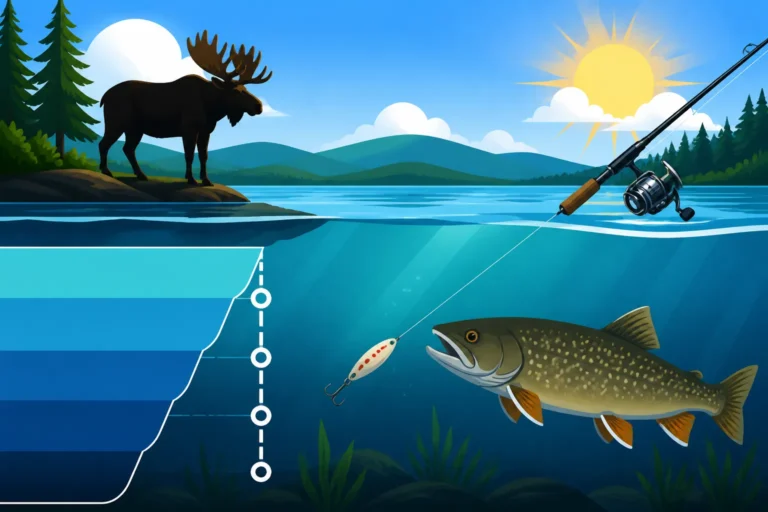
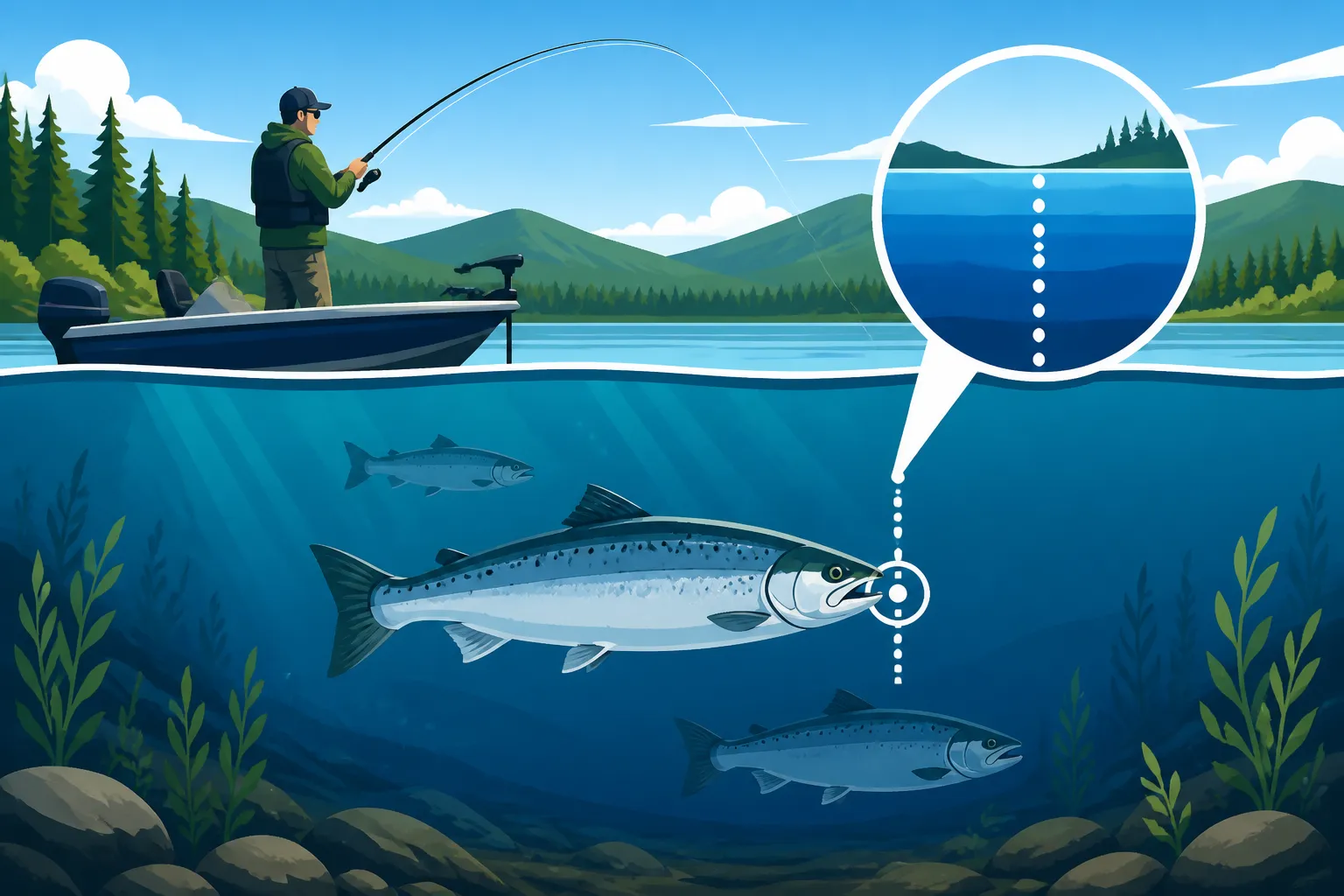
As the sun bakes the surface of Rangeley Lake through June, July, and August, something incredible happens beneath the waves: the lake stratifies. This means it forms distinct layers of water at different temperatures. You'll have a warm layer on top (the epilimnion), a colder, denser layer at the bottom (the hypolimnion), and in between, a critical zone known as the thermocline. This thermocline is where the water temperature rapidly changes, and it's often the key to finding salmon.
During the peak of summer, Rangeley Lake's surface temperatures can climb well into the 70s or even 80s Fahrenheit. That's fantastic for swimming, but far too warm for salmon. They need cooler, well-oxygenated water to thrive. The thermocline typically sets up somewhere between 20 to 50 feet deep, depending on the specific lake, its depth, and the particular summer's weather patterns. Salmon will often "stack" right at or just below this transition zone, where they can find comfortable temperatures and still be close to their food source. If you're not getting your lures down into this cooler water, you're essentially fishing above where the fish want to be.
The Role of Forage Fish in Depth
Salmon are apex predators in Rangeley Lake, and they go where their food goes. The primary forage fish in Rangeley, much like many other deep Maine lakes, is the rainbow smelt. Smelt are also cold-water species, and they, too, will retreat to deeper, cooler parts of the lake during the summer months. This creates a critical dynamic: if you can locate schools of smelt, you're often in the ballpark for finding salmon.
Smelt will form dense schools, particularly over deeper basins or along drop-offs, moving up and down the water column in response to light levels and predator pressure. During bright daylight hours, you'll often find these schools hugging the bottom of the thermocline or even deeper. As evening approaches or on cloudy days, they might ascend slightly. This constant movement means your target depth for salmon isn't static; it's a dynamic puzzle that requires you to pay close attention to your electronics and adjust your presentation. Anglers often look for bait balls on their sonar, knowing that salmon won't be far behind.
Water Temperature Preferences
Just like Goldilocks, landlocked salmon have a "just right" temperature range. While they can tolerate a wider range, they are most active and comfortable when the water temperature is between about 50 to 60 degrees Fahrenheit. This is their optimal metabolic zone where they can digest food efficiently and chase down prey without undue stress. Any warmer, and they become lethargic and stressed; any colder, and their metabolism slows, making them less aggressive.
As Rangeley Lake warms up, these ideal temperatures are pushed deeper and deeper. This is why targeting the thermocline is so crucial; it's the thermal barrier that holds the precise temperature range salmon are seeking. If your fishing strategy doesn't account for these specific thermal preferences, you're likely to spend a lot of time with an empty stringer. Paying attention to historical data, recent fishing reports, and onboard water temperature gauges can provide invaluable clues.
Pinpointing the Best Depths on Rangeley Lake
Rangeley Lake is a significant body of water, and finding the best depth for salmon isn't a "one-size-fits-all" answer. It shifts throughout the summer season. Understanding these seasonal nuances is vital for consistent success.
Early Summer Transition (June to Early July)
When June arrives, Rangeley is transitioning from its spring turnover. The surface water is beginning to warm, but the deeper sections haven't fully stratified yet, or the thermocline is just starting to set up. During this period, landlocked salmon might still be found relatively shallower than their mid-summer haunts.
You might find salmon in the top 20 to 30 feet of the water column, especially during cooler mornings or evenings. They'll often be actively feeding on smelt that haven't yet been driven to extreme depths. Look for them around points, submerged islands, or along gradual drop-offs where they can ambush prey. This is a great time to experiment with varied depths, perhaps using a single downrigger set at 20 feet and another at 30, or employing lead core line to cover a wider depth range. The fish are often more aggressive and willing to chase in this early summer window. Many anglers find success by focusing on structure during this time, rather than just open water.
Mid-Summer Peak (Mid-July to August)
This is crunch time for finding deep salmon. By mid-July and throughout August, Rangeley Lake has fully stratified. The surface water can be quite warm, pushing the salmon and their forage to significant depths. This is when the "Best Depth for Salmon on Rangeley Lake in Summer" truly becomes a challenge and an art.
Expect to find landlocked salmon anywhere from 40 to 70 feet deep, sometimes even deeper if the thermocline is particularly pronounced or the surface temperatures are exceptionally high. Your sonar will be your best friend here, as you'll be looking for those tell-tale arches marking individual fish or, even better, dense schools of bait. Focus your efforts over the deepest basins of Rangeley Lake or along the edges of dramatic underwater contours. Areas like the deep channel between Doctors Island and the mainland, or the vast open water south of the State Park, often hold fish at these depths. This is also the time when using dedicated Trolling Techniques for Maine Lakes becomes paramount, as getting your lure precisely to the fish's depth is the difference between a great day and a frustrating one. Remember, even a difference of five feet can be critical.
| Summer Period | Typical Surface Temp | Target Salmon Depth | Key Features to Target |
|---|---|---|---|
| Early Summer | 60-70°F | 20-35 feet | Points, submerged islands, gradual drop-offs |
| Mid-Summer | 70-80°F | 40-70 feet | Deep basins, thermocline, steep contours |
| Late Summer | 65-75°F | 35-60 feet | Thermocline, transitions to cooler water, bait schools |
Late Summer Cooldown (Late August to September)
As August gives way to September, you might notice a slight shift. While the lake is still stratified, the intensity of the sun begins to wane, and cooler nights can start to gradually cool the surface water. This often means the thermocline might begin to descend slightly, or salmon might feel comfortable venturing a bit shallower on occasion.
You'll still be looking in that 35 to 60-foot range, but perhaps with a bit more flexibility. They'll often continue to hold tight to schools of smelt, which also remain deep. However, as the fall fishing season approaches, you might find brief windows where salmon are more aggressive and willing to chase a lure from slightly shallower water. This late summer period can be incredibly rewarding as fish put on weight for the colder months, making for some powerful battles. Keep a close eye on water temperature readings and local fishing reports for any subtle changes that might influence salmon depth.
Essential Techniques for Reaching Salmon at Depth
Knowing the right depth is one thing, but getting your lure down there accurately and keeping it there consistently is another challenge entirely. For serious summer salmon fishing on Rangeley Lake, you need the right tools and techniques.
Trolling with Downriggers and Lead Core
When salmon are holding deep, standard trolling methods with just a flat line won't cut it. This is where specialized gear like downriggers and lead core lines become indispensable. Downriggers use a heavy weight (called a cannonball) and a release clip to precisely control the depth of your lure. You set your cannonball to the desired depth, clip your fishing line into the release, and then drop it down. When a fish strikes, your line pops free from the clip, allowing you to fight the fish directly without the weight. This is arguably the most effective way to present a lure consistently at 40, 50, or even 70 feet deep. You can run multiple downriggers at different depths to find the sweet spot, allowing you to fine-tune your approach as you go.
Lead core line is another fantastic option, especially for covering a wide range of depths or for those who don't have downriggers. This specialized line has a lead core wrapped in a braided sheath, which causes it to sink. Each "color" (segment) of lead core typically sinks a certain amount of feet at a given trolling speed. For example, a common rule of thumb is 5-7 feet of depth per color at 2 MPH. So, if you're aiming for 40 feet, you might let out 6-8 colors of lead core, plus the dive of your lure. It's less precise than a downrigger but allows for a more natural, sweeping presentation that some salmon find irresistible. Combining lead core with longer setbacks can also help cover more water. If you're looking for more details, check out our guide on Trolling Depths for Landlocked Salmon.
Using Sonar and Lake Maps
In modern deep-water salmon fishing, your electronics are just as important as your rod and reel. A good fish finder (sonar) allows you to "see" what's happening beneath your boat. You can identify the thermocline, mark schools of smelt, and, most importantly, pinpoint individual salmon. Look for distinctive arches or solid marks near or within those bait balls. The ability to identify these targets in real-time is what allows you to make immediate adjustments to your trolling depth.
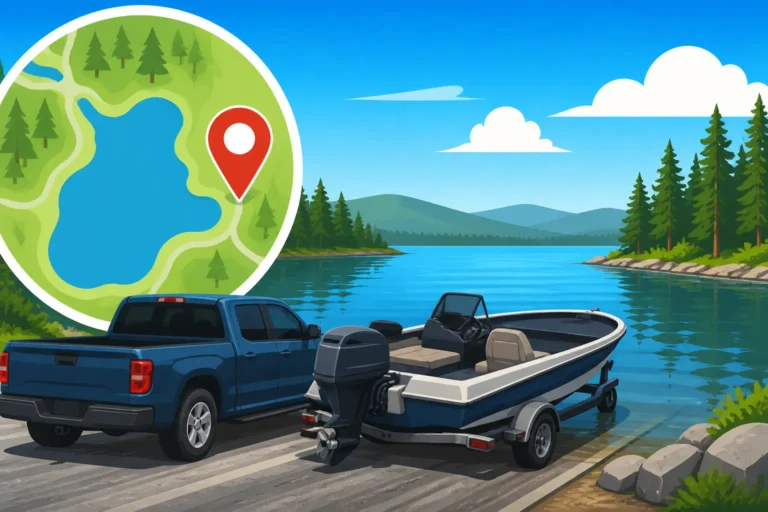
Beyond live sonar, detailed lake maps (both paper and digital, often integrated into your fish finder's GPS) are crucial. These maps show underwater contours, drop-offs, humps, and deep basins. By cross-referencing your sonar readings with a map, you can predict where fish might be holding and plan your trolling passes more effectively. For instance, if you see a large school of smelt consistently holding over a specific underwater hump on your map, that's a prime target zone. Many experienced anglers will spend time Reading a Fish Finder on Maine Lakes even before dropping a line, analyzing the water column and looking for patterns. Consider utilizing services like those available through FishingBooker to connect with local guides who are intimately familiar with Rangeley's contours and seasonal fish movements.
Lure Selection and Presentation
Even with perfect depth control, the wrong lure won't entice a strike. For Rangeley Lake salmon in summer, mimicking their primary food source—smelt—is key. Long, slender, baitfish-imitating spoons are incredibly popular and effective. Brands like Mooselook, Sutton, and DB Smelt are classics that consistently produce. Colors that imitate smelt (silver, blue, green, white) are usually a safe bet. Sometimes, a flashier color or one with a touch of orange or pink can trigger an aggressive response.
Deep-diving stickbaits, often used with lead core or lighter downrigger setups, can also be deadly. Again, choose colors and profiles that resemble smelt or other small baitfish. The action of the lure is important too; a subtle wobble or a wide, erratic dart can make all the difference. Don't be afraid to experiment with different lure sizes and actions until you find what the salmon are responding to on a given day. Sometimes a small, unassuming lure will outperform a larger, flashier one. For a deeper dive into what works, check out our guide on the Best Lures for Rangeley Lakes Salmon.
Common Challenges and Troubleshooting
Even with the best preparation, summer salmon fishing on Rangeley Lake can present its fair share of head-scratchers. Here's how to tackle some common issues.
Dealing with Variable Conditions
The weather in Maine can be notoriously fickle, and these changes can significantly impact salmon behavior. Bright, sunny days often push fish deeper and make them more light-sensitive, potentially requiring even deeper presentations or more subdued lure colors. Overcast days, conversely, might bring them up a few feet in the water column, making them more active and willing to chase.
Wind is another major factor. A strong chop on the water can make boat control difficult, affecting your trolling speed and thus the depth of your lures. It can also create currents beneath the surface that move baitfish around. On windy days, focus on maintaining a consistent trolling speed, perhaps by making longer passes or using a sea anchor. Barometric pressure changes, often associated with approaching or departing storm systems, can also influence how actively salmon feed. Usually, stable high pressure is favorable, while rapidly dropping pressure before a storm can make fish finicky. Learning to adapt to these variables, rather than fighting them, is crucial for success.
When Salmon Aren't Biting
You've got your lures at the right depth, you're marking bait, but the rods are still silent. This happens to everyone! Don't get discouraged, but don't keep doing the same thing either. Here are some troubleshooting steps:
- Adjust Speed: Salmon are notoriously particular about trolling speed. Start by varying your speed slightly, from perhaps 1.8 MPH to 2.5 MPH, or even slower. Sometimes a very slow, almost imperceptible speed is what they want, other times they prefer a faster chase.
- Change Lures: If color and profile aren't working, try a completely different lure. Go from a spoon to a stickbait, or a different size. Flashers and dodgers ahead of your lure can add extra attraction and vibration.
- Vary Depth by a Few Feet: Even if you're marking fish at 50 feet, try sending one lure at 48 and another at 52. Sometimes that subtle difference is all it takes. Remember, the thermocline isn't a razor-thin line.
- Check Leader Length: Sometimes a longer leader (8-15 feet) between your downrigger release/lead core and your lure can provide a more natural presentation.
- Try Different Locations: If a spot isn't producing, don't be afraid to move. Rangeley Lake has many deep areas; explore new territory, especially focusing on underwater points or humps near deep water. You can even find guides on FishingBooker who specialize in Rangeley Lake and can share valuable insights if you're struggling.
Avoiding Other Species
While you're targeting landlocked salmon at depth, you might encounter other fish. Rangeley Lake also holds lake trout, which Mainers affectionately call "togue." Togue are also cold-water fish and often share similar deep-water habitats with salmon. While catching a togue can be fun, if your primary goal is salmon, you might want to adjust your approach.
Togue often prefer even deeper water than salmon, sometimes hugging the very bottom in 80 to 100+ feet. They're also often more attracted to slower presentations and larger, heavier spoons or even dead bait rigs. If you're consistently catching togue instead of salmon, try moving slightly shallower within the thermocline (perhaps 10-15 feet shallower), increasing your trolling speed slightly, or using lures with a more aggressive action, as salmon tend to be faster, more active feeders. Sometimes, simply changing your lure color or size can make a difference in species selectivity. Remember, understanding what kind of fish you're targeting also informs your gear choice, as detailed in our guide on Maine Fish Species Identification Guide.
Disclaimer
Fishing conditions, regulations, and fish behavior can change rapidly. Always consult the latest Maine Department of Inland Fisheries and Wildlife regulations before heading out on Rangeley Lake, and prioritize safety on the water. This guide offers general advice and observations for informational purposes only.