Fishing Spots in Downeast Maine
If you've ever dreamt of casting a line in a place where rugged coastline meets vast, untouched wilderness, then Downeast Maine has undoubtedly crossed your mind. It's a region that can feel a bit daunting for the uninitiated, with its sprawling landscapes and unique blend of saltwater and freshwater opportunities, often leaving anglers wondering where to even begin. This guide is here to untangle the complexities, offering a deep dive into the diverse and productive fishing spots across Downeast Maine, ensuring you're well-equipped for your next adventure.
Understanding Downeast Maine's Unique Angling Landscape
Downeast Maine isn't just a geographical area; it's a feeling, a way of life, and a distinct angling experience. Stretching from the bustling coastal city of Ellsworth all the way to the Canadian border, this region is characterized by its dramatic rocky shores, countless islands, deep bays, and an abundance of pristine inland lakes, ponds, and rivers. This unique blend creates an incredibly diverse fishing environment, offering everything from adrenaline-pumping offshore battles to serene, solitary fly-fishing experiences in remote wilderness.
What Defines Downeast Fishing?
What truly sets Downeast fishing apart is the sheer variety and the sense of wildness that still permeates so much of the area. Unlike more populated regions, you can still find pockets of solitude here, where the only sounds are the gulls overhead or the splash of a rising trout. It’s a place where you might start your morning chasing stripers along the coast and end your day casting for brook trout in a secluded pond. This diversity means you need to be prepared for anything, from heavy tackle for powerful ocean fish to delicate fly rods for wary freshwater species. The challenges are part of the allure, requiring anglers to adapt to changing tides, weather patterns, and diverse habitats.
The local communities, though smaller, are deeply connected to the marine and freshwater ecosystems, with many families having fished these waters for generations. This deep-rooted knowledge often translates into well-maintained public access points and a general appreciation for preserving the natural beauty and bounty of the region. Just remember, while the atmosphere is laid-back, knowing your Maine Fishing Regulations Explained is absolutely crucial, as rules can vary even within the Downeast region depending on the specific water body.
The Saltwater Appeal: Coastal Charms
The Downeast coastline is a labyrinth of coves, estuaries, peninsulas, and islands, all teeming with saltwater life. From the iconic Mount Desert Island and Acadia National Park region to the quieter, more rugged stretches near Machias and Lubec, the saltwater opportunities are truly boundless. This part of Maine offers incredible chances to target species like striped bass, mackerel, bluefish, and various groundfish further offshore. The tides here are significant, especially in areas like Passamaquoddy Bay, creating strong currents that concentrate baitfish and, consequently, predator species.
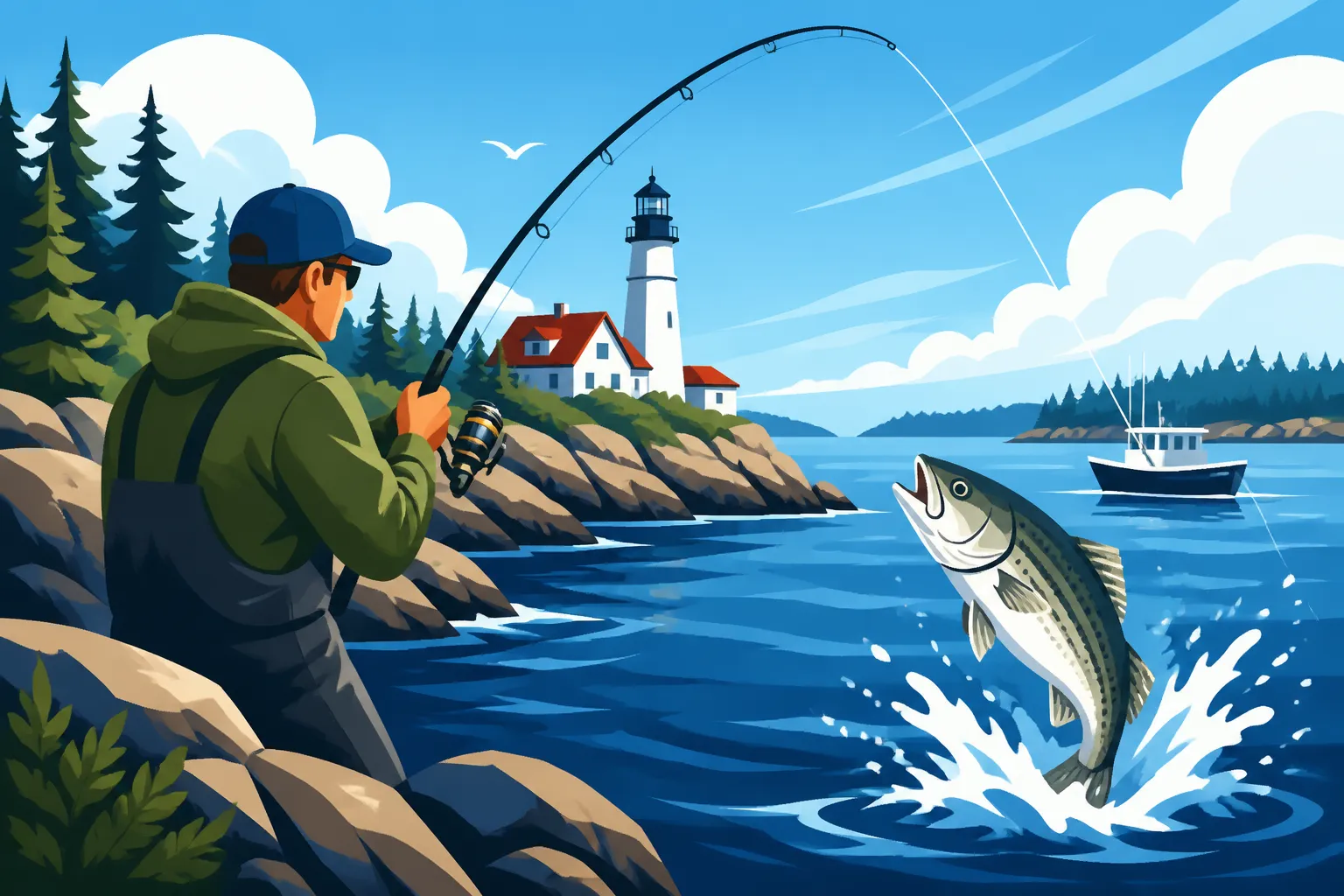
For many, the draw of saltwater fishing here isn't just the fish; it's the scenery. Imagine hooking into a powerful striper with a backdrop of granite cliffs, pine-covered islands, and historic lighthouses. It’s an immersive experience that engages all your senses. Access often ranges from public piers and rocky shorelines to boat launches in charming harbor towns. Whether you're a seasoned boat owner or looking to book a charter, the coastal waters of Downeast Maine provide a truly memorable saltwater angling experience that combines scenic beauty with fantastic fishing.
The Freshwater Allure: Lakes, Ponds, and Rivers
Venture just a short distance inland from the coast, and Downeast Maine transforms into a freshwater angler's paradise. The region boasts a myriad of lakes, from the sizeable West Grand Lake to countless smaller, tucked-away ponds, and a network of rivers and streams that snake through dense forests. These waters are home to coveted species such as landlocked salmon, brook trout, lake trout (often called togue by locals), smallmouth bass, and even some largemouth bass in certain areas.
The freshwater fishing here offers a different kind of tranquility and challenge. You might find yourself paddling a canoe into a remote pond to cast for native brook trout, or trolling a deep lake for a trophy landlocked salmon. The diversity extends to the fishing methods as well, with opportunities for fly fishing, spin casting, and even Maine Ice Fishing Rules Guide during the colder months when many of these lakes freeze solid. The beauty of these inland waters is their relatively unspoiled nature, providing a genuine wilderness experience. It's an important reminder to always practice responsible angling and conservation, especially when dealing with fragile wild trout populations.
Coastal Gems for Saltwater Anglers
When it comes to saltwater fishing, Downeast Maine offers some truly exceptional spots, especially for those chasing the thrill of coastal species. The region's intricate coastline, with its countless bays, estuaries, and rocky points, provides prime habitat for a variety of popular game fish.
Targeting Striped Bass in the Bays and Estuaries
The pursuit of striped bass is a quintessential Maine saltwater experience, and Downeast delivers some fantastic opportunities. From late spring through early fall, these powerful game fish migrate into Maine's coastal waters, seeking out baitfish in the warmer, shallower confines of bays and river estuaries. Major systems like the Union River in Ellsworth, Machias River, and the various coves around Mount Desert Island and beyond, become prime hunting grounds.
Anglers often find success casting from shore in these areas, particularly around rocky outcrops, tidal rips, and river mouths during incoming or outgoing tides. Using artificial lures like topwater plugs, soft plastics, or swimming plugs can be incredibly effective, especially during dawn and dusk. For those with boats, trolling or casting around structure, channel edges, and current breaks can yield impressive results. The challenge with stripers in Downeast is often finding them – they can be here today and gone tomorrow, following schools of herring, mackerel, or sand eels. Patience, observation, and a willingness to explore different spots are key. Remember to check the Maine Striped Bass Season and Limits as conservation efforts mean strict slot limits and bag limits are in place to protect these magnificent fish. If you're looking for an expert to guide you to the hottest striper action, services available through platforms like FishingBooker can connect you with local captains who know the nuanced tides and patterns of Downeast's waters.
Offshore Adventures: Groundfish and Tuna Opportunities
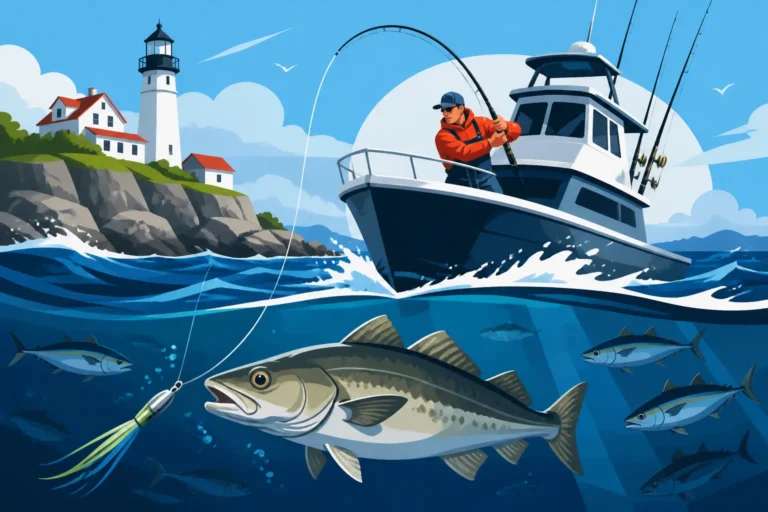
While striped bass dominate the inshore narrative, Downeast Maine's proximity to deeper offshore waters opens up thrilling possibilities for groundfish and even highly sought-after tuna. For anglers seeking a different kind of fight, heading out beyond the immediate coastline can be incredibly rewarding. Groundfish, such as cod and haddock, congregate on rocky bottom structures, ledges, and offshore humps. These species offer consistent action and delicious table fare.
Most groundfishing trips require a capable boat and a good fish finder to locate schools of fish and prime bottom structure. Jigging with heavy metal jigs or bait fishing with clams and cut-up mackerel are common and effective techniques. The waters off Mount Desert Island, Schoodic Peninsula, and further east towards Grand Manan Banks can be productive for these species. For the truly adventurous, Downeast also offers access to prime bluefin tuna grounds. These powerful pelagic fish provide an unparalleled angling challenge, requiring specialized gear, heavy tackle, and often multi-day trips. Tuna fishing is a serious undertaking, typically requiring the services of experienced Maine Deep Sea Fishing Charters who have the knowledge and equipment to safely pursue these giants. It's an investment, but the possibility of battling a fish that weighs hundreds of pounds is an unforgettable experience.
Pier and Shore Fishing Hotspots
Not everyone has a boat or the desire to venture far offshore, and that's perfectly fine! Downeast Maine still offers plenty of fantastic pier and shore fishing access points that are perfect for beginners, families, or those who simply enjoy keeping their feet on solid ground. Many of the picturesque harbor towns feature public docks or fishing piers where you can cast a line for various species.
For instance, the town piers in Bar Harbor, Southwest Harbor, or even smaller towns like Winter Harbor and Milbridge, often yield results. Mackerel are a common catch from piers, especially during the summer months, and they provide excellent light tackle action. Using sabiki rigs is a popular and effective way to catch multiple mackerel at once. You might also encounter cunners, sculpin, and occasionally, a small pollock. For shore anglers, exploring the vast stretches of public coastline, particularly around state parks or designated access points, can be fruitful for stripers, especially during dawn or dusk. Just be mindful of private property and respect local signage. Remember, even though you’re fishing from shore or a pier, you’ll still need to comply with the Maine Saltwater Fishing Registry Guide requirements. It's a simple registration process but an important one!
Pristine Freshwater Lakes and Ponds
Moving away from the dramatic coastline, Downeast Maine's interior reveals a tapestry of freshwater lakes and ponds that are truly angler's dreams. These waters, often nestled amongst vast forests, offer incredible opportunities for coldwater and warmwater species alike.
Renowned Lakes for Salmon and Trout
Downeast Maine is home to some of the state's most revered landlocked salmon and lake trout (toque) fisheries. These magnificent coldwater species thrive in the deep, clear, oxygen-rich waters found in many of the region's larger lakes. West Grand Lake, known for its pristine quality and consistent fisheries, is a prime example. This expansive lake is a perennial favorite for both salmon and togue, offering excellent trolling opportunities throughout the open water season. Anglers often target these fish using downriggers or lead core line to get their lures or bait down to the thermocline where the fish hold in warmer months. Smelt imitation lures, streamer flies, or live bait like shiners are often productive.
Other notable lakes include the sprawling Nicatous Lake system, Graham Lake, and numerous smaller, unnamed lakes that dot the map. These lakes are actively managed by the Maine Department of Inland Fisheries and Wildlife (MDIFW) to ensure healthy populations. The key to success often lies in understanding fish behavior throughout the seasons. In spring, salmon and trout might be found closer to the surface after ice-out, while in summer, they retreat to deeper, cooler waters. You can dive deeper into specific tactics and habits by researching Landlocked Salmon Fishing in Maine. Many of these larger lakes also feature public boat launches, though some of the more remote ones might require navigating gravel roads.
Hidden Ponds for Brook Trout
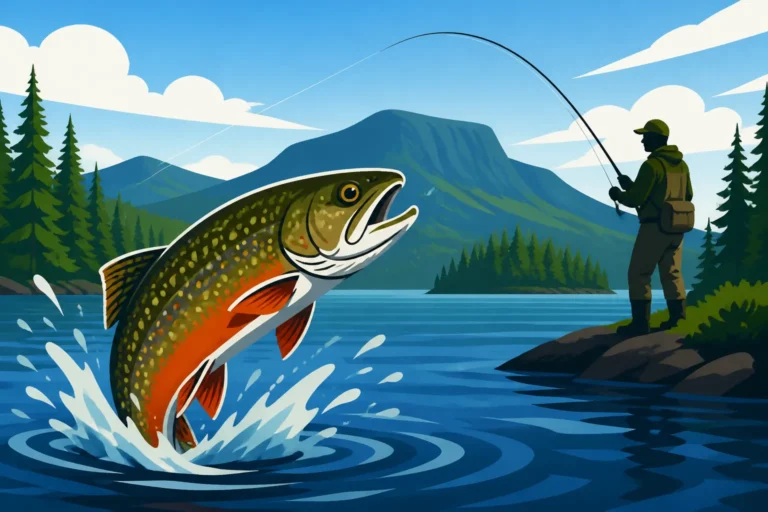
For many ardent freshwater anglers, there's nothing quite like the pursuit of wild brook trout in a secluded pond. Downeast Maine, with its vast tracts of undeveloped land, is a treasure trove of these "heritage" or "wild" trout ponds. These smaller water bodies, often accessible only by foot, canoe, or ATV, offer a true wilderness experience and the chance to catch brightly colored, feisty native brook trout.
The beauty of fishing these ponds lies in the solitude and the challenge. Often, these ponds require a bit of effort to reach, but the reward of a wild trout, untouched by hatchery life, is well worth it. Fly fishing is a particularly popular and effective method in these ponds, with dry flies, nymphs, and small streamers often producing strikes. Spin casters can also have success with small spoons or spinners. The specific location of these hidden gems is often closely guarded by local anglers, but maps and resources from the MDIFW can point you towards general areas or designated "trophy trout" waters. Always be prepared for a hike and carry appropriate gear, including plenty of bug spray, especially in early summer! Make sure you're also aware of the Brook Trout Daily Bag Limits, as many of these fragile fisheries have specific, often more restrictive, regulations to protect their populations.
Bass Fishing in Downeast's Warmer Waters
While salmon and trout often steal the coldwater spotlight, Downeast Maine also offers fantastic opportunities for smallmouth and, in some areas, largemouth bass. These warmwater species thrive in lakes and ponds with shallower, warmer sections, ample structure like submerged logs, rocks, and aquatic vegetation. Lakes like Graham Lake, Schoodic Lake, and the various smaller ponds scattered throughout Washington and Hancock counties can be bass havens.
Smallmouth bass, known for their aggressive strikes and powerful fights, are particularly prevalent. They often congregate around rocky points, ledges, and humps. Topwater lures, crankbaits, and soft plastic jigs are all effective tools for enticing these bronze bombers. Largemouth bass, while less common than smallmouth in Downeast, can be found in shallower, weedier waters, especially in some of the smaller, boggy ponds. Targeting them with weedless plastics, spinnerbaits, or frogs around lily pads and heavy cover can be incredibly exciting. Bass fishing in Downeast offers a different kind of thrill, often requiring precision casting and a good understanding of structure. It's a great option for anglers looking for consistent action on days when the trout and salmon might be finicky.
Rivers and Streams: Fly Fishing Sanctuaries
Downeast Maine is crisscrossed by a network of rivers and streams, from broad, tidal estuaries near the coast to tumbling, coldwater brooks in the interior. These flowing waters offer a diverse range of fishing experiences, but for many, they are synonymous with fly fishing for trout.
Major River Systems and Their Offerings
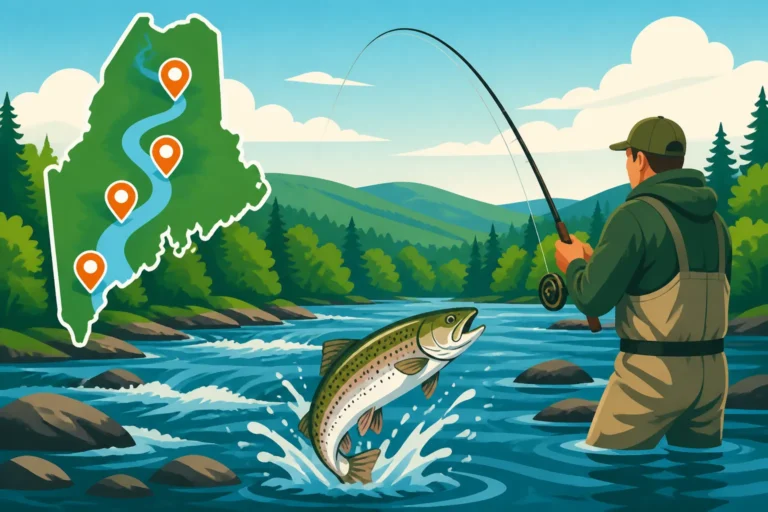
Several significant river systems flow through Downeast Maine, each with its own character and angling opportunities. The Penobscot River, though its lower reaches are more central Maine, has tributaries that extend into the western edge of the Downeast region, offering chances for smallmouth bass and even some residual brown trout. Further east, rivers like the Narraguagus, Machias, and Dennys are historically significant for their Atlantic salmon runs, though today, fishing for wild Atlantic salmon is strictly catch-and-release, often with highly restrictive seasons or outright closures to protect endangered populations. However, these rivers and their tributaries still offer excellent fishing for wild brook trout and, in their lower tidal sections, striped bass.
These rivers, especially the smaller ones, are often characterized by a series of pools, riffles, and runs, providing classic fly fishing scenarios. Anglers can wade these waters, carefully casting dry flies to rising trout or nymphing through deeper pockets. Knowing how to "read the water" – identifying where fish might hold in the current – is a crucial skill here. These systems also serve as vital spawning grounds, so understanding and respecting the delicate ecosystem is paramount. For detailed information on where to find these fish, exploring resources on Best Maine Rivers for Fishing can provide valuable insights into access points and species breakdown.
Secluded Brooks for Native Trout
Beyond the larger river systems, Downeast Maine is dotted with countless smaller, unnamed brooks and streams that tumble down from the hillsides into larger lakes or directly to the sea. These secluded waters are the true bastions of Maine's native brook trout. Often overshadowed by the more prominent lakes, these brooks offer an intimate and highly rewarding fishing experience.
Accessing these brooks often involves a bit of bushwhacking, navigating overgrown paths, and finding your way through dense forests. It's not uncommon to be the only angler on a stretch of water for miles. The trout in these brooks are typically smaller, but what they lack in size, they make up for in beauty and fight. Their vibrant colors and aggressive takes make them a joy to catch on light tackle or a delicate fly rod. Fly anglers will find success with small dry flies, especially attractor patterns, or various nymph patterns. Spin casters might use tiny inline spinners or worms. The key to fishing these brooks is a stealthy approach, as the fish can be easily spooked in the clear, shallow water. It's an experience that connects you deeply with the wilderness, reinforcing the idea that some of the best fishing experiences aren't about trophy size, but about the purity of the pursuit itself.
Planning Your Downeast Maine Fishing Trip
Downeast Maine is an incredible destination, but a successful trip requires a bit of thoughtful planning. From understanding the best times to visit to having the right gear, a little preparation goes a long way.
Best Seasons and Weather Considerations
Maine's fishing seasons are distinct, and Downeast is no exception. The "best" time to fish largely depends on what species you're targeting.
- Spring (April-May): This is prime time for many coldwater species. After ice-out, salmon and trout are often active near the surface in lakes, making for exciting trolling and casting. Rivers and streams also come alive with brook trout. Striped bass begin to appear along the coast in late May. The weather can be unpredictable, ranging from crisp, sunny days to chilly, rainy ones, so layering is essential.
- Summer (June-August): All species are available, but tactics change. In lakes, coldwater fish move deeper, requiring different presentations. Bass fishing heats up, offering consistent action. The saltwater scene is in full swing, with stripers, mackerel, and offshore species like cod and tuna being targeted. Summer brings warmer, more stable weather, but also more anglers and pesky biting insects (think black flies and mosquitoes), especially inland.
- Fall (September-October): Many consider fall to be the most beautiful and productive fishing season in Downeast. The crowds thin, the foliage explodes with color, and fish become very active. Salmon and trout in lakes and rivers move back into shallower waters as temperatures drop, often feeding aggressively before winter. Stripers can offer phenomenal action along the coast before they migrate south. The weather can be glorious, but always be prepared for sudden cold snaps.
- Winter (December-March): Ice fishing takes over the freshwater scene. Downeast lakes and ponds offer excellent opportunities for togue, salmon, brook trout, and bass through the ice. This requires specialized gear and adherence to Maine Ice Fishing Line Limits and safety protocols.
It's vital to remember that weather in Maine, particularly along the coast, can change rapidly. Always check the forecast before heading out and be prepared for cooler temperatures, rain, or fog, even on a summer day. Understanding the Best Time of Year to Fish in Maine generally will help you narrow down your plans.
Gear Up: Essential Tackle for Downeast
The diverse fishing opportunities in Downeast Maine mean you might need a range of tackle, or at least be prepared to adapt.
- For Saltwater:
- Striped Bass (Inshore): A medium-heavy spinning rod (7-8 feet) with a 3000-4000 size reel spooled with 20-30 lb braided line is a good all-around setup. Pack a variety of lures: topwater plugs (e.g., poppers, walk-the-dog), swimming plugs (e.g., minnow imitations), soft plastics (e.g., paddle tails, jerk shads), and bucktail jigs. A good pair of pliers, a BogaGrip or lip gripper, and a net are essential.
- Groundfish (Offshore): Heavier conventional or spinning rods capable of handling 4-8 ounces of weight, paired with reels spooled with 50-80 lb braided line. Bring heavy jigs (4-10 oz), large baited hooks (e.g., circle hooks with clam or mackerel), and a sturdy leader material.
- For Freshwater:
- Lake Trolling (Salmon/Togue): A medium-action trolling rod (7-9 feet) with a line counter reel spooled with lead core, copper line, or braid for downrigging. Assorted spoons (e.g., Mooselook Wobblers, DB Smelt), stickbaits, and streamer flies are common choices.
- Brook Trout (Ponds/Streams): For fly fishing, a 3-5 weight fly rod (7-8.5 feet) with a floating line and a selection of dry flies, nymphs, and small streamers. For spin fishing, an ultralight spinning rod (5-6 feet) with a 1000-2000 size reel spooled with 4-6 lb mono or braid, using small spinners (e.g., Mepps, Panther Martin) or spoons.
- Bass: A medium-heavy casting or spinning rod (6.5-7.5 feet) with a 2500-3000 size reel spooled with 10-15 lb fluorocarbon or braided line. Lure choices include crankbaits, jigs, soft plastics (worms, creature baits), spinnerbaits, and topwater frogs.
Don't forget essentials like a good map, compass or GPS, polarized sunglasses, appropriate clothing layers, rain gear, a first-aid kit, and plenty of water and snacks. A cooler for keeping your catch fresh is also a must if you plan to keep fish.
Finding Local Guides and Resources
While self-guided trips are certainly possible and rewarding, especially with proper research, hiring a local guide can exponentially increase your chances of success, particularly if you're new to the area or targeting a specific species. Registered Hiring a Maine Fishing Guide brings unparalleled local knowledge of the best fishing spots, current patterns, and effective techniques. They often provide all the necessary gear, bait, and even lunch on full-day trips, taking the guesswork out of your outing.
For saltwater trips, especially for offshore species or striped bass, booking a charter boat is often the best approach. Captains are licensed professionals with inspected vessels and extensive experience. Platforms like FishingBooker are excellent resources for finding reputable guides and charters in the Downeast region, allowing you to browse options, read reviews, and book directly. When choosing a guide or charter, consider their specialization (e.g., fly fishing, trolling, offshore), their experience in the specific waters you want to fish, and what's included in their rates. A good guide will not only put you on fish but also share valuable insights into the area's history, ecology, and conservation efforts, enriching your overall experience.
| Downeast Fishing Spot Type | Primary Species | Best Techniques | Typical Season | Access/Notes |
|---|---|---|---|---|
| Coastal Bays/Estuaries | Striped Bass, Mackerel, Pollock | Casting lures (plugs, soft plastics), bait fishing | May – Oct | Public piers, boat launches, rocky shorelines |
| Offshore Waters | Cod, Haddock, Bluefin Tuna | Jigging, bait fishing (offshore), trolling (tuna) | June – Oct | Charter boats, private boats |
| West Grand Lake | Landlocked Salmon, Togue, Smallmouth Bass | Trolling (spoons, stickbaits), jigging | May – Oct (open water), Dec – March (ice fishing) | Public boat launches |
| Nicatous Lake | Landlocked Salmon, Togue, Brook Trout, Smallmouth Bass | Trolling, fly fishing, spin casting | May – Oct (open water), Dec – March (ice fishing) | Public boat launches, some remote access |
| Small Wild Trout Ponds | Brook Trout | Fly fishing (dry flies, nymphs), ultralight spin | May – Sept | Hike-in, canoe access, remote |
| Graham Lake | Smallmouth Bass, Largemouth Bass, Perch | Casting (jigs, cranks, topwater), bait fishing | May – Oct | Multiple boat launches |
| Machias River (tributaries) | Brook Trout, Striped Bass (lower) | Fly fishing, spin fishing | May – Oct | Wading, shore access |
| Smaller Coastal Brooks | Brook Trout | Ultralight spin, small dry flies | May – Sept | Hike-in, stealth required |
Downeast Maine truly offers an angling adventure for every taste, from the rugged beauty of its saltwater shores to the quiet solitude of its inland wild trout ponds. With a bit of planning and the right approach, you're sure to create unforgettable memories in this special corner of the Pine Tree State.
Disclaimer
Please remember that fishing regulations and conditions can change. Always consult the latest Maine Department of Inland Fisheries and Wildlife regulations before heading out on any fishing trip. Safety should always be your top priority, especially when exploring new waters or venturing into remote areas.