Fishing Cobbosseecontee Lake in Maine
There’s nothing quite like the excitement of planning a fishing trip to a new lake, but the sheer volume of information (or lack thereof) can feel overwhelming. You want to know where the fish are, what they’re biting on, and how to stay on the right side of the rules. This comprehensive guide is designed to cut through the confusion and provide you with everything you need for a successful and enjoyable fishing adventure on Maine’s beautiful Cobbosseecontee Lake.
A Deep Dive into Cobbosseecontee Lake's Fishing Appeal
Cobbosseecontee Lake, often affectionately called "Cobbossee," is a gem nestled in central Maine, just south of Augusta. It's a lake that truly offers something for every angler, from those chasing trophy bass to those seeking the thrill of a hard-fighting landlocked salmon. Its diverse ecosystem and varying depths create a rich environment that supports a wide array of desirable fish species, making it one of the most productive and talked-about waters in the region.
Why Cobbosseecontee Stands Out
What makes Cobbosseecontee Lake so special? For starters, its size and structure are impressive. With over 5,500 acres of surface area and depths reaching up to 100 feet in some spots, it's a significant body of water that rarely feels crowded. But it's not just about size; it's about the incredible diversity within that expanse. The lake boasts a fascinating mix of shallow, weedy coves, rocky points, steep drop-offs, and numerous islands and submerged humps. This varied underwater landscape provides ideal habitats for a wide range of fish, ensuring that no matter your preferred species or fishing style, Cobbossee has a spot for you.
Beyond its physical attributes, Cobbosseecontee benefits from excellent water quality and a robust stocking program for certain species, complementing its healthy wild populations. It’s a truly dynamic fishery, providing year-round opportunities that keep anglers coming back season after season. Many consider it one of the Best Fishing Lakes in Maine for its consistent action and the quality of its fish.
Key Fish Species to Target
Cobbosseecontee Lake is renowned for its diverse fishery. Here's a rundown of the primary species you'll encounter and why they're so sought after:
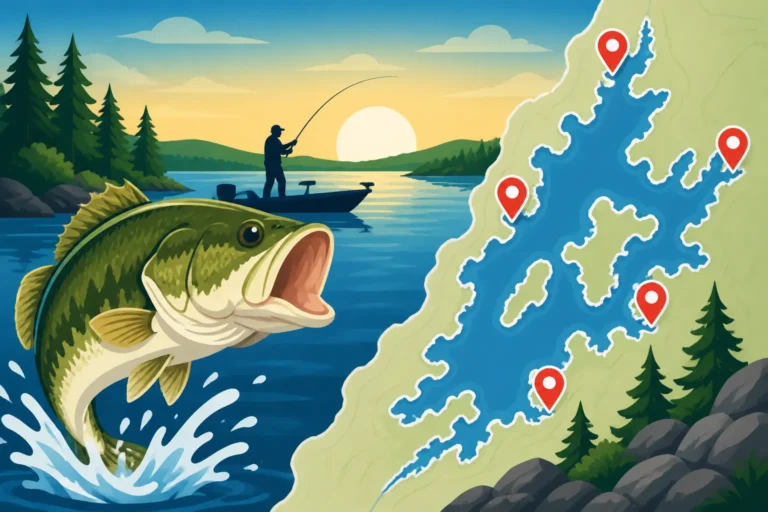
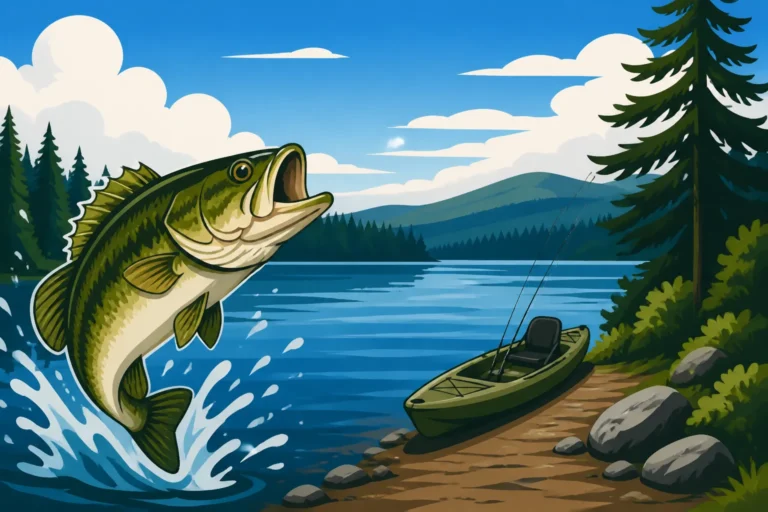
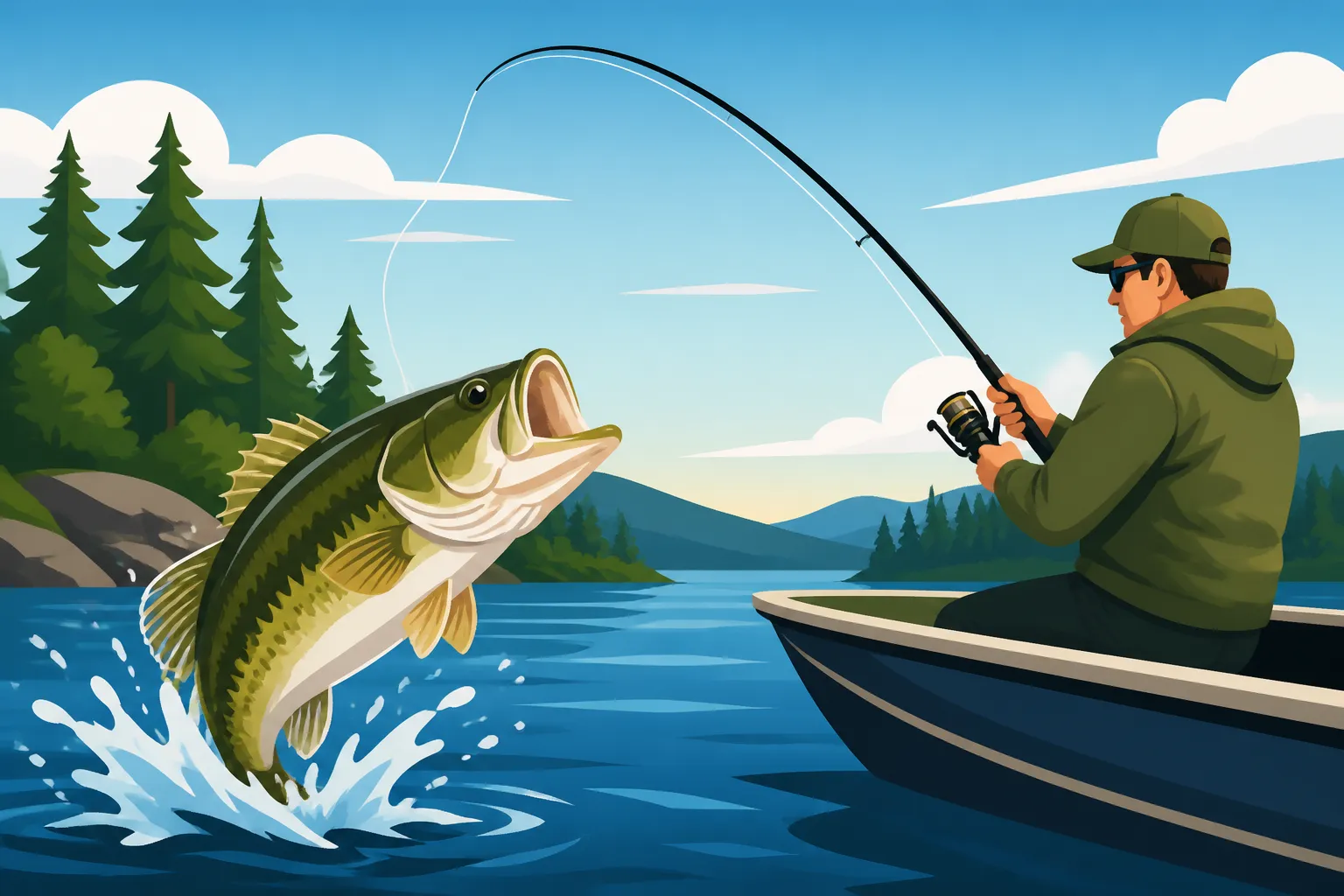
- Largemouth Bass: If you love topwater explosions and heavy cover fishing, Cobbossee’s largemouth population will not disappoint. These aggressive predators thrive in the lake's extensive weed beds, lily pad fields, and woody cover, especially in the shallower coves and around the islands. You’ll find them putting up a serious fight, often leaping clear of the water.
- Smallmouth Bass: While largemouth often steal the show in photos, the smallmouth bass here are equally impressive. They prefer rocky structures, deep points, and humps, and are known for their strong runs and dogged refusal to quit. These bronze beauties provide incredible sport, especially when targeted with light tackle. Learn more about Smallmouth Bass Fishing in Maine and Largemouth Bass Fishing in Maine in our other guides.
- Landlocked Salmon: For many, the landlocked salmon is the king of Maine's coldwater fisheries, and Cobbossee offers a fantastic chance to hook into one. These acrobatic fish are often found in the deeper, cooler waters of the main lake, particularly during the warmer months. They're prized for their fighting prowess and their delectable table fare.
- Togue (Lake Trout): Locally known as "togue," these deep-water dwelling char are powerful fighters that challenge anglers, especially during ice fishing season or deep trolling in summer. Cobbossee's togue population is healthy, and catching one often means battling a substantial fish from the depths. For specific techniques, refer to our guide on Lake Trout and Togue Fishing in Maine.
- Brook Trout: While not as abundant as in some wilderness ponds, stream-bred brook trout can be found in the cooler inlets and deeper sections, particularly early and late in the open water season, and through the ice. They are a classic Maine native and a beautiful catch. Our Brook Trout Fishing in Maine guide provides more details.
- Chain Pickerel: Often overlooked, chain pickerel are abundant in Cobbossee's weedy areas. While not always the primary target, they offer fast action and are incredibly fun to catch, especially for younger anglers or when other species are slow. They’re aggressive and will strike at almost anything that moves.
- White Perch and Yellow Perch: These panfish are incredibly numerous and provide excellent action year-round. They are fantastic for family fishing trips and are delicious to eat. You can easily fill a bucket with these tasty little fighters, and they often school in large numbers, meaning if you find one, you've likely found a whole pile.
Understanding Cobbosseecontee's Varied Habitats and Structure
To truly excel at fishing Cobbosseecontee Lake, you need to understand its underwater world. It's not just a big bowl of water; it's a complex network of depths, contours, and cover that dictate where different fish species will hold throughout the year. Ignoring these features is like trying to find a needle in a haystack – you might get lucky, but success will be fleeting.
Depths, Bottom Features, and Cover
Cobbosseecontee Lake boasts a maximum depth of approximately 100 feet, but its average depth is closer to 28 feet. This wide range means you'll encounter everything from expansive shallow flats, perfect for early-season bass, to deep troughs and basins where coldwater species like salmon and togue seek refuge in warmer months.
- Shallow Flats and Coves: These areas, often less than 15 feet deep, are characterized by lush weed beds (milfoil is prevalent), lily pads, and sometimes submerged timber. They are prime habitat for largemouth bass, chain pickerel, and panfish. These zones warm up quickly in the spring, initiating the spawn, and provide excellent ambush points for predators.
- Rocky Points and Shoals: Numerous points extend into the lake, often transitioning from shallow to deep quickly. These rocky structures are magnets for smallmouth bass, which patrol these areas looking for crayfish and baitfish. Submerged shoals (underwater humps) can hold both smallmouth and schooling perch.
- Steep Drop-offs and Ledges: Where the lake bottom plunges dramatically, you'll find ledges and sharp breaks. These are critical transitional areas where baitfish often congregate, and where opportunistic predators like smallmouth, salmon, and even togue will stage. Reading Lake Structure for Maine Bass is an art that pays dividends in these areas.
- Deep Basins: The deepest parts of Cobbosseecontee are crucial for coldwater species. During summer, when surface waters warm significantly, landlocked salmon and togue retreat to these cooler, oxygen-rich depths. Understanding thermoclines – the distinct layers of water at different temperatures – is key to targeting these fish effectively.
- Islands and Submerged Humps: Cobbossee is dotted with islands, both large and small, such as Horseshoe Island, Speckled Narrows Island, and Oak Island. The areas around these islands, especially the rocky sides, connecting humps, and adjacent drop-offs, are consistently productive for both bass species and perch. The structure created by these landmasses disrupts currents and provides cover.
Key Areas and Hotspots for Success
While fish can be found throughout Cobbosseecontee, certain areas consistently produce action due to their prime habitat features.
- The Narrows: Located between the main body of the lake and the smaller section to the north, the "Narrows" area, particularly around Speckled Narrows Island, offers a variety of structure. Current flows here, attracting baitfish and creating ambush points for bass and pickerel. The surrounding points and coves are excellent.
- Oak Island and Horseshoe Island: These larger islands, especially Oak Island with its distinct rock formations and adjacent deep water, are classic smallmouth bass territory. Work the rocky edges, look for submerged humps nearby, and don't neglect the transition zones where rock meets weeds. The smaller coves around these islands can also hold good largemouth.
- The Southern End: The shallower, weedier southern end of the lake, particularly towards the outlet into Cobbosseecontee Stream (also known as the Cobbossee Stream, which flows into the Kennebec River), is a hotspot for largemouth bass and chain pickerel. Look for expansive lily pad fields and dense weed beds.
- Deep Water Near Augusta Shores: The eastern shore, closer to Augusta, has some significant deep water access points. These areas are excellent for targeting salmon and togue, especially during the warmer months when they dive deep. Trolling passes here can be very productive.
- Marathons (Submerged Humps): While specific locations are often guarded secrets among locals, Cobbossee has several submerged humps or "marathons" that rise from deeper water. These underwater islands are honey holes for smallmouth and often school up perch and even salmon, especially when their tops are within 15-30 feet of the surface. A good fish finder is invaluable for locating these. Our guide to Cobbosseecontee Lake Bass Fishing Spots dives deeper into specific locations.
Seasonal Strategies for Fishing Cobbosseecontee Lake
The beauty of Cobbosseecontee is its year-round appeal, but successful angling hinges on understanding how fish behavior changes with the seasons. What works in spring won't necessarily work in summer, and vice-versa. Adapting your approach is crucial for consistent catches.
Spring Tactics: The Reawakening
As the ice retreats and the waters begin to warm, typically in late April or early May, Cobbosseecontee comes alive. This is a highly anticipated time for many anglers, as fish become increasingly active after a long winter.
- Early Ice-Out (Pre-Spawn): Immediately after ice-out, fish are lethargic but starting to feed. Focus on the warmest, shallowest coves and northern shorelines that receive the most sunlight. These areas will warm first, attracting baitfish and therefore predators. Jerkbaits, suspending stickbaits, and slow-rolled spinnerbaits can be deadly for bass. For salmon and togue, they'll be higher in the water column and accessible to flat-line trolling closer to shore. Check out our Maine Spring Fishing Guide for more details on early season action.
- Bass Pre-Spawn and Spawn: As water temperatures climb into the 50s and 60s, bass move to shallower flats and spawning beds. Look for them around docks, rocks, and developing weed lines. Jig-and-pig combos, tubes, and wacky-rigged worms are excellent for tempting pre-spawn bass. During the actual spawn (late May to mid-June, depending on conditions), target visible beds with soft plastics. Remember, catch and release is especially important during this vulnerable time.
- Smelt Run: In the early spring, smelt will run into the lake's tributaries to spawn. This event is a major food source for larger predators. Anglers targeting salmon and togue will often follow these baitfish movements, using smelt imitation lures or live smelt if regulations allow.
Summer Challenges and Deep Water Rewards
Maine summers are glorious, but the rising water temperatures on Cobbosseecontee can make fishing more challenging. The key is to adapt to the fish's need for cooler, more oxygenated water.
- Warm Water Retreat: As surface temperatures soar into the 70s and beyond, coldwater species like salmon and togue will retreat to the deep, cool thermocline layers. This means deep trolling with downriggers or weighted lines (like lead core or copper) becomes essential. Look for them over the deepest basins and humps. Early morning and late evening are the best times for these fish to rise higher in the water column to feed.
- Bass in Cover and Low Light: Largemouth bass will often bury themselves in dense weed beds, under lily pads, or in thick brush to escape the midday sun. Punching jigs or creature baits through heavy cover can be effective. Smallmouth will typically move to deeper rocky points, humps, and drop-offs. Topwater lures can still produce explosive strikes during low-light hours (dawn, dusk, or even night fishing).
- Night Fishing: For those willing to brave the dark, summer nights can offer fantastic opportunities, especially for bass. Fish that were sluggish during the day become active as temperatures drop and light levels decrease. Dark-colored jigs, worms, and slow-moving topwater baits can be very effective. Our Maine Summer Fishing Guide has more on beating the heat.
- Panfish Power: White and yellow perch remain active throughout the summer. They'll often school up over humps or along cooler weed edges in slightly deeper water. Small jigs tipped with bait or tiny spinners can lead to non-stop action, perfect for keeping kids entertained.
Fall Fishing: A Feast Before Winter
Autumn on Cobbosseecontee is a beautiful time to be on the water, with vibrant foliage reflecting on the lake and fish often entering a voracious feeding period before winter.
- Aggressive Feeding: As water temperatures cool, baitfish begin to school up, and all predatory species go on a feeding frenzy to fatten up for winter. This makes for some of the most exciting fishing of the year.
- Bass Migration: Both largemouth and smallmouth bass will move out of their deepest summer haunts and return to shallower, yet still structured, areas. They'll actively chase bait, so crankbaits, spinnerbaits, and swimbaits can be incredibly effective. Look for them on rocky points, channel swings, and the deeper edges of weed lines.
- Salmon and Togue Surge: Salmon and togue will rise higher in the water column and become more active as the entire lake cools down. Trolling spoons and stickbaits at shallower depths (15-30 feet) can be incredibly productive. They’ll be cruising the main lake basin and around structure.
- Late Season Brook Trout: If targeting brook trout, fall can be a prime time as they become more active in the cooling waters, often moving closer to tributary mouths. Our Maine Fall Fishing Guide offers more specific advice for this productive season.
Winter Ice Fishing Opportunities
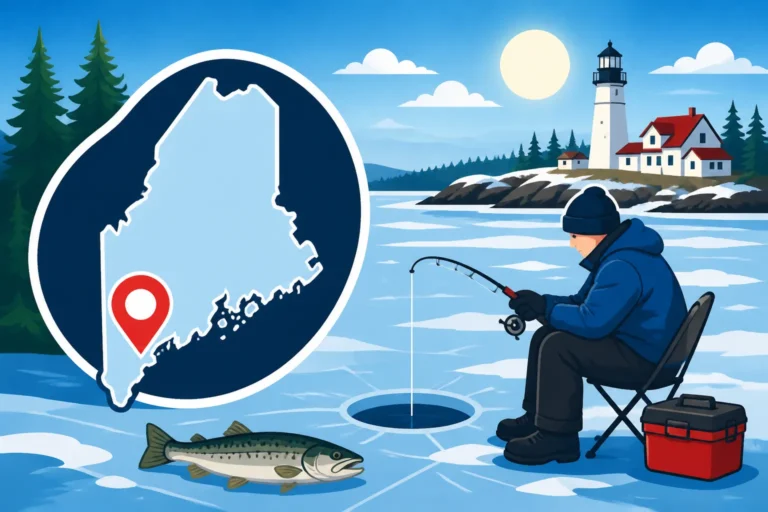
When Cobbosseecontee freezes over, a whole new world of angling opens up. Ice fishing is a cherished Maine tradition, and Cobbossee offers excellent opportunities for those willing to brave the cold.
- Safety First: Ice safety is paramount. Always check ice thickness and conditions before venturing out. Early and late ice can be particularly dangerous.
- Species Targets: Togue are a prime target through the ice, often found suspended over deep water or along steep breaks. Landlocked salmon also provide excellent action, often caught on tip-ups. Brook trout and abundant white and yellow perch make for great family fishing.
- Techniques: Tip-ups baited with live smelt or shiners are popular for salmon and togue. Jigging with small spoons or lures tipped with bait can also produce great results, especially for togue and perch. Make sure to understand Maine Ice Fishing Techniques Guide before heading out.
- Ice Shacks: Many anglers use portable or permanent ice shacks for comfort. Remember to adhere to all regulations regarding placement and removal of ice shacks.
Essential Gear, Bait, and Lures for Cobbosseecontee
Having the right tools for the job can make all the difference, especially on a lake as diverse as Cobbosseecontee. You don't need to break the bank, but a few key items and a well-stocked tackle box will set you up for success.
Rods, Reels, and Line Considerations
Your choice of rod, reel, and line should match the species you're targeting and the techniques you plan to use.
- For Bass (Largemouth & Smallmouth):
- Rods: Medium to medium-heavy power spinning rods (6'6" – 7'2") are versatile for most techniques like soft plastics, jigs, and small crankbaits. For heavier cover or larger lures, a medium-heavy to heavy power baitcasting rod (6'8" – 7'6") is ideal.
- Reels: A 2500-3000 series spinning reel or a quality baitcasting reel with a fast retrieve ratio.
- Line: 8-12 lb fluorocarbon or monofilament for spinning outfits. For baitcasters, 15-20 lb fluorocarbon or braided line (30-50 lb test) with a fluorocarbon leader is excellent for sensitivity and strength, especially when fishing around weeds or rocks.
- For Salmon & Togue (Trolling/Jigging):
- Rods: Medium power, moderate action trolling rods (7-9 feet) for downriggers or lead core. For jigging, a shorter, sensitive spinning or casting rod (6-7 feet) with a fast tip.
- Reels: Levelwind reels for trolling, capable of holding sufficient line (e.g., a good amount of lead core or 200+ yards of braided backing). A 3000-4000 series spinning reel for jigging.
- Line: 10-15 lb monofilament or fluorocarbon for flat-line trolling. 15-20 lb braided line for jigging, often with a fluorocarbon leader. When using lead core line, you'll need a monofilament or fluorocarbon leader attached.
- For Panfish (Perch, Pickerel):
- Rods: Ultralight to light power spinning rods (5-6'6") are perfect. They make even small fish feel like giants.
- Reels: 1000-2000 series spinning reels.
- Line: 4-6 lb monofilament or fluorocarbon.
Top Baits and Lures for Each Species
Having a selection of proven baits and lures is key. Here are some reliable choices for Cobbosseecontee:
- Largemouth Bass:
- Soft Plastics: Wacky-rigged Senkos, Texas-rigged worms and creature baits (green pumpkin, black & blue), plastic frogs for lily pads.
- Jigs: Flipping jigs, swim jigs (black & blue, green pumpkin).
- Topwater: Buzzbaits, poppers, walking baits (especially at dawn/dusk).
- Crankbaits: Square bills for shallow cover, lipless crankbaits for ripping through weeds.
- Internal Link Idea: Best Bait for Largemouth Bass in Maine
- Smallmouth Bass:
- Soft Plastics: Tubes, grubs, drop-shot worms, Ned Rigs (greens, browns, watermelon colors).
- Jigs: Football jigs, hair jigs.
- Crankbaits: Small to medium diving crankbaits in baitfish patterns.
- Jerkbaits: Suspending jerkbaits are killer in cooler water.
- Live Bait: Shiners or crayfish (where legal).
- Internal Link Idea: Best Lures for Smallmouth Bass in Maine
- Landlocked Salmon:
- Trolling Lures: Small spoons (e.g., Mooselook Wobblers, Suttons, DB Smelt), stickbaits (e.g., Rapala, Renosky), streamer flies trolled behind an attractor like a dodger or flasher.
- Live Bait: Live smelt or shiners fished on tip-ups (ice fishing) or slow-trolled (open water).
- Jigs: During ice fishing, small Swedish Pimples or Kastmasters tipped with a minnow head.
- Togue (Lake Trout):
- Trolling Lures: Larger spoons (e.g., Suttons, Luhr Jensen Kwikfish), deep-diving crankbaits.
- Jigging: Heavy jigs (e.g., white tube jigs, bucktail jigs, vertical spoons) worked near the bottom in deep water.
- Live Bait: Large live shiners or suckers fished on tip-ups (ice fishing) or still-fished.
- Brook Trout:
- Spinners: Small inline spinners (Mepps, Panther Martin) in silver, gold, or black.
- Worms: Nightcrawlers or garden worms.
- Flies: Wet flies and nymphs, especially in cooler water or near stream mouths.
- Chain Pickerel:
- Spoons: Any flashy spoon retrieved quickly.
- Spinnerbaits: Chartreuse or white.
- Plastic Worms/Grubs: Bright colors, retrieved erratically.
- Live Bait: Small minnows on a hook under a bobber.
- White and Yellow Perch:
- Small Jigs: Tiny soft plastic jigs, lead-head jigs tipped with a piece of worm.
- Live Bait: Worms, small minnows.
- Small Spinners: Tiny Mepps or Rooster Tail spinners.
Navigating Regulations and Responsible Angling
Before you even think about casting a line in Cobbosseecontee Lake, it's absolutely essential to be familiar with Maine's fishing regulations. These rules are in place to protect the fishery and ensure its health for future generations. Ignoring them can lead to fines and a less-than-enjoyable day on the water.
Licenses, Seasons, and Bag Limits
Maine has a robust set of fishing laws, and while there are general statewide rules, many lakes, including Cobbosseecontee, have special regulations. Always check the most current Maine Open Water & Ice Fishing Law Book published by the Maine Department of Inland Fisheries and Wildlife (MDIFW) before you go.
- Fishing License: Anyone 16 years of age or older needs a valid Maine Fishing License Guide. Licenses can be purchased online, at authorized agents, or at the MDIFW main office. Different license types exist for residents, non-residents, and various durations (e.g., 1-day, 3-day, annual).
- Maine Fishing Season Dates Guide: While many lakes offer year-round fishing for certain species, specific seasons apply, especially for coldwater fish like salmon and trout. For example, the general law open water season for bass usually opens in late spring, while ice fishing has its own specific windows.
- Maine Fish Bag Limits Guide: Bag limits (how many fish of a certain species you can keep per day) and length limits (minimum or maximum size of fish you can keep) are critical. Cobbosseecontee often has special regulations for bass, such as slot limits or specific daily take limits that differ from general law. For instance, bass regulations might stipulate that only one fish over a certain length can be kept, or that all bass must be released during certain periods.
- General Laws vs. Special Regulations: Cobbosseecontee Lake is part of the state's regular monitoring, so while it usually falls under general fishing laws, it's always worth double-checking for any specific rules. These special regulations are designed to manage fish populations more effectively for that particular body of water. Our comprehensive Maine Fishing Regulations Explained article details how to interpret the law book.
It cannot be stressed enough: always consult the official MDIFW fishing law book. Regulations can change year to year, and what was true last season might not be true this one.
Conservation and Best Practices
Responsible angling goes beyond just following the rules; it's about being a good steward of the resource.
- Catch and Release: For many anglers, especially with trophy bass or salmon, catch and release is a preferred practice. If you intend to release fish, handle them gently. Wet your hands before touching them, support their body weight, minimize their time out of water, and use de-barbed hooks.
- Fish Consumption Advisories: Always check for consumption advisories. The Maine CDC and MDIFW issue advisories for certain fish species in specific waters due to contaminants like mercury. Knowing Is It Safe to Eat Fish From Maine Lakes? is important, and for Cobbosseecontee, always verify current guidance.
- Preventing Invasive Species: Invasive aquatic species (like Eurasian watermilfoil, which is present in Cobbossee) pose a significant threat to Maine's waterways. Always "Clean, Drain, and Dry" your boat, trailer, and gear thoroughly before moving between different bodies of water. This simple act is crucial to prevent the spread of undesirable plants and animals.
- Respect Private Property: While there are public access points, much of Cobbosseecontee's shoreline is privately owned. Be mindful and respectful of landowners' rights.
Planning Your Trip and Finding Support
A little planning goes a long way in ensuring a memorable and successful fishing trip to Cobbosseecontee Lake. From knowing where to launch your boat to considering professional guidance, thinking ahead can elevate your experience.
Access Points and Facilities
Cobbosseecontee Lake offers several public access points, making it relatively easy for anglers to get on the water.
- Public Boat Launches: The most prominent public boat launch is located off Route 202 on the southern end of the lake in Manchester. This ramp typically has ample parking and offers easy access for all types of boats. There are also smaller, less formal access points around the lake, but these may be better suited for kayaks, canoes, or smaller vessels.
- Shore Fishing Opportunities: While the lake is largely surrounded by private property, some shore fishing can be done from public access points or town parks where available. It’s always best to check local municipal websites or maps for designated public shore fishing areas.
- Bait Shops and Supplies: Several bait and tackle shops are located in Augusta, Manchester, and surrounding towns. These local shops are invaluable resources for up-to-date information on what's biting, current conditions, and specific bait recommendations. Many gas stations and convenience stores also sell basic bait like worms and shiners.
Considering a Local Guide
For those unfamiliar with Cobbosseecontee Lake, or for anglers looking to learn specific techniques and hotspots, hiring a local fishing guide can be an incredibly worthwhile investment. A good guide offers expertise, safety, and a significantly higher chance of success.
- What a Guide Offers: A Registered Maine Guide knows the lake intimately. They understand seasonal patterns, fish movements, optimal depths, and the most effective baits and lures for current conditions. They'll also provide all the necessary gear, bait, and often take care of the challenging task of navigating regulations. For first-timers, a guide can demystify the lake and teach you invaluable skills.
- Finding a Guide: You can often find local guides through referrals from bait shops, local fishing forums, or by searching online directories. Platforms like FishingBooker are excellent resources for browsing and booking experienced guides who operate on Cobbosseecontee Lake, providing details on their specialties, rates, and availability. Whether you're targeting bass, salmon, or togue, there’s likely a guide specializing in your preferred species.
- Benefits for All Skill Levels: Even experienced anglers can benefit from a guide's local knowledge, helping them quickly dial in on fish in an unfamiliar lake. For beginners, it's a fantastic way to get introduced to the sport in a supportive and educational environment. Our guide to Hiring a Maine Fishing Guide provides more tips on what to look for and expect. Just ensure any guide you hire is a Maine Registered Guide License Requirements holder, as this ensures they meet state safety and proficiency standards.
- Booking in Advance: Especially during peak seasons (late spring, summer weekends, and early fall), the best guides book up quickly. It's wise to plan and reserve your trip well in advance, particularly if you're visiting during a popular time.
Cobbosseecontee Lake Fishing Quick Reference
Here's a handy table summarizing some key information for your Cobbosseecontee Lake fishing trip:
| Fish Species | Primary Habitat | Best Seasons | Recommended Baits/Lures | Notes |
|---|---|---|---|---|
| Largemouth Bass | Weedy coves, lily pads, shallow timber | Spring, Summer (low light), Fall | Soft plastics, jigs, topwater, crankbaits | Aggressive fighters, focus on cover. |
| Smallmouth Bass | Rocky points, humps, deep drop-offs | Spring, Summer, Fall | Tubes, drop-shot, jigs, jerkbaits, crankbaits | Powerful runs, strong fighters. |
| Landlocked Salmon | Deep basins, thermocline, main lake body | Spring, Fall, Ice Fishing | Trolled spoons, stickbaits, live smelt | Acrobatic, sought-after coldwater species. |
| Togue (Lake Trout) | Deepest basins, steep breaks, near bottom | Summer (deep), Ice Fishing | Deep jigs, large spoons, live shiners | Powerful, often caught still-fishing. |
| Brook Trout | Cooler inlets, deeper sections, near springs | Spring, Fall, Ice Fishing | Small spinners, worms, flies, small jigs | Native species, beautiful colors. |
| Chain Pickerel | Dense weed beds, shallow cover | Year-round | Flashy spoons, spinnerbaits, live minnows | Abundant, aggressive, fun for action. |
| White/Yellow Perch | Schools over humps, weed edges, main lake | Year-round | Small jigs, worms, small minnows, tiny spoons | Excellent table fare, great for families. |
Disclaimer
The information provided in this guide is for general informational purposes only and is subject to change. Fishing regulations, season dates, and bag limits are set by the Maine Department of Inland Fisheries and Wildlife (MDIFW) and can be updated annually. It is the responsibility of every angler to consult the most current official Maine fishing law book before fishing. Always prioritize safety on the water, especially concerning ice conditions.