Fishing Access to Flagstaff Lake
Trying to navigate the vast and often remote waters of Flagstaff Lake for a fishing trip can feel like an overwhelming puzzle, especially if you're unfamiliar with its unique geography and ever-changing water levels. Many anglers get frustrated trying to figure out where to launch a boat, find a quiet spot to cast from shore, or even just understand which areas are accessible to the public. This comprehensive guide is designed to cut through that confusion, providing you with detailed insights into the best access points, what to expect seasonally, and how to make the most of your Flagstaff Lake fishing adventure.
Understanding Flagstaff Lake's Unique Character
Flagstaff Lake isn't just another body of water in Maine; it's a magnificent, sprawling impoundment that feels more like a wilderness experience than a typical lake. Formed by the impoundment of the Dead River in the 1950s, it boasts an incredible amount of shoreline and a rich, albeit somewhat submerged, history. Its sheer size and often remote location mean that understanding its character is the first step to unlocking its fishing potential.
Geographical Overview and Unique Challenges
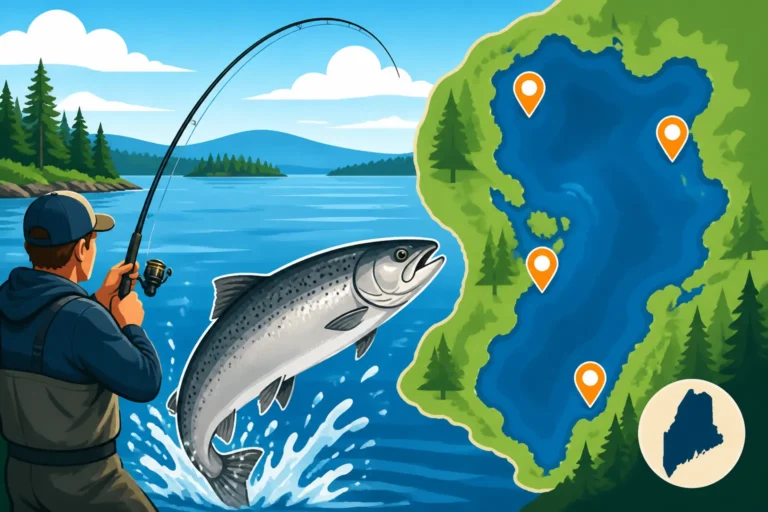
Imagine a lake that can expand and contract by thousands of acres based on seasonal rainfall and power generation needs. That's Flagstaff Lake. It's one of Maine's largest, covering up to 20,000 acres at full pond, with a coastline that can stretch for over 100 miles, winding around countless islands, coves, and submerged timber. This flowage nature is its defining characteristic, making navigation and finding consistent access points a dynamic challenge. The water levels can fluctuate significantly, sometimes revealing vast mud flats or submerged stumps that can be hazards for boaters. This ever-changing landscape demands a keen eye and often a flexible approach to your fishing plans. You might find a favorite launch ramp easily accessible one week, only to discover it requires a four-wheel drive or a much longer walk the next. Its sheer size and wild feel are part of its allure, drawing those seeking solitude and a true connection to Maine's North Woods.
Primary Fish Species and Their Habitats
Flagstaff Lake is renowned primarily for its coldwater fisheries, offering fantastic opportunities for brook trout, landlocked salmon, and togue (lake trout). These species thrive in the lake's cooler, deeper waters. Brook trout are often found near the mouths of tributary streams, especially in spring and fall when water temperatures are favorable, or in cooler spring-fed coves during summer. Landlocked salmon patrol the open waters, often following schools of baitfish like smelt. Anglers frequently target them by trolling various lures at different depths. Togue, being true deep-water dwellers, tend to hang out in the lake's deeper basins, particularly during warmer months, making them a prime target for deep trolling or jigging. The varying water levels and extensive submerged timber also create diverse habitats, offering plenty of cover for these game fish. Understanding the unique habits of these fish throughout the season, as detailed in our comprehensive guide on Maine Fishing Season Dates Guide, can significantly improve your success.
Key Public Access Points
Finding reliable public access points on Flagstaff Lake can be tricky due to its remote nature and fluctuating water levels. However, there are a few established spots that serve as primary gateways for anglers looking to explore this vast wilderness lake. These access points cater to different types of fishing and boating preferences, from launching larger craft to simply finding a spot to cast from shore.
Major Boat Launches and Their Facilities
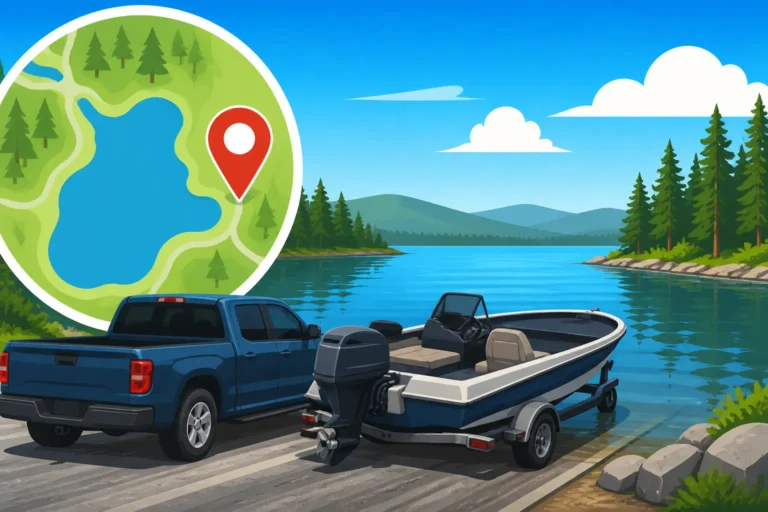
The most commonly used boat launches are found along the lake's southern and eastern shores, often near the towns of Eustis and Stratton. The Flagstaff Lake Scenic Byway (Route 27) provides the easiest road access to these areas. One of the more dependable launches is often near the Flagstaff Dam itself, though specific access points can shift with water levels. These launches typically consist of gravel ramps suitable for trailers, with varying amounts of parking. It's not uncommon to find basic pit toilets, but don't expect marinas or extensive amenities. For example, the launch near the dam might have space for a dozen or so vehicles with trailers, but on a busy summer weekend, it can fill up quickly. Always check local conditions before heading out, especially if you're bringing a larger boat, as ramp grades can be steep and the water's edge can be shallow at lower levels. For those planning a trip, considering a resource like FishingBooker might help in finding guides who are intimately familiar with current conditions and optimal launch sites.
Designated Shore Fishing Areas
While Flagstaff Lake is primarily a boating lake, there are limited opportunities for shore fishing, especially for those willing to do a bit of walking. The most accessible shore fishing can be found near the established boat launches or along portions of the Flagstaff Lake Scenic Byway where the road runs close to the water. Some of the larger islands, accessible by boat, also offer excellent shore fishing opportunities once you've landed, particularly around rocky points or where streams enter the lake. However, much of the shoreline is privately owned, remote, or heavily wooded, making direct shore access challenging. Anglers often find success targeting brook trout in the spring and fall around stream mouths that feed into the lake, where the cooler, oxygenated water draws them in. Always be mindful of private property signs and respect the land. For specific guidance on Maine Fishing Regulations Explained, it's always wise to consult the latest rulebook.
| Access Point Type | Best For | Typical Facilities | Seasonal Accessibility | Notes |
|---|---|---|---|---|
| Gravel Boat Ramps | Powerboats, large canoes/kayaks | Parking, Pit Toilets | Spring – Fall | Water levels can greatly impact usability; check local reports. |
| Canoe/Kayak Hand Carry | Small watercraft, remote access | Minimal Parking | Spring – Fall | Often requires short carry; ideal for quiet waters. |
| Roadside Pull-offs | Shore fishing (limited) | None | Year-round (snow dependent) | Respect private property; areas vary greatly with water levels. |
| Remote Campsites/Trails | Wilderness experiences, multi-day trips | None (pack it in/out) | Spring – Fall | Requires significant planning and navigation; often boat-in or hike-in. |
Exploring Remote and Limited Access
Beyond the handful of primary boat launches, Flagstaff Lake offers an abundance of remote and limited access opportunities for the truly adventurous angler. These areas are often less pressured, providing a more serene and rewarding fishing experience, but they come with their own set of logistical challenges and require a higher degree of preparedness.
Canoe and Kayak Access Points
For those seeking solitude and a more intimate connection with the wilderness, canoe and kayak access is often the key to unlocking Flagstaff's hidden gems. Many of the lake's numerous coves, islands, and backwaters are best explored by paddle craft. While you can launch a canoe or kayak at the main boat ramps, several smaller, less developed hand-carry spots exist, particularly along less traveled forest roads or off specific trails. For instance, some sections of the Dead River that feed into the lake, or the various small stream inlets, may offer informal put-in points. These usually don't have designated parking or ramps, meaning you'll need to be prepared to carry your craft a short distance. These spots are fantastic for targeting brook trout in shallow, sheltered waters or for accessing remote sections of the lake where motorboat traffic is minimal. Just remember that Flagstaff is a large body of water, and winds can pick up quickly, so always assess weather conditions before venturing far from your launch point in a small craft. Many anglers enjoy combining a paddling trip with an overnight stay on one of the many undeveloped islands.
Exploring Tributaries and Inlets
The network of rivers and streams that feed into Flagstaff Lake are vital arteries, supporting its diverse fishery and offering unique access challenges and rewards. The Dead River, as the primary inflow, offers various points of interest, though much of it is challenging to navigate by boat due to rapids and varying depths. Smaller tributaries, often nameless on maps, can be goldmines for brook trout fishing, especially in the spring and fall. Accessing these typically involves hiking along game trails, bushwhacking, or paddling a short distance up from the main lake. It's in these smaller, cooler waters that you might find truly wild brook trout. When exploring these inlets, remember that specific regulations, like those for Brook Trout Daily Bag Limits, might apply differently than on the main lake, so always consult the latest Maine fishing law book. These areas are generally for the more experienced and prepared angler, as they require careful navigation, an understanding of river dynamics, and a respect for the often rugged terrain.
Seasonal Considerations for Access
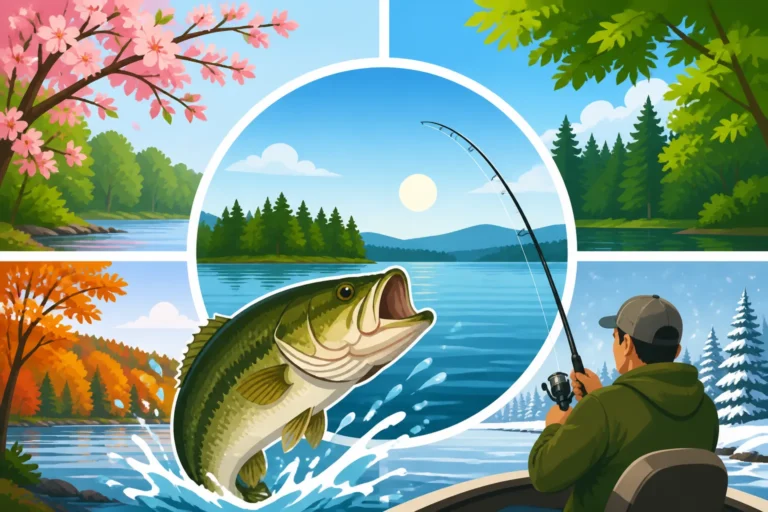
The allure of Flagstaff Lake changes dramatically with the seasons, and so too does the accessibility for anglers. From ice-out in spring to the thick ice of winter, each period presents unique opportunities and challenges for accessing the lake's prime fishing grounds. Understanding these seasonal shifts is crucial for planning a successful trip.
Spring and Summer Access
Spring on Flagstaff Lake, often marked by the dramatic event of "ice out," brings renewed opportunities for open water fishing. This is a fantastic time for targeting aggressive landlocked salmon and brook trout as they become more active near the surface and in the warming waters of inlets. Access in spring can be a bit variable; while main roads are usually clear, some unpaved access routes might still be soft or muddy from snowmelt. Water levels tend to be higher in the spring, which can make launching easier but might also obscure submerged hazards. As summer progresses, water levels can begin to drop, especially by late July and August, which can expose mud flats near boat launches and require a longer carry for canoes and kayaks. The summer months also see an increase in recreational use, so the main access points can be busier. However, the vastness of Flagstaff Lake means that finding a quiet cove or a remote island is still very possible, especially if you venture out in a smaller boat or with an early start. Remember that fish, particularly trout and salmon, will move to deeper, cooler waters as the summer heat sets in, requiring different fishing techniques and a good understanding of lake structure. You might also want to consult guides on Maine Open Water Line Limits to ensure you're fishing legally.
Fall and Winter Ice Fishing Access
Fall transforms Flagstaff Lake into a stunning canvas of autumn colors, and the fishing can be exceptional. Cooler temperatures bring salmon and trout back to shallower waters and river mouths as they prepare for spawning. Access remains generally good by boat through October, though you'll need to be mindful of shorter daylight hours and rapidly cooling water temperatures. Hunting season also kicks off, so be aware of others in the woods around access roads.
When winter sets in and the lake freezes over, Flagstaff Lake becomes a mecca for ice fishing. This truly opens up vast areas of the lake that are difficult to access by boat in summer. Access points for ice fishing typically involve parking along plowed roads and walking out onto the ice, often on designated snowmobile trails or established ice access areas. The lake's sheer size means that many areas remain relatively untouched, providing excellent opportunities for targeting large togue and salmon through the ice. However, ice safety is paramount. Early and late ice conditions can be treacherous. Anglers often set up tip-ups, targeting deep-water togue, and jig for brook trout closer to shore. Remember that Maine Ice Fishing Rules Guide dictates specific rules, including those for Maine Ice Fishing Line Limits and Ice Fishing Shack Removal Rules. Local tackle shops and online forums are invaluable resources for current ice conditions and safe access points. Booking a guided ice fishing trip through a service like FishingBooker can be an excellent way to experience Flagstaff's winter fishing safely and successfully.
Navigating Regulations and Safety on Flagstaff Lake
Fishing on a body of water as expansive and wild as Flagstaff Lake requires more than just knowing where to access it. It demands a thorough understanding of the specific regulations that govern its fishery and a robust approach to personal safety, given its remote nature and the potential for rapidly changing conditions.
Essential Fishing Regulations for Flagstaff Lake
Flagstaff Lake, like many of Maine's premier fisheries, often has specific regulations that differ from statewide general law. These special regulations are put in place by the Maine Department of Inland Fisheries and Wildlife (MDIFW) to manage and protect its valuable fish populations, particularly for species like brook trout, landlocked salmon, and togue. You might find unique size limits, bag limits, or even tackle restrictions specific to certain times of the year or areas of the lake. For instance, while statewide rules for Maine Landlocked Salmon Bag Limits exist, Flagstaff could have a specific slot limit or daily creel limit to encourage trophy growth or protect spawning fish. The same applies to Maine Togue and Lake Trout Limits. It is absolutely critical to obtain the most current Maine fishing law book – a physical copy is often available at licensing agents, or you can find the digital version on the MDIFW website. Always double-check the special regulations for Flagstaff Lake (often listed by county or specific water body) before heading out. Ignoring these rules, even unintentionally, can lead to significant fines. If you're unsure about any regulation, err on the side of caution or ask a local warden or tackle shop for clarification.
Safety on a Large, Remote Water Body
The sheer size and remote character of Flagstaff Lake mean that safety should be your top priority. Weather conditions can change rapidly in the mountains, turning a calm morning into a windy, choppy afternoon that can be dangerous for smaller boats. Always check the forecast thoroughly before heading out and be prepared for sudden shifts. Carry appropriate safety gear, including personal flotation devices for everyone on board, a whistle or horn, a first-aid kit, and emergency signaling devices. Cell service can be spotty or non-existent in many areas of the lake, so don't rely on your phone for communication in an emergency. Consider carrying a satellite messenger or a marine radio.
Furthermore, navigation on Flagstaff Lake can be tricky due to fluctuating water levels that expose or submerge hazards like stumps and rocks. A reliable GPS unit with detailed mapping is highly recommended, especially if you're exploring new areas. Tell someone your float plan – where you're going, when you expect to return, and who to call if you don't check in. During winter, ice safety cannot be overstated. Always check ice thickness in multiple locations, avoid areas with currents or open water, and never fish alone on potentially unstable ice. The wilderness around Flagstaff is beautiful but unforgiving, so being prepared for self-rescue or a prolonged wait for help is essential.
Tips for Maximizing Your Flagstaff Lake Fishing Trip
A successful fishing trip to Flagstaff Lake goes beyond just knowing where to drop a line; it involves thoughtful preparation, the right gear, and a strategic approach to its unique environment. By keeping a few key tips in mind, you can significantly enhance your experience and increase your chances of landing some memorable fish.
Choosing the Right Gear and Approach
Given Flagstaff Lake's diverse fishery and expansive waters, having the right gear is paramount. For trolling in open water, medium to medium-heavy action rods paired with reliable reels spooled with monofilament or braided line are ideal for handling landlocked salmon and togue. Downriggers, lead core line, or copper line are often necessary to get lures down to the depths where these fish hold, especially during summer. Popular lures include spoons like Mooselook Wobblers, DB Smelts, and live bait rigs for smelt. For brook trout, lighter spinning gear or a fly rod (5 or 6 weight) with floating or sinking lines can be effective. Streamers, nymphs, and dry flies that imitate local insect life are excellent choices, particularly near stream mouths or during hatches.
When considering your approach, remember that Flagstaff is a large lake, so covering water is often key. Trolling a variety of lures at different depths and speeds until you find what the fish are responding to is a common and effective tactic. Use a good fish finder to locate drop-offs, submerged structure, and bait schools. For shore or wading anglers, stealth and patience are crucial, particularly when targeting wary brook trout in smaller inlets. If you're new to the lake or targeting a specific species, considering a guided trip might be beneficial. Many experienced guides, often found through platforms like FishingBooker, can provide invaluable local knowledge and gear recommendations specific to current conditions.
Planning Your Trip and Accommodations
A trip to Flagstaff Lake often means venturing into more remote territory, so thorough planning is essential. Decide on your preferred fishing style and target species first. If you're planning a multi-day trip, booking accommodations in nearby towns like Eustis, Stratton, or even Jackman well in advance is a good idea, especially during peak seasons. Options range from rustic cabins and sporting camps to a few motels. Alternatively, if you prefer camping, there are several undeveloped campsites around the lake, some accessible by car and others requiring boat access. These are often primitive, so be prepared to be self-sufficient and practice Leave No Trace principles.
Before you go, ensure you have your Maine Fishing License Guide in order. Stock up on fuel, groceries, and tackle in larger towns before heading into the Flagstaff region, as options become very limited further north. Always have a detailed map and navigation tools, as cell service can be spotty. For a truly immersive experience, consider a stay at a traditional Maine sporting camp, many of which offer guiding services directly or can connect you with local experts. Planning your meals, emergency supplies, and even a backup plan for adverse weather will ensure a more enjoyable and safer trip to this magnificent part of Maine.
Disclaimer
The information provided in this guide is for general informational purposes only and is subject to change. Fishing regulations, access points, and conditions on Flagstaff Lake can vary seasonally and annually. Always consult the official Maine Department of Inland Fisheries and Wildlife (MDIFW) website or their current law book for the most up-to-date regulations before any fishing trip. Safety should always be your top priority when venturing into Maine's wilderness.