Allagash River Brook Trout Fishing in Maine
If you've ever dreamed of casting a line in a truly wild, untouched corner of the world, where the only sounds are the paddle dipping and the rustle of the forest, then you've likely pictured yourself on Maine's legendary Allagash River. This isn't your everyday fishing hole; it's an expedition, a journey into the heart of the North Woods, specifically crafted for those who yearn to chase the quintessential Maine brook trout in its most pristine habitat. This guide will walk you through everything you need to know to make your Allagash brook trout fishing adventure a reality, from planning your trip to the best techniques for success.
The Allure of Allagash Brook Trout
The Allagash Wilderness Waterway, often simply called "the Allagash," isn't just a river; it's an experience, a living testament to Maine's wild heart. For anglers, it represents one of the last true strongholds of native brook trout, fish that have never seen a hatchery truck and fight with an untamed vigor that's hard to match anywhere else.
Why the Allagash is a Trout Mecca
What makes the Allagash so special for brook trout? It's a combination of factors, starting with its incredible remoteness. This isn't a place you can just drive up to and start fishing. The 92-mile waterway, protected by the state as a wilderness area, ensures minimal human impact, preserving the delicate ecosystem that brook trout thrive in. The water itself is exceptionally clean, cold, and well-oxygenated—perfect conditions for these vibrant, jewel-toned fish. The river, with its countless eddies, riffles, pools, and tributaries, provides an abundance of diverse habitats. These fish are true natives, meaning they've adapted over millennia to this specific environment, resulting in a robust and healthy population. When you hook an Allagash brook trout, you're not just catching a fish; you're connecting with a wild legacy, a part of Maine's natural heritage that has endured for generations. It’s a challenge to get there, yes, but the reward is unparalleled solitude and a fishing experience that touches your soul.
Understanding Allagash Brook Trout
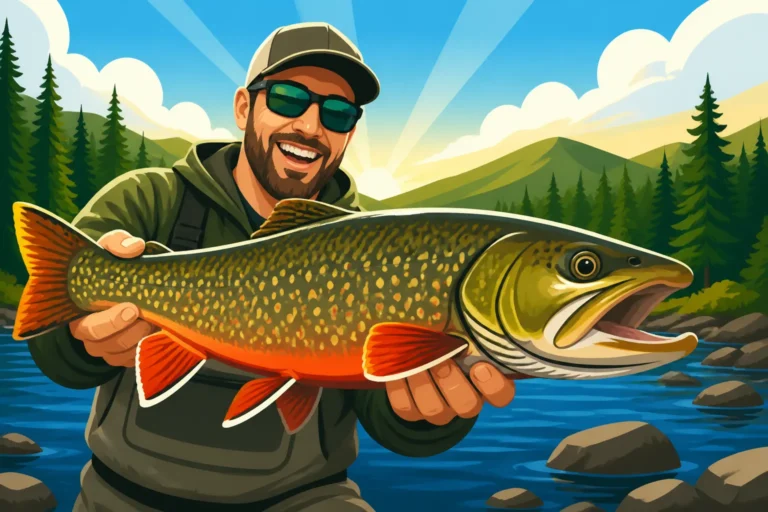
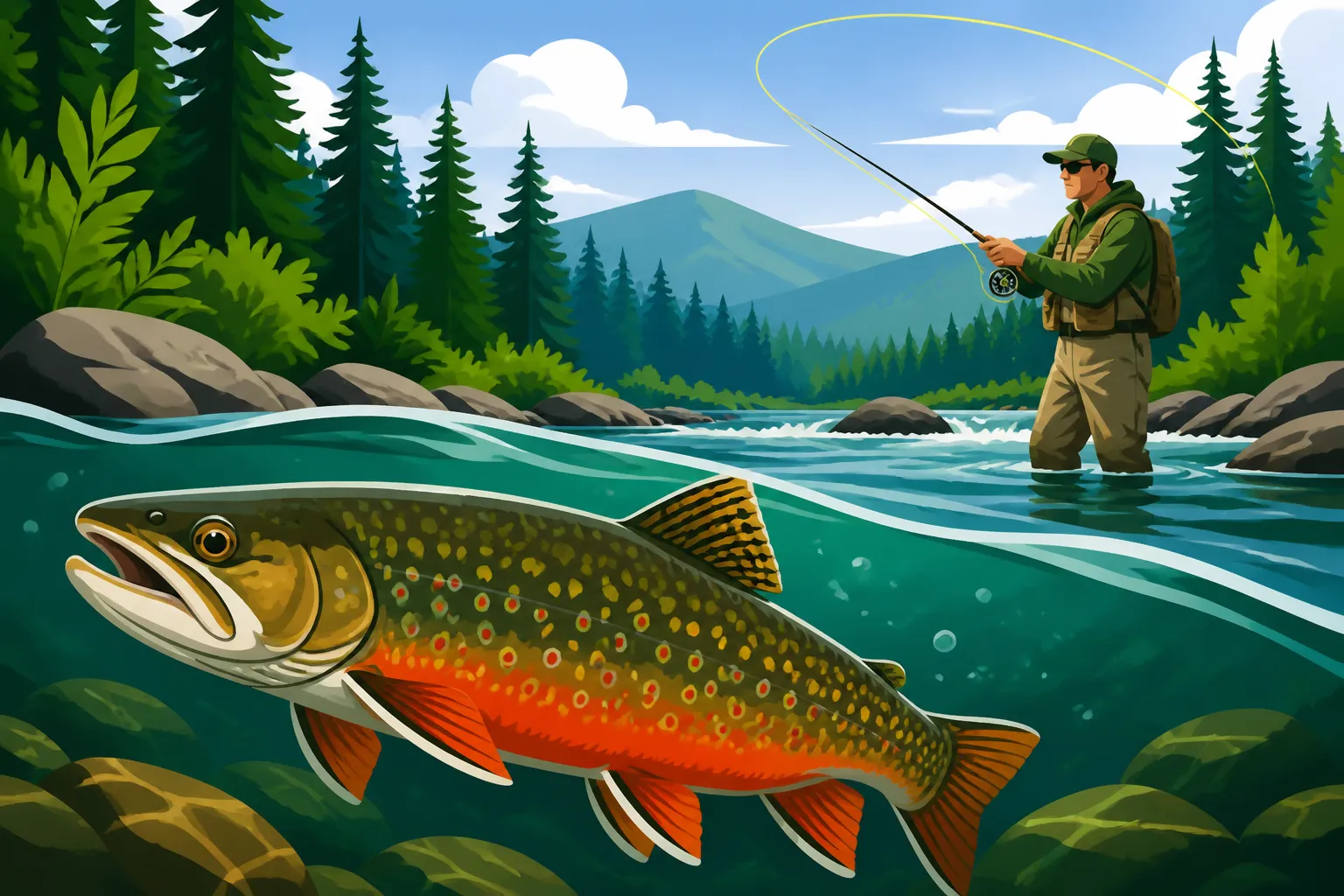
The brook trout ( Salvelinus fontinalis) found in the Allagash are often described as exceptionally beautiful and fierce. Unlike some other trout species that have been widely stocked, many of the Allagash brook trout are wild, self-sustaining populations. They typically feature striking vermiculation patterns (worm-like markings) on their backs, brilliant red spots surrounded by blue halos on their flanks, and a leading white edge on their fins. While not generally known for massive size, Allagash brook trout are incredibly strong for their stature, often ranging from 10 to 14 inches, with occasional individuals reaching 16 to 18 inches or more in prime conditions. Their diet consists primarily of aquatic insects, smaller baitfish, and terrestrial insects that fall into the water, making them eager to strike well-presented flies and lures. These fish are highly sensitive to water temperature, preferring cooler waters, which is why spring and fall often present the best fishing opportunities as detailed in our guide on Maine Fishing Season Dates Guide. Knowing their habits and preferred habitats—often found near structure like fallen logs, undercut banks, and current seams—is key to unlocking the Allagash's potential.
Planning Your Allagash Trout Expedition
A trip to the Allagash isn't something you decide on a whim; it requires careful planning and preparation. Its remote nature means you need to be self-sufficient and understand the unique challenges and requirements of a true wilderness journey.
Best Time to Visit and Logistics
For brook trout, the "shoulder seasons" are typically the most productive. Late May through June, after ice-out but before the peak heat of summer, offers excellent opportunities as water temperatures are ideal and insects are hatching. The fish are active, feeding heavily after winter. Another prime window is September through early October, when the air cools, the leaves turn vibrant, and the brook trout become aggressive as they prepare for spawning. During mid-summer, while fishing is still possible, the trout will often retreat to deeper, cooler pools or the mouths of cold tributaries, making them a bit harder to locate.
Logistically, the Allagash Wilderness Waterway requires permits and fees, which you'll need to arrange through the Maine Department of Agriculture, Conservation and Forestry (DACF) beforehand. Check out our detailed article on Fishing Permits Needed for the Allagash Wilderness Waterway for the most up-to-date information. Most trips are multi-day canoe expeditions, often ranging from 5 to 10 days, covering significant portions of the waterway. You'll need to arrange transportation to and from the access points, which are often remote logging roads. Many visitors utilize local shuttle services or outfitters who can drop you off and pick you up. Always have a detailed itinerary, map, and compass, and consider carrying a satellite communication device given the lack of cell service.
Essential Gear for Allagash Fishing
Packing for the Allagash means balancing preparedness with portability. You'll be carrying everything in your canoe, so think lightweight and multi-purpose.
- Rods and Reels: For fly fishing, a 4- to 6-weight rod, 7'6" to 9' long, paired with a matching reel and floating line, is versatile. For spin fishing, a lightweight 6-foot ultralight to light action spinning rod with a small reel spooled with 4-6 lb monofilament or fluorocarbon line is perfect. Consider bringing a backup rod, as breakage in the wilderness can end a trip.
- Tackle: A selection of dry flies, nymphs, and streamers is crucial for fly anglers (more on this below). Spinners like the classic Mepps Aglia or Panther Martin, and small spoons such as Daredevils or Little Cleos in sizes 00-1, are effective. Remember to check Maine Fishing Regulations Explained for any specific tackle restrictions, especially concerning lead weights.
- Navigation & Safety: Topographic maps, a reliable compass, and a GPS device are non-negotiable. A first-aid kit, water filter or purification tablets, sturdy waterproof bags for all your gear, and a reliable headlamp are also essential. Bear canisters or proper bear bagging methods are critical for food storage.
- Camping Gear: Lightweight tent, sleeping bags, cooking stove, and appropriate wilderness clothing (layers are key!) are all vital. Remember, nights can get very cold even in late spring or early fall.
- Personal Items: Sunscreen, insect repellent (the black flies can be legendary), polarized sunglasses, and a wide-brimmed hat will make your trip much more comfortable. Don't forget your Maine Fishing License Guide!
| Gear Category | Recommended Items | Why It's Essential |
|---|---|---|
| Fishing Gear | 4-6 wt Fly Rod/Reel, Ultralight Spin Rod/Reel, Floating Line, 4-6lb Mono/Fluoro | Versatility for Allagash trout, sensitive for smaller fish, light presentation. |
| Tackle | Assorted Dry Flies, Nymphs, Streamers; Small Spinners (Mepps, Panther Martin) | Mimics natural food sources, covers various water conditions. |
| Navigation/Safety | Topographic Maps, Compass, GPS, First-Aid Kit, Water Filter, Satellite Device | Critical for wilderness travel, emergency communication, and hydration. |
| Camping Gear | Lightweight Tent, Sleeping Bag, Camp Stove, Bear Canister | Essential for multi-day trips, proper food storage in bear country. |
| Apparel | Waders (chest or waist), Layered Clothing, Rain Gear, Wide-Brimmed Hat, Gloves | Protection from elements, warmth, sun, and insect bites. |
| Personal Items | Polarized Sunglasses, Sunscreen, Insect Repellent, Headlamp, Camera | Comfort, protection, visibility, capturing memories. |
Navigating the Allagash Wilderness Waterway
The Allagash is primarily experienced from a canoe or kayak, making the journey itself an integral part of the fishing adventure. Understanding how to move through the waterway and where to find the fish will greatly enhance your success.
Access Points and Permitting
Access to the Allagash Wilderness Waterway (AWW) is managed to maintain its wild character, meaning entry points are limited and often require traversing private logging roads. The most common northern access is through Ashland or Fort Kent, leading to points like Umsaskis Lake or Round Pond. Southern access typically comes via Greenville or Millinocket, heading towards Chamberlain Lake, which is the traditional starting point for many canoe trips. It's crucial to obtain your waterway permit well in advance, especially during peak seasons. These permits help manage visitor numbers and fund the maintenance of the facilities. When driving on logging roads, always be mindful of active logging operations; keep headlights on, drive slowly, and yield to logging trucks. Detailed maps and local knowledge are indispensable for navigating these private roads to your put-in point. Our guide on Allagash Wilderness Waterway Fishing Guide provides further details on navigating this incredible area.
Canoe and Kayak Strategies for Trout
Paddling the Allagash is a serene experience, but it also serves a practical purpose for trout fishing. Canoes or kayaks allow you to access remote stretches of the river that are unreachable by foot, drifting quietly over prime habitat. As you paddle, keep an eye out for structure: fallen trees, large boulders, undercut banks, and current seams are all potential holding spots for brook trout. When you spot promising water, slow down and work the area thoroughly. Many anglers will paddle to a spot, anchor or gently nose their canoe into the bank, and then wade or cast from the boat.
The current varies along the waterway, from wide, slow-moving lakes like Chamberlain and Eagle, to faster, riverine stretches with Class I and II rapids. Portaging around some rapids, like Allagash Falls, is necessary and part of the adventure. Learning basic canoe strokes and river reading skills is invaluable for a safe and effective trip. Quiet paddling and minimal disturbance are key; these wild trout are easily spooked. Drifting silently and making accurate casts to prime lies will significantly increase your chances of success.
Effective Techniques for Allagash Brook Trout
Whether you prefer the grace of a fly rod or the simplicity of a spinning setup, brook trout in the Allagash respond to a variety of presentations. The key is often a subtle, natural approach that mimics their indigenous diet.
Fly Fishing Tactics and Patterns
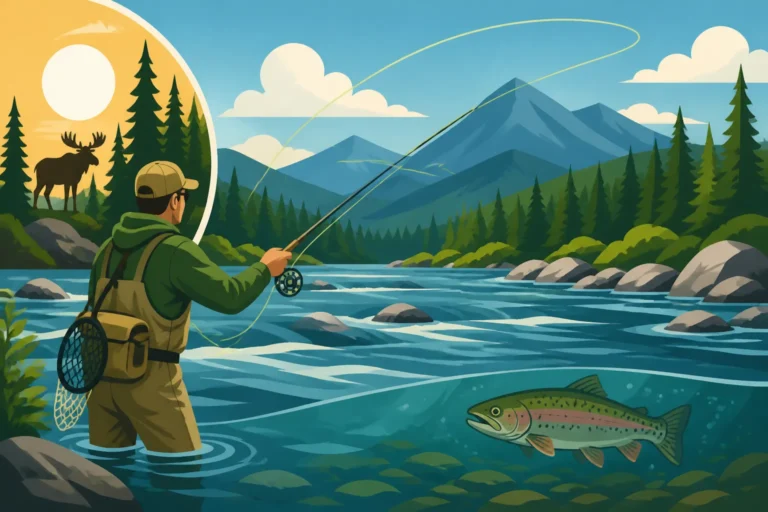
Fly fishing is perhaps the most iconic way to pursue brook trout in the Allagash, offering a deeply rewarding experience.
- Dry Flies: When insects are hatching, particularly in late spring and early fall, dry fly fishing can be phenomenal. Look for rising fish and match the hatch. Popular patterns include the Parachute Adams, Elk Hair Caddis, Royal Wulff, and various Stimulators. Don't be afraid to try larger, "attractor" dries, especially in faster water, as brook trout are often opportunistic feeders. For specific recommendations, check out our piece on Best Flies for Brook Trout in Maine Streams.
- Nymphs: When fish aren't rising, nymphs are often the most effective subsurface presentation. Patterns like the Hare's Ear, Pheasant Tail, Prince Nymph, and Walt's Worm, drifted naturally along the bottom, can be incredibly productive. Focus on seams, eddies, and the slower water behind obstructions. A strike indicator can help detect subtle takes.
- Streamers: For larger trout, especially in deeper pools or during periods of low light, streamers can be deadly. Patterns such as the Black-nosed Dace, Grey Ghost, Muddler Minnow, and Woolly Bugger imitate baitfish or larger aquatic insects. Strip these with erratic retrieves to entice an aggressive strike. Weighted streamers can help you get down to where the fish are holding.
Remember to use a light tippet, typically 4x-6x, as these wild fish can be quite line-shy. Presentation is often more important than the specific pattern.
Spin Fishing Approaches and Lure Selection
Spin fishing on the Allagash can also be highly effective and is a great option for anglers who might be newer to the sport or prefer a different technique.
- Small Spinners: Classic inline spinners like Mepps Aglia or Panther Martin in sizes #00, #0, or #1 are perennial favorites. Their flashing blades and vibrating action mimic small baitfish or large insects. Cast upstream and retrieve just fast enough to get the blade spinning, allowing it to drift naturally downstream past likely holding spots. Bright colors often work well in stained water, while more natural tones are better in clear conditions.
- Small Spoons: Spoons such as Little Cleo, Dardevle, or Phoebe, in smaller sizes (1/8 oz to 1/4 oz), can also be very productive. Their wobbling action is irresistible to hungry brook trout. Cast them out and retrieve with a stop-and-go motion, allowing them to flutter on the fall. Gold, silver, or patterns with red and white are often reliable.
- Jigs: Small marabou jigs or soft plastic grubs rigged on 1/16 oz to 1/8 oz jig heads can imitate a variety of aquatic life. Work them with a gentle jigging motion near the bottom, especially in deeper pools.
- Live Bait (Where Permitted): While some anglers might prefer artificials, local regulations permitting, a small worm or grub under a bobber can be incredibly effective, especially for newer anglers. Always confirm bait regulations for the specific section of the Allagash you plan to fish, as rules can vary.
Regardless of your chosen method, a quiet approach, accurate casting, and understanding where the trout are likely to be holding are paramount to success on the Allagash.
Conservation and Ethical Angling in the Allagash
Fishing the Allagash is a privilege that comes with a responsibility to protect its pristine environment and its incredible wild trout population. Practicing ethical angling and conservation is not just recommended, it’s essential to ensure future generations can enjoy this unique resource.
Catch and Release Best Practices
The Allagash is largely managed as a wild, self-sustaining fishery, and the practice of catch and release is highly encouraged, if not outright required in some areas, to maintain healthy populations. For brook trout, which can be delicate, proper handling is crucial.
- Minimize Handling: Try to keep the fish in the water as much as possible. If you must handle it, do so with wet hands to protect its slime coat, which is vital for disease resistance. Avoid squeezing the fish, especially around its belly.
- Use Barbless Hooks: Barbless hooks, or hooks with pinched barbs, make release much easier and reduce damage to the fish's mouth.
- Quick Release: Have your camera ready, and release the fish quickly. If it's lethargic, hold it gently facing upstream in the current until it regains its strength and swims off on its own.
- Know Your Limits: Always be aware of the specific Brook Trout Daily Bag Limits and any length restrictions for the waters you are fishing. While you might be legally able to keep some fish, consider releasing larger, breeding-size trout to support the future of the fishery. More tips on healthy fish handling can be found in our guide on Catch and Release Best Practices in Maine.
Respecting the Wilderness
The Allagash Wilderness Waterway is a special place, and its designation means adherence to Leave No Trace principles is mandatory. Every action you take has an impact on this fragile environment.
- Pack It In, Pack It Out: This is the golden rule of wilderness travel. Everything you bring with you, including all trash (food wrappers, fishing line, etc.), must leave with you. This includes organic waste like fruit peels and cores, which decompose slowly in cold environments.
- Camp in Designated Areas: Use established campsites and fire rings. This concentrates impact and prevents the creation of new, destructive campsites. Never cut live trees for firewood; use only dead and downed wood. Drown your campfire completely before leaving.
- Minimize Your Footprint: When wading, be careful not to disturb spawning beds (redds) if you're fishing in the fall. Be mindful of fragile riparian vegetation. Stay on established trails when portaging.
- Wildlife Observation: Observe wildlife from a distance. Never feed animals, and secure all food and scented items from bears and other critters in approved containers or by hanging them. The Allagash is home to moose, deer, bears, and a variety of birds; enjoy their presence without disturbing them.
By following these principles, you contribute to the preservation of the Allagash, ensuring it remains a pristine destination for future generations of anglers and wilderness enthusiasts.
Local Insights and Hiring a Guide
While the allure of a completely self-guided wilderness adventure is strong, leveraging local knowledge or hiring a guide can significantly enhance your Allagash experience, especially for first-timers.
Tapping into Local Expertise
Before you embark on your Allagash journey, connect with local bait shops, outfitters, or even online forums dedicated to Maine fishing. These resources can offer invaluable, up-to-the-minute information on water levels, recent fish activity, productive patterns, and specific access conditions. For instance, certain fly patterns might be particularly effective during a specific hatch, or a lesser-known portage might save you time and effort. Locals can also advise on the nuances of navigating logging roads or the best spots to set up camp to avoid wind or get prime morning sun. They've spent years, sometimes decades, exploring these waters, and their insights are a goldmine that can turn a good trip into an unforgettable one. Even if you plan a DIY trip, a quick chat with an outfitter in towns like Ashland or Fort Kent can provide critical local knowledge that isn't found on maps.
When to Consider a Registered Maine Guide
For many, the Allagash represents the pinnacle of wilderness fishing, and navigating its intricacies can be daunting. This is where a Registered Maine Guide truly shines. These licensed professionals not only possess an intimate knowledge of the waterway, its fish, and its unique challenges, but they also handle many of the logistical headaches that can accompany such a remote trip.
A guide can:
- Enhance Safety: Their experience navigating the river, reading rapids, and handling wilderness emergencies provides peace of mind.
- Improve Fishing Success: They know where the fish are, what they're biting on, and the best techniques for specific conditions. They often have secret spots and years of accumulated wisdom.
- Handle Logistics: Guides often provide canoes, camping gear, food, and shuttle services, vastly simplifying your planning.
- Provide Education: They can teach you valuable canoeing skills, fishing techniques, and wilderness survival tips.
Finding a reputable guide can simplify the entire process, especially if you're not familiar with the waterway. Websites like FishingBooker can be a great resource for connecting with experienced Registered Maine Guides who specialize in the Allagash. Many excellent guides list their services on platforms like FishingBooker, offering guided trips that range from single-day excursions to multi-day canoe camping adventures. When you’re ready to start looking, resources like FishingBooker allow you to filter by location, specialty, and even read reviews from other anglers to help you choose the perfect fit for your Allagash adventure. Before you book, make sure to communicate your expectations clearly, whether you're hoping for a trophy trout or simply a peaceful paddle with some fishing opportunities. A good guide, often found through platforms like FishingBooker, will be transparent about what they offer and ensure your trip is tailored to your desires. For those looking to broaden their options beyond the Allagash, remember that guides listed on FishingBooker also cover other prime locations across Maine, from the Best Fishing Rivers in Maine to remote ponds. Whether you're interested in a full-service multi-day canoe expedition or just a day trip, consider exploring our guide on Hiring a Maine Fishing Guide to understand the benefits and process. They can truly unlock the magic of the Allagash.
Disclaimer
Please remember that fishing regulations and conditions in Maine can change. Always consult the latest Maine Department of Inland Fisheries & Wildlife (MDIFW) regulations book or their official website before planning any fishing trip to ensure compliance with all current laws. This guide is for informational purposes only and should not be considered a substitute for official regulations.