Best Maine Rivers for Fishing
There’s nothing quite like the serene rush of a river, the anticipation in your chest, and the thought of a Maine trout or salmon bending your rod. But let's be honest, trying to figure out which river in our vast, beautiful state offers the best fishing, or even just good fishing, can feel like you're trying to read tea leaves. With so many waterways, knowing where to cast your line for the species you're dreaming of, and what techniques actually work, is a puzzle many anglers face. This guide is here to untangle that complexity, giving you the insider scoop on Maine's best rivers for fishing, from the mighty flows of the Kennebec to the secluded stretches of the Allagash.
The Kennebec River: A Tale of Two Fisheries
The Kennebec River is a true gem in Maine, offering incredibly diverse fishing opportunities that change dramatically from its upper reaches to its tidal estuary. Many anglers find themselves overwhelmed by its sheer size and the variety of fish it holds, often wondering if they should focus on freshwater species or chase the famed striped bass. The truth is, the Kennebec delivers on both fronts, but understanding its distinct zones is key to a successful trip. It’s not just one river; it’s a whole ecosystem waiting to be explored.
Upper Kennebec: Trout, Salmon, and Smallmouth
As you venture upstream, especially above Waterville and into areas like The Forks, the Kennebec transforms into a premier coldwater fishery. This is where you’ll find some fantastic populations of brown trout, rainbow trout, and even some landlocked salmon, particularly in the tributaries that feed into the main river. The fast-moving, oxygenated water in these sections provides ideal habitat, and the scenery alone is worth the trip. You might feel like you've stepped into a postcard, but don't let the beauty distract you from the challenging currents and deep pools that hold these elusive fish.
Fly fishing is exceptionally popular here, with anglers often targeting the numerous insect hatches. From spring caddis to summer sulphurs, knowing your local entomology can be a game-changer. For those who prefer spin gear, small inline spinners or drifting worms can be incredibly effective, especially in those deeper runs where trout and salmon like to hold. Access can sometimes be tricky, requiring a bit of bushwhacking or knowledge of public boat launches, but the reward of a wild Maine trout pulling on your line is absolutely priceless. Don't forget to review the specific Maine Fishing Regulations Explained for this section, as rules can vary.
Lower Kennebec: Striped Bass Haven
Once the Kennebec widens and approaches the coast, particularly from Augusta south to Bath and Popham Beach, it becomes one of Maine's most renowned striped bass fisheries. This tidal section offers an entirely different angling experience, where the pull of the ocean's tides dictates much of the fishing action. Many anglers travel from far and wide, often feeling a bit intimidated by the vastness of the estuary and the sheer power of the Kennebec's currents, especially during strong tidal swings. It's a completely different beast than the quiet trout streams.
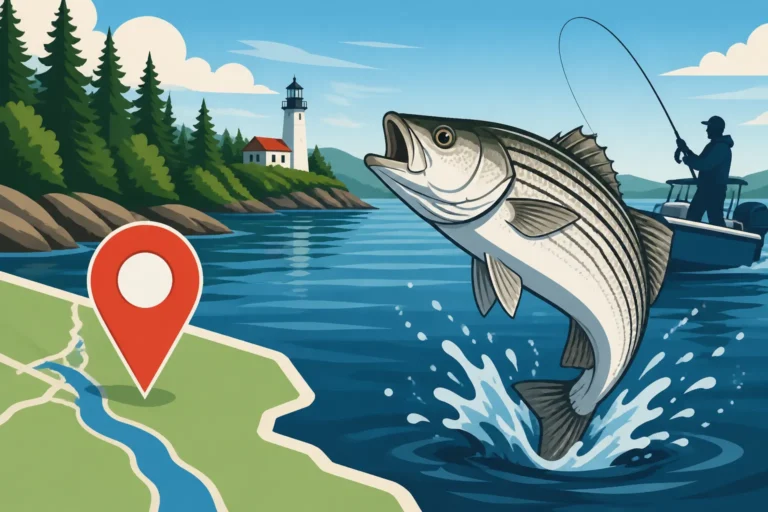
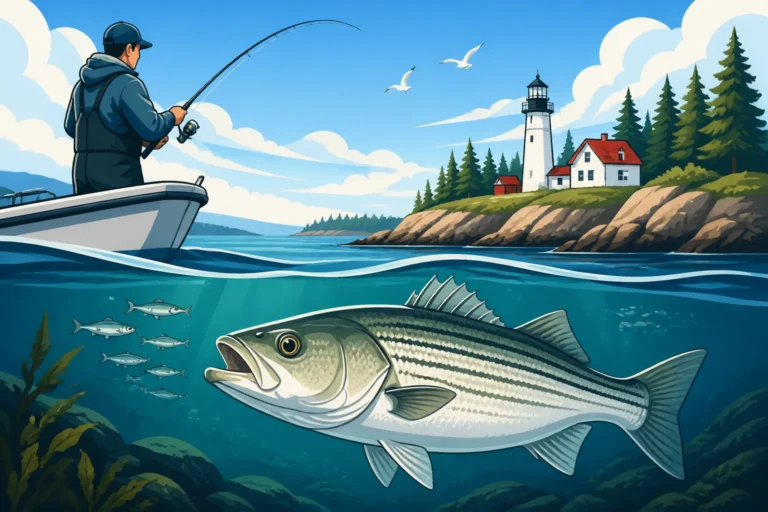
Striped bass migrate into these waters each spring and summer, chasing baitfish like mackerel, herring, and sand eels. Fishing for stripers here is an exhilarating experience, whether you're casting from shore, wading the flats, or trolling from a boat. Popular spots include the eddies around Chops Point, the mouths of tributaries like the Sasanoa River, and the numerous islands and rock piles throughout the lower river. When considering a trip, especially if you're new to the area or targeting a specific species, many anglers find immense value in consulting guides. For instance, platforms like FishingBooker can connect you with experienced captains who specialize in Kennebec River striper fishing, saving you a lot of trial and error on the water. They know the tides, the bait, and where the big ones hide, making your experience much more productive. Be sure to check the Maine Striped Bass Season and Limits before heading out, as these regulations are strictly enforced.
The Penobscot River: A Legacy of Fish and Restoration
The Penobscot River is the longest river entirely within Maine, and its history is deeply intertwined with the state's fishing heritage. For generations, it was famous for its incredible Atlantic salmon runs, a legacy that suffered greatly due to dams and pollution. Today, the Penobscot is a testament to monumental conservation efforts, and while wild Atlantic salmon fishing remains prohibited (they are federally protected), the river now offers exceptional opportunities for other species, especially striped bass and smallmouth bass. Anglers often hear tales of its past glory and wonder if any of that magic remains, sometimes feeling a sense of longing for what once was. Rest assured, the Penobscot still holds plenty of magic.
Lower Penobscot: Stripers Galore
Similar to the Kennebec, the lower tidal section of the Penobscot, from Bangor down to Penobscot Bay, is a prime location for striped bass. This expansive estuary provides a rich feeding ground for migratory stripers throughout the warmer months. The sheer volume of water and the complex network of channels and flats can be daunting for newcomers, making it hard to pinpoint productive areas without local knowledge.
Boat anglers often have the most success, as they can cover more ground and access deeper channels and offshore structure. Trolling with seaworms or lures like tube-and-worm rigs is a classic method, while casting poppers or soft plastics around rocky outcrops and tidal rips can yield explosive topwater action, especially during dawn and dusk. For shore-based anglers, public access points in towns like Bucksport or Verona Island offer opportunities, but timing your efforts with the tides is paramount. The How to Fish for Striped Bass From Shore guide offers excellent tips for making the most of these opportunities. Hiring a guide found through services like FishingBooker can significantly enhance your chances, as they can navigate the complex currents and put you directly on feeding fish. They often have real-time intel on where the baitfish are concentrated, which is half the battle when targeting stripers.
Upper Penobscot and Tributaries: Smallmouth and Trout
Moving upstream into the freshwater sections and its numerous tributaries, the Penobscot opens up to excellent smallmouth bass fishing. These bronze backs thrive in the rocky, current-swept environments of the middle and upper river. Anglers often report a fantastic fight from these feisty fish, making them a popular target for both fly and spin anglers. Targeting smallmouth bass in these larger river systems requires understanding their preferences for structure – look for submerged rocks, ledges, and current breaks.
Furthermore, several of the Penobscot's tributaries, such as the East Branch and West Branch, offer exceptional opportunities for wild brook trout and landlocked salmon. These are quintessential Maine experiences, often requiring a bit more effort to access but delivering incredible solitude and pristine fishing. Fly fishing with dry flies, nymphs, or streamers is highly effective in these clear, cold waters. Always be mindful of specific regulations for these smaller, more fragile ecosystems; checking the Maine Fishing Regulations Explained is a good first step. The health of these wild fish populations is a priority, so practicing Catch and Release Best Practices in Maine is essential here.
The Androscoggin River: Reborn and Thriving
The Androscoggin River, once heavily polluted by industrial discharge, has undergone a remarkable transformation and is now a thriving fishery, especially in its middle and upper reaches. This comeback story is a source of pride for Mainers and offers excellent angling for smallmouth bass and various trout species. Many longtime residents remember a time when fishing the Androscoggin was unthinkable, and this historical baggage can sometimes make new anglers hesitant. However, today's Androscoggin is clean, vibrant, and full of life, a testament to environmental efforts.
Middle Androscoggin: Bass and Brown Trout
From the Rumford area down to Lisbon Falls, the middle section of the Androscoggin is a prime location for smallmouth bass. The river here features a mix of rocky bottom, swift currents, and deeper pools, creating diverse habitats where smallmouth thrive. Anglers often find success casting crankbaits, jigs, and soft plastics into current seams and around submerged structure. The fight of an Androscoggin smallmouth in these currents is something to behold, often described as an incredibly strong and acrobatic battle.
Beyond bass, this section also holds a good population of brown trout, particularly in areas where cooler tributaries feed into the main stem. While not as common as in dedicated trout streams, catching a large brown trout from the Androscoggin can be a pleasant surprise. Fly anglers can find opportunities here, especially during insect hatches or by stripping streamers. Keep an eye out for areas with submerged woody debris or overhanging banks, as these spots often provide cover for larger fish.
Upper Androscoggin and Tributaries: Wild Trout Waters
As you head further upstream, particularly above Rumford and into the more remote sections near the New Hampshire border, the Androscoggin and its feeder streams become prime coldwater habitat. This is where you can find excellent fishing for wild brook trout and some rainbow trout. The pristine nature of these upper reaches offers a truly immersive fishing experience. However, the remote nature means that access can be challenging, often requiring navigating logging roads or hiking into less-traveled spots.
Many anglers view these sections as prime fly-fishing destinations, with numerous riffles, runs, and pools that hold healthy trout populations. Dry fly fishing can be exceptional during hatches, while nymphing and streamer fishing are reliable techniques throughout the season. Remember that smaller streams and tributaries often have unique regulations, so always consult the Maine Fishing Season Dates Guide and local advisories. The solitude and the chance to catch vibrant, wild trout in such a picturesque setting make the effort worthwhile.
The Saco River: A Diverse Southern Maine Fishery
Flowing from the mountains of New Hampshire through southern Maine and eventually emptying into Saco Bay, the Saco River offers a wide array of fishing opportunities. Its journey from headwaters to ocean means it supports different species depending on the section. For many anglers in southern Maine, the Saco is their backyard river, offering convenient access but sometimes presenting the challenge of finding uncrowded spots or knowing which section holds the fish they desire. It's a river that adapts to many fishing styles.
Upper and Middle Saco: Smallmouth Bass and Warmwater Species
In its upper and middle reaches, particularly from Fryeburg down to Saco, the river is primarily a warmwater fishery dominated by smallmouth bass. These sections feature a slower current, numerous bends, and plenty of submerged woody debris and rocky areas that smallmouth love. Anglers can float sections of the river in canoes or kayaks, casting to structure along the banks, or fish from numerous shore access points. Kayak fishing on the Saco River is particularly popular, offering a quiet and effective way to explore its many nooks and crannies.
Beyond smallmouth, you'll also find largemouth bass, pickerel, and various panfish, making it a great destination for family outings or beginners. Live bait, such as worms or shiners, can be very effective, as are a variety of artificial lures like spinnerbaits, soft plastic worms, and topwater frogs fished around lily pads and weed beds. For those new to river fishing, this section of the Saco offers a relatively forgiving environment to hone your skills.
Lower Saco: Tidal Influence and Stripers
As the Saco approaches the coast, particularly below the dams in Saco and Biddeford, it becomes tidal and offers opportunities for striped bass. The estuary and the river mouth are popular spots for both boat and shore anglers targeting these migrating anadromous fish. The dynamics of the tides are crucial here, with incoming and outgoing tides often concentrating baitfish and, consequently, the stripers.
Fishing from beaches at the mouth of the Saco, such as Ferry Beach State Park or Camp Ellis, can be productive, especially around dawn and dusk. Boaters can explore the channels and flats within the estuary. Soft plastics, topwater lures, and cut bait are all effective methods here. While the Saco's striper fishery isn't as vast as the Kennebec or Penobscot, it offers excellent opportunities for those in southern Maine looking for exciting coastal action. Remember that the Maine Fishing License Guide covers all the necessary requirements for both freshwater and tidal fishing in Maine.
Allagash Wilderness Waterway: A Remote Brook Trout Paradise
For those seeking an unparalleled wilderness experience coupled with world-class brook trout fishing, the Allagash Wilderness Waterway is a destination unlike any other. This 92-mile stretch of lakes, ponds, rivers, and streams in northern Maine is managed as a wild, pristine environment, meaning special rules apply and access is limited. Many anglers dream of a true "wilderness fishing trip" but are often daunted by the logistics and the sheer scale of the Allagash. It’s an adventure that requires preparation but promises unforgettable rewards.
Allagash River: Wild Brook Trout and Solitude
The Allagash River itself, flowing through the heart of the waterway, is renowned for its abundant populations of wild brook trout. These fish, vibrant and aggressive, thrive in the cold, clear, oxygenated waters. The solitude here is profound, with minimal development and a true sense of being in the wild. You won't find bustling marinas or roadside diners; instead, you'll discover quiet campsites and the sounds of nature.
Most fishing on the Allagash is done from canoes, allowing anglers to drift silently downstream, casting to prime spots. Fly fishing is the dominant method, with classic Maine patterns like Grey Ghosts, Black Ghosts, and various dry flies proving effective. Spinning with small inline spinners or tiny spoons can also produce excellent results. The experience is not just about the fish; it's about the journey – paddling through pristine forests, spotting wildlife, and camping under star-filled skies. Before embarking on such a trip, it's crucial to understand the Maine Fishing Regulations Explained for this specific region, as they often differ from general state laws, including catch limits and gear restrictions.
Remote Ponds and Tributaries: Trophy Opportunities
Beyond the main stem of the Allagash River, the waterway is dotted with numerous remote ponds and feeder streams that offer even more secluded fishing opportunities, often for larger-than-average brook trout. Accessing these spots often requires portaging your canoe or hiking through dense forest, adding to the adventure. These smaller waters can hold true "trophy" brook trout for those willing to put in the effort.
Fishing these smaller, more intimate waters often means being stealthy and using light tackle. Small dry flies, emergers, and nymphs presented carefully can entice wary trout. The best time to fish these remote areas is often during the spring and fall, when water temperatures are cooler and insect activity is high. A trip to the Allagash is often a multi-day affair, and many anglers choose to hire a Registered Maine Guide to navigate the wilderness, ensure safety, and maximize fishing success. Services like FishingBooker can help you find reputable guides who specialize in Allagash trips, providing invaluable expertise for a truly wild experience.
Rapid River: A Fly Fishing Sanctuary
The Rapid River, connecting Lower Richardson Lake to Umbagog Lake in Western Maine, is arguably one of the state's most famous and revered fly-fishing destinations. It's a relatively short river, but its powerful currents and rocky bottom create ideal habitat for large brook trout and landlocked salmon. Many anglers consider it a rite of passage, knowing its reputation for challenging conditions but also for producing some of Maine's most impressive wild fish. The very name "Rapid River" tells you it's not for the faint of heart, but its allure is undeniable.
Upper Rapid: Large Brook Trout and Landlocked Salmon
The upper section of the Rapid River, particularly the stretches below the dam at the outlet of Lower Richardson Lake, is a stronghold for both wild brook trout and landlocked salmon. This is an area of intense beauty and challenging wading, with strong currents and large boulders dominating the landscape. Anglers often spend hours meticulously working the runs and pools, knowing that each cast could connect them with a fish of a lifetime.
Fly fishing is almost exclusively the method of choice here, with streamers being particularly effective for both species, especially in larger sizes that imitate smelt or sculpins. Nymphing can also be productive in the deeper pools and current seams. The sheer power of these fish in the fast water is legendary, providing an unforgettable fight. Be prepared for potentially strenuous wading and consider using a wading staff for stability. The best time to target these fish is generally spring after ice-out and again in the fall as fish begin to spawn.
Lower Rapid: More Accessible, Still Productive
As the Rapid River continues its descent towards Umbagog Lake, the currents can become slightly less ferocious in certain sections, offering a bit more accessible wading while still holding excellent populations of brook trout and salmon. Access points near Upton provide opportunities to explore these downstream reaches. While the fish might not always reach the same trophy sizes as in the most challenging upper sections, the fishing remains exceptional.
The lower Rapid is still a fly-fishing haven, but careful presentations with smaller nymphs or dry flies can be effective, especially when hatches are occurring. Anglers often find diverse insect life, from various caddis to stoneflies, providing opportunities to "match the hatch." Due to the wild nature of the fish and the pressure they receive, stealth and presentation are paramount. Always check the specific rules for the Rapid River, as it often has special regulations concerning gear, bag limits, and seasons to protect its precious wild fishery. Detailed information, including Maine Fish Bag Limits Guide for unique waters, is often found in the state's fishing law book.
Kennebago River: Premier Fly-Fishing in the Rangeley Region
Nestled in the heart of Maine's renowned Rangeley Lakes region, the Kennebago River stands out as one of the state's premier fly-fishing-only waters. This beautiful river is famous for its abundant populations of wild brook trout and landlocked salmon, drawing dedicated fly anglers from all over. The river has a storied history of conservation and careful management, which means it offers a truly exceptional, often challenging, but immensely rewarding experience. Many consider it a "bucket list" destination for any serious trout and salmon angler.
Upper Kennebago: Wild Trout Stronghold
The upper reaches of the Kennebago River, above the small dam at the mouth of Kennebago Lake, are often considered the wildest and most pristine sections. This area is characterized by a mix of pocket water, riffles, and deeper pools, all set against a backdrop of classic Maine forest. Access can be a bit more challenging, often requiring driving on private logging roads (always respect private property and be aware of active logging operations) or hiking in.
This is where the wild brook trout truly shine, aggressive and eager to take a well-presented fly. Landlocked salmon also hold in these waters, particularly during their spawning runs in the fall. Dry fly fishing can be phenomenal during hatches, with classic patterns like Adams, Caddis, and Hendrickson often being effective. When there are no visible hatches, nymphing with patterns like Prince Nymphs or Hare's Ears, or stripping small streamers, can be incredibly productive. The crystal-clear water demands careful wading and precise casting, but the reward of a vibrant, wild Kennebago trout is worth every effort.
Lower Kennebago: Accessible and Productive
As the Kennebago River flows downstream towards Cupsuptic Lake, it becomes somewhat more accessible, with several designated public access points. While still a fly-fishing-only water, these sections offer slightly gentler currents and more open casting opportunities, making them a bit more approachable for anglers who might not be as accustomed to the tight quarters of the upper river. Despite the easier access, the quality of fishing remains exceptional, with good numbers of both wild brook trout and landlocked salmon.
Anglers often fish these sections by wading or by drifting in small canoes or drift boats. The pools and runs here are excellent for nymphing and streamer fishing, especially during periods of higher water or when fish are holding deeper. In late spring and early summer, some truly spectacular hatches can occur, leading to incredible dry fly action. The Fly Fishing Techniques for Maine Rivers guide can provide valuable insights into specific strategies for waters like the Kennebago. The Rangeley region, including the Kennebago, is well-served by experienced local guides who can navigate the river and put you on fish. Consulting a service like FishingBooker can help you find a knowledgeable guide who can tailor a trip to your experience level and target species, ensuring a memorable day on this iconic Maine river.
Important Considerations for River Fishing in Maine
Fishing Maine's rivers, while incredibly rewarding, comes with its own set of responsibilities and challenges. It’s not just about knowing where to go; it’s about being prepared, understanding the rules, and respecting the environment. Many newcomers, and even seasoned anglers, often overlook the nuances that can make or break a trip, leading to frustration or even legal issues.
Navigating Regulations and Seasons
Maine has a complex and highly specific set of fishing regulations, often varying from one river section to another. Special regulations, such as fly-fishing-only stretches, catch-and-release rules, or unique bag limits, are common on many of the state's premier rivers. Failing to understand these rules can lead to fines or unintentional harm to delicate fish populations. This is why always checking the most current regulations, whether through the Maine Department of Inland Fisheries and Wildlife (MDIFW) website or a physical law book, is absolutely non-negotiable before every trip.
Additionally, fishing seasons for different species vary. For example, while general law might allow year-round fishing in some areas, specific rivers or sections may have defined open and closed periods, especially for species like brook trout and landlocked salmon. Understanding these timelines ensures you’re not only fishing legally but also maximizing your chances during peak activity periods. For comprehensive details, refer to the Maine Fishing Season Dates Guide.
Safety and Preparedness
River fishing, especially in remote or fast-moving waters, demands a high degree of awareness and preparedness. Hypothermia is a real risk in Maine’s cold waters, even in summer, so dressing in layers and having waterproof outerwear is crucial. Wading can be treacherous, with slippery rocks and strong currents posing a fall risk. Always wear appropriate wading boots with good traction, and a wading staff can provide invaluable stability.
Beyond personal safety, be prepared for unexpected situations. Carry a first-aid kit, a map and compass or GPS (and know how to use them, as cell service is often nonexistent in remote areas), extra food and water, and a reliable form of communication like a satellite messenger. Inform someone of your float plan, including where you're going and when you expect to return. In wilderness areas, encounters with wildlife, including moose and bears, are possible, so know how to react appropriately.
Conservation and Ethical Angling
Maine's rivers are a precious resource, and responsible angling plays a vital role in preserving them for future generations. Practicing catch and release, especially for wild populations or species under conservation, is often encouraged or even mandated. Learn proper fish handling techniques to minimize stress and injury to released fish. Using barbless hooks can also significantly reduce harm.
Beyond fish handling, always pack out everything you pack in, leaving no trace of your visit. Respect private property and posted signs, even if access seems convenient. Support conservation efforts and advocate for clean water and healthy habitats. By being a thoughtful and ethical angler, you contribute directly to the health and vitality of Maine's incredible river fisheries, ensuring that the magic continues for years to come.
Table: Overview of Maine's Best Fishing Rivers
| River Name | Primary Fish Species Targeted | Best Time of Year | Key Fishing Techniques | Accessibility (General) | Noteworthy Characteristics |
|---|---|---|---|---|---|
| Kennebec River | Striped Bass, Smallmouth Bass, Trout, Landlocked Salmon | Spring – Fall | Trolling, Casting, Fly Fishing | Varied (easy to moderate) | Diverse sections from tidal estuary to coldwater habitat. |
| Penobscot River | Striped Bass, Smallmouth Bass, Brook Trout, Landlocked Salmon | Spring – Fall | Trolling, Casting, Fly Fishing | Varied (easy to moderate) | Longest river in Maine, major restoration efforts, powerful. |
| Androscoggin River | Smallmouth Bass, Brown Trout, Rainbow Trout, Brook Trout | Spring – Fall | Casting, Fly Fishing, Floating | Varied (easy to moderate) | Remarkable comeback from industrial pollution, diverse. |
| Saco River | Smallmouth Bass, Largemouth Bass, Striped Bass | Spring – Fall | Casting, Floating, Shore Fishing | Easy (especially lower sections) | Southern Maine favorite, good for kayaks and beginners. |
| Allagash Wilderness Waterway | Wild Brook Trout | Spring – Fall | Fly Fishing, Canoeing | Remote (challenging) | Pristine wilderness experience, multi-day canoe trips. |
| Rapid River | Wild Brook Trout, Landlocked Salmon | Spring, Fall | Fly Fishing (special rules) | Remote (challenging wading) | Trophy trout water, powerful currents, specific regulations. |
| Kennebago River | Wild Brook Trout, Landlocked Salmon | Spring, Fall | Fly Fishing (only) | Remote (moderate access) | Premier fly-fishing destination in Rangeley, special rules. |
Disclaimer
The information provided in this guide is for general informational purposes only and is not intended to be legal advice. Fishing regulations in Maine can be complex and change frequently. Always consult the official Maine Department of Inland Fisheries and Wildlife (MDIFW) regulations handbook or website for the most current and specific rules and laws before engaging in any fishing activity. It is the angler's sole responsibility to know and follow all applicable laws and regulations.