Maine Lead Jig Ban Starting September 2026
It’s a tough pill to swallow when the tackle box you’ve carefully curated over years suddenly faces new regulations. For many Maine anglers, the impending changes to lead jig and sinker use can feel like another hurdle to enjoying our beautiful waters. This guide is here to walk you through the specifics of the expanded Maine lead jig ban, set to take effect in September 2026, helping you understand why these changes are happening and, more importantly, how you can smoothly transition to lead-free alternatives without missing a beat on the water.
Understanding the Maine Lead Jig Ban: What Anglers Need to Know
For generations, lead has been a staple in fishing tackle due to its density, affordability, and ease of molding. However, our understanding of its environmental impact has evolved dramatically, leading to necessary shifts in how we approach our beloved pastime. Maine, with its pristine lakes and abundant wildlife, is taking another crucial step to protect its natural heritage.
The Rationale Behind the Ban
The decision to expand the lead tackle ban isn't an arbitrary one; it's rooted deeply in conservation science and a commitment to protecting Maine's iconic wildlife.
Lead is a highly toxic heavy metal, and when small lead jigs and sinkers are lost in freshwater environments, they pose a significant threat. The primary concern in Maine revolves around our loon population. Loons are magnificent birds, often seen gracefully gliding across our freshwater lakes, but they are particularly vulnerable to lead poisoning. They ingest small lead sinkers and jigs accidentally when foraging for pebbles to aid digestion or when consuming fish that have already swallowed lead tackle. The lead then breaks down in their digestive system, leading to severe health issues, neurological damage, and ultimately, a slow and agonizing death. Studies have shown that lead poisoning from fishing tackle is a leading cause of loon mortality in Maine.
But it's not just loons. Other waterfowl, such as ducks and geese, and even raptors like bald eagles, can suffer the same fate. Eagles, for instance, might scavenge on fish or ducks that have ingested lead, leading to secondary poisoning. The state’s focus on protecting these sensitive species, vital indicators of our ecosystem's health, drives these regulations. It’s about ensuring that the beauty and biodiversity that draw so many of us to Maine’s waters will continue to thrive for future generations. These measures are part of a broader commitment to conservation, often discussed alongside topics like Maine Fish Bag Limits Guide and Maine Fishing Season Dates Guide, which all aim to sustain healthy fish populations and ecosystems.
Key Dates and Implementation Details
It's important to mark your calendars and understand the specific changes coming your way. Maine has actually had a partial ban on lead fishing tackle in freshwater since 2017, which prohibited the sale and use of lead sinkers and jigs weighing 1 ounce or less. The upcoming change is a significant expansion of that effort.
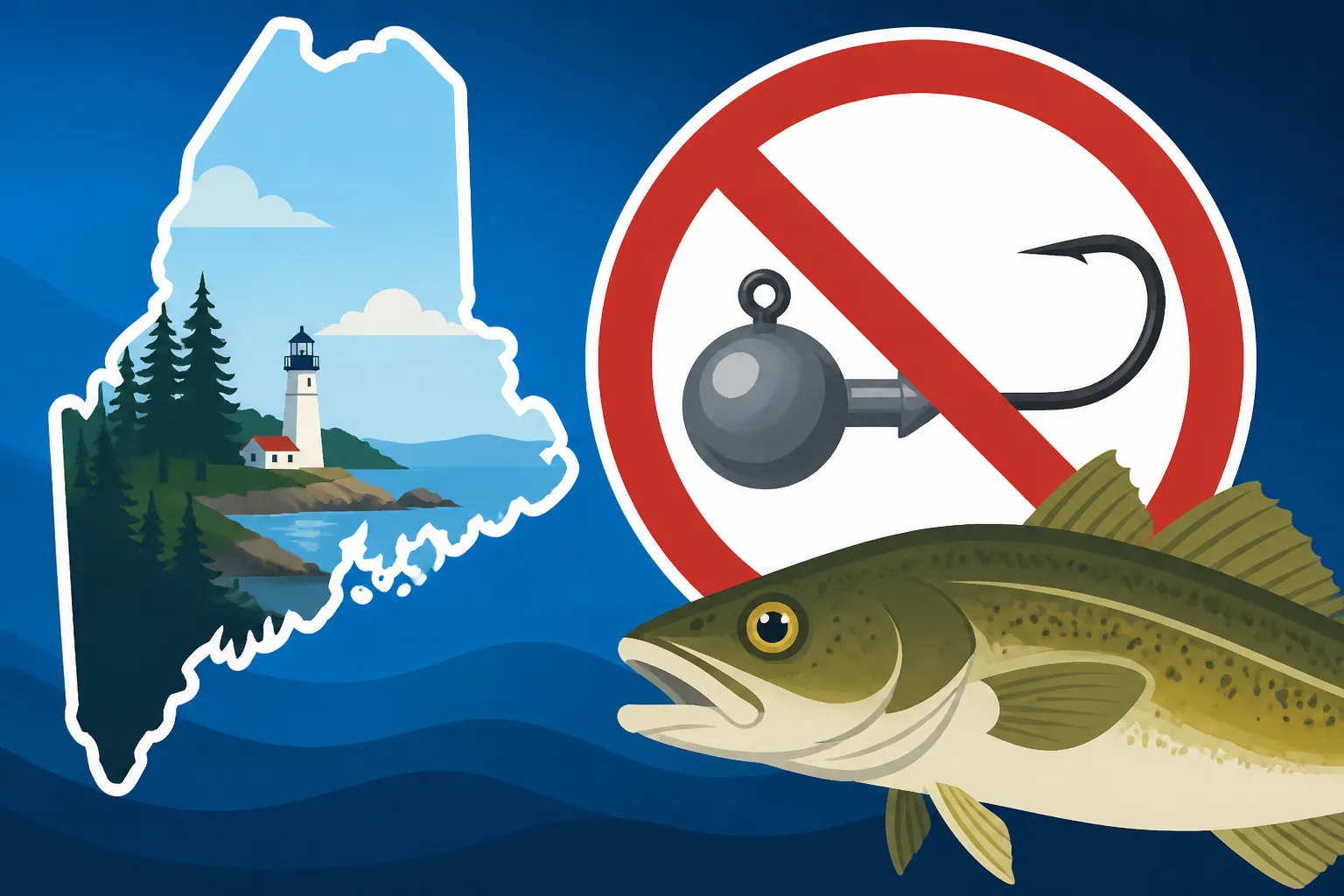
Effective September 1, 2026, the use of any lead fishing sinker or jig, regardless of weight, will be prohibited in Maine’s freshwaters. This means that any lead tackle you might possess, even those larger jigs exceeding 1 ounce, will no longer be legal for freshwater fishing. This is a comprehensive ban designed to eliminate lead from the freshwater ecosystem entirely. For now, this ban specifically targets freshwater fishing; saltwater fishing is not currently impacted by these lead restrictions.
Enforcement of these regulations falls under the purview of the Maine Warden Service, part of the Maine Department of Inland Fisheries and Wildlife (MDIFW). Wardens are responsible for ensuring compliance with all Maine Fishing Regulations Explained. If you are found using prohibited lead tackle, you could face fines, similar to the penalties for other infractions such as What Happens If You Fish in Maine Without a License?. The best approach is always to be prepared and ensure your tackle box is compliant well before the deadline.
Exemptions and Specific Regulations
While the expanded ban is comprehensive for freshwater, it's natural to wonder if there are any specific nuances or exemptions.
As mentioned, the upcoming ban, effective September 1, 2026, applies to all lead fishing sinkers and jigs of any weight used in freshwater. This means there will be no size or weight exemptions for lead tackle in freshwater environments once the new regulation is in full effect. The intent is to remove all potential sources of lead from these sensitive habitats.
One common question arises regarding painted lead jigs. Many anglers use jigs that are painted vibrant colors, and they might wonder if the paint coating somehow negates the "lead" aspect. Unfortunately, for conservation purposes, if the core material is lead, it is considered lead tackle, regardless of any coating. The paint can chip, wear off, or simply not prevent the lead from being ingested or leaching into the environment if lost. Therefore, painted lead jigs are indeed illegal for freshwater use under the expanded ban if they contain lead. The focus is on the material itself, not its outward appearance.
It's crucial for anglers to remember that these rules are dynamic and can sometimes be adjusted based on ecological data and public feedback. Staying informed by checking official MDIFW sources, often linked in guides like Maine Fishing Laws for Beginners, is always recommended. This proactive approach ensures you're always fishing within the legal framework and contributing positively to Maine’s natural environment.
Navigating the Transition: Finding Lead-Free Alternatives
The thought of overhauling your tackle box might seem daunting, especially if you've relied on lead for years. But I promise you, the world of lead-free tackle has evolved wonderfully, offering effective and increasingly affordable alternatives that perform just as well, if not better, than their lead counterparts.
Popular Lead-Free Materials
The good news is that manufacturers have been innovating, and there's a fantastic array of lead-free materials available today. Here are some of the most popular and effective options:
- Tungsten: This is perhaps the most popular and effective lead alternative, especially for jigs. Tungsten is significantly denser than lead, meaning you can have a much smaller profile jig or sinker for the same weight. This translates to a more compact presentation, better sensitivity, and reduced snagging. The downside? It's generally more expensive than lead, but its performance often justifies the cost. You'll find tungsten jigs widely available for both open water and Maine Ice Fishing Techniques Guide.
- Bismuth: Bismuth is another excellent option, offering a density close to lead. It's also non-toxic and more environmentally friendly. Bismuth jigs and sinkers are often a good middle-ground in terms of cost between lead and tungsten, and they cast and sink similarly to lead, making the transition easier for many anglers.
- Steel: Steel is a readily available and very affordable lead-free material. However, it's less dense than lead, so a steel jig or sinker of the same weight will be physically larger than a lead one. This can sometimes affect casting distance or how quickly your bait sinks. Steel is a great option for larger sinkers where size isn't as critical, or for those on a tighter budget.
- Tin: Tin is another lightweight alternative, similar to steel in density. It's non-toxic and often used for jig heads and larger sinkers. Like steel, you might need a larger-sized tin jig to achieve the same weight as a lead one, so adjustments might be needed for presentation.
- Brass: Often found in jig components or some specialized weights, brass offers a good balance of weight and durability. It's denser than steel or tin but not as dense as tungsten or lead. Brass can also add an appealing shimmer or sound to certain lures.
When you're ready to make the switch, you might find a wider selection of lead-free options online, perhaps on platforms like Amazon, or by visiting your local Maine tackle shop. Both sources are excellent for exploring new gear.
Here's a quick comparison of popular materials:
| Material | Density (Relative to Lead) | Cost (Relative to Lead) | Advantages | Disadvantages | Common Uses |
|---|---|---|---|---|---|
| Lead | 1x | Lowest | Heavy, affordable, easy to mold | Toxic, harmful to wildlife | Jigs, sinkers (prohibited in freshwater) |
| Tungsten | 1.7x | Highest | Very dense (smaller profile), sensitive, hard | Expensive, can be brittle | Jigs, drop-shot weights, ice fishing jigs |
| Bismuth | 0.9x | Medium | Non-toxic, good density, softer than tungsten | Can be slightly brittle in thin forms | Jigs, sinkers |
| Steel | 0.7x | Low | Affordable, durable | Less dense (larger size for same weight) | Larger sinkers, some jigs |
| Tin | 0.6x | Low | Non-toxic, corrosion resistant | Less dense (larger size for same weight) | Jigs, sinkers, lure components |
| Brass | 0.8x | Medium | Durable, good weight, often used in components | Not as dense as lead/tungsten | Jig heads, spinnerbait components, weights |
Choosing the Right Lead-Free Jigs and Sinkers
Making the switch means re-evaluating your tackle, but it’s an exciting opportunity to explore new gear. When choosing lead-free jigs and sinkers, consider your target species and fishing style.
- For finesse techniques and small presentations: Tungsten is often king. Its high density allows for very small jigs that sink quickly and offer incredible sensitivity, letting you feel even the most subtle bites. This is particularly beneficial for ice fishing, where a small, heavy jig can make all the difference, or for trout fishing in streams, a topic covered in Fly Selection for Brook Trout.
- For general-purpose jigs and sinkers: Bismuth offers a fantastic balance. It’s denser than steel or tin, providing a good feel and casting performance close to what you're used to with lead, but without the environmental cost. You’ll find bismuth options for everything from bass jigs to general casting weights.
- For larger sinkers or bottom fishing: Steel or tin can be very cost-effective. While they are lighter than lead by volume, for situations where a larger physical size isn't a detriment (like heavy bottom rigs or trolling weights), they perform perfectly well.
Don't be afraid to experiment. Many anglers, myself included, have found that once you adjust, lead-free tackle can enhance your fishing experience. You can find many options at your local sporting goods store or even easily order them online from retailers like Amazon, ensuring you’re ready for the 2026 deadline. When exploring different options, think about how they integrate with your overall setup, including your Best Rods for Maine Lake Trolling or specific methods like those discussed in the Maine Open Water Fishing Techniques Guide.
Adapting Your Fishing Techniques
Yes, switching to different materials might require a slight adjustment to your technique, but it's often minimal and quickly overcome.
- Casting and Presentation: If you switch from a lead jig to a steel or tin jig of the same weight, the lead-free jig will be larger. This larger profile might affect its aerodynamics during casting or its descent rate and action in the water. You might need to adjust your casting power or retrieval speed slightly. Conversely, switching to tungsten might give you a smaller, more compact jig that casts differently or sinks faster, requiring quicker reactions.
- Sensitivity: Tungsten, in particular, is known for its incredible sensitivity. Because it’s harder than lead, vibrations from the bottom or subtle bites transmit more clearly up your line. This can actually be a huge advantage, allowing you to detect more fish.
- Balance and Feel: Different materials have different "feels" on the retrieve. Some anglers prefer the softer feel of lead (which bismuth replicates well), while others appreciate the harder, more distinct feel of tungsten. Give yourself time on the water with your new tackle to get accustomed to these subtle differences.
The key is practice and an open mind. Start with a few lead-free alternatives that closely match the size and weight of your current favorites. You’ll be surprised how quickly you adapt. Many of the fundamental techniques, like those for Jigging Techniques for Togue or specific Maine Bass Fishing Techniques by Season, will remain the same, but the nuances of your tackle will evolve.
Practical Tips for Responsible Anglers
Being a responsible angler goes beyond just following the rules; it's about actively contributing to the health of our fisheries and ecosystems. The lead ban is a big part of that, but there are other ways to ensure you’re making a positive impact.
Disposing of Old Lead Tackle Properly
One of the most crucial aspects of this transition is ensuring that existing lead tackle doesn't become a new environmental hazard. Please, do not simply throw your old lead jigs and sinkers in the trash or, worse, discard them in the water.
- Collection Programs: Check with your local MDIFW regional office or tackle shops. Many communities and conservation groups periodically host lead tackle collection events. These events provide a safe, environmentally sound way to recycle or properly dispose of lead.
- Household Hazardous Waste: In some areas, lead fishing tackle can be dropped off at household hazardous waste facilities. This ensures the lead is handled safely and kept out of landfills and water systems.
- Responsible Storage: If no immediate collection program is available, store your old lead tackle securely in a container, clearly labeled, away from children and pets, until you can dispose of it properly.
Making the effort to properly dispose of lead tackle is just as important as switching to lead-free alternatives. It prevents the problem from simply moving from your tackle box to another part of the environment.
Educating Yourself and Others
The success of the lead ban, and indeed all conservation efforts, relies heavily on informed anglers.
- Stay Informed: Regularly visit the official Maine Department of Inland Fisheries and Wildlife (MDIFW) website. They are the authoritative source for all Maine Fishing Regulations Explained and will provide the most up-to-date information on the lead ban, specific exemptions (if any arise), and upcoming educational resources. They might also offer details on programs like Maine Free Fishing Weekend Rules which are great opportunities to share knowledge with new anglers.
- Share Knowledge Respectfully: When you see another angler using lead tackle (especially after September 2026), approach them with education, not confrontation. Many people simply aren't aware of the risks or the new regulations. A friendly conversation about why the ban is in place and the availability of excellent lead-free alternatives can go a long way. This peer-to-peer education is vital for widespread adoption.
- Join a Community: Consider joining local fishing clubs or conservation organizations. These groups often share valuable information, host workshops, and are proactive in promoting responsible angling practices.
By taking the initiative to understand these changes and spread awareness, you become an ambassador for Maine's natural resources.
Supporting Conservation Efforts
Beyond adhering to the lead ban, there are numerous ways anglers can actively support conservation and ensure the longevity of Maine's incredible fishing opportunities.
- Practice Catch and Release: Where appropriate and regulated, practicing Catch and Release Best Practices in Maine can help sustain fish populations, especially for sensitive species or in waters with special regulations.
- Report Violations: If you witness serious fishing violations, such as poaching or illegal dumping, report them to the Maine Fish and Wildlife Warden Contact Information. This protects our shared resources.
- Clean Up Your Act: Always pack out everything you pack in. Take a moment to pick up any litter you see, even if it’s not yours. Small actions like this make a huge difference.
- Support Conservation Organizations: Consider donating to or volunteering with local and state-level conservation groups that work to protect Maine's waterways and wildlife. Organizations like the Maine Audubon or local watershed councils often lead efforts directly related to protecting loons and other vulnerable species.
- Purchase Licenses and Gear: Your purchase of a Maine Fishing License Guide directly funds the conservation and management efforts of the MDIFW, including habitat restoration, stocking programs, and enforcement. When you buy lead-free tackle from a reputable retailer, whether it's at a local shop or on Amazon, you're supporting manufacturers who are investing in sustainable products.
By embracing these practices, we, as anglers, can ensure that Maine's waters remain healthy, vibrant, and full of life for generations to come.
Disclaimer
The information provided in this guide is intended for general informational purposes only and is subject to change. While we strive to offer accurate and up-to-date content, fishing regulations, laws, and best practices can evolve. Always consult the official Maine Department of Inland Fisheries and Wildlife (MDIFW) website and publications for the most current and legally binding information before engaging in any fishing activities.