How Many Striped Bass Can You Keep in Maine?
Understanding the ins and outs of fishing regulations can feel like navigating a maze, especially when it comes to popular species like striped bass in Maine. It's frustrating when the rules seem to change every other year, leaving you wondering exactly what you can keep and what needs to go back. This comprehensive guide is here to cut through that confusion, giving you the clearest, most up-to-date information on how many striped bass you can legally keep in Maine waters, along with crucial details on size limits and seasons.
Understanding Maine's Striped Bass Regulations
Maine's coastal waters are a haven for striped bass, a truly iconic game fish that draws anglers from all over. However, their popularity also means that their populations need careful management to ensure they thrive for generations to come. This is precisely why we have regulations in place – to balance the thrill of the catch with the vital need for conservation. It’s not just about protecting the fish for tomorrow; it's about preserving a cherished way of life for all of us who love to cast a line in Maine.
The Importance of Conservation and Management
Striped bass, often affectionately called "stripers," are migratory fish that travel up and down the East Coast. Maine marks the northern end of their main summer range, making our waters particularly important for these fish as they feed and bulk up. Over the years, striped bass populations have seen their ups and downs, primarily due to factors like overfishing and environmental changes. To combat these declines and promote recovery, federal and state agencies, including the Maine Department of Marine Resources (DMR), work together to implement strict management plans.
These plans often involve setting specific bag limits, size restrictions (like the famous slot limits), and seasonal closures. The goal is to allow enough fish to reach spawning age and reproduce successfully, ensuring a healthy stock for the future. It means sometimes we have to make sacrifices, like releasing a really big "trophy" fish, but it’s all for the greater good. It's about being responsible stewards of our natural resources, a principle deeply ingrained in the Maine fishing tradition. You can learn more about the broader rules in our comprehensive guide to the Maine Fishing Regulations Explained.
Navigating the Slot Limit System
One of the most talked-about and often confusing aspects of striped bass regulations is the slot limit. Unlike a simple "minimum size" or "maximum size," a slot limit specifies a range of sizes within which you can keep a fish. Any fish smaller than the minimum or larger than the maximum must be released. For striped bass, this system is critical. The idea is to protect the smaller, juvenile fish so they can grow and mature, and equally important, to protect the very largest, most productive breeders (often referred to as "trophy" fish or "cows"). These big fish are crucial for replenishing the population with their abundant eggs.
So, when you hear about a "slot limit," imagine a window: only fish that fit within that window can be kept. Anything outside it, on either side, must be carefully returned to the water. This approach is a cornerstone of sustainable striped bass fishing, designed to foster a robust and resilient population. It asks anglers to be precise with their measurements and mindful of their impact, contributing directly to the species' recovery and long-term health. Understanding the Striped Bass Slot Limit in Maine Explained can help clarify this further.
Seasonal Considerations for Striped Bass
Beyond the daily bag and size limits, it's also crucial to be aware of the specific season for striped bass fishing in Maine. While Maine's open water fishing season generally runs from April to September for freshwater species, saltwater species like striped bass have their own set of rules. The season for striped bass typically aligns with their migratory patterns, opening when they arrive in our coastal waters in the late spring and usually closing in the fall as they migrate south.
It's vital to check the current year's regulations because these dates can shift based on scientific assessments of the fish stock. Fishing for striped bass outside of the designated open season, even if you intend to catch and release, is strictly prohibited and can lead to hefty fines. Always consult the official Maine Department of Marine Resources website or a printed regulation book before heading out. This diligence ensures you're compliant and contributing to the conservation efforts. For a broader overview of when different species are fair game, check out the Maine Fishing Season Dates Guide.
Specific Bag and Size Limits for Striped Bass in Maine
Alright, let's get down to brass tacks – the exact numbers you need to know. The daily bag and size limits for striped bass are among the most important regulations you'll encounter as a saltwater angler in Maine. These limits are subject to change, so always double-check the latest information, but here's the breakdown of what's currently in place.
The Daily Bag Limit Explained
In Maine, as of the most recent regulations, the daily bag limit for striped bass is one (1) fish per person, per day. This means that no matter how many you catch, you are only allowed to keep a single striped bass within a 24-hour period. This is a significant conservation measure, designed to reduce fishing pressure on the population while still allowing anglers to enjoy the reward of taking home a fresh catch.
It's a straightforward rule, but it requires discipline. If you've already kept your one legal striped bass for the day, any subsequent stripers you catch, regardless of their size, must be immediately and carefully released. There’s no swapping out a smaller fish for a bigger one later in the day. Once you've committed to keeping a fish, that's your limit. This adherence is key to the success of the management efforts.
The Exact Slot Limit Dimensions
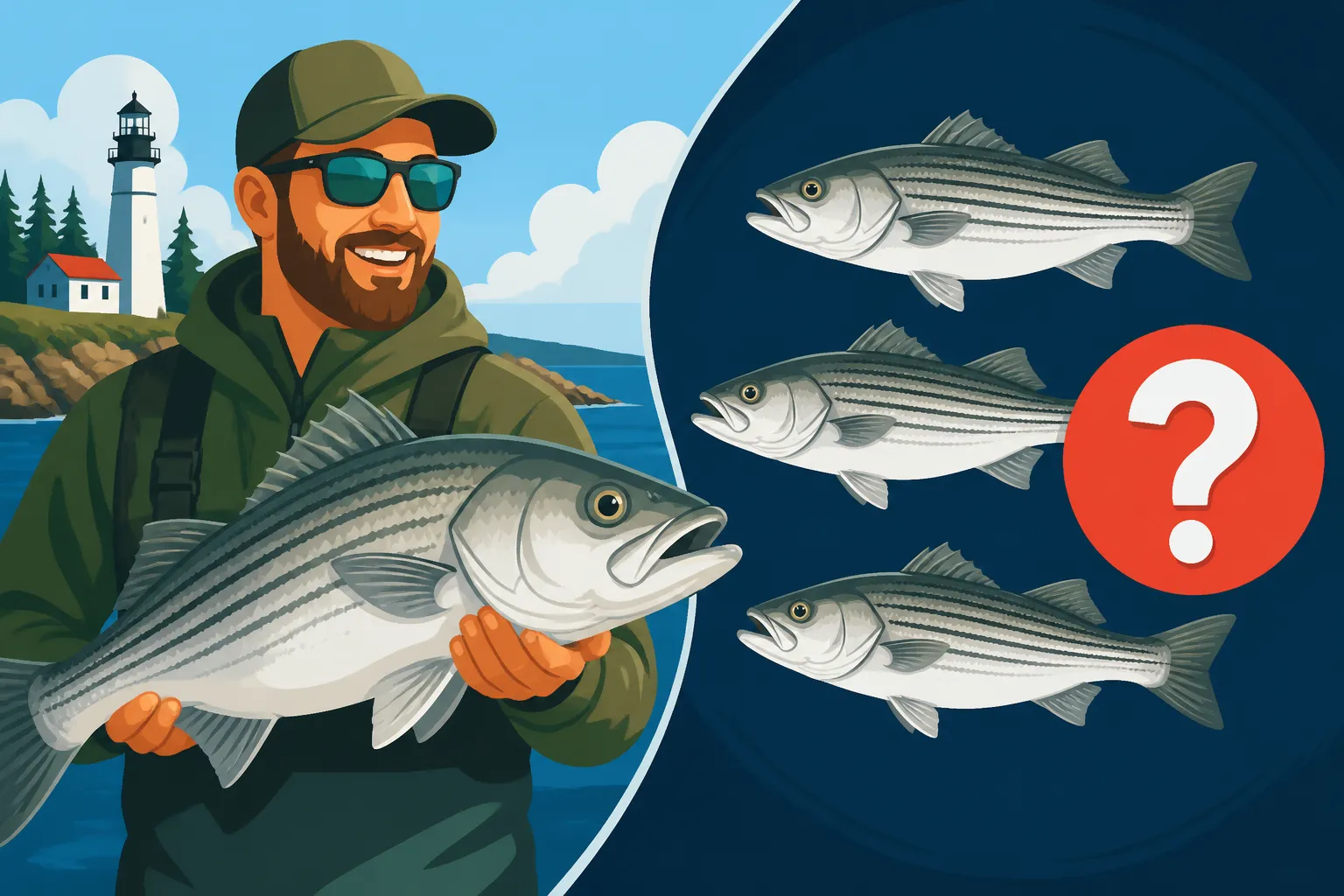
Now for the size restriction, which is a slot limit. The current legal slot limit for striped bass in Maine is 28 inches to 31 inches total length.
What does this mean precisely?
- Minimum Length: The fish must be at least 28 inches long. Any striped bass measuring 27.99 inches or less must be released.
- Maximum Length: The fish must be no more than 31 inches long. Any striped bass measuring 31.01 inches or more must also be released.
So, to keep a striped bass, its length must fall perfectly within that 28-inch to 31-inch window. This slot is meticulously chosen to protect the younger, growing fish and the older, large breeding females, ensuring they can contribute to future generations. This can be tricky, as catching a monster striper over 31 inches is a huge thrill, but knowing you're protecting a vital breeder makes the release a noble act. For a deeper dive into the exact period you can target these fish, consult our guide on Maine Striped Bass Season and Limits.
Here's a quick summary table for clarity:
| Species | Daily Bag Limit | Size Limit (Total Length) |
|---|---|---|
| Striped Bass | 1 fish | 28 inches to 31 inches |
Measuring Your Catch Accurately
Getting an accurate measurement of your striped bass is absolutely critical for compliance with the slot limit. An error of even half an inch can turn a legal catch into an illegal one, leading to fines and potential penalties. Here's how to measure your catch correctly:
- Use a Reliable Measuring Device: A sturdy, flat measuring board is ideal, especially one designed for fish. Soft tape measures can stretch and provide inaccurate readings. Many anglers carry a foldable measuring board that easily fits into a tackle box or boat. You can find excellent options on retailers like Amazon that are specifically designed for saltwater fish.
- Total Length Method: In Maine, striped bass are measured by "total length." This means you measure from the tip of the snout (with the mouth closed) to the very end of the tail (with the tail compressed or squeezed together). Lay the fish flat on its side on your measuring device for the most accurate reading.
- Quick and Gentle Handling: Striped bass are powerful fish, but they are also susceptible to stress, especially if they are going to be released. Handle them as little as possible. If you need to measure, do it quickly and gently. Keep the fish wet if possible, and avoid laying it on hot, dry surfaces.
- Confirm Before Keeping: Before you decide to keep a fish, measure it twice if you're unsure. If it's even slightly outside the 28-31 inch slot, or if you're in doubt, always err on the side of caution and release it. Remember, these regulations are in place for a reason, and respecting them is part of being a responsible angler.
Remember, if you're not sure, releasing the fish is always the safest and most conservation-minded choice. What happens if you fail to comply? Find out more about What Happens If You Fish in Maine Without a License?.
Essential Gear and Practices for Maine Striped Bass Anglers
Fishing for striped bass in Maine is an exhilarating experience, but having the right gear and adopting responsible fishing practices can make all the difference. It's not just about catching fish; it's about enjoying the process, respecting the environment, and ensuring the health of the fishery.
Recommended Tackle and Lures for Stripers
To successfully target striped bass, you'll want to be prepared with appropriate tackle. Stripers are strong fighters, so your gear needs to be up to the task.
- Rods and Reels: A medium-heavy spinning or baitcasting rod, typically 7 to 9 feet long, paired with a robust reel capable of holding 200-300 yards of 20-40 lb braided line, is a good starting point. Brands like Penn, Shimano, and Daiwa offer excellent options for saltwater applications. You can often find great deals on these reputable brands through online marketplaces like Amazon, especially during off-season sales.
- Line: Braided line is highly recommended due to its strength, sensitivity, and thinner diameter, allowing for longer casts. A fluorocarbon leader (20-50 lb test, 2-4 feet long) should be tied to your main line to provide abrasion resistance and make your presentation more stealthy.
- Lures: Striped bass are opportunistic feeders and respond well to a variety of lures.
- Plugs: Topwater plugs (like poppers or walk-the-dog lures) are incredibly exciting during low light conditions or when stripers are actively feeding on the surface. Subsurface swimming plugs (like minnow imitations or lipped swimmers) are effective when fish are slightly deeper.
- Soft Plastics: Large paddle-tail swimbaits, jerk shads, or soft plastic stickbaits rigged on jig heads are highly versatile and often irresistible to stripers. They mimic the baitfish that stripers feed on, such as mackerel and herring.
- Jigs: Bucktail jigs are classic striper lures, especially when tipped with a piece of clam or a soft plastic trailer. Lead jigs can also be effective, but be aware of the upcoming Maine Lead Jig Fishing Ban which starts in September 2026 for certain sizes. It’s always good to check regulations.
- Live Bait: If using live bait, mackerel, menhaden (pogies), or eels are perennial favorites. However, check local regulations on baitfish possession and use.
The key is to match your lure size and presentation to the baitfish that the stripers are currently feeding on, a technique known as "matching the hatch" in saltwater. Finding the Best Lures for Striped Bass in Maine can really up your game.
Best Practices for Catch and Release
Since you're only allowed to keep one striped bass within a very specific slot, catch and release becomes a huge part of responsible striper fishing. Proper handling is essential to ensure released fish survive and thrive.
- Minimize Fight Time: Use appropriate tackle that can bring the fish in relatively quickly. A prolonged fight can exhaust a fish, making it less likely to survive release.
- Keep the Fish in the Water: If possible, keep the fish in the water while unhooking it. Avoid dragging it onto hot sand, rocks, or boat decks.
- Handle With Care: If you must lift the fish out of the water, support its body horizontally with two hands – one under the belly and one near the tail. Avoid holding it vertically by the jaw or tail alone, which can damage its internal organs or spine.
- Use Barbless Hooks or De-barb Hooks: Barbless hooks make it much easier and quicker to remove the hook, minimizing trauma to the fish. You can easily de-barb a standard hook by crushing the barb with pliers.
- Use Pliers or a De-hooker: Keep a good pair of long-nosed pliers or a de-hooking tool handy to quickly remove hooks, especially if the fish has swallowed the hook.
- Revive the Fish: If a fish seems sluggish after being caught, gently hold it in the water, facing into the current, allowing water to flow over its gills until it regains its strength and swims away on its own.
- Avoid Touching Gills or Eyes: These are extremely sensitive areas and can be easily damaged.
By following these practices, you play a direct role in maintaining healthy striped bass populations in Maine. If you're interested in learning more about how to release fish effectively, our guide on Catch and Release Best Practices in Maine provides excellent details.
Where to Find the Latest Regulations
As emphasized throughout this guide, fishing regulations, especially for migratory species like striped bass, can change. Sometimes these changes happen annually, and sometimes even mid-season if significant issues arise. Relying on outdated information can lead to unintentional violations.
To ensure you always have the most current and accurate information, here are the best resources:
- Maine Department of Marine Resources (DMR) Website: This is the official source. Their website is regularly updated with the latest regulations, advisories, and news regarding saltwater fishing. You can typically find a dedicated section for recreational fishing rules.
- Printed Regulation Books: Many tackle shops, sporting goods stores (like Kittery Trading Post or L.L.Bean), and even some general stores that sell fishing licenses will have free copies of the current year's fishing law book. Always grab one when you renew your license or embark on your first trip of the season.
- Local Tackle Shops: The folks who run your local bait and tackle shops are often the best informal resource. They deal with these regulations daily and can offer practical advice and updates specific to your fishing area.
- Maine Marine Patrol: If you have a specific question that isn't clearly answered, you can contact the Maine Marine Patrol directly. They are there to help anglers understand and comply with the rules.
Always remember that possessing a current Maine Fishing License Guide and understanding its contents is your responsibility as an angler. Even if you're fishing from a pier, you might need to consider the Maine Saltwater Fishing Registry Guide requirements. Stay informed, stay compliant, and enjoy your time chasing those magnificent striped bass!
Disclaimer
Please be aware that fishing regulations, including bag limits, size restrictions, and seasons, are subject to change. While every effort has been made to provide accurate and up-to-date information in this guide, it should not be considered the sole authority. It is the angler's responsibility to consult the most current official regulations published by the Maine Department of Marine Resources (DMR) before engaging in any fishing activity. Always refer to the official state resources for the definitive and latest rules.