Maine Bass Limit in the North Zone
Let's be honest, trying to figure out Maine's fishing regulations can sometimes feel like you need a law degree and a decoder ring, especially when you start diving into specific zones and species. It's not just a simple "one size fits all" rule across the entire state, and bass limits in the North Zone are a perfect example of where things can get a little murky. This guide is here to clear up that confusion, specifically addressing the bass limits you'll encounter in Maine's vast North Zone, so you can fish with confidence and stay on the right side of the law.
Deciphering Maine's Fishing Zones and General Law
Maine is a massive state, and its diverse ecosystems mean that what works for managing fish populations in the warmer southern lakes might not be suitable for the colder, more remote waters up north. That's why the state is divided into distinct fishing zones, each with its own set of rules and considerations. The frustration often comes when you assume a general statewide rule applies everywhere, only to find out you're in a "special regulation" area.
Understanding the North Zone vs. South Zone Divide
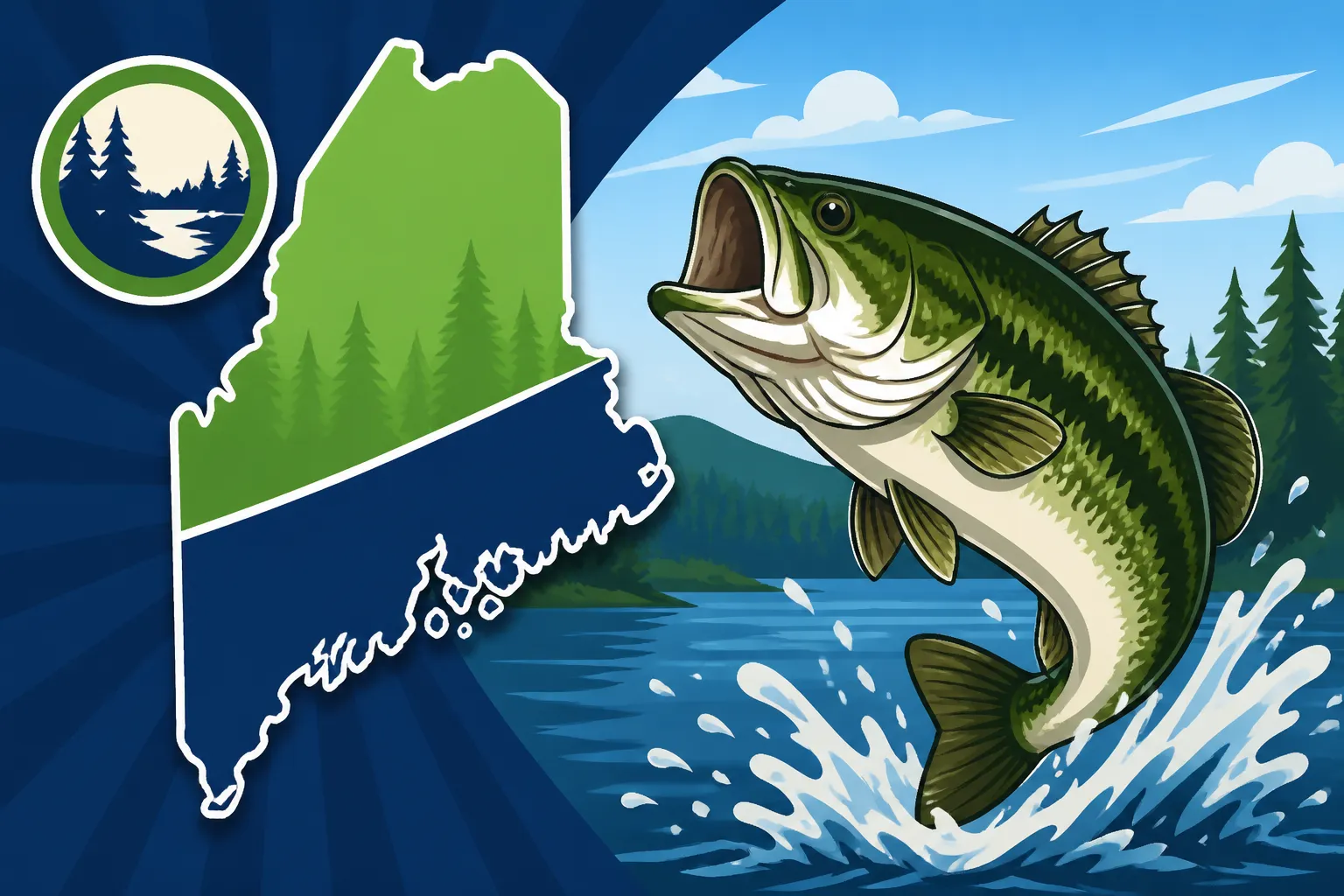
The distinction between Maine's North Zone and South Zone isn't just an arbitrary line on a map; it's rooted in the very nature of our waterways and the fish that call them home. Essentially, the North Zone covers the vast, wilder expanse of Maine, stretching roughly from the Moosehead Lake region northwards. This area is characterized by colder water temperatures, more remote access, and a stronger emphasis on protecting native species like brook trout and landlocked salmon. Historically, these waters weren't considered prime bass habitat, but bass have certainly expanded their range.
The South Zone, on the other hand, encompasses the more densely populated southern and coastal regions, where waters generally run warmer and are more conducive to thriving bass populations. Because of these ecological differences, the Maine Department of Inland Fisheries and Wildlife (MDIFW) has crafted regulations designed to manage each zone appropriately, ensuring sustainable fishing for all species. This fundamental difference is key to understanding why bass limits might vary so much across the state, and if you want a complete picture, it's worth checking out our full guide on the Maine North Zone vs South Zone Fishing Rules.
General Law for Bass in the North Zone
Now, let's talk brass tacks about bass in the North Zone. Under Maine's general law, which applies to any body of water unless otherwise specified, the regulations for both Smallmouth Bass and Largemouth Bass in the North Zone are actually quite straightforward. Ready for it?
The general law for bass in the North Zone states:
- Daily Bag Limit: 2 fish
- Size Limit: No size limit
That's right, under general law, you can keep two bass of any size per day. This might come as a surprise to some anglers who expect stricter rules in the North Zone, given its reputation for protecting native species. However, here's where the plot thickens and where most of the confusion arises: very few popular bass fishing waters in the North Zone actually fall under this general law for bass. Almost all significant lakes, rivers, and even many ponds will have their own "special regulations" that supersede this general rule.
It's an important distinction because if you're fishing a small, unnamed pond that isn't listed in the regulations book, the general law would apply. But for any well-known fishing spot, you must consult the special regulations. This is a common frustration for anglers – thinking they know the rules, only to discover a specific body of water has a completely different set of requirements. Knowing the Maine Bass Fishing Limits by Zone is essential for any angler, but the North Zone adds an extra layer of diligence.
The Crucial Role of Special Regulations in the North Zone
You heard it here first: while there's a "general law" for bass in the North Zone, it's rarely the final word. The vast majority of Maine's prominent fishing waters, especially those in the North Zone, are subject to special regulations that modify or completely replace the general statewide rules. This isn't meant to make things harder; it's a critical tool for MDIFW to manage specific fisheries, protect vulnerable populations, or enhance fishing opportunities in particular areas.
Why General Law Isn't Always the Whole Story
Imagine you're heading up to a lake in the North Zone, excited about some bass fishing. You remember the general law: "2 fish, no size limit." You catch a couple of nice smallmouths, measure them quickly, and decide to keep them. Then, a game warden checks you, and you find out that particular lake has a "1 fish, 12-16 inch slot limit, only one over 16 inches" rule, or even "catch and release only" for bass. Suddenly, your exciting day turns into a costly lesson.
This scenario plays out more often than you might think. The MDIFW uses special regulations to fine-tune management for individual water bodies. For instance, a lake with a particularly strong population of native brook trout might have very strict bass regulations, even catch-and-release, to prevent competition with the trout. Conversely, a large reservoir where bass are thriving and perhaps even overpopulated might have more liberal special regulations to encourage harvest. Understanding Maine Fishing Regulations Explained means knowing where to look for these special rules.
The main takeaway here is: never assume general law applies to your chosen fishing spot in the North Zone. Always, always, always check the specific regulations for that particular lake, pond, or river before you wet a line. It's the only way to avoid fines and ensure you're fishing responsibly.
Navigating the MDIFW Open Water Fishing Regulations Book
So, how do you find these elusive special regulations? The good news is that MDIFW makes this information readily available, though it does require a bit of diligent reading. Your primary resource will be the current year's Maine Open Water Fishing Regulations book.
You can usually find a physical copy of this book at most sporting goods stores, bait shops, and even some town offices across Maine. For ultimate convenience, you can also often find the latest version available online on the MDIFW website, or you might even snag a physical copy from retailers like Amazon if you prefer a tangible reference to keep in your tackle box or camp. Some anglers even download the PDF to their phones or tablets, making it easily searchable on the go.
Here's how you generally use it:
- Look up your specific water body: The book is organized alphabetically by county, then by water body name. This is where you'll find if your chosen lake, pond, or river has any rules that differ from the general law.
- Pay close attention to all species: Not just bass. Some waters might have specific rules for bass, while others have unique regulations for trout, salmon, or even perch.
- Note the dates: Some special regulations are seasonal, so be mindful of when certain rules are in effect.
- Understand the symbols: The book uses a system of symbols and abbreviations to denote various restrictions (e.g., "S-7" for a specific bag limit on salmon, or "TR" for trout, "BA" for bass). Familiarize yourself with these.
For instance, if you're planning a trip to the Allagash Wilderness Waterway, you'd look up the specific sections for the Allagash River or its connected lakes, and you'd likely find very specific regulations designed to protect the wild resources there. You might find a "catch and release only" rule for bass or a reduced bag limit, regardless of the general North Zone rule. This process of looking up individual water bodies is crucial, and it's covered in more detail in our guide on How to Find Maine Fishing Regulations for a Specific Lake.
Practical Examples of North Zone Bass Limits in Action
Let's move beyond the theory and look at some real-world scenarios you might encounter when fishing for bass in the Maine North Zone. This will help illustrate just how varied the regulations can be and why checking the rulebook for every single water body is paramount.
Hypothetical Scenarios for Common North Zone Waters
Imagine you're planning a fishing trip to a few different spots in the North Zone. Here's how the bass limits might play out:
-
Scenario 1: A Small, Remote, Unlisted Pond in Aroostook County.
- You hike deep into the woods and find a beautiful, unnamed pond that isn't listed in the MDIFW regulations book. Because it's not specifically listed, the General Law for the North Zone applies.
- Bass Limit: 2 fish per day, no size limit.
- Reality Check: While this might seem like a golden ticket, these remote ponds are often more known for brook trout and might not even hold significant bass populations. Always consider the primary species of the water you're fishing.
-
Scenario 2: Moosehead Lake.
- As one of Maine's largest and most famous lakes, Moosehead Lake definitely has its own special regulations. A quick check in the regulations book for "Moosehead Lake" (which spans both North and South Zone lines, but largely operates under North Zone rules for specific species) would show specific rules that override general law.
- Bass Limit (hypothetical, always check current regs): 1 fish, 12-16 inch slot limit, only one over 16 inches. Or, potentially "catch and release only" for bass to protect native char populations.
- Angler's takeaway: If you're heading to a renowned spot like Moosehead, you know for sure that you need to refer to its specific entry. This is a classic example of why the Maine Fishing License Guide stresses understanding local rules.
-
Scenario 3: Sections of the Penobscot River in the North Zone.
- Many rivers, especially those with significant salmon restoration efforts like parts of the Penobscot, will have very specific rules. You might find that bass fishing is allowed, but with heavily restricted harvest.
- Bass Limit (hypothetical, always check current regs): Catch and release only, artificial lures only.
- Conservation note: These types of regulations are often in place to protect sensitive ecosystems or migrating species, reinforcing the idea that every water body is managed uniquely. For more on river fishing, look at Penobscot River Fishing Guide.
These examples illustrate that the "2 fish, no size limit" general law for bass in the North Zone is more of a baseline, a fallback for unlisted waters. For any water you specifically target, those special regulations are king.
Daily Bag Limits and Size Restrictions
Let's break down what those special regulations for bass in the North Zone typically entail, focusing on the kinds of daily bag limits and size restrictions you might encounter. This is where the intricacies of Maine Fish Bag Limits Guide become vital.
Maine uses a few common types of regulations for bass, especially in the North Zone:
- Reduced Daily Bag Limits: Instead of the general law's 2 fish, you might see a limit of 1 bass per day. This is common in waters where bass populations are present but not overly abundant, or where management aims to reduce pressure on the fishery.
- Slot Limits: This is a very common and effective management tool. A slot limit means you can only keep fish within a certain size range, and fish below or above that slot must be released. For example, a "12-16 inch slot limit" means you can only keep bass that measure between 12 and 16 inches long. Any bass shorter than 12 inches or longer than 16 inches must be immediately released. This protects both juvenile fish (allowing them to grow) and large breeding adults (ensuring they can reproduce). Often, there's also a rule about how many fish over the slot limit you can keep, if any (e.g., "only one fish over 16 inches").
- Minimum Length Limits: Less common for bass in the North Zone than slot limits, but some waters might have a simple "no bass under 12 inches" rule.
- Catch and Release Only: This is the most restrictive and indicates that bass in that specific water body are considered particularly valuable for ecological balance or are perhaps part of a fragile ecosystem. You can fish for them, but you must release every single one immediately and unharmed.
When you're out on the water, having a reliable measuring board or ruler is absolutely essential. Many anglers keep one affixed to their boat or tackle box. You can find excellent, durable options made for fishing on Amazon, ensuring you can accurately measure your catch to comply with any size restrictions. It’s also wise to have a good pair of pliers or a de-hooking tool to ensure a quick and safe release for any fish that don’t meet the legal requirements or that you choose to let go.
Table: General Law Bass Limits in Maine's Fishing Zones
| Zone | Species | Daily Bag Limit (General Law) | Size Limit (General Law) | Common Special Regulation Examples |
|---|---|---|---|---|
| North Zone | Smallmouth Bass | 2 fish | No size limit | 1 fish, 12-16" slot; Catch & Release Only; 1 fish over 16" |
| Largemouth Bass | 2 fish | No size limit | 1 fish, 12-16" slot; Catch & Release Only; 1 fish over 16" | |
| South Zone | Smallmouth Bass | 5 fish | 10-16" slot limit, only 1 over 16" | Catch & Release Only (some waters); No size/bag limits (some waters) |
| Largemouth Bass | 5 fish | 10-16" slot limit, only 1 over 16" | Catch & Release Only (some waters); No size/bag limits (some waters) |
Note: This table reflects General Law and common types of Special Regulations. Always consult the current MDIFW Open Water Fishing Regulations book for specific water body rules.
As you can see, the South Zone general law is already a slot limit, while the North Zone's general law is more liberal, unless a specific water has a special rule. This nuanced approach is why reading the regulations for each specific lake, river, or pond is paramount, especially when targeting Smallmouth Bass Fishing in Maine or Largemouth Bass Fishing in Maine.
Responsible Angling Beyond the Limits
Complying with the legal limits is the bare minimum for any responsible angler. But true stewardship of Maine's precious fisheries goes far beyond just counting fish and measuring them. Especially in the sensitive ecosystems of the North Zone, practicing ethical angling techniques ensures that future generations can enjoy the same incredible fishing experiences we do.
Best Practices for Catch and Release
Even if a water body allows you to keep bass, many anglers in the North Zone opt for catch-and-release, particularly for larger fish. Bass, especially smallmouths, can be incredible fighters, and releasing them to fight another day is a rewarding experience. When you're dealing with slot limits or catch-and-release only waters, your handling of the fish becomes critical to its survival.
Here are some best practices for catch and release:
- Minimize Fight Time: Bring the fish in as quickly as possible without "horsing" it. Prolonged fights can exhaust a fish, making it harder for it to recover.
- Handle with Care: Wet your hands before touching the fish. Dry hands can remove the protective slime layer, making the fish susceptible to disease. Avoid gripping the fish by its eyes or gills. For bass, a firm grip on the lower jaw (without crushing) is usually safe, or support its belly with your other hand.
- Use Barbless Hooks (if possible): Barbless hooks, or hooks with crushed barbs, are much easier to remove, causing less damage to the fish's mouth. Even if not required, it's a great habit to adopt for catch-and-release.
- Prompt Hook Removal: Have your pliers or de-hooking tool ready. If the fish is deeply hooked, especially in the gills, it's often best to cut the line as close to the hook as possible rather than tearing the fish trying to retrieve it.
- Keep Fish in Water: Try to keep the fish in the water as much as possible, especially during warm weather. If you must remove it for a quick photo, do so quickly and return it to the water immediately.
- Revive Gently: If a fish seems sluggish, hold it upright in the water, facing into a gentle current (if available), and gently move it back and forth to push water over its gills. Release it only when it can swim away under its own power.
- Measure Accurately: If you're using a measuring board for compliance or just curiosity, ensure it's wet and the process is quick and smooth. Again, durable measuring boards and scales are easily found on Amazon and are a worthwhile investment for any responsible angler.
These practices aren't just for bass; they apply to all species you might catch, particularly the native coldwater fish that are often the primary focus of North Zone management. Our article on Catch and Release Best Practices in Maine delves deeper into these techniques.
Protecting Maine's Bass Fisheries
Beyond the individual act of catch and release, protecting Maine's bass fisheries, especially in the North Zone, involves a broader commitment to sustainable fishing and conservation. The MDIFW works tirelessly to manage these resources, but they rely on anglers to be their eyes and ears on the water.
- Follow All Regulations: This seems obvious, but it's the foundation. Not just bag and size limits, but also tackle restrictions (e.g., artificial lures only, lead tackle bans where applicable like the Maine Lead Jig Fishing Ban), fishing season dates (check Maine Fishing Season Dates Guide), and any other special rules. Ignorance of the law is never an excuse.
- Prevent Invasive Species Spread: Bass themselves can sometimes be considered an invasive species in sensitive trout and salmon waters. Always clean, drain, and dry your boat, waders, and fishing gear when moving between water bodies. This prevents the spread of unwanted plants, fish, and organisms that can devastate local ecosystems.
- Report Violations: If you witness someone violating fishing regulations, report it to a Maine Fish and Wildlife Warden. This isn't "snitching"; it's protecting a shared resource. The MDIFW has systems in place for reporting poaching or other illegal activities, which helps wardens enforce the rules and protect fish populations.
- Support Conservation Efforts: Consider purchasing a Combination Hunting and Fishing License Options or supporting organizations dedicated to habitat preservation and responsible fishing practices in Maine. Every little bit helps.
Fishing in Maine's North Zone offers some truly wild and rewarding experiences. By understanding and respecting the specific bass limits and practicing responsible angling, you're not just ensuring a good day on the water for yourself, but you're also contributing to the health and longevity of these incredible fisheries for everyone.
Disclaimer
Please remember that fishing regulations are subject to change. While this guide aims to provide accurate and up-to-date information, it is your responsibility to consult the current year's official Maine Open Water Fishing Regulations book published by the Maine Department of Inland Fisheries and Wildlife (MDIFW) before engaging in any fishing activity. This guide is for informational purposes only and should not be considered a substitute for the official regulations.