Can You Fly In to a Remote Maine Fishing Camp?
The thought of truly escaping the everyday hustle, leaving behind crowded boat ramps and familiar fishing holes, often leads anglers to dream of Maine's deepest wilderness. But when you picture those pristine, untouched waters brimming with native fish, a big question often pops up: how in the world do you even get there? For many, the answer lies in the exhilarating, distinctly Mainer experience of flying in to a remote fishing camp, and this guide is here to walk you through what that unforgettable adventure looks like.
The Allure of Remote Maine Fishing Camps: A True Wilderness Escape
There's something incredibly powerful about the idea of dropping off the grid, even if just for a few days. The sheer frustration of arriving at a popular lake only to find a dozen other boats already working your favorite coves, or the disheartening sight of trash left behind by less considerate anglers – these experiences can really dull the shine of a fishing trip. That's precisely why the remote fishing camp, accessible only by floatplane or a very long, arduous trek, holds such a strong appeal. It promises solitude, pristine environments, and an opportunity to connect with nature on a level that's increasingly rare.
Imagine waking up to the call of a loon across a glassy lake, the only sound for miles. Your morning coffee is sipped while watching a mist rise from the water, revealing a shoreline untouched by development. These aren't just dreams; they are the daily reality at Maine's fly-in camps. This isn't just about catching fish; it's about the entire experience of being immersed in a wild landscape, where the fishing is often just the incredible bonus. It's about finding that genuine tranquility that only comes from true isolation.
The feeling of being the only human soul on a vast body of water, knowing that the only way in or out is the small bush plane that dropped you off, creates a profound sense of peace and adventure. It’s an experience that really makes you appreciate the vast, untamed beauty that Maine still has to offer, and it’s a far cry from the usual weekend fishing trip you might take closer to home.
What Makes a Camp "Remote"? Defining the Unreachable
When we talk about "remote" in the context of Maine fishing camps, we're not just talking about a camp that's a few miles down a dirt road. We're talking about locations that are truly off the beaten path, often in the vast North Woods, where road access is either nonexistent or requires navigating unmaintained logging roads for hours on end, usually with a sturdy 4×4 and a willingness to brave rough conditions. For many of these camps, a floatplane isn't just a convenient option; it's the only practical way to get there with your gear and supplies.
These camps are typically nestled deep within Maine's sprawling forests, sometimes bordering vast wilderness areas like the Allagash Wilderness Waterway. They are often historic operations, passed down through generations, specifically built to cater to anglers and hunters seeking a genuine wilderness experience. The lack of easy road access protects these areas, preserving the wild character of the land and the quality of the fishing. This protection is precisely what makes them so special and worth the extra effort to reach.
The definition also extends to the feeling once you arrive. You won't find cell service, Wi-Fi, or even electricity beyond what a generator might provide for a few hours in the evening. This forced disconnect from modern amenities is part of the charm for many, allowing them to truly unplug and focus on the experience at hand. It's about embracing a simpler, more rugged way of life, even if only for a short time.
The Types of Fish You Might Find in These Pristine Waters
One of the biggest draws of these remote fly-in locations is the quality and abundance of fish, especially native cold-water species that thrive in undisturbed environments. You’re typically looking at waters with healthy populations of brook trout, landlocked salmon, and lake trout (which Mainers fondly call togue). These fish often grow larger and are more vibrant in these untouched ecosystems, where fishing pressure is minimal and their natural food sources are plentiful.
Imagine casting into a secluded pond known for its hefty native brook trout, fish with vibrant colors that tell a story of wild genetics and clean, cold water. These aren't your average stockers; they are truly magnificent specimens. Similarly, the deep, clear lakes might hold robust populations of landlocked salmon, known for their acrobatic fights, or powerful togue lurking in the cooler depths, offering a thrilling challenge on lighter tackle. These waters are often managed as "special regulation" waters, further protecting the populations. You can learn more about specific rules in our Maine Fishing Regulations Explained guide.
Beyond these prized species, you might also encounter wild populations of white perch, yellow perch, and chain pickerel, adding variety to your catch. The beauty of these remote spots is that the fish aren't just plentiful; they're often less wary due to limited human interaction, making for some truly memorable fishing experiences that are hard to replicate anywhere else.
The Logistics of Flying In: It's More Than Just a Flight
Okay, so the idea of a remote fly-in camp sounds fantastic, right? But how does it actually work? It's not like booking a regular commercial flight. There's a specific set of logistics involved that makes this kind of trip unique and requires careful planning. You're essentially hiring a small aircraft to act as your wilderness taxi, and that comes with its own set of considerations, from weight limits to coordination with your chosen camp.
First and foremost, you'll need to recognize that this is a specialized service. Bush pilots are highly skilled individuals, intimately familiar with the Maine wilderness and the nuances of landing a floatplane on remote lakes. They operate on schedules that are often dictated by weather, light, and the needs of multiple clients. Patience and flexibility are key when dealing with bush plane logistics; Mother Nature always has the final say.
Understanding the "how" of this journey is crucial to making your dream trip a reality. It involves more than just showing up at an airstrip; it's about coordinating several moving parts, from your ground transportation to the camp itself, all while keeping safety and efficiency in mind. It's an adventure from the moment you start planning.
Finding Your Bush Plane Charter: The Wilderness Connection
Your first step in flying into a remote Maine fishing camp is usually finding a reputable bush plane charter service. These operators are the lifeline to the backcountry, specializing in transporting people and supplies to lodges, camps, and remote ponds that are otherwise inaccessible. They're often based in towns that serve as gateways to the North Woods, like Greenville on Moosehead Lake, or around the Rangeley Lakes region.
Many remote camps have established relationships with specific air services, so your best bet is often to ask the camp directly who they recommend or work with. This ensures seamless coordination for pickup and drop-off, as the pilot will already be familiar with the camp's specific landing zones and protocols. You'll want to communicate your exact dates, the number of people in your party, and an estimate of your gear to the air service well in advance. Some camps even package the flight into their overall trip cost, simplifying the process.
When searching, you might use platforms like FishingBooker to find remote lodges or guides who facilitate fly-in trips. While FishingBooker itself doesn't charter bush planes, it's an excellent resource for finding the destinations and outfitters that offer or arrange such specialized access. From there, you'd work directly with the camp or their recommended air service to finalize the flight details. Remember, these are small, independent operations, so direct communication is always best.
Gear, Weight, and What You Can Bring: Packing Smart for the Backcountry
This is where things get really practical, and honestly, sometimes a little frustrating for first-timers! Bush planes have strict weight and space limitations, and there's no way around them. Every pound counts, not just for safety, but also for fuel efficiency and the pilot's ability to safely take off and land. Overpacking is a common mistake that can lead to extra costs, or worse, leaving essential gear behind.
Typically, you'll be given a per-person weight allowance, often somewhere in the range of 50-75 pounds, which includes all your personal gear, fishing tackle, food, and anything else you plan to bring. This means thinking minimalist. Hard-sided suitcases are usually a no-go; soft duffel bags that can be easily stowed are preferred. Consolidate your fishing tackle into one or two small bags, and consider sharing items like sunscreen, bug spray, and first-aid supplies with your group.
Here's a quick rundown of smart packing tips:
- Prioritize: Think about what you absolutely need for comfort, safety, and fishing success.
- Layering: Maine weather can be unpredictable. Layers are key to staying comfortable without overpacking bulky items.
- Consolidate: Can two people share a tackle box? Can you decant liquids into smaller containers?
- Essential Food: If you're going self-catered, choose lightweight, calorie-dense foods that don't require refrigeration if the camp lacks it.
- Rods & Reels: Break down your rods as much as possible, and consider a sturdy rod tube to protect them.
| Item Type | Recommended for Fly-In Trips | Not Recommended / Considerations |
|---|---|---|
| Bags | Soft duffel bags, backpacks, waterproof dry bags | Hard-sided suitcases, rigid coolers (unless specified) |
| Clothing | Layering system (base, mid, outer), quick-drying fabrics | Heavy cotton, excessive outfits, non-weather-appropriate items |
| Fishing Gear | Travel rods, compact tackle boxes, essential lures/flies | Multiple rod cases, oversized tackle boxes, unnecessary gear |
| Food (if DIY) | Dehydrated meals, non-perishables, compact snacks | Large glass jars, excessive fresh produce, heavy canned goods |
| Footwear | Waterproof hiking boots, camp shoes, wading boots | Multiple pairs of heavy boots, fashion shoes |
| Miscellaneous | Small first-aid kit, headlamp, binoculars, reusable water bottle | Excessive electronics, large books, bulky entertainment items |
Remember, the pilot has the final say on what goes on the plane. Being prepared and organized will make the process much smoother for everyone involved. For specific fishing gear, consider what you'll need based on what you're targeting. For instance, Best Bait for Maine Ice Fishing wouldn't be relevant for a summer floatplane trip, but knowing your Best Lures for Maine Open Water Fishing certainly would be!
The Journey Itself: Soaring Over the Wilds of Maine
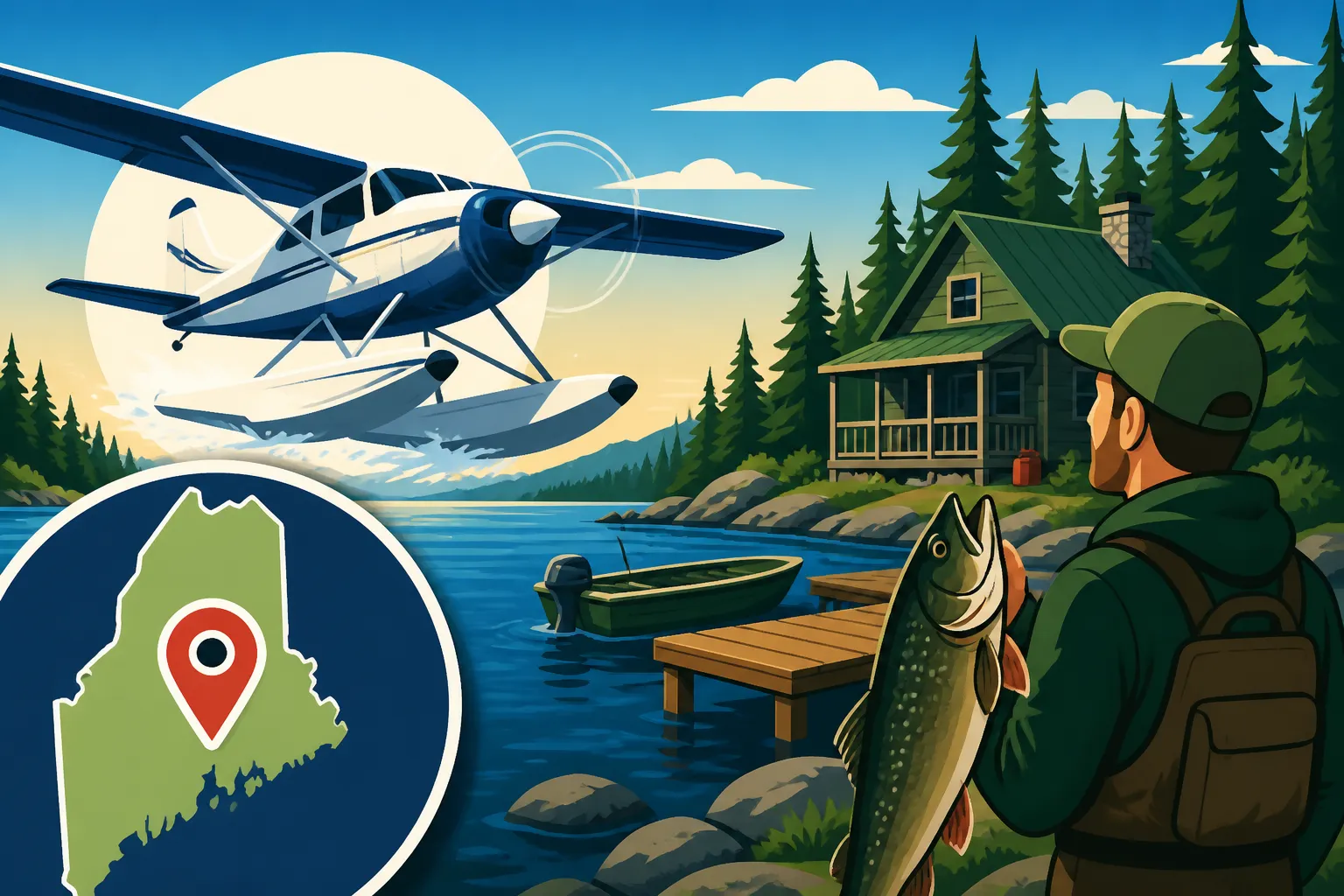
The flight itself is often one of the most memorable parts of a remote fishing trip. Unlike commercial flights, these are low-altitude, scenic journeys that provide an unparalleled perspective of Maine's vast wilderness. As you lift off from the glassy surface of a lake, the world beneath you transforms into an endless tapestry of dark green forests, winding rivers, and countless sparkling ponds and lakes. It’s truly breathtaking.
You'll get to see the sheer scale of the Maine North Woods, a landscape that is mostly inaccessible by road. Your pilot might point out landmarks, explain the history of the region, or even spot wildlife like moose or deer from above. This is an opportunity to truly appreciate the wildness of the state, observing how the landscape changes from managed forestlands to truly pristine, untouched wilderness. It's a fantastic precursor to the fishing adventure that awaits you.
The landing is just as unique as the takeoff. The pilot will skillfully bring the plane down onto the water near your camp, often taxiing right up to a small dock or a sandy shore. The sound of the engine shutting off, followed by the sudden, profound silence of the wilderness, is an experience you won't soon forget. It’s a moment of complete transition, signaling that you have truly arrived in a world apart. You'll unload your gear, the plane will take off, and then it's just you and the wilderness.
Choosing the Right Remote Fishing Camp for Your Fly-In Adventure
So, you’re committed to the idea of a fly-in adventure! That’s fantastic. Now comes the exciting part: choosing the perfect remote fishing camp. Maine has a rich history of sporting camps, and many of these are located in truly wild places, perfect for a fly-in trip. But not all camps are created equal, and what’s right for one angler might not be ideal for another. You need to consider what kind of experience you're truly seeking – whether you want to rough it or have some creature comforts, and if you prefer a guide or the freedom of exploring on your own.
This decision-making process is crucial because it sets the tone for your entire trip. A truly rustic camp will offer a different kind of immersion than a more comfortable lodge. Understanding your own preferences and those of your fishing partners is key to avoiding any post-arrival disappointments.
Don't rush this step. Spend time researching, looking at photos, and reading reviews. Sometimes, the most frustrating part of planning a wilderness trip is sifting through options that don't quite align with your vision. Taking the time now will ensure that your remote adventure lives up to every expectation.
Rustic vs. Comfortable: What Level of Amenities Do You Need?
Remote fishing camps in Maine run the gamut from truly rustic cabins with outhouses and no running water, to more comfortable lodges offering hot showers, solar power, and even a communal dining hall. Your choice here will largely depend on your personal comfort level and the experience you're looking for.
- Rustic Camps: These are for the adventurous souls. Think cozy, wood-heated cabins, often with propane lights, a hand pump for water, and an outhouse. You'll likely be responsible for cooking your own meals, though some might offer a shared cooking facility. The charm here is the authenticity and the complete immersion in nature. It's about disconnecting entirely and living simply. The fishing is the absolute focus, and any comforts are purely functional.
- Comfortable Lodges: These camps offer more amenities. You might find individual cabins with private bathrooms, hot and cold running water, and perhaps even some limited electricity from a generator or solar setup. Many comfortable lodges also provide delicious, hearty meals cooked by a camp chef, often served family-style in a main lodge. This option offers a blend of wilderness access with a touch more relaxation and convenience after a long day of fishing.
Neither option is inherently "better" – it simply depends on your preference. If you're new to remote wilderness experiences, a more comfortable lodge might be a gentler introduction. If you're a seasoned backcountry enthusiast, a rustic camp might be just what you're looking for.
Guided vs. Unguided Options: Navigating the Wilderness
Another significant decision is whether to hire a guide for your fly-in trip. Both options have their merits, and your choice will impact your experience, learning opportunities, and overall cost.
- Guided Trips: Many remote camps offer the services of a Registered Maine Guide. Hiring a guide can be invaluable, especially if you're exploring new waters. Guides know the best spots, the local patterns, and the safest ways to navigate the lakes and rivers. They can teach you local techniques, help identify fish, and even assist with preparing shore lunches. They often provide boats and motors, taking the hassle out of bringing your own. For a truly immersive and educational experience, or if you're targeting specific trophy fish, a guide is often worth the investment. You can find out more about what guides offer in our Hiring a Maine Fishing Guide post.
- Unguided Trips: If you prefer to explore on your own terms, many camps offer unguided options, providing you with a boat, motor, and perhaps a map of the local waters. This allows for complete independence and the freedom to fish at your own pace. This is often a more budget-friendly option, but it requires that you have solid fishing skills, good navigation abilities, and a strong sense of wilderness safety. It’s also crucial to be familiar with Maine Fishing Regulations Explained for any specific water you plan to fish.
Ultimately, the choice depends on your experience level, budget, and desired level of independence. If you're looking to maximize your fishing success and learn from a local expert, a guide is an excellent choice. If you value solitude and self-reliance above all else, an unguided trip might be more your style.
Booking and Coordination: Planning Your Wilderness Journey
Booking a fly-in fishing trip requires a bit more coordination than your typical vacation. Because of the specialized nature of bush plane services and the limited capacity of remote camps, it's highly advisable to book your trip well in advance, especially if you're planning to go during peak fishing seasons like early summer or fall.
Here’s how the process generally works:
- Research Camps: Start by looking for remote sporting camps or lodges in areas known for excellent fishing, like those around Moosehead Lake, the Rangeley region, or deep in the Allagash watershed. Websites for Maine sporting associations or dedicated outdoor publications can be great starting points. You might even use resources like FishingBooker to discover lodges or guides who specialize in these areas and can then point you towards their fly-in options.
- Contact the Camp: Reach out directly to the camp to inquire about availability, rates, and their fly-in arrangements. They will often have preferred air services they work with and can help coordinate your flight schedule.
- Coordinate with Air Service: Once your camp dates are confirmed, you’ll work with the bush plane charter service to finalize your flight times, discuss weight limits, and confirm departure locations. Be prepared to provide details about your group size and approximate gear weight.
- Confirm and Prepare: Once everything is booked, you'll receive confirmations. Use this time to meticulously plan your packing, review any specific camp rules, and make sure all your Maine Fishing License Guide requirements are met. Don't leave anything to chance when heading into the deep wilderness.
Clear and consistent communication with both the camp and the air service is paramount. Any changes to your plans, even minor ones, should be communicated as soon as possible to ensure a smooth and enjoyable trip.
Costs and Considerations for a Fly-In Fishing Trip
While the thought of a remote fly-in fishing trip is incredibly romantic and exciting, it's also important to approach it with realistic expectations, especially regarding costs and necessary preparations. This isn't usually the cheapest fishing trip you'll ever take, but many anglers find the unparalleled experience to be worth every penny. Being informed upfront about the investment and the practical considerations will help you budget and prepare appropriately, avoiding any unwelcome surprises.
Think of it this way: you're paying for exclusivity, pristine conditions, expert transportation, and often, exceptional hospitality. These elements combine to create a truly premium experience that stands apart from more accessible fishing outings. Understanding where your money goes will help you appreciate the value of such an adventure.
Beyond just the financial aspect, there are also a few practical considerations that are unique to this type of trip. These are details that can make or break your enjoyment, so it's good to have them on your radar before you commit.
Understanding the Investment: Why Remote Costs More
The primary reason fly-in fishing trips tend to be a higher investment is, quite simply, the specialized transportation. Bush plane charters are not inexpensive. You're paying for a highly skilled pilot, a meticulously maintained specialized aircraft, and the fuel to get you to and from some of the most remote locations in Maine. The cost of the flight is often a significant portion of the overall trip expense.
Beyond the flight, remote camps often have higher operating costs. Maintaining cabins, equipment, and sometimes even generating electricity in isolated locations requires substantial effort and expense. Staff need to be transported, supplies need to be flown in, and the infrastructure must withstand harsh wilderness conditions. These costs are naturally reflected in the rates for lodging and services.
While I can't give you specific figures, generally, you can expect a fly-in trip to be a premium experience. When budgeting, consider the following components:
- Bush Plane Charter Fee: This will be a per-person or per-flight charge.
- Camp Lodging: This can vary significantly based on the rustic vs. comfortable factor, and whether it includes meals.
- Guide Services: If you opt for a guide, this will be an additional daily or weekly fee.
- Food & Supplies: If self-catering, remember the cost of specialized, lightweight food.
- Licenses & Permits: Don't forget your Maine Fishing License Guide and any specific permits.
- Tips: Tipping your pilot and guides is customary and appreciated.
It's an investment, but it's an investment in an unparalleled adventure and access to some of the finest, most untouched fishing waters Maine has to offer. For many, the memories made on such a trip are priceless.
Permits, Licenses, and Regulations: Staying Legal in the Wild
Even though you're heading deep into the wilderness, far from paved roads and towns, you are still absolutely subject to Maine's fishing laws and regulations. It's a common misconception that "out of sight, out of mind" applies here, but Maine game wardens patrol all corners of the state, including the most remote regions, often by plane or by boat. Getting caught fishing without a proper license or violating regulations can result in hefty fines and ruin an otherwise perfect trip. You can find detailed information in our Maine Fishing Regulations Explained guide.
Before you even step foot (or rather, wing) onto a floatplane, ensure every member of your party has the appropriate Maine Fishing License Guide. This includes freshwater licenses, and if you plan on targeting any anadromous species that might enter tidal areas (even if you’re fishing far upstream), understanding the nuances of saltwater licenses might also be wise. For instance, Is a Freshwater License Enough for Maine Rivers? is a question worth asking if you plan to fish a river that eventually flows to the ocean.
Furthermore, remote waters often have specific, sometimes very restrictive, regulations regarding bag limits, length limits, and even tackle restrictions (e.g., fly-fishing only, single-hook artificial lures only). These "special regulations" are put in place to protect fragile native fish populations and are strictly enforced. Your camp operator or guide will be an excellent resource for understanding these local rules, but it’s always wise to consult the official Maine Fishing Laws for Beginners yourself before you go.
For some wilderness areas, like portions of the Allagash Wilderness Waterway, you might also need specific camping or access permits in addition to your fishing license. Always check with the Maine Department of Agriculture, Conservation and Forestry (DACF) or the Maine Department of Inland Fisheries and Wildlife (MDIFW) websites for the most current information regarding permits and regulations for your chosen destination. Being prepared ensures a smooth, legal, and enjoyable wilderness fishing adventure.
Disclaimer
This article is for general informational purposes only and does not constitute professional advice. Laws, prices and regulations vary by location and change over time. Consult a qualified professional for guidance on your specific situation.