What Should You Ask Before Booking a Maine Guide?
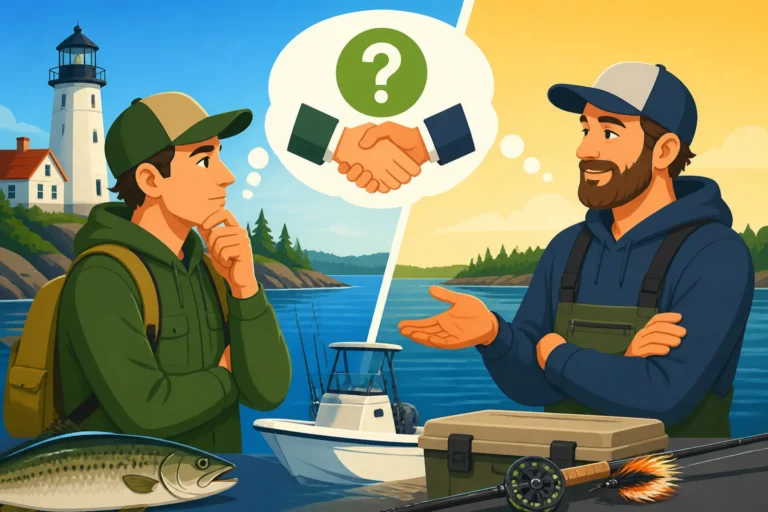
You've decided it's time to elevate your fishing game in Maine, or perhaps you're planning a trip and want to make the most of your limited time. Hiring a Registered Maine Guide is often the best way to tap into local knowledge, find the hotspots, and experience a truly memorable adventure. But here's the rub: with so many guides out there, how do you even begin to choose? It can feel overwhelming, like trying to navigate a dense fog on the ocean without a compass. This guide is here to cut through that fog, giving you a clear list of questions to ask before you book, ensuring you find the perfect Maine guide for your next angling escapade.
Understanding What a Maine Guide Offers (and What They Don't)
One of the biggest misconceptions people have when looking for a fishing guide is that every guide offers the same services. That couldn't be further from the truth! Just like every angler has their preferred species and techniques, every guide specializes in different experiences. Getting clarity on what's included and what's not right from the start will save you a lot of headaches and potential disappointment down the line.
Clarifying Services: What Kind of Trip Are You Booking?
Before you even delve into the nitty-gritty, you need to understand the guide's core offering. Maine is vast, offering everything from deep-sea excursions to remote brook trout stream adventures, and your guide likely excels in a specific niche. Don't assume they do it all.
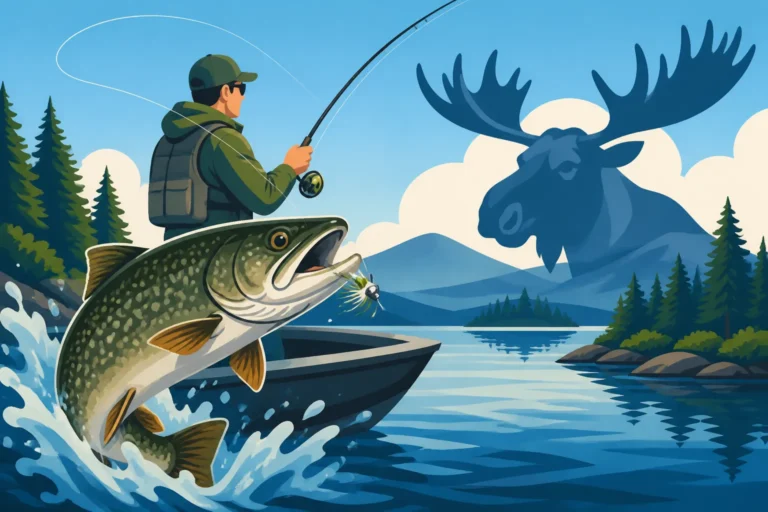
First, always ask what species they primarily target. Are they a Landlocked Salmon Fishing in Maine specialist on the big lakes, or do they focus on Brook Trout Fishing in Maine in smaller, wild ponds? Maybe you're after Striped Bass Fishing in Maine along the coast. A guide who primarily targets bass might not be the best choice for a deep-water lake trout trip, and vice versa. Ask about their expertise for the species you want to catch. Secondly, inquire about the type of water they guide on. Some guides are strictly for open water on lakes, others are river experts specializing in fly fishing, and still others are coastal captains. If you're dreaming of a remote pond adventure, make sure your guide is equipped and experienced in that kind of remote access, perhaps even offering overnight trips. You'll want to know if they offer a full day, half-day, or multi-day excursions. Some guides specialize in longer trips, like a several-day canoe trip on the Allagash, while others focus on shorter, more accessible outings. Clarifying this upfront ensures your expectations align with what the guide actually provides.
Equipment and Bait: What's Included, What's Not?
This is a critical area where costs can quickly add up if you're not prepared. Many guides provide some equipment, but the extent of that provision varies greatly. Never assume.
Ask directly: "Do you provide all the necessary fishing rods, reels, and tackle, or should I bring my own?" For many freshwater guides, basic gear is often included. However, if you're fly fishing, they might expect you to have your own waders, boots, and perhaps even your preferred rod and reel, though they may supply flies. For saltwater charters, heavy-duty rods and reels for species like tuna or cod are almost always provided, but sometimes specific terminal tackle might be an extra. Next, inquire about bait. Is live bait included in the price, or is that an additional cost? This can be a significant expense, especially for certain types of fishing where live shiners or mackerel are key. If they do provide it, ask about the quality and quantity. Some guides will use artificial lures exclusively, which means less worry about bait, but it's still good to confirm. Lastly, consider things beyond fishing gear. Do they provide life jackets (especially for kids), safety equipment, or even rain gear? What about food and drinks? Some guides offer a shore lunch or snacks and water, while others expect you to bring your own provisions. Knowing these details ahead of time helps you pack appropriately and budget accurately. You can refer to Do Maine Fishing Guides Provide Bait and Tackle? for more details.
Essential Questions About Logistics and Safety
You're putting your trust, and potentially your safety, in the hands of your guide. It's perfectly reasonable, and indeed recommended, to ask about their credentials, experience, and how they handle the practicalities of the trip. A good guide will be transparent and welcome these questions.
Licensing, Insurance, and Experience: Your Guide's Credentials
In Maine, guiding is a regulated profession, which is a good thing for consumers! A Registered Maine Guide License ensures a certain level of outdoor proficiency and safety knowledge.
The first and most important question is: "Are you a currently Registered Maine Guide, and if so, what class of guide are you (e.g., Fishing, Recreation)?" You can even ask for their license number to verify it with the state if you feel it's necessary. This isn't about distrust; it's about ensuring you're hiring a legitimate professional. Next, inquire about insurance. "Do you carry liability insurance?" While rare, accidents can happen on the water, and having a guide with proper insurance provides peace of mind. Beyond formal credentials, ask about their experience. "How long have you been guiding in this specific region/on this water body?" A guide with decades of experience on a particular lake or river will have an unparalleled understanding of its nuances, fish movements, and hotspots. You might also ask about their success rates or typical catches for the time of year you're planning to fish, though remember fishing is fishing – there are no guarantees! For more information, check out What Makes a Good Maine Fishing Guide.
Trip Details: Duration, Schedule, and Contingency Plans
Understanding the actual structure of your day and what happens if things don't go as planned is crucial for a smooth experience.
Ask about the start and end times for your trip. "What time do we meet, and approximately when will the trip conclude?" A standard "full day" or "half day" can vary in exact hours, so clarify the actual time on the water. Also, where is the meeting point? Is it a public boat launch, a specific dock, or a local business? Next, always ask about contingency plans, especially regarding weather. Maine weather can be unpredictable, even in summer. "What is your policy for bad weather, such as heavy rain, fog, or high winds?" Will the trip be rescheduled, offered a partial refund, or is there an alternative plan (like fishing a more sheltered spot)? You should also ask about the group size. "How many anglers can you comfortably accommodate on your boat or trip?" This is important for both comfort and the quality of the fishing experience. A guide who typically takes one or two anglers might not be the best fit for a larger group, and overcrowding can diminish the experience. A reputable platform like FishingBooker will often list these details, making it easier to compare options, but it's always good to confirm directly.
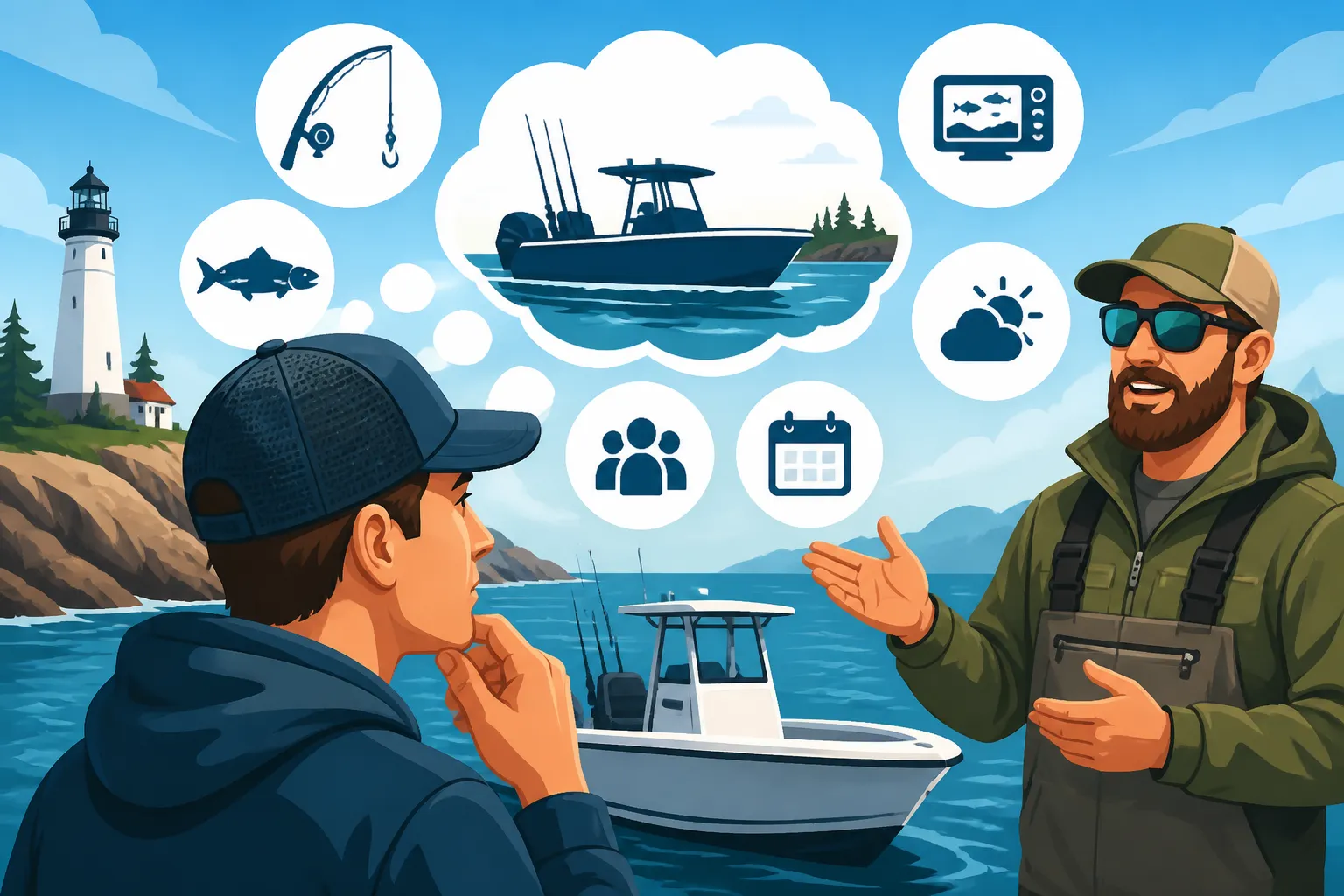
Here's a quick comparison table of what to ask:
| Category | Key Questions to Ask | Why It Matters |
|---|---|---|
| Services | What species do you primarily target? What type of water? | Ensures the guide's expertise matches your desired fishing. |
| Equipment | Do you provide rods, reels, tackle, and bait? | Clarifies what you need to bring or budget for. |
| Safety/License | Are you a Registered Maine Guide? Do you have liability insurance? | Verifies credentials, professionalism, and protection. |
| Logistics | What are the start/end times? Meeting location? Group size? | Confirms practical details for planning and comfort. |
| Contingency | What's your policy for bad weather? | Understands options if conditions aren't favorable. |
| Cost/Payment | What's the total cost? Deposit? Cancellation policy? Tipping? | Avoids financial surprises and clarifies expectations. |
| Food/Drink | Do you provide food/drinks, or should I bring my own? | Ensures you're prepared for the day's sustenance. |
Discussing Cost, Payment, and Tipping
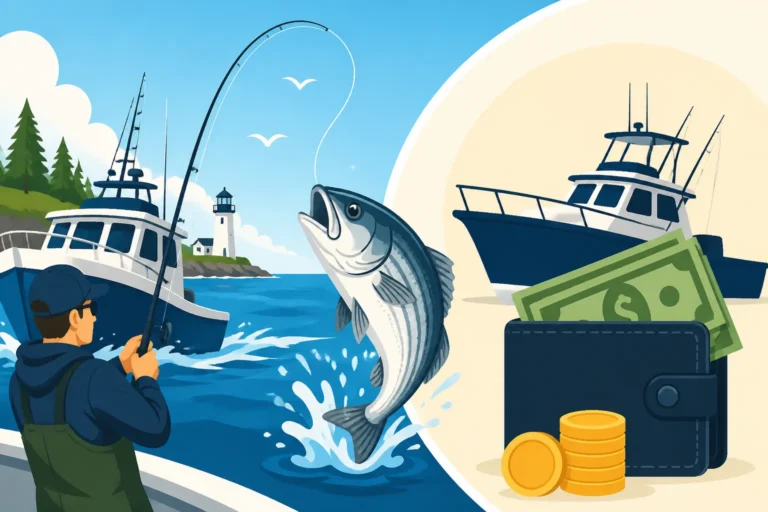
Money matters can sometimes feel awkward to bring up, but they are absolutely essential for a smooth and respectful transaction. You need a clear understanding of the financial commitment involved.
Understanding the Full Financial Picture
Don't just ask, "How much do you charge?" Dig deeper to understand the complete cost.
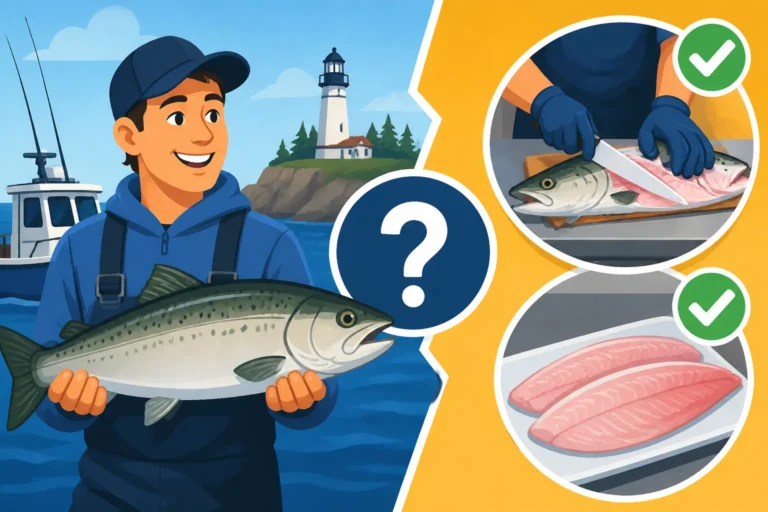
Start by asking, "What is the total cost for the trip for my group size, and what exactly does that price include?" Confirm if the price is per person, per boat, or a flat rate. Sometimes prices on platforms like FishingBooker might show a base rate, but additional costs like fuel surcharges for longer trips, or even fishing licenses, might not be explicitly stated. Speaking of licenses, always confirm if a Maine Fishing License Guide is needed for your trip and if it's your responsibility to obtain it beforehand. Most guides will expect you to arrive with your license in hand. Also, clarify any potential "extras" that might come up. Are there fees for lost lures, extra bait, or processing fish at the end of the day? While most reputable guides won't nickel and dime you, it's better to know upfront than be surprised. It's a good idea to consider Maine Fishing License Costs Guide when planning your budget.
Payment, Deposits, and Cancellation Policies
Understanding how and when payments are made, and what happens if you need to cancel, is vital for both parties.
Ask, "What is your deposit requirement, and when is the final payment due?" Many guides require a non-refundable deposit to secure your date, with the balance due on the day of the trip. Confirm what forms of payment they accept (cash, check, credit card). You don't want to show up with only plastic if they only take cash. The cancellation policy is another crucial point. "What is your cancellation policy, and what happens if I need to cancel or if you need to cancel for unforeseen reasons?" Life happens, and plans can change. A clear policy protects both you and the guide. Some guides require several weeks' notice for a full refund of the deposit (minus any processing fees), while others might have stricter policies. Lastly, address tipping. "Is tipping customary, and if so, what is the typical range?" Many guides, especially those who work hard to provide an excellent experience, rely on tips as part of their income. Knowing the Tipping Etiquette for Maine Fishing Guides beforehand means you can budget for it and express your appreciation appropriately. This can be one of those awkward questions, but a good guide will be comfortable discussing it openly. If you're looking at a shorter trip, you might also want to consult How Long Is a Typical Maine Guided Fishing Trip? to manage expectations.
By asking these comprehensive questions, you'll not only find a guide who perfectly matches your angling desires but also build a trusting relationship that sets the stage for a truly unforgettable Maine fishing adventure.
Disclaimer
This article is for general informational purposes only and does not constitute professional advice. Laws, prices and regulations vary by location and change over time. Consult a qualified professional for guidance on your specific situation.