How Much Does a Week at a Maine Sporting Camp Cost?
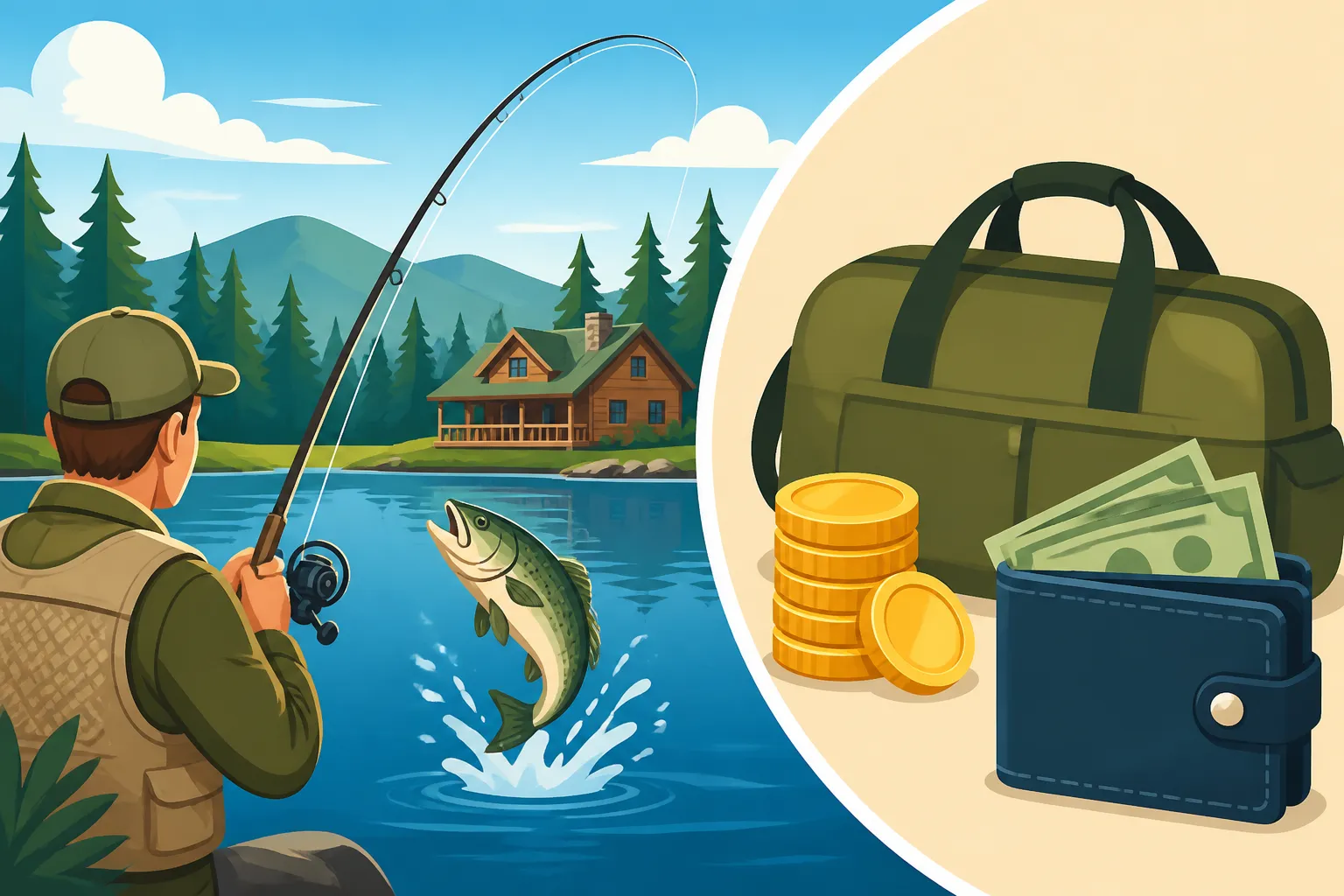
Dreaming of that perfect week-long escape to a classic Maine sporting camp, where the fish are jumping and the silence is golden, is a common vision for many anglers. But then the practical questions hit: "How much is this going to set me back?" The cost of a week at a Maine sporting camp can feel like a mystery, with so many variables at play. This guide is here to unravel those complexities, helping you understand the different factors that influence pricing, what to expect for your investment, and how to budget for your unforgettable Maine fishing adventure.
Understanding the Maine Sporting Camp Experience
When we talk about a "sporting camp" in Maine, we're not just referring to any old lodge or hotel. We're talking about a unique, often historic, tradition deeply embedded in the fabric of the state's outdoor culture. These aren't your typical resorts with golf courses and spas (though some might have modern comforts!). They are havens built for anglers, hunters, and outdoor enthusiasts, designed to provide access to prime wilderness areas and unparalleled sporting opportunities. It's about immersion, connection with nature, and focusing on the pursuit of fish or game.
What Exactly Is a Sporting Camp?
At its heart, a Maine sporting camp is a collection of cabins or lodges, usually situated on a lake, pond, or river, often in more remote regions of the state. These camps typically offer accommodations ranging from rustic, wood-heated cabins with shared bathhouses to more modern, comfortable cabins with private facilities and amenities. The key distinction is their focus: they cater specifically to outdoor activities, primarily fishing and hunting, and often include meals, guided services, and boat access as part of their packages. You're not just booking a room; you're booking an experience that provides everything you need for a successful outdoor adventure, often in places far removed from the hustle and bustle. It's less about luxury and more about authentic wilderness access and expertise.
Many camps have been family-run for generations, preserving a legacy of hospitality and deep local knowledge. They are often nestled in areas that offer fantastic fishing for species like brook trout, landlocked salmon, and togue. Staying at a sporting camp is about being surrounded by fellow enthusiasts, sharing stories by the fireplace, and waking up to the sounds of loons on the water, ready for another day on the lake. You might find yourself in a camp near the vast expanse of Moosehead Lake Fishing Guide or tucked away beside a pristine trout pond in the North Woods.
The Allure of a Remote Getaway
One of the biggest draws of a Maine sporting camp is its remoteness and the promise of an authentic wilderness experience. Imagine being miles from the nearest paved road, the only sounds being the wind in the pines and the splash of a rising fish. This seclusion is often what makes the experience so valuable. It grants direct access to some of Maine's most pristine and productive fishing waters, which might otherwise be difficult to reach or navigate on your own. The camps act as a comfortable base camp for serious anglers, allowing them to maximize their time on the water rather than spending it traveling or setting up camp.
For many, the allure lies in unplugging from daily life and truly connecting with the natural environment. The remote setting often means less fishing pressure on the surrounding waters, leading to better fishing opportunities. It's where you can truly appreciate the peace and quiet of Maine's vast forests and shimmering waters. The convenience of having meals prepared, a boat ready, and experienced guides at your disposal means you can fully focus on the fishing, whether you're chasing trophy Landlocked Salmon Fishing in Maine or exploring secluded spots for Brook Trout Fishing in Maine. This "all-inclusive" aspect, even in a rustic setting, is a significant part of what makes these camps so appealing and, consequently, a factor in their cost.
Key Factors Influencing Sporting Camp Costs
Pinpointing an exact cost for a week at a Maine sporting camp is like trying to guess the weather in April – it changes! There are several significant factors that contribute to the overall price tag. Understanding these elements will help you decipher different camp offerings and determine what best fits your expectations and budget. It's not just about the number on the brochure; it's about what that number truly represents.
Location and Accessibility
The geographical location of a sporting camp plays a huge role in its pricing. Camps that are deep in the remote wilderness, requiring significant travel over logging roads or even float plane access, often command higher prices. This is because their operation costs are higher due to logistics, transportation of supplies, and the specialized knowledge required to maintain a camp in such an isolated setting. A camp that is easily accessible by paved road, while still offering a wonderful experience, might have a lower overhead and thus a more modest price point.
For instance, a camp tucked away in the Allagash Wilderness Waterway Fishing Guide will likely have a different cost structure than one located on a larger, more accessible lake like Sebago. The sheer effort and resources needed to get guests and supplies to these off-the-grid locations directly impact the weekly rate. Additionally, the quality of fishing in these more remote, less-pressured waters can also justify a higher price for many anglers seeking that truly untouched experience.
Inclusions: What's Covered in the Package?
This is perhaps the biggest variable when comparing costs. Some sporting camps offer an almost all-inclusive experience, while others provide a more à la carte approach. A typical "all-inclusive" package might cover:
- Lodging: Your cabin or lodge room.
- Meals: Often three hearty meals a day, served family-style in a main lodge. This is a classic sporting camp experience and a huge convenience.
- Boats: Access to canoes, kayaks, or even motorized boats for fishing.
- Guided Services: Daily or multi-day guided fishing trips with a knowledgeable Hiring a Maine Fishing Guide.
- Basic Gear: Sometimes, the camp will provide basic tackle or fly fishing gear, though serious anglers often prefer their own.
On the other hand, some camps might only include lodging, leaving meals, guides, and boats as optional add-ons. You'll need to scrutinize what each camp's weekly rate truly encompasses. A lower advertised price might look appealing, but if you then have to pay separately for every meal, every boat rental, and every guided outing, the total could quickly surpass a seemingly more expensive "all-inclusive" option. This is where researching different offerings, perhaps using a platform like FishingBooker to compare structured packages, becomes incredibly valuable.
Seasonality and Duration
Just like any travel destination, Maine sporting camps have peak and off-peak seasons, and these fluctuations directly affect pricing. The prime fishing seasons, typically late spring/early summer for salmon and trout, and late summer/early fall for smallmouth bass and the start of hunting season, often come with higher rates. These are the times when demand is highest, and the weather and fishing conditions are generally at their best.
- Peak Season: Expect higher costs during the most desirable fishing windows. For instance, the general law fishing season start date in Maine, often in April, can mark the beginning of a peak period for many camps.
- Shoulder Season: Slightly before or after the absolute peak, you might find slightly reduced rates. The fishing can still be excellent, but perhaps with a bit more unpredictable weather or fewer crowds.
- Off-Season: If a camp operates year-round, winter for ice fishing (if offered) or very early spring/late fall might present the most budget-friendly options. Maine Winter Ice Fishing Guide trips can be a fantastic way to experience the camps at a different price point.
Most sporting camps are geared towards weekly stays (often Saturday to Saturday), which is reflected in their pricing structure. However, some might offer shorter stays, like 3-day or 4-day packages, which can be more affordable upfront but might have a higher per-night cost compared to a full week. Always clarify the minimum stay requirements and how flexible a camp might be with dates, especially if you're looking for a shorter trip.
Level of Luxury and Amenities
Sporting camps range from charmingly rustic to comfortably upscale, and this spectrum significantly impacts the price.
- Rustic Camps: These often feature simple, traditional cabins with basic furnishings, maybe a wood stove for heat, and sometimes a central bathhouse rather than private facilities. They embrace the classic Maine wilderness experience and are typically the most affordable. You're paying for access and the authentic feel, not modern frills.
- Mid-Range Camps: These might offer cabins with private bathrooms, hot and cold running water, and perhaps even some electricity or internet access, balancing comfort with the wilderness vibe.
- Upscale Lodges: At the higher end, you'll find camps that resemble boutique lodges more than traditional cabins. These might boast gourmet meals, luxurious private cabins, Wi-Fi, and a wider range of amenities, including heated floors or even private hot tubs. Naturally, these more lavish experiences come with a considerably higher price tag.
The type of cabin, whether it's a cozy one-room retreat or a multi-bedroom family cabin, will also influence the cost. Larger or more modern cabins will typically be more expensive than smaller, more basic accommodations. Consider what level of comfort is important to you versus how much you plan to be out on the water.
Breaking Down the Typical Cost Components
To truly understand what you're paying for, it's helpful to look at the individual components that make up a sporting camp's weekly rate. While many camps offer package deals, knowing the potential costs of each element allows for better comparison and budgeting.
Lodging and Meals
The core of your sporting camp experience revolves around where you sleep and what you eat. Lodging typically accounts for a significant portion of the cost. A basic, rustic cabin without private plumbing might be on the lower end, while a larger, more modern cabin with all the comforts of home will be higher. The number of people in your party can also influence the per-person cost; some camps offer a flat rate per cabin, while others charge per person with a minimum occupancy.
Meals are another major inclusion. Most traditional Maine sporting camps pride themselves on providing delicious, hearty, home-cooked meals, often served communal style in a main lodge. This typically includes breakfast (think pancakes, bacon, eggs), a packed lunch for your day out on the water, and a full dinner (roasts, fresh fish, vegetables, dessert). Having all your meals taken care of is a huge convenience and often a highlight of the experience, removing the need for grocery shopping, cooking, and dish duty, allowing you more time to fish or relax. If meals aren't included, factor in the cost of groceries and cooking supplies, or dining out if options are available nearby.
Guided Fishing and Activities
For many, the primary reason to visit a sporting camp is the fishing, and hiring a knowledgeable Maine Fishing Guides is a premium service that adds significant value (and cost) to your trip. Guide services are often offered as daily rates, which can be added to your weekly package, or sometimes they are partially or fully integrated into higher-tier packages. A good guide can be invaluable, knowing the best spots, understanding fish behavior, providing local insights, and helping you navigate unfamiliar waters, like finding the best Moosehead Lake Togue Fishing Spots in Maine.
Here's a general idea of guide inclusions:
- Full-Day vs. Half-Day: Full-day trips will naturally cost more.
- Boat and Equipment: Most guides provide their own boat, fuel, and sometimes even tackle.
- Shore Lunch: A classic Maine tradition, some guides will prepare a fresh-caught fish lunch right on the shore.
- Expertise: The guide's knowledge of Maine Fishing Season Dates Guide and regulations is critical.
Beyond fishing, some camps might offer other guided activities like wildlife viewing, hiking, or canoeing expeditions, which would also incur additional costs if not part of a specific package.
Boat and Equipment Rentals
If you're not bringing your own boat or gear, most sporting camps offer rentals.
- Boats: This could range from canoes and kayaks (often included or low-cost) to small aluminum boats with outboard motors. Motorized boat rentals will be a daily or weekly fee, plus the cost of fuel. Ensure you understand the condition of the boats and motors offered.
- Fishing Gear: While serious anglers usually bring their own preferred rods, reels, and tackle, some camps may offer basic spinning outfits or fly fishing rods for rent, especially useful for beginners or those who prefer to travel light. This might also include waders for fly fishing in rivers.
Make sure to clarify what's included in your package. If you plan to rent boats or equipment, factor these costs into your overall budget. For example, if you're planning on Trolling Techniques for Maine Lakes and need a specific setup, confirm availability and cost.
Hidden Fees and Extras
Even with an "all-inclusive" package, there are often a few additional costs to consider:
- Maine Fishing License: Everyone fishing in Maine needs a license. This is a separate cost and typically not included in camp packages. You'll need to purchase this before or upon arrival. Check out How to Get a Maine Fishing License for details.
- Gratuities/Tips: It's customary to tip guides, cooks, and other camp staff for their hard work and excellent service. This can add a significant amount to your overall cost, so budget for it.
- Transportation: Getting to the camp (gas, tolls, possibly float plane fees) is your responsibility.
- Souvenirs and Supplies: Any gear you buy at the camp's small store, snacks, drinks, or other personal items.
- Tax: Don't forget state and local taxes, which are usually added to the final bill.
Table: Sample Cost Components for a Week at a Maine Sporting Camp (Informational)
| Component | What it Typically Includes | Cost Considerations (Shape) |
|---|---|---|
| Lodging | Cabin, lodge room (rustic to modern) | Varies widely based on size, amenities, private bath vs. shared |
| Meals | 3 meals/day (breakfast, packed lunch, dinner) usually communal | Often bundled with lodging; separate if à la carte |
| Guided Fishing | Daily professional guide, boat, fuel, expertise | Significant daily add-on; sometimes in premium packages |
| Boat/Equipment Rental | Canoes, kayaks, motorboats, fishing rods, waders | Daily/weekly fee, plus fuel for motorboats; some basic options may be included |
| Fishing License | State-mandated permit to fish | Required for everyone; purchased separately |
| Gratuities/Tips | For guides, cooks, staff | Expected; percentage of total cost or flat daily rate |
| Transportation | Fuel, tolls, float plane fees to reach camp | Your responsibility; can be substantial for remote camps |
| Personal Expenses | Snacks, drinks, souvenirs, extra tackle | Highly variable based on personal habits |
| Taxes | State and local sales/lodging tax | Applied to final bill |
Budgeting Strategies for Your Maine Sporting Camp Adventure
Planning a trip to a Maine sporting camp is exciting, but being smart about your budget ensures that excitement doesn't turn into sticker shock. With a clear understanding of the cost factors, you can make informed decisions and tailor the experience to fit your financial comfort zone.
Comparing Packages and Inclusions
Your first step should be to thoroughly research different sporting camps and compare their offerings. Don't just look at the headline price. Dive deep into what's included in that "weekly rate." Does it cover all meals, or just some? Are guided trips part of the package, or an extra charge? Is boat access included, or will you pay daily? A camp that seems more expensive upfront might actually be a better value if it includes all the services you desire, preventing unexpected add-on costs.
Many camps list their package details clearly on their websites. Some platforms, like FishingBooker, can also be useful for finding various charters and guides across Maine and might offer insights into package structures, though direct sporting camp bookings are often done through their individual sites. Pay close attention to the number of guided days, the type of lodging, and whether specific activities are bundled together. For example, some might have a dedicated Maine Ice Fishing Guides package, while others focus purely on open water. Asking for a detailed breakdown of costs before booking is always a good idea.
Considering Off-Peak or Shorter Stays
If your budget is a primary concern, consider traveling during the shoulder or off-peak seasons. The fishing can still be fantastic, but demand is typically lower, and prices may be more accommodating. For example, late fall can offer excellent brook trout fishing amidst stunning foliage, often at a reduced rate compared to the prime early summer weeks. Similarly, Maine Winter Ice Fishing Guide trips can offer a completely different, often more affordable, experience.
Another strategy is to opt for a shorter stay if the camp offers it. While a full week is the classic sporting camp experience, a 3-day or 4-day trip can still provide a wonderful taste of the wilderness without the full financial commitment. Just be aware that the per-night rate for shorter stays can sometimes be higher, so calculate the total cost carefully. You might find a Maine 3-Day Nonresident Fishing License is perfect for a condensed trip.
Factoring in Travel and Personal Expenses
Beyond the camp's package price, don't forget the costs of simply getting there and your personal spending.
- Travel: This includes fuel for your vehicle, potential tolls, and if you're flying in, rental car costs or even float plane charters if your camp is truly remote. Maine is a big state, and getting to some of these wilderness areas can involve significant driving.
- Fishing Licenses: As mentioned, these are essential and not included. Make sure to purchase the correct Maine Fishing License Guide for your duration and residency.
- Gear: Do you need new waders, a specialized fly rod, or extra tackle? Factor these into your pre-trip budget.
- Alcohol/Snacks: While meals are often included, personal beverages or specific snacks might be extra.
- Tips: Budgeting for gratuities is crucial. A general guideline for guides can be 15-20% of the daily guide fee, and a collective tip for lodge staff (cooks, housekeepers) is also a thoughtful gesture.
By creating a comprehensive budget that includes these often-overlooked expenses, you'll avoid any unpleasant surprises and ensure you have enough funds to fully enjoy your time in Maine.
The Value of the Experience
Ultimately, the cost of a week at a Maine sporting camp is an investment in an experience that goes far beyond just catching fish. It's about disconnecting from the everyday, immersing yourself in Maine's pristine wilderness, and connecting with a tradition that dates back generations. It's the tranquility of a remote lake at dawn, the thrill of a landlocked salmon on the line, the camaraderie of shared meals, and the deep knowledge imparted by a seasoned Maine guide.
For many, the value isn't just in the tangible services but in the memories created, the skills learned, and the rejuvenation found in the quiet beauty of the Maine woods. While the numbers might seem high to some, the unique, often rustic, and deeply authentic nature of these trips often justifies the cost for those seeking a truly special outdoor adventure. Whether it's casting flies on the Kennebago River or trolling for togue on Moosehead Lake Fishing Guide, the memories often last a lifetime.
Disclaimer
This article is for general informational purposes only and does not constitute professional advice. Laws, prices and regulations vary by location and change over time. Consult a qualified professional for guidance on your specific situation.