Best Guide Service for Trophy Salmon in Maine
For many anglers, the dream of hooking into a truly magnificent, trophy-sized Landlocked Salmon in Maine is a powerful draw. It's a challenging pursuit, often requiring specific knowledge, specialized gear, and a deep understanding of Maine's pristine, deep lakes where these majestic fish thrive. This guide is here to help you navigate the process of finding the absolute best guide service to increase your chances of landing that elusive trophy salmon, ensuring your trip is as rewarding as possible.
The Allure of Trophy Landlocked Salmon in Maine
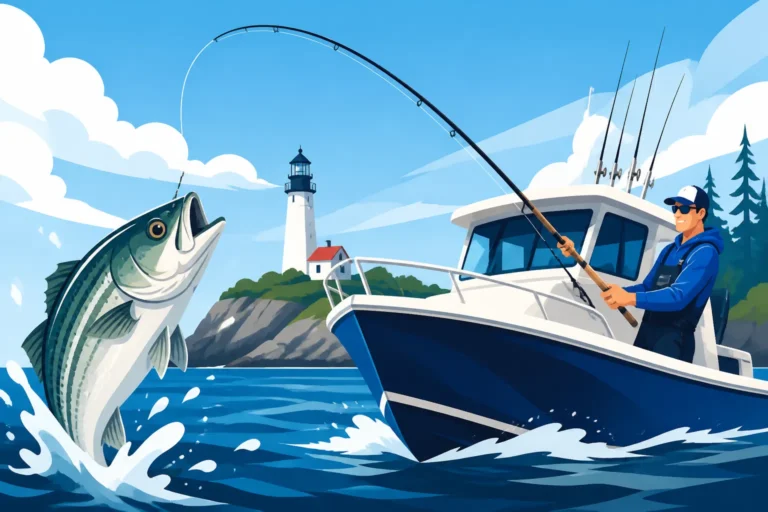
There's something uniquely captivating about Maine's Landlocked Salmon. These powerful, silver-sided fish are renowned for their acrobatic fights and their preference for cold, clear waters. Catching a "trophy" isn't just about size, though that's certainly a part of it. It's about the challenge, the hunt, and the reward of connecting with a truly wild and magnificent creature that has grown large and wise in Maine's iconic lakes.
What Defines a Trophy Salmon in Maine?
When we talk about "trophy" salmon in Maine, we're not just talking about any legal fish. We're often thinking about those impressive specimens that push the upper limits of size for the species, typically ranging from 5 pounds and up, sometimes significantly more. These are the fish that require patience, skill, and often, a bit of luck to entice. They often exhibit incredible strength and put up a memorable fight, making them highly sought after by serious anglers. The specific length and weight can vary by lake and year, but the goal is always a truly exceptional catch, a story to tell for years to come. For more on the species, check out Landlocked Salmon Fishing in Maine.
Prime Habitats for Maine's Largest Salmon
Maine is blessed with several world-class lakes known for producing impressive Landlocked Salmon. Lakes like Sebago, Moosehead, and the various waters of the Rangeley Lakes region are often at the top of an angler's list. These expansive, deep lakes offer the cold-water habitat and abundant forage—especially smelt—that trophy salmon need to grow large. Each body of water has its own unique characteristics, depths, and structures that can hold these fish. Understanding these nuances is exactly where a seasoned guide becomes invaluable. They spend countless hours on these waters, tracking conditions, fish movements, and feeding patterns, which is why their expertise is paramount for serious trophy hunters.
Why a Guide is Essential for Trophy Salmon
Let's be real: trying to find and consistently catch trophy Landlocked Salmon on your own, especially on a vast lake you're unfamiliar with, can be like finding a needle in a haystack. These fish are often deep, spread out, and incredibly particular. A guide doesn't just drive the boat; they provide invaluable knowledge gained over years on the water. They know the seasonal movements, the preferred depths, the exact structure where a big salmon might be lurking, and the subtle techniques that trick these wary fish. Their investment in specialized electronics, tackle, and sometimes even custom lures, can make all the difference between a frustrating day and a successful hunt for that bucket-list fish.
Hallmarks of an Exceptional Trophy Salmon Guide
Not all fishing guides are created equal, especially when your goal is a trophy Landlocked Salmon. To maximize your chances, you need a guide who specializes in this specific pursuit and possesses a unique set of skills and resources.
Deep Local Knowledge and Experience
The best guides for trophy salmon are practically extensions of the lakes they fish. They have an encyclopedic knowledge of the specific waters, including historical patterns, seasonal changes, and how different weather conditions impact fish behavior. This isn't just about knowing where the boat launch is; it's about understanding the underwater topography, the thermoclines, the prime feeding grounds, and even the subtle currents that can influence a salmon's position. An experienced guide for trophy salmon on, say, Sebago Lake, will have a different specialization than one focused on the Rangeley system. Look for someone who has a track record on your target lake. This local expertise is often the single biggest factor in success.
Specialized Gear and Advanced Techniques
Chasing trophy salmon isn't typically done with a simple bobber and worm. It demands specialized gear. Think about high-end sonar units that reveal minute details of the underwater world, precise downrigger systems to present lures at exact depths, and a variety of specialized trolling rods, reels, and lines. Your guide should be proficient in advanced trolling techniques, like using lead core, copper, or wire line, and understand how to rig various baits and lures to imitate the salmon's natural forage, like smelt. They should also possess a diverse arsenal of spoons, stickbaits, and flies, knowing exactly which ones to deploy based on the conditions and the fish's mood. For more on these methods, explore Trolling Techniques for Maine Lakes and How to Use a Downrigger for Lake Trout.
Patience, Communication, and Teaching Skills
A great guide isn't just a fish-finding machine; they're also excellent communicators and teachers. Trophy salmon fishing can test your patience, and a good guide will keep spirits high, offer encouragement, and explain why they're doing what they're doing. They should be willing to share their knowledge, teach you new techniques, and involve you in the process, rather than just handing you a rod. This means explaining how to properly set the hook, fight a large fish, and ideally, practice careful catch-and-release techniques if you're not planning to keep your trophy. The goal isn't just a fish, but a memorable and educational experience.
Commitment to Safety and Professionalism
Safety on the water, especially on large Maine lakes, is paramount. An excellent guide will always prioritize your safety, from maintaining a well-equipped boat with all necessary safety gear to monitoring weather conditions closely. They should be a licensed Maine Registered Guide License Requirements and hold any necessary Coast Guard certifications if operating a larger vessel. Professionalism extends to punctuality, clear communication before and during the trip, and a respectful demeanor. You want someone who takes their craft seriously, ensuring you have a secure and enjoyable day on the water, regardless of what the fish decide to do.
How to Find and Vet Your Trophy Salmon Guide
Finding the right guide for your trophy salmon quest takes a bit of research and due diligence. Don't just pick the first name you see; invest the time to ensure a good match.
Online Directories and Review Platforms
A great starting point for finding potential guides is online fishing charter and guide directories. Websites like FishingBooker compile listings for guides across Maine, often including detailed profiles, customer reviews, and photos of past catches. These platforms allow you to filter by location, target species, and even specific techniques. Reading through genuine angler reviews can give you a strong sense of a guide's personality, their expertise, and their success rate with trophy fish. While browsing, you might find several highly-rated guides specializing in Rangeley Lakes Landlocked Salmon Fishing in Maine or Sebago Lake Landlocked Salmon Run.
Word-of-Mouth and Local Resources
Don't underestimate the power of local knowledge. Visit tackle shops in areas known for trophy salmon, like Greenville, Rangeley, or Naples. The folks behind the counter often know the best local guides personally and can offer unbiased recommendations. Talk to other anglers who frequent these areas; they might have firsthand experience or strong opinions about who to book. Online fishing forums dedicated to Maine angling can also be a valuable resource for recommendations and insights.
Essential Questions to Ask Potential Guides
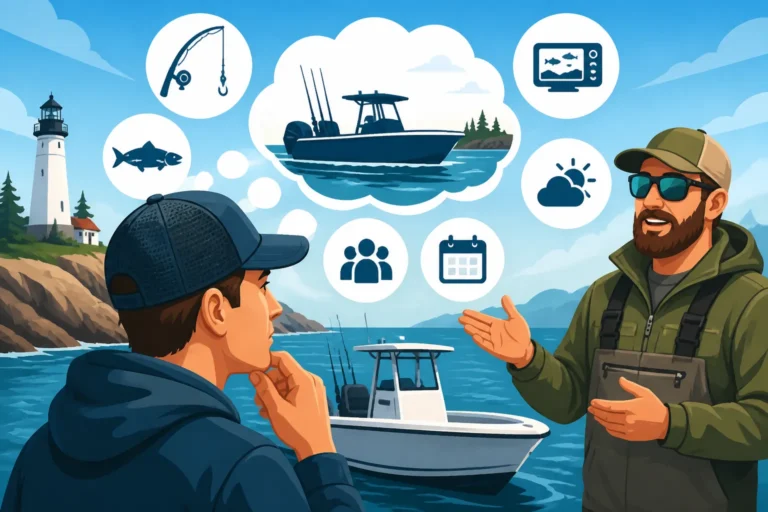
Once you have a shortlist of guides, it's time to reach out and ask some specific questions. This isn't just an interview; it's a conversation to ensure alignment on expectations and goals. Here are some key questions to consider:
| Question Category | Specific Questions to Ask | Why It Matters |
|---|---|---|
| Experience | How long have you been guiding for trophy salmon on [Specific Lake]? | Indicates depth of local knowledge and consistent success. |
| What is your typical approach for finding large salmon? | Reveals their techniques and strategy for trophy fish. | |
| Gear & Techniques | What kind of boat and electronics do you use? | Ensures they have the necessary tools for effective trophy salmon fishing. |
| Do you provide all necessary tackle, bait, and lures? | Confirms you won't need to bring specialized items. | |
| Logistics | What is included in the trip price? (e.g., lunch, drinks, fish cleaning) | Avoids surprises and clarifies expectations. |
| What is your cancellation policy? | Important for planning around weather or unforeseen circumstances. | |
| How many anglers can you comfortably accommodate? | Ensures a comfortable experience for your group size. | |
| Success & Ethics | What is your philosophy on catch-and-release for trophy fish? | Important if you prioritize preserving the fishery or want to keep a fish. |
| Can you provide references from past trophy salmon clients? | Offers social proof and validates their claims. |
Asking these questions helps you gauge not only their expertise but also their compatibility with your fishing style and expectations. For more general advice, see What Should You Ask Before Booking a Maine Guide.
Checking References and Reviews
Always take the time to check references if a guide offers them. A quick phone call can provide invaluable insights into their professionalism, guiding style, and ability to deliver on the promise of a trophy salmon experience. Additionally, scour online reviews beyond just one platform. Look for consistent themes, positive feedback about their specific salmon expertise, and how they handle any less-than-perfect days on the water. Reputable guides, like those you might find listed on platforms such as FishingBooker, often have a wealth of reviews available for your perusal.
Preparing for Your Trophy Salmon Expedition
Once you've chosen your guide and booked your trip, a little preparation on your part can make the experience even better.
What to Bring for a Successful Day
Maine weather can be unpredictable, even in the height of summer. Layering is key! Bring breathable base layers, a warm mid-layer (fleece or wool), and a waterproof/windproof outer shell. Comfortable, non-slip footwear is essential for boat safety. Don't forget sunscreen, sunglasses (polarized are a huge plus for spotting subtle signs), a hat, and a camera to capture that trophy moment. While most guides provide tackle, confirm if you need to bring any personal items. Snacks and drinks are usually a good idea, though some guides might provide them—always clarify beforehand.
Understanding Regulations and License Requirements
Before you even step on the boat, make sure you're legally prepared. Everyone over the age of 16 needs a valid Maine fishing license to fish in Maine's freshwater. Your guide will expect you to have this in order. Be aware that trophy fish might fall under specific slot limits or daily bag limits, which can vary by waterbody and species. Your guide will know these rules implicitly, but it's always good for you to be generally informed. For comprehensive information, consult the Maine Fishing License Guide and Maine Fish Bag Limits Guide. Even on a guided trip, knowing the basics of Maine Fishing Regulations Explained can enhance your understanding and appreciation of conservation efforts.
Setting Realistic Expectations
Chasing trophy fish is a hunt, not a guarantee. While a top-tier guide dramatically increases your odds, fishing is still fishing. There are days when the fish simply aren't biting, or the weather turns. Go into your trip with the mindset of enjoying the experience, learning from your guide, and appreciating the beauty of Maine's wilderness. Landing a trophy salmon is the ultimate goal, but the journey itself, spent on the water with an expert, is a reward in itself. Even on days when the big ones are elusive, your guide will work tirelessly to put you on fish, making it a memorable outing regardless.
Disclaimer
This article is for general informational purposes only and does not constitute professional advice. Laws, prices and regulations vary by location and change over time. Consult a qualified professional for guidance on your specific situation.