Best Sebago Lake Guide for Salmon Fishing
There’s nothing quite like the dream of hooking into a powerful landlocked salmon on Maine’s iconic Sebago Lake. But let's be real, Sebago is a massive body of water, and finding those elusive salmon can feel like searching for a needle in a very deep, very cold haystack. Many anglers arrive with high hopes only to be humbled by the lake's sheer size and the fish's finicky nature. This guide is here to walk you through exactly what makes a great Sebago Lake salmon fishing guide and how to find the perfect expert to turn your salmon dreams into a thrilling reality.
Why a Guide for Sebago Lake Salmon Fishing is Essential
Sebago Lake isn't your average fishing hole; it's a vast, complex ecosystem, and trying to tackle it solo, especially for the prized landlocked salmon, can be incredibly daunting. Many seasoned anglers still rely on guides because the lake's personality changes constantly.
Navigating Sebago's Unique Challenges
Sebago Lake is the second-largest lake in Maine, boasting over 30,000 acres of water and depths plunging to over 300 feet. This isn't a small pond where you can just cast from shore and expect results, especially not for salmon. Landlocked salmon are cold-water fish, and their behavior is heavily influenced by water temperature, baitfish movements, and complex underwater structures. Without intimate knowledge of these factors, you're essentially guessing.
Imagine spending hours blindly trolling across endless stretches of water, wondering if your lure is at the right depth, in the right temperature zone, or even in the right area where the salmon are currently feeding. It's frustrating, energy-consuming, and often leads to disappointment. A guide removes this guesswork, taking you directly to proven spots where they've tracked fish recently. They understand how the wind, sun, and even recent rain might affect where the salmon are holding.
Tapping into Local Expertise
A true Sebago Lake guide isn't just someone with a boat; they're a walking, talking encyclopedia of the lake. They've spent countless hours, often over decades, learning every drop-off, rock pile, and underwater current. This local expertise is invaluable. They know the subtle signs of where baitfish, like smelt, are congregating, which is a huge clue for where the salmon will be lurking.
Their electronics aren't just tools; they're extensions of their senses, constantly scanning for thermoclines (the boundary between warm surface water and colder deep water) and individual fish or bait schools. They interpret these readings instantly, adjusting trolling speeds, depths, and lure choices on the fly. This isn't something you pick up in a weekend. It's honed through years of experience on Sebago, often catching hundreds of fish, which translates directly to a higher chance of success for you. Plus, they can share insights into Maine Landlocked Salmon Bag Limits and ensure you're always fishing legally and responsibly.
What to Look for in a Sebago Lake Salmon Fishing Guide
Choosing the right guide is paramount. It’s not just about finding someone who can drive a boat; it’s about finding a mentor, an expert, and someone whose passion for Sebago Lake salmon fishing matches your own.
Experience and Specialization
When it comes to Sebago Lake salmon, specialization is key. While some guides might offer trips for bass or lake trout (togue), you want someone who truly lives for landlocked salmon on Sebago. Ask them about their history with salmon on the lake. How many years have they been guiding specifically for salmon on Sebago? Do they primarily focus on trolling, which is a highly effective method for these deep-water predators?
An experienced salmon guide will have a deep understanding of the salmon's seasonal movements. They know that in spring, salmon might be closer to the surface or near ice-out areas, while in summer, they'll seek out deeper, cooler waters. They'll know the best times of day, how barometric pressure affects fish, and which bays or points tend to hold fish during different periods. Don't be afraid to ask about their success rates or to see photos of past clients' catches. A truly dedicated guide will be proud to share their track record.
Equipment and Boat Setup
A successful salmon fishing operation on Sebago requires specific equipment. Here’s what you should expect:
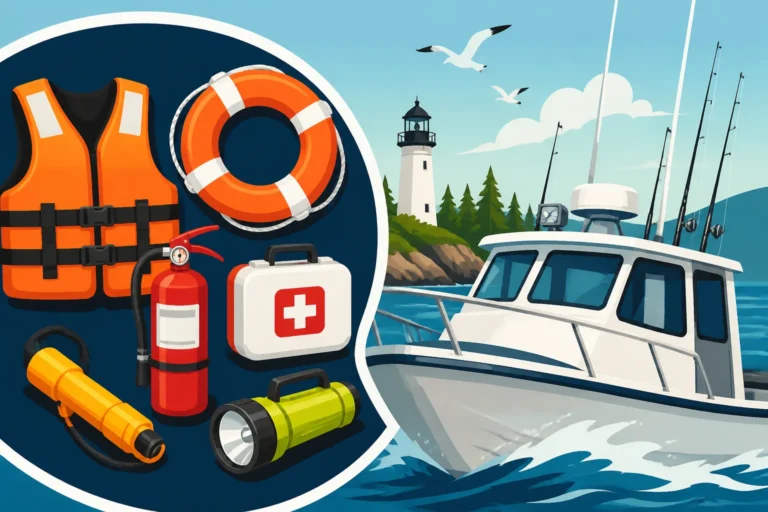
- A Reliable Boat: The boat should be stable, well-maintained, and large enough to comfortably accommodate you and your gear, especially if you're trolling in potentially choppy conditions. Safety gear, including life jackets for all passengers, a first-aid kit, and marine radio, should be standard.
- Advanced Electronics: This includes high-quality sonar and GPS systems. The sonar helps locate fish and identify underwater structures, while GPS is crucial for navigating vast Sebago and marking productive fishing spots.
- Downriggers and Planer Boards: For trolling at precise depths, downriggers are essential. Planer boards can help spread out lines, covering more water and preventing tangles, especially when targeting schooling fish.
- Quality Rods, Reels, and Lures: A good guide provides all the necessary tackle, and it should be well-maintained and appropriate for salmon fishing. This means specialized trolling rods, smooth reels spooled with fresh line, and a wide array of proven lures, flies, and bait setups (like shiners or worms) that have been successful on Sebago. Don't worry about bringing your own unless you have a specific preference; the guide will have what works.
The guide should also be meticulous about keeping their gear in top shape. Worn lines, rusty hooks, or malfunctioning equipment can mean the difference between landing a trophy salmon and losing it.
Communication and Teaching Style
Beyond the fishing itself, a great guide enhances your overall experience. They should be excellent communicators, patient, and willing to share their knowledge. If you're a novice, they should be happy to teach you the ropes – how to set a line, identify a strike, and properly play a salmon. If you're an experienced angler, they should be able to offer advanced tips and techniques.
A guide with a positive and enthusiastic attitude makes the trip enjoyable, even if the fish aren't biting aggressively. They should make you feel comfortable asking questions and should explain why they're making certain decisions about location or lure choice. It's not just about catching fish; it's about learning, enjoying the beauty of Sebago Lake, and creating lasting memories. Think about it: a day on the water is an investment, and having a guide who makes it fun and educational is priceless.
How to Find and Book the Right Sebago Lake Salmon Guide
Finding the perfect Sebago Lake salmon guide takes a little research, but it's well worth the effort to ensure a fantastic fishing experience.
Online Resources and Platforms
In today’s digital age, online platforms are incredibly useful for finding and evaluating fishing guides. Sites like FishingBooker specialize in connecting anglers with local captains and guides. These platforms often provide detailed profiles for each guide, including:
- Photos of their boat and past catches: Giving you a visual sense of what to expect.
- Descriptions of their expertise: Often highlighting specific species like landlocked salmon and their preferred fishing techniques.
- Pricing and availability: Making it easy to compare options and book directly.
- Customer reviews and ratings: This is perhaps the most valuable feature. Real-world feedback from previous clients gives you an honest perspective on the guide's personality, knowledge, and success rate. Look for consistent positive comments about their ability to find fish, their patience, and the overall enjoyment of the trip.
Using a platform like FishingBooker can streamline your search, helping you sift through various options to find a guide who specifically targets Landlocked Salmon Fishing in Maine on Sebago Lake and has a stellar reputation for it. You can often filter by species, location, and even types of fishing (like trolling).
Local Recommendations and Word-of-Mouth
While online reviews are great, don't underestimate the power of local knowledge. If you're visiting the Sebago Lake area, strike up conversations at local bait and tackle shops, marinas, or even restaurants. Owners and employees often have direct experience with local guides or hear feedback from many different anglers. They can provide genuine, unvarnished recommendations.
Local fishing forums and social media groups dedicated to Maine fishing can also be excellent resources. Post a question asking for recommendations for a Sebago Lake salmon guide, and you'll likely receive several suggestions from fellow anglers who have had positive experiences. Personal referrals often lead to the best connections. It's also a good way to get an idea of where to buy a Maine Fishing License Guide or learn about Maine Fishing Season Dates Guide.
Key Questions to Ask Before Booking
Once you've narrowed down your choices, it's crucial to have a conversation with your potential guide before booking. Here are some essential questions to ask:
- "What’s included in the trip price?" Clarify if bait, tackle, and any necessary licenses (though you'll need your own Maine Fishing License Guide) are covered.
- "What is your cancellation policy?" Weather can be unpredictable on a large lake like Sebago. Understand their policy for rescheduling or refunds due to inclement weather.
- "What species do you primarily target on Sebago Lake?" Reconfirm their specialization in landlocked salmon.
- "What's the typical salmon size and catch rate on your trips?" This helps manage expectations, as fishing success varies. A good guide will be realistic.
- "Do you provide fish cleaning and filleting services?" Many guides offer this as part of their service, but it's good to confirm.
- "What should I bring for the trip?" Beyond the essentials, they might have specific recommendations for the day's forecast.
- "Do you have a current Registered Maine Guide license?" All legitimate guides in Maine should be licensed. You can also confirm if they have any additional certifications, like a Coast Guard captain's license if they operate a larger charter boat. This is important, as Maine Registered Guide License Requirements ensure professionalism and safety.
By asking these questions, you'll gain clarity, build confidence in your choice, and avoid any surprises on the day of your trip.
Preparing for Your Sebago Lake Salmon Trip
You've done your homework, booked the guide, and now the excitement is building! A little preparation on your part will ensure you get the most out of your Sebago Lake salmon fishing adventure.
What to Bring and Wear
Sebago Lake, especially in the early morning or late evening, can be significantly cooler than the surrounding land, even in summer. Layers are your best friend!
- Clothing: Dress in layers, including a waterproof outer shell, even if rain isn't in the forecast. Mornings can be chilly, and wind on the water can make it feel even colder. You can always shed layers if it warms up.
- Sun Protection: Sunscreen, a wide-brimmed hat, and polarized sunglasses are crucial. The sun's reflection off the water can be intense.
- Food and Drink: Pack snacks and plenty of water or other beverages. Most guides will have a cooler, but bringing your own provisions is always a good idea.
- Camera: You’ll definitely want to capture those trophy salmon moments!
- Maine Fishing License: Don't forget this! Every angler over the age requirement needs one. You can usually purchase one online or at local vendors. Make sure you understand the current Maine Fishing Regulations Explained.
- Cooler (for your catch): If you plan to keep any salmon within the Maine Fish Bag Limits Guide, bring a cooler with ice to transport your fresh fish home. Your guide might even help you clean and package it.
Understanding Salmon Seasons and Tactics
While your guide will be the expert on specific tactics for the day, having a general understanding can enhance your appreciation of their efforts. Landlocked salmon on Sebago are primarily caught by trolling. This involves slowly moving the boat while dragging lures or bait at specific depths.
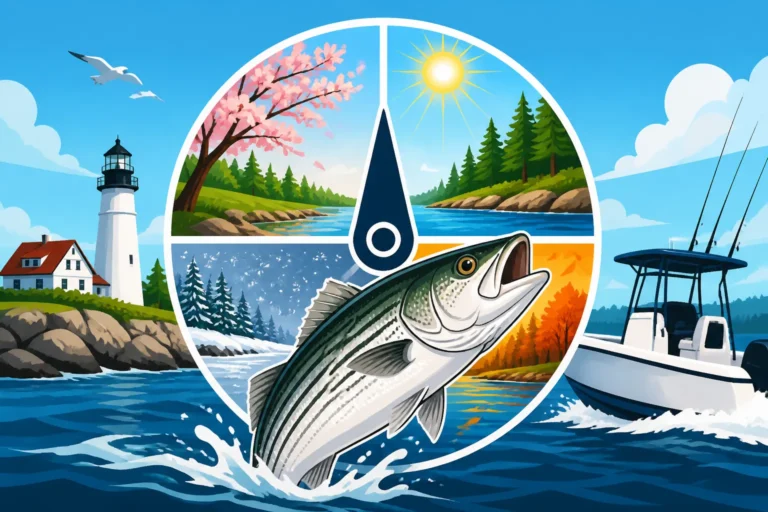
- Spring (Ice-out to early June): This is often considered prime time. Salmon are active and can be found in shallower waters, often near the surface or just below, following schools of smelt that are beginning their spawning runs. Trolling at various depths with spoons, stickbaits, and even flies can be highly effective. The Maine Fishing Season Calendar will give you specific dates for open water fishing.
- Summer (June to August): As water temperatures rise, salmon retreat to deeper, cooler sections of the lake, often holding near the thermocline. This is when downriggers become absolutely essential for presenting lures at precise depths. Guides will focus on areas with deep water access and abundant baitfish. Understanding Trolling Techniques for Maine Lakes is key during these months.
- Fall (September to October): As the lake begins to cool, salmon become more active again and will move into shallower waters, especially as they prepare for their spawning period. This can be another fantastic time to fish.
Your guide will constantly monitor conditions and fish behavior, adjusting tactics as needed. They might try different trolling speeds, vary the types of lures, or move to different sections of the lake if one spot isn't producing. Trust their judgment, as it comes from years of experience on these very waters.
Here’s a quick overview of what to consider when picking your Sebago Lake salmon guide:
| Feature | What to Look For | Why it Matters |
|---|---|---|
| Experience | Years specifically guiding for salmon on Sebago Lake. | Deep understanding of salmon habits, locations, and seasonal patterns. |
| Specialization | Primary focus on landlocked salmon. | Ensures dedicated knowledge and appropriate gear for this species. |
| Boat & Equipment | Safe, well-maintained boat with advanced sonar, GPS, downriggers, quality tackle. | Enhanced safety, accurate fish finding, and effective presentation of lures. |
| Communication | Patient, informative, enthusiastic, and willing to teach. | Improves your learning, enjoyment, and overall trip satisfaction. |
| Reputation | Positive reviews on platforms like FishingBooker and local recommendations. | Indicates reliability, professionalism, and a track record of successful trips. |
| Licensing & Insurance | Current Registered Maine Guide license and appropriate insurance. | Ensures legal operation, safety standards, and protection for clients. |
| Flexibility | Clear cancellation policy for weather, willingness to adapt to client needs. | Peace of mind regarding unforeseen circumstances and a personalized experience. |
A guided trip on Sebago Lake for landlocked salmon is an unforgettable experience. With the right guide, you’re not just going fishing; you’re embarking on an adventure with an expert who can unlock the secrets of this magnificent lake and significantly increase your chances of reeling in one of Maine's most prized freshwater fish.
Disclaimer
This article is for general informational purposes only and does not constitute professional advice. Laws, prices and regulations vary by location and change over time. Consult a qualified professional for guidance on your specific situation.