Best Moosehead Lake Guide for Togue Fishing
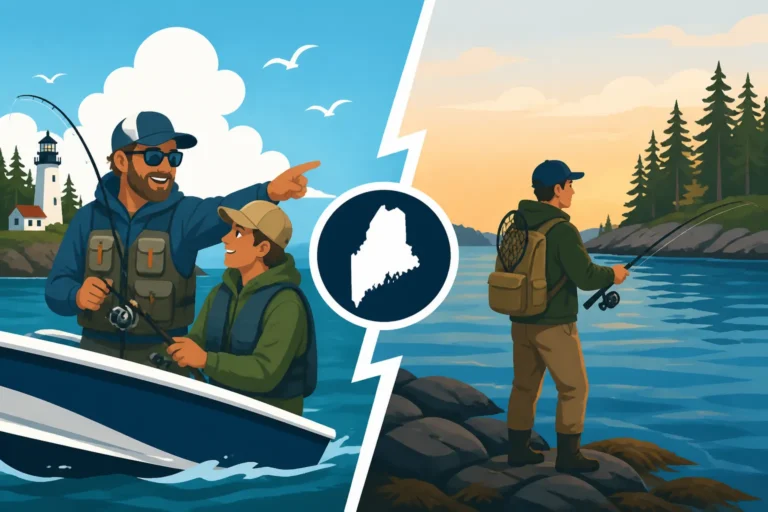
Finding the absolute best guide for togue fishing on Moosehead Lake can feel like a puzzle, especially if you're not intimately familiar with this vast, challenging body of water and the unique habits of its lake trout. It's not just about finding someone with a boat; it's about connecting with an experienced hand who truly understands the subtle nuances of this immense fishery. This guide will help you understand what makes a togue guide exceptional on Moosehead, how to find them, and what to expect for a successful and memorable trip.
Why Moosehead Lake is a Premier Destination for Togue Fishing
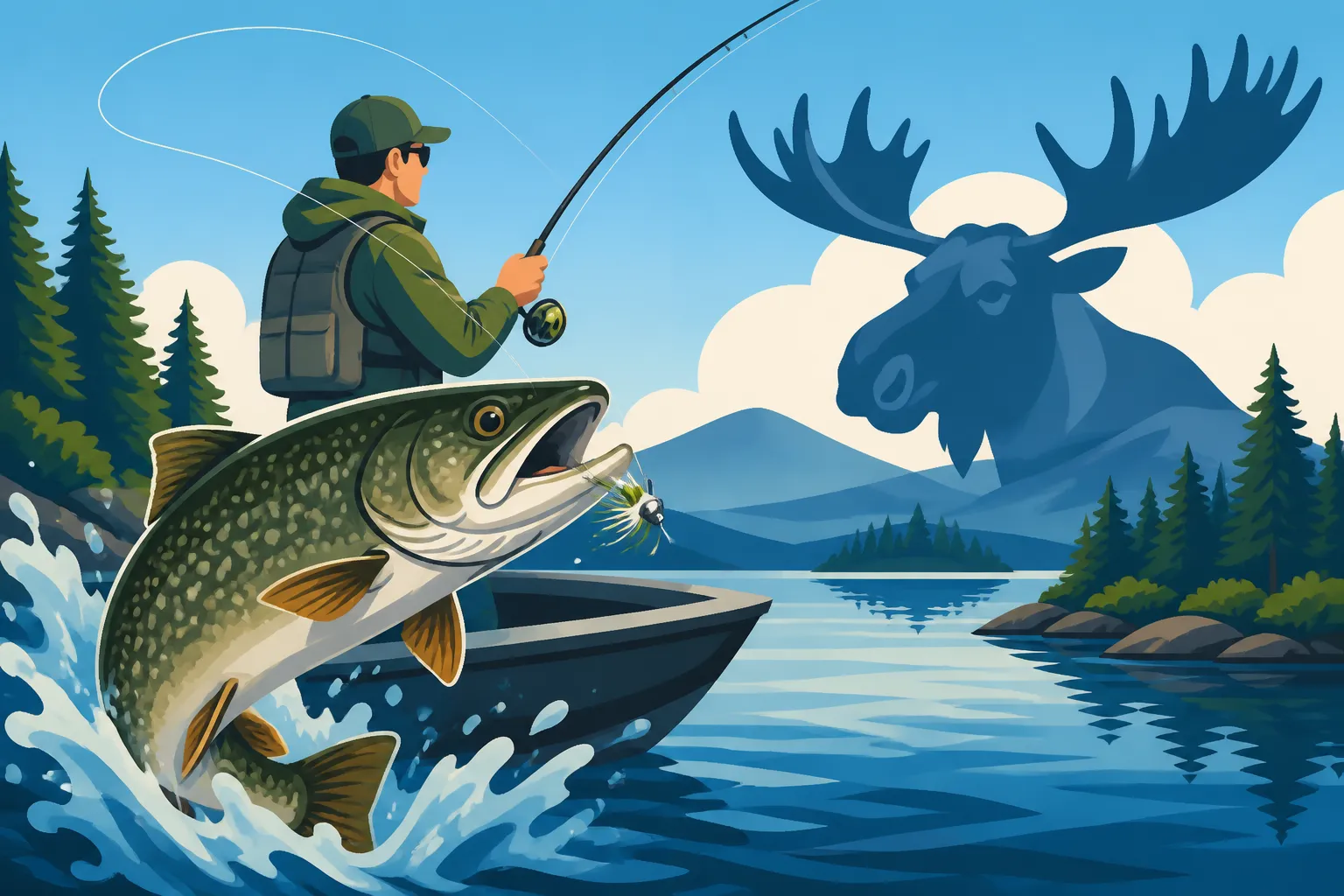
Moosehead Lake isn't just a big pond; it's a colossal freshwater inland sea, the largest in Maine, known for its pristine waters and diverse fish populations, with togue (also known as lake trout) being one of its most prized residents. Anglers from all over flock here for the chance to hook into these deep-water giants. But what makes it so special, and so challenging?
The Unique Togue Habitat of Moosehead Lake
Moosehead Lake offers an ideal habitat for togue, boasting incredible depths and vast expanses of cold, oxygen-rich water that these fish absolutely thrive in. Togue are cold-water species, and How Deep Is Moosehead Lake? really highlights why it's such a perfect home for them. They spend much of their lives in the deeper, cooler sections of the lake, especially once surface temperatures rise in summer. This means they can be tricky to locate without specialized knowledge and equipment. The lake's irregular bottom structure, with its numerous drop-offs, ledges, and submerged islands, provides countless hiding spots and feeding grounds for these predatory fish. Understanding these underwater contours is paramount to finding where the togue are holding.
The Challenge and Reward of Moosehead Togue
Fishing for togue on Moosehead is not for the faint of heart, nor is it a simple cast-and-retrieve affair. It often involves specialized techniques like deep trolling or jigging in specific areas. The sheer size of the lake means that blindly searching for fish can be incredibly frustrating and time-consuming. However, the reward for this effort is truly spectacular: a fight with a powerful, often large, freshwater game fish that can test your angling skills. Beyond the fight, the serene beauty of the Maine wilderness surrounding Moosehead Lake offers an unforgettable experience, making every moment on the water, even the quiet ones, incredibly special. Targeting these fish with a guide who knows the Moosehead Lake Togue Fishing Spots in Maine can dramatically increase your chances of success and significantly reduce the learning curve.
Qualities That Define an Exceptional Moosehead Lake Togue Guide
Not all fishing guides are created equal, especially when it comes to the highly specialized pursuit of togue on a lake as immense and complex as Moosehead. The "best" guide isn't just about flashy gear; it's about a combination of deep knowledge, proven experience, and a certain passion for the craft.
In-Depth Local Knowledge and Experience
A truly great Moosehead togue guide possesses an almost encyclopedic knowledge of the lake itself. They understand the seasonal movements of the fish, often tracking them from the shallower waters in spring and fall to the deep havens during summer. This isn't just about knowing where the fish are, but why they're there—what they're feeding on, how barometric pressure affects them, and how wind and current influence their behavior. They'll know the specific underwater structures that hold fish and understand how to present baits and lures effectively in those spots. This kind of nuanced understanding comes only from years, if not decades, of dedicated time on Moosehead Lake, building an intimate relationship with its waters and its togue population.
Specialized Trolling and Jigging Expertise
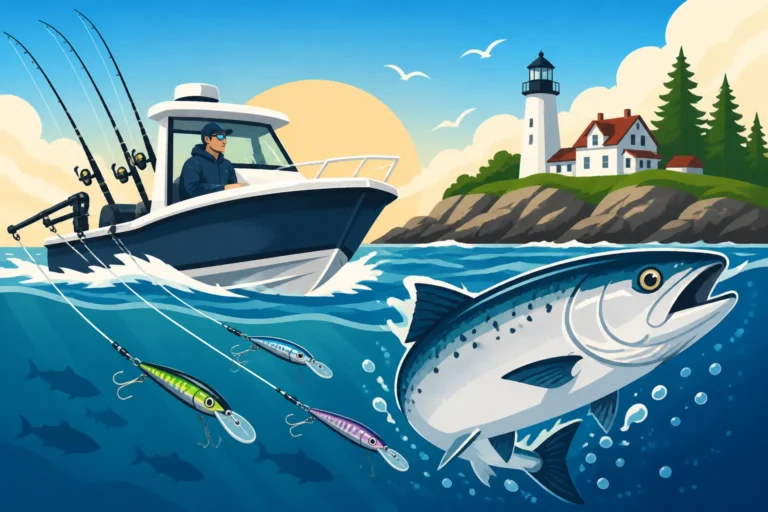
Togue fishing on Moosehead typically involves either deep trolling or specific jigging techniques. A top-tier guide will be a master of these methods. For trolling, they'll have a keen understanding of Trolling Techniques for Maine Lakes, knowing the right trolling speeds, how to use downriggers, lead core line, or copper line to get lures to precise depths. They'll also be expert at selecting the appropriate lures or bait, understanding what works best at different times of the year and under various conditions. When it comes to jigging, especially during certain seasons or for specific types of structure, they'll be proficient in Jigging Techniques for Togue, knowing how to read their electronics to pinpoint fish and present jigs effectively. Their boat will be outfitted with high-quality electronics, like sonar and GPS, which they skillfully use to mark fish, identify structure, and stay on productive drifts or trolling passes.
Safety, Professionalism, and Communication Skills
Beyond their angling prowess, the best guides prioritize safety above all else. They are equipped with all necessary safety gear, know first aid, and are prepared for any contingency on the water. A Registered Maine Guide will typically hold the proper certifications and licenses, ensuring they operate legally and responsibly. Furthermore, their professionalism extends to their communication. They should be excellent teachers, willing to share their knowledge, explain techniques, and patiently answer questions. They're not just there to catch fish for you; they're there to help you learn and have an enjoyable experience, regardless of the bite. This includes being realistic about expectations, especially since fishing can be unpredictable. Their boat will be clean, well-maintained, and comfortable, ensuring a pleasant day on the water.
Finding Your Ideal Moosehead Lake Togue Guide
The journey to an unforgettable togue fishing experience on Moosehead Lake begins with finding the right guide. With so many options, knowing where to start and what to look for can make all the difference.
Researching and Vetting Potential Guides
Start your search by looking for guides who explicitly specialize in togue fishing on Moosehead Lake. Websites for the Maine Professional Guides Association or local tourism boards are great starting points. Online booking platforms, such as FishingBooker, can also be incredibly useful. These platforms often list a variety of guides, complete with detailed profiles, available dates, and, crucially, reviews from past clients. Pay close attention to these reviews: do they mention the guide's knowledge of togue, their patience, their equipment, and the overall experience? Look for consistent positive feedback regarding their ability to put clients on fish, especially togue. Don't hesitate to contact several guides directly. Ask them about their specific experience targeting togue on Moosehead, what techniques they typically employ, and what a typical day on the water looks like with them.
Key Questions to Ask Before Booking
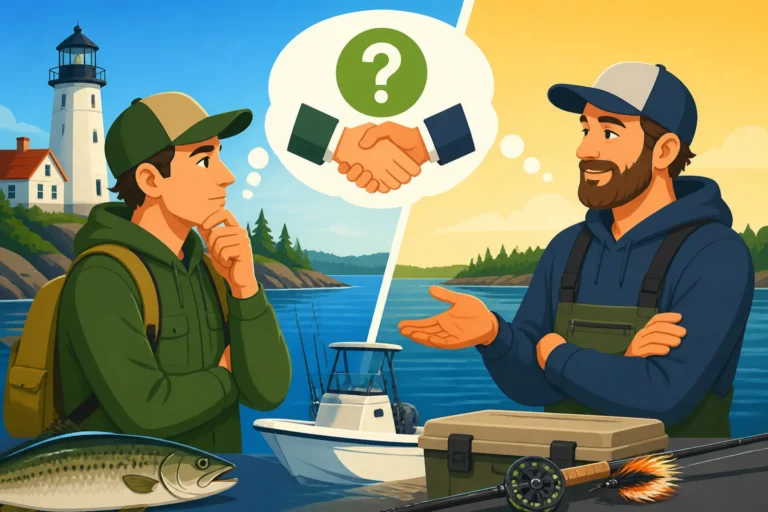
Once you have a shortlist of potential guides, it's time to ask some specific questions to ensure they're the perfect fit for your trip. This isn't just about price, but about ensuring alignment with your expectations and skill level.
| Question Category | Specific Questions to Ask | Why It Matters |
|---|---|---|
| Experience | How long have you guided on Moosehead Lake for togue? What are your most successful techniques for togue here? | Demonstrates deep local expertise and method proficiency. |
| Trip Details | What's included (gear, bait, snacks)? What should I bring? What's the typical duration? | Clarifies expectations, helps you prepare, avoids surprises. |
| Regulations | Do we need Maine Fishing License Guide and understand Maine Togue and Lake Trout Limits? | Ensures legal and responsible fishing, guide's knowledge of Maine Fishing Regulations Explained. |
| Boat & Gear | What kind of boat do you use? Is it equipped with sonar/GPS? What gear do you provide? | Assesses comfort, safety, and technological advantage for deepwater togue. |
| Contingency | What's your policy for bad weather or cancellations? | Protects your investment and plans in case of unforeseen circumstances. |
| Focus | Do you focus on trophy fish, numbers, or a balance? | Aligns the trip with your personal fishing goals. |
Remember, your ideal guide might vary depending on whether you're a seasoned angler looking for a trophy or a beginner hoping for a memorable first experience. Communicating your goals clearly upfront will help the guide tailor the trip to your needs.
Booking and Preparation Tips
Once you've chosen your guide, book your trip well in advance, especially if you're targeting peak seasons like when Best Time of Year to Catch Togue in Maine is happening. Many top guides, particularly those listed on popular sites like FishingBooker, fill their calendars quickly. Confirm details like meeting points, start times, and payment methods. Also, make sure you understand the guide's cancellation policy.
Before your trip, your guide will likely provide a list of recommended items to bring. This usually includes appropriate clothing for varying Maine weather (layers are key!), rain gear, sunscreen, sunglasses, snacks, drinks, and any personal medications. Don't forget your Maine fishing license! Even if the guide provides all the gear, you'll still need your own license. Getting it beforehand can save valuable fishing time on the day of your trip. Also, be prepared for early mornings; togue often bite best during the low-light hours.
Maximizing Your Guided Togue Fishing Experience
You've done the research, booked the guide, and now the day is finally here! To make the absolute most of your Moosehead Lake togue adventure, a little preparation and the right mindset go a long way.
What to Expect on a Guided Moosehead Togue Trip
A typical guided togue trip on Moosehead Lake will start early, often before dawn, to take advantage of the best bite windows. Your guide will have their boat fully rigged and ready, likely with the appropriate rods, reels, and Best Lures for Maine Open Water Fishing or bait for the day's conditions. You'll head out to specific spots on the lake where your guide has had success, often quite a distance from the launch point given the size of Moosehead. Much of the day will involve deep trolling, with multiple lines in the water, or anchored jigging over structure. Be prepared for periods of quiet observation punctuated by intense bursts of action when a rod doubles over! Your guide will handle navigation, boat positioning, and likely even baiting hooks or netting fish, allowing you to focus on the fishing. If you're interested in specific techniques, ask your guide about demonstrating How to Fish for Togue Through the Ice if it's winter, or How to Jig for Lake Trout in Winter, as many open water techniques translate to the ice season.
Essential Gear and Personal Preparedness
While your guide will provide the main fishing equipment, there are a few personal items that will enhance your comfort and enjoyment. Dress in layers, regardless of the forecast, as weather on a large lake like Moosehead can change quickly. A good waterproof and windproof outer layer is crucial. Pack plenty of water and snacks; a day of fishing can be surprisingly dehydrating and energy-intensive. Don't forget polarized sunglasses to reduce glare and a wide-brimmed hat for sun protection. A camera is a must to capture those trophy shots! Consider comfortable, non-slip footwear. And importantly, have a positive attitude and an open mind. Fishing, especially for a challenging species like togue, can be unpredictable. Enjoy the scenery, the company, and the learning experience, even if the fish aren't cooperating fully.
Post-Trip Considerations and Etiquette
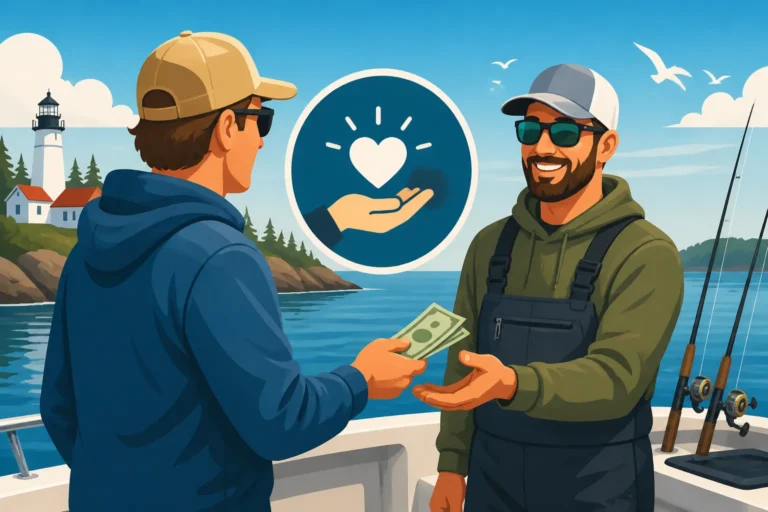
After a successful day on the water, there are a few things to keep in mind. If you've caught fish within the legal limits and wish to keep them, your guide will typically clean and bag your catch for you. Be sure to check Maine Fish Bag Limits Guide for togue before you go. Express your gratitude for their hard work and expertise. Tipping Etiquette for Maine Fishing Guides generally suggests a gratuity for a good experience, similar to other service industries. This is a great way to show your appreciation for their effort, knowledge, and the memorable day they provided. Finally, take a moment to reflect on what you've learned. A guided trip is not just about catching fish; it's about gaining insights into the fishery, improving your skills, and forging a deeper connection with the incredible natural beauty of Maine.
Disclaimer
This article is for general informational purposes only and does not constitute professional advice. Laws, prices and regulations vary by location and change over time. Consult a qualified professional for guidance on your specific situation.