Brook Trout Daily Bag Limits
One of the trickiest parts of planning a fishing trip in Maine, especially if you're targeting those beautiful brook trout, is figuring out the exact daily bag limits. It's not always a straightforward answer, and getting it wrong can lead to frustrating misunderstandings with wardens or, worse, unintended violations. This guide is here to untangle the complexities, helping you understand the rules for brook trout daily bag limits so you can fish confidently and responsibly.
Understanding Maine's General Law for Brook Trout
When you're out on the water in Maine, whether it's a hidden pond or a rushing stream, the first thing you need to grasp is the concept of "General Law." This is the baseline, the default set of rules that applies to most waters across the state unless a specific body of water is listed with its own unique regulations. It's designed to provide a consistent framework, but even within this general law, there are nuances, especially when it comes to beloved species like brook trout.
The Statewide Standard and Exceptions
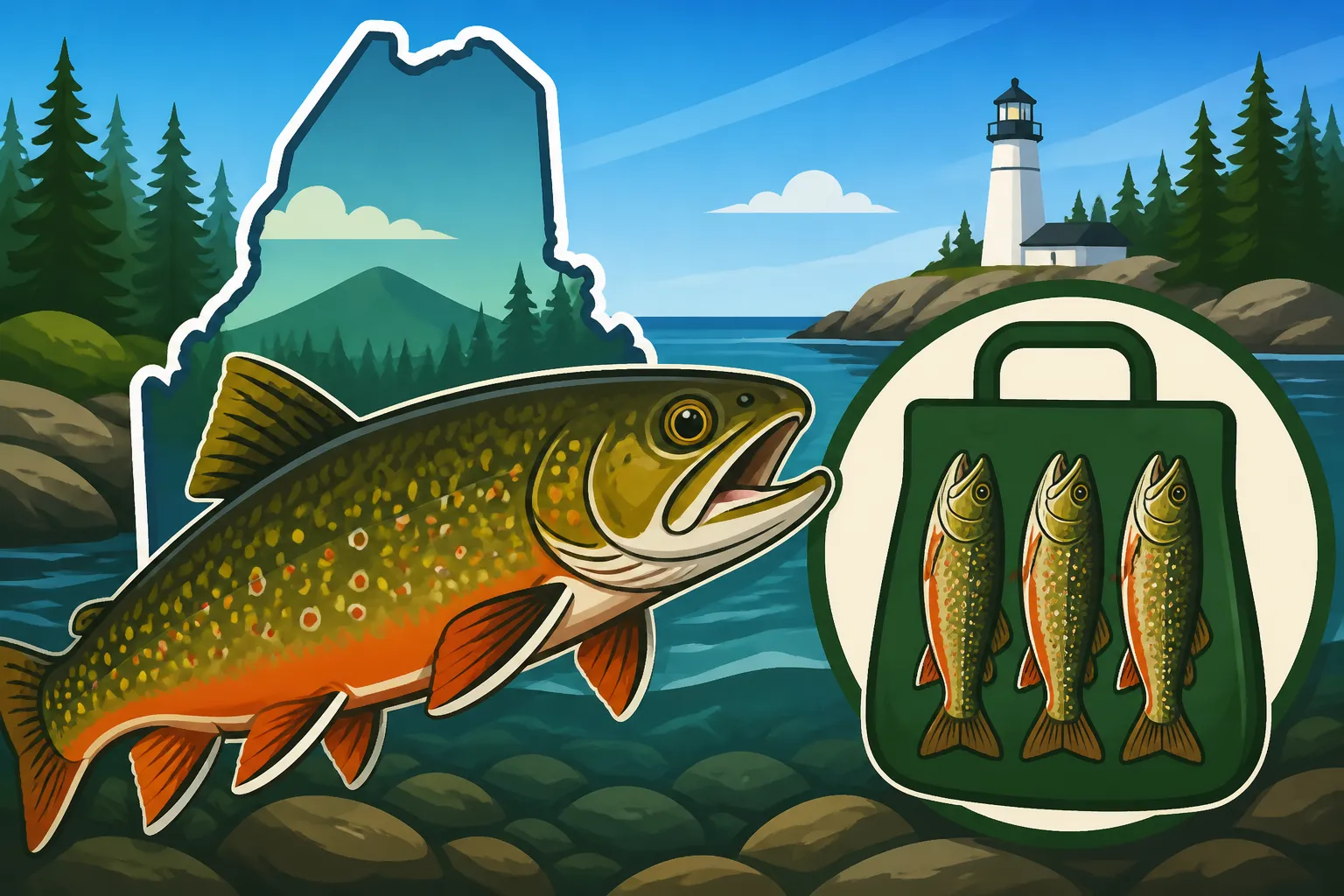
Under Maine's general law, the daily bag limit for brook trout is typically set to protect the fishery and ensure sustainable populations. For most of the state, you're usually looking at a limit of five brook trout per day. This seems simple enough, but it's crucial to remember that this "statewide standard" is just that – a standard. It's the starting point, not necessarily the end-all-be-all. Many waters, due to their unique ecological makeup, fishing pressure, or conservation goals, will have different rules.
These exceptions aren't arbitrary; they're based on careful scientific assessment by the Maine Department of Inland Fisheries and Wildlife (MDIFW). A small, remote pond that's managed for wild, native brook trout might have a stricter limit, or even be catch-and-release only, to protect its delicate ecosystem. Conversely, a heavily stocked pond near a population center might have a more liberal limit to encourage harvest and provide recreational opportunities. Always remember that the general law is the fallback, but the specific water you're fishing might have its own page in the regulations book. For a broader overview of all the rules, check out our comprehensive guide on Maine Fishing Regulations Explained.
Why General Law Matters
Understanding General Law is vital because it establishes your default behavior. If you arrive at a remote stream that isn't explicitly listed in the special regulations section of the law book, you operate under General Law until proven otherwise. This prevents anglers from unknowingly exceeding limits in unlisted waters. It’s the foundational knowledge every Maine angler needs, even if they spend most of their time on waters with special rules.
Moreover, General Law often dictates the length limits too. For brook trout, there’s typically a minimum length requirement, often around 6 inches, to ensure fish have a chance to mature and spawn before being harvested. This combined approach of bag limits and length limits is a cornerstone of fisheries management in Maine, aiming to strike a balance between conservation and recreational enjoyment. Knowing these basics means you won't be caught off guard if you venture into less-frequented areas where special signage or listings aren't prevalent. It’s your safety net.
Navigating Maine's North and South Zones
Maine is a big state with diverse ecosystems, and what works for managing fish populations in the remote northern woods might not be suitable for the more developed southern regions. That's why the state is divided into distinct fishing zones: the North Zone and the South Zone. These zones have been established to allow for more tailored regulations that address the specific environmental conditions, fish species, and fishing pressures unique to each area. For a deep dive into how these zones are delineated and why, refer to our article on Maine North Zone vs South Zone Fishing Rules.
Defining the Zones and Their Purpose
The boundary between Maine's North and South Zones isn't just an arbitrary line on a map; it's a critical demarcation that influences fishing season dates, bag limits, and even techniques. Generally speaking, the North Zone encompasses the vast, wild expanses of northern and western Maine, characterized by colder temperatures, more remote access, and a higher prevalence of wild, native coldwater fisheries like brook trout and landlocked salmon. The South Zone, on the other hand, covers the more populated coastal and southern inland areas, where warmwater species like bass are more common, and fishing pressure can be significantly higher due to greater accessibility.
The purpose of these zones is to allow MDIFW to implement nuanced management strategies. For instance, the growing season is shorter in the North Zone, meaning fish grow slower and may mature later. Therefore, regulations in the North Zone might be designed to provide greater protection for certain species, allowing them more time to reproduce. Conversely, the longer open water season in the South Zone means different considerations for warmwater species and brook trout populations affected by warmer summer temperatures. This zonal approach is a recognition that one size simply does not fit all in a state as ecologically varied as Maine.
Specific Bag Limits for Each Zone
When it comes to brook trout, the daily bag limits can indeed differ between these zones. For instance, the Brook Trout Daily Limit in Maine North Zone might be different from the Brook Trout Daily Limit in Maine South Zone. While the General Law often applies within these zones, specific water bodies in either zone might have additional special regulations that supersede even the zone's standard.
As an example, under certain general regulations, the South Zone might allow a daily bag limit of five brook trout with a minimum length of 6 inches, while the North Zone could have a slightly different approach, perhaps with specific restrictions on certain types of bait or seasons. These differences are designed to protect the unique character of the fisheries in each region. It’s paramount to know which zone you are fishing in and then consult the local regulations carefully. A quick check of the MDIFW law book or their online resources before heading out can save you a lot of headache. Many anglers keep a copy of the law book, or even the MDIFW app on their phone, to quickly verify rules on the go – an invaluable tool, especially if you've picked up some new lures from Amazon and are eager to try them out!
Special Regulation Waters and Their Impact
Beyond the general law and the North/South zone distinctions, Maine has an extensive list of "Special Regulation Waters." These are specific lakes, ponds, rivers, and streams that have rules that override the general law. If a water body is listed in the special regulations section, those are the rules you absolutely must follow, regardless of which zone it's in or what the general statewide limit might be. This is where many anglers, even seasoned ones, can sometimes get tripped up if they're not diligent.
How to Identify Special Regulation Waters
Identifying special regulation waters is crucial for any responsible angler in Maine. The most reliable way to do this is by consulting the annual Maine Open Water & Ice Fishing Laws book published by the MDIFW. This comprehensive guide lists all waters with special regulations, usually organized by county. It's not the most thrilling read, but it's essential. Many local bait shops and outdoor retailers, including some larger chains, often carry these books for free. If you prefer digital, the MDIFW website has a fully searchable version, and they even offer an app, which can be a lifesaver when you’re out of cell service in the wilderness but need to know the rules for a specific pond. Our detailed guide on How to Find Maine Fishing Regulations for a Specific Lake can provide more assistance on this process.
When you look up a particular lake or stream, pay close attention to all the details: species-specific limits, minimum and maximum length restrictions, gear restrictions (like fly-fishing only), season dates, and even bait prohibitions. Some waters might have specific regulations for brook trout, while others might have rules for landlocked salmon or lake trout. Never assume that just because you know the rules for one lake in a region, they apply to another nearby. Each special regulation water is treated as its own unique case, often with specific goals in mind, such as protecting native strains of fish, managing trophy fisheries, or enhancing recreational opportunities.
Common Special Regulations for Brook Trout
For brook trout, special regulations often revolve around protecting their delicate populations, especially in wild and native trout waters. You might encounter waters with a reduced daily bag limit, perhaps down to two or even one brook trout per day, to reduce harvest pressure. There are also many waters, particularly smaller ponds and headwater streams, that are designated as Maine Catch and Release Only Waters List for brook trout, meaning absolutely no harvest is allowed. This is often the case in waters with self-sustaining wild brook trout populations that MDIFW wants to preserve as genetic strongholds.
Another common special regulation for brook trout is an increased minimum length limit, sometimes 10 or 12 inches, to allow fish to grow to a larger size before being kept. Conversely, some waters might have a "slot limit" where you can keep fish within a certain size range, but not those above or below it. This is typically done to protect large, spawning-size fish while encouraging the harvest of smaller, more abundant individuals. Gear restrictions, such as "fly-fishing only" or "artificial lures only," are also prevalent in brook trout waters to reduce mortality rates from bait fishing, where fish often swallow hooks more deeply. Always double-check these details to avoid disappointment or, worse, a violation.
Minimum Length Requirements and Catch-and-Release Practices
Beyond the sheer number of fish you can keep, Maine's fishing regulations for brook trout also often include minimum length requirements. These aren't just arbitrary numbers; they are a critical tool in fisheries management, working hand-in-hand with bag limits to ensure the long-term health and sustainability of our beloved brook trout populations. Understanding and adhering to these length limits is just as important as knowing your daily bag limit.
The Importance of Length Limits
Minimum length requirements for brook trout serve several key purposes. Primarily, they allow young fish to grow to maturity and, most importantly, to spawn at least once before they can be harvested. This ensures that each generation has the opportunity to contribute to the next, maintaining healthy and robust populations. If anglers were allowed to keep very small fish, the reproductive potential of a fishery could be severely hampered, leading to a decline in fish numbers over time.
Additionally, length limits can help manage the size structure of a population. By protecting smaller fish, the rules encourage the growth of larger, more desirable brook trout, providing anglers with the chance to catch bigger, trophy-sized individuals. This strategy also helps distribute fishing pressure, as anglers might focus on larger fish or be more inclined to release smaller ones that don't meet the minimum size. It’s a win-win for both the fish and the anglers who enjoy catching them. The standard Minimum Length for Keeping a Brook Trout in Maine is often 6 inches, but as discussed, special regulation waters can, and often do, have different minimums. Always carry a measuring tape or a fish ruler (many fishing nets even have rulers printed on the handle!) to ensure you're in compliance.
Responsible Catch and Release for Brook Trout
Even when you're within the legal bag and length limits, practicing responsible catch and release is paramount, especially for a sensitive species like brook trout. These beautiful fish, particularly wild ones, can be quite delicate, and proper handling can significantly increase their survival chances if you intend to release them. Whether you're releasing an undersized fish, a fish from a catch-and-release only water, or simply choosing to release a fish you've caught, your actions matter.
When you hook a brook trout you plan to release, try to land it as quickly as possible to minimize stress. Keep the fish in the water as much as you can. If you need to handle it, wet your hands first to protect its delicate slime coat, which is its primary defense against infection. Use a pair of forceps or needle-nose pliers to carefully remove the hook, especially if it’s a treble hook or deeply set. Consider using barbless hooks, or crimping the barbs on your hooks, as this makes hook removal much easier and less damaging to the fish. If the hook is deeply swallowed and you can't remove it quickly without tearing tissue, it's often best to simply cut the line as close to the hook as possible; the hook will usually dissolve or rust out over time. Always support the fish gently, never squeezing it, especially around the gills or belly. For more detailed advice, refer to our guide on Best Practices for Releasing Trout. Once revived and ready, gently release the fish back into the water, allowing it to swim away on its own power. This commitment to proper handling ensures that the fish you release can thrive and contribute to future generations of Maine's brook trout.
Practical Tips for Staying Compliant
Navigating Maine's fishing regulations for brook trout, with its general laws, zone distinctions, and special water regulations, can feel like a labyrinth. However, staying compliant is non-negotiable for a responsible angler. Not only does it protect our precious fisheries, but it also saves you from potential fines and the hassle of legal issues. Luckily, there are straightforward practices you can adopt to ensure you're always fishing by the book.
Accessing the Latest Regulations
The absolute best way to stay compliant is to have the most up-to-date regulations at your fingertips. The Maine Department of Inland Fisheries and Wildlife (MDIFW) publishes a new law book every year, usually in late winter or early spring, before the general open water season truly kicks into gear. These books are free and widely available. You can pick one up at almost any local town office, bait and tackle shop, or even larger outdoor stores like L.L.Bean. They are your primary resource for understanding Maine Fishing License Guide requirements and all the specific rules for species like brook trout.
Beyond the physical book, the MDIFW website is an invaluable digital resource. It features the entire fishing law book online, often with searchable databases that make finding regulations for a specific body of water much faster. Many anglers also download the official MDIFW app to their smartphones. This allows them to quickly check regulations on the go, even when they’re deep in the woods or on a lake. I always make sure to update my app annually and download the offline regulations, just in case I lose signal in a remote area. When planning a trip, especially to a new-to-you area, take the time to look up the specific waters you intend to fish. Don't rely on old knowledge or hearsay; regulations can and do change year to year.
Essential Gear for Measuring and Handling
Staying compliant with brook trout limits isn't just about knowing the rules; it's also about having the right tools. The most critical piece of equipment, besides your rod and reel, is an accurate measuring device. This could be a simple tape measure, a specialized fish ruler, or a measuring board that attaches to your boat or tackle box. Given that the Brook Trout Daily Bag Limits often come with length restrictions, precise measurement is crucial. An inch can make all the difference between a legal fish and a violation.
When selecting a measuring tool, consider one that is durable, easy to read, and ideally floats if dropped in the water. Many fishing nets now come with rulers printed along the handle, which is incredibly convenient. For handling, especially for catch-and-release, a pair of fishing forceps or needle-nose pliers is essential for quickly and safely removing hooks. A good quality net, preferably one with rubberized or knotless mesh, will also minimize harm to the fish's slime coat and fins when landing it. You can find excellent options for all these items on platforms like Amazon, ensuring you’re well-equipped before your next adventure. Being prepared not only helps you follow the law but also demonstrates respect for the fish and the fishery.
Here's a quick summary of common brook trout regulations in Maine:
| Regulation Type | North Zone (General Law) | South Zone (General Law) | Special Regulation Waters (Example) |
|---|---|---|---|
| Daily Bag Limit | 5 brook trout | 5 brook trout | Varies: often 2, 1, or 0 (catch & release only) |
| Minimum Length | 6 inches | 6 inches | Varies: often 10-12 inches, or a slot limit applies |
| Bait/Lure Restrictions | All legal baits & lures | All legal baits & lures | Varies: often Artificial Lures Only or Fly Fishing Only |
| Season Dates | Varies, generally late April/May – Sept 30 (open water) | Varies, generally late April/May – Sept 30 (open water) | Varies, some waters may have extended or restricted seasons |
Note: This table provides general examples. Always consult the current MDIFW fishing law book for specific water body regulations before fishing.
Disclaimer
The information provided in this guide is for general informational purposes only and is subject to change. While we strive to keep the content up-to-date and accurate, fishing regulations can be complex and are frequently updated by the Maine Department of Inland Fisheries and Wildlife (MDIFW). It is the angler's sole responsibility to consult the official, current Maine Open Water & Ice Fishing Laws book or the MDIFW website before engaging in any fishing activity. Failure to do so may result in fines or penalties.