Best Bar Harbor Charter for Deep Sea Fishing
So, you've decided to tackle the open waters off Bar Harbor for some deep sea fishing – fantastic choice! But with so many options, how do you pick the best charter for your hard-earned vacation time and fishing dreams? It can feel a bit overwhelming trying to figure out which boat will deliver the experience you're truly hoping for, whether it's battling a monster or simply enjoying the ocean with family. This guide is here to help you navigate those choices and find a Bar Harbor deep sea fishing charter that truly stands out.
Why Choose Bar Harbor for Deep Sea Fishing?
Bar Harbor isn't just a picturesque town at the doorstep of Acadia National Park; it's also a fantastic jumping-off point for some incredible deep sea fishing adventures. The rugged coast of Mount Desert Island gives way to deep, productive waters teeming with diverse marine life. It's a prime location that offers both stunning scenery and excellent angling opportunities, making it a unique destination for any serious angler or family looking for an unforgettable day at sea.
Unique Marine Environment
The waters off Bar Harbor are part of the rich Gulf of Maine ecosystem, known for its cold, nutrient-rich currents that support an incredible variety of fish. The seabed drops off quickly in many areas, creating ideal habitats for deep-dwelling species. You're not just fishing in any old ocean; you're fishing in a dynamic, vibrant environment shaped by ancient glaciers and strong tides, which concentrate baitfish and, consequently, the larger predators we love to catch.
This unique combination of cold water, deep ledges, and rocky bottom structures provides an environment unlike many other coastal areas. It's a place where you can experience true wilderness at sea, often spotting seals, porpoises, and even whales alongside your fishing quarry. The deep pockets and varying depths mean that even on a single trip, you might target fish that prefer different environments, adding to the excitement and challenge.
Variety of Fish Species
One of the biggest draws to deep sea fishing out of Bar Harbor is the sheer variety of fish you can encounter. Depending on the season and where your captain takes you, you could be dropping lines for groundfish like cod and haddock, trolling for larger pelagic species, or even trying your hand at more specialized targets. It’s never a guarantee, of course, but the potential is certainly there for a mixed bag that keeps everyone on their toes.
Common catches include robust haddock, which are plentiful and make for excellent table fare, and their larger cousins, the Atlantic cod. You might also find pollock, cusk, and even some hefty redfish lurking in the deeper, rockier sections. For those dreaming bigger, the offshore waters can hold opportunities for sharks and, for the truly adventurous, sometimes even bluefin tuna. Knowing what species are active during your visit can help you choose the Best Season to Book a Maine Charter.
Understanding Deep Sea Fishing Charters
Deep sea fishing charters aren't one-size-fits-all. They vary significantly in terms of duration, target species, and the overall experience they offer. Understanding these differences before you book is crucial to matching your expectations with what the charter can realistically provide. It’s like picking out a specific tool for a specific job; you need to know what you’re getting into to ensure it fits your needs.
What to Expect on a Deep Sea Trip
When you book a deep sea charter out of Bar Harbor, you're generally looking at a trip that ventures several miles offshore, often to areas where the water is hundreds of feet deep. This isn't your typical calm-water lake fishing. The boat will be larger and more stable than inshore vessels, designed to handle ocean swells. You’ll spend time traveling to fishing grounds, which can take a significant portion of the trip, but this journey often offers incredible views of the Maine coast and local wildlife.
Once at the fishing grounds, the captain will use sophisticated electronics to locate fish and structure. You'll typically be fishing with bait (like mackerel or squid) and jigs, dropping your lines deep to the bottom. It can be physically demanding, reeling up fish from considerable depths, especially if you hook into something substantial. Most charters provide all the necessary fishing gear, bait, and tackle, so you don't need to bring your own specialized equipment. Don't forget to check if you need a Maine Fishing License Guide or if it's covered by the charter.
Types of Charters Available
Deep sea charters generally fall into a few categories:
- Half-Day Charters: These are usually 4-5 hours long. They're great for families with younger children, beginners, or those who want a taste of deep sea fishing without committing to a full day. The trade-off is often less travel time to distant grounds, meaning slightly fewer options for truly big fish, but still plenty of action closer to shore.
- Full-Day Charters: Lasting 8 hours or more, these trips allow the captain to run further offshore to more productive grounds, giving you more time on the fish and a wider variety of potential species. If you're serious about catching bigger groundfish or targeting more challenging species, a full-day trip is almost always the way to go.
- Private Charters: You book the entire boat for your group. This offers the most flexibility, allowing you to discuss specific target species or fishing styles with the captain. It’s perfect for families, corporate outings, or groups of friends who want a personalized experience without other anglers on board. The cost is higher but split among your group.
- Open Boat/Headboat Charters: These are typically larger vessels that take individual bookings until the boat is full. They are usually more budget-friendly per person, but you'll be fishing alongside strangers, and the captain's focus might be more on ensuring everyone catches something rather than targeting a specific trophy. For researching and comparing these options, platforms like FishingBooker can be incredibly useful, allowing you to see what different captains offer.
Key Factors in Choosing Your Bar Harbor Deep Sea Charter
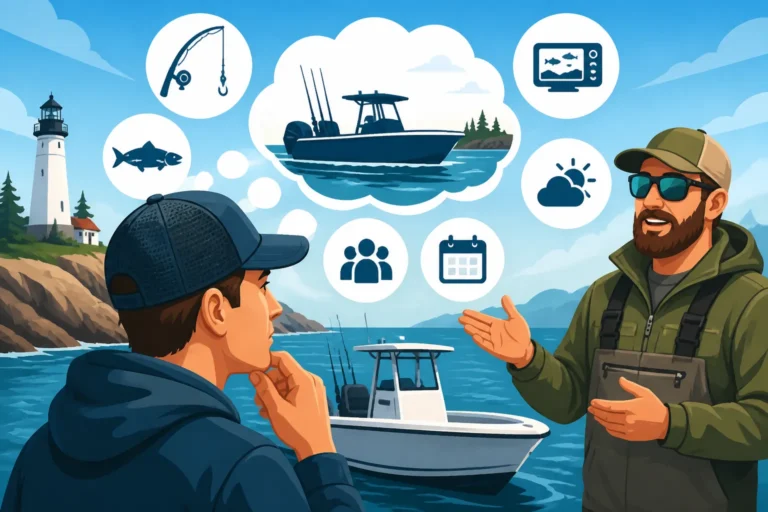
With several excellent options for deep sea fishing out of Bar Harbor, how do you narrow it down to the best one for your trip? It comes down to a few critical factors that will significantly influence your experience. Don't just pick the first one you see; do a little homework to ensure a good match.
Captain's Experience and Local Knowledge
This is perhaps the most crucial factor. An experienced captain with extensive local knowledge of Bar Harbor's deep waters will make all the difference. They know the subtle nuances of the tides, the seasonal movements of fish, and the exact coordinates of productive ledges, wrecks, and rock piles that don't show up on standard charts. They've spent countless hours on these waters, learning the secrets of the sea.
A seasoned captain can read the weather patterns, understand what baits are working best on a given day, and adjust tactics on the fly if the fish aren't cooperating. They can spot the subtle signs of baitfish on the surface or interpret their sonar readings to put you right on the fish. When looking at potential charters, don't hesitate to ask about the captain's years of experience specifically in the Bar Harbor area and their typical success rates for the species you hope to catch. This local insight is truly invaluable.
Boat and Safety Equipment
Safety should always be paramount. A reputable charter will operate a well-maintained vessel that is inspected regularly by the U.S. Coast Guard. Beyond the basic requirements, look for a boat that feels comfortable and has ample space for your group to fish without feeling overcrowded. You'll want sturdy rod holders, a spacious deck, and ideally, a heated cabin if you're fishing in cooler weather.
Ensure the charter openly discusses its safety protocols and equipment. This includes life jackets for all passengers (including children), a VHF radio, GPS, radar, emergency flares, and a first aid kit. A good captain will give a thorough safety briefing before leaving the dock. It's not just about compliance; it's about peace of mind so you can focus on the fishing. When browsing options, FishingBooker profiles often detail boat features and safety provisions, which is a great starting point for Maine Fishing Charters Guide.
Target Species and Fishing Techniques
Different charters specialize in different types of fishing and target species. While many Bar Harbor deep sea charters focus on general bottom fishing for cod and haddock, some might offer specific trips for larger game fish or employ unique techniques. If you have a particular fish in mind, or a specific way you want to fish (like jigging versus bait fishing), make sure the charter can accommodate that.
For example, if you dream of battling a powerful bluefin tuna, you'll need a charter specifically equipped for that kind of heavy tackle fishing, which is a different beast entirely from dropping a line for haddock. Discuss your fishing goals with the captain beforehand. A good charter will be transparent about what's realistically catchable during your visit and what techniques they primarily employ. This helps manage expectations and ensures you're on a boat that aligns with your angling ambitions.
Reviews and Reputation
In today's connected world, reviews are a powerful tool for gauging a charter's reputation. Look for charters with a consistent track record of positive feedback. Pay attention to comments about the captain's demeanor, the condition of the boat, the quality of the gear, and, of course, fishing success. Were passengers treated well? Was the captain patient with beginners? Did they go the extra mile?
Websites like FishingBooker are excellent resources for finding detailed reviews from previous customers, often including photos of their catches. While a single bad review shouldn't necessarily deter you, a pattern of negative comments or a lack of recent reviews could be a red flag. Also, consider asking for recommendations from local tackle shops or fellow anglers in Bar Harbor; word-of-mouth can be incredibly reliable.
What to Bring and How to Prepare for Your Deep Sea Adventure
Heading out onto the open ocean is an exciting prospect, but a little preparation can go a long way in ensuring your comfort and enjoyment. Even the "best" charter can't make up for being underdressed or ill-prepared for a day at sea. Thinking ahead about what to bring can turn a good trip into a truly fantastic one.
Essential Gear and Clothing
Maine weather, especially on the ocean, can be unpredictable and change rapidly. Layering is absolutely key. Even on a warm summer day, the ocean breeze can be cool, and temperatures can drop once you're miles offshore. Start with a moisture-wicking base layer, add a warm fleece or sweater, and top it with a waterproof and windproof outer shell. A good quality rain jacket and pants are essential, even if rain isn't in the forecast, as sea spray can quickly soak you.
Don't forget sturdy, non-slip footwear – boat shoes or waterproof boots are ideal. A hat for sun protection (or warmth), polarized sunglasses to cut glare, and sunscreen are also must-haves. While most charters provide rods and reels, you might want to bring your own specialized gear if you have a lucky setup or prefer a particular type of rod and reel, but always clear this with the captain first. For general recommendations, check out What Gear Is Included on a Maine Charter.
Battling Seasickness
Seasickness can turn a dream trip into a nightmare for some. If you're prone to motion sickness or unsure, it's always best to take preventative measures. Over-the-counter medications like Dramamine or Bonine work best when taken before you board the boat, usually an hour or so in advance. Acupressure wristbands can also provide some relief for mild cases.
During the trip, try to stay on deck in the fresh air, focus on the horizon, and avoid reading or staring at your phone. Eating a light, non-greasy breakfast before you leave can help, and avoid excessive alcohol the night before. Most importantly, don't be embarrassed to tell the captain or crew if you start feeling unwell; they've seen it all and can often offer tips or assistance.
Food, Drinks, and Other Comforts
While some charters might offer light refreshments, it's generally a good idea to bring your own snacks and drinks, especially on a full-day trip. Pack plenty of water to stay hydrated, and include easy-to-eat snacks like sandwiches, fruit, granola bars, or trail mix. Avoid anything overly greasy or strong-smelling that might contribute to seasickness.
A small cooler is perfect for keeping your provisions fresh. Also, consider bringing a camera (waterproof if possible!) to capture those memorable moments, a small towel for wiping hands, and any personal medications you might need. Don't forget a trash bag to pack out everything you bring in, helping keep Maine's beautiful waters clean.
Comparing Bar Harbor Deep Sea Charter Options
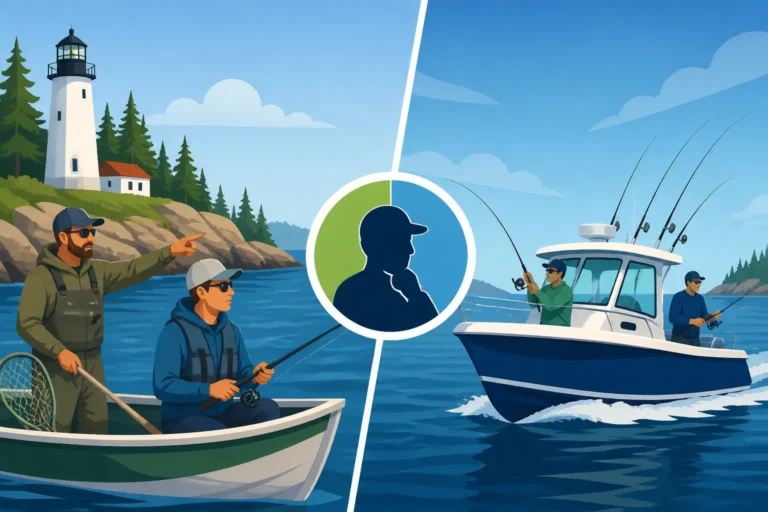
To help you visualize the differences between charter types, here's a quick comparison of what you might encounter when booking your deep sea fishing trip out of Bar Harbor.
| Feature | Half-Day Private Charter | Full-Day Private Charter | Open Boat/Headboat Charter |
|---|---|---|---|
| Duration | 4-5 hours | 8+ hours | 4-8 hours (varies) |
| Target Species | Haddock, Pollock, Mackerel (closer to shore) | Cod, Haddock, Pollock, occasional Cusk, Tuna (further offshore) | Haddock, Pollock (general bottom fish, caters to group) |
| Group Size | Your private group (1-6 people typically) | Your private group (1-6 people typically) | Mixed individuals/small groups (10-30+ people) |
| Cost Structure | Fixed rate for the boat | Higher fixed rate for the boat | Per person rate |
| Flexibility | High – can customize targets, departure time, pace | Highest – extensive customization possible | Low – fixed schedule, captain targets fish for general success |
| Gear Provided | Usually all included, often higher quality | All included, specialized gear for certain targets | All included, often standard rental gear |
| Experience Level | Great for beginners, families, casual anglers | Ideal for serious anglers, experienced groups | Good for beginners, budget-conscious individuals |
| Likelihood of Big Fish | Moderate | High (due to time and distance) | Moderate (can be competitive with more anglers) |
Remember, prices can vary wildly depending on the boat, the captain's reputation, and what's included, so always confirm specifics with the charter operator directly. Looking for Maine Deep Sea Fishing Charters will give you more context on general expectations.
Making the Most of Your Bar Harbor Deep Sea Fishing Trip
Once you’ve chosen your charter, the hard part is over! Now it’s time to focus on enjoying the experience. Deep sea fishing is more than just catching fish; it’s about the adventure, the scenery, and the camaraderie with your fellow anglers or family.
Be Present and Engaged
Put away the distractions and truly immerse yourself in the experience. Feel the rocking of the boat, watch the majestic coastline fade into the distance, and keep an eye out for marine wildlife. Listen to your captain and crew; they are a wealth of knowledge and can offer tips to improve your technique or identify what you’re seeing. A charter is an excellent opportunity to learn from seasoned professionals, whether it's about Maine Open Water Line Limits or simply how to properly set a hook.
Engage with your group and enjoy the shared excitement when a fish hits the line. Some of the best memories aren't just about the fish caught, but the laughter, shared stories, and the collective thrill of being out on the vast Atlantic. This isn't just a fishing trip; it's a marine adventure!
Respect the Crew and the Environment
The captain and crew are there to ensure your safety and give you the best possible fishing experience. Listen to their instructions, follow the rules, and treat them with respect. They work incredibly hard, often in challenging conditions. Tipping your crew is customary and very much appreciated if they've done a good job. Consider tipping around 15-20% of the trip cost, especially if they helped with tangled lines, unhooking fish, or filleting your catch. You can find more details on Tipping Etiquette for Maine Fishing Guides.
Furthermore, always be mindful of the marine environment. Dispose of all trash properly, and if you're practicing catch and release, handle the fish carefully and return them to the water quickly and gently. Adhering to Maine Fish Bag Limits Guide and other regulations ensures that these incredible fishing opportunities remain for future generations to enjoy. The Maine coast is a precious resource, and we all play a part in preserving its beauty and bounty.
This article is for general informational purposes only and does not constitute professional advice. Laws, prices and regulations vary by location and change over time. Consult a qualified professional for guidance on your specific situation.