Do Maine Fishing Guides Provide Rods and Reels?
One of the most common questions I hear from folks planning a fishing trip to Maine, especially those new to the area or trying a new type of fishing, is what gear they need to lug along. It's a valid concern – nobody wants to pack more than necessary, or worse, show up unprepared. This guide is all about shedding light on whether your Maine fishing guide will provide the essential rods and reels, taking some of that pre-trip worry right off your shoulders.
The General Rule: Guides Typically Provide Gear
When you book a guided fishing trip in Maine, whether it's for open water or ice fishing, you can generally expect that your guide will supply the necessary rods, reels, and often, much of the terminal tackle. This isn't just a courtesy; it's a fundamental part of the professional service they offer. They want you to have the best chance at success and the most enjoyable experience possible, and that starts with having the right tools for the job.
Why Guides Include Rods and Reels
Think about it: a professional Maine fishing guide makes their living knowing the local waters, understanding fish behavior, and, crucially, having the right equipment for every situation. They invest heavily in a range of specialized rods and reels designed for the specific species you're targeting and the conditions you'll encounter. For instance, the rod and reel setup for a deep-water lake trout (togue) will be vastly different from what you'd use for a feisty brook trout in a mountain stream. By providing the gear, they ensure you're using equipment that is proven effective in their local honey holes.
This provision of gear also removes a significant barrier for many anglers, especially those traveling from out of state or beginners. Imagine flying into Maine and having to check multiple rod cases, or realizing you don't own the heavy-duty trolling setup needed for Landlocked Salmon Fishing in Maine. Guides eliminate this hassle entirely. It simplifies your travel logistics, reduces potential baggage fees, and ensures you aren't stuck with gear that's either unsuitable or poorly maintained for Maine's diverse fishing environments. It's all about making your adventure as smooth and successful as possible from the moment you step on the boat or ice.
Finally, providing equipment ensures uniformity and safety. A guide often has specific techniques and lures that work best in their area. By providing the rods and reels, they can ensure everyone in the party is using a setup optimized for those techniques. It also means they can quickly spot and fix any equipment issues, preventing lost fish or frustrating tangles that might happen with unfamiliar or subpar gear. This way, everyone starts on the same foot, ready to focus on the fishing, not the fumbling with unfamiliar equipment.
What "Provided Gear" Usually Entails
When a Maine guide says they provide rods and reels, you can typically expect a complete, ready-to-fish setup. This includes the rod itself, a reel spooled with the appropriate line (monofilament, fluorocarbon, or braid, depending on the fishing style), and often, a basic assortment of terminal tackle like hooks, sinkers, swivels, and perhaps some common lures or bait specifically chosen for the day's target species. For example, a guide running a Maine Striped Bass Charters trip will have robust saltwater rods and reels, heavy line, and an array of plugs, jigs, and bait rigs suited for the coastal currents and powerful stripers.
The quality of this gear is usually excellent. Guides depend on their equipment daily, so they typically invest in durable, high-performance rods and reels that can withstand the rigors of constant use and the often-demanding fight of Maine's game fish. They're also meticulously maintained; a good guide cleans, lubricates, and inspects their gear regularly to prevent breakdowns and ensure smooth operation. You're generally getting access to professional-grade equipment that you might not own yourself, giving you a distinct advantage on the water.
However, "provided gear" might not always cover every single consumable. While basic lures and bait are usually included, some specialty or expensive flies, artificial baits, or live bait beyond the standard might occasionally incur an extra charge. For instance, if you're targeting a particular trophy fish that requires very specific, costly lures, it’s always wise to clarify whether those are part of the standard package or an additional expense. Nevertheless, the core tools—the rod, reel, and line—are almost universally part of the guiding service.
The Benefit to You as an Angler
The biggest benefit of guides providing rods and reels is the sheer convenience and peace of mind it offers you. Imagine you're flying into Portland for a trip to the Rangeley Lakes Fishing Guide region. Instead of worrying about transporting bulky rod cases through airports, risking damage, or paying extra luggage fees, you simply show up with your personal essentials, knowing your fishing tools will be waiting for you. This dramatically streamlines your travel and allows you to focus on the excitement of the trip rather than the logistics of gear.
Beyond travel, it's a huge advantage for beginners or those trying a new type of fishing. If you've always fished for panfish in small ponds but are now venturing into Togue and Lake Trout Fishing in Maine on a massive lake like Moosehead, you likely don't own the heavy-duty jigging rods or downrigger setups required. Your guide will have exactly what you need, expertly rigged and ready to go. This means you get to experience new techniques and target different species without having to invest in expensive specialized equipment yourself, making the sport more accessible and enjoyable.
Furthermore, it eliminates the guesswork. Your guide knows the local conditions, the fish, and what works. By using their equipment, you're tapping into their expertise directly. You won't be second-guessing if your rod is too stiff or your reel has enough capacity for that trophy fish. They’ve done all that thinking for you. This allows you to relax, learn, and simply enjoy the unparalleled beauty and fantastic fishing opportunities that Maine has to offer, confident that you’re equipped for success.
Exceptions and Nuances: When You Might Bring Your Own
While guides generally provide excellent equipment, there are certainly scenarios where an angler might consider bringing their own rods and reels. These usually stem from personal preference, the highly specialized nature of certain fishing styles, or specific circumstances. It’s never a bad idea to communicate your intentions with your guide well in advance.
Specialized or Personal Preference Gear
For the avid, experienced angler, there’s a deep connection to their own gear. You might have a specific custom-built rod that perfectly matches your casting style, or a reel that feels like an extension of your arm. For these folks, using their own equipment enhances the fishing experience and gives them a sense of familiarity and control. If you fall into this category, many guides are perfectly fine with you bringing your preferred rods and reels, as long as they are appropriate for the target species and conditions.
However, there's a practical side to consider. While your favorite rod might be perfect for casting small lures on your local river, it might be entirely inadequate for the heavy trolling gear needed to chase salmon on Sebago Lake or handle a hard-fighting striped bass in a strong tidal current. It’s crucial to have a candid conversation with your guide beforehand. Describe your gear and the type of fishing you intend to do. They can advise you if your personal equipment is suitable, or if sticking with their provided gear would be a more sensible and successful option for the day. This dialogue is key to avoiding disappointment and ensuring your gear aligns with the fishing plan.
The guide's primary goal is your success, so they won't want you struggling with equipment that's ill-suited for the task at hand. If your personal gear offers a specific advantage or is simply your comfort zone and it meets the requirements, most guides are happy to accommodate. Just be prepared for them to suggest using their equipment if yours simply isn't up to the unique challenges of Maine fishing.
Fly Fishing Guides and Personal Equipment
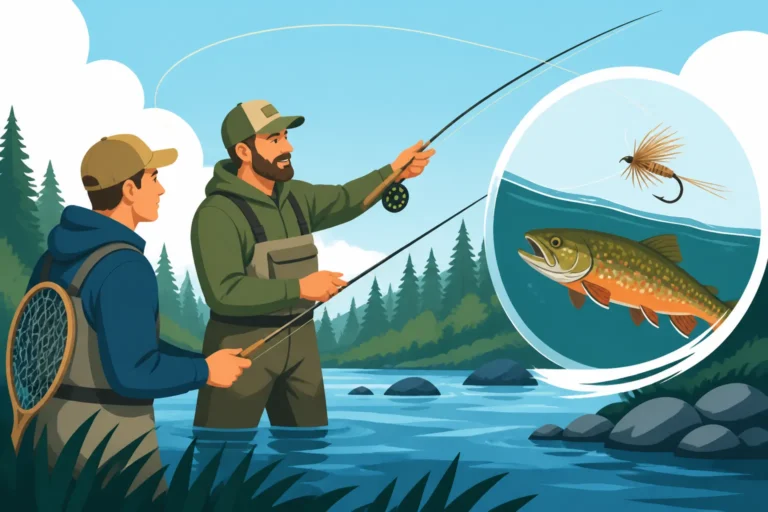
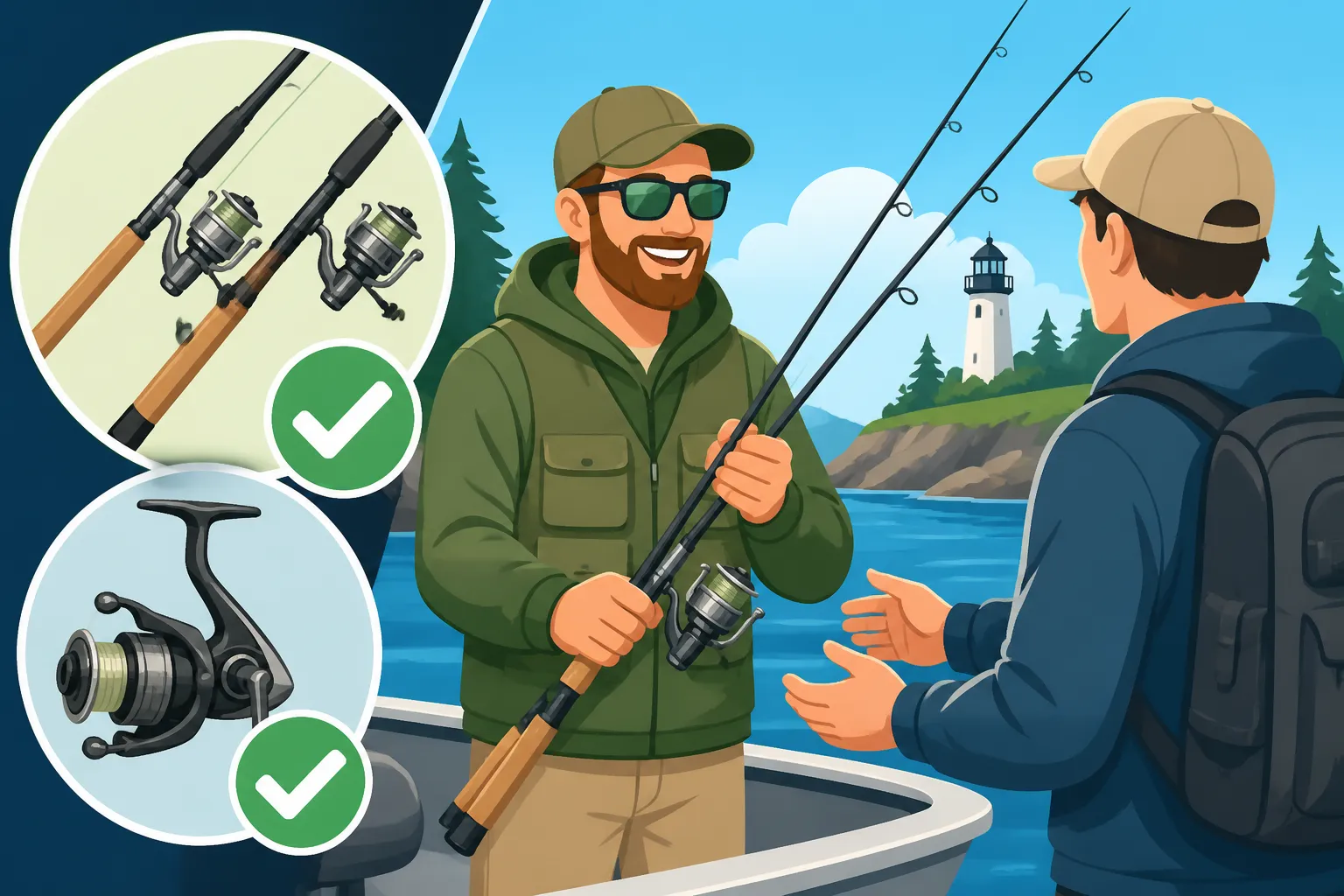
Fly fishing often stands out as an exception to the general rule of guides providing all gear. While some Maine Fly Fishing Guides will have loaner rods and reels, many dedicated fly anglers have a very personal connection to their specific rods, reels, and even fly lines. The action of a rod, the balance of a reel, and the taper of a line are all deeply personal choices that can significantly impact a fly caster's performance and enjoyment. For these reasons, it's very common for fly anglers to bring their own fly rods, reels, and even waders and boots.
If you're booking a fly fishing trip, especially for Brook Trout Fishing in Maine in remote streams or the Allagash Wilderness Waterway, expect to bring your personal fly setup, including your waders and wading boots. Guides will typically provide the flies (often custom-tied for local hatches), leaders, and tippets, but the core casting equipment is often the angler's responsibility. This allows you to use gear that feels familiar and comfortable, which is paramount in fly fishing where technique and feel are everything. If you're new to fly fishing, definitely ask if loaner gear is available, as many guides do keep a few sets for beginners.
It’s always best to clarify with your fly guide precisely what they expect you to bring. They might recommend specific line weights for the conditions or species you'll encounter. They also understand that waders and boots are personal items, and having your own well-fitting, comfortable set can make a huge difference in your day, especially if you're spending hours wading cold Maine rivers. Good communication ensures you're prepared for an exceptional day on the water.
Bait and Terminal Tackle Considerations
While rods and reels are often provided, the specifics of bait and terminal tackle can sometimes vary. Most guides will have a standard supply of hooks, sinkers, swivels, and an assortment of lures or bait that are typically effective in their waters. However, if you have a strong preference for a particular brand or type of lure, or if you want to try an experimental new bait, you might consider bringing your own, provided you discuss it with your guide first.
Some specialized live baits, or particularly expensive artificial lures that are prone to getting lost (like certain deep-diving plugs for trolling), might not always be included in the base price. For example, if you're targeting giant bluefin tuna on a deep-sea charter, the highly specialized (and costly) lures or vast amounts of chum required might be an extra charge. For most freshwater guided trips, however, basic bait like worms, shiners, or a variety of common lures are typically covered.
Always ask your guide directly about bait and tackle. A simple question like, "Are all lures and bait included, or are there any items I might need to purchase or bring?" can save any surprises. Most guides are very transparent about what their fees cover. Sometimes, they might even welcome you trying out a particular lure you're confident in, as long as it aligns with their overall strategy for the day.
Communicating with Your Guide: The Key to a Smooth Trip
The best fishing experiences are built on clear communication between you and your guide. Don't be shy about asking questions before you book or in the days leading up to your trip. A good guide appreciates a client who is engaged and wants to be prepared.
Questions to Ask Before Booking
To ensure you're fully prepared and avoid any surprises, arm yourself with a few key questions to ask your prospective guide or charter captain. This is where platforms like FishingBooker can be helpful, as many guides list their inclusions, or you can message them directly with inquiries. Start with the basics: "What gear do you provide?" or "Are rods and reels included in the cost of the trip?" This will usually be a quick and affirmative answer. Then, you can delve deeper.
Consider asking: "Are there any specific lures, flies, or types of bait that are not included, or that you recommend I bring if I have them?" This helps clarify any potential extra costs or personal preferences. For fly fishing, specifically inquire: "Do I need to bring my own waders and wading boots?" If you prefer to use your own equipment, ask: "I have my own favorite rod/reel; would it be okay if I brought it?" Most guides will appreciate the heads-up and can advise if your gear is appropriate for the conditions and species you'll be pursuing. Remember, their goal is to make your trip a success, and clarity upfront contributes significantly to that.
Understanding Your Guide's Specialty
A guide’s specialty often dictates the kind of gear they primarily operate with. A guide who specializes in Maine Ice Fishing Guides will have an array of ice fishing specific rods, tip-ups, augers, and shelters. Their gear is tailored for the specific challenges and techniques of hardwater angling. In contrast, a guide focused on Moosehead Lake Fishing Guides for trolling landlocked salmon and togue will have downriggers, heavy trolling rods, and a tackle box full of spoons and plugs.
Knowing your guide's focus helps you understand what to expect. If you're booking a guide for a specific type of fishing, like Fly Fishing Techniques for Maine Rivers, you can anticipate that while they might have a few loaner fly setups, they’ll also assume experienced fly anglers will bring their personal gear. Conversely, for a deep-sea trip targeting groundfish or tuna, it's almost a given that all the specialized heavy-duty tackle will be provided. The key is to match your expectations with their expertise.
The more you understand your guide's area of expertise, the better you can prepare your own personal items, like clothing or snacks, knowing that the specialized fishing equipment is handled. It helps to review their website, read reviews, or simply ask them directly about their primary guiding focus and what that means for gear provision.
The Importance of Honesty About Your Experience Level
Being honest with your guide about your fishing experience level is incredibly important, and it directly influences the type of rods and reels they might provide or suggest. If you’re a complete beginner, tell them! They can then select lighter, easier-to-handle rods and reels, provide more hands-on instruction, and patiently help you learn the ropes. Trying to pretend you're an expert when you're not can lead to frustration for both you and the guide, and potentially lost fish because you're struggling with unfamiliar or overly technical equipment.
On the other hand, if you're an experienced angler looking to refine specific techniques or target a challenging species, sharing your skill level allows the guide to provide more advanced instruction and potentially offer more specialized or sensitive gear that might be wasted on a novice. They can also tailor the fishing locations and methods to match your abilities, ensuring you get the most out of your time on the water.
Ultimately, your guide wants you to have a memorable and successful trip. Knowing your experience level upfront allows them to customize the experience, including the equipment, to suit you perfectly. They're professionals, and they've guided anglers of all skill levels, from first-timers to seasoned pros. Don't be embarrassed; be transparent, and you'll reap the rewards of a personalized and well-equipped adventure.
Practical Advice for Anglers
Now that we've covered the ins and outs of fishing guides and their gear, let's talk about what you can and should do to make your trip as enjoyable and successful as possible, beyond just the rods and reels.
Packing Smart When Gear is Provided
Even if your Maine fishing guide provides all the rods and reels, there are still plenty of essential items you'll need to bring to ensure your comfort and safety on the water. Think layers! Maine weather can change quickly. Even on a sunny summer day, a morning breeze on the lake can be chilly, and rain can pop up unexpectedly. Pack waterproof outer layers, regardless of the forecast. Dressing in layers allows you to adjust to changing temperatures throughout the day.
Don't forget the personal protection items. Sunscreen, a wide-brimmed hat, and polarized sunglasses are absolute must-haves, even on cloudy days, as glare off the water can be intense. Insect repellent is crucial, especially during warmer months, if you’re fishing near shore or in marshy areas. A small daypack for your personal items, snacks, drinks, and a camera (in a waterproof bag) is also highly recommended. Your guide will often have a cooler for drinks and lunch, but having your own water bottle and favorite snacks is always a good idea. For a comprehensive list, check out What to Bring on a Maine Fishing Charter.
While the guide handles the fishing tools, you're responsible for your personal comfort and preparedness for the elements. Being well-equipped with the right clothing and personal items will make a huge difference in your overall enjoyment of the trip, allowing you to focus on the thrill of the catch rather than being cold, wet, or uncomfortable.
Respecting Your Guide's Equipment
When your guide provides you with a rod and reel, remember that it's a significant investment for them and their livelihood. These aren't disposable items; they're professional tools that are carefully selected and maintained. Treating their equipment with respect is not just common courtesy, it’s a reflection of your appreciation for their service. This means handling rods gently, not dropping reels on hard surfaces, and being mindful of where you place the rod when you're not actively fishing.
If you encounter a snag or have trouble with your reel, don't try to force it or yank excessively. Politely ask your guide for assistance. They are experts with their gear and can often resolve issues quickly and safely, preventing damage. Similarly, when landing a fish, follow their instructions carefully regarding how to handle the rod and play the fish, which helps protect both the equipment and the fish.
A guide's equipment is often top-of-the-line and meticulously cared for. Showing that same care helps ensure it remains in excellent condition for you and future clients. It's a small but important way to show respect for their profession and their investment in providing you with a quality fishing experience.
Where to Find Reliable Guides and Information
Finding a reputable guide in Maine is easier than ever, thanks to online platforms and local resources. Websites specializing in booking fishing trips, like FishingBooker, allow you to browse numerous Maine fishing guides and charters, read reviews from other anglers, and compare services. These platforms often detail what gear is included, target species, and pricing, making it straightforward to find a guide that matches your needs and expectations. Remember, when you're considering Hiring a Maine Fishing Guide, you want someone with a good track record and clear communication.
Beyond online resources, don't underestimate the value of local knowledge. Bait and tackle shops, sporting goods stores, and even local restaurants in popular fishing towns like Greenville, Rangeley, or Boothbay Harbor can be excellent sources for guide recommendations. These local businesses often have direct relationships with guides and can give you insights into who specializes in what, or who might be the best fit for your specific preferences (e.g., family-friendly, fly fishing, deep-sea).
Always check if a guide is a Registered Maine Guide, which signifies they have met specific state requirements for knowledge, safety, and outdoor skills. While not all guides are required to be registered (especially certain saltwater charters operating under different regulations), it's a good indicator of professionalism and commitment to the trade. Finally, don't forget the essential step of securing your Maine Fishing License Guide before your trip!
| Aspect | Guides Typically Provide Gear | You Might Consider Bringing Your Own |
|---|---|---|
| Convenience | Reduces travel hassle, eliminates need to buy/transport bulky gear. | Requires careful packing and transport, but offers familiarity. |
| Suitability | Ensures you have species-specific, high-quality, maintained gear. | Only if your gear is appropriate for target species and conditions. |
| Cost Savings | No need for personal investment in specialized equipment. | Avoids paying for gear, but initial investment can be high. |
| Expertise | Guide matches gear to conditions and techniques for best results. | You have full control, assuming your knowledge matches the conditions. |
| Common Scenarios | Deep-sea charters, beginner trips, specialized trolling for salmon. | Experienced fly anglers, those with custom high-end equipment. |
| Communication Needed? | Always confirm inclusions and ask about any specialty items. | Absolutely, always clear it with your guide before the trip. |
Disclaimer
This article is for general informational purposes only and does not constitute professional advice. Laws, prices and regulations vary by location and change over time. Consult a qualified professional for guidance on your specific situation.