Best Time of Year to Book a Moosehead Lake Guide
So, you're dreaming of casting a line on the legendary Moosehead Lake, Maine's largest and deepest lake, and you know that a local guide can make all the difference between a nice boat ride and an unforgettable fishing trip. But here's the kicker: when is the best time to actually book that guide? It's not just about when the fish are biting; it's about availability, specific species, and what kind of adventure you're truly seeking. This guide will walk you through the nuances of timing your Moosehead Lake guide booking, ensuring your trip is everything you've imagined and more.
Why Timing Your Moosehead Lake Guide Booking Matters
Booking a fishing guide for a place like Moosehead Lake isn't like buying a loaf of bread; it requires a bit of foresight and strategic planning. The lake's vastness and the incredible variety of species – from massive lake trout (togue) and feisty landlocked salmon to abundant brook trout and even some smallmouth bass – mean that different times of the year offer distinct opportunities and challenges. If you just show up expecting to find an expert guide on short notice during peak season, you might be sorely disappointed.
Many of the best guides are booked solid months, sometimes even a year, in advance, especially for prime dates. They live and breathe these waters, knowing every hidden shoal, every thermocline, and every pattern the fish follow throughout the seasons. Missing out on their expertise because you didn't plan ahead is a common frustration for eager anglers. Understanding the seasonal rhythms of Moosehead Lake fishing will not only help you pick the perfect time for your goals but also give you a head start in securing that invaluable guide.
Understanding Guide Availability and Demand
Just like any high-demand service in a popular tourist destination, Moosehead Lake fishing guides operate on a supply-and-demand basis. The number of truly exceptional, experienced guides is finite, while the number of people wanting to fish one of Maine's most iconic lakes is quite high. This means that certain windows of time become incredibly competitive. Think about it: families planning summer vacations, avid anglers targeting specific spawning runs, or ice fishing enthusiasts looking for safe, productive hardwater days—they all converge on the same relatively short periods.
If you have a very specific date or week in mind due to work, school holidays, or other travel plans, your best bet is to inquire and book as early as humanly possible. Guides often start filling their calendars for the next year even before the current season is fully over. Don't be shy about reaching out to guides directly or checking platforms like FishingBooker well in advance to see their calendars.
Matching Your Target Species with the Season
Moosehead Lake is a diverse fishery, but not all species are equally active or accessible year-round. If your heart is set on catching a trophy Landlocked Salmon Fishing in Maine, your prime window might be different than if you're chasing Moosehead Lake Brook Trout Fishing or looking for a monster Moosehead Lake Togue Fishing Spots in Maine. A good guide specializes in certain techniques and species, and knowing what you want to catch helps narrow down when to book and which guide to pursue.
For instance, the lake trout (togue) are often found deep in the summer but can be very active near the surface after ice-out and again in the fall. Landlocked salmon follow similar patterns, being aggressive in cooler water. Brook trout, while present year-round, might be more accessible in shallower waters during spring and fall, or through the ice in winter. Aligning your angling ambitions with the natural behaviors of the fish is crucial, and your guide will be an expert on these shifts.
Spring into Action: Early Season Excellence
Spring on Moosehead Lake is a period of awakening, both for nature and for the fish. As the ice slowly recedes – usually in late April or early May, known as "ice-out" – the cold, oxygen-rich waters stir the major game species into a feeding frenzy. This is a highly anticipated time for many anglers, offering some of the year's most exciting action.
Post-Ice-Out Frenzy
Right after ice-out, the lake's water temperature is uniformly cold, which means fish that usually prefer deeper, colder water, like landlocked salmon and togue, are often found in shallower areas. They're hungry after a long winter under the ice and actively chasing baitfish near the surface. This creates incredible opportunities for trolling along shorelines, around points, and near tributary mouths. The fish are aggressive, making for some intense battles.
Booking a guide for this period is highly recommended because local knowledge of ice-out timing, current water conditions, and where baitfish are congregating is paramount. This brief window, typically from late April through May, sees high demand. If you want to experience this fantastic shallow-water action for salmon and togue, you'll need to book your guide in the fall of the previous year, or even earlier, to secure a spot. It's a fantastic time for both quantity and quality, and the weather, while sometimes unpredictable, often offers crisp, invigorating days.
Late Spring Transition
As May progresses into early June, the lake begins to stratify, with surface waters slowly warming. This is still an excellent time, but the fishing strategy shifts slightly. Salmon and togue might start to move a bit deeper, requiring different trolling presentations or perhaps even jigging. However, late spring also ushers in prime opportunities for other species.
Smallmouth bass, for example, become much more active as water temperatures rise, moving into shallower, rocky areas for pre-spawn and spawning activities. This can be a fantastic time for light tackle or fly fishing for these hard-fighting fish. Your guide will know the prime smallmouth locations and how to target them effectively. The scenery is also starting to green up, and while black flies can make an appearance, the vibrant natural beauty of the Moosehead region is undeniable. For this period, booking 6-9 months in advance is usually sufficient, though earlier is always better for popular weekends.
Summer's Deep Water Delights
Summer on Moosehead Lake is classic Maine vacation country – warm days, clear waters, and stunning mountain views. While the fish might not be as eager to jump into your boat as they were during the spring frenzy, summer still offers excellent angling, especially for those willing to go a bit deeper.
Early Summer Fishing
June is a transition month where you can still experience some overlap from late spring, but the consistent warming of the lake pushes salmon and togue into their deeper, cooler summer haunts. Trolling becomes the primary method, often using downriggers, lead core, or copper line to present lures at specific depths. Your guide's expertise with electronics, understanding thermoclines, and knowing where the baitfish are holding is absolutely critical during this time.
This can be a fantastic time to catch some really big togue, as they are well-fed and strong. If you enjoy the challenge of technical trolling and want to learn how to read the water, early summer is a great choice. Demand for guides is high as summer vacationers arrive, so booking 8-12 months out is a smart move. Remember, a good guide isn't just taking you fishing, they're teaching you how to fish these waters.
Mid-Summer Challenges and Rewards
July and August are the warmest months, and fishing for salmon and togue requires patience and precision. The fish will be deep, often in 50-100 feet of water or more, congregating around structure or bait schools in the cooler oxygenated zones. This is where a seasoned guide truly shines. They have intimate knowledge of the lake's contours, the subtle shifts in temperature, and the specific lures and trolling speeds that entice lethargic summer fish.
While daytime fishing for salmon and togue can be slower, early mornings and late evenings can still produce strong results. Smallmouth bass fishing, however, can be excellent throughout the summer, especially in the mornings and evenings, and in areas with plenty of rocky cover. If you prefer a more relaxed pace and appreciate the stunning summer scenery, this is a beautiful time to be on the lake. Family trips are popular, and guides get booked up quickly. Don't hesitate to use services like FishingBooker to compare guides and book your slot well in advance, even a year ahead, especially for prime July and August weekends. Best Time of Year to Fish in Maine can vary greatly depending on your target.
Fall Foliage and Phenomenal Fishing
For many serious anglers, fall is the undisputed champion for fishing on Moosehead Lake. The crisp air, the vibrant display of autumn leaves, and the aggressive nature of the fish make for an unforgettable experience.
Early Fall Aggression
As September arrives and the air temperatures drop, the surface waters of Moosehead Lake begin to cool, causing the fish to become much more active. Landlocked salmon and togue, feeling the urge to feed before winter, move shallower and become incredibly aggressive. Trolling or even casting large flies or lures near the surface can be highly productive. This is often considered one of the Best Time of Year to Catch Landlocked Salmon in Maine due to their pre-spawning activity and willingness to strike.
The early fall is also when the spectacular foliage of Maine begins to explode, painting the landscape in reds, oranges, and yellows. It’s a sensory feast, combining stunning natural beauty with fantastic fishing. Guide demand during this period, particularly from mid-September to mid-October, is incredibly high. If fall fishing is your dream, you'll want to have your guide booked at least a year in advance. Many repeat clients re-book their fall dates immediately after their current trip concludes.
Late Fall Spawning Runs
Towards late October and early November, as water temperatures continue to drop, some species, particularly brook trout and landlocked salmon, begin their spawning rituals. While specific spawning areas might be closed to fishing to protect the populations, the surrounding waters can still offer excellent opportunities for active, pre-spawn fish. Brook Trout Daily Limit in Maine South Zone and other specific regulations become even more critical during this time.
For togue, the fall often marks their movement into shallower waters for spawning, making them more accessible than during the deep summer months. A guide with intimate knowledge of these seasonal movements will put you on fish. The weather can be chilly and unpredictable, but the rewards are often worth it. This is a quieter time on the lake in terms of general tourism, but dedicated anglers flock to it. Don't underestimate the need for an early booking for a guide who specializes in these late-season tactics.
Winter Wonderland: Ice Fishing Guide Opportunities
When the vast surface of Moosehead Lake freezes solid, usually from late December through March, a whole new world of fishing opens up: ice fishing. This quintessential Maine winter activity can be incredibly rewarding, especially with a knowledgeable guide.
Early Ice Action
The period immediately after safe ice forms, typically late December into January, is often one of the most productive times for ice fishing. The fish are still relatively active from their fall feeding, and access to areas that were difficult to reach by boat can become possible. Togue and salmon are often found in shallower areas than they will be mid-winter, and brook trout can be very active.
Hiring an ice fishing guide for Moosehead Lake is an excellent idea, especially if you're new to the sport or visiting from out of state. They'll have all the necessary gear – heated shacks, augers, tip-ups, jigging rods, and bait – making your experience comfortable and productive. They also know the safest ice conditions and the most reliable spots. Demand for early ice guides is high, so booking by late summer or early fall is advisable. How Many Lines Are Legal for Maine Ice Fishing? is an important consideration for any ice angler.
Mid-Winter Deep Freeze
February, and often into early March, sees Moosehead Lake covered in its thickest ice. The fishing can sometimes slow down a bit during this period, but it's also a time for targeting deeper-holding fish, particularly large togue. Patience is key, as is a good guide who understands subtle fish movements and how to entice bites from less active fish.
This is also a fantastic time to enjoy the serene beauty of a Maine winter. With a heated shack, hot coffee, and good company, ice fishing can be a truly peaceful and rewarding experience. Guide services like those listed on platforms like FishingBooker or specialized Best Ice Fishing Guides Near Moosehead Lake can make all the difference, providing comfort and expertise. Many guides offer multi-day packages or combine their services with lodging in a cozy sporting camp.
Late Ice Opportunities
As March progresses and the days lengthen, the fish often become more active again, sensing the approaching spring. Late ice can be very productive for salmon and togue as they start to move shallower and feed aggressively before ice-out. However, late ice also brings safety concerns. Hiring a guide during this period is not just about catching fish, it's about staying safe on deteriorating ice.
A professional guide will know how to read the ice conditions, where the safest travel routes are, and when it's simply too dangerous to be out. They prioritize your safety above all else. This can be a prime time for trophy fish, but it requires caution and expertise. Book your late ice guide by mid-winter to ensure availability.
Booking Logistics and Pro Tips for Your Moosehead Adventure
Once you've zeroed in on the ideal time of year for your Moosehead Lake fishing adventure, it's time to nail down the logistics. Thinking ahead and understanding the booking process will help ensure a smooth and successful trip.
When to Make the Call: Booking Windows
The general rule of thumb for booking a Moosehead Lake fishing guide is: the earlier, the better. For peak seasons like post-ice-out spring, prime fall foliage, and summer weekends, booking 9-12 months out (or even more) is not an exaggeration. Some of the most sought-after guides have clients who re-book their annual dates before they even leave the boat! For less competitive times, such as mid-week summer dates or certain periods in early winter, 6-9 months in advance might suffice, but don't count on last-minute availability.
Consider your flexibility. If you can be flexible with your dates, perhaps opting for mid-week rather than a weekend, you might find more availability even with popular guides, and potentially better rates. Always communicate your desired dates and target species clearly when you first inquire.
What to Look for in a Moosehead Lake Guide
Choosing the right guide is just as important as choosing the right time of year. Look for a Registered Maine Guide with a specialization in fishing, and ideally, specific experience on Moosehead Lake. Don't be afraid to ask questions:
- What species do they specialize in?
- What gear do they provide? (Rods, reels, bait, tackle, safety equipment, boat type)
- What should you bring? (Clothing, Maine Fishing License Guide, food, drinks)
- What's their cancellation policy?
- Do they offer half-day or full-day trips? Maine Full-Day Charter Price Range versus half-day can influence your choice.
- Are they knowledgeable about Maine Fishing Regulations Explained for specific areas of Moosehead?
Reading reviews on platforms like FishingBooker can provide invaluable insight into a guide's personality, professionalism, and fish-finding abilities. A good guide doesn't just put you on fish; they enhance your entire experience with their knowledge, stories, and enthusiasm for the lake.
Essential Preparations for Your Guided Trip
Once your guide is booked, you'll need to prepare. First and foremost, secure your Maine Fishing License Guide well in advance. You can often do this online through the Maine Department of Inland Fisheries and Wildlife website. Also, check the specific Maine Fish Bag Limits Guide and regulations for Moosehead Lake, as these can vary by waterbody and season. Your guide will certainly be up-to-date, but it's good to be informed.
Pack appropriate clothing for the season. Maine weather, especially in the North Woods, can change rapidly. Layers are always a good idea. Bring sun protection, rain gear, and plenty of water and snacks. Communicate any specific needs or expectations with your guide before the trip. Being prepared helps you focus on the fishing and enjoy the stunning natural environment.
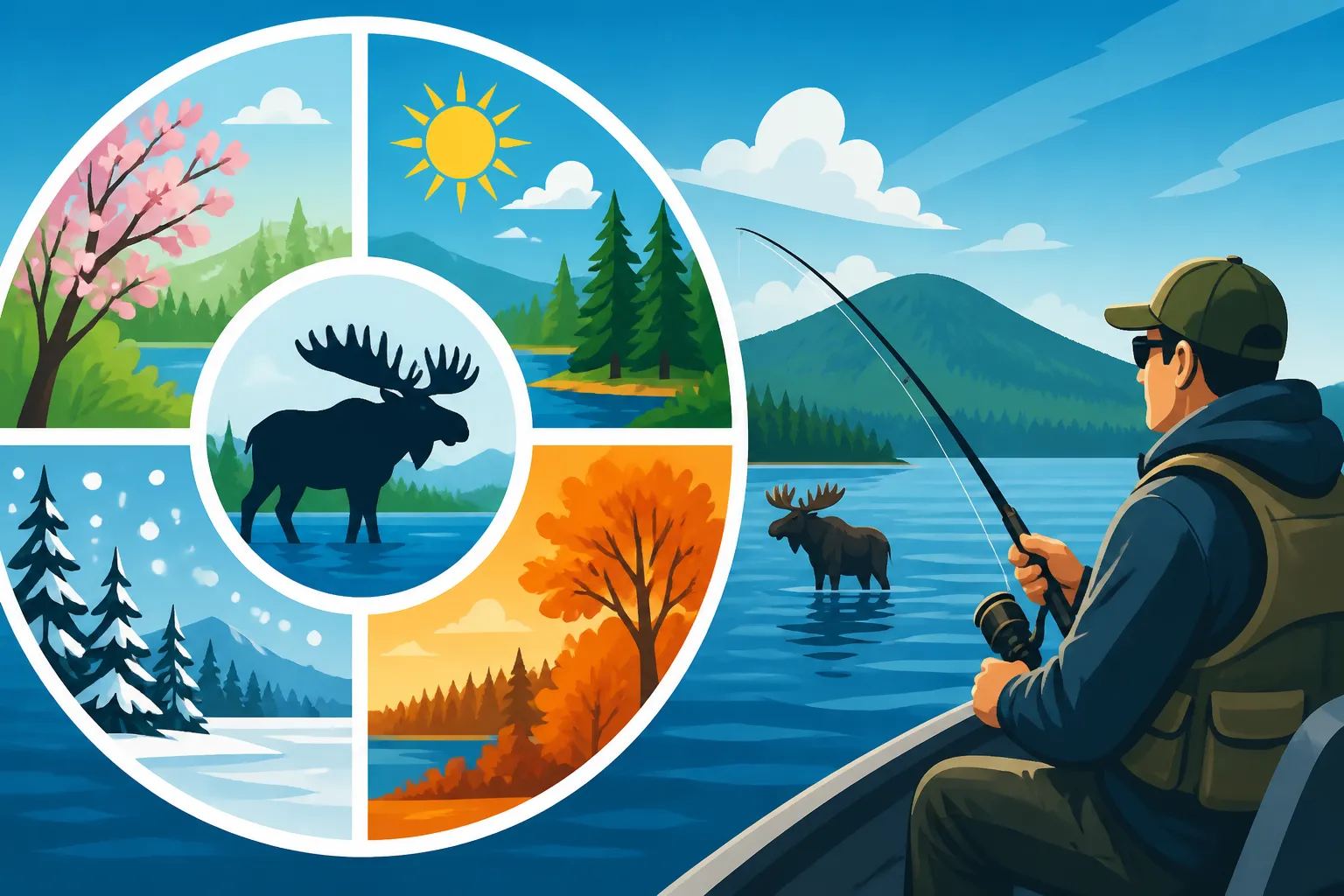
Here’s a quick overview of booking considerations by season:
| Season | Best Time to Book | Primary Target Species | Typical Conditions | Key Advantages |
|---|---|---|---|---|
| Spring | 9-12 months prior | Landlocked Salmon, Togue | Cold water, active surface bite, ice-out variable | Aggressive fish, often shallow, exciting action |
| Early Summer | 8-12 months prior | Landlocked Salmon, Togue, Bass | Warming waters, fish moving deeper, beautiful weather | Excellent trolling, active bass, stunning scenery |
| Mid-Summer | 10-14 months prior | Togue (deep), Smallmouth Bass | Warmest water, fish deep, recreational boat traffic | Trophy togue potential, good bass, family friendly |
| Early Fall | 12+ months prior | Landlocked Salmon, Togue | Cooling waters, active feeding, peak foliage | High fish activity, spectacular scenery, trophy fish |
| Late Fall | 9-12 months prior | Togue, Brook Trout, Salmon | Cold, crisp air, pre-spawn activity | Fewer anglers, unique spawning run opportunities |
| Winter (Ice) | 6-9 months prior | Togue, Brook Trout, Salmon | Hard ice, often cold, heated shacks | Unique Maine experience, often good action |
Booking your Moosehead Lake fishing guide is about more than just finding an open slot; it's about carefully planning your adventure to align with the best conditions for your desired experience and ensuring you get the expertise of a seasoned professional. Whether you're chasing the spring salmon rush or the solitude of a winter ice-fishing trip, a little foresight will pay huge dividends.
Disclaimer
This article is for general informational purposes only and does not constitute professional advice. Laws, prices and regulations vary by location and change over time. Consult a qualified professional for guidance on your specific situation.