What Is Included in a Maine Fishing Charter Price?
It's incredibly frustrating when you're planning a fun fishing trip, you see a charter price, and you're left wondering, "Okay, but what actually does that cover?" It's not always clear, and nobody wants to be hit with unexpected costs when they're out on the water, trying to relax. This guide is here to demystify what's typically included in a Maine fishing charter price, helping you understand the value and anticipate any potential extras so you can budget with confidence.
Breaking Down the Baseline: What Your Standard Maine Fishing Charter Price Covers
When you book a fishing charter in Maine, you're not just paying for a boat ride. You're investing in an experience, and the core of that experience is usually well-covered in the advertised price. Think of it as an all-inclusive package for the essential components of a successful day on the water.
Essential Gear and Tackle
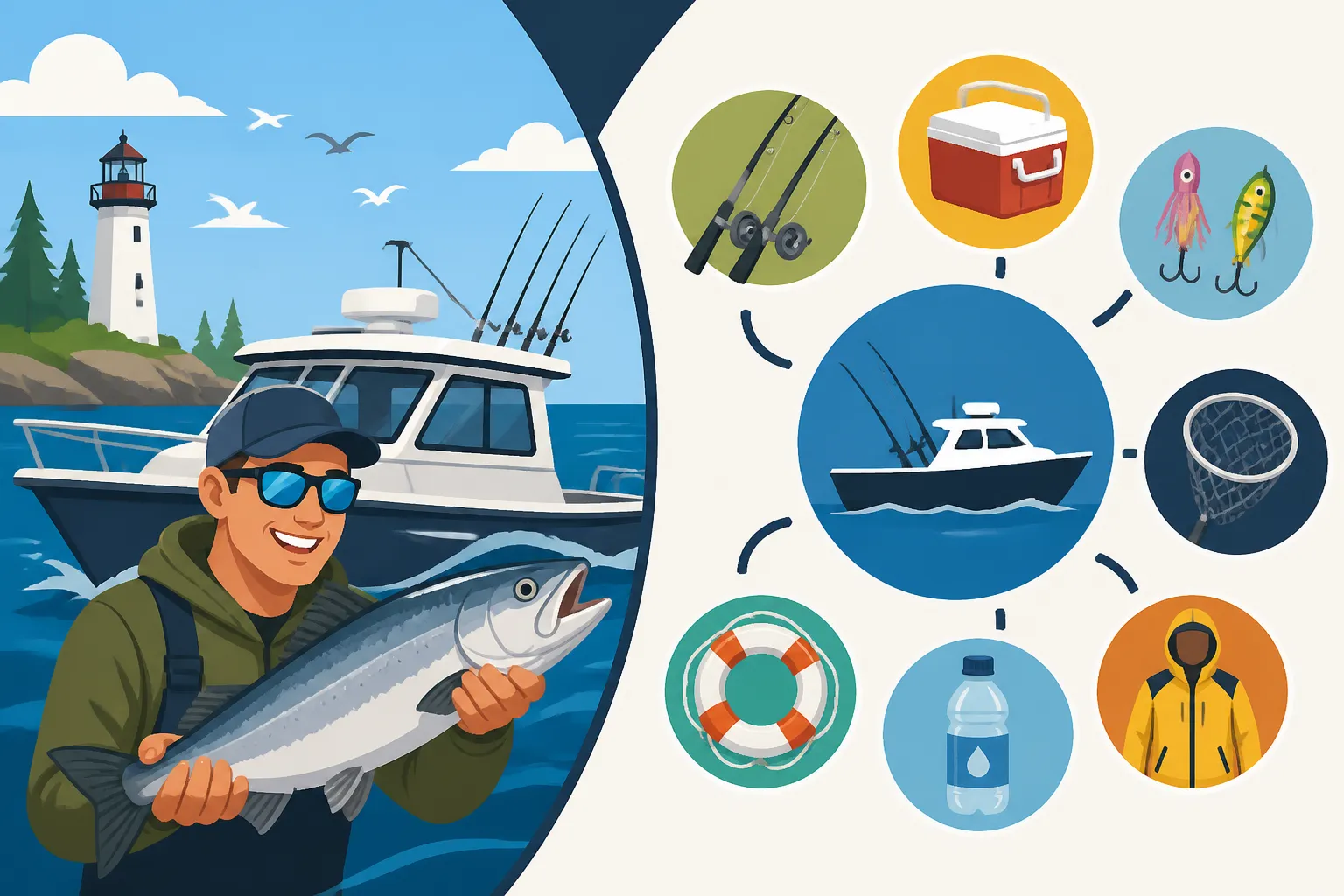
One of the biggest perks of booking a charter is not having to worry about bringing all your own equipment. For many anglers, especially those traveling from out of state or just starting, owning a full suite of rods, reels, and tackle for every possible scenario in Maine can be a huge barrier. This is where a charter shines. The price almost always includes the use of high-quality, well-maintained rods and reels appropriate for the species you'll be targeting, whether you're chasing striped bass along the coast or trolling for landlocked salmon on a vast lake.
Beyond the big items, the charter will also supply the necessary terminal tackle – hooks, sinkers, swivels, and lures or bait. Imagine trying to figure out which specific jig works best for togue in a deep lake, or what kind of live bait striped bass are hitting on a particular day in Casco Bay. Your captain and crew are on top of that, having prepped everything based on current conditions and target species. This saves you the headache and expense of buying specialty gear you might only use once.
For deep-sea excursions, where specialized rods and reels are often required for battling larger fish like cod or haddock, this inclusion is even more valuable. You're talking about robust, heavy-duty setups that are expensive to buy and maintain, but they're ready and waiting for you on the charter.
Professional Guidance and Expertise
This is arguably the most valuable inclusion in any Maine fishing charter price. You're not just renting a boat; you're hiring the accumulated knowledge and skill of a seasoned professional. Your captain and crew know the local waters like the back of their hand – where the fish are biting, what depths they're holding at, what techniques are most effective, and how to adapt to changing weather or tides. This insight is priceless, especially in a diverse fishing state like Maine, with its myriad lakes, rivers, and coastal waters.
A good guide provides constant instruction and assistance throughout the trip. Whether you're a complete novice who needs help casting or an experienced angler looking to refine your technique, they're there to offer tips, tie knots, rig lines, and even assist with landing fish. They understand the nuances of things like Trolling Techniques for Maine Lakes or Maine Striped Bass Fishing Techniques, ensuring you're using the right approach at the right time. They'll know the subtle signs of a bite and how to set the hook effectively, greatly increasing your chances of success.
Furthermore, this expertise extends to the regulatory side of things. Maine fishing laws can be intricate, with specific Maine Fish Bag Limits Guide, size restrictions, and special regulations for certain waters. Your captain is intimately familiar with these rules, ensuring that your fishing adventure is not only productive but also fully compliant with all state regulations. This peace of mind alone is worth a significant portion of the charter's cost.
Safety Equipment and Vessel Use
Your safety is paramount, and a reputable Maine fishing charter will always include all necessary safety equipment as part of its operating cost. This isn't just a nicety; it's a legal requirement. You can expect to find Coast Guard-approved life jackets for everyone on board, emergency flares, a first-aid kit, communication devices (like VHF radios), and other essential safety gear. The vessel itself will be properly maintained and inspected, ensuring it's seaworthy and reliable for your trip, whether you're cruising on a large ocean-going charter or a smaller boat on one of Maine's inland lakes.
The use of the vessel also covers fuel, which, depending on the length of the trip and how far out you go, can be a significant operational cost for the charter company. You won't typically see a separate fuel surcharge unless specifically noted at the time of booking, usually in scenarios where fuel prices have seen extreme volatility. The charter price covers the boat's depreciation, maintenance, and all the behind-the-scenes costs of keeping a vessel in top fishing condition.
Moreover, the captain often holds specialized certifications, such as a Coast Guard Captain's License for saltwater operations or a Maine Registered Guide License Requirements for freshwater trips. These licenses demonstrate professional competence and adherence to strict safety standards, all of which are factored into the overall cost of your trip. Knowing you're in capable hands, on a well-equipped boat, allows you to relax and fully immerse yourself in the beauty of Maine's waters.
Understanding What's Usually Not Included: The Hidden Costs to Anticipate
While most Maine fishing charters offer a comprehensive package for your time on the water, there are a few common expenses that are almost universally not included in the base price. Being aware of these upfront will prevent any unwelcome surprises and help you budget accurately for your entire fishing experience.
Fishing Licenses and Permits
This is perhaps the most common item that anglers overlook. Nearly all fishing charters in Maine require that each individual angler possess a valid Maine fishing license, even if you're fishing from a guide's boat. The charter itself is licensed to operate, but your personal right to fish falls on you. Whether you need a freshwater license for targeting brook trout or landlocked salmon, or you're simply required to register with the Maine Saltwater Fishing Registry Guide for coastal fishing, these costs are separate from your charter fee.
It's crucial to clarify this before your trip. While some charters might offer assistance in directing you to where you can purchase a license, they generally won't buy it for you or have them available for sale on board. You'll need to sort this out beforehand, either online through the Maine Department of Inland Fisheries & Wildlife website or in person at various vendors. Don't wait until the last minute, as fishing without a license in Maine can lead to fines, which is a sure way to ruin a good day. For detailed information on costs, you might refer to our Maine Fishing License Costs Guide.
This applies to both residents and non-residents, and the type of license you need will depend on your residency status and the duration of your trip. Temporary non-resident licenses, like a Maine 3-Day Nonresident Fishing License or a Maine 7-Day Nonresident Fishing License, are popular options for visitors. Always confirm the specific requirements with your chosen charter or check the official state regulations before you head out.
Food, Drinks, and Personal Items
While your charter provides the boat, gear, and expertise, they typically don't act as a floating restaurant. Most charter prices do not include food and beverages. It's always a good idea to pack your own snacks, sandwiches, and drinks to stay hydrated and energized throughout your trip, especially if you're on a full-day excursion. Imagine being out on a beautiful Maine lake, the fish are biting, and your stomach starts rumbling – not ideal!
Beyond sustenance, personal items such as sunscreen, sunglasses, hats, appropriate clothing layers (Maine weather can change quickly!), and any personal medications are your responsibility. A good captain or guide will remind you about these essentials in their pre-trip communications, but it's ultimately up to you to prepare. Items like rain gear, a camera to capture those trophy shots, or even motion sickness medication for those prone to seasickness on ocean charters, should all be packed in your personal bag.
Some higher-end or specialty charters, particularly those offering multi-day trips or in remote locations like the Allagash Wilderness Waterway, might include meals or certain refreshments, but this will be explicitly stated in their pricing or package description. Always ask if you're unsure, and assume you need to bring your own provisions unless told otherwise. Many anglers like to bring their own small cooler to keep their snacks and drinks cool, and it can double as a place to store any fish you decide to keep.
Gratuities and Fish Cleaning Services
A common question that often comes up after a fantastic day of fishing is about tipping. While not mandatory, it is customary to tip your captain and crew on a Maine fishing charter, much like you would tip a server or other service professional. This gesture acknowledges their hard work, expertise, and dedication to ensuring you have a great experience. Tips are almost never included in the upfront price.
The standard recommendation for a gratuity is usually 15-20% of the total charter cost. If your crew went above and beyond, found the fish, handled everything expertly, and made your day truly memorable, a generous tip is a wonderful way to show your appreciation. Conversely, if you feel the service was subpar, adjust accordingly, but remember that even on slow fishing days, the crew is working hard to put you on fish. We have a detailed guide on Tipping Etiquette for Maine Fishing Guides that can offer more insight.
Another service that is often an add-on is fish cleaning and filleting. Many charter crews are happy to clean and bag your catch for you at the end of the day, but they might charge a small fee for this service. This is particularly true on deep-sea charters where many fish might be caught and require significant time and effort to process. Always confirm this with your captain before heading back to the dock if you plan on keeping fish. Some anglers prefer to handle their own fish cleaning, but for those who want to maximize their relaxation and have the fish ready for the cooler, this small extra cost can be well worth it.
Why Charter Prices Vary: Factors Influencing Your Maine Fishing Adventure Cost
You might notice a significant range in prices when browsing for fishing charters in Maine, whether you're looking on a platform like FishingBooker or directly through local operators. This isn't just arbitrary; several key factors play into how these costs are determined. Understanding these variables can help you choose the right trip for your budget and expectations.
Trip Duration and Type of Fishing
One of the most straightforward factors influencing price is the length of your trip. Charters are typically offered as half-day (4-5 hours), three-quarter day (6 hours), or full-day (8+ hours) excursions. Naturally, a longer trip requires more fuel, more crew time, and more resources, leading to a higher price point. If you're on a budget or just want a taste of Maine fishing, a half-day trip might be perfect, while a full-day trip offers more time on the water to explore different spots and potentially catch more fish. Our Maine Half-Day Charter Price Range and Maine Full-Day Charter Price Range articles delve into this further.
The type of fishing also plays a huge role. Deep-sea fishing for species like tuna, shark, or groundfish (cod, haddock) often commands a higher price than inshore trips for striped bass or lake fishing for salmon. This is because deep-sea trips require larger, more powerful boats capable of handling offshore conditions, burning more fuel to reach distant fishing grounds, and often utilizing more specialized and expensive gear. For instance, Maine Deep Sea Fishing Charters generally have a different cost structure than those focused on freshwater lake fishing.
Specialized trips, such as fly fishing charters, overnight excursions, or those targeting very specific, hard-to-find species, can also be at the higher end of the spectrum due to the specialized equipment, refined skill of the guide, and sometimes the remote locations involved. Think about the difference between a simple trolling trip on a local pond versus a multi-day guided canoe trip into the Allagash Wilderness.
Boat Size, Amenities, and Crew
The vessel itself is a major component of the cost. Larger boats, especially those designed for offshore excursions, are inherently more expensive to purchase, maintain, insure, and fuel. They also often come equipped with more advanced electronics, safety features, and creature comforts like enclosed cabins, restrooms, and sometimes even a galley, which all add to the operating expenses. A small, open skiff used for a river trip will have a much lower overhead than a 40-foot sportfisher venturing miles offshore.
The number of crew members onboard also contributes to the price. Most smaller lake guides might operate solo, but larger offshore charters will typically have a captain and one or more mates. These mates are invaluable for assisting anglers, rigging lines, handling fish, and ensuring safety, and their wages are factored into the charter cost. When you're looking for a Maine Fishing Charters Guide, you'll often see the maximum number of passengers listed, and generally, the per-person cost might decrease slightly if you fill the boat, but the overall boat rate remains relatively consistent.
Amenities, while sometimes overlooked, can make a big difference in comfort and therefore price. A charter with a heated cabin for cooler days, advanced fish-finding sonar, or even a specialized live bait well can justify a higher price point due to the investment in these features. If you're planning a trip, consider what amenities are important to you and if they align with the price.
Time of Year and Popularity
Like any travel-related service, demand significantly impacts pricing. Peak fishing seasons in Maine, such as the summer months when the weather is warm and many species are active, or specific times like the striped bass run, will generally see higher prices. Similarly, holiday weekends or popular events can drive up demand and thus charter rates. Booking during the shoulder seasons (late spring or early fall) might offer slightly lower rates and often excellent fishing conditions.
The reputation and experience level of the captain and guide also influence their rates. Highly sought-after guides with a long track record of success and rave reviews will naturally command higher prices. Their experience means they're more likely to put you on fish and ensure a quality experience, which many anglers are willing to pay a premium for. Platforms like FishingBooker allow you to read reviews and compare captains, helping you understand the value proposition.
Lastly, the location within Maine can impact prices. Charters operating out of popular tourist destinations like Portland, Boothbay Harbor, or Bar Harbor might have slightly higher base rates due to higher operational costs in those areas, compared to charters in more rural or less tourist-heavy regions. It's always a good idea to explore options across different areas, keeping in mind the specific Best Fishing Spots in Maine by Region you're hoping to explore.
Making the Most of Your Charter Booking: Tips for Clarity and Value
Booking a fishing charter should be an exciting prospect, not a confusing one. With a bit of proactive research and communication, you can ensure you get the best value for your money and avoid any last-minute surprises. Knowing what to ask and how to use available resources is key.
Asking the Right Questions Before You Book
The best way to ensure there are no surprises regarding what's included in your Maine fishing charter price is to simply ask! Don't hesitate to reach out to the captain or booking agent with any questions you have. A reputable charter service will be transparent and happy to provide all the details. Here are some essential questions you might want to consider:
- "What exactly is included in the quoted price?"
- "Are fishing licenses extra, and if so, where can I get one?"
- "What kind of fishing gear and bait will be provided?"
- "Is fish cleaning and filleting included, or is there an additional charge?"
- "Should I bring my own food and drinks?"
- "Is gratuity expected, and what is the customary amount?"
- "What is your cancellation policy, especially for weather?"
- "What do you recommend I bring for the trip?"
Asking these questions upfront ensures you and the charter are on the same page. It’s also wise to clarify the exact duration of the trip (e.g., "Is a half-day truly 4 hours on the water, or does that include travel to the spot?"). This simple communication can transform a potentially confusing situation into a smooth and enjoyable booking process, as detailed in our guide What Should You Ask Before Booking a Maine Guide?.
Utilizing Online Platforms for Comparison
In today's digital age, online booking platforms are invaluable tools for comparing different Maine fishing charters and understanding their offerings. Sites like FishingBooker provide detailed listings for numerous captains and boats operating across Maine's diverse waters. These platforms often list exactly what's included in the price, highlight any extra costs, and provide customer reviews that can offer insights into the overall experience and transparency of the charter service.
When browsing, pay close attention to the "What's Included" and "What to Bring" sections of each listing. This is where captains typically outline the specifics. For example, a captain offering Moosehead Lake Fishing Guides might specify that they provide ice fishing shelters and heaters, while a Maine Striped Bass Charters captain might emphasize the use of high-end spinning tackle. Comparing multiple listings will give you a clear picture of the market rate and what you can expect for a given price point and type of trip.
These platforms also allow you to easily filter by location, target species, trip duration, and even boat amenities, helping you narrow down choices that perfectly match your preferences and budget. This can be especially helpful if you're looking for specific experiences, like Maine Deep Sea Fishing Charters or Maine Lake Fishing Guides.
Planning for a Smooth Experience
Once you've booked your charter and clarified all the inclusions and potential extras, the next step is to prepare for a truly smooth and enjoyable experience. Maine's weather can be unpredictable, so dressing in layers is always a good idea, regardless of the season. Bring extra clothing, especially if you're venturing out on the ocean, as conditions can change rapidly. Don't forget sun protection, even on cloudy days.
If you've confirmed that you need a fishing license, purchase it in advance and have it readily accessible (either a printed copy or on your phone, if allowed). Pack your personal cooler with snacks and drinks. On the day of the trip, arrive on time at the designated meeting point, ready to go. Listen carefully to any safety briefings or instructions from your captain and crew.
Remember, the goal is to have fun and make memories. By doing your homework, asking questions, and preparing appropriately, you set yourself up for a fantastic day of fishing in Maine, whether you're battling a feisty striped bass or reeling in a beautiful landlocked salmon.
| Typical Inclusions in Maine Fishing Charter Price | Common Exclusions (Usually Extra Cost) |
|---|---|
| Use of fishing rods, reels, and tackle | Maine fishing license (required for anglers) |
| Live bait or artificial lures | Food and beverages (pack your own) |
| Professional captain/guide expertise and instruction | Gratuity for captain and crew |
| Fuel for the vessel (for standard trip duration) | Fish cleaning/filleting services |
| All required safety equipment (life jackets, etc.) | Personal items (sunscreen, hat, meds) |
| Use of the charter boat and its amenities | Motion sickness medication |
| Navigation and fish-finding electronics | Coolers for personal food/drinks/catch |
Disclaimer
This article is for general informational purposes only and does not constitute professional advice. Laws, prices and regulations vary by location and change over time. Consult a qualified professional for guidance on your specific situation.