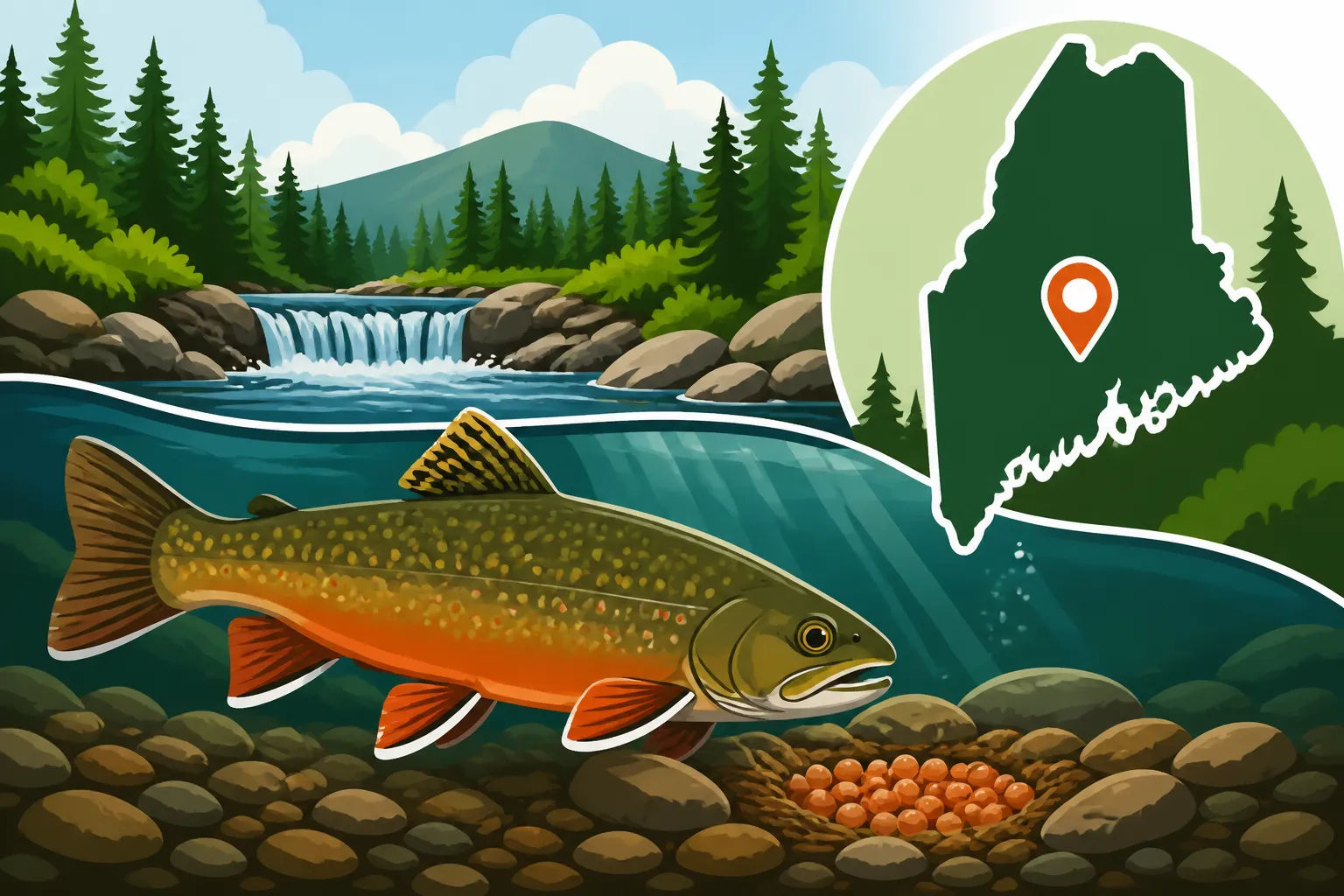
Where Do Brook Trout Spawn in Maine?
If you've spent any time fishing Maine's crystal-clear streams and ponds, you've likely marveled at the beauty of a wild brook trout. But have you ever stopped to wonder where these elusive, colorful fish actually come from? The mystery of brook trout spawning grounds can be a real head-scratcher for many anglers, especially when you consider how particular these fish are about their environment. This guide is dedicated to pulling back the curtain on this vital part of the brook trout life cycle, helping you understand precisely where, when, and how these native beauties ensure the next generation, and what we, as responsible anglers, can do to protect these precious spots.
The Secret Spawning Grounds of Maine's Brook Trout
Brook trout ( Salvelinus fontinalis), often called "brookies" or "squaretails" by us Mainers, are fascinating fish, especially when it comes to their reproductive habits. Unlike some other salmonids that migrate long distances to spawn, brook trout often choose to spawn close to home, within the very streams, rivers, and sometimes even the shallow, spring-fed areas of ponds and lakes where they spend most of their lives. Their spawning locations are not random; they are meticulously selected spots that provide the optimal conditions for the survival of their eggs. Understanding these specific requirements is key to appreciating their resilience and vulnerability.
Cool, Clean, and Covered: The Essential Water Conditions
When a brook trout decides it's time to reproduce, it's all about location, location, location. They absolutely need cool, clean, and well-oxygenated water. This isn't just a preference; it's a non-negotiable requirement for their eggs to develop properly. Ideal spawning sites typically boast water temperatures consistently in the lower 40s to low 50s Fahrenheit, which is why we often associate their spawning with the colder months. These precise temperature ranges prevent fungal growth and ensure optimal metabolic rates for the developing embryos.
Furthermore, the water must be incredibly clean, free from sediment and pollution. Fine silts can smother eggs, suffocating them and preventing them from hatching. This is why you'll rarely find a brook trout attempting to spawn in a muddy, disturbed streambed. They also appreciate cover—think overhanging banks, submerged logs, or dense riparian vegetation. This cover provides a sense of security from predators during their vulnerable spawning rituals, allowing them to focus on the crucial task at hand without constant threat from above or below.
Gravel Beds and Upwelling Water: The "Redd" Construction
The actual spawning nest of a brook trout is called a "redd." This isn't just a random depression in the streambed; it's a carefully constructed nursery. Female brook trout, using their tails, dig shallow depressions in the stream or lake bottom, typically in areas where there's a good mix of small gravel and pebbles. They clear away any fine silts, creating a clean, oxygen-rich environment for their eggs. The size of the gravel is crucial—it needs to be small enough for the fish to move but large enough to provide interstitial spaces for water flow and protection for the eggs.
What makes these redds truly special is their location: brook trout almost exclusively choose areas with significant groundwater upwelling. This means they seek out spots where cold, oxygenated water from underground springs flows up through the gravel bed. This constant flow of fresh water provides a steady supply of oxygen to the developing eggs and naturally flushes away waste products, which is vital for their survival until they hatch. You can often spot these upwelling areas by looking for spots where the water surface might shimmer slightly, or where vegetation grows differently, even in the coldest parts of autumn. Sometimes, the only clue is the diligent work of the female trout, tirelessly fanning her tail to create that perfect nest. You might even find specialized gear like waterproof field guides on sites like Amazon that can help you identify these subtle signs when you're out exploring. Where Brook Trout Live in Maine Streams can tell you more about their general habitat.
Timing is Everything: When Maine's Brook Trout Spawn
Just like the changing leaves signal autumn's arrival, specific environmental cues prompt Maine's brook trout to begin their annual reproductive journey. This isn't a year-round affair; it's a precise window dictated by nature, ensuring the best possible chances for their offspring. Missing this window, or having it disrupted by external factors, can have significant impacts on local populations.
Autumn's Call: The Annual Reproduction Cycle
For brook trout in Maine, the spawning season is almost exclusively an autumn event. Typically, you'll see them getting active in these efforts from late September through November, with peak activity often in mid-October. As the days shorten and the water temperatures consistently drop, the trout's biological clock signals that it's time to spawn. This timing is critical because it allows the eggs to incubate over the winter months, benefiting from the stable cold temperatures, and then hatch in early spring when food sources (like insect larvae) begin to become more abundant.
During this period, male brook trout undergo remarkable color changes, becoming incredibly vibrant with deep reds, oranges, and greens, often with a prominent hooked jaw (kype). They will aggressively compete for access to females and suitable spawning sites. The female, once she has dug her redd, will release her eggs, which the male then fertilizes. She then carefully covers the eggs with gravel, protecting them from predators and the harsh elements of the winter current. This covering is a natural insulation layer, crucial for protecting the delicate eggs from freezing solid and from being washed away by high water flows.
Environmental Cues: Temperature, Flow, and Light
While autumn is the general timeframe, the exact timing of spawning for brook trout is fine-tuned by a combination of environmental factors. Water temperature is perhaps the most significant trigger. Once stream temperatures drop consistently below about 55 degrees Fahrenheit and begin to stabilize in the low 40s, the trout are ready to go. A sudden warm spell can delay spawning, and an abrupt cold snap might hurry it along, but consistency is preferred. You can find robust, accurate water thermometers on sites like Amazon, which are helpful tools for any angler serious about understanding trout behavior.
Water flow also plays a role. During periods of stable or slightly dropping water levels, trout find it easier to dig their redds and the risk of eggs being scoured away by high flows is reduced. Extended periods of drought or unusually heavy rainfall during the spawning season can disrupt these delicate processes. Finally, decreasing daylight hours, or photoperiod, acts as an underlying biological cue, signaling the internal hormonal changes necessary for reproduction. It’s a beautifully orchestrated dance between the fish and its environment, perfected over millennia. Knowing the Best Month for Brook Trout Fishing in Maine also means understanding when they might be focused on spawning.
Navigating Challenges: Threats to Spawning Habitats and Conservation
Maine's brook trout populations, especially the wild native strains, are a precious resource. However, their specific spawning habitat needs make them particularly vulnerable to environmental disturbances. Protecting these vital areas is not just good for the fish; it's crucial for the health of our entire aquatic ecosystem. Understanding the threats allows us to be better stewards of these magnificent creatures.
From Sediment to Development: Pressures on Brook Trout
One of the biggest threats to brook trout spawning grounds is habitat degradation, particularly sedimentation. Activities like logging, road construction, and agricultural runoff can lead to excessive amounts of fine silt entering streams and rivers. This sediment settles in the gravel beds, smothering the precious eggs that lie beneath. Even seemingly small disturbances upstream can have a cumulative impact downstream, turning what was once a pristine nursery into an ecological trap. The lack of clean, oxygenated water flowing through the gravel literally chokes the developing embryos.
Furthermore, development along riparian corridors (the areas alongside streams) can destroy essential cover, remove shade trees that keep water temperatures cool, and introduce pollutants. Impervious surfaces like roads and parking lots can increase stormwater runoff, leading to flashier flows that can wash out redds. Fragmentation of habitat through poorly designed culverts or dams can also prevent trout from reaching their preferred spawning grounds, isolating populations and reducing genetic diversity. Learning about Stocked vs Wild Brook Trout in Maine highlights why protecting wild spawning areas is so critical.
What Anglers Can Do: Protecting Maine's Native Gems
As anglers, we have a significant role to play in protecting brook trout spawning habitats. One of the most important things you can do is simply be aware during the fall spawning season. If you're out fishing in October or November, be extra careful where you wade. Walking through shallow, gravelly areas in streams and rivers can inadvertently destroy redds and thousands of developing eggs. Look for signs of trout activity, like pairs of fish hovering over gravel, or light-colored depressions in the streambed, and give them a wide berth. Using a good polarized sunglass, readily available on Amazon, can help you spot these crucial areas from a distance.
Beyond careful wading, supporting conservation efforts is paramount. Organizations dedicated to stream restoration, culvert replacement, and riparian zone protection are doing vital work. Participating in clean-up days, advocating for responsible land-use policies, and educating fellow anglers about the importance of spawning habitat are all ways to contribute. Practicing Catch and Release Best Practices in Maine is always important, but especially during spawning season, it ensures these fish can complete their life cycle. Remember, the health of our brook trout populations directly reflects the health of Maine's pristine waters. By understanding where these beautiful fish spawn, we can all help ensure they thrive for generations to come. Brook Trout Fishing in Maine is a privilege we want to preserve.
Table: Ideal Brook Trout Spawning Habitat Characteristics
To summarize what brook trout are looking for when it's time to spawn, here's a quick overview of their ideal habitat features:
| Characteristic | Ideal Condition | Why It Matters |
|---|---|---|
| Water Temperature | 40-50°F (late Sept – Nov) | Optimal for egg development, prevents fungal growth. |
| Water Quality | Clear, clean, low turbidity | Sediment smothers eggs, reduces oxygen exchange. |
| Oxygenation | High, often from groundwater upwelling | Eggs need constant oxygen supply to survive and develop. |
| Substrate | Gravel (1/4 to 2 inches), free of fine silt | Provides protection for eggs, allows water flow, movable by female for redd. |
| Flow Rate | Moderate, stable current over redds | Prevents eggs from washing away but ensures fresh water delivery. |
| Cover | Overhanging banks, submerged logs, riparian vegetation | Protection from predators for spawning adults and newly hatched fry. |
| Light | Decreasing daylight hours (autumn photoperiod) | Primary biological cue for initiating the spawning process. |
Disclaimer
This article is for general informational purposes only and does not constitute professional advice. Laws, prices and regulations vary by location and change over time. Consult a qualified professional for guidance on your specific situation.