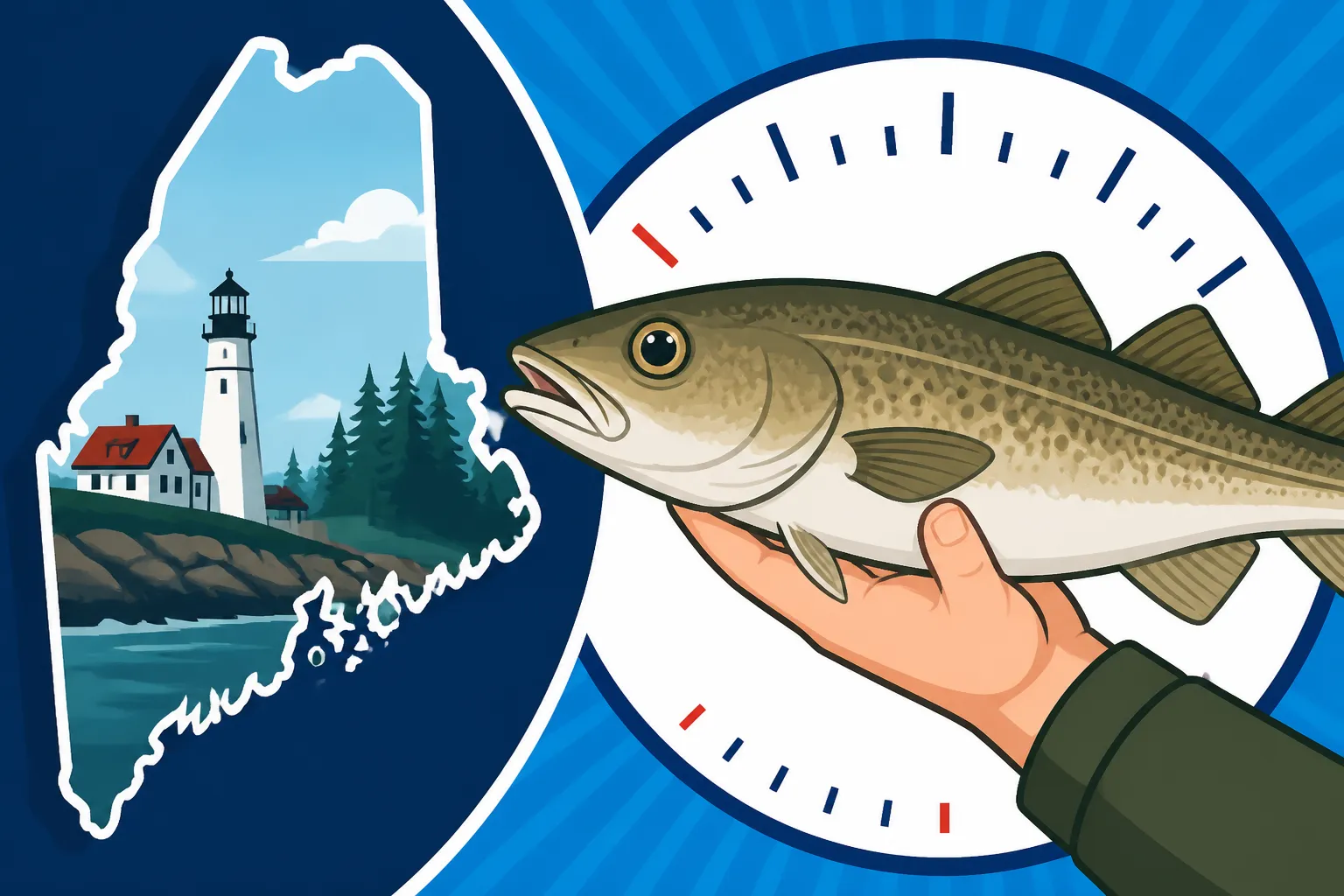
Minimum Length to Keep a Togue in Maine
For many folks venturing out onto Maine's majestic waters, especially when targeting prized fish like the togue, also known as lake trout, figuring out the exact rules can feel like trying to untangle a particularly stubborn fishing knot. It's not enough to know how to catch them; understanding the legal minimum length for keeping a togue is absolutely essential to stay on the right side of conservation and the law. This guide aims to clear up any confusion you might have, offering a comprehensive look at togue length regulations and how to navigate them effectively.
Decoding the Standard Togue Minimum Length in Maine
When you're out on a big, deep lake in Maine, like Moosehead or Sebago, and you hook into a powerful togue, that rush is incredible! But before you think about bringing it home, the first thing you need to consider is its length. Maine has specific regulations designed to ensure healthy fish populations, and that includes minimum length requirements.
The general rule for keeping a togue in Maine's inland waters is that it must be at least 18 inches long. This isn't just an arbitrary number; it's a carefully determined benchmark that allows these fish to mature, have a chance to spawn at least once, and contribute to the next generation of togue. It helps maintain the delicate balance of the fishery, ensuring that there are always plenty of healthy fish for future generations of anglers to enjoy. If you're new to fishing or just want to brush up, understanding Maine Fishing Regulations Explained is a great starting point, as it lays out many of these foundational rules.
However, and this is where it can get a little tricky, Maine is a state of incredible diversity when it comes to its lakes and ponds. Because of this, many individual bodies of water have what are called "special regulations" that can override the general 18-inch rule. These special rules might impose a higher minimum length, or even a "slot limit" where you can only keep fish within a certain size range (e.g., fish between 18 and 23 inches, but not larger or smaller). The specific length limits can even vary depending on the season, which is why it's always a good idea to check the Maine Fishing Season Dates Guide before you head out. These localized regulations are put in place by biologists who study each lake's unique characteristics, population dynamics, and fishing pressure.
The Rationale Behind Minimum Lengths
You might wonder, why do they even bother with these rules? Can't I just keep whatever I catch? The truth is, these regulations are vital for conservation. Young togue that haven't reached maturity are the future of the fishery. By letting them grow, we ensure they have the opportunity to spawn, which directly impacts the number of fish available in the years to come. Imagine if everyone kept every small togue they caught; the population would quickly dwindle, and those impressive trophy fish would become a thing of the past. It's all about sustainable angling.
Minimum length limits also play a role in managing the overall fish population and their impact on the ecosystem. Togue are apex predators in many Maine lakes, and their presence helps keep other fish populations in check. Ensuring a healthy age structure within the togue population contributes to a balanced aquatic environment. When you abide by the rules, you're not just avoiding a fine; you're actively participating in the stewardship of Maine's natural resources. It's a small but significant way to give back to the waters that give us so much joy.
Accurately Measuring Your Togue in the Field
Okay, so you've landed a togue, and it looks like it might be a keeper. How do you measure it correctly to avoid any doubt or, worse, a violation? This is a crucial step, and doing it right ensures you comply with the law and, just as importantly, minimize stress on the fish if it needs to be released.
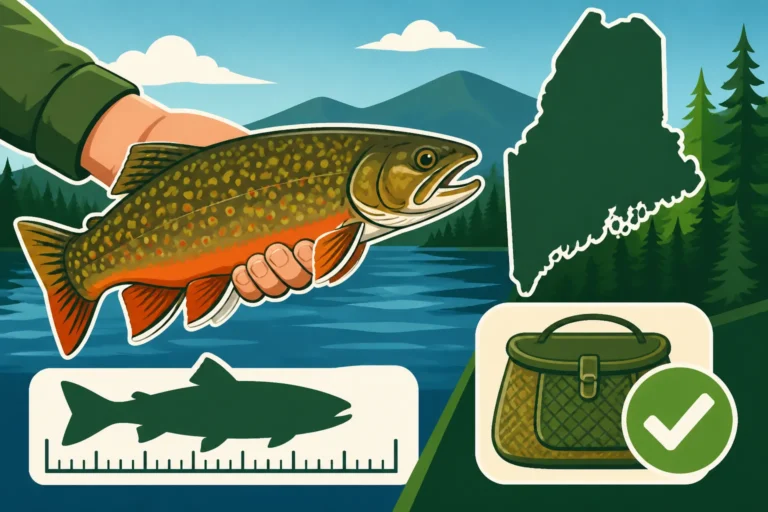
The standard method for measuring a fish in Maine is to measure its total length. This means from the tip of its snout (mouth closed) to the very end of its tail, with the tail pinched together to get the maximum measurement. It’s not just about guessing. You need to be precise.
Tools and Techniques for a True Measurement
To get an accurate measurement, you'll want to use a reliable measuring device. A simple tape measure can work, but a dedicated fish measuring board, often called a "bump board," is ideal because it provides a solid, flat surface to lay the fish on and a consistent starting point. Many anglers purchase these through outdoor retailers or online platforms like Amazon, where you can find various models that are easy to use and durable.
Here’s a step-by-step approach to measuring your togue:
- Prepare Your Station: If you're on a boat, have your measuring device ready and wet it down to protect the fish's slime coat. If shore fishing, find a flat, clean, and wet surface near the water.
- Handle with Care: Always handle fish gently. Use wet hands to minimize the removal of their protective slime layer. Avoid touching their gills.
- Lay the Fish Flat: Place the togue on its side on your measuring board or tape, with its snout firmly against the bump or starting point of the measure.
- Close the Mouth and Pinch the Tail: Gently close the fish’s mouth and then carefully pinch the tail lobes together to extend them as much as possible. This gives you the maximum total length.
- Read the Measurement: Note the length at the tip of the pinched tail. Double-check it.
If your togue meets or exceeds the minimum length for that specific body of water, congratulations! You have a legal keeper. If it falls short, you must release it immediately and with as little harm as possible. This quick release is vital, which is why having your measuring tools readily accessible is so important. For more on safe handling, check out Catch and Release Best Practices in Maine.
What If It’s Undersized?
Catching an undersized togue happens to everyone. The key is to release it quickly and gently. If you're fishing with barbless hooks, removal is usually simple. If you're using barbed hooks, consider bringing a pair of long-nosed pliers or a dehooking tool to minimize handling time. Don't throw the fish back; gently lower it into the water, allowing it to swim away on its own. Seeing a small togue swim off strong is a great feeling, knowing you've given it a chance to grow into a trophy.
Navigating Maine's Diverse Special Regulation Waters for Togue
While the 18-inch minimum length is a solid general guideline for togue, it’s truly just a starting point. Maine's inland waters are a mosaic of unique ecosystems, and many of them have very specific regulations that differ from the statewide "General Law." This is especially true for togue, which are managed meticulously in various lakes to achieve particular conservation or trophy management goals. Understanding Maine Togue and Lake Trout Limits is crucial, as this often dives into the nuances of these varying limits.
It’s not uncommon to find a lake with a 20-inch minimum length for togue, or perhaps a "slot limit" where you can only keep fish within a certain size range, releasing anything smaller or larger. Some remote ponds might even have special catch-and-release only rules for togue to protect fragile populations. These differences are why you can never assume the general law applies everywhere.
Finding Specific Lake Regulations
So, how do you figure out the rules for the particular lake you're fishing? This is where your homework comes in!
- The Maine Open Water & Ice Fishing Regulations Book: This is your Bible for Maine fishing. It's published annually by the Maine Department of Inland Fisheries and Wildlife (MDIF&W). You can get a physical copy where you buy your fishing license, or you can find the entire document online. The book is organized by county and then by water body, making it fairly easy to find the specific rules for your chosen lake or pond. You might want to grab a copy of the Maine Fishing Law Book Where to Get One for your next trip.
- MDIF&W Website: The MDIF&W website is an invaluable resource. They have an interactive map and a search function where you can look up specific bodies of water and view their current regulations, including minimum lengths and bag limits for all species. This is often the most up-to-date source. Learning How to Find Maine Fishing Regulations for a Specific Lake will save you a lot of guesswork.
- Local Knowledge: Talk to local tackle shop owners, guides, or experienced anglers. They often have firsthand knowledge of specific lake nuances and can offer tips beyond the written regulations. Just remember to verify any local advice with the official regulations, just in case.
For example, a popular destination like Moosehead Lake, known for its superb togue fishing, has its own set of rules. While the general 18-inch rule might apply for some periods, there can be changes or specific areas within the lake that differ. You'll definitely want to know What Zone Is Moosehead Lake In for Maine Fishing Rules? and double-check those specific regulations.
| Water Body Type | General Minimum Length (Togue) | General Daily Bag Limit (Togue) | Notes |
|---|---|---|---|
| General Law Waters | 18 inches | 2 fish | Most common rule, but often superseded |
| Special Regulation Lake A | 20 inches | 1 fish | Example: Higher minimum, lower bag limit for specific conservation |
| Special Regulation Lake B | 18-23 inch slot limit | 2 fish | Example: Protects very large breeders, harvests mid-size fish |
| Catch & Release Only | N/A (all must be released) | 0 fish | Example: Fragile or recovering populations |
Always consult the most current Maine Open Water & Ice Fishing Regulations for specific water bodies.
The Importance of Due Diligence
Failing to check the regulations before you fish can lead to significant penalties, including fines and even the loss of your fishing privileges. Maine's game wardens are dedicated to protecting the state's resources, and they take violations seriously. It’s far better to spend a few minutes reviewing the regulations than to face the consequences of an unknowing mistake. It's your responsibility as an angler, and frankly, it just makes for a much more enjoyable and worry-free day on the water.
Knowing the minimum length to keep a togue in Maine is a fundamental aspect of being a responsible angler. It's about respecting the fish, the fishery, and the rules put in place to protect them. By understanding these guidelines and making an effort to stay informed, you're not just ensuring your own compliance; you're contributing to the vibrant future of Maine's incredible fishing tradition. So, next time you head out, arm yourself with your rod, your tackle, and the most current regulations, and enjoy the pursuit of those magnificent Maine togue! Don't forget, having a good ruler on hand, maybe one you picked up from Amazon, is just as important as your favorite lure when you're targeting Togue Minimum Length Limit in Maine.
Disclaimer
This article is for general informational purposes only and does not constitute professional advice. Laws, prices and regulations vary by location and change over time. Consult a qualified professional for guidance on your specific situation.