Chain Pickerel Fishing in Maine
Let's be honest, for many Maine anglers, the mention of "chain pickerel" often conjures images of pesky toothy critters that get in the way when you're really after trout or salmon. But you know what? That's a real disservice to these feisty fish! They're actually an incredible sportfish, offering explosive strikes and a challenging fight, and they're readily available across a huge range of Maine waters. This guide is here to turn that perception on its head, showing you everything you need to know to not just tolerate, but truly enjoy, chain pickerel fishing in our beautiful state.
Understanding the Elusive Chain Pickerel in Maine
Before you can truly appreciate the chain pickerel, it helps to understand who you're dealing with. These fish are a unique and often misunderstood part of Maine's freshwater ecosystem, and once you get to know them, you'll find they offer a ton of angling excitement.
What Makes Chain Pickerel So Distinctive?
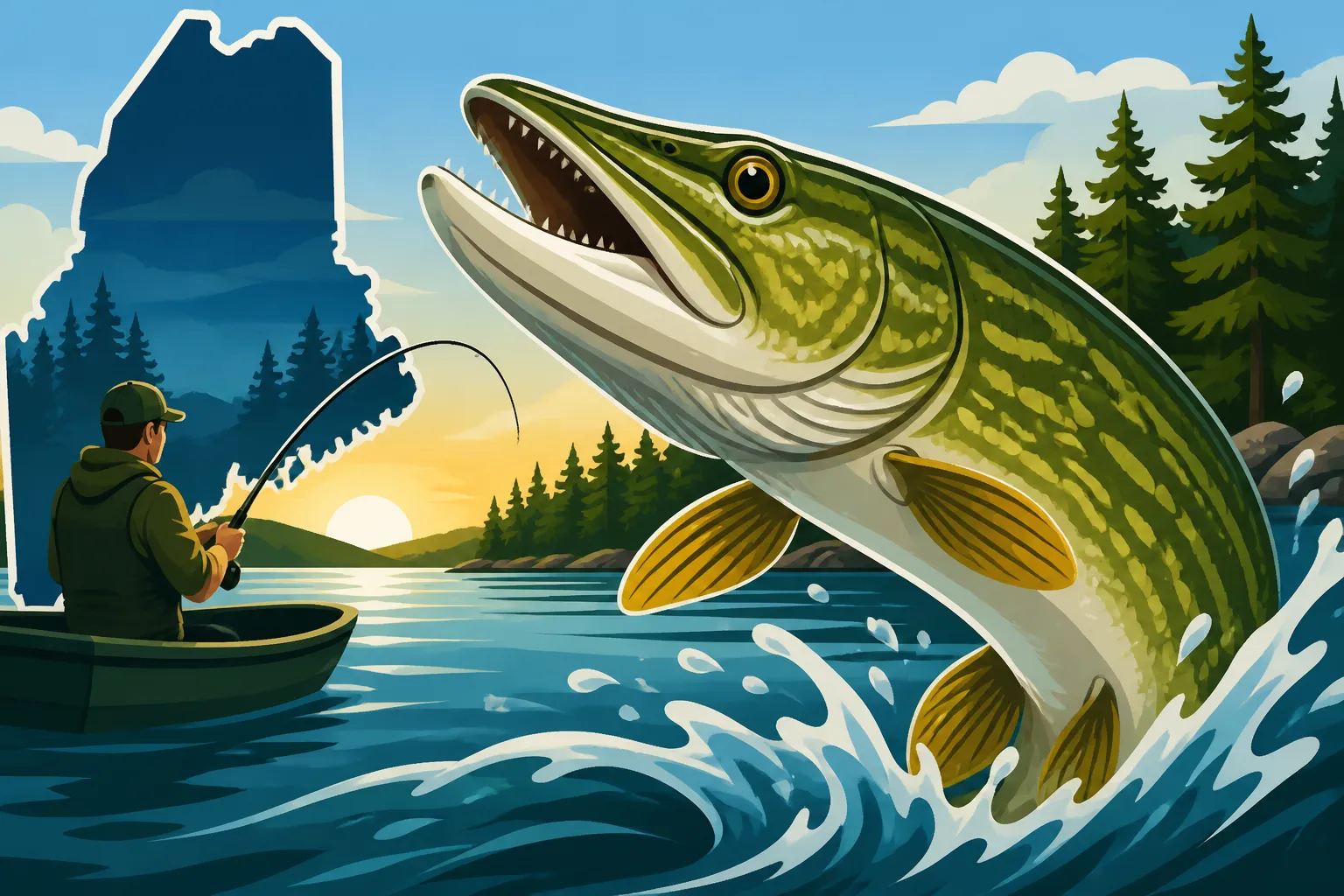
The chain pickerel ( Esox niger ) is a truly striking fish, easily recognizable once you know what to look for. Their most prominent feature, and the one that gives them their name, is the distinctive chain-like pattern of dark markings across their greenish-gold bodies. It's almost like a mosaic, making them masters of camouflage in the weedy, shallow waters they call home. They also possess a long, slender body, perfectly designed for quick bursts of speed, culminating in a broad, duckbill-shaped snout. And when I say duckbill, I mean it – it's flat and wide, absolutely packed with razor-sharp teeth. Seriously, be careful when handling them! Their dorsal and anal fins are set far back on their bodies, almost right next to their tail, which is another tell-tale sign of a fish built for ambush predation.
Behaviorally, chain pickerel are the epitome of an aggressive, opportunistic predator. They don't typically chase prey over long distances; instead, they prefer to lie in wait, perfectly camouflaged amidst the lily pads, submerged logs, or dense weed beds. When an unsuspecting baitfish or frog swims by, it's an explosion of speed and a lightning-fast strike. They're not shy, and that's what makes them such a blast to catch. They're also incredibly resilient and adaptable, thriving in waters that might be too warm or too weedy for some of our more sought-after cold-water species like trout or salmon. This adaptability means they play a vital role in balancing the populations of smaller fish in many of Maine's warmer, shallower lakes and ponds. If you want a deeper dive into all the species we have up here, check out our Maine Fish Species Identification Guide.
Where Do Chain Pickerel Thrive in Maine?
Chain pickerel are truly the kings of the shallow, weedy, warm-water environments across Maine. Unlike the deep-water denizens like lake trout (togue) or even some of our cold-water loving brook trout, pickerel prefer the sun-drenched margins of lakes and ponds. Think about those areas rich with aquatic vegetation: dense lily pad fields, expansive weed beds that stretch out from shore, areas with submerged brush, and even fallen trees. These aren't just hiding spots for them; they're their hunting grounds. The thicker the cover, the happier a pickerel often is, as it provides both camouflage and structure for ambushing prey.
You'll find them abundantly in many of our state's smaller, warmer ponds, as well as in the shallow coves and backwaters of larger lakes. Slow-moving rivers and their oxbows, marshy inlets, and even connecting streams with plenty of vegetation can also hold thriving populations. Their tolerance for warmer water and their ability to thrive in oxygen-depleted areas that might deter other species mean they often dominate these environments. From the tranquil ponds in southern Maine to many of the central Maine lakes, these fish are widespread. Their adaptability means they can make a home almost anywhere there's cover and something to eat.
Essential Gear and Tackle for Pickerel Success
You don't need highly specialized gear to catch chain pickerel, which is part of their appeal. However, a few considerations will definitely increase your success rate and make the experience more enjoyable, especially given their razor-sharp teeth!
Rods, Reels, and Line for These Aggressive Biters
When it comes to your setup, think versatility and a bit of backbone. A medium-light to medium power spinning rod, typically in the 6'6" to 7' range, is an excellent choice for chain pickerel. You want a rod with a sensitive tip that allows you to feel those subtle bumps and ticks, but also enough power in the mid-section to set the hook firmly and muscle a feisty pickerel out of heavy cover. A baitcasting setup can also be effective, especially if you're casting heavier lures or fishing in extremely dense vegetation where precision and power are key. For reels, a 2000-3000 size spinning reel or a low-profile baitcasting reel will balance nicely with your chosen rod and hold enough line. You're looking for a smooth drag system, which is crucial when a pickerel decides to make a run or dive back into the weeds.
For line, a braided line in the 10-20 lb test range is a fantastic option. Braid has virtually no stretch, which means excellent sensitivity for feeling bites and powerful hooksets. Its thinner diameter for its strength also allows for longer casts. However, because pickerel have such sharp teeth, a fluorocarbon or wire leader is absolutely essential to prevent bite-offs. A 12-15 lb fluorocarbon leader of about 18-24 inches will give you some invisibility and good abrasion resistance, but if you're encountering a lot of bite-offs, don't hesitate to step up to a light steel or titanium leader. These specialized leaders are readily available on platforms like Amazon and will save you a lot of lost lures. Remember, a pickerel's teeth are no joke, and a direct hit on your main line means a lost fish and a lost lure almost every time. To learn more about selecting the right gear, check out our guide on Best Rods for Maine Lake Trolling, which also has transferable tips for casting setups.
Lures and Baits That Chain Pickerel Can't Resist
Chain pickerel are not picky eaters, which is another reason they're so much fun to fish for. They'll readily strike a wide variety of artificial lures and natural baits, but some stand out as consistent producers. When you're fishing in their preferred shallow, weedy habitats, topwater lures can provide some of the most exciting action. Frog imitations, poppers, and even walking baits skipped over lily pads often elicit explosive, heart-stopping strikes. Just make sure your hooks are sharp!
Subsurface lures are equally effective. Spoons, especially those with some flash and wobble, are a classic choice. Gold, silver, and firetiger patterns are often very productive. Inline spinners, like those from popular brands you can find on Amazon, also work wonderfully, especially when retrieved at a steady pace just above weed tops. Jerkbaits, particularly those that suspend or slowly sink, can be deadly when twitched and paused, mimicking a wounded baitfish. Soft plastics, especially weedless-rigged swimbaits or flukes, can also be worked through heavy cover where other lures would snag. Don't forget live bait! Shiners and minnows, either fished under a bobber or slowly trolled, are incredibly effective, as they’re a natural food source for pickerel. You can find a vast selection of lures and tackle to fill your box on platforms like Amazon, offering a huge variety of colors and sizes. For more general lure advice, our Best Lures for Maine Open Water Fishing article has some great ideas.
| Lure Type | Best Conditions | Retrieve Style | Pros | Cons |
|---|---|---|---|---|
| Spoons | Weedy areas, open water | Steady retrieve, stop-and-go | Highly visible, good flash, casts far | Can snag in heavy weeds |
| Inline Spinners | Shallow to moderate depths | Steady retrieve | Easy to use, constant action, good vibration | Can twist line if not using a swivel |
| Jerkbaits | Clearer water, around cover | Twitch-pause-twitch, erratic | Mimics wounded baitfish, very natural | Requires specific retrieve technique |
| Topwater Frogs | Dense lily pads, heavy cover | Walk-the-dog, pop-and-stop, slow crawl | Exciting surface strikes, weedless | Best in calm conditions, often missed strikes |
| Soft Plastics | Versatile, heavy cover (weedless) | Jigging, swimming, twitching | Very natural, can be rigged weedless | Can be torn by teeth, slower retrieve |
| Live Minnows | All conditions, especially slow bite | Under a bobber, slow troll, still fishing | Irresistible natural scent and action | Requires live bait care, not always legal in all waters |
Proven Techniques for Catching Maine Chain Pickerel
Catching chain pickerel isn't rocket science, but understanding a few key techniques will significantly boost your success and help you pinpoint these aggressive predators in their preferred haunts.
Casting and Retrieving Strategies
Chain pickerel are ambush predators, so your casting and retrieving strategies should reflect that. The most important thing is to target structure. Look for lily pad fields, especially the edges where deeper water meets the pads. Cast your chosen lure right into the thick stuff or along the seam. Submerged logs, rock piles, dense weed beds, and even overhanging tree branches are all prime real estate for a lurking pickerel. Think like a predator – where would you hide to surprise your prey?
Once your lure hits the water, experiment with your retrieve speed. Sometimes a fast, erratic retrieve will trigger a reaction strike, while other times a slow, deliberate retrieve with plenty of pauses is what they're looking for. Many anglers find success by twitching jerkbaits or pausing spoons near cover, letting them flutter enticingly before resuming the retrieve. Remember to fan cast an area thoroughly, starting close to shore and gradually casting further out, covering as much potential holding water as possible. If you get a follow but no strike, try changing up your retrieve speed, adding more pauses, or even switching to a different color or lure type. Sometimes it's the subtle differences that seal the deal. For those just getting started with casting, our Casting Techniques for Beginners article offers a great foundation.
Trolling and Ice Fishing Tactics
While casting to visible structure is a primary method, trolling can be incredibly effective, especially in larger ponds or lakes where pickerel might be spread out along extensive weed lines or subtle depth changes. When trolling for pickerel, a slower speed is generally best, allowing your lure to wobble enticingly and stay in the strike zone longer. Use crankbaits, spoons, or even live bait rigs that run just above the top of the submerged vegetation. Pay close attention to your fish finder if you have one; it can help you identify those hidden weed beds or underwater structures that hold fish. Varying your speed and making wide turns can also change the action of your lure and trigger strikes.
When winter blankets Maine's lakes and ponds, chain pickerel remain active under the ice, offering fantastic ice fishing opportunities. Tip-ups are a go-to choice for pickerel through the ice. Set them up with lively shiners or minnows hooked through the back, allowing them to swim naturally. Depths of 5 to 15 feet are often productive, especially near the edges of weed beds or along drop-offs. Jigging with spoons or small swimbaits can also draw strikes. A lot of anglers focus on baitfish imitating lures that they can work aggressively. The aggressive nature of pickerel means they'll often hit a jigged lure hard. Be sure to use those wire leaders when ice fishing, too! For more winter wisdom, our Maine Ice Fishing Techniques Guide and How to Fish for Togue Through the Ice offer valuable insights that can be adapted for pickerel.
Where to Find Chain Pickerel: Top Maine Spots
One of the great things about chain pickerel is their widespread availability. You don't have to venture to remote wilderness ponds to find them; they thrive in many easily accessible waters across Maine.
General Water Types and Characteristics
Chain pickerel absolutely love water that is warm, relatively shallow, and packed with aquatic vegetation. They are often found in water bodies with a healthy population of baitfish, such as shiners and perch. Think about the characteristics:
- Shallow, Weedy Lakes and Ponds: These are pickerel paradise. Areas with dense lily pads, coontail, milfoil, or other submerged grasses offer perfect ambush points. The shallower water heats up faster, keeping these areas comfortable for pickerel.
- Slow-Moving Rivers: Sections of rivers with less current, especially those with wide, vegetated banks and backwaters, can hold excellent populations. They tend to avoid fast, turbulent flows.
- Marshy Inlets and Coves: These often overlooked areas are goldmines. They're typically shallow, nutrient-rich, and brimming with the prey pickerel love, offering plenty of cover.
- Connecting Streams: Small streams that link ponds or lakes, particularly if they have a slow flow and plenty of cover, can also be productive. These often act as travel corridors or additional feeding grounds.
Basically, if it looks like a place a frog or a small fish would hide, it's probably a good spot for a pickerel. These areas tend to be less pressured by anglers targeting cold-water species, meaning more opportunities for you! Our Best Fishing Lakes in Maine guide can give you an idea of where some of these waters are generally located.
Specific Regions and Examples
While specific hot spots can change year to year, pickerel are generally abundant throughout Southern and Central Maine, where many lakes and ponds fit their preferred habitat profile. The Sebago Lake region, for instance, while famous for its salmon, has numerous smaller, warmer ponds and shallow coves on the big lake itself where pickerel thrive. Similarly, the Belgrade Lakes area, known for bass, also has many waters with strong pickerel populations, particularly in their shallower, weedier sections.
Many of the smaller, less-frequented ponds around towns like Augusta, Lewiston, or Bangor will hold fantastic numbers of pickerel. These waters might not always be featured in the "trophy fish" headlines, but they offer consistent action. Even sections of larger rivers like the Kennebec or Penobscot, particularly in their slower, wider stretches away from strong currents, can surprise you with a pickerel or two. Always check your Maine fishing regulations for specific water bodies, as some may have unique rules. If you're looking for places to start, consider exploring public access points on any of the numerous ponds that don't have a designated "cold water" fishery status. For local recommendations, you might find some crossover info in our Fishing Spots Near Augusta, Maine guide.
Chain Pickerel Regulations and Conservation
Even though chain pickerel are often overlooked, they are still a managed species in Maine, and understanding the regulations is crucial for responsible angling.
Understanding Maine's Rules for Pickerel
The good news for pickerel anglers is that, in many Maine waters, the regulations for chain pickerel are quite generous. Unlike highly managed species like brook trout or landlocked salmon, which often have strict bag limits and minimum length requirements, chain pickerel frequently fall under "general law." This often means a high bag limit, or sometimes even no bag limit at all, and no minimum length. The reasoning behind this is often related to their abundance and, in some cases, a desire to manage their populations, especially in waters where they might compete with or prey on more desirable gamefish.
However, and this is a big "however," it is absolutely essential to consult the current Maine Department of Inland Fisheries and Wildlife (MDIFW) open water or ice fishing regulations book for the specific body of water you intend to fish. Many waters in Maine are designated as "special regulation" waters, and these can have rules that supersede the general law for all species, including pickerel. You might find a pond with a reduced bag limit, a specific season, or even a length limit for pickerel if biologists determine it's necessary for that particular ecosystem. Never assume! Pick up the most recent regulation book or check the MDIFW website before heading out. Understanding the Maine Fishing Regulations Explained and knowing how to get your Maine Fishing License Guide are your first steps.
Catch and Release vs. Keeping Your Catch
Chain pickerel are incredibly hardy fish, which makes them good candidates for catch and release, especially if you're just out for sport. If you plan to release them, quick and careful handling is key. Their sharp teeth mean you should always use pliers or a specialized de-hooking tool to remove the hook, rather than your fingers. Avoid touching their gills, and support their body horizontally when holding them for a photo. Get them back into the water quickly, ensuring they're revived and able to swim off on their own. Our Catch and Release Best Practices in Maine article has more detailed tips for keeping fish healthy.
Now, about keeping them: despite their "toothy" reputation, chain pickerel are actually quite good to eat! The flesh is white, flaky, and has a mild flavor. The main challenge often cited is their Y-bones, which can make filleting a bit tricky for the uninitiated. However, with a bit of practice and a sharp fillet knife, you can learn to navigate these bones. Many Mainers enjoy them fried, baked, or even pickled. If you're fishing in waters where there's a generous or no bag limit, keeping a few for the dinner table can be a great way to enjoy the fruits of your labor and help manage the population.
Why Chain Pickerel are More Than Just a "Trash Fish"
It's time to shake off that old "trash fish" mentality. Chain pickerel offer a fantastic fishing experience for anglers of all skill levels and contribute significantly to Maine's angling landscape.
The Thrill of the Fight and Accessibility
One of the biggest reasons to embrace chain pickerel fishing is the sheer excitement they deliver. When a pickerel strikes, it's rarely a subtle tap. Often, it's an aggressive, jarring strike that can make your rod jump. And once hooked, they put up a surprisingly strong fight, especially on appropriate tackle. They'll pull hard, make quick runs, and often try to dive back into the weeds, testing your drag and your knot-tying skills. For a fish that's so widely available and often overlooked, they offer a truly thrilling battle.
Beyond their fighting prowess, pickerel are incredibly accessible. You don't need expensive boats or specialized electronics to find them. They're often right there, close to shore, in waters easily reached by foot, kayak, canoe, or a small rowboat. This makes them an absolutely fantastic target for beginner anglers, kids, and anyone looking for consistent action. There's nothing quite like the excitement of a young angler's first big pickerel strike, and their willingness to bite makes them an ideal species for introducing newcomers to the joys of fishing.
Ecological Role and Sporting Value
While some anglers might view pickerel as a nuisance, they play an important ecological role in the warm-water ecosystems they inhabit. As effective predators, they help keep populations of smaller, prolific baitfish and even invasive species in check, contributing to the overall health and balance of the food web. They are a natural and integral part of many Maine lakes and ponds.
Their sporting value is also vastly underestimated. For those who appreciate an aggressive bite, a strong fight, and the challenge of fishing in heavy cover, pickerel offer a unique and rewarding experience. They can be incredibly challenging to extract from dense lily pads, requiring precise casting and quick reflexes. They offer a distinct type of fishing that complements the pursuit of cold-water species, ensuring that Maine offers exciting angling opportunities across a diverse range of environments and seasons. Next time you hook into a chain pickerel, take a moment to appreciate this feisty, beautifully marked fish for the exciting sport it provides.
Disclaimer
This article is for general informational purposes only and does not constitute professional advice. Laws, prices and regulations vary by location and change over time. Consult a qualified professional for guidance on your specific situation.