Maine Fishing License Calendar Year vs Season Explained
It's a common source of frustration for anglers: does your Maine fishing license expire a year from purchase, or on a set date? This confusion can lead to unexpected fines or missed fishing opportunities. This guide will clarify the validity period of Maine fishing licenses, detailing the standard calendar year system versus specific seasonal licenses, ensuring you're always prepared for your next trip.
Understanding Maine's Fishing License Validity Period
Navigating the nuances of fishing licenses can sometimes feel like trying to untangle a stubbornly knotted fishing line, especially when it comes to expiration dates. You've done the right thing, you've gone through the process of obtaining your license, and you're ready to hit the water. But then the nagging question arises: "How long is this thing actually good for?" In Maine, the answer, for most general licenses, is quite straightforward once you understand the core principle.
The Calendar Year Standard: What it Means for Most Anglers
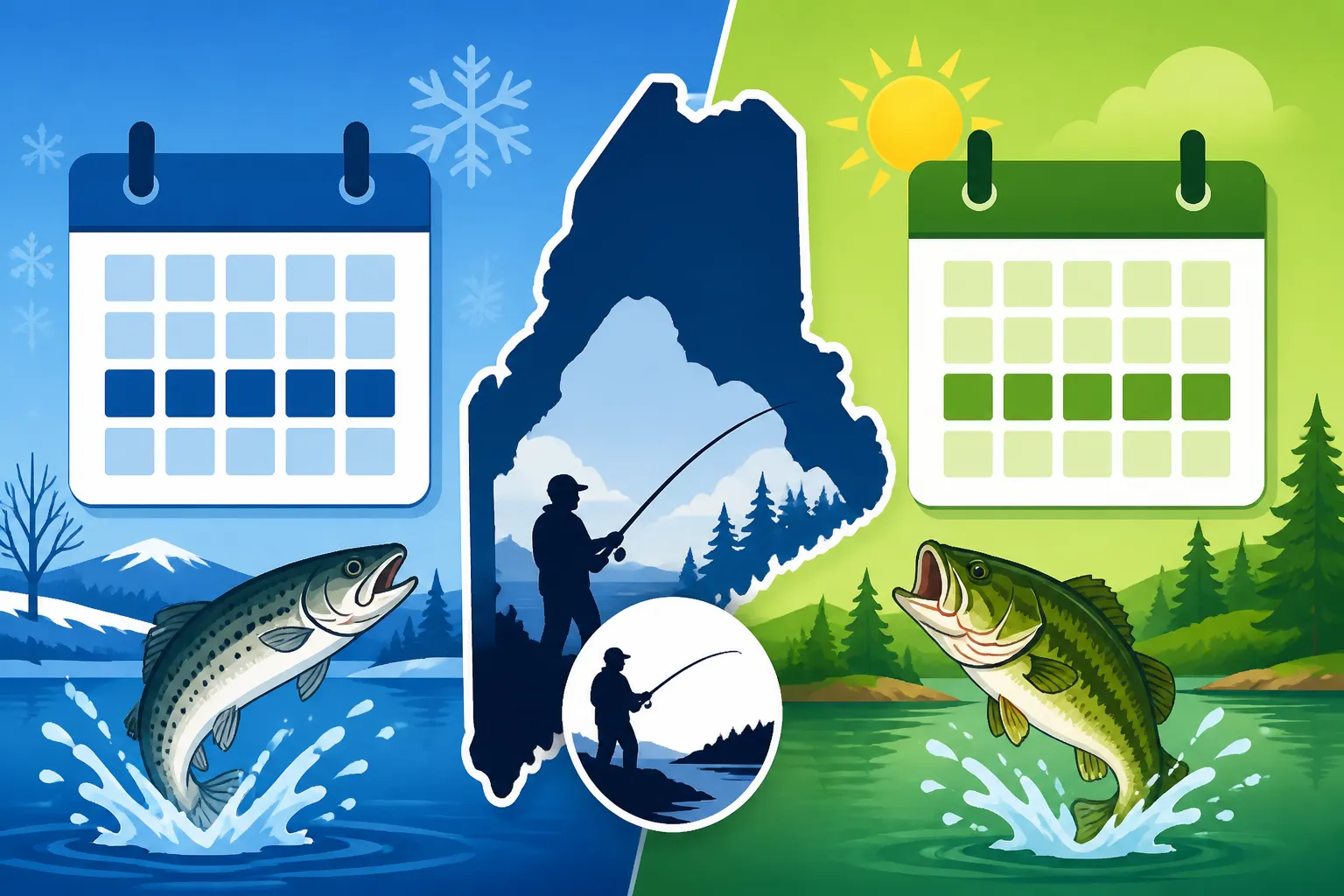
For the vast majority of freshwater fishing licenses in Maine, whether you're a resident or a non-resident, the validity period adheres strictly to the calendar year. This means your license is valid from January 1st through December 31st of the year it was issued. It doesn't matter if you buy your annual license on New Year's Day or in the middle of summer on July 15th; it will still expire on December 31st of that same year.
This can sometimes catch people off guard, particularly if they're used to other states where licenses are valid for a full 12 months from the date of purchase. Imagine you're planning a late fall fishing trip for brook trout in October. You pick up your annual license, enjoy your trip, and then decide to go ice fishing in January. If you haven't bought a new license for the new year, you'd be fishing illegally, even though only a few months have passed since your last purchase. The state's system is designed for simplicity in administration and enforcement, ensuring a clear cut-off date for everyone. It's a "use it or lose it" scenario within that calendar window. So, when you're thinking about your next fishing adventure, especially around the turn of the year, always remember to check if you need a new license. Our comprehensive guide on the Maine Fishing License Guide can give you a full overview of all license types.
Exceptions and Special Cases: When the Rules Shift
While the calendar year rule is the dominant one for annual licenses, Maine does offer some flexibility, especially for visitors or those with specific, shorter-term fishing plans. These exceptions are crucial to understand so you don't inadvertently find yourself in violation of regulations or miss out on a prime fishing window.
For our visiting anglers, Maine provides several short-term non-resident fishing licenses. These are designed to be much more flexible, aligning with the length of your stay rather than a calendar year. For example, you can purchase a 1-day, 3-day, 7-day, or 15-day non-resident fishing license. These licenses are valid for the specific number of consecutive days indicated, starting from the date you choose during purchase. So, if you buy a 3-day non-resident license and activate it on a Wednesday, it will be valid for Wednesday, Thursday, and Friday of that same week, regardless of the calendar year's end. This is a fantastic option if you're just visiting for a long weekend and don't want to invest in a full annual non-resident license. You can learn more about specific durations like the Maine 3-Day Nonresident Fishing License or the Maine 7-Day Nonresident Fishing License if you're planning a trip.
Another important distinction is the saltwater fishing registry. While often referred to colloquially as a "saltwater license," Maine doesn't actually issue a separate license for recreational saltwater fishing for most species. Instead, residents and non-residents are required to register with the Maine Department of Marine Resources, or hold a valid saltwater fishing license from a state that has a reciprocal agreement with Maine. This registration is also typically annual, expiring on December 31st of the year it was issued, aligning with the freshwater calendar. However, certain federal permits might have different validity periods if you're targeting specific highly regulated species or fishing offshore. It’s always best to consult the most current Maine Fishing Regulations Explained to ensure you're compliant.
| License Type | Validity Period | Who it's For | Cost Implications (General) |
|---|---|---|---|
| Annual Resident Fishing | Jan 1 – Dec 31 of purchase year | Maine Residents | Moderate annual fee |
| Annual Non-Resident Fishing | Jan 1 – Dec 31 of purchase year | Non-Residents (for full season access) | Higher annual fee |
| 1-Day Non-Resident Fishing | 24 hours from selected start date | Short-term visitors | Lowest daily rate |
| 3-Day Non-Resident Fishing | 72 hours from selected start date | Weekend or short trip visitors | Low daily rate |
| 7-Day Non-Resident Fishing | 7 days from selected start date | Week-long vacationers | Mid-range short term |
| 15-Day Non-Resident Fishing | 15 days from selected start date | Extended vacationers, multi-trip visitors | Higher short term |
| Saltwater Fishing Registry | Jan 1 – Dec 31 of purchase year | All recreational saltwater anglers | Nominal annual fee |
| Lifetime Fishing License | Valid for the licensee's life | Maine Residents (one-time purchase) | Significant one-time cost |
Why the Calendar Year System? The Logic Behind Maine's Approach
You might wonder why Maine opts for a calendar year system instead of a rolling 12-month validity. It might seem less convenient on the surface, especially if you buy your license late in the year. However, this system isn't arbitrary; it serves several practical purposes for both the state's wildlife management agencies and, ultimately, for anglers too.
Simplicity and Enforcement for Wildlife Agencies
From the perspective of the Maine Department of Inland Fisheries and Wildlife (MDIFW), a consistent calendar year system greatly simplifies administration and enforcement. Imagine the headache if wardens had to individually calculate the expiration date for every angler based on their unique purchase date. It would be a logistical nightmare. With a fixed December 31st expiration, there's no ambiguity. Every annual license holder knows exactly when their permit runs out. This streamlines checks on the water, making it easier for wardens to ensure compliance and for anglers to understand their responsibilities.
This consistency also aids in data collection and wildlife management. When all annual licenses expire on the same date, it provides a clean annual snapshot of how many licenses were sold within a given period. This data is critical for understanding fishing pressure, managing fish populations, and allocating resources for conservation and stocking efforts. It helps the MDIFW project revenue, plan for the Maine Fishing Season Dates Guide, and make informed decisions about bag limits and other regulations. Without this clear cut-off, tracking participation trends would be much more complex and less accurate, potentially hindering conservation efforts across the state.
Planning Your Fishing Trips Around the Calendar
For anglers, while the initial adjustment might feel a little restrictive, the calendar year system offers a predictable framework for planning. You know that as of January 1st, a new fishing year begins, and with it, often new opportunities or updated regulations. This encourages anglers to purchase their new license early in the year, ensuring they are covered for the entirety of the prime fishing seasons, from spring ice-out trout fishing to fall salmon runs.
Knowing the December 31st deadline also prompts anglers to review the current year's Maine Fishing Regulations Explained and plan for the upcoming year's changes. It’s an annual reminder to refresh your knowledge of specific rules, such as Maine Fish Bag Limits Guide or special regulations for particular lakes and rivers. Many anglers even make it a New Year's tradition to get their license, almost like a ritual to kick off a new season of outdoor adventures. This predictability, once understood, removes the guesswork, allowing you to focus on the joy of fishing rather than administrative details. It also helps manage expectations; you simply know that a license purchased in November only has a couple of months left, and you’ll need to plan for a new one shortly. For those wondering about the annual cycle, the post Does a Maine Fishing License Expire on December 31? offers more specific details.
Navigating the Confusion: Practical Advice for Anglers
Even with the calendar year system explained, it's easy to get caught up in the excitement of a fishing trip and forget the finer details. But a little preparation goes a long way in avoiding fines and ensuring your time on Maine's beautiful waters is worry-free.
When to Purchase Your Maine Fishing License
The best time to purchase your Maine fishing license is usually in December for the upcoming year, or right at the beginning of January. Many anglers purchase their new license as part of their holiday preparations, or right after the new year starts. The MDIFW typically makes licenses for the upcoming year available for purchase in mid-December. This means you can often buy your 2026 license starting around December 15th, 2025. This ensures you're immediately covered for any early ice fishing adventures or the very first open water opportunities of the new year.
If you don't fish regularly throughout the year, or only plan a specific trip, consider when you'll actually be hitting the water. For example, if you're visiting Maine in July, buying a 7-day non-resident license a few days before your trip is perfectly fine. However, if you plan to fish regularly from spring through fall, an annual license purchased in January is your most cost-effective and convenient option. You can buy your license online through the MDIFW website, or in person at various vendors across the state, including some general stores and sporting goods shops. The article Where to Buy a Maine Fishing License provides a detailed list of options. It's also worth noting that many sporting goods stores, and even some online retailers like Amazon, offer fishing accessories that pair well with your license purchase, from tackle boxes to cold-weather gear for early season fishing.
Staying Informed on Annual Changes and Special Regulations
Maine's fishing regulations, while generally consistent, can sometimes see annual adjustments to protect fish populations or enhance fishing opportunities. This is particularly true for specific water bodies, certain fish species, or regional zones like the North Zone versus the South Zone. It's not enough to just buy your license; you also need to stay up-to-date with the rules.
The MDIFW publishes a comprehensive annual fishing law book that details all regulations, special rules, and season dates. This book is usually available in print at license vendors and sporting goods stores, and always available as a digital download on the MDIFW website. Before any significant fishing trip, especially if you're visiting a new area or targeting a new species, always take a few minutes to review the latest regulations. This includes understanding the Maine Fishing Season Dates Guide, specific Maine Fish Bag Limits Guide, and any gear restrictions. For instance, there might be specific catch-and-release only waters, or limitations on bait types. Our guide on Maine Fishing Laws for Beginners is an excellent starting point for new anglers.
Furthermore, keeping an eye on news releases from the MDIFW website or subscribing to their newsletters can keep you informed of any late-breaking changes or important announcements regarding fishing conditions or population health. Being a responsible angler means being a well-informed angler. If you're a regular, you'll find that renewing your license is straightforward, and the process is covered in our Maine Fishing License Renewal Rules article. Always remember, ignorance of the law is not an excuse for violations, and wardens are out there to protect Maine's precious natural resources.
Disclaimer
The information provided in this guide is for general informational purposes only and is not a substitute for official legal advice or the current regulations published by the Maine Department of Inland Fisheries and Wildlife (MDIFW) or the Department of Marine Resources (DMR). Fishing laws and regulations can change, and it is the responsibility of each individual angler to consult the most current official publications and laws before engaging in any fishing activities.