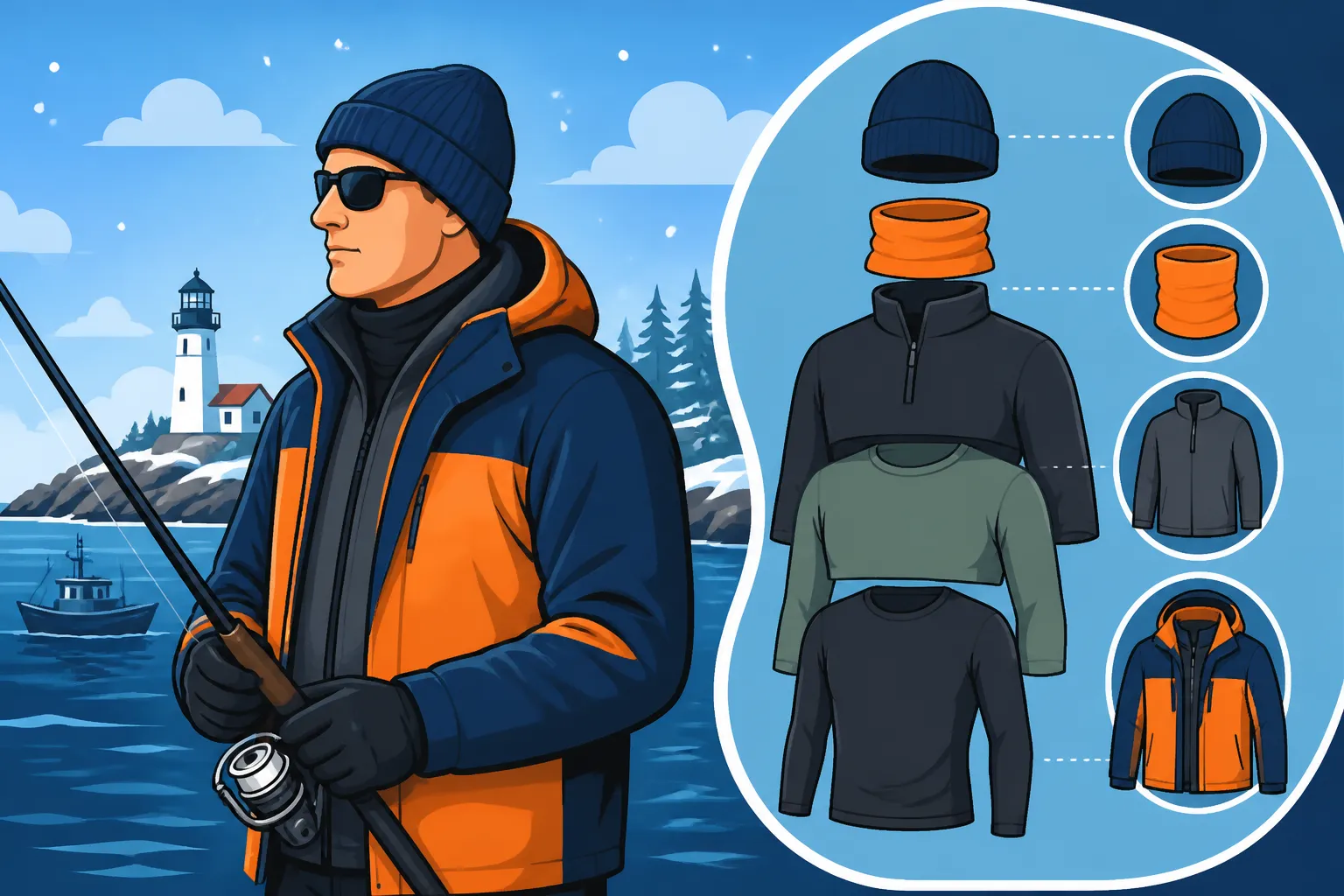
Best Layering Tips for Cold Weather Fishing
There’s nothing quite like the crisp air and serene beauty of Maine when you’re out fishing in the colder months, but boy, that beauty can turn into bone-chilling misery if you're not dressed right. Many anglers, even experienced ones, struggle with finding that perfect balance between staying warm, dry, and mobile. This guide is all about equipping you with the knowledge and practical tips for layering effectively, ensuring your cold weather fishing adventures in Maine are filled with tight lines and comfortable warmth, not shivering teeth.
Understanding the Maine Chill: Why Layering is Non-Negotiable
Maine's cold weather isn't just a simple drop in temperature; it's a dynamic, often brutal environment that demands respect and proper preparation. If you've ever found yourself shivering despite wearing what felt like every piece of clothing you own, you know exactly what I'm talking about.
The Unique Challenges of Maine's Cold
Fishing in Maine during the late fall, winter, or early spring means facing a unique set of meteorological hurdles. It's not just the thermometer reading that gets you; it's the constant battle against other elements. The wind can cut right through even thick jackets, especially on open lakes or along coastal areas. That seemingly innocuous breeze can dramatically increase how quickly you lose body heat. Then there's the dampness – whether it's snow, sleet, freezing rain, or just the mist rising off a partially open river, moisture is the enemy of warmth. If your clothes get wet, even slightly, they lose their insulating properties, and you're in for a truly miserable time.
Adding to this complexity are the fluctuating temperatures. A sunny winter morning can feel relatively mild, lulling you into a false sense of security, only for clouds to roll in and the mercury to plummet by afternoon. Or, you might be hiking into a remote spot, generating a lot of body heat, only to sit still for hours on the ice, slowly getting colder and colder. These conditions make a static "one-size-fits-all" outfit completely impractical. This is precisely why a well-thought-out layering system is not just a good idea, but an absolute necessity for enjoying your time on the water in Maine. Without it, you're constantly fighting the elements, rather than focusing on the fish. You can find more specific information on Maine Ice Fishing Rules Guide to ensure you're compliant while out on the ice.
The Science Behind Effective Layering
At its core, layering is about creating multiple air pockets around your body, each acting as an insulator to trap your natural body heat. Think of it like a series of mini-sleeping bags around you. But it's more than just piling on clothes; it's about choosing the right materials for each layer to work in harmony. The system has three main functions: wicking moisture away from your skin, providing insulation, and protecting you from the external elements. When you get too warm, you can shed a layer to prevent overheating and sweating. When the cold bites harder, you can add one back on. This adaptability is the true genius of layering.
Your skin is constantly releasing moisture, even when you're not actively sweating. If this moisture isn't moved away from your body, it cools and makes you feel clammy and cold. That's where the base layer comes in. The mid-layer then takes over to provide the bulk of your warmth, trapping warm air close to you. Finally, the outer layer is your shield, blocking wind, rain, and snow, preventing these external forces from stripping away your hard-earned warmth. Each layer has a distinct job, and when chosen correctly, they work together to keep you comfortable and safe in even the harshest Maine weather.
The Three Essential Layers: A Deep Dive
Building an effective cold weather fishing outfit in Maine starts with understanding the purpose and ideal materials for each of the three main layers. Skimping on any one of these can compromise the entire system, leaving you exposed to the elements.
Base Layer: Your First Line of Defense
The base layer is arguably the most critical component of your cold weather fishing attire, yet it's often overlooked or misunderstood. Its primary job is not to keep you warm directly, but rather to manage moisture. It sits directly against your skin, pulling sweat and condensation away from your body to the outer surface of the fabric, where it can evaporate. If your base layer fails to do this, that moisture stays against your skin, cools down, and makes you feel much colder, much faster.
When it comes to materials, you're primarily looking at two champions: merino wool and synthetic fabrics. Merino wool is a natural wonder. It's incredibly soft, non-itchy, and boasts amazing moisture-wicking and temperature-regulating properties. Even better, it retains a significant amount of its insulating power when damp, which is a huge advantage if you work up a sweat or get splashed. It's also naturally odor-resistant, a perk for multi-day trips or long stints on the ice. The downside? It can be pricier than synthetics and might take longer to dry if it gets thoroughly soaked. On the other hand, synthetic base layers, typically made from polyester or polypropylene, are fantastic at wicking moisture, dry very quickly, and are generally more durable and less expensive than merino wool. They might not retain warmth as well when wet, nor are they as naturally odor-resistant, but for a day trip or if you're prone to heavy sweating, they can be an excellent choice. When looking for quality base layers, you'll find a wide array of options on Amazon, often with helpful reviews from other cold-weather enthusiasts. Remember, the fit should be snug but not restrictive to maximize its wicking capabilities.
Mid Layer: The Insulation Station
Once your base layer is taking care of moisture, your mid-layer steps up to do the heavy lifting of insulation. This is the layer that traps the warm air generated by your body, creating a thermal barrier against the cold. The effectiveness of your mid-layer largely depends on its ability to create and hold these air pockets.
Fleece is a perennial favorite for mid-layers, and for good reason. It's lightweight, breathable, and provides excellent warmth-to-weight ratio. Polartec fleece, for example, comes in different weights (100, 200, 300) allowing you to customize your insulation based on the expected conditions. It dries reasonably quickly and maintains much of its insulating properties even when damp. Down insulation, often seen in puffy jackets, offers unparalleled warmth for its weight and is incredibly compressible, making it easy to pack. However, down loses virtually all its insulating power when wet, which can be a real problem in Maine's often damp climate. Synthetic puffy jackets, filled with materials like PrimaLoft or Thinsulate, are a fantastic alternative. They offer similar warmth to down but retain insulation even when wet, making them a more reliable choice for fishing, where unexpected splashes or precipitation are always a possibility.
The choice between fleece, down, or synthetic fill often comes down to the specific conditions you anticipate and your personal preference for warmth and bulk. For general cold weather fishing in Maine, a good quality fleece or a synthetic insulated jacket offers versatility and peace of mind. You might even carry both a lighter fleece and a synthetic puffy, allowing you to layer them together for extreme cold or use them individually. For a comprehensive selection of mid-layers suitable for Maine's demanding conditions, check out the vast array of options on Amazon. Understanding Maine Winter Ice Fishing Guide will give you an idea of the conditions you'll be dressing for.
Outer Layer: The Shell Against the Storm
Your outer layer, often called the "shell," is your final line of defense against the relentless elements of a Maine winter. Its job is twofold: to block wind and to repel moisture from rain, snow, or sleet. Without a good outer shell, even the warmest base and mid-layers will quickly lose their effectiveness as wind strips away your body heat and moisture soaks through, turning your cozy layers into cold, damp sponges.
There are generally two types of shells: hard shells and soft shells. Hard shells are typically waterproof and windproof, often made from materials like Gore-Tex or similar proprietary membranes. They are designed to stand up to heavy rain, snow, and strong winds, creating an impenetrable barrier. While highly protective, some hard shells can feel a bit stiff and may not be as breathable as softer options, especially if you're doing a lot of active movement. Soft shells, on the other hand, prioritize breathability and flexibility. They are usually water-resistant and wind-resistant, offering good protection against light precipitation and moderate wind, but they won't hold up in a sustained downpour. They are often more comfortable and less noisy, which can be a plus for stealthy fishing.
For cold weather fishing in Maine, a waterproof and windproof hard shell is usually the superior choice, as you're likely to encounter conditions that demand maximum protection. Look for features like sealed seams, adjustable cuffs, and a good hood that can fit over a hat. Breathability is still important to prevent sweat buildup, so choose a membrane that allows some vapor to escape. When investing in an outer shell, think of it as a crucial piece of safety gear. A robust and reliable outer layer will make all the difference in staying comfortable and safe on the ice or along a blustery coastline. Many high-performance outer shells, suitable for extreme conditions, are readily available from reputable outdoor brands on Amazon.
Beyond the Core: Protecting Your Extremities
While the three core layers protect your torso, ignoring your head, hands, and feet is a surefire way to invite discomfort and potential danger. These areas are notorious for rapid heat loss and are the first to suffer from cold exposure.
Head and Neck: Crucial Heat Escapers
It's an old adage, but a true one: you lose a significant amount of body heat through your head. Whether you subscribe to the exact percentage or not, keeping your head covered is paramount for overall warmth. A good hat is essential. Wool or fleece hats are excellent choices, providing warmth even if they get a little damp. For truly bitter days, or if you're particularly sensitive to the cold, consider a balaclava. These cover your entire head, face, and neck, leaving just your eyes exposed. They offer incredible protection against biting winds and freezing temperatures.
Don't forget your neck! A neck gaiter or a buff can make a huge difference in keeping warm. They prevent cold air from sneaking down your collar and can be pulled up over your face for added protection when the wind really picks up. A well-chosen hat and neck gaiter combination acts like a second, mini-mid-layer for your head and neck, trapping vital heat and preventing uncomfortable drafts. It's a small detail that yields massive returns in comfort.
Hands and Feet: The First to Freeze
Your hands and feet are often the first parts of your body to get cold because your body prioritizes sending warm blood to your core organs. When you're fishing, your hands are constantly exposed to the elements and often get wet from handling fish, bait, or lines. For hands, a layering approach works best here too. Start with a thin pair of liner gloves, perhaps made of merino wool or a thin synthetic. These provide a basic layer of warmth and allow for dexterity. Over these, wear a warmer, waterproof glove or, even better, a pair of insulated mittens. Mittens keep your fingers together, which allows them to share warmth more effectively than separate glove fingers. For moments when you need extra dexterity, you can often pull your fingers out of the mitten, complete the task, and then tuck them back in. Disposable hand warmers, easily found and stocked from retailers on Amazon, are also a fantastic addition, especially when placed inside your gloves or mittens.
For your feet, multiple layers of socks can be effective, but avoid cotton at all costs. Just like with base layers, cotton absorbs moisture and loses all insulating properties. Opt for wool or synthetic socks. You might wear a thin wicking liner sock underneath a thicker, insulated wool sock. The goal is warmth and moisture management. If your feet get sweaty, that moisture needs a place to go. And speaking of warmth, you should consider finding specialized cold-weather socks on Amazon that are designed for extreme temperatures.
The Importance of a Good Pair of Boots
Your boots are not just footwear; they're a critical piece of insulation and protection for your feet. For cold weather fishing in Maine, particularly ice fishing, quality insulated, waterproof boots are non-negotiable. Look for boots with a high insulation rating (often measured in grams of Thinsulate or similar materials). A rating of 800 grams or more is ideal for stationary ice fishing in frigid temperatures, though 400-600 grams might suffice for milder conditions or if you're moving more.
Waterproofing is equally vital. Whether it's slush on the ice, standing water in a boat, or just trudging through wet snow on the bank, your feet need to stay dry. Rubber bottoms with waterproof uppers are a common and effective design. Furthermore, good traction is essential, especially on icy or slippery surfaces. Look for aggressive tread patterns that will give you purchase. A good pair of boots, combined with the right layered socks, will keep your feet warm, dry, and comfortable, allowing you to focus on the fishing, not on your freezing toes. This is an investment that will pay dividends in comfort and safety. You'll find many highly-rated insulated boots from leading brands available on Amazon.
Putting It All Together: Practical Layering Strategies
Now that we've broken down each layer and covered your extremities, let's talk about how to integrate this knowledge into a practical, flexible system for your Maine fishing trips.
Dressing for Variable Maine Weather
The key to successful layering in Maine is adaptability. The weather here can change on a dime, from sunny and calm to windy and snowing within a couple of hours. This means your layering system should allow you to easily add or shed layers as conditions, or your activity level, change. When you're packing for a trip, always check the forecast, but also be prepared for deviations. It's always better to overpack layers than to underpack.
Start your day by dressing a little cooler than you think you need to, especially if you anticipate a brisk walk to your fishing spot. Once you arrive and settle in, you can add that extra mid-layer or a heavier outer shell. As the sun gets higher, or if you start feeling too warm, shed a layer before you start sweating heavily. Remember, sweat is the enemy of warmth. If you sweat through your base layer, you're setting yourself up for a chill once you stop moving. Keeping a dry spare base layer in a waterproof bag is a smart move, especially on longer excursions. Think about the entire day's progression, from the chilly dawn to the potentially milder afternoon, and plan your layers accordingly. For an overview of seasonal changes, check out Maine Fishing Season Calendar.
Common Mistakes to Avoid
Even with the best intentions, it's easy to fall into common layering traps. One of the biggest culprits is cotton. I can't stress this enough: cotton kills in cold, damp environments. Cotton absorbs moisture like a sponge, dries incredibly slowly, and loses all its insulating properties when wet. If you wear cotton socks or a cotton t-shirt as your base layer, you'll be cold and miserable. Just don't do it.
Another frequent mistake is overdressing and sweating. It's counterintuitive, but getting too warm and sweating profusely is just as bad as not having enough layers. As discussed, once your clothes get damp with sweat, they lose their ability to insulate. Always aim for a comfortable warmth, not outright hotness. Furthermore, neglecting extremities is a common oversight. People often bundle up their core but forget a proper hat, gloves, or insulated boots, leaving those areas vulnerable to extreme cold and rapid heat loss. Lastly, ignoring the weather forecast or failing to adapt to changing conditions can quickly turn a pleasant outing into a survival test. Always check the forecast right before you head out, and be prepared to adjust your layers throughout the day. You should also be familiar with Early Ice Safety Tips for Maine Anglers and Late Ice Safety Tips Before Ice-Out for crucial safety information.
Post-Fishing Care for Your Gear
Once your cold weather fishing adventure in Maine is done, the care you give your gear is just as important as how you chose it. Proper maintenance extends the life of your expensive clothing and ensures it performs optimally for your next trip. Always dry your layers completely after each outing. If left damp, they can develop mildew and odors, and synthetic insulation can start to compress and lose loft. Hang everything up, preferably in a well-ventilated area, away from direct heat sources that could damage the fabrics.
For cleaning, follow the manufacturer's instructions carefully. Many technical fabrics require specific detergents that don't clog the pores of waterproof membranes or strip the natural oils from wool. For instance, regular laundry detergent can sometimes leave residues that impair the wicking ability of base layers or the breathability of outer shells. Spot clean any mud or grime as soon as possible. Periodically, you might need to re-treat your outer shell with a DWR (Durable Water Repellent) spray or wash-in treatment to restore its water-shedding properties. This is especially true for items bought from general outdoor retailers like Amazon, where many different brands and treatments exist. A well-cared-for layering system will serve you faithfully for many seasons, keeping you warm, dry, and happy on the beautiful, yet often chilly, waters of Maine.
| Layer Type | Purpose | Ideal Materials | Key Considerations |
|---|---|---|---|
| Base Layer | Wicks moisture away from skin | Merino Wool, Synthetic (Polyester, Polypropylene) | Snug fit, no cotton. |
| Mid Layer | Provides primary insulation, traps heat | Fleece (Polartec), Synthetic Fill (PrimaLoft), Down | Warmth-to-weight, retains warmth when damp (synthetic). |
| Outer Layer | Blocks wind and repels water/snow | Hard Shell (Gore-Tex, proprietary membranes), Soft Shell | Waterproof/windproof (hard shell), breathable, durable. |
| Headwear | Prevents heat loss from the head and face | Wool or Fleece Hats, Balaclavas, Neck Gaiters | Covers ears, forehead, neck. |
| Handwear | Keeps hands warm and dry, allows dexterity | Liner Gloves (Wool/Synthetic), Insulated Mittens, Waterproof Gloves | Layering options, disposable warmers. |
| Footwear | Insulates and waterproofs feet | Insulated, Waterproof Boots, Wool/Synthetic Socks | High insulation rating (grams), good traction, no cotton socks. |
Disclaimer
This article is for general informational purposes only and does not constitute professional advice. Laws, prices and regulations vary by location and change over time. Consult a qualified professional for guidance on your specific situation.