Shore Fishing Tips for Beginners
Stepping out onto a rocky Maine shoreline or a quiet lake bank with a fishing rod in hand can feel incredibly daunting for a beginner. You see seasoned anglers casting with what seems like effortless grace, pulling in fish, and you're left wondering where to even start, what gear you truly need, and if you'll just end up snagging your line on every submerged branch. But I promise you, getting started with shore fishing in Maine doesn't have to be intimidating; it's a wonderfully accessible way to connect with the state's incredible waters. This guide is all about breaking down those barriers, giving you practical, friendly advice to make your first forays into shore fishing successful and, most importantly, fun.
Understanding Maine's Shorelines for Fishing
Maine's landscape is incredibly diverse, and that diversity extends right to its shorelines. From the rugged coast to the serene inland lakes and winding rivers, each offers unique opportunities and challenges for the shore angler. Knowing a little bit about what to expect from different types of shorelines can make a huge difference in your approach and your success.
Navigating Coastal Shorelines and Piers
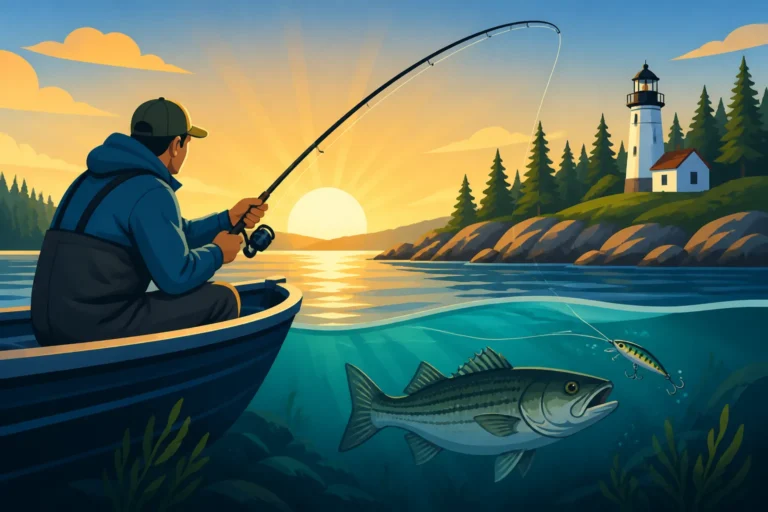
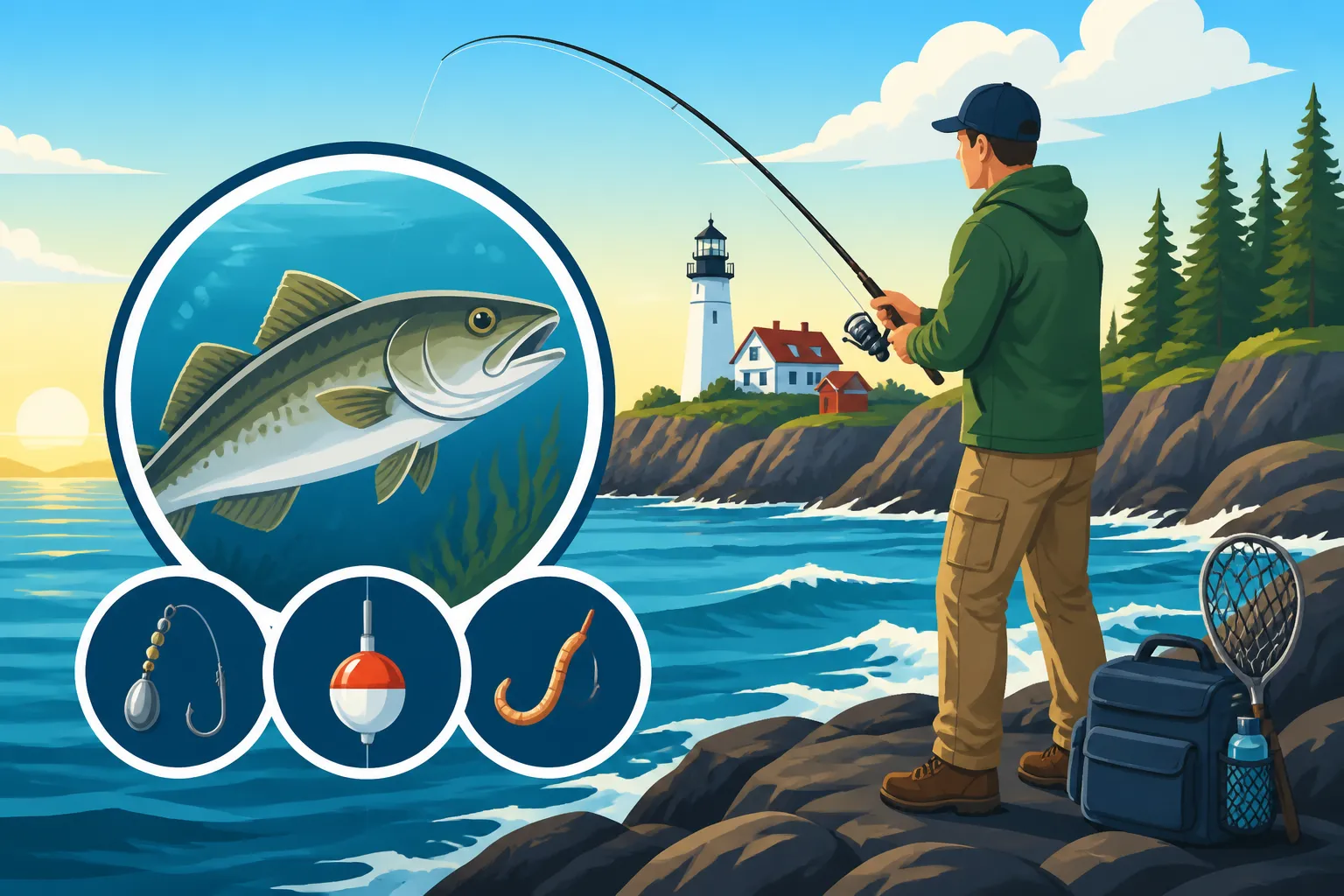
When most people think of Maine's coast, they picture dramatic rocky ledges, crashing waves, and maybe a lighthouse or two. For shore fishing, these areas can be fantastic, but they require a bit of caution. Rocky shores, tide pools, and exposed ledges are prime spots for catching striped bass, especially during their migratory seasons. You might also find mackerel, pollock, or even some cod closer to shore in the right spots. Public piers, like those found in towns such as Old Orchard Beach, Portland, or Boothbay Harbor, are particularly great for beginners. They offer easy access, often have railings for safety, and put you over deeper water without needing a boat. You might even find yourself fishing alongside local experts who are happy to share a tip or two. Remember that if you're fishing in saltwater, you'll need to register with the Maine Saltwater Fishing Registry Guide – it's typically free but required. The key to coastal shore fishing is often understanding the tides; fish activity can change dramatically between high and low tide.
Exploring Freshwater Lake and River Banks
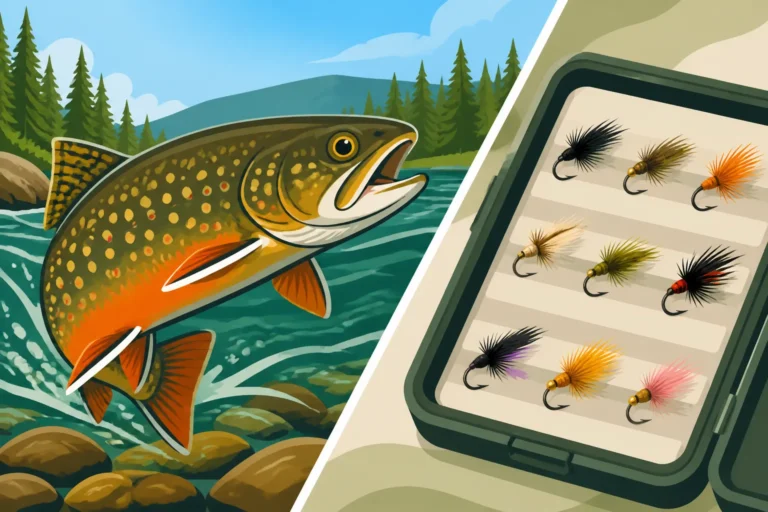
Move inland, and Maine's freshwater shorelines offer a completely different experience. Imagine casting from the grassy bank of a pond in the Belgrade Lakes region, or finding a quiet bend on the Kennebec River. Lakes and ponds are often home to species like brook trout, landlocked salmon, bass (both smallmouth and largemouth), and various perch species. Rivers and streams can be fantastic for trout, especially in areas with good current and cover. When you're fishing these spots, look for natural structures: fallen trees, submerged rocks, lily pad fields, and changes in depth. These are all places fish love to hide and ambush prey. Public boat launches, picnic areas, and state park access points often provide excellent shore fishing opportunities on lakes and rivers. Before you head out, though, always make sure you have your Maine Fishing License Guide in order!
Safety Considerations for Shore Anglers
Safety is paramount, no matter where you choose to wet a line from shore. On coastal areas, always be aware of the tides. A spot that seems perfectly safe at low tide can quickly become submerged or cut off as the water rises. Slick rocks covered in seaweed are a major hazard, so sturdy, non-slip footwear is a must. Never turn your back on the ocean, as rogue waves can catch you off guard. In freshwater, while the immediate dangers might seem less dramatic, awareness is still key. Be mindful of unstable banks, especially after heavy rains, and always let someone know where you're going and when you expect to return. If you're exploring more remote areas, understand that cellular service might be spotty. Carrying a small first-aid kit, a whistle, and plenty of water is always a good idea. Respect private property and always leave no trace behind.
Essential Gear for Your First Shore Fishing Adventure
When you're starting out, it's easy to get overwhelmed by the sheer volume of fishing gear available. Don't fall into the trap of thinking you need everything under the sun to catch fish. For shore fishing, simplicity and functionality are your best friends. Focus on a few key items that will get you fishing effectively and comfortably.
The Right Rod, Reel, and Line Combo
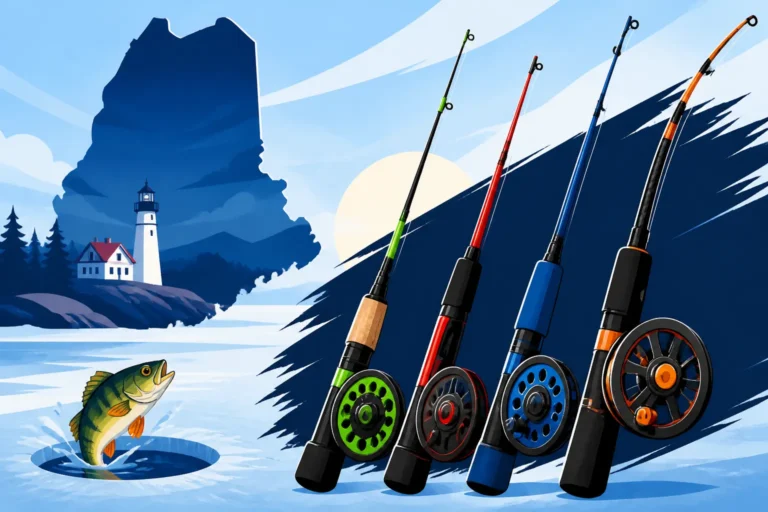
For a beginner shore angler, a medium-action spinning rod and reel combo is generally the way to go. It's versatile enough for both freshwater and lighter saltwater applications, allowing you to cast a variety of baits and lures. A rod between 6 to 7 feet long is a good starting point – long enough for decent casting distance but not so long it becomes unwieldy on crowded banks or tight spots. Pair it with a spinning reel that has a smooth drag system. As for line, 8 to 12-pound monofilament or braided line is a solid choice. Monofilament is more forgiving for beginners due to its stretch, while braided line offers more sensitivity and strength in a thinner diameter. Many combos come pre-spooled, making it even easier to get started. You can often find decent beginner combos on sites like Amazon, or at local tackle shops, which are fantastic resources for getting advice specific to your area.
Basic Tackle Box Essentials
Your tackle box doesn't need to be huge; a small, organized box with the basics will do. Here's a rundown of what I'd recommend for a beginner:
- Hooks: A variety of sizes (e.g., #4, #6, #8 for freshwater; 1/0, 2/0 for saltwater bait fishing).
- Sinkers/Weights: Split shot and egg sinkers in various weights to get your bait down.
- Bobbers/Floats: Essential for keeping your bait at a specific depth, especially with live bait.
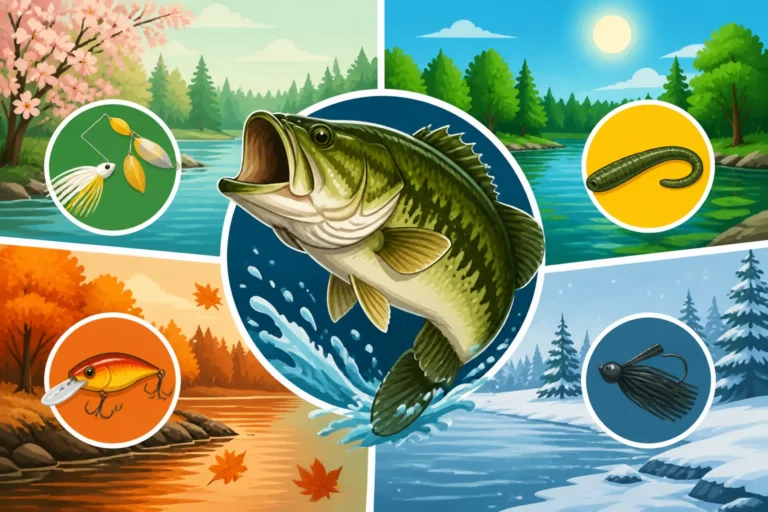
- Lures: Start simple. For freshwater, a few inline spinners, small spoons, or soft plastic worms are great for species like bass and trout. For saltwater, a few Kastmasters or a basic bucktail jig can be effective for stripers. Check out some tips on Best Lures for Maine Open Water Fishing for specific recommendations.
- Swivels and Snaps: These help prevent line twist and make changing lures easier.
- Pliers/Forceps: Crucial for safely removing hooks from fish and cutting line.
- Line Cutter: A small pair of scissors or nail clippers.
- Measuring Tape: To ensure your catch meets legal size limits.
- Small Rag or Towel: For handling fish and cleaning up.
Don't forget some basic bait! Worms are universal and work for almost everything in freshwater. For saltwater, clams, sea worms, or even cut bait from mackerel can be effective. You can often buy these at bait shops or even find them in your garden!
Comfortable and Practical Apparel
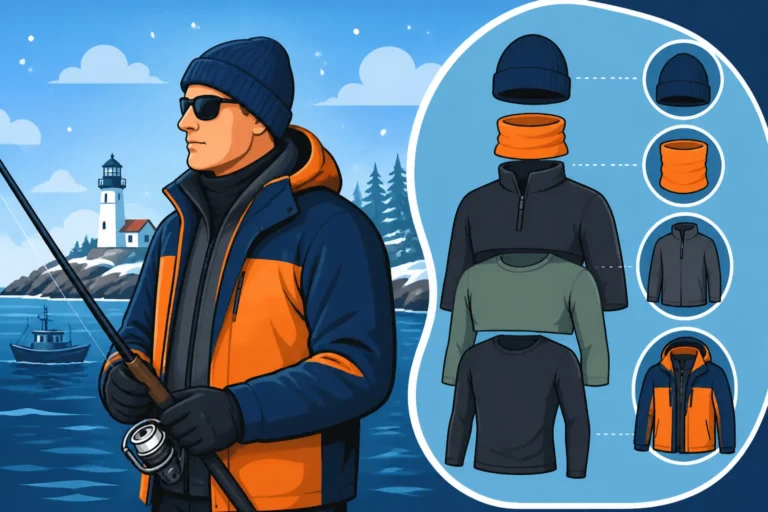
Maine weather can be famously unpredictable, so dressing appropriately is key for an enjoyable day of shore fishing. Layers are your best friend. Even on a warm summer day, mornings can be cool, and an afternoon sea breeze can drop temperatures quickly.
Key apparel items:
- Waterproof/Windproof Outer Layer: A light jacket or rain shell, even if no rain is forecast, offers protection from wind and unexpected sprinkles.
- Sun Protection: A wide-brimmed hat, sunglasses (polarized ones are a game-changer for seeing into the water), and sunscreen are non-negotiable. The sun's glare off the water can be intense.
- Sturdy Footwear: Depending on your chosen spot, this could mean waterproof hiking boots for rocky shores or old sneakers for sandy beaches. Prioritize good grip and comfort, especially if you plan on walking a bit.
- Comfortable Clothing: Quick-drying fabrics are always a plus. Avoid cotton if you can, as it stays wet and cold.
Having a small backpack to carry extra layers, snacks, water, and your tackle box makes for a much more comfortable experience. You don't need fancy fishing vests right off the bat; a simple backpack found on Amazon will do just fine.
Basic Techniques and Best Practices from the Bank
You've got your gear, you're dressed for success, and you've picked your spot. Now what? The beauty of shore fishing for beginners is that the basic techniques are surprisingly straightforward. It's more about patience and practice than fancy maneuvers.
Mastering the Basic Cast
The overhead cast is the bread and butter of shore fishing. It allows you to send your lure or bait out into the water with reasonable accuracy and distance.
Here’s how to do it:
- Hold the Rod: Grip the rod handle comfortably, with the reel stem between your middle and ring fingers.
- Open the Bail: Use your index finger to hold the line against the rod, then flip open the bail arm on your spinning reel.
- Position for Cast: Bring the rod tip up and slightly behind you, aiming for about the 1 o'clock position. Make sure there's nothing behind you to snag!
- Forward Motion: Smoothly bring the rod forward, accelerating through the cast. As the rod passes the 11 o'clock position and feels like it's loading up with energy, release your index finger from the line.
- Follow Through: Let the rod continue its forward motion, pointing towards your target. As your lure or bait hits the water, gently close the bail with your free hand or by cranking the handle a quarter turn. This prevents line from tangling and prepares you for retrieval.
Practice in an open field without a hook until you get the feel for it. The key is a smooth, continuous motion, not a jerky heave. The more you practice, the more natural it will become.
Baiting Up and Lure Selection
Choosing between bait and lures often comes down to what you're targeting and the fishing conditions. For beginners, live bait is often the easiest and most effective way to start.
- Live Bait: Worms, shiners, or even clams are incredibly effective because they're natural food sources. You can rig a worm on a simple hook with a split shot a foot or so above it, cast it out, and let it sit on the bottom, or suspend it under a bobber. This is a very passive but often successful method, especially in freshwater. Don't underestimate the power of a simple nightcrawler for Best Bait for Maine Ice Fishing (or open water!)
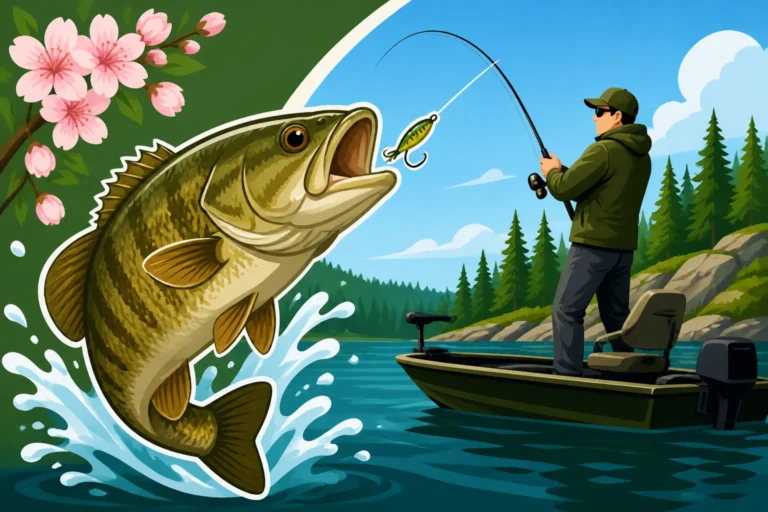
- Artificial Lures: Lures like spinners or small spoons imitate baitfish and require a bit more active retrieval. Cast them out and retrieve them at a steady pace, trying to make them look alive in the water. For bass, soft plastic worms rigged weedless can be tossed into lily pads or submerged brush without snagging, then slowly reeled or twitched back. For saltwater, a simple spoon cast and retrieved can entice a hungry striped bass. Don't feel pressured to buy every lure in the store; start with a few proven basics.
Responsible Catch and Release from Shore
Many anglers, especially beginners, want to keep their first fish. That's a natural and exciting part of the experience! However, understanding Maine Fishing Regulations Explained and practicing responsible catch and release is crucial for maintaining healthy fish populations, especially if you encounter a species that is protected or outside the legal size limits.
Tips for Catch and Release:
- Minimize Handling: The less you handle a fish, the better its chances of survival.
- Wet Hands: Always wet your hands before touching a fish to protect its slime coat, which is vital for disease resistance.
- Use Pliers: Use your pliers or forceps to carefully remove the hook, especially if it's deep. Barbless hooks make this even easier.
- Support the Fish: If you need to handle the fish for a photo, support its body horizontally, especially larger fish, to avoid damaging internal organs.
- Revive If Needed: If a fish seems sluggish, hold it gently in the water, facing into the current, until it regains its strength and swims away on its own.
- Know the Rules: Always know the bag limits, length limits, and season dates for the species you're targeting in Maine. The Maine Fish Bag Limits Guide is an essential read. Some waters are even designated as Maine Catch and Release Only Waters List, so always check.
Finding Your Spot: Where to Cast a Line from Shore in Maine
Okay, so you're geared up, you know how to cast, and you're ready to hit the water. But where exactly should you go? Finding a good shore fishing spot isn't always about secret honey holes; it's often about reading the water and knowing where to look for public access.
Reading the Water for Fish Signs
Fish don't just hang out randomly; they're looking for food, shelter, and comfortable water temperatures. Learning to "read the water" is one of the most valuable skills an angler can develop.
What to look for:
- Structure: Any changes in the bottom or physical objects in the water. This includes submerged rocks, fallen trees, docks, weed beds, points, and sudden drop-offs. These provide cover from predators and current, and are ambush points for feeding.
- Cover: Overhanging trees, lily pads, reeds, or areas of shade. Fish often seek shade to escape bright sunlight or find cooler water.
- Current: In rivers and coastal areas, current is a major factor. Fish will position themselves out of the main current, but in a spot where food is being funneled to them. Look for eddies, seams where fast and slow water meet, and behind obstacles.
- Baitfish Activity: Seeing small schools of baitfish jumping or dimpling the surface is a huge clue that predatory fish might be nearby. Look for diving birds, too, as they often follow baitfish.
- Water Color and Temperature: Clear water demands a more subtle approach, while slightly stained water can provide cover for fish. Changes in water temperature can also indicate where fish are holding.
It takes practice, but the more you pay attention to these details, the better you'll become at identifying promising spots, even if you've never fished there before.
Public Access Points and Hidden Gems
Maine offers a wealth of public access points, making shore fishing highly accessible.
- State Parks and Public Lands: Many state parks, like Wolfe's Neck Woods State Park in Freeport or Lily Bay State Park on Moosehead Lake, offer designated fishing areas or ample shoreline access. These are great starting points.
- Town Piers and Boat Launches: As mentioned before, public piers in coastal towns are fantastic. Inland, nearly every sizable lake or pond in Maine has a public boat launch, and often these provide excellent shoreline access right near the launch or within adjacent park areas. Search for "Shore Fishing Access Points in Maine" to find resources that detail these locations.
- Roadside Pull-offs: Sometimes, the best spots are simply wide shoulders on quieter roads that run alongside rivers or lakes. Always be respectful of private property and posted signs, but often these unadvertised spots can be great.
- Walking Trails: Trails that follow riverbanks or lake shores can open up miles of fishing opportunities. Again, check for signage and respect landowners.
For freshwater anglers, understanding Maine North Zone vs South Zone Fishing Rules is vital, as regulations can differ greatly depending on where you are in the state. Always verify local rules before you cast.
Timing Your Shore Fishing Excursion
Timing is everything in fishing, and shore fishing is no exception. While you can catch fish any time of day, certain periods are generally more productive.
Best Times:
- Dawn and Dusk: These low-light periods are almost universally excellent for fishing. Many fish species are most active during these times, feeding aggressively as light levels change. It's often when larger fish venture into shallower water to feed.
- Overcast Days: Heavy cloud cover can extend the productive fishing window throughout the day, as it mimics low-light conditions and can make fish feel more comfortable foraging.
- Before a Storm: Just before a storm front rolls in, fish can often go on a feeding frenzy. The change in barometric pressure is thought to stimulate their activity. However, be mindful of your safety and get off the water if lightning or heavy weather is approaching.
- Tides (Coastal): For saltwater shore fishing, moving tides (either incoming or outgoing) are generally more productive than slack tide. The moving water stirs up bait and concentrates fish in certain areas. Check local tide charts for your chosen coastal spot.
Don't be discouraged if you don't catch anything on your first few outings. Every trip is a learning experience. Pay attention to what works, what doesn't, and what conditions you were fishing in. Keep a small fishing journal – it's a great way to track your progress and learn over time!
Here’s a quick overview of what to consider when choosing your Maine shore fishing spot:
| Shoreline Type | Best For | Typical Gear | Key Considerations |
|---|---|---|---|
| Rocky Coast/Ledges | Striped Bass, Mackerel | Medium-heavy spinning rod | Tides, slippery rocks, sturdy footwear |
| Sandy Beaches/Piers | Striped Bass, Flounder, Mackerel | Medium spinning rod | Casting distance, public access, crowds |
| Lake/Pond Banks | Bass, Trout, Perch, Salmon | Medium light spinning rod | Structure (weeds, docks, logs), public access |
| River/Stream Banks | Brook Trout, Landlocked Salmon, Bass | Light-medium spinning rod | Current, eddies, overhanging cover, slippery banks |
Good luck out there, fellow angler! Maine's shorelines are calling.
Disclaimer
This article is for general informational purposes only and does not constitute professional advice. Laws, prices and regulations vary by location and change over time. Consult a qualified professional for guidance on your specific situation.