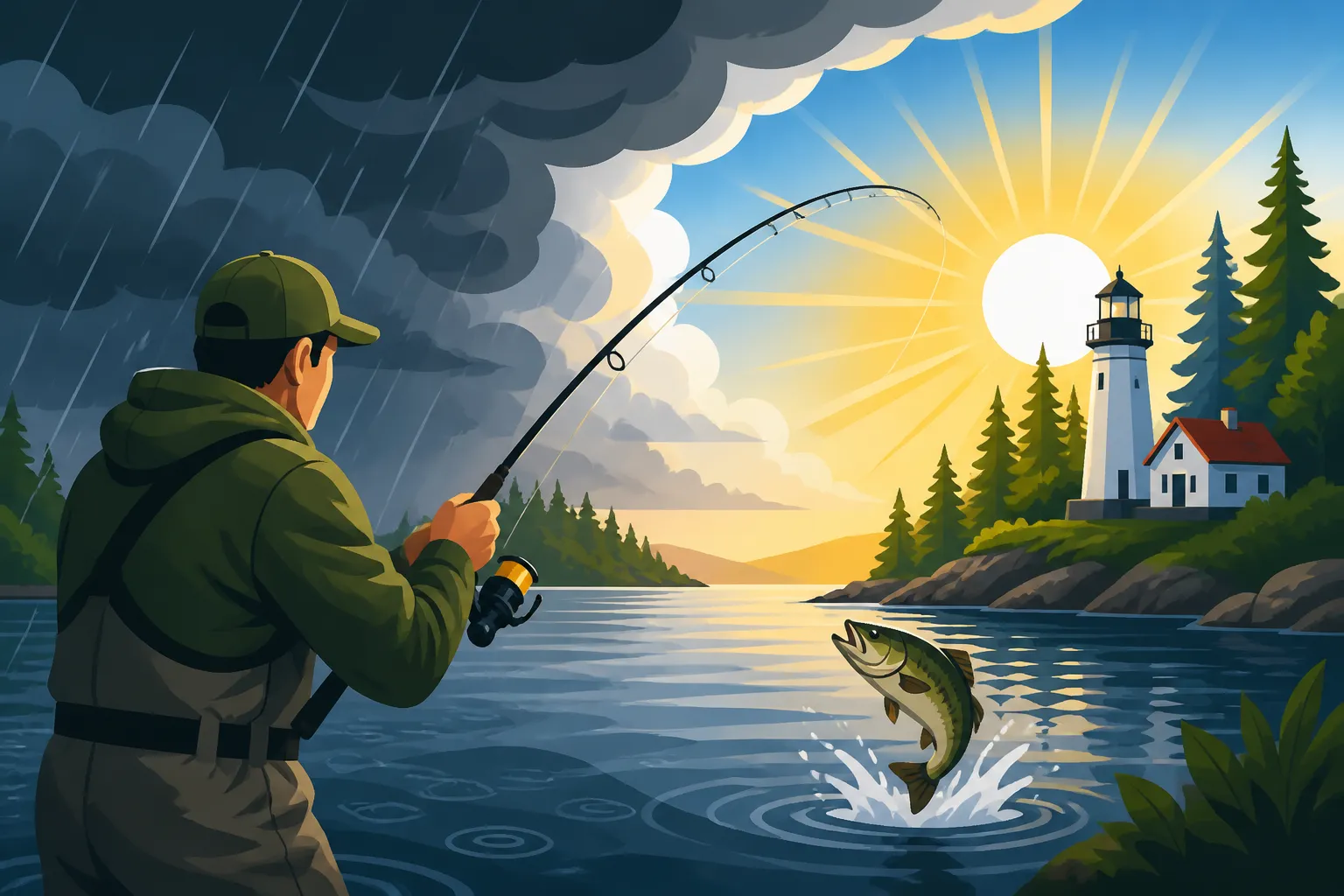
Best Time to Fish After Rain
Oh, the age-old question that plagues every angler's mind when the skies open up: "Should I even bother going fishing after this rain?" It's a common frustration, isn't it? One minute the sun is shining, the next, a deluge, and you're left wondering if the fish have all packed their bags and moved to drier pastures. But here's the good news: rain isn't always a bad thing for fishing! In fact, sometimes it can create some of the best opportunities. This guide is here to unravel the mysteries of post-rain fishing in Maine, helping you understand how different types of rain affect our beautiful waters and, more importantly, how to adapt your strategies to catch more fish when the clouds clear.
Understanding the Immediate Aftermath: How Rain Changes Maine's Waters
When rain falls over Maine, it doesn't just make things wet; it fundamentally alters the aquatic environment. These changes, whether subtle or dramatic, directly influence fish behavior. Knowing what to expect is your first step toward a successful post-rain outing.
Water Clarity and Temperature Swings
One of the most immediate and noticeable effects of rain, especially a heavy downpour, is the change in water clarity. Think about a pristine Maine stream or lake before a storm. The water might be crystal clear, making fish wary and your approach critical. After a significant rain event, runoff from the land carries sediment, dirt, and organic matter into the water, quickly turning it murky. This can be both a challenge and an advantage. On one hand, reduced visibility can make it harder for fish to spot your bait or lure. On the other, it provides cover for fish, making them feel more secure and often more willing to venture out from hiding spots.
Beyond clarity, rain, especially a prolonged or heavy shower, can cause noticeable temperature swings. If the rain is colder than the surface water of a lake, it can cool the upper layers, potentially pushing warm-water species deeper or making cold-water species more active near the surface. Conversely, a warm summer rain falling into cooler spring-fed rivers might slightly warm the water, which can trigger insect hatches and, consequently, feeding frenzies for trout. It's a delicate balance, and understanding these shifts can help you predict where fish might relocate.
Oxygen Levels and Nutrient Rushes
Rainfall also plays a crucial role in altering the oxygen content and nutrient availability in Maine's fishing grounds. As rain splashes down, particularly on still waters like lakes and ponds, it helps to break the surface tension and mix the water, introducing fresh oxygen. This can be a huge benefit, especially in warmer summer months when oxygen levels can naturally deplete in shallower areas. Fish, being cold-blooded creatures, are very sensitive to oxygen levels, and a fresh infusion can perk them right up, making them more active and willing to feed.
But it's not just about oxygen. Rain also washes in a bounty of nutrients and food items from the surrounding land. Think about all those worms, insects, and bits of plant matter that get dislodged from the banks and swept into rivers, streams, and lake coves. This sudden influx creates a "post-rain buffet" for fish. They know this, and often instinctively move into areas where this runoff is occurring, anticipating an easy meal. This is where knowing your local topography pays off – identifying those small feeder creeks, culverts, or even just sloping banks that drain into the main body of water can be goldmines after a good rain.
Decoding Fish Behavior After the Rain Passes
The way fish react to rainfall isn't universal; it depends heavily on the species, the type of water body, and the intensity and duration of the rain. However, there are some general patterns you can learn to recognize that will greatly increase your chances of success.
Where Fish Go: Current Seams and Structure
After a rain, especially in rivers and streams, water levels often rise, and currents can become stronger. This might seem daunting, but it actually concentrates fish into predictable locations. Instead of fighting the main current, fish will often seek refuge in "current seams" – areas where fast-moving water meets slower water. These seams are often found behind large rocks, fallen trees, bridge pilings, or along the edges of deeper pools. The slower water allows them to conserve energy while still being positioned to ambush food swept downstream by the faster currents.
In lakes and ponds, the changes are less about current and more about new feeding opportunities and cover. Fish will often move closer to the shorelines, especially near inlets where fresh water and food are pouring in. Submerged structures like weed beds, rocky points, and downed timber become even more attractive as they offer both cover from predators (and anglers!) and a place to wait for dislodged prey. If you're fishing for species like smallmouth bass, they might hold tight to these structures, waiting for a juicy worm or insect to wash by. For landlocked salmon or togue, which often prefer deeper, cooler water, they might venture closer to the surface or into shallower coves if the rain has stirred up baitfish. This is a key insight that can help you target specific areas.
What Fish Eat: The Post-Rain Buffet
As mentioned, rain washes a smorgasbord of food into the water, and fish are quick to capitalize on it. This means your bait and lure choices might need to change. Worms are perhaps the most classic example; a simple nightcrawler on a hook, fished near an inlet or along a rain-swept bank, can be incredibly effective. Fish instinctively recognize these terrestrial treats. Many anglers find success using larger, more aggressive lures that imitate displaced baitfish or crawfish in murky water. These lures create more vibration and a larger profile, making them easier for fish to detect when visibility is low.
Consider the type of rain as well. A light, warm summer shower might trigger a flurry of insect activity, leading to surface feeding for trout in rivers. In such cases, carefully matched dry flies could be the ticket. However, a heavy cold rain might send those insects deep, and fish will be looking for heavier, submerged prey. Carrying a diverse selection of baits and lures, from natural offerings to artificials that create noise and flash, will keep you prepared for whatever the post-rain conditions throw at you. Don't forget, you can always find a wide variety of effective post-rain lures and baits on Amazon to stock your tackle box.
Strategic Approaches for Post-Rain Fishing Success
Alright, you understand why the rain changes things. Now, let's talk about how to use that knowledge to your advantage out on the water. It's all about adapting your approach.
Gear Up for Murky Waters and Changing Conditions
Fishing after rain means you need to adjust your gear. First and foremost, forget light tackle and subtle presentations if the water is murky. You'll want baits and lures that stand out. This often means using:
- Vibrant Colors: Think chartreuse, bright oranges, fire tiger, or even stark black. These colors contrast well against a muddy backdrop, making them more visible to fish.
- Noisy Lures: Spinnerbaits, chatterbaits, and crankbaits with internal rattles create vibrations that fish can detect through their lateral line, even if they can't see perfectly.
- Larger Profiles: A bigger bait provides a bigger target. Fish aren't going to expend much energy chasing something they can barely see.
- Stronger Scents: Many anglers swear by scent attractants after rain. Adding a scent to your soft plastics or even live bait can make a huge difference when fish are relying more on smell than sight. You can find some excellent scent options and tackle organizers for your new gear on Amazon.
Also, don't forget your gear. Waterproof outerwear is a must, even if the rain has stopped, as you'll encounter wet banks and possibly lingering drips. Consider waterproof boots with good traction, especially if you're navigating slippery riverbanks or muddy trails. A reliable headlamp can also be invaluable if you're fishing into the twilight hours, as post-rain evenings can be particularly productive. For more general advice on what to bring, check out our Maine Open Water Fishing Techniques Guide!
Picking Your Spots: Rivers, Lakes, and Coastal Waters
Knowing where to cast your line is half the battle.
- Rivers and Streams: Focus on those current seams, eddies, and anywhere there's obvious runoff entering the main flow. Small tributaries, culverts, and even areas downstream of agricultural fields (assuming responsible practices) can be hotspots as they deliver food. Deeper pools and pockets along banks often provide temporary refuge from strong currents and a waiting area for passing food. Remember to keep an eye on safety, especially with rapidly rising water, as discussed in Safety Tips for Fishing Alone in Maine.
- Lakes and Ponds: Target the windblown banks first. The wind can push rain-fed currents and dislodged food items into these areas. Inlets where streams or ditches empty into the lake are prime locations. Shallow coves, particularly those with vegetation or submerged structure, also offer excellent opportunities as fish move in to forage. Don't overlook rocky points or drop-offs, which provide easy access to both shallow feeding grounds and deeper safety.
- Coastal Waters (for species like striped bass): Rain can sometimes be a mixed bag for saltwater fishing. Heavy freshwater runoff can create a visible "dilution line" where the freshwater meets the saltwater. Striped bass often congregate along these lines, feeding on baitfish pushed by the freshwater flow. Estuaries and river mouths, such as those found on the Penobscot River Striped Bass Run in Maine, often become more active after rain, as baitfish are flushed out and stripers move in to ambush them. Look for areas with structure like docks, jetties, or submerged rocks where fish can hold out of the main current and ambush prey.
Table: Post-Rain Fishing Strategy Guide
| Rain Type/Duration | Water Clarity Effect | Water Temperature Effect | Fish Behavior & Location | Recommended Baits/Lures | General Strategy |
|---|---|---|---|---|---|
| Light Drizzle (Short) | Minimal change | Slight cooling/warming | Increased activity, bugs | Dry flies (trout), small spinners | Subtle approach, focus on natural hatches. |
| Moderate Rain (Hours) | Slight murkiness | Moderate temp change | Actively feeding, near runoff | Worms, small crankbaits, jigs | Target transition zones, moderate retrieves. |
| Heavy Rain (Prolonged) | Very murky, high water | Significant temp change | Seeking cover, concentrated | Large, noisy, brightly colored lures | Aggressive presentations, focus on structure/current seams, slow retrieves. |
| Post-Storm (Clearing) | Gradually improving | Stabilizing | Returning to normal patterns | Versatile, adjust as clarity improves | Start aggressive, become more subtle as conditions normalize. |
Safety First: Navigating Maine's Waters After a Storm
While post-rain fishing can be fantastic, safety should always be your top priority. Maine's rugged landscape and dynamic waterways demand respect, especially after unsettled weather.
Current Concerns and Slippery Shores
After a heavy rain, rivers and streams can become powerful, swift-moving forces. Even familiar wading spots can suddenly be dangerous due to increased depth and current speed. Always assess the water flow carefully before entering, and consider if wading is truly safe. If you're on a boat, be aware that floating debris (logs, branches, etc.) can be washed downstream, posing a hazard.
Shorelines, riverbanks, and access points can also become incredibly slick. Wet rocks, muddy trails, and slippery moss can lead to falls and injuries. Wear appropriate footwear with excellent grip, and take your time moving around. A wading staff can provide extra stability, even if you're not planning to wade deep. It's also wise to inform someone of your fishing plans and expected return time, especially if you're heading to a remote spot. For more safety considerations when fishing alone, refer to our guide on Safety Tips for Fishing Alone in Maine.
Weather Watch and Emergency Preparedness
Even after the main storm has passed, unstable weather can linger. Pop-up showers, thunderstorms, and sudden changes in wind are all possible. Always check the weather forecast before heading out, and keep an eye on the sky and local weather patterns while you're fishing. Rapidly darkening clouds, distant thunder, or a sudden drop in temperature are all signs to head for cover.
Being prepared for emergencies means more than just a rain jacket. A small, dry bag containing a first-aid kit, a fully charged cell phone (in a waterproof case), a flashlight or headlamp, and some emergency food and water is a smart addition to your gear. If you're planning a longer trip, or venturing into the backcountry, consider carrying a personal locator beacon (PLB) or satellite messenger. It's better to have it and not need it than to need it and not have it. Fishing is an incredible experience, but it's always secondary to your well-being.
Final Thoughts on Post-Rain Fishing in Maine
Fishing after the rain in Maine is really about embracing change and adapting your approach. It's rarely a "pack up and go home" situation. Instead, it's an opportunity to experience our beautiful waters in a different light, often leading to some of the most memorable catches. Whether you're targeting brook trout in a swollen stream, chasing bass in a murky lake cove, or seeking striped bass along a rain-swept coast, understanding how rain impacts the environment and fish behavior is your key to success.
So next time you see those dark clouds rolling in, don't despair! Instead, start thinking about which lures to tie on, which spots will be hot, and how you'll enjoy that refreshing post-rain bite. Remember, every drop of rain tells a story in the water, and with a little knowledge and preparation, you can read it like a seasoned angler.
Disclaimer
This article is for general informational purposes only and does not constitute professional advice. Laws, prices and regulations vary by location and change over time. Consult a qualified professional for guidance on your specific situation.