Best Time of Year to Catch Togue in Maine
Anyone who has spent time chasing togue in Maine knows that these deep-water dwelling lake trout can be incredibly elusive. You can spend hours on the water, meticulously working your lines, only to come up empty-handed. But here's the secret: success often hinges on understanding their seasonal behavior. This guide is dedicated to breaking down the absolute best times of year to catch togue in Maine, helping you unlock the mysteries of these magnificent cold-water fish.
Understanding Togue Behavior Through the Seasons
Togue, often known as lake trout in other regions, are fascinating creatures perfectly adapted to Maine's vast, deep lakes. Unlike many fish that are active year-round in similar patterns, togue have distinct behavioral shifts tied directly to water temperature and their spawning cycle. If you want to consistently hook into these powerful fish, you need to understand where they are and what they're doing as the seasons change.
Winter's Icy Grip: Prime Ice Fishing
When Maine's lakes freeze over, many anglers pack away their open-water gear, but for togue enthusiasts, winter is showtime! From the moment the ice is safe, typically from late December into January, and lasting through March, togue become incredibly accessible to ice anglers. During these frigid months, the entire water column cools down, and togue, while still preferring deeper, colder water, tend to roam more widely in search of food. They don't have the warm surface layer to avoid, so they become more active at shallower depths than they would in summer. This is when ice fishing shines.
You'll find them cruising along rocky drop-offs, suspended over deep basins, or even venturing into shallower coves where baitfish might be congregating. This wider distribution means you can set multiple tip-ups across different depths and structures, increasing your chances. The consistent cold water throughout the lake means less vertical migration and more horizontal movement, making them a prime target for those willing to brave the elements. It’s truly a fantastic time, and if you're looking for an excellent resource, check out our guide on the Maine Ice Fishing Rules Guide to ensure you're compliant.
Spring Thaw: A Brief Opportunity
As the ice begins to recede and eventually "goes out" on Maine's lakes, usually from late April to mid-May, a new, albeit brief, opportunity arises for togue. During this "ice-out" period, the lake water is uniformly cold from top to bottom. This means the togue, which have been active under the ice, remain relatively close to the surface or at more moderate depths, often following schools of baitfish like smelt. They're recovering from the long winter and actively feeding to regain energy.
However, this window is often fleeting. As the sun gets higher and the air temperatures rise, the surface waters quickly begin to warm. Togue are extremely sensitive to warm water, and they will rapidly retreat to deeper, cooler sections of the lake. The trick here is to hit the water right after ice-out, before the thermocline (the layer where water temperature changes rapidly) starts to form. This early spring period is one of the only times you’ll find them actively feeding in the top 20-30 feet of water in many of Maine's larger lakes.
Summer's Deep Chill: Thermocline Hunting
Ah, summer in Maine! Beautiful, warm, and perfect for a dip… unless you're a togue. As surface temperatures climb throughout June, July, and August, togue are forced into the deepest, coldest parts of the lake. They become creatures of the thermocline – that distinct boundary layer where the warm surface water meets the cold, oxygen-rich depths. Finding this thermocline is absolutely crucial for summer togue fishing. They'll often suspend just above, within, or just below this layer, where the temperature and oxygen levels are optimal for their survival.
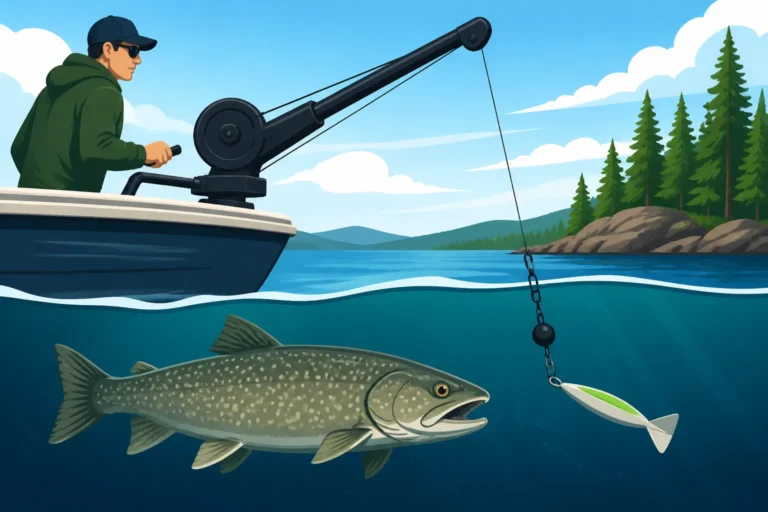
This means you'll be targeting them in 60, 80, or even 100+ feet of water, depending on the lake and how deep the thermocline has set up. This isn't for the faint of heart or for those without the right gear. It often requires specialized trolling techniques with downriggers or lead core lines to get your lures down to those precise depths. Understanding how to use a fish finder to locate this thermal layer is paramount, as is knowing the depths of your target lakes. Summer can be challenging, but for those who master the deep-water game, it can yield some truly impressive togue.
Autumn's Frenzy: Pre-Spawn and Aggression
When the leaves turn vibrant shades of red and gold, and a crisp coolness returns to the air, Maine's waters begin to cool down, signaling one of the absolute best times of year to catch togue. As the surface water cools, the thermocline breaks down, and the entire lake begins to "turn over," mixing cold water throughout. This allows togue to move up from their summer depths and explore more of the lake. More importantly, autumn is when togue prepare for their spawning ritual, which typically occurs in late October and November.
During the pre-spawn period, usually from mid-September through October, togue go on an aggressive feeding binge to build up energy reserves. They'll be much more active and willing to strike lures. You'll find them congregating around rocky reefs, humps, and shoals in shallower water than summer, but still deeper than you might find brook trout or salmon in the fall. This is a fantastic time for both trolling and jigging, as their increased activity makes them more susceptible to a variety of presentations. Many veteran anglers consider this the peak season for targeting larger, more active togue.
Prime Months and Key Factors for Togue Success
While togue can be caught year-round if you know what you're doing, certain months stand out as particularly productive. It's not just about when, but also about understanding the specific conditions that make those times exceptional.
January to March: Ice Fishing Extravaganza
Undoubtedly, the winter months, from January through March, offer some of the most consistent togue fishing in Maine. With the thick ice cover, anglers can access vast expanses of lakes that are difficult to fish by boat during open water seasons. Lakes like Moosehead Lake Fishing Guide, Sebago Lake Fishing Guide, and the Rangeley Lakes Fishing Guide are legendary for their winter togue action. Togue are actively feeding under the ice, and with their movements less restricted by a thermocline, they become more catchable.
During this period, focus your efforts around major drop-offs, submerged islands, and areas where baitfish (especially smelt) are known to congregate. The beauty of ice fishing is that you can drill multiple holes and set up numerous lines, such as tip-ups, allowing you to cover a wider area and experiment with different depths until you find where the fish are holding. For more detailed insights, our guide on How to Fish for Togue Through the Ice offers invaluable tips for this season.
May and June: Post-Spawn Recovery and Feeding
Following ice-out, the late spring months of May and early June offer another excellent window, especially for anglers who enjoy trolling from a boat. After a long winter and the stress of spawning (for those that spawned in the fall), togue are often hungry and eager to feed. The entire water column is still relatively cold, allowing them to cruise at shallower depths than they will during the scorching summer.
You'll want to target them in the upper 40 feet of the water column, often near tributary mouths where food washes in or along prominent points and rock piles. As June progresses and the sun intensifies, keep a close eye on your fish finder for the developing thermocline and adjust your trolling depths accordingly. The shift can be quite rapid, so being adaptable is key.
September and October: Fall Feeding Frenzy
Many seasoned Maine anglers will tell you that autumn, particularly September and October, is the time for open-water togue fishing. As lake waters cool and turn over, the togue, now freed from the deep, restrictive thermocline, go on a serious feeding binge in preparation for their late fall spawn and the coming winter. This pre-spawn aggression makes them incredibly active and willing to chase lures.
You'll find them moving into shallower water than in summer, often in the 30-60 foot range, especially around rocky structures, gravel beds, and areas with good forage. This is a fantastic time for flat-line trolling closer to the surface in the mornings and evenings, or using lead core and downriggers to target deeper structure during midday. The combination of cooler water, active feeding, and the anticipation of spawning makes fall a consistently productive time for impressive togue catches.
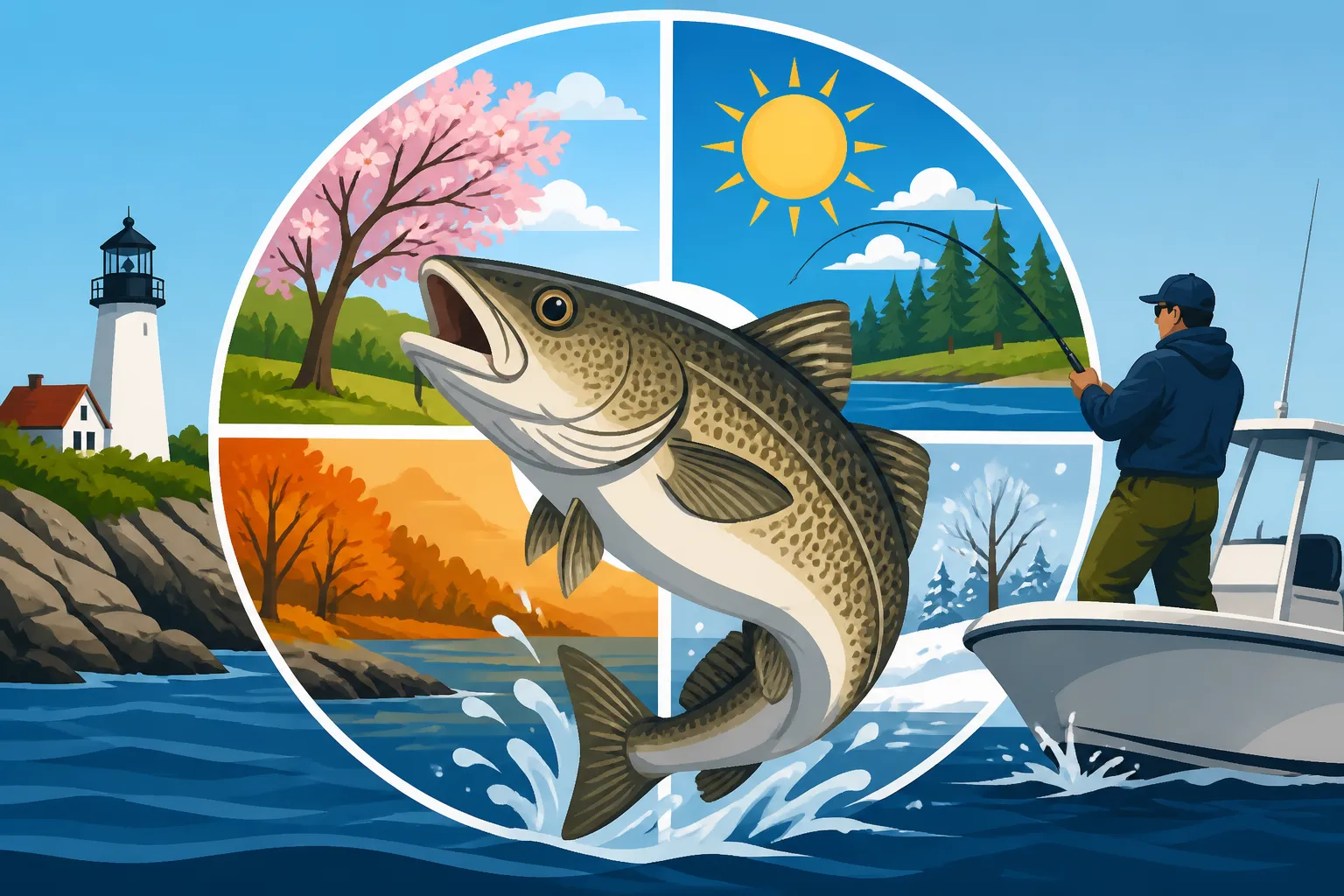
| Season | Best Months | Typical Depths (Feet) | Preferred Techniques | Key Considerations |
|---|---|---|---|---|
| Winter | Jan, Feb, Mar | 20 – 80+ | Ice fishing, Tip-ups, Jigging | Safe ice thickness, locate baitfish schools |
| Spring | Late Apr, May | 15 – 50 | Trolling, Casting | Ice-out timing is crucial, brief shallow window |
| Summer | June, July, Aug | 60 – 120+ | Deep trolling (downriggers/lead core), Jigging | Locate thermocline, fish deep, slow presentations |
| Autumn | Sep, Oct | 30 – 70 | Trolling, Jigging | Pre-spawn aggression, lake turnover, falling water temps |
Gear and Techniques for Seasonal Togue Fishing
Having the right gear and knowing the appropriate techniques for each season will dramatically increase your chances of success. Togue are strong, determined fighters, so durable equipment is a must.
Essential Winter Togue Gear
When ice fishing for togue, you’ll need specific tools to handle the cold and the fish. Sturdy tip-ups are non-negotiable; choose models that can withstand freezing temperatures and strong winds. A good quality ice auger, either gas-powered, propane, or an electric model, will make drilling through thick Maine ice much easier. For jigging, a medium-heavy ice rod with a sensitive tip and a reliable spinning reel spooled with strong braided line (with a fluorocarbon leader) is ideal.
Your bait and lure selection is also vital. Live bait, particularly smelts or shiners, rigged on a quick-strike rig under a tip-up, is often irresistible to hungry togue. For jigging, heavy spoons, tube jigs, or soft plastics designed for deep water can be very effective. Many anglers swear by a vibrant color palette, as the low light under the ice can make flashy lures more appealing. You can find a fantastic selection of these specialized items, from robust ice augers to a variety of tip-ups and fishing electronics, on Amazon.
Open Water Trolling and Jigging Setups
For open water, especially during summer and fall, trolling is the most common and effective method for togue. This requires a robust trolling setup. For deep-water summer togue, a downrigger system is highly effective for precisely presenting lures at the thermocline. Alternatively, lead core line allows you to achieve significant depth without downriggers, though it requires a bit more finesse to manage. Your rod should be a medium-heavy to heavy action trolling rod, about 7-8 feet long, paired with a reliable line counter reel spooled with 20-30 lb monofilament or braided line.
When it comes to lures, large spoons like Mooselook Wobblers, DB Smelt, or Sutton Spoons are classic Maine togue producers. Flutter spoons, stickbaits, and even large streamer flies trolled behind dodgers or flashers can also be incredibly effective. For those who prefer to jig, especially when you mark fish on your sonar over structure, heavy jigs tipped with a piece of bait or a plastic grub can entice a strike. Don't forget to review our Trolling Techniques for Maine Lakes guide for more advanced strategies. For those looking to upgrade their sonar or pick up some new trolling spoons, checking out reputable online retailers like Amazon is a great option. Make sure you're also up-to-date on Maine Togue and Lake Trout Limits before you head out.
Understanding the specific depths is also crucial. For instance, knowing How Deep Should You Troll for Salmon in Summer? can give you a good starting point for togue, as they often inhabit similar temperature ranges. Experiment with different depths and speeds until you find the fish and what they're biting on. Sometimes, a subtle change in boat speed or lure color can make all the difference. For a broader overview of tactics, our Maine Open Water Fishing Techniques Guide covers a wide array of strategies that can be adapted for togue. You might also find some excellent lure ideas by checking out Best Lures for Maine Open Water Fishing.
Navigating Maine's Unique Regulations for Togue
Fishing in Maine, especially for species like togue, comes with a specific set of regulations designed to protect our precious fisheries and ensure sustainable angling for generations to come. It’s not just about knowing when and how to catch them, but also about knowing the rules of engagement. Ignorance of the law is never an excuse, and a quick check of the latest regulations can save you from a costly fine or, worse, impacting the fishery.
Understanding Bag and Size Limits
Maine has established specific bag and size limits for togue, which can vary not only by species but also by the specific lake or even by fishing zone within the state. These limits are put in place to manage fish populations, allowing enough fish to survive and reproduce while providing ample angling opportunities. For instance, a lake known for producing trophy-sized togue might have stricter size limits to protect those large, mature fish. Conversely, a lake with an overpopulation of smaller togue might have more liberal limits to encourage harvest and improve the overall health of the fishery.
Always consult the current Maine Department of Inland Fisheries and Wildlife (MDIFW) open water or ice fishing regulations book before you head out. These books provide detailed information, often breaking down rules by county or by individual lake. It’s essential to know not just how many you can keep, but also the minimum and sometimes maximum length you are allowed to retain. Penalties for exceeding bag limits or keeping undersized or oversized fish can be significant, so always measure your catch carefully.
Special Regulations and Lake-Specific Rules
What many anglers don't realize is that Maine's fishing regulations are not always "general law." Many of our most popular and productive togue lakes have special regulations that override the statewide general laws. These special rules are tailored to the unique ecological characteristics of each water body and the specific management goals for its fish populations. A particular lake might have a different season length, different bag limits, or even different legal fishing methods.
For example, a lake might be open for ice fishing but closed for open water fishing during certain months, or it might have a "fly fishing only" or "artificial lures only" restriction. Some waters even have slot limits, meaning you can only keep fish within a specific size range, releasing those that are too small or too large. Always double-check the regulations for the specific lake you plan to fish. The MDIFW website is an invaluable resource for up-to-the-minute regulations, and they often provide downloadable PDFs of the law book. Planning your trip with our Maine Fishing Season Calendar can help you stay organized and compliant.
The Importance of Catch and Release
While catching and keeping some togue for a delicious meal is certainly part of the Maine fishing experience, practicing responsible catch and release, especially for larger, older fish, is vital for the long-term health of our togue fisheries. Larger togue are often the most prolific spawners, contributing significantly to future generations. They are also slower growing, taking many years to reach trophy size.
When practicing catch and release, handle the fish as little as possible. Keep it in the water if you can, unhooking it quickly and gently. If you must remove it from the water for a quick photo, do so only for a few seconds and support its body properly. Using barbless hooks can make unhooking much easier and less traumatic for the fish. Releasing fish carefully ensures they have the best chance of survival and can continue to contribute to Maine's incredible togue fishing legacy. It's a small effort that makes a huge difference.
Disclaimer
Please note that fishing regulations in Maine can change. Always consult the latest Maine Department of Inland Fisheries and Wildlife (MDIFW) regulations before heading out on the water. This content is for informational purposes only and should not be considered legal advice regarding fishing laws.