Magalloway River Fishing Spots
The Magalloway River, with its pristine waters and wild landscapes, holds a special allure for anglers seeking an authentic Maine fishing experience. However, knowing where to cast your line, when to go, and how to navigate its unique stretches can feel like deciphering a secret code. This guide is here to demystify the Magalloway, helping you pinpoint the best fishing spots and prepare for a rewarding adventure on these cherished waters.
Understanding the Magalloway River's Unique Charm for Anglers
The Magalloway River isn't just another waterway; it's a testament to Maine's wild beauty, offering an angling experience that truly connects you with nature. Flowing through both Maine and New Hampshire, its character shifts and changes, presenting different opportunities and challenges for those who seek its bounty.
A River of Two States and Diverse Fisheries
The Magalloway originates in the remote wilderness of Maine, not far from the Quebec border, before eventually flowing south and west into New Hampshire, where it joins the Androscoggin River. This dual-state identity means that while the core fishing experience remains wild and focused on coldwater species, regulations and specific access points can vary slightly depending on which side of the state line you're on. For the purpose of this guide, we'll primarily focus on the incredible opportunities found on the Maine side, which boasts some truly spectacular stretches.
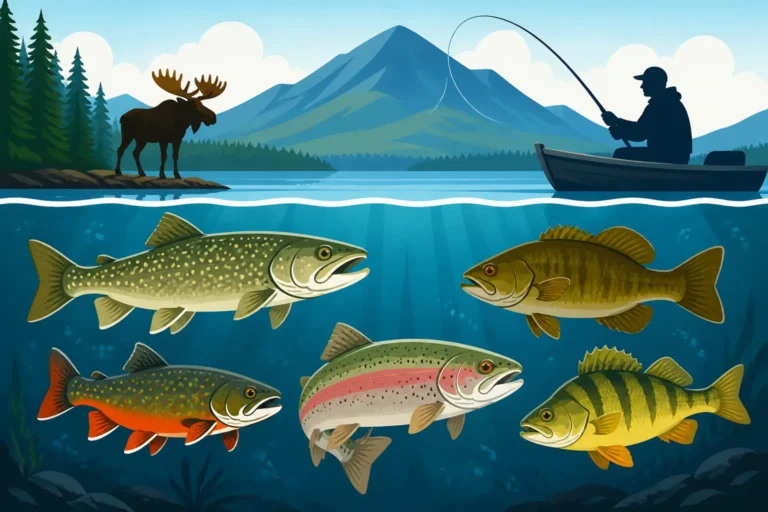
What makes the Magalloway so special for anglers? It’s predominantly a coldwater fishery, a haven for some of Maine's most prized game fish. You’ll find healthy populations of native brook trout, which thrive in its oxygen-rich, clear waters. These wild fish are often vibrant, showcasing the stunning colors that only truly native specimens possess. Beyond the brookies, the river is also known for its landlocked salmon, which migrate into the river system from Aziscohos Lake and Umbagog Lake to spawn, offering thrilling opportunities for those targeting these hard-fighting fish. In certain areas, especially closer to its larger lake connections, you might also encounter rainbow trout and even a few brown trout, making for a truly diverse angling portfolio. Understanding these species and their habits is key to success on the Magalloway. For a deeper dive into target species, check out our guides on Brook Trout Fishing in Maine and Landlocked Salmon Fishing in Maine.
Prime Seasons and Conditions for Magalloway Fishing
Timing is everything when it comes to fishing the Magalloway River. The seasons dictate not only what species are most active but also the water levels and conditions you'll encounter.
- Spring (May – June): This is often considered the glory season on the Magalloway. As the ice melts and water temperatures begin to rise, brook trout and landlocked salmon become incredibly active. Many anglers flock to the river during the smelt run, a critical food source that draws in larger fish. High water from spring runoff can make some sections challenging to wade, but it also means fish are well-distributed. Early spring often requires heavy flies or lures to get down to the fish. The weather can be unpredictable, so be prepared for anything from warm sunshine to chilly rain. This is also when the river is generally stocked with hatchery fish to supplement the wild populations in more accessible areas.
- Summer (July – August): While the heat of summer can make fishing tougher on many rivers, the Magalloway's cold, spring-fed nature helps it remain productive. Fish will seek out deeper pools, shaded areas, and cold pockets where feeder streams enter. Early mornings and late evenings are often the most fruitful times. During the day, targeting oxygenated riffles or deep runs where currents keep the water cool can still yield results. Terrestrial patterns like grasshoppers and ants become effective as the weather warms, providing excellent dry fly action. However, water levels can drop significantly in late summer, making stealth and careful wading essential.
- Fall (September – October): Fall is another fantastic time to fish the Magalloway, often rivaling spring in its appeal. The vibrant autumn foliage provides a stunning backdrop, and fish become highly active as they prepare for winter and their spawning cycles. Landlocked salmon in particular can be spectacular as they move upstream, displaying their brilliant spawning colors. Brook trout also become aggressive, feeding heavily. Cooler water temperatures reinvigorate the fish, and fewer anglers after Labor Day can mean more solitude. However, be mindful of specific regulations during spawning periods, as some areas might be restricted to protect breeding fish. For general guidance, refer to our comprehensive guide on Maine Fishing Season Dates Guide.
Understanding the river's flow is paramount. The Magalloway is influenced by dams upstream, particularly at Aziscohos Lake. Changes in release schedules can significantly impact water levels, affecting wading safety and fish behavior. Always check local river flow data before heading out, especially if you plan on wading extensively.
Key Fishing Zones and Access Points on the Maine Side of the Magalloway
The Magalloway River offers a spectrum of fishing experiences, from easily accessible spots near paved roads to remote, wilderness stretches that demand a bit more effort to reach. Knowing these different zones is crucial for planning your trip.
The Upper Magalloway: Remote Trout and Salmon Waters
The upper reaches of the Magalloway, particularly those above Aziscohos Lake and near the tiny settlements of Lincoln Plantation and Parmachenee, offer some of the most remote and wild fishing opportunities in Maine. This area is characterized by dense forests, fewer roads, and a true sense of untamed wilderness.
Access here is often limited to dirt logging roads, which can be rough and sometimes require a high-clearance vehicle. These roads are typically managed by timber companies and may have gates or require permits, so always check current access conditions. Once you’ve navigated the roads, prepare for some hiking to reach prime spots. The reward, however, is exceptional. You’ll find miles of pristine river, often with little to no fishing pressure, teeming with wild brook trout. These are often smaller, but their brilliant colors and aggressive takes make them a joy to catch.
The upper Magalloway also sees strong runs of landlocked salmon, especially during their spawning migrations in the fall. These fish make their way upstream from Aziscohos Lake, providing an incredible challenge for anglers willing to put in the effort. Deep pools, boulder-strewn runs, and undercut banks are classic holding lies for these powerful fish. Hiring a local Registered Maine Guide is highly recommended for exploring these remote areas, as their knowledge of the terrain and fish patterns can be invaluable. If you're considering a guided trip, resources like FishingBooker can help connect you with experienced guides who specialize in the Magalloway's remote sections.
The Lower Magalloway: More Accessible and Diverse Opportunities
As the Magalloway River flows further south and west towards Umbagog Lake, it becomes more accessible, offering a different but equally rewarding fishing experience. This section is often wider and more moderate in flow, with some areas offering easier wading and bank access.
One of the most popular and productive stretches is below the Aziscohos Dam. The tailwaters here are consistently cold and oxygenated, providing excellent habitat for both trout and salmon year-round. This area is a hotspot for early season landlocked salmon, which hold in the swift currents and deep pools. Public access points and designated parking areas are more common here, making it a favorite for both wade fishermen and those using drift boats or kayaks. However, be prepared for more company, especially during peak season.
Further downstream, as the river nears Umbagog Lake on the Maine/New Hampshire border, the fishing takes on a different character. Here, you'll still find trout and salmon, but the influence of the lake means you might also encounter warm water species like smallmouth bass in certain slower sections. Public boat launches provide access to the river and the lake itself, making it a versatile area for anglers who enjoy both river and lake fishing. Shore fishing is more viable in these lower stretches, with several spots offering easy bank access. Always be mindful of the state line here; while this guide focuses on Maine, understanding Maine Fishing Regulations Explained and New Hampshire's reciprocal agreements can prevent any surprises.
Navigating Access: Public vs. Private Lands
One of the biggest hurdles for new anglers on the Magalloway River is understanding access. Much of the land surrounding the river, particularly in its upper and middle sections, is privately owned timberland. While many of these landowners generously allow public access for recreation, it's never a guarantee and often comes with specific rules.
- Logging Roads: Be prepared to drive on dirt logging roads. These roads can be active hauls, so drive defensively, watch for heavy equipment, and yield to logging trucks. Road conditions can vary dramatically with weather, so a reliable vehicle is key.
- Designated Access Points: Look for official Maine Department of Inland Fisheries and Wildlife (MDIFW) access signs or public boat launches. These are your safest bets for legal and easy access. Some popular spots might even have small parking areas.
- Respect Private Property: If you're unsure if a spot is public, assume it's private. Always look for "No Trespassing" signs. Even if there aren't signs, avoid walking through private yards or parking in areas that block access for residents. A little common courtesy goes a long way in maintaining good relationships with landowners.
- Utilize Maps: Investing in detailed topographic maps or using GPS apps with land ownership overlays can be incredibly helpful. Apps like onX Hunt (while often marketed for hunting) can show land ownership boundaries, helping you identify public vs. private access points.
- Local Knowledge: The best way to understand local access nuances is to ask. Stop at a local general store, sporting goods shop, or hire a local guide. They often have the most up-to-date information on road conditions, access changes, and productive areas. Remember, getting to the fish is half the battle, and respecting the land ensures these spots remain open for future generations.
Essential Techniques and Gear for Magalloway River Success
The Magalloway River's diverse character demands a versatile approach. Whether you're a seasoned fly angler or prefer spin fishing, having the right techniques and gear in your arsenal will significantly increase your chances of success.
Fly Fishing Strategies for Trout and Salmon
Fly fishing is arguably the most popular method on the Magalloway, especially for targeting its wary brook trout and powerful landlocked salmon. The river offers everything from delicate dry fly opportunities to heavy nymphing and streamer fishing. For an in-depth look, see our guide on Fly Fishing Techniques for Maine Rivers.
- Dry Fly Fishing: During hatches, particularly in late spring and summer evenings, dry fly fishing can be incredibly rewarding. Look for caddisflies, mayflies (like Hendricksons, Sulfurs), and stoneflies. In summer, terrestrials such as grasshoppers, ants, and beetles are highly effective, especially when cast close to grassy banks or overhanging vegetation. Accuracy is key, as Magalloway fish can be particular.
- Nymphing: Nymphing is a year-round staple on the Magalloway. Drifting imitations of aquatic insects like Caddis larvae, Mayfly nymphs (Pheasant Tail, Hare's Ear), and Stonefly nymphs (Pat's Rubber Legs, Prince Nymph) through runs and pools can be deadly. Strike indicators are essential for detecting subtle bites. Varying your weight to get the flies into the strike zone – often near the bottom in deeper sections – is crucial.
- Streamer Fishing: For larger brook trout and especially landlocked salmon, streamer fishing is often the most productive method. Patterns like Grey Ghosts, Black Ghosts, Smelt imitations, and Woolly Buggers fished on a sinking or sink-tip line can entice aggressive strikes. Casting across and slightly upstream, then letting the streamer swing downstream while imparting a subtle retrieve, mimics baitfish movement. This is particularly effective in faster currents and deeper pools.
- Rod and Line: A 4- to 6-weight fly rod, 8.5 to 9 feet long, is versatile for most Magalloway situations. A floating line is standard, but having a sink-tip or full sinking line can be invaluable for streamer fishing for salmon. Leaders should be 7.5 to 9 feet, with tippet sizes ranging from 4x to 6x for trout, and 2x to 3x for salmon, depending on water clarity and fish activity.
Spin Fishing Tactics and Lure Recommendations
While fly fishing gets a lot of attention, spin fishing can be equally effective on the Magalloway, especially for beginners or those who prefer it. The key is to choose appropriate lures and understand how to present them effectively in moving water.
- Small Spinners: Classic inline spinners like Mepps Aglias or Panther Martins in sizes #0 to #3 are perennial favorites for brook trout. Gold, silver, and copper blades with bucktail or feather dressing are all good choices. Cast upstream or across current and retrieve just fast enough to get the blade spinning, letting the current do some of the work.
- Spoons: Small casting spoons such as Kastmasters, Little Cleos, or Dardevles can cover water effectively and appeal to both trout and salmon. Silver, gold, or bright orange/red patterns are often productive. Work them through deeper pools and runs.
- Small Plugs/Stickbaits: Jointed or unjointed stickbaits from brands like Rapala or Rebel, in minnow or crayfish patterns, can be excellent for larger trout and salmon, particularly in deeper sections or near structure. Experiment with retrieve speeds and twitches to mimic injured baitfish.
- Jigs: Small marabou or soft plastic jigs (1/32 to 1/8 oz) tipped with a piece of worm or scented bait can be very effective, especially in slower pools or deeper pockets. Work them slowly along the bottom, mimicking a struggling insect or baitfish.
- Bait Fishing: While many areas on the Magalloway are artificial lures/flies only, where bait is permitted, worms, mealworms, or small live minnows can be incredibly productive, especially for brook trout. Use a small hook (size 8-12) with minimal weight to allow the bait to drift naturally. Always check the Maine Fish Bag Limits Guide and specific area regulations before using bait.
- Rod and Reel: A light to medium-light spinning rod, 6 to 7 feet long, paired with a small spinning reel spooled with 4 to 8 lb monofilament or fluorocarbon line, will handle most situations.
Recommended Gear and Safety Considerations
No matter your preferred method, being prepared with the right gear and safety knowledge is crucial for a successful and enjoyable Magalloway trip.
- Waders and Boots: Chest waders (neoprene for cold weather, breathable for summer) and sturdy wading boots with felt or rubber soles (and often studs) are essential for navigating the river's rocky, slippery bottom.
- Fishing Vest/Pack: Keep your flies, lures, tools, and essentials organized and accessible.
- Net: A rubber-coated landing net is crucial for safely landing and releasing fish, minimizing harm to their protective slime coat.
- Polarized Sunglasses: Not only do they protect your eyes from UV rays and errant hooks, but they also cut glare, allowing you to spot fish and underwater structure.
- Layered Clothing: Maine weather can change quickly. Dress in layers, avoiding cotton, which stays wet and cold.
- Navigation: A GPS device, detailed map, and compass are vital, especially in remote areas. Cell service can be spotty or nonexistent.
- First Aid Kit: Always carry a basic first aid kit for minor injuries.
- Bear Spray/Whistle: While encounters are rare, this is bear country. Be aware and know how to react.
- Communication: Consider a satellite messenger for emergency communication in areas without cell service.
- Hydration and Snacks: Always bring plenty of water and energy-rich snacks.
- Leave No Trace: Pack out everything you pack in. Respect the wilderness and keep it pristine.
Conservation and Regulations on the Magalloway River
Fishing the Magalloway is a privilege, and with that comes the responsibility to understand and adhere to the regulations designed to protect its precious fisheries. Maine takes its coldwater resources seriously, and specific rules often apply to sensitive rivers like the Magalloway.
Understanding Maine's Specific Magalloway Rules
Maine has a reputation for its detailed and sometimes complex fishing regulations, often with specific rules for individual rivers, lakes, and even sections of those waterways. The Magalloway River is no exception.
- General Law vs. Special Regulations: While the state has "General Law" rules that apply broadly, many high-quality fishing waters, including parts of the Magalloway, fall under "Special Regulations." These can dictate specific bag limits, length limits, gear restrictions (e.g., artificial lures only, fly fishing only), and even season dates that differ from the general statewide rules. It's imperative to consult the current Maine Open Water and Ice Fishing Regulations book, available online through the MDIFW website or at any license agent, before your trip. Pay close attention to the specific section of the Magalloway you plan to fish. For broader context, our guide on Maine Fishing Regulations Explained offers a great starting point.
- Bag and Length Limits: These vary by species and by specific river section. For instance, brook trout in certain waters might have more restrictive bag limits or higher minimum length requirements to protect spawning populations. Landlocked salmon often have slot limits, meaning you can only keep fish within a specific size range, to protect both juvenile and trophy-sized fish. Never assume the rules are the same everywhere.
- Gear Restrictions: Some sections of the Magalloway might be designated "Artificial Lures Only" or "Fly Fishing Only" to reduce mortality on wild fish populations. This means no worms, minnows, or scented baits of any kind are permitted. Understanding these distinctions is critical to avoiding violations.
- License Requirements: Of course, you’ll need a valid Maine Fishing License Guide to fish the Magalloway. Ensure you have the correct type of license for your residency status and duration of your trip. Don't forget, if you plan to fish the New Hampshire side, you'll need their license as well, though Maine and New Hampshire do have some reciprocal agreements for specific border waters like Umbagog Lake.
Practicing Responsible Catch and Release
Given the wild and native populations of trout and salmon in the Magalloway, practicing responsible catch and release is not just encouraged, it's essential for maintaining the health and vitality of the fishery. Even if you plan to keep a legal limit of fish, adhering to these practices for all released fish ensures their best chance of survival.
- Minimize Handling: The less you handle a fish, the better. Try to keep the fish in the water as much as possible.
- Wet Hands: Always wet your hands thoroughly before touching a fish. Dry hands can remove the fish's protective slime coat, making it vulnerable to disease.
- Barbless Hooks: Crimp down the barbs on your hooks or use barbless hooks. This makes hook removal quicker and causes less damage to the fish's mouth.
- Quick Release Tools: Keep a pair of hemostats or long-nosed pliers handy for easy and swift hook removal. If a fish is deeply hooked, it's often best to cut the line as close to the hook as possible rather than trying to remove it, especially if it's bleeding significantly.
- Support the Fish: If you need to take a quick photo, support the fish horizontally with two hands. Never hold a fish vertically by its jaw or tail, as this can damage its spine and internal organs.
- Revive Gently: If a fish seems sluggish after the fight, hold it gently in the current, facing upstream, until it regains its strength and swims away on its own. Avoid squeezing the fish.
- Be Mindful of Water Temperature: In summer, when water temperatures are high, fish are under more stress. Consider limiting your fishing to cooler parts of the day or targeting species that are more tolerant of warmer water. Even a short fight in warm water can be fatal for coldwater species. For more detailed advice, read our guide on Catch and Release Best Practices in Maine.
By following these guidelines, you become a steward of the Magalloway River, helping to ensure that its incredible fishing opportunities remain vibrant for generations to come.
| Magalloway River Fishing Zones Summary | Key Features | Target Species | Access Notes | Recommended Techniques |
|---|---|---|---|---|
| Upper Magalloway (Above Aziscohos) | Remote, wilderness feel, dense forests, pristine | Wild Brook Trout, Salmon | Dirt logging roads, often rough; requires hiking/paddling, local guide beneficial | Fly fishing (nymphs, dry flies), light spin (small spinners) |
| Below Aziscohos Dam | Tailwater fishery, cold, oxygenated, consistent flow | Landlocked Salmon, Trout | Public access points, parking; popular but can be crowded | Streamer fishing, nymphing, small spoons/plugs |
| Lower Magalloway (Near Umbagog Lake) | Wider river, slower sections, lake influence | Trout, Salmon, Smallmouth Bass | Public boat launches, shore access points; versatile | Spin fishing (various lures), bait fishing (where allowed), some fly fishing |
Disclaimer
The information provided in this guide is for general informational purposes only and does not constitute legal advice. Fishing regulations and access policies are subject to change without notice. Always consult the most current official Maine Department of Inland Fisheries and Wildlife (MDIFW) regulations before planning any fishing trip. It is your responsibility to know and follow all applicable laws and regulations. Fishing carries inherent risks; always prioritize safety.