Shore Fishing Access Points in Maine
Finding reliable shore fishing access in Maine can often feel like searching for a hidden treasure, especially when you’re not familiar with the coastline's nooks and crannies or the vast inland waterways. Many anglers get frustrated trying to figure out where they can legally and effectively cast a line without needing a boat. This comprehensive guide is here to cut through that confusion, offering practical advice and specific locations to help you unlock the incredible shore fishing opportunities that Maine has to offer, from rocky ocean fronts to serene lake banks.
The Unique Challenges and Rewards of Maine Shore Fishing
Maine’s natural beauty is undeniable, but it also presents a distinct set of challenges for the shore angler. Unlike some states with miles of easily accessible sandy beaches, much of Maine's coastline is rugged, privately owned, or part of protected natural areas. Inland, public access to lakes and rivers can be similarly elusive, often requiring local knowledge to navigate. However, these challenges also contribute to the immense rewards: untouched fishing spots, stunning scenery, and the satisfaction of landing a fish from a truly wild landscape.
Navigating Access Restrictions and Property Lines
One of the biggest hurdles for shore anglers in Maine is understanding property rights. Many prime fishing spots, especially along the coast and popular lake shores, are bordered by private land. It's crucial to respect these boundaries. Trespassing isn't just illegal; it also gives anglers a bad name and can lead to future access restrictions. Always look for clear signage indicating public access, boat launches, or designated fishing areas. If in doubt, it's best to move on or seek local guidance rather than risk an uncomfortable encounter. Sometimes, a short walk along a public right-of-way can open up an incredible stretch of water that feels completely secluded.
Overcoming Environmental Obstacles
Maine's diverse environment, while beautiful, also throws some curveballs. Along the coast, you'll contend with slippery, seaweed-covered rocks, powerful tides, and sudden fog. Inland, dense forests, marshy areas, and steep banks can make reaching the water's edge a true adventure. Prepare for these conditions with appropriate footwear, weather-appropriate clothing, and a keen awareness of your surroundings. For instance, tidal changes can quickly cut off access to a promising rock outcrop, so always be mindful of the incoming and outgoing water, especially around jetties and points. Knowing when to fish during the tides can make or break a coastal trip.
Coastal Maine: Saltwater Shore Fishing Hotspots
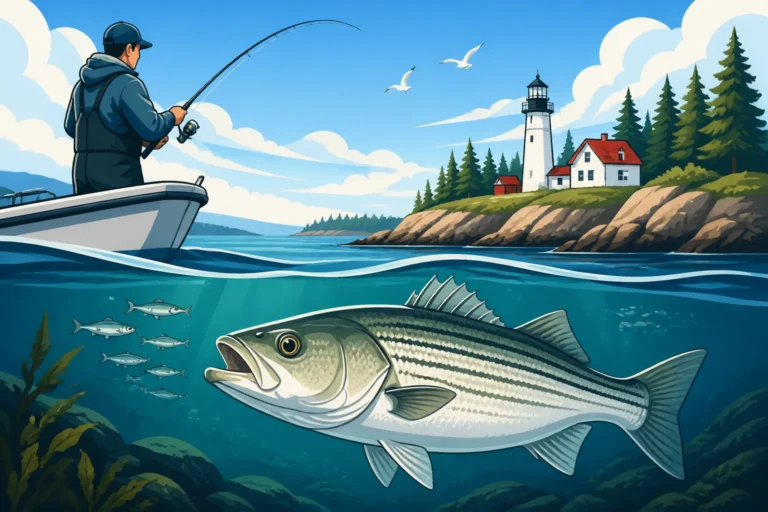
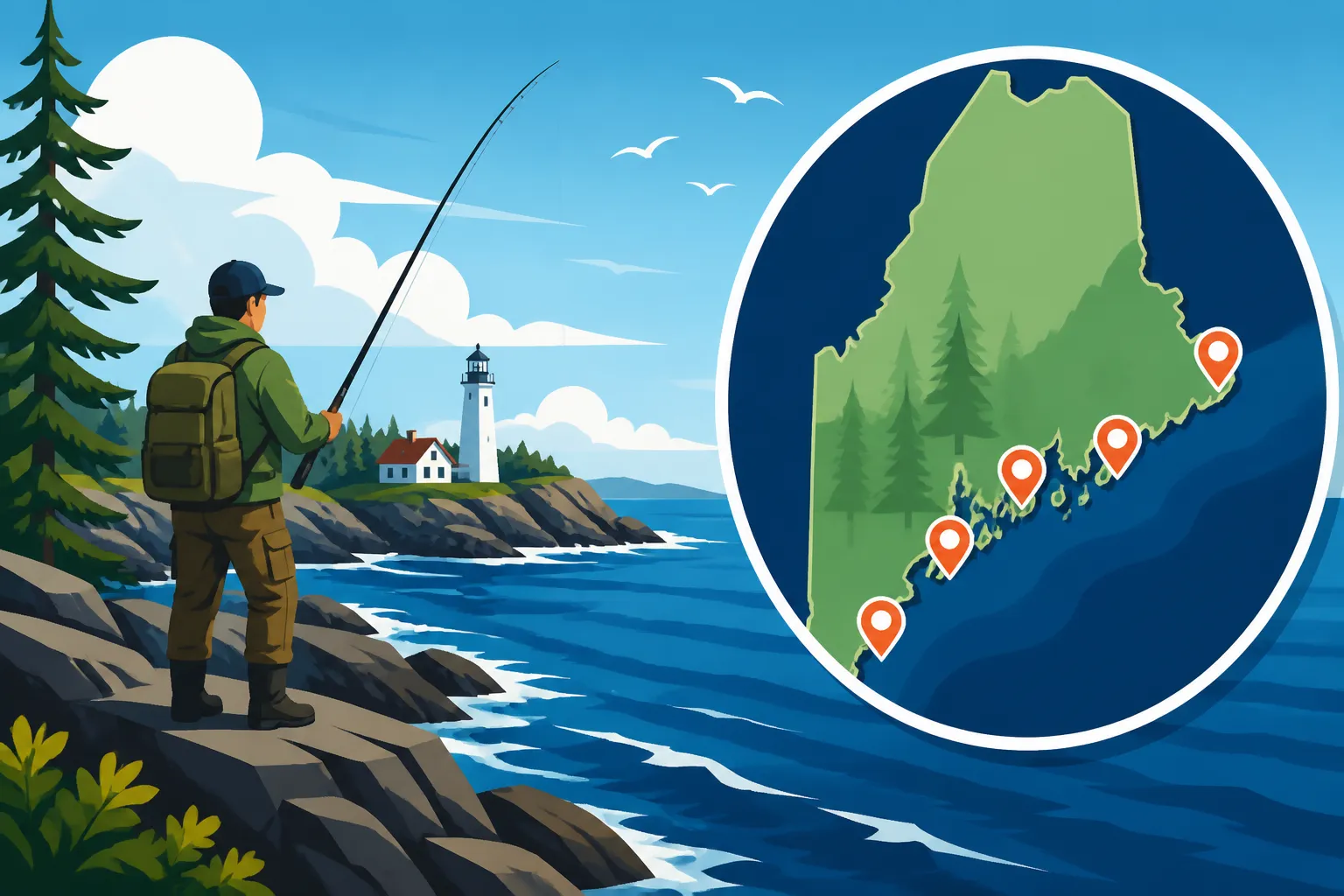
Maine's rugged coastline, stretching for thousands of miles if you count all the islands and indentations, offers some fantastic opportunities for saltwater shore fishing. From the southernmost beaches to the downeast ledges, there's a spot for every type of angler looking to tangle with species like striped bass, mackerel, and pollock.
Public Piers, Docks, and Jetties
These man-made structures are often the easiest and safest entry points for shore anglers, especially for families or those with limited mobility. They extend into deeper water, allowing you to reach fish that might be out of casting range from the beach. Popular spots like the pier in Old Orchard Beach or the public docks in Portland offer convenient access to Casco Bay striped bass fishing in Maine. These locations are great for casting light tackle for mackerel or dropping bait for cunner and sculpin. Just be aware that these spots can get crowded, especially during peak summer months, so arriving early is often a good strategy.
When fishing from a pier, remember to be courteous to other users. Recreational boaters might be docking, and other anglers will be trying their luck. A popular setup involves a medium-heavy spinning rod, capable of casting lures or bait a good distance. For bait, clams, mackerel chunks, or seaworms are often effective. Lures like Kastmasters or soft plastics can also draw strikes from hungry fish moving along the structure. If you're targeting specific species, it's worth checking out the latest updates on the Maine Striped Bass Season and Limits to ensure you're fishing within legal parameters.
Rocky Coastlines and Beaches
For the more adventurous angler, Maine’s rocky coastlines provide prime habitat for striped bass and other species. Areas around Kennebunkport, Boothbay Harbor, and parts of Acadia National Park offer incredible, albeit sometimes challenging, access. You’ll often find strong currents and deeper water close to shore here, which are ideal conditions for larger fish. Beaches, while less common than rocky shores in many parts of Maine, can also be productive, particularly around river mouths or tidal flats where baitfish congregate. Popham Beach State Park in Phippsburg and Reid State Park in Georgetown are examples of beaches that offer good access, though they often require a state park entry fee.
When fishing rocky shores, safety is paramount. Wear sturdy, non-slip footwear and be cautious of slippery rocks and sudden waves. A stripping basket or bag can be invaluable for keeping your line clear of snags. Common techniques include casting artificial lures such as topwater plugs, minnow imitations, or soft plastic jigs into the surf and retrieving them. For bait fishing, clam bellies or chunks of menhaden can be fished on a fish-finder rig. Patience is key when shore fishing these areas, as fish often move through in schools, and you might experience periods of no action followed by a flurry of bites. For those looking to really explore these dynamic coastal spots, checking the tide charts is non-negotiable – the best tide for striped bass fishing in Maine can vary greatly by location.
Inland Maine: Freshwater Shore Fishing Gems
While the allure of the Atlantic is strong, Maine's vast interior is dotted with thousands of lakes, ponds, rivers, and streams, offering fantastic freshwater shore fishing opportunities. From trophy brook trout to feisty smallmouth bass, there's a freshwater challenge awaiting every angler.
Lake and Pond Access
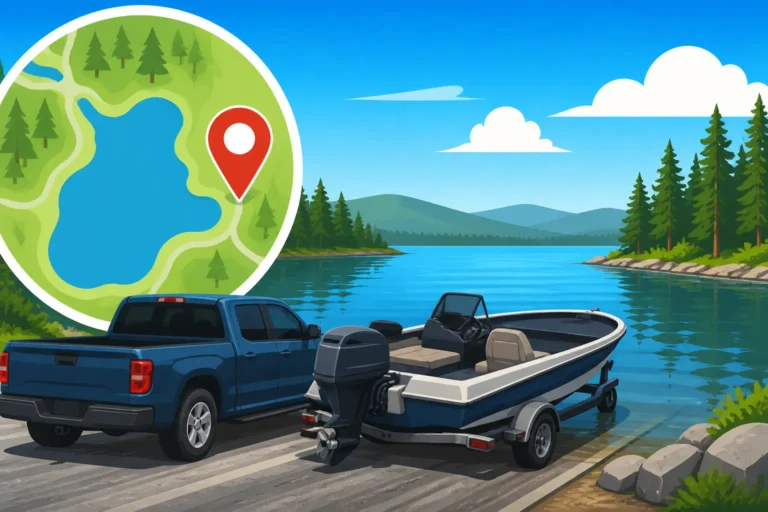
Maine is famous for its picturesque lakes and ponds, many of which provide excellent shore fishing. Finding access often means seeking out public boat launches, picnic areas, or designated state park day-use areas. Lakes like Sebago Lake, Moosehead Lake, and the Belgrade Lakes are renowned for their fishing, but finding a spot to cast from shore can require a bit of planning. Many smaller, lesser-known ponds, often managed for brook trout, can offer secluded shore fishing experiences if you're willing to hike in. Places like Crystal Lake in Gray or various small ponds in the Downeast region often have designated shore access.
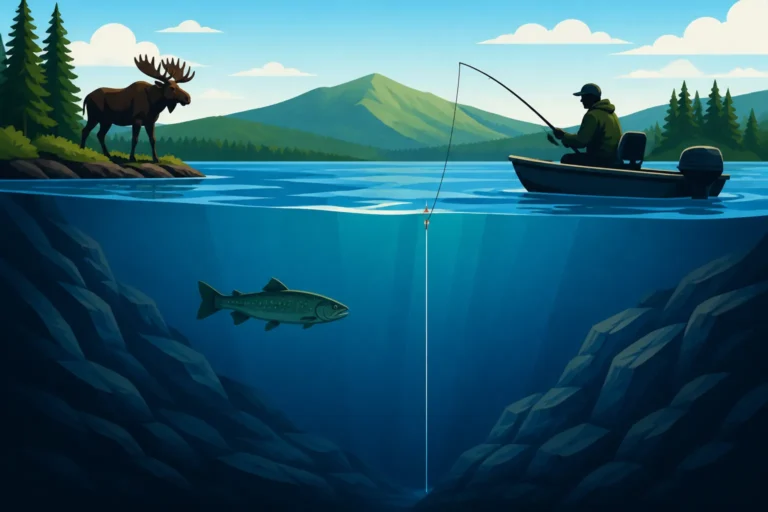
Shore fishing on lakes and ponds can be incredibly rewarding. For trout and salmon, early morning or late evening often yields the best results, especially in cooler months. Casting small spoons, spinners, or bait (like worms or shiners) from points, rocky outcroppings, or weed edges can be effective. If you're targeting smallmouth or largemouth bass, look for submerged structure, lily pads, or rocky shorelines. Lures like plastic worms, crankbaits, or topwater frogs can be deadly. Always check the specific regulations for each water body, as Maine Fish Bag Limits Guide and special regulations for individual lakes can vary significantly. Some waters might be catch-and-release only, while others have length or slot limits.
River and Stream Banks
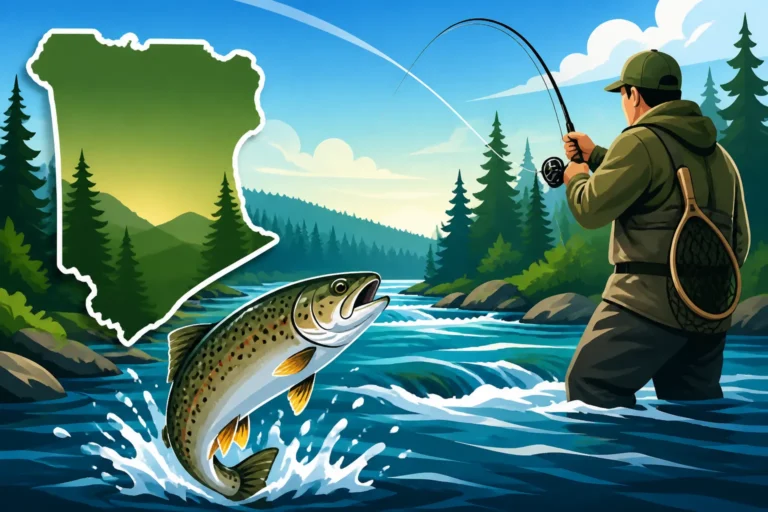
Maine's rivers and streams crisscross the landscape, offering some of the best opportunities for wild brook trout and other species. Iconic rivers like the Kennebec, Penobscot, and Androscoggin, along with countless smaller tributaries, provide diverse fishing experiences. Access can sometimes be found near bridges, public parks, or designated fishing easements. The trick is often finding sections that are wadeable or have clear bank access without overgrown vegetation or private land disputes.
Fly fishing is particularly popular on many of Maine's pristine streams for species like brook trout. Anglers often target ripples, pools, and undercut banks where fish hide. Spin fishing with ultralight gear and small inline spinners or worms is also highly effective. Understanding the Maine Fishing Season Dates Guide is crucial, as many rivers and streams have specific open and closed periods, especially for trout and salmon. Moreover, some sections might be designated as "special regulation waters" with unique rules regarding gear, bait, and catch limits. Always check the current Maine Department of Inland Fisheries and Wildlife (MDIFW) regulations book or website for the most up-to-date information for your chosen river or stream.
Essential Gear and Tactics for Maine Shore Anglers
Being prepared with the right gear and understanding effective tactics can dramatically improve your success and enjoyment while shore fishing in Maine. It’s not just about having a rod and reel; it’s about having the right rod and reel, along with the necessary accessories for comfort, safety, and efficiency.
What to Pack for a Maine Shore Fishing Trip
Your packing list will vary slightly depending on whether you're targeting saltwater or freshwater, but some essentials remain constant.
For all trips:
- Weather-appropriate clothing: Layers are always a good idea in Maine. Even summer evenings can be cool, and mornings can be foggy. A good rain jacket is a must.
- Sturdy footwear: Waterproof boots or wading shoes with good grip are crucial, especially for rocky coasts or muddy riverbanks.
- Sun protection: Hat, sunglasses, and sunscreen.
- Bug repellent: The Maine woods (and sometimes coastal areas) are notorious for black flies and mosquitoes, especially in spring and early summer.
- Water and snacks: Stay hydrated and energized.
- Small first-aid kit: For minor cuts, scrapes, or hook pokes.
- Pliers/Forceps: Essential for safely removing hooks.
- Line cutters: Keep them handy.
- Small backpack or sling pack: To comfortably carry your gear.
Coastal additions:
- Tide chart: Absolutely critical for planning and safety.
- Wading boots and pants: If you plan on fishing rocky shores or shallow flats.
- Stripping basket: For fly fishing in the surf.
- Headlamp/flashlight: If fishing at dawn, dusk, or night, which can be prime times for striped bass.
Inland additions:
- Waders: If planning to wade rivers or streams.
- Compass or GPS: If hiking into remote pond access points.
- Bear spray: A wise precaution in some remote northern areas, though encounters are rare.
Always remember your Maine Fishing License Guide and any necessary permits or stamps. You can often purchase these online, or through authorized agents.
Effective Techniques for Different Species
Different fish species respond to different presentations, and honing your technique will lead to more hook-ups.
Striped Bass (Saltwater):
- Casting Lures: From rocky points or jetties, cast plugs (like poppers or diving minnows), soft plastics on jig heads, or metal spoons into currents or rips. Work them back with varying retrieves to mimic baitfish. Dawn and dusk are prime times.
- Bait Fishing: On calmer waters or beaches, a fish-finder rig with clam bellies, chunk mackerel, or seaworms can be very effective. Cast it out and let it sit on the bottom.
Trout and Salmon (Freshwater):
- Spin Fishing: Use ultralight rods and reels with 4-6 lb test. Small inline spinners (Mepps, Panther Martin) or spoons (ACME Little Cleo, Dardevle) in silver, gold, or brass patterns are excellent. Cast upstream and retrieve with the current, or across pools. Worms fished under a bobber or on the bottom are also classic.
- Fly Fishing: Matching the hatch is key for fly anglers. Dry flies work well when insects are active on the surface. Nymphs fished subsurface are productive year-round. Streamers can imitate baitfish for larger trout and landlocked salmon. For more specific guidance, explore techniques for Brook Trout Fishing in Maine or Landlocked Salmon Fishing in Maine.
Bass (Smallmouth & Largemouth – Freshwater):
- Lure Selection: For smallmouth, consider crankbaits, jerkbaits, and soft plastic tubes or grubs fished near rocky structure. Largemouth often prefer plastic worms, jigs, and topwater lures fished around weed beds and lily pads.
- Reading the Water: Look for cover, structure, and changes in depth. Bass are ambush predators and will often hide near these features. Cast your lure beyond the target and work it back through the strike zone.
It’s always a good idea to check local tackle shops or online resources like FishingBooker for recent fishing reports. These can provide invaluable insights into what's biting, what baits are working, and current water conditions.
| Shore Access Type | Best For | Typical Species | Pros | Cons |
|---|---|---|---|---|
| Public Piers/Docks | Easy access, families | Mackerel, Cunner, Sculpin, Stripers | Paved access, facilities, deep water | Crowded, less natural feel, snag hazards |
| Rocky Coastlines | Adventurous, trophy Stripers | Striped Bass, Pollock | Unspoiled views, strong currents | Slippery, dangerous, challenging access |
| Sandy Beaches | Easier casting, wading | Striped Bass, Flounder | Open casting, family-friendly | Less structure, sometimes shallow water |
| Lake/Pond Launches | Inland freshwater | Bass, Trout, Perch | Often maintained, good parking | Limited casting room, can be crowded |
| River/Stream Banks | Fly fishing, remote trout | Brook Trout, Salmon, Smallmouth | Serene, wild fish, wading opportunities | Overgrown, slippery, private land issues |
Navigating Regulations and Conservation as a Shore Angler
Maine is serious about managing its fisheries, and understanding the rules is not just about avoiding fines—it's about contributing to the health and sustainability of these incredible resources. As a shore angler, you have a vital role to play in conservation.
Essential Licensing Requirements
First and foremost, you need a license. For freshwater fishing, a Maine Fishing License Guide is mandatory for most individuals 16 years of age and older. Non-residents can purchase licenses for various durations, such as a Maine 3-Day Nonresident Fishing License or a Maine 7-Day Nonresident Fishing License, making it convenient for visitors. These licenses are available online through the Maine Department of Inland Fisheries and Wildlife (MDIFW) website, or at numerous local vendors, including sporting goods stores and many general stores throughout the state.
For saltwater fishing, if you are a Maine resident, you need a Maine Saltwater Fishing Registry, which is free and can be obtained online. Non-residents registered in a state that offers reciprocal saltwater fishing licenses for Maine residents do not need to register. However, if your home state does not have this reciprocity, you will also need to register with Maine. It's a quick process, but essential to avoid potential issues. You can find more details on the Maine Saltwater Fishing Registry Guide.
Understanding Bag Limits and Special Regulations
Beyond the license, it’s critical to know the specific regulations for the waters you're fishing. Maine has a complex system of general laws and special regulations that can vary greatly from one lake or river to another, and even between different zones. For instance, the state is divided into North and South zones, each with slightly different rules for some species. The Maine Fish Bag Limits Guide provides detailed information on how many fish of each species you can keep, and minimum or maximum size limits.
For popular species like brook trout, the daily bag limit can depend on whether you're in the North or South Zone, and certain ponds might be designated "trophy trout" waters with unique rules. Similarly, Maine Landlocked Salmon Bag Limits and Maine Togue and Lake Trout Limits vary across different lakes. Striped bass also have a specific slot limit, meaning only fish within a certain size range can be kept. Always consult the official MDIFW fishing regulations book, which is updated annually, or their website before heading out. Ignorance of the law is not an excuse, and wardens are out there protecting Maine's resources.
Planning Your Maine Shore Fishing Adventure
A little planning goes a long way in ensuring a successful and enjoyable shore fishing trip in Maine. From timing your visit to finding local intelligence, being prepared can turn a good day into a great one.
Best Times and Seasons to Fish from Shore
Maine offers year-round fishing opportunities, but certain seasons and times of day are undoubtedly more productive for shore anglers.
- Spring (April-May): As the ice recedes, freshwater fish become very active. This is a prime time for brook trout, landlocked salmon, and lake trout in lakes and rivers as they move into shallower waters. Striped bass also begin their migration into coastal waters. Early mornings are often best.
- Summer (June-August): While popular for recreation, shore fishing can be challenging during midday heat. However, early mornings and late evenings remain excellent, especially for bass in lakes and striped bass along the coast. Summer is also great for mackerel and other smaller saltwater species from piers.
- Fall (September-October): Many anglers consider fall the best time to fish in Maine. Freshwater fish are aggressively feeding before winter, and trout and salmon often display vibrant spawning colors. Striped bass are making their southward migration, offering fantastic action along the coast. Water temperatures are ideal, and crowds are thinner.
- Winter (December-March): Ice fishing takes center stage, but shore fishing opportunities are limited to open water sections of rivers or streams that don't freeze, often in southern Maine. This can be a challenging but rewarding time for dedicated anglers.
Consulting a broader Maine Fishing Season Calendar can give you a holistic view of what's available throughout the year. If you're planning a trip with a specific target in mind, FishingBooker can help you research the best times and even connect with local guides who specialize in shore-based outings.
Finding Local Intelligence and Resources
The best way to unlock Maine's shore fishing secrets is often by tapping into local knowledge.
- Local Tackle Shops: These are goldmines of information. Shop owners and staff often fish these waters themselves and can tell you what's biting, what lures are working, and crucially, where to access the water from shore. They can also provide up-to-date information on any localized regulations or closures.
- Online Forums and Social Media Groups: Maine fishing communities online are often vibrant and willing to share tips, as long as you're respectful and don't expect them to reveal their secret honey holes. Searching for "Maine fishing" groups on platforms like Facebook can connect you with experienced local anglers.
- MDIFW Website and Publications: The official MDIFW website is a comprehensive resource for regulations, stocking reports, and public access points. They publish an annual fishing law book that is an absolute must-have.
- Mapping Apps: Tools like Google Maps, Maine's public lands maps, and specialized fishing apps can help you identify potential access points, public easements, and parking areas. Look for public boat launches, state park boundaries, and conservation land. Even satellite imagery can reveal promising shorelines or structure.
By combining diligent research with a willingness to explore, you'll discover that Maine's shore fishing opportunities are truly boundless. Just remember to leave no trace, respect private property, and cherish the wild beauty that makes fishing in Maine so special.
Disclaimer
The information provided in this guide is for general informational purposes only. Fishing regulations, access points, and conditions in Maine can change frequently. Always consult the most current official regulations from the Maine Department of Inland Fisheries and Wildlife (MDIFW) and local authorities before engaging in any fishing activity. It is the angler's responsibility to know and follow all applicable laws. Fishing involves inherent risks; always prioritize safety.