Allagash Wilderness Waterway Fishing Guide
For many anglers, the dream of truly escaping into the wild, where the only sounds are the whisper of the wind through pines and the splash of a rising trout, can feel out of reach. It’s hard to find places untouched by crowds, where the fish are truly wild and the challenge feels pure. But fear not, because Maine's Allagash Wilderness Waterway offers that authentic, remote fishing experience you've been yearning for, and this guide is here to walk you through everything you need to know.
Understanding the Allagash Wilderness Waterway
The Allagash Wilderness Waterway (AWW) isn't just a river; it's a 92-mile ribbon of lakes, ponds, rivers, and streams that carves its way through the vast, unspoiled forests of northern Maine. Designated as a National Wild and Scenic River, it's a place where time seems to slow down, and the modern world fades away. This isn't your average drive-up fishing spot; it's an immersive wilderness experience that demands respect and preparation, but rewards those who venture in with unparalleled tranquility and some of the best wild brook trout fishing the East has to offer.
A Brief History and Conservation
The Allagash's wild character is no accident; it's the result of concerted conservation efforts. For centuries, the waterway was a vital transportation route for Native Americans and, later, for Maine's logging industry, which used the flowing waters to drive millions of logs downstream. The rich history of logging camps, river drivers, and traditional Maine sporting life is still palpable in the landscape. Recognizing its unique natural and cultural significance, the State of Maine, with federal support, established the Allagash Wilderness Waterway in 1966 to preserve its outstanding natural character. This designation protects the corridor from development, ensuring that its wildness endures for future generations. It means fewer roads, more portages, and a commitment to preserving the pristine environment that makes it so special.
Navigating the Waterway: Access and Logistics
Getting into the Allagash typically involves a float trip, usually by canoe or kayak, as motorboats are restricted on much of the waterway. The journey often begins at Telos Lake or Chamberlain Lake in the southern section, or further north at Allagash Lake or Umsaskis Lake, depending on how long and what type of trip you envision. Vehicle access is limited, usually requiring travel on private logging roads, which can be rough and require a high-clearance vehicle. Many visitors opt for shuttle services that can transport their vehicles or drop them off at put-in points and pick them up at take-out spots further downriver. Understanding these logistics is crucial, as you'll be largely self-sufficient once you're on the water. It’s not uncommon for trips to span several days or even a week, necessitating careful planning for food, water, and gear, as resupply points are virtually nonexistent once you're on the main waterway.
Prime Fish Species of the Allagash
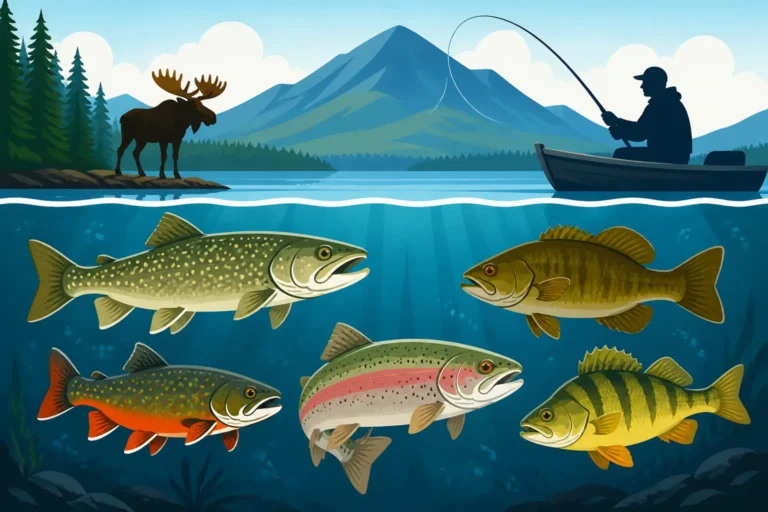
When you talk about fishing the Allagash, one species immediately comes to mind, but there are other exciting opportunities too. The clean, cold waters, and abundant forage create an ideal environment for several prized game fish.
Native Brook Trout: The Allagash Crown Jewel
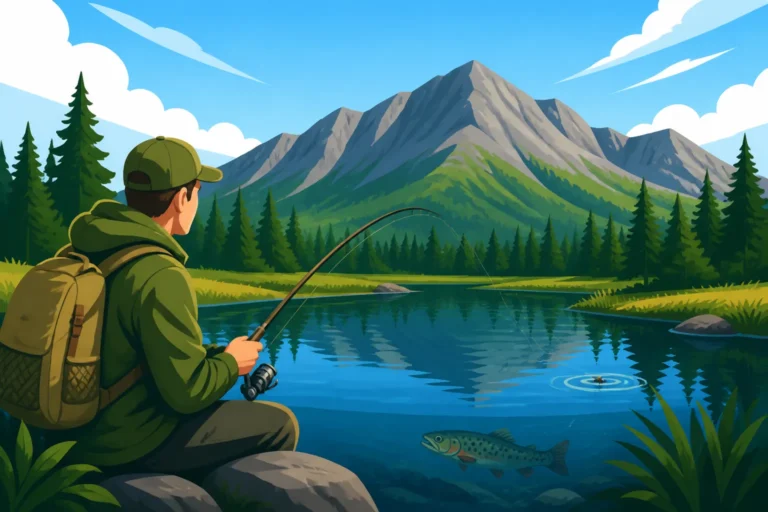
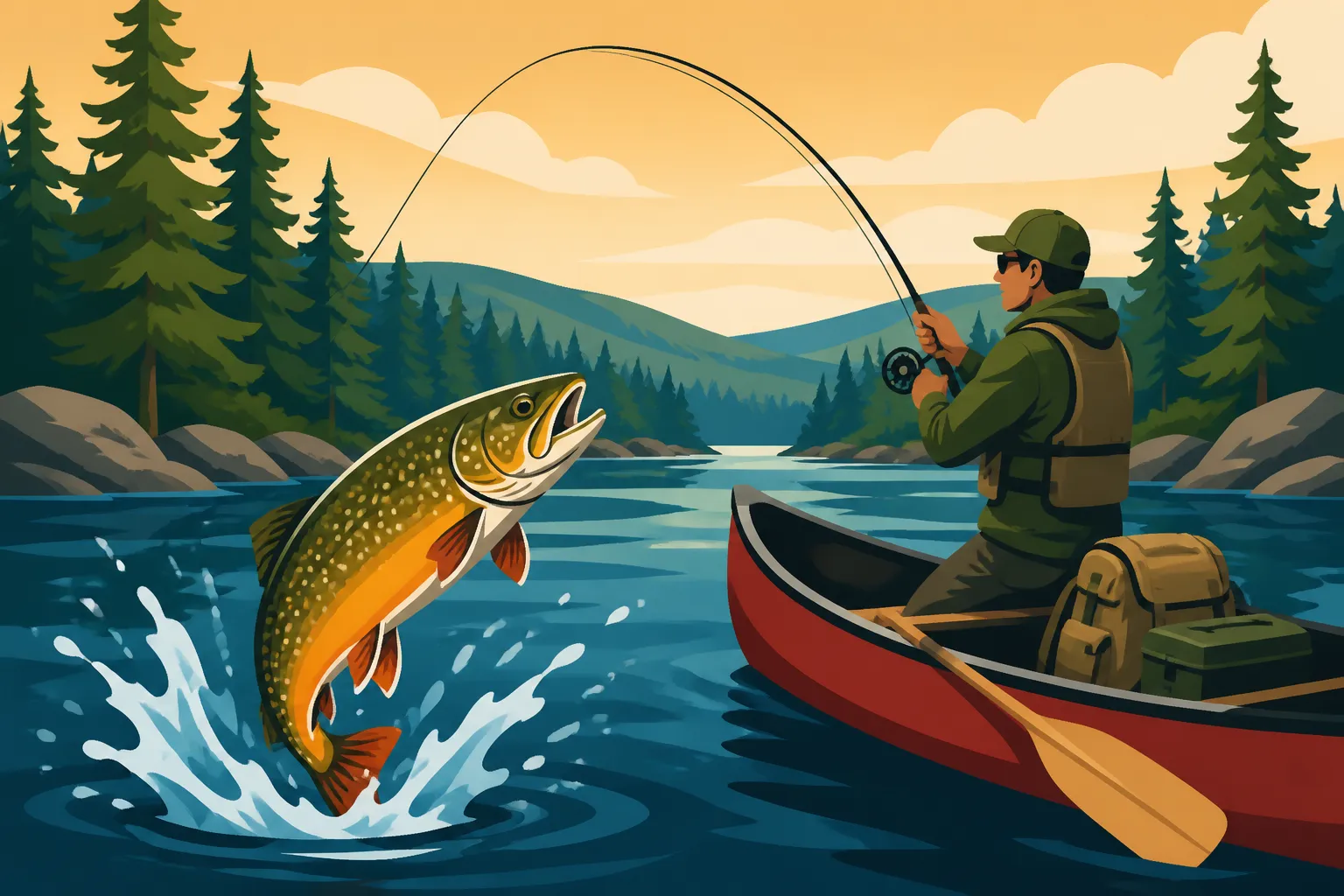
If there's one fish that truly embodies the spirit of the Allagash Wilderness Waterway, it's the native brook trout. These vibrant, wild brookies thrive in the waterway's numerous streams, feeder brooks, and cooler sections of the main river and lakes. Unlike many other waters, the Allagash boasts healthy populations of truly wild trout that haven't been influenced by stocking for generations. You'll find them holding in the classic spots: behind boulders, under fallen logs, in deep pools, and at the mouths of cold tributaries. Catching an Allagash brook trout, with its brilliant red fins, worm-like markings, and ivory-edged spots, is a badge of honor for any angler. Their aggressive takes and spirited fights, even from smaller fish, make them an absolute joy to pursue. The size limits can vary in different sections, so it's always wise to consult the Maine Fishing Regulations Explained before you cast.
Landlocked Salmon: An Exciting Challenge
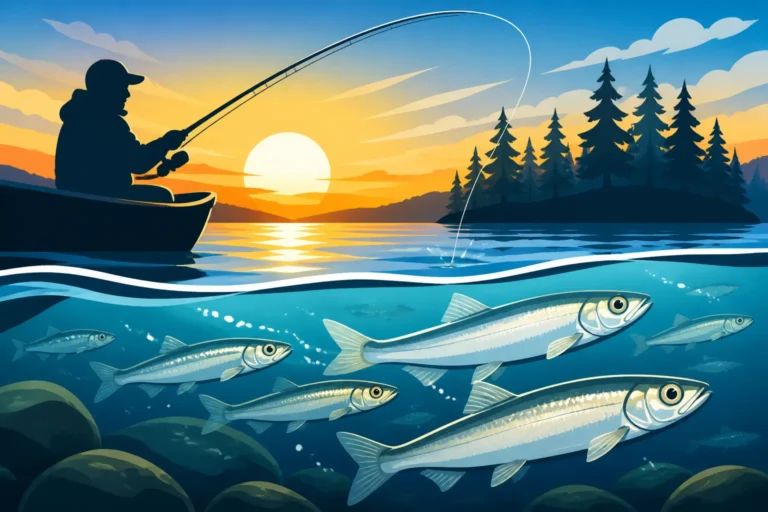
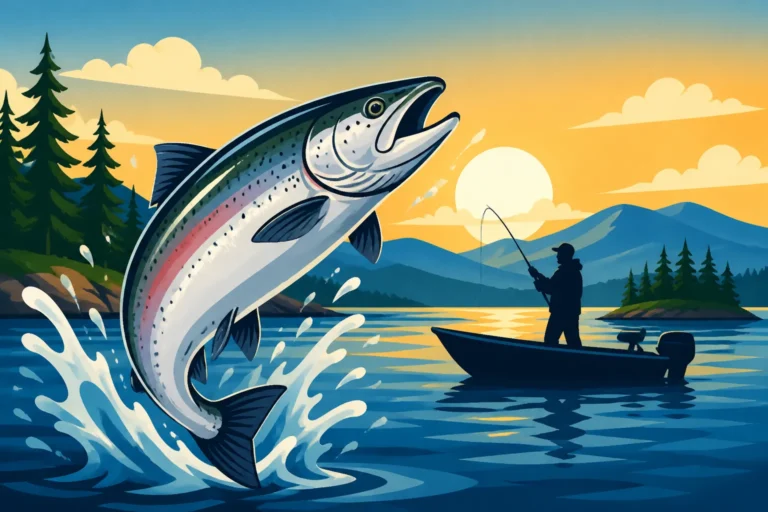
While brook trout are the stars, the Allagash also offers fantastic opportunities for landlocked salmon, particularly in its larger lakes and deeper river sections. Lakes like Chamberlain, Eagle, Churchill, and Umsaskis are known for holding good numbers of these powerful, acrobatic fish. Landlocked salmon in the Allagash grow strong and healthy, preying on the abundant smelt and other baitfish in these clear waters. Catching an Allagash landlocked salmon often involves trolling in deeper sections of the lakes or targeting them during their spawning runs in certain river stretches. They are renowned for their spectacular leaps and long runs, making for an unforgettable fight. They're a challenging species to target, demanding patience and specific techniques, but the reward of landing a silvery, feisty salmon in such a wild setting is immeasurable. Learn more about Landlocked Salmon Fishing in Maine to increase your chances.
Other Notable Species
Beyond the brook trout and landlocked salmon, the Allagash and its connecting waters also offer chances at other species that add variety to your fishing trip. Lake trout, often locally referred to as "togue," can be found in the deeper, colder lakes like Churchill and Chamberlain. These larger, often solitary predators require different tactics, typically deeper trolling or jigging. You might also encounter some feisty smallmouth bass in certain lake sections, particularly as you move further south or into connecting waters where the temperatures might be slightly warmer. Occasionally, you could even hook into a chain pickerel, known for their sharp teeth and voracious appetites, adding an unexpected thrill to your outing.
Essential Fishing Techniques for the AWW
The remote nature of the Allagash Wilderness Waterway means that tried-and-true wilderness fishing techniques are often the most effective. While you might bring a variety of gear, adaptability is key.
Fly Fishing: The Preferred Method
For many, fly fishing is not just a technique; it's a way of life in the Allagash. The endless stretches of riffles, runs, and quiet pools, especially on the river sections, are tailor-made for presenting a fly. Dry fly fishing can be exceptionally productive during hatches of caddis, mayflies, and stoneflies, offering exhilarating visual strikes from eager brook trout. Nymphing through deeper runs and pools with patterns imitating aquatic insects is consistently effective, especially when fish aren't rising. Streamers, mimicking baitfish or leeches, can entice larger brook trout and even landlocked salmon, particularly in the larger river sections or near lake outlets. Packing a versatile 4-weight or 5-weight fly rod is a smart choice. If you're new to the sport, consider exploring Fly Fishing Techniques for Maine Rivers before your trip. For targeting larger fish or those in deeper currents, a 6-weight can offer more backbone. Remember to bring a good assortment of flies that imitate local insects and baitfish, and don't forget an extra spool of tippet!
Spin Fishing: Practical Approaches
While fly fishing gets a lot of the spotlight, spin fishing is an incredibly effective and often more accessible way to catch fish in the Allagash. A lightweight spinning rod (6-7 feet, light to medium-light action) paired with a 4-6 lb test line is perfect for most applications. Small inline spinners, such as Mepps or Panther Martin, in silver, gold, or black, are deadly for brook trout, especially when cast into pockets of moving water or along current breaks. Small spoons, like a Little Cleo or Dardevle, can also be very effective for both trout and salmon, particularly in the lake sections or deeper pools. For those targeting landlocked salmon, small crankbaits or soft plastic swimbaits rigged on jig heads can be productive. The key is to keep your presentations subtle and natural, mimicking the forage available to the fish. When choosing your lures, consider patterns that imitate smelt, which are a primary food source for many Allagash fish.
Trolling and Still Fishing Considerations
In the larger lakes of the Allagash, such as Chamberlain or Eagle Lake, trolling can be a highly effective method, especially for landlocked salmon and lake trout. Using a canoe or a small, legally permitted motorboat (where allowed) to slowly pull small spoons, streamer flies, or live bait (where legal and available) at varying depths can be very productive. Downriggers or lead core line can help you get your offerings down to the depths where these cold-water species often reside, especially during warmer months. Still fishing, often with worms or live minnows (check regulations for bait use carefully), can also be productive in quieter coves or deep holes, particularly for brook trout. However, the true beauty of the Allagash is often found by actively casting and drifting, embracing the dynamic nature of the waterway.
Planning Your Allagash Fishing Expedition
A trip to the Allagash Wilderness Waterway is more than just a fishing trip; it's an expedition. Proper planning is paramount for a safe, enjoyable, and successful adventure.
Permits, Regulations, and "Leave No Trace"
Before you even pack a single lure, securing the necessary permits and understanding the regulations is crucial. The Allagash Wilderness Waterway requires permits for overnight use, which can be obtained through the Bureau of Parks and Lands. These permits help manage visitor impact and ensure the preservation of this unique resource. Beyond permits, you must familiarize yourself with Maine's fishing regulations, specifically those pertaining to the Allagash. This includes season dates, bag limits, length limits, and restrictions on bait use. Some sections may be catch-and-release only, or have special fly-fishing-only rules. For instance, you’ll definitely want to look up Maine Fishing Season Dates Guide and understand the Maine Fish Bag Limits Guide for trout and salmon in this region.
Adherence to "Leave No Trace" principles is not just encouraged but essential. Pack out everything you pack in, minimize campfire impact, respect wildlife, and properly dispose of human waste. The pristine nature of the Allagash depends on every visitor doing their part.
Best Times to Visit for Fishing
The Allagash offers distinct fishing experiences depending on the season, each with its own charm and challenges.
- Spring (May – early June): This is often considered prime time, especially for brook trout. As the ice clears (ice-out typically occurs in late April to mid-May), fish are active and often concentrated in tributary mouths or shallower areas, gorging after a long winter. The water is cold and high, offering excellent conditions for both fly and spin fishing. However, black flies can be intense, and weather can be unpredictable. This is a great time to review your Maine Spring Fishing Guide.
- Summer (late June – August): As water temperatures rise, fish, particularly trout, move to deeper, colder sections of lakes or into cold feeder streams. Early mornings and late evenings become the most productive times. This is when the larger lakes might offer better salmon and togue fishing as they seek the deeper, cooler water. The trade-off is often more bugs and more recreational paddlers on the waterway.
- Fall (September – October): Another fantastic window, especially for trophy brook trout and landlocked salmon as they begin their spawning preparations. Fish become more aggressive, and the vibrant foliage makes for a stunning backdrop. Water levels are usually lower and clearer, and insect activity diminishes. Just remember that the weather can turn cold quickly, so be prepared for colder temperatures and potential snow. Our Maine Fall Fishing Guide has more tips.
Packing Essentials and Gear Recommendations
A trip to the Allagash demands careful packing, as you'll be far from stores and amenities. Here’s a basic checklist:
| Category | Essential Items | Considerations |
|---|---|---|
| Fishing Gear | Rods & Reels (fly and/or spin), appropriate line, leaders, tippet | Bring backups! Rods break, reels fail in the wilderness. |
| Assortment of flies, lures, bait (if permitted) | Variety is key for changing conditions and target species. | |
| Waders and wading boots (felt or rubber sole), landing net | Necessary for navigating river sections and safely handling fish. | |
| Tackle box, pliers, line clippers, measuring tape | Keep it compact but comprehensive. | |
| Camping Gear | Tent, sleeping bag (appropriate temp rating), sleeping pad | High-quality, waterproof gear is a must. |
| Camp stove & fuel, cooking pot, utensils, dishes | Open fires are allowed only in designated areas and fire pans are encouraged. | |
| Headlamp/flashlight with extra batteries, first-aid kit, emergency shelter | Be prepared for anything. | |
| Navigation | Waterproof map (AWW maps available), compass, GPS device, satellite messenger | Cell service is almost nonexistent; reliable navigation is critical. |
| Personal | Waterproof bags/dry bags, rain gear (jacket & pants), layers of clothing | Maine weather is notoriously unpredictable. |
| Insect repellent (heavy-duty!), sunscreen, wide-brimmed hat, sunglasses | Bugs can be brutal in summer; sun protection is always needed. | |
| Water filter/purifier, plenty of water bottles | Do not rely on untreated water. | |
| Food for entire trip + extra days, trash bags | Plan meals carefully; pack out all waste. | |
| Personal toiletries, camp chair (optional), camera | Capture the memories! | |
| Licenses/Permits | Maine Fishing License Guide, AWW permit (if required), photo ID | Have these readily accessible and protected from water. |
Remember, everything you bring must fit in your canoe or kayak and be protected from the elements. Lightweight, durable, and waterproof gear is your best friend.
Accommodation and Guiding Services Along the AWW
While the Allagash Wilderness Waterway is known for its primitive campsites, there are other options for those seeking a bit more comfort or expert guidance.
Remote Campsites and Sporting Camps
The primary form of accommodation along the AWW is the numerous designated primitive campsites. These sites are equipped with a fire ring and a privvy (outhouse), and are available on a first-come, first-served basis. They are spaced out along the waterway, allowing paddlers to choose their daily mileage. While basic, these sites offer an authentic wilderness experience, allowing you to immerse yourself fully in nature.
For those who prefer a solid roof over their head and perhaps a hot meal after a long day of paddling and fishing, traditional Maine sporting camps dot the periphery of the Allagash region. These historic lodges, some dating back over a century, offer cabins, meals, and a rustic charm that harkens back to a bygone era. Places like Johnson's Allagash Lodge or other camps on nearby lakes provide a comfortable base camp from which to launch day trips or begin your longer float down the waterway. They often offer shuttles and other services to help you navigate the logistics of your trip. These sporting camps also provide an excellent opportunity to connect with local knowledge and history.
Hiring a Registered Maine Guide for the Allagash
For many, the idea of navigating 92 miles of wilderness with limited cell service can be daunting. This is where a Registered Maine Guide becomes an invaluable asset. A guide not only possesses expert knowledge of the waterway, its currents, and its best fishing spots but also brings essential wilderness first aid skills, navigation expertise, and invaluable insights into the local ecology and history. They can arrange shuttles, provide canoes, equipment, and even prepare delicious shore lunches.
Hiring an Allagash Wilderness Fishing Guides can transform a potentially stressful trip into a truly relaxing and rewarding one. They know which flies are working, where the salmon are holding, and how to safely navigate challenging rapids. For example, guides often use platforms like FishingBooker to showcase their availability and specialties, making it easier for you to find an experienced professional who fits your needs. Whether you're a seasoned angler looking for an edge or a beginner wanting to experience the Allagash safely and successfully, a guide is an investment in an unforgettable adventure. You can find more information about Hiring a Maine Fishing Guide to ensure you pick the right one for your adventure.
Challenges and Safety in the Maine North Woods
The very qualities that make the Allagash Wilderness Waterway so appealing—its remoteness and wildness—also present unique challenges and necessitate a strong focus on safety.
Wildlife Encounters and Wilderness Preparedness
The Allagash is truly wild country, home to an abundance of wildlife. While encounters are usually peaceful, it's crucial to be prepared. Moose are a common sight, often seen wading in the shallows or crossing the river. Black bears also inhabit the region, and proper food storage (bear-resistant containers or hanging food) is non-negotiable to prevent unwanted visitors to your campsite. Keeping a clean camp and storing scented items securely is vital. Other animals you might encounter include deer, beaver, eagles, and various waterfowl. Being aware of your surroundings, making noise on trails, and never approaching wildlife are key safety practices.
Beyond wildlife, being prepared for the unexpected is fundamental. A comprehensive first-aid kit is essential, and knowing basic wilderness first aid can be a lifesaver. Carrying emergency communication devices, such as a satellite messenger or a personal locator beacon (PLB), is highly recommended, as cell service is virtually nonexistent. Filing a float plan with someone reliable back home, detailing your route and expected return date, is another critical safety measure.
Weather Variability and River Conditions
Maine weather, especially in the northern wilderness, is famously unpredictable. A sunny morning can quickly turn into a cold, driving rain, and vice-versa. Being prepared for all four seasons in a single day isn't an exaggeration. Pack layers of clothing made from wool or synthetic materials, which retain warmth even when wet, unlike cotton. High-quality rain gear (jacket and pants) is a non-negotiable item.
River conditions can also change rapidly, especially after heavy rains, leading to higher water levels and stronger currents. Always assess rapids and swift sections carefully, and don't hesitate to portage if you feel uncomfortable or if the conditions look dangerous. The Allagash has several notable rapids, such as the famous Chase Rapids, which require careful navigation or portaging, depending on your skill level and water conditions. Staying informed about current weather forecasts before and during your trip (if you have satellite communication) and trusting your judgment on the water are paramount. No fish is worth an unnecessary risk.
Preserving the Allagash Experience
The Allagash Wilderness Waterway is a precious resource, and its continued health and wildness depend on the responsible actions of every visitor. As anglers, we have a special role to play in its preservation.
Catch and Release Ethos
While Maine regulations allow for keeping certain fish within specific limits, many anglers on the Allagash embrace a strong catch-and-release ethos, especially for the cherished native brook trout. This practice helps to ensure sustainable fish populations, allowing these wild fish to reproduce and grow, providing excellent fishing for generations to come. When practicing catch and release, handle fish gently with wet hands, minimize their time out of water, and use barbless hooks to reduce injury. If you plan to keep a fish for a shore lunch, select smaller, legal-sized fish rather than larger, more reproductively important individuals. Knowing Catch and Release Best Practices in Maine will help you protect the resource for everyone. Every released fish is an investment in the future of Allagash fishing.
Protecting the Ecosystem
Beyond fish, the entire Allagash ecosystem is fragile and interconnected. Protecting it means being mindful of your impact in every aspect of your trip. This includes preventing the spread of invasive species by cleaning your boats and gear thoroughly before entering the waterway. Avoid introducing foreign bait or plant material. Be conscious of your waste; pack out all trash, including food scraps and fishing line. Firewood should be sourced locally to prevent the spread of forest pests and diseases. Use established campsites and fire rings to minimize environmental disturbance. By adhering to these principles, you contribute to maintaining the pristine beauty, the clean water, and the thriving wildlife that make the Allagash Wilderness Waterway an unparalleled destination for fishing and wilderness adventure. It’s a shared responsibility to ensure that this wild place remains wild.
Disclaimer
Please note that fishing regulations, permit requirements, and safety guidelines can change. Always consult the most current regulations from the Maine Department of Inland Fisheries and Wildlife (MDIFW) and the Maine Bureau of Parks and Lands before planning and embarking on your trip. This guide provides general information and recommendations.