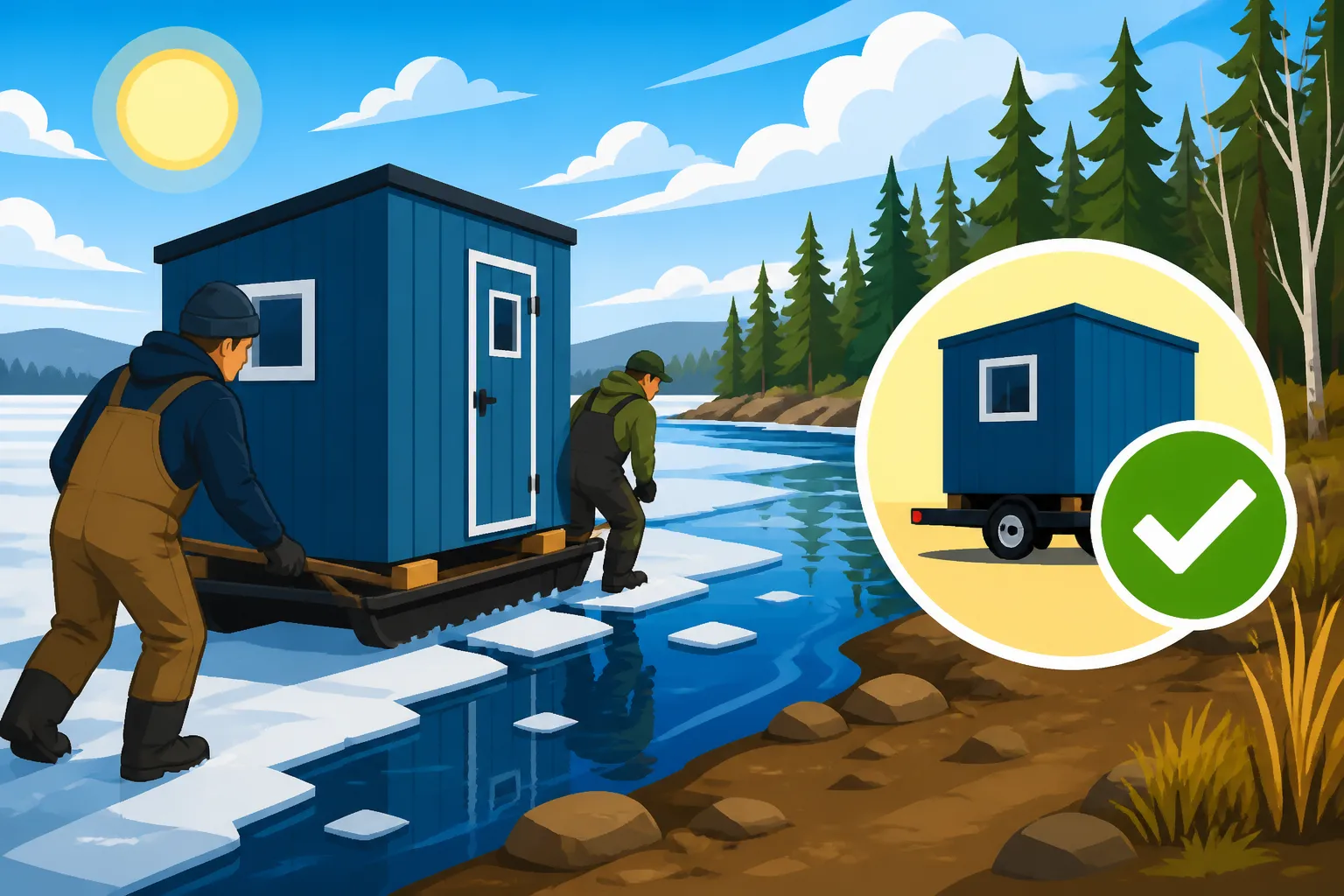
Maine Ice Shack Removal Deadline After Ice Out
Ah, the bittersweet end to another glorious ice fishing season in Maine. It’s a time when you’re both mourning the melting ice and eagerly anticipating open water fishing. But before you swap your auger for your spinning rod, there’s a critical task at hand: getting your ice shack off the ice. Many anglers, especially those new to the Maine ice fishing scene or even seasoned folks who get caught up in the changing weather, find themselves scratching their heads about the exact rules for removal. This comprehensive guide will walk you through the specifics of Maine's ice shack removal deadlines, what "ice out" truly means, and how to make sure your season ends safely and responsibly.
Understanding the Official Ice Shack Removal Deadline in Maine
There's nothing quite like the camaraderie and quiet solitude of ice fishing in Maine, but all good things must come to an end. As the days lengthen and the sun gains strength, the ice beneath your feet begins its inevitable transformation. It’s a beautiful, yet potentially hazardous, process that necessitates strict rules for ice shack removal to protect both people and our precious waterways.
The General Rule: March 31st Annually
For most of Maine's inland waters, the general rule is simple: all ice fishing shacks, shelters, and any associated gear must be removed from the ice by March 31st each year. This date serves as a universal cutoff, designed to give anglers a clear target and to ensure that shacks are off the ice before conditions become too dangerous or environmental damage occurs.
Think of it as the final bell for the ice fishing season. Even if the ice on your favorite lake or pond still looks like a solid skating rink on March 30th, that deadline is looming. The Maine Department of Inland Fisheries and Wildlife (MDIFW) sets this date with foresight, knowing that ice conditions can deteriorate rapidly once spring truly starts to assert itself. It's not just about what the ice looks like on a single day; it's about providing a clear standard that everyone can follow to prevent shacks from becoming hazards as the ice melts. If you're wondering about other specifics, our guide on Maine Ice Fishing Rules Guide goes into more detail about general regulations you should be aware of throughout the season.
This statewide mandate simplifies enforcement and angler compliance. It means you can plan your removal efforts around this fixed date without having to guess. However, and this is where it gets tricky for some, this general rule is subject to local conditions, which we'll dive into next.
When Local Conditions Override the General Rule
While March 31st is the standard, Maine's vast and varied landscape means that some bodies of water might experience an "ice out" much earlier. This is a critical nuance that many anglers overlook, often to their detriment. An "ice out" declaration, made by local MDIFW wardens, can supersede the March 31st deadline.
What exactly is an "ice out" declaration? It's when a local warden officially deems a particular body of water unsafe for remaining ice shacks, or when the ice has largely melted, well before the end of March. This typically happens on smaller, shallower ponds or lakes that warm up faster. For example, a small pond near Augusta might experience an "ice out" in early March, while a massive, deep lake like Moosehead Lake or Sebago Lake might hold solid ice well into April, long past the March 31st general deadline.
It's your responsibility as an angler to stay informed about the specific conditions on the waters you're fishing. Wardens will issue these declarations, and they are usually posted on the MDIFW website, local warden offices, and often communicated through local bait shops. Failing to remove your shack by an earlier "ice out" declaration date is a violation, regardless of the statewide March 31st general deadline. Always assume the March 31st deadline, but be prepared to act sooner if local conditions dictate an earlier removal. This proactive approach is key to being a responsible ice angler in Maine.
Why the Deadline Matters for Maine's Environment
Beyond the rules and regulations, there's a profound environmental reason why these deadlines are so important. Leaving ice shacks on the ice past the safe removal period, or beyond an official "ice out" declaration, poses significant risks to Maine's pristine aquatic ecosystems.
When ice shacks are left behind, they often break apart, sink, or become stranded on shorelines. This leads to a host of problems:
- Debris and Pollution: Shacks are typically made of wood, plastic, metal, and other materials. As they break down, these materials litter the lakebed or shoreline, releasing harmful chemicals, microplastics, and general waste into the water. This can degrade water quality, harm aquatic life, and spoil the natural beauty of our lakes and ponds.
- Navigation Hazards: Submerged or semi-submerged debris from abandoned shacks can become a serious hazard for boaters and swimmers once open water season begins. Imagine hitting a half-submerged piece of plywood at speed – it's not just an inconvenience, it's a danger.
- Habitat Disruption: Large pieces of debris can crush sensitive aquatic vegetation, disturb fish spawning areas, and impact the overall habitat structure that our native fish species, like brook trout and landlocked salmon, rely on for survival.
- Aesthetic Impact: Simply put, abandoned shacks are an eyesore. They detract from the natural beauty that makes Maine such a beloved destination for outdoor enthusiasts.
By adhering to the removal deadlines, anglers are actively participating in the preservation of Maine's natural resources. It’s a collective effort to ensure that these cherished fishing grounds remain healthy and beautiful for generations to come. Understanding these environmental stakes can really put the importance of that March 31st deadline, or any earlier "ice out" declaration, into perspective. It's not just a rule; it's a commitment to conservation.
Navigating Early Ice Out Declarations
The general March 31st deadline for ice shack removal is a great guideline, but as any seasoned Mainer knows, Mother Nature in New England doesn't always play by the rules. Some years, especially on smaller, shallower ponds, the ice can disappear weeks before the official end of March. This is where an "early ice out" declaration comes into play, and it's absolutely crucial for anglers to understand and prepare for it.
Staying Informed: Your Responsibility as an Angler
The burden of knowing when to remove your ice shack falls squarely on your shoulders as an angler. "I didn't know" won't hold up if a warden finds your shack still on the water past an early ice out declaration. Maine law is clear: it's your responsibility to stay informed.
So, how do you do that?
- Official MDIFW Channels: The most reliable source is the Maine Department of Inland Fisheries and Wildlife (MDIFW) website. They are diligent about posting "ice out" declarations as they happen for specific bodies of water. Make it a habit to check their "News & Alerts" or "Fishing" sections, especially as March approaches.
- Local Warden Service Offices: Your local MDIFW warden office is another excellent resource. A quick phone call can often get you the most up-to-date information for the waters in their district.
- Reputable Bait Shops and Sporting Goods Stores: Local businesses that cater to anglers often have their ear to the ground. They hear about declarations, ice conditions, and local chatter. Places like Kittery Trading Post, L.L.Bean, or even smaller local bait and tackle shops are invaluable hubs of information.
- Social Media Groups and Forums (with caution): While online fishing communities can be great for sharing tips and local observations, always cross-reference any "ice out" information you see there with official sources. Rumors can spread quickly, and you need to rely on verifiable information from MDIFW.
Staying vigilant means checking these sources regularly from late February through March. Don't wait until the last minute. The sooner you know about an early ice out, the more time you have to plan for a safe and timely removal. This proactive approach helps protect you from potential fines and ensures you're doing your part for the environment.
Planning for the Unexpected: Preparing for Early Removal
An early ice out can catch many anglers off guard, especially if they're used to fishing until the very last day of March. But with a little foresight, you can minimize the stress and effort of a last-minute removal.
Here are some practical tips to prepare:
- Secure Your Shack, but Don't Over-Anchor It: While you want your shack to be secure against winds and shifting ice, avoid practices that make it incredibly difficult to move. Freezing your shack's runners deep into the ice or using excessively heavy anchoring systems might seem like a good idea for stability, but it can be a nightmare to extract when the ice starts to soften. Using simpler, yet effective, ice anchors that can be easily removed is a smart move.
- Keep It Organized and Light: Don't let your ice shack become a storage unit for the entire winter. The less gear you have inside, the lighter it will be, and the easier it will be to clear out quickly. Pack up non-essential items throughout February and early March, so when it's time to go, you only have to grab the essentials.
- Have a "Go-Bag" for Removal: Keep a designated kit ready with tools you'll need for removal: a spud bar (for checking ice conditions and prying), a shovel, maybe a small winch or come-along if your shack is heavy, and extra rope.
- Buddy System and Local Contacts: If you live far from your fishing spot or anticipate being out of state, arrange for a friend, family member, or even a local guide to keep an eye on conditions and potentially help with removal if an early declaration comes down. Having a local contact is invaluable for those times when you can't be there yourself. Even considering a local service might be worthwhile if you’re concerned.
Taking these steps throughout the season means you won't be scrambling if an early ice out date is announced. It transforms a potential crisis into a manageable task, ensuring you can comply with regulations safely and without undue stress.
The Risks of Missing an Early Deadline
Ignoring an early ice out declaration, or simply being unaware of it, carries significant risks. It's not just a minor oversight; it can lead to serious consequences, both legal and personal.
- Hefty Fines and Penalties: The MDIFW takes these regulations seriously. Failure to remove your ice shack by the mandated deadline can result in substantial fines. These penalties are designed to deter negligence and recover costs if the state has to intervene. It's far more expensive to pay a fine than to spend a few hours removing your shack.
- State Removal and Associated Costs: If your shack is left behind and becomes a hazard or environmental concern, the state has the authority to remove it. When this happens, you, as the owner, will be billed for the entire cost of the removal, which can quickly add up. Recovery efforts can be complex and costly, involving specialized equipment and personnel.
- Loss of Your Property: In many cases, if the state removes your shack, it may be deemed abandoned and disposed of, meaning you'll lose your investment.
- Danger to Yourself and Others: Trying to retrieve a shack from rapidly deteriorating ice is incredibly dangerous. The ice can become unpredictable, with thin spots, open water, and unstable edges. This puts you, and anyone who might try to help you, at serious risk of falling through and suffering hypothermia or worse. Our articles on Early Ice Safety Tips for Maine Anglers and Late Ice Safety Tips Before Ice-Out highlight just how crucial ice safety is at all stages of the season.
- Environmental Damage: As discussed, abandoned shacks contribute to pollution and habitat destruction. Missing the deadline means your property could become an environmental hazard, harming the very resources you enjoy.
The bottom line is: stay informed, plan ahead, and prioritize safety. The risks of missing a removal deadline far outweigh any perceived convenience. It's a small task that ensures you can continue to enjoy Maine's incredible fishing opportunities season after season.
Practical Tips for a Smooth Ice Shack Removal
Once the calendar flips towards March, or if an early ice out is declared, it's time to shift gears from fishing to retrieving. Removing your ice shack shouldn't be a frantic, last-minute dash. With some forethought and the right approach, it can be a smooth and safe operation, ensuring you leave Maine's beautiful waterways as pristine as you found them.
Safety First: Assessing Ice Conditions
This cannot be stressed enough: your safety, and the safety of anyone assisting you, is paramount. As spring approaches, ice conditions become incredibly variable and unpredictable. What was solid ice yesterday might be dangerously rotten today.
Here’s how to prioritize safety:
- Check Ice Thickness and Quality Constantly: Don't rely on visual cues alone. Use a spud bar or ice auger to check ice thickness as you approach your shack. General guidelines suggest at least 4 inches of clear, solid ice for walking, and more for snowmobiles or ATVs. However, "rotten" or "honeycomb" ice, common in spring, loses its strength rapidly, even if it appears thick. Our guide on Late Ice Safety Tips Before Ice-Out has more detailed advice for navigating these tricky end-of-season conditions.
- Never Go Alone: Always have at least one other person with you. They can assist if you get into trouble or call for help.
- Communicate Your Plans: Tell someone reliable where you are going, your planned route, and when you expect to return.
- Carry Safety Gear: Even if you think the ice is solid, always wear a flotation device (PFD or a specialized ice fishing float suit). Carry ice picks around your neck, ready for immediate use, and a rope. A fully charged cell phone in a waterproof bag is also essential.
- Avoid Areas of Current or Inlet/Outlet Streams: These areas typically have thinner and weaker ice due to water movement, and they will be the first to open up.
- Be Aware of Weather Changes: Warm, sunny days and heavy rain can rapidly accelerate ice deterioration.
If there's any doubt about the ice's integrity, do not risk it. Your shack, no matter how much you love it, isn't worth your life or serious injury.
Efficient Removal Techniques
Once you've safely assessed the ice conditions, it's time to put your removal plan into action. The goal is to get your shack off the ice cleanly and completely.
- Clear the Area: Before moving the shack itself, gather all personal belongings, trash, and any loose gear around it. This includes any marker flags, bait containers, or dropped items. Leave no trace behind.
- Freeing a Frozen-In Shack: If your shack's runners or base have frozen into the ice (a common occurrence, especially after a thaw-freeze cycle), you'll need to break it free. A spud bar or a heavy-duty shovel can be used to chip around the edges. For stubborn shacks, pouring hot water around the base can sometimes help, but be cautious with large amounts of water if the ice is already thin. Gentle prying with a long lever can also work. Avoid aggressive actions that could damage the shack or stress the ice.
- Using Mechanical Advantage:
- Sleds and ATVs/Snowmobiles: For larger shacks, a snowmobile or ATV is often used to tow them off. Ensure your vehicle is in good working order and that the ice can support its weight. Connect the shack securely to your tow vehicle with a strong rope or chain.
- Winch or Come-Along: If you don't have a tow vehicle, or for particularly heavy shacks, a hand-cranked winch or come-along can be invaluable. Anchor it to a sturdy point on shore (a tree, another vehicle) and slowly reel your shack towards land.
- Human Power: For smaller, lighter shacks, good old-fashioned muscle power might be enough. Gather a few friends, and with some coordinated pushing and pulling, you can slide it off.
As you prepare for the annual ice shack removal, you might realize you need some new gear for the task – perhaps a heavy-duty sled, specialized ice anchors, or even some replacement tools. Many anglers turn to online retailers like Amazon for a wide selection of these items, allowing them to stock up ahead of time and be fully prepared when the ice starts to weaken. Having the right tools makes the job much easier and safer.
Remember to inspect your shack for any damage during removal. It's a great time to plan for repairs before next season.
The "What If" Scenarios and What to Do
Even with the best planning, things can go wrong. It's important to know how to react to unexpected challenges during ice shack removal.
- "My shack is frozen in solid, and the ice is rotten!" This is perhaps the most frustrating and dangerous scenario. If the ice is truly unsafe, do not risk your life for the shack. Contact your local MDIFW warden office immediately. Explain the situation and ask for guidance. They may have resources or advice for safe retrieval, or they may simply instruct you to abandon it to avoid endangering yourself. While it's a financial loss, your safety is paramount.
- "My vehicle got stuck trying to get to/from my shack." Another common issue, especially on slushy or deteriorating ice roads. If your snowmobile, ATV, or truck gets stuck:
- Assess the situation calmly. Don't panic.
- If you're with others, try to dig out or use recovery straps/winches.
- If alone and unable to move, call for help immediately. Use your phone to contact emergency services or your pre-arranged contact person.
- Never attempt to push a vehicle out alone if it puts you at risk of falling through the ice.
- "I can't physically get my shack off the ice by the deadline." Life happens – you might be sick, injured, or have an unavoidable conflict. In such cases, contact your local MDIFW warden before the deadline. Explain your situation. While there's no guarantee of an extension, clear communication and demonstrating a good-faith effort can sometimes lead to understanding or alternative solutions. Do not just leave it and hope for the best.
- "My shack fell through the ice!" This is a worst-case scenario. If this happens, prioritize human safety immediately. Once everyone is safe, notify your local MDIFW warden office immediately. They will guide you on next steps for recovery or mitigation of environmental impact. Do not attempt recovery without professional guidance or assistance.
By anticipating these "what if" scenarios and knowing who to contact, you can navigate the end of the ice fishing season with greater confidence and responsibility.
Responsible Ice Fishing Beyond Removal
Successfully removing your ice shack by the deadline is a significant part of being a responsible angler in Maine. But true stewardship of our natural resources extends beyond just compliance with specific regulations. It's about a mindset of respect for the environment, for other anglers, and for the fish we pursue.
Minimizing Your Environmental Footprint
Every time you step onto the ice, or into a boat, you interact with a delicate ecosystem. Minimizing your environmental footprint ensures that Maine's waterways remain healthy and vibrant for future generations.
- Pack It In, Pack It Out (and then some!): This golden rule applies vigorously to ice fishing. Everything you bring onto the ice – bait containers, snack wrappers, old line, cigarette butts, spent hand warmers – must leave with you. Better yet, make it a practice to leave the area cleaner than you found it. Pick up any stray litter you see, even if it's not yours.
- Proper Disposal of Waste: Never discard bait, fish waste, or any other refuse directly into the water or onto the ice. Dispose of it properly on land, away from water sources. Introducing non-native bait species or diseased fish parts can have devastating impacts on local fish populations.
- Respect Private Property and Shorelines: Many popular fishing spots are accessed via private land or abut private property. Be mindful of where you park, don't block access points, and always ask permission if you're unsure. Treat these areas with respect, just as you would your own property. Leaving litter or damaging property can lead to public access being revoked for everyone.
- Mind Your Vehicle's Impact: If you're using a snowmobile or ATV, stick to designated trails or established routes on the ice. Avoid driving over sensitive shoreline vegetation or disturbing wildlife.
- Chemical Spills: Be cautious with fuel, oil, and other chemicals. A small spill can have a disproportionately large impact on water quality. Carry absorbent pads and dispose of them properly if an incident occurs.
By adhering to these principles, you become an active guardian of Maine's natural beauty, contributing positively to the health of its fisheries and landscapes.
Contributing to Sustainable Fisheries
Maine's fisheries are a precious resource, and sustainable practices are essential to their long-term health. Your actions as an angler directly contribute to this sustainability.
- Know and Follow All Regulations: This includes not just ice shack removal, but also understanding the Maine Fishing Season Dates Guide, and critically, the Maine Fish Bag Limits Guide and size limits for specific species. These rules are not arbitrary; they are based on scientific data to ensure healthy fish populations. Ignorance of the law is never an excuse.
- Understand and Practice Catch and Release: While keeping a few fish for a meal is a cherished part of fishing, many anglers also practice catch and release, especially for larger breeding fish or when targeting species under specific regulations. Learning Catch and Release Best Practices in Maine ensures that released fish have the best chance of survival. This includes minimizing handling time, using appropriate tackle, and carefully unhooking fish.
- Report Violations: If you witness someone violating fishing regulations, such as poaching or exceeding bag limits, it's your duty as a responsible angler to report it to the MDIFW Warden Service. These actions directly undermine conservation efforts.
- Support Conservation Efforts: Consider purchasing a Maine Fishing License Guide (even if exempt, sometimes voluntary purchases help), or participating in local clean-up drives, or contributing to conservation organizations. Every little bit helps.
By being informed, compliant, and proactive, you help ensure that future generations can enjoy the same incredible fishing opportunities that Maine offers today. It's about leaving a legacy of healthy fish and pristine waters.
Passing on Good Practices to New Anglers
The passion for fishing is often passed down from one generation to the next. As experienced anglers, we have a unique opportunity and responsibility to educate and mentor newcomers, instilling in them the values of responsible stewardship.
- Lead by Example: The most effective way to teach is by demonstrating good practices yourself. Let new anglers see you checking ice thickness, packing out all your trash, and carefully releasing fish.
- Explain "Why": Don't just tell someone what to do; explain why it's important. For instance, instead of just saying "You need to take your shack off by March 31st," explain how abandoned shacks pollute the lake and endanger boaters. Understanding the reasoning behind a rule makes it more likely to be followed.
- Share Resources: Point new anglers to official MDIFW resources, local bait shops for current conditions, and reliable online guides that explain topics like Maine Fishing Regulations Explained or how to get a license.
- Encourage Safety First: Emphasize ice safety, proper gear usage, and planning. Never allow a new angler to put themselves in a risky situation due to ignorance or bravado.
- Foster a Love for the Outdoors: Ultimately, the goal is to cultivate a deep appreciation for nature. When people love and respect the outdoors, they are naturally more inclined to protect it. Teach them not just how to catch fish, but how to cherish the entire experience of being in Maine's wild places.
By taking the time to mentor, you're not just creating a new fishing buddy; you're helping to cultivate the next generation of conservation-minded outdoor enthusiasts. This ensures that the tradition of Maine fishing, and the health of its waters, continues to thrive.
Disclaimer
The information provided in this guide is for general informational purposes only and is subject to change. Maine fishing regulations, including ice shack removal deadlines and ice out declarations, can be updated by the Maine Department of Inland Fisheries and Wildlife (MDIFW) at any time. It is the sole responsibility of each angler to consult the most current official MDIFW regulations and local warden declarations before engaging in any ice fishing activities or shack removal. Always prioritize personal safety and abide by all applicable laws.