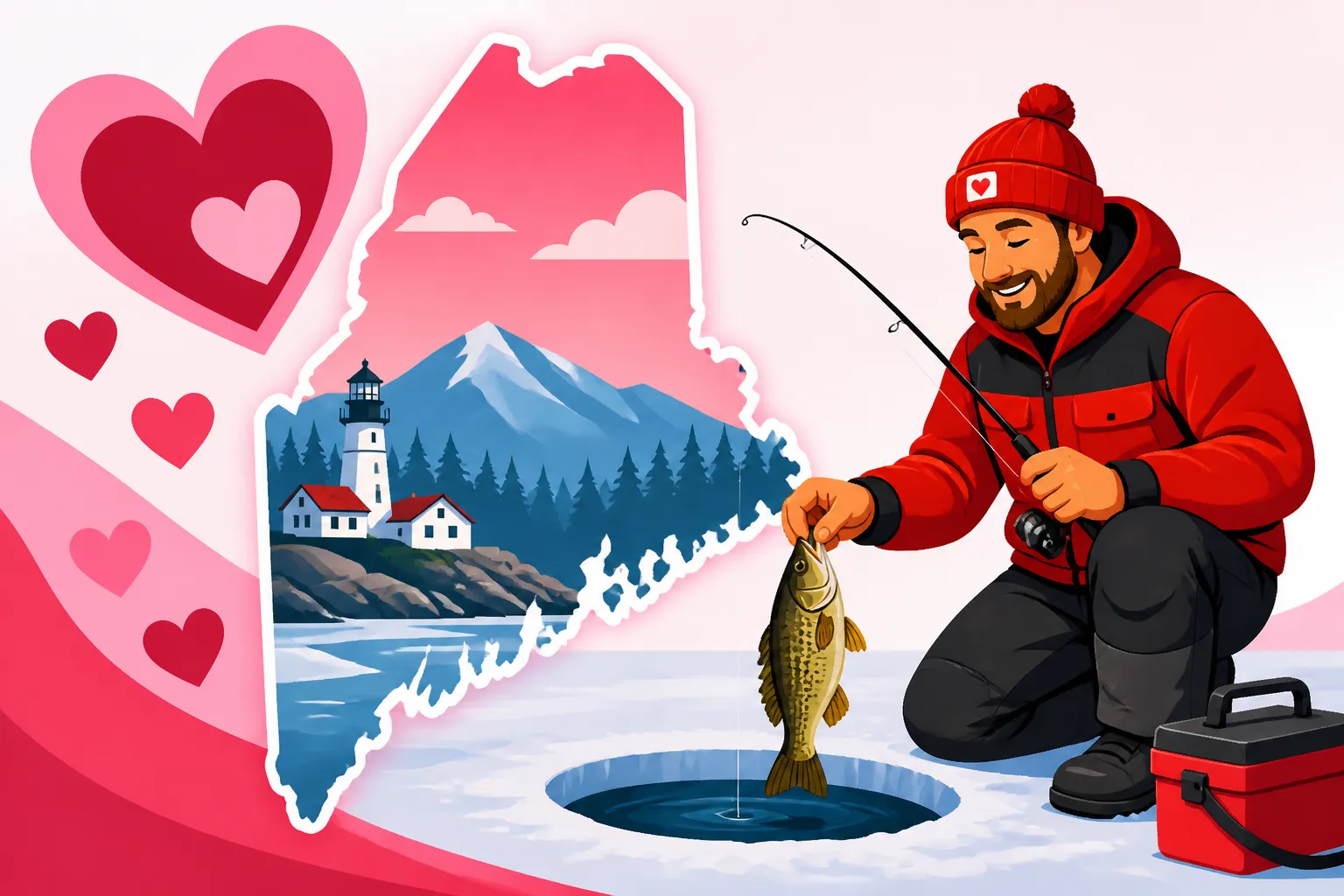
Maine Valentine’s Weekend Free Ice Fishing Days
We all know that feeling, don't we? You've been itching to try ice fishing in Maine, or maybe you want to introduce a friend or family member to the magic of winter angling, but the thought of navigating licenses, fees, and rules can feel like a solid block of ice itself. It's enough to make you just stay home by the fire. But what if I told you there's a fantastic, low-barrier way to experience the thrill of hardwater fishing? This guide is going to walk you through everything you need to know about Maine's Valentine's Weekend Free Ice Fishing Days, a perfect opportunity to get out on the ice without the usual licensing hurdle.
Understanding Maine's Free Ice Fishing Days
Maine is a state that truly loves its outdoor traditions, and fishing, especially ice fishing, is a huge part of that. To encourage more people to get out and enjoy our incredible frozen lakes and ponds, the Maine Department of Inland Fisheries and Wildlife (MDIFW) offers a couple of "free fishing" days each year. One of these usually falls right around Valentine's Day weekend, perfectly timed for prime ice fishing conditions. This isn't just a random gesture; it's a strategic effort to allow residents and non-residents alike to dip their lines without purchasing a state fishing license.
The Purpose Behind Free Fishing Weekends
At its heart, the idea behind these free fishing days is simple: participation. Maine wants more people, especially families and newcomers, to discover the joy of fishing. For many, the initial cost and paperwork of a license can be a real barrier. By removing that obstacle for a specific weekend, it opens the door for:
- New Anglers: People who have never fished before can try it out without committing to a full license purchase. It's a fantastic low-risk way to test the waters, or in this case, the ice!
- Families: Parents can bring their kids out for an unforgettable winter adventure without worrying about purchasing multiple licenses. It's a great way to bond and create lasting memories.
- Returning Anglers: Maybe you fished years ago but haven't gotten back into it. This weekend provides the perfect nudge to dust off your gear.
- Tourists: Visitors to Maine during the winter months get a unique chance to experience a true Maine tradition without the usual non-resident license fees, which can be a bit pricier.
It's a "try before you buy" approach that really fosters community and appreciation for Maine's natural resources. Think of it as Maine's way of extending a warm invitation to everyone, regardless of their prior fishing experience.
When Do These Magical Days Occur?
While the exact dates can shift slightly from year to year, Maine typically designates one weekend in February for free ice fishing. This weekend is almost always planned to coincide with or be very close to Valentine's Day, making it a perfect winter activity for couples, families, or solo adventurers looking for some peace and quiet on the ice. Historically, it often falls on the third full weekend of February.
It's absolutely essential to check the official MDIFW website each year for the specific dates, as they are announced well in advance. Don't just assume previous years' dates will hold true. A quick check of the official calendar will confirm the specific Saturday and Sunday when you can fish without a license. This ensures you're always within the bounds of the law and can plan your adventure accordingly. Remember, there's also an open-water free fishing weekend usually in June, but for our hardwater enthusiasts, the February date is the one to mark on your calendar. You can learn more about all the state's free fishing opportunities in our comprehensive guide, "Maine Free Fishing Days Guide".
Eligibility and Participation Details
The beauty of the Maine Valentine's Weekend Free Ice Fishing Days is its inclusivity. It's designed to be as accessible as possible, inviting a wide range of individuals to participate. However, there are still some important nuances about who can truly benefit and what limitations apply.
Who Can Fish Without a License?
During the designated Valentine's Weekend Free Ice Fishing Days, virtually anyone can fish in Maine's inland waters (lakes, ponds, rivers, and streams) without needing a valid Maine fishing license. This includes:
- Maine Residents: If you're a long-time Mainer who just hasn't gotten around to buying a license yet, or you're bringing a friend who lives here but doesn't fish regularly, this weekend is for you.
- Non-Residents: This is perhaps one of the biggest benefits. Visitors from out-of-state often face higher non-resident license fees. This weekend allows them to experience Maine's renowned ice fishing without that financial commitment.
- All Ages: Whether you're a seasoned angler over 70 (who might already be exempt from licensing in some cases, but this applies to everyone else too!) or a tiny tot experiencing their first day on the ice, no license is required for anyone during these specific days. This makes it incredibly family-friendly.
It's truly a universal pass for that weekend, making it an ideal time to introduce someone new to the sport or rekindle your own passion without any red tape. You can learn more about general license exemptions in our article, "Maine Fishing License Exemptions".
What Waters Are Included or Excluded?
This is a crucial point that can sometimes cause confusion. The Valentine's Weekend Free Ice Fishing Days primarily apply to Maine's inland waters. This means:
- Lakes: Your vast frozen expanses like Moosehead Lake or Sebago Lake.
- Ponds: Smaller, more intimate bodies of water.
- Rivers and Streams: Any sections that are legally open to ice fishing during the winter season.
However, there's a significant distinction: saltwater fishing is generally not included in these free fishing weekends. If you decide to venture to the coast to try your hand at saltwater ice fishing (which is less common but possible in certain tidal estuaries or protected coves), you would still typically need to abide by specific saltwater registry requirements. Always confirm this if you're planning a coastal excursion during the free weekend. The purpose of these specific free days is squarely focused on invigorating participation in freshwater ice fishing.
Furthermore, while the general rule is "all inland waters," always be mindful of special regulations that might apply to certain bodies of water. Some lakes or ponds might have specific catch-and-release rules, specific lure restrictions, or even seasonal closures that still apply, regardless of the free fishing weekend. It's always a good idea to consult the current Maine fishing law book or the MDIFW website for any water-specific regulations before you head out, especially if you're fishing a new spot.
Essential Rules That Still Apply
While the license requirement is waived, it's absolutely vital to remember that "free fishing" doesn't mean "free-for-all." All other established fishing laws and regulations remain fully in effect. Ignoring these rules can lead to hefty fines and a ruined weekend, so pay close attention.
Fish Length and Bag Limits
This is probably the most common mistake new anglers make on free fishing weekends. You might not need a license, but you absolutely do need to respect the fish. Every species of fish in Maine has specific regulations regarding:
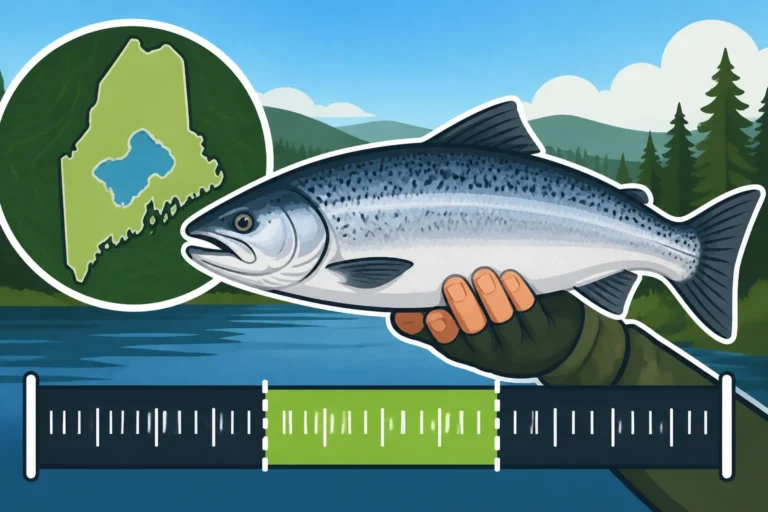
- Minimum and Maximum Lengths: Many fish, especially popular game species like brook trout, landlocked salmon, and togue (lake trout), have a minimum length you must adhere to if you plan to keep them. Some even have slot limits, meaning you can only keep fish within a certain size range. Releasing fish outside this range helps maintain healthy fish populations.
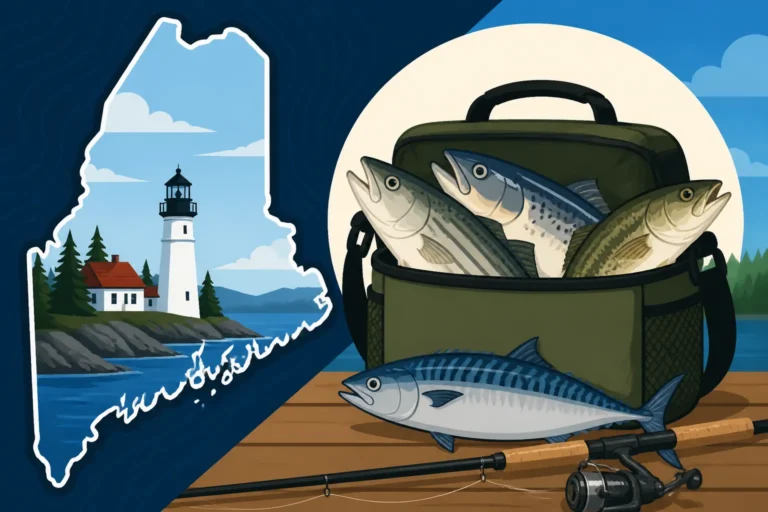
- Daily Bag Limits: This refers to the maximum number of fish of a particular species you are allowed to keep in a single day. These limits vary widely by species and even by water body. For instance, the daily limit for brook trout in the North Zone might differ from the South Zone, and special regulation waters often have their own unique rules. It's crucial to know these limits for the specific lake or pond you're fishing.
Before you drop a line, take a few minutes to look up the regulations for your chosen fishing spot and target species. The MDIFW website and the annual Maine Fishing Law Book are your best friends here. Failing to adhere to these limits can result in a summons and a fine, even if you’re fishing without a license on the free weekend.
Number of Lines and Gear Restrictions
Ice fishing offers a unique advantage: the ability to fish with multiple lines, but there are strict limits to prevent overfishing.
- Open Water vs. Ice Fishing Line Limits: In Maine, during open water season, you're generally limited to two lines. However, for ice fishing, the rules are different and vary depending on whether you are a resident or a non-resident. Residents are typically allowed to fish with up to five lines, while non-residents are often limited to two lines. Always verify the current rules in the "Maine Ice Fishing Line Limits" guide.
- Tip-Ups and Jigs: Most ice fishing setups involve a combination of "tip-ups" (devices that signal a bite when a flag springs up) and jigging rods. You need to ensure the total number of lines you have in the water, whether they're tip-ups or jigging rods, does not exceed the legal limit for your status (resident/non-resident).
- Live Bait Rules: Maine has very specific rules about the use of live bait, especially regarding species you can use and where you can acquire them. It's generally illegal to use live fish from one water body as bait in another to prevent the spread of invasive species and disease. Always source your bait from certified bait dealers, like those you might find at local sporting goods stores or even some general stores that carry fishing supplies. You can find convenient bait shops in many towns across Maine, or you might find packaged alternatives on Amazon.
- Lead Tackle Ban: Maine has implemented a ban on the use of lead fishing sinkers and jigs. Specifically, it is illegal to use or possess lead sinkers or jigs weighing one ounce or less when fishing in Maine's inland waters. This is a critical regulation aimed at protecting loons and other waterfowl from lead poisoning. You'll need to use lead-free alternatives, readily available at most tackle shops and online retailers like Amazon.
Ice Safety is Paramount
This isn't a regulation enforced by wardens with fines, but it's arguably the most important rule to follow for your own well-being. The free fishing weekend in February often means colder temperatures and generally solid ice, but conditions can change rapidly. Never assume ice is safe.
- Check Ice Thickness: General guidelines suggest at least 4 inches of clear, new ice for walking, 5-7 inches for a snowmobile or ATV, and 8-12 inches for a small car or light truck. However, ice thickness can vary dramatically across a single body of water due to currents, springs, and snow cover. Always check ice thickness frequently as you venture out.
- Bring Safety Gear: Essential safety gear includes ice picks (worn around your neck for quick access), a throw rope, and a spud bar or ice auger to test ice thickness as you go. Consider a flotation suit for added protection. You can find many of these items on Amazon.
- Go with a Buddy: Fishing with a friend or family member is not only more fun but also significantly safer. If one person breaks through, the other can help.
- Avoid Risky Areas: Steer clear of inlets, outlets, areas near aerators, and any patches of discolored or slushy ice. These spots are almost always weaker.
- Tell Someone Your Plans: Always let someone know where you're going and when you expect to return.
- Dress in Layers: Maine winters are no joke. Dress warmly in layers, including waterproof outer layers, warm boots, gloves, and a hat. Read our "What to Wear Ice Fishing in Maine Winters" guide for more detailed advice.
Even if you're new to ice fishing, taking proper safety precautions can make your experience enjoyable and prevent serious accidents. You can find more in-depth advice on this in our "Early Ice Safety Tips for Maine Anglers" article.
Ice Fishing Shacks and Shelters
Many anglers use portable or permanent ice fishing shacks (also known as bobhouses or ice shanties) to escape the wind and cold. While useful, these also come with regulations.
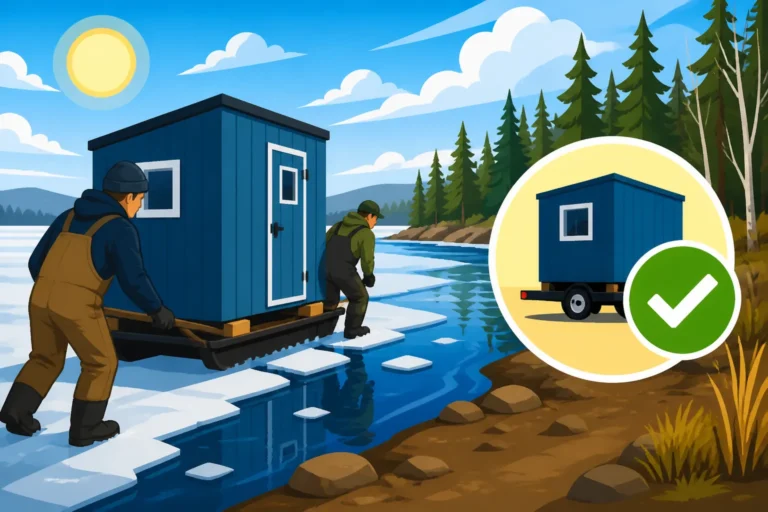
- Marking Requirements: All ice shacks must be clearly marked with the owner's name and address. This ensures that if a shack is left behind, the owner can be identified.
- Removal Deadlines: There are strict deadlines for removing ice fishing shacks from the ice. These dates are critical for preventing shacks from sinking and becoming hazards or pollution sources when the ice melts. The deadline usually falls in mid to late March, but it varies by region (north vs. south zone) and needs to be checked annually. Our "Ice Fishing Shack Removal Rules" article provides more detail on this.
- Environmental Responsibility: Remember to pack out everything you pack in. Leave no trace behind on the ice. This includes trash, bait containers, and any other litter. Our beautiful Maine lakes depend on all of us to keep them clean.
Here's a quick summary table of key ice fishing rules and considerations:
| Rule Category | Applies During Free Fishing Weekend? | Key Details to Remember |
|---|---|---|
| Fishing License | NO (Only for designated free days) | No state license required for inland waters. Saltwater registry still typically required for coastal fishing. |
| Fish Bag Limits | YES | Must adhere to daily limits for each species. Varies by species and water body. |
| Fish Length Limits | YES | Must adhere to minimum/maximum length restrictions for keeping fish. Slot limits may apply. |
| Number of Lines | YES | Residents: Up to 5 lines for ice fishing. Non-residents: Typically 2 lines. This includes tip-ups and jigging rods combined. |
| Live Bait Rules | YES | No transferring live fish bait between water bodies. Only use legal bait from certified dealers. |
| Lead Tackle Ban | YES | Illegal to use or possess lead sinkers/jigs 1 oz or less in inland waters. Use lead-free alternatives. |
| Ice Safety | ALWAYS | Check ice thickness (4" minimum for walking), bring safety gear (picks, rope), go with a buddy, avoid risky areas. |
| Ice Shacks/Shelters | YES | Must be marked with name/address. Strict removal deadlines apply. Pack out all trash. |
| Special Regulations | YES | Always check specific regulations for the particular lake/pond you are fishing, as some waters have unique rules that supersede general law. |
Making the Most of Your Free Ice Fishing Weekend
Now that you know the rules, let's talk about how to have an incredible experience during Maine's Valentine's Weekend Free Ice Fishing Days! This is your chance to really dive into the unique world of hardwater angling.
Essential Gear for a Successful Outing
Even though the license is free, you'll still need some basic gear to get started. Don't worry, you don't need to break the bank to have fun.
- Ice Auger: This is how you make holes in the ice. Manual augers are affordable and good for occasional use or thinner ice. Power augers (gas or electric) are a godsend for thicker ice or if you plan on drilling many holes. You can find a good starter auger at local sporting goods stores or online. Consider something like a manual Eskimo Hand Auger for a budget-friendly option. Check out our guide to "Choosing the Right Ice Auger".
- Fishing Rods/Tip-Ups: A simple ice fishing rod and reel combo is inexpensive and perfectly effective for jigging. For tip-ups, you can find basic ones that are very durable and easy to set up. Many beginners start with a few tip-ups and one jigging rod. You can often find affordable combos on Amazon.
- Bait/Lures: Live bait like shiners or fatheads are very popular for tip-ups. For jigging, small spoons, jigs, or soft plastics are effective. Make sure any bait is legal and lead-free! Our guide on "Best Bait for Maine Ice Fishing" has great recommendations.
- Bucket/Chair: A five-gallon bucket serves multiple purposes: carrying gear, holding your catch, and acting as a makeshift seat.
- Warm Clothing: As mentioned earlier, layers are key! Don't skimp here. Waterproof boots, warm socks, insulated gloves, a hat, and a good winter coat are non-negotiable.
- Safety Gear: Ice picks, a rope, and a spud bar are minimal requirements.
- Portable Shelter (Optional but Recommended): A pop-up ice fishing shelter can make a world of difference in comfort, especially if it's windy or snowing. They range from basic to quite luxurious, but even a simple one will keep you much warmer.
Choosing Your Fishing Spot Wisely
Maine has thousands of lakes and ponds, so picking a spot can feel overwhelming.
- Look for Public Access: Many state-owned boat launches, town beaches, or designated access points offer easy, safe access to the ice. Places like Thompson Lake, China Lake, or some of the smaller ponds in the Belgrade Lakes region are often popular and accessible. For ideas, check out our articles like "Best Ice Fishing Lakes Near Portland" or "Best Ice Fishing Ponds Near Bangor, Maine".
- Consider Popular Spots: While you might prefer solitude, a popular spot often means the ice is generally safe (though you should always verify it yourself), and there might be other anglers willing to share a tip or two.
- Target Species: Decide what you want to catch. If you're hoping for brook trout, look for smaller, shallower ponds. For togue or landlocked salmon, larger, deeper lakes are often the ticket.
- Check Online Forums/Reports: Local fishing forums or social media groups can be excellent resources for recent ice conditions and fishing reports. Just remember to take all online advice with a grain of salt and prioritize safety first.
Tips for Beginners and Families
If it's your first time or you're bringing kids, keep these tips in mind to ensure a positive experience:
- Keep it Simple: Don't overcomplicate your setup. One or two jigging rods and maybe a couple of tip-ups are plenty. Focus on the experience, not on catching a record number of fish.
- Pack Snacks and Hot Drinks: A thermos of hot chocolate or coffee and plenty of snacks can be a game-changer, especially for keeping kids warm and happy.
- Dress the Kids for Success: Kids get cold faster than adults. Over-dress them, with extra layers. Hand warmers and toe warmers are miracles in a packet.
- Set Realistic Expectations: You might not catch a trophy fish, and that's okay! The goal is to enjoy the outdoors, learn something new, and make memories.
- Patience is a Virtue: Fishing, especially ice fishing, requires patience. Bring something for kids to do if the bites are slow – a small sled for sliding, a deck of cards, or even just exploring the frozen landscape.
- Learn to Set a Tip-Up: Mastering the basic setup of a tip-up is a fundamental ice fishing skill. Our guide "Setting Up Tip-Ups for Ice Fishing" can help you get started.
- Consider a Guide (for future trips): If you really enjoy the free weekend, but feel a bit lost, consider hiring a Registered Maine Guide for a future trip. They can provide all the gear, expertise, and safety knowledge you'll need to truly master the sport.
The Maine Valentine's Weekend Free Ice Fishing Days are a fantastic opportunity to create cherished winter memories. So bundle up, gather your gear, and head out onto the ice – you might just discover your new favorite winter pastime!
Disclaimer
Please be aware that fishing regulations, including free fishing days, bag limits, and gear restrictions, are subject to change. Always consult the most current Maine Department of Inland Fisheries and Wildlife (MDIFW) regulations before heading out. This guide provides general information and should not be considered a substitute for official legal documents. Safety on the ice is paramount; exercise extreme caution and always prioritize your well-being.