What Is a Maine Registered Guide Required to Carry?
When you head out into the vast and sometimes unforgiving Maine wilderness with a Registered Maine Guide, there's an inherent trust that they are not only skilled but also fully prepared for whatever Mother Nature throws their way. It’s a common frustration for anglers to feel underprepared, but with a guide, you expect them to have everything handled. This guide will walk you through the essential equipment and knowledge a Registered Maine Guide is required to carry, alongside what experienced guides almost always bring to ensure a safe, successful, and enjoyable trip for everyone.
The Foundation: Legal and Safety Essentials
Becoming a Registered Maine Guide isn't just about knowing where the fish bite or how to navigate a tricky portage. It's about a deep commitment to safety and responsibility, backed by specific legal requirements. These are the bedrock necessities that ensure a guide can protect their clients and respond effectively in an emergency, which is paramount whether you're fly fishing a remote stream or trolling a vast lake.
Licensing and Identification
At the absolute core of a Maine Guide's professionalism is their license. It's not just a piece of paper; it's proof of their training and the state's endorsement of their ability to lead trips safely. Every Registered Maine Guide is required to carry their current guide license whenever they are leading a trip. This isn't something that can be left at home; it must be on their person and readily available for inspection by law enforcement or Maine Fish and Wildlife Wardens. Think of it like a driver's license – you wouldn't drive without it.
Beyond the guide license itself, there are crucial certifications that underpin a guide's ability to respond to emergencies. All Registered Maine Guides must possess current First Aid and CPR certifications. These aren't just checkbox items; they represent critical life-saving skills. Imagine a scenario deep in the North Woods, miles from the nearest road, where a client has a sudden medical emergency. A guide's ability to administer CPR or treat a severe injury on the spot can literally be the difference between life and death. The Registered Maine Guide License Requirements go into extensive detail on these and other prerequisites, ensuring a guide is thoroughly vetted before they ever take clients out.
These certifications often need to be renewed regularly, meaning guides are continually refreshing their knowledge and skills. It’s a testament to the dedication required, and something clients implicitly trust when they book an outing, perhaps through a service like FishingBooker, where guide credentials are often highlighted. You want to know that the person you're entrusting with your safety in the Maine wilderness isn't just a good angler, but a capable first responder.
Basic Safety Gear
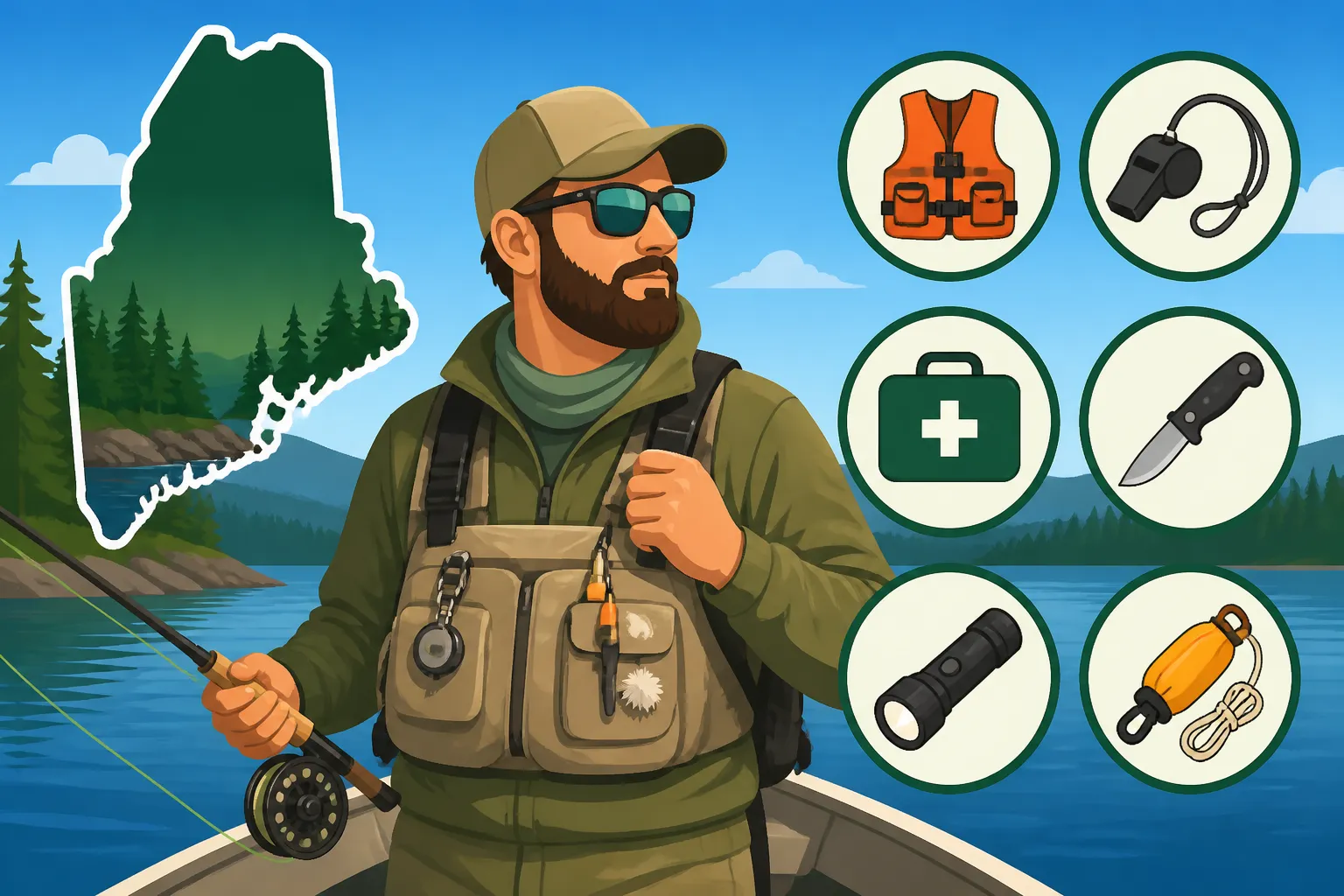
When you're out on the water, whether it's a placid lake or a choppy bay, basic water safety gear is non-negotiable. For any guide operating a watercraft, or guiding near water, personal flotation devices (PFDs) are a must. There must be an appropriately sized PFD for every person on board, including the guide and all clients. While not every client might wear one constantly, they must be readily accessible, in good condition, and approved by the U.S. Coast Guard. This is a fundamental rule that protects everyone from the unpredictable nature of Maine's waters.
Beyond PFDs, other crucial safety items are often legally mandated for watercraft or are simply common sense for any outdoor professional. This includes signaling devices like a whistle or air horn, a fire extinguisher if operating a motorboat, and navigation lights for nighttime operation. The specific requirements can vary slightly depending on the size and type of vessel, but a good guide knows these rules inside and out. It’s not just about avoiding a fine; it’s about having the tools to signal for help or prevent a small issue from escalating into a major disaster.
Think about a sudden fog rolling in on Moosehead Lake, or a squall hitting Sebago. Having a whistle to signal another boat or properly functioning navigation lights can be essential for preventing collisions and ensuring everyone can get back to shore safely. The responsibility of carrying and maintaining this basic safety gear falls squarely on the shoulders of the Registered Maine Guide, reinforcing their role as the leader and protector of the group.
Navigation and Communication
Maine's vastness and wild character mean that getting lost can be a serious concern, especially in remote areas. Therefore, a Registered Maine Guide is always required to carry reliable navigation tools. At a minimum, this traditionally means a physical map of the area and a compass. These analog tools are vital because they don't rely on batteries or cell service, which can be spotty or non-existent in much of Maine's wilderness. A guide should not only carry these but be proficient in their use, able to orient themselves and plot a course even under adverse conditions.
In modern guiding, these traditional tools are often augmented by technology. Many guides now carry a GPS device, whether a dedicated handheld unit or a smartphone with downloaded offline maps. While not always legally required in the same way a map and compass are, a GPS offers precision and speed that can be invaluable. However, reliance solely on electronics is ill-advised given battery life and signal issues, which is why the old-school map and compass remain foundational. Learning How to Find Maine Fishing Regulations for a Specific Lake often involves consulting detailed maps, which highlights their broader utility.
Communication is another critical component. While cell service is unreliable, guides are often equipped with satellite communication devices, like a satellite messenger or phone. These devices allow for emergency contact even when out of cell range, providing a crucial lifeline to the outside world if a true emergency arises. Being able to call for help, even if it's just to confirm your location to a concerned family member or relay a non-urgent message, vastly increases the safety margin for any trip deep into the Maine woods. You can often see guides mentioning these safety measures when you're looking at their profiles on platforms like FishingBooker.
Practical Gear for Guiding Success
Beyond the legal and safety necessities, a truly excellent Registered Maine Guide brings a wealth of practical gear designed to make the fishing trip as smooth and enjoyable as possible. This isn't about legal mandates, but about the unspoken expectations of a professional who knows the nuances of the outdoors.
Fishing Equipment
It might seem obvious, but a guide is expected to have appropriate fishing equipment. This means having a selection of quality rods and reels suitable for the target species and fishing conditions. Whether it's light spinning gear for brook trout in a mountain pond or heavy trolling setups for landlocked salmon on a big lake, the guide should have reliable gear for themselves and, importantly, for their clients. It's not uncommon for clients to forget gear, break a rod, or simply not have the right setup for Maine's specific fishing challenges.
A well-stocked tackle box is also crucial. This includes a variety of lures, flies, and bait relevant to the fish you're pursuing. Maine's waters can be finicky, and fish preferences can change throughout the day. A guide's expertise, combined with a diverse array of offerings, increases the chances of success. They should be prepared for different depths, water clarity, and fish activity levels. Having a selection of local baits and lures can make all the difference, as can knowing Best Bait for Maine Ice Fishing if the trip involves hard water.
Additionally, a guide will often carry extra line, leaders, and terminal tackle (hooks, weights, swivels) to quickly re-rig a client's setup or repair a broken one. They might even have a dedicated bag of backup gear just in case something goes wrong. Their preparedness minimizes downtime and maximizes fishing time, ensuring clients get the most out of their experience.
Essential Tools and Repairs
The wilderness is unpredictable, and gear breaks. A good Registered Maine Guide carries a range of essential tools for quick repairs and general utility. This almost always includes a good multi-tool or a sharp knife for cutting line, cleaning fish, or making minor adjustments to equipment. Pliers are indispensable for safely removing hooks from fish and for working with rigging. You might be surprised how often a simple pair of pliers saves the day, especially when dealing with a feisty striped bass or a deeply hooked salmon.
Beyond these basics, many guides carry a small repair kit. This could include things like spare parts for reels, extra screws for rod guides, or even some duct tape for temporary fixes. While they aren't expected to be master mechanics, being able to jury-rig a solution to a minor equipment issue can keep the fishing day on track. Imagine a rod tip breaking miles from the truck; a guide might have a spare tip or a way to make a temporary repair to keep the client fishing.
This level of preparedness reflects a guide’s experience and foresight. They've likely encountered every possible mishap over their career and have learned to anticipate and mitigate them. This proactive approach is part of the value clients gain from hiring a professional, whether for a day trip or an Maine Overnight Guided Fishing Trips.
Weather Protection
Maine weather is famously fickle. A beautiful sunny morning can turn into a cold, driving rain in a matter of hours, even in the middle of summer. A responsible Registered Maine Guide understands this and carries appropriate weather protection for themselves and, often, extra for their clients. This means having high-quality rain gear – jackets and pants – that are truly waterproof, not just water-resistant. No one wants to be miserable and soaked on a fishing trip.
Beyond rain gear, guides will often pack extra layers of clothing, even on seemingly warm days. Fleece jackets, wool hats, and gloves can make a huge difference in comfort if the temperature drops or the wind picks up. It's always better to have too many layers and shed them than to be shivering and uncomfortable. This is especially true for ice fishing, where What to Wear Ice Fishing in Maine Winters is a crucial consideration for survival and enjoyment.
They also think about sun protection. Wide-brimmed hats, sunglasses, and high-SPF sunscreen are often part of a guide's standard kit, protecting both themselves and their clients from the intense sun exposure, especially when out on large, reflective bodies of water. A comfortable client is a happy client, and a big part of comfort in the outdoors is being properly dressed for the elements.
Client Comfort and Experience
A truly outstanding Registered Maine Guide goes beyond the legal requirements and even the practical necessities. They focus on creating a memorable and comfortable experience for their clients. This often involves anticipating needs and providing thoughtful touches that elevate the trip from good to great.
Food, Water, and Refreshments
Spending a day actively fishing burns a lot of calories and can be dehydrating. While clients are often advised to bring their own snacks and water, a great guide almost always has provisions on hand. This often includes a cooler stocked with bottled water, sodas, and sometimes even hot coffee or tea on colder mornings. Staying hydrated and energized helps clients focus on fishing and enjoy their time out on the water more fully.
Many full-day guided trips in Maine will include a shore lunch. This is a classic Maine experience, where the guide might prepare a delicious meal over an open fire, often featuring fresh-caught fish, grilled vegetables, or hearty sandwiches. It's more than just a meal; it's a social occasion, a chance to relax, swap stories, and take in the natural beauty of Maine. When looking for guides on platforms like FishingBooker, you might even see this listed as a perk.
Having these refreshments available not only keeps clients comfortable but also demonstrates the guide's commitment to hospitality. It transforms a simple fishing trip into a well-rounded outdoor adventure, making lasting memories that extend beyond just the catch itself.
Comfort Items
Being comfortable in the outdoors often means addressing small annoyances before they become big problems. A Registered Maine Guide will often carry items to ensure client comfort throughout the day. For example, bug spray is an absolute must in Maine, especially during black fly and mosquito season. Nothing ruins an otherwise perfect fishing trip faster than being constantly swarmed by biting insects. A guide will typically have several options, from deet-based sprays to more natural alternatives.
Sunscreen, as mentioned earlier, is another critical comfort item, preventing painful sunburns that can quickly sour a trip. Beyond that, little touches can make a big difference: extra towels for wiping hands or drying off, small foldable chairs for a comfortable break during a shore lunch, or even a basic camera to capture a client's trophy fish if their phone battery dies. These aren't mandated items, but they speak volumes about a guide's dedication.
Consider the heat of summer; a guide might carry a small fan or even cool, damp towels for clients. Or during a chilly spring outing, offering hand warmers can be a game-changer. These thoughtful additions showcase a guide's professionalism and their genuine desire for clients to have the best possible experience, regardless of conditions.
Educational Materials
For many clients, a guided fishing trip is not just about catching fish; it's an opportunity to learn more about Maine's environment, its fish species, and fishing techniques. A knowledgeable guide will often carry educational materials to enhance this learning experience. This could include a Maine Fish Species Identification Guide, allowing clients to correctly identify their catch and learn about its characteristics.
They might also carry a copy of the current Maine Fishing Regulations Explained book. While the guide knows the rules inside and out, having a physical copy on hand allows them to clarify any questions clients might have about bag limits, length restrictions, or specific rules for the waterbody they are fishing. This transparency builds trust and educates clients on responsible angling practices. You'll often hear discussions about regulations, like Maine Landlocked Salmon Bag Limits or Maine Bass Fishing Limits by Zone, during a trip.
Furthermore, a guide might demonstrate fishing knots, discuss fish behavior, or explain how to read water. They might even have a simple knot-tying card or a small diagram of common fish to help clients visualize what they're learning. The goal is to not only facilitate a catch but to share knowledge and foster a deeper appreciation for the sport and the natural world, making the guide an outdoor educator as much as a fishing expert.
Navigating the Unexpected: Emergency Preparedness
Even with the best planning, the Maine wilderness can throw curveballs. A truly prepared Registered Maine Guide anticipates these possibilities and carries comprehensive emergency preparedness gear, designed to handle anything from a minor injury to a serious survival situation.
First Aid Kit Contents
As mentioned, First Aid and CPR certifications are required, but having a well-stocked and comprehensive first aid kit is the practical application of that training. This isn't just a few band-aids; a guide's kit is typically much more robust. It will include items for treating cuts, scrapes, blisters, and minor burns, as well as bandages, antiseptic wipes, pain relievers, and allergy medication. Think about the potential for hook injuries, falls on slippery rocks, or allergic reactions to insect bites – a good kit covers these common outdoor mishaps.
Beyond the basics, a guide's first aid kit often includes items for more serious injuries. Splints for suspected fractures, gauze and pressure dressings for severe bleeding, and instruments for removing ticks or splinters are common. They might also carry an emergency blanket for treating shock or hypothermia. The contents of the kit are tailored to the types of risks associated with outdoor activities in Maine, ensuring they can stabilize a patient until professional medical help arrives.
Guides often regularly check and restock their kits, ensuring all medications are within date and all supplies are fresh. This meticulous attention to detail is a hallmark of a responsible guide, demonstrating their commitment to client well-being even when things go wrong.
Survival Essentials
In remote parts of Maine, an unexpected overnight stay due to weather, mechanical breakdown, or injury isn't out of the realm of possibility. Therefore, a Registered Maine Guide is often equipped with basic survival essentials. This includes items for shelter, such as an emergency tarp or bivy sack, to protect clients from the elements. Staying dry and warm is paramount for survival.
Fire-starting tools are also critical. Lighters, waterproof matches, or a ferro rod can be used to build a signal fire, cook food, or simply provide warmth and a morale boost. Knowing How to Stay Warm While Ice Fishing extends to these general wilderness survival principles. Furthermore, a guide will likely carry water purification tablets or a portable filter to ensure access to safe drinking water, preventing dehydration and waterborne illnesses.
These items aren't just for extreme scenarios; they provide peace of mind. Knowing that your guide has the means to sustain the group in an unexpected situation allows clients to relax and enjoy their adventure. It’s a level of preparedness that sets a Registered Maine Guide apart from a casual fishing buddy.
Vehicle/Boat Breakdown Kit
Whether traveling by truck to a remote pond or by boat across a large lake, mechanical issues can derail a trip quickly. A prepared Registered Maine Guide will have a basic breakdown kit for their vehicle or boat. For a vehicle, this might include jumper cables, basic tools, spare fluids, and a spare tire. For a boat, it could be a prop wrench, spare shear pins, extra fuel, and basic engine tools.
Having the ability to perform minor repairs can often get a group out of a bind without needing to call for external assistance, which can be costly and time-consuming in remote areas. Imagine a boat engine sputtering out far from the launch; a guide with the right tools and knowledge might be able to diagnose and fix a simple issue, saving the day.
This preparedness also extends to having a plan B. If a breakdown is beyond on-the-spot repair, a guide will have contingency plans, such as knowing emergency contact numbers for local towing services or water taxi operators. This foresight minimizes disruption and ensures client safety, no matter what mechanical challenges arise.
Here's a quick overview of what a Registered Maine Guide should have on hand:
| Category | Required by Maine Law (Essentials) | Highly Recommended (For an Excellent Trip) |
|---|---|---|
| Legal/Identification | Current Guide License | Proof of Insurance |
| Safety & Medical | Current First Aid & CPR Certifications | Advanced Wilderness First Aid |
| Personal Flotation Devices (PFDs) for all | Emergency Shelter (tarp/bivy) | |
| Signaling Devices (whistle/air horn) | Satellite Messenger/Phone | |
| Fire Extinguisher (if applicable) | Comprehensive First Aid Kit (advanced) | |
| Navigation/Comms | Map of Area | GPS device (with offline maps) |
| Compass | VHF Radio (for coastal waters) | |
| Fishing Gear | (For guide) Appropriate Rods, Reels, Tackle | Extra Rods, Reels, Tackle for clients |
| (For guide) Net/Landing Device | Bait/Lures specific to local waters | |
| Client Comfort | N/A (Client's responsibility) | Cool drinks, snacks, coffee |
| N/A | Shore lunch provisions | |
| N/A | Sunscreen, Bug Spray, Hand Sanitizer | |
| Emergency/Survival | N/A | Fire starting kit (multiple methods) |
| N/A | Water filter/purification tabs | |
| N/A | Basic tool/repair kit for vehicle/boat | |
| Education | N/A | Fish ID guide, Regulation book |
| N/A | Knot tying instruction |
The comprehensive preparation of a Registered Maine Guide is what makes them invaluable. They not only share their intimate knowledge of fishing spots like those discussed in Moosehead Lake Fishing Guide or Sebago Lake Fishing Guide, but they ensure that every aspect of your journey into the wild is considered, from safety to comfort. So, when you're looking to explore the incredible fishing opportunities Maine has to offer, rest assured that a professional guide comes equipped to handle it all, letting you focus on the thrill of the catch.
Disclaimer
This article is for general informational purposes only and does not constitute professional advice. Laws, prices and regulations vary by location and change over time. Consult a qualified professional for guidance on your specific situation.