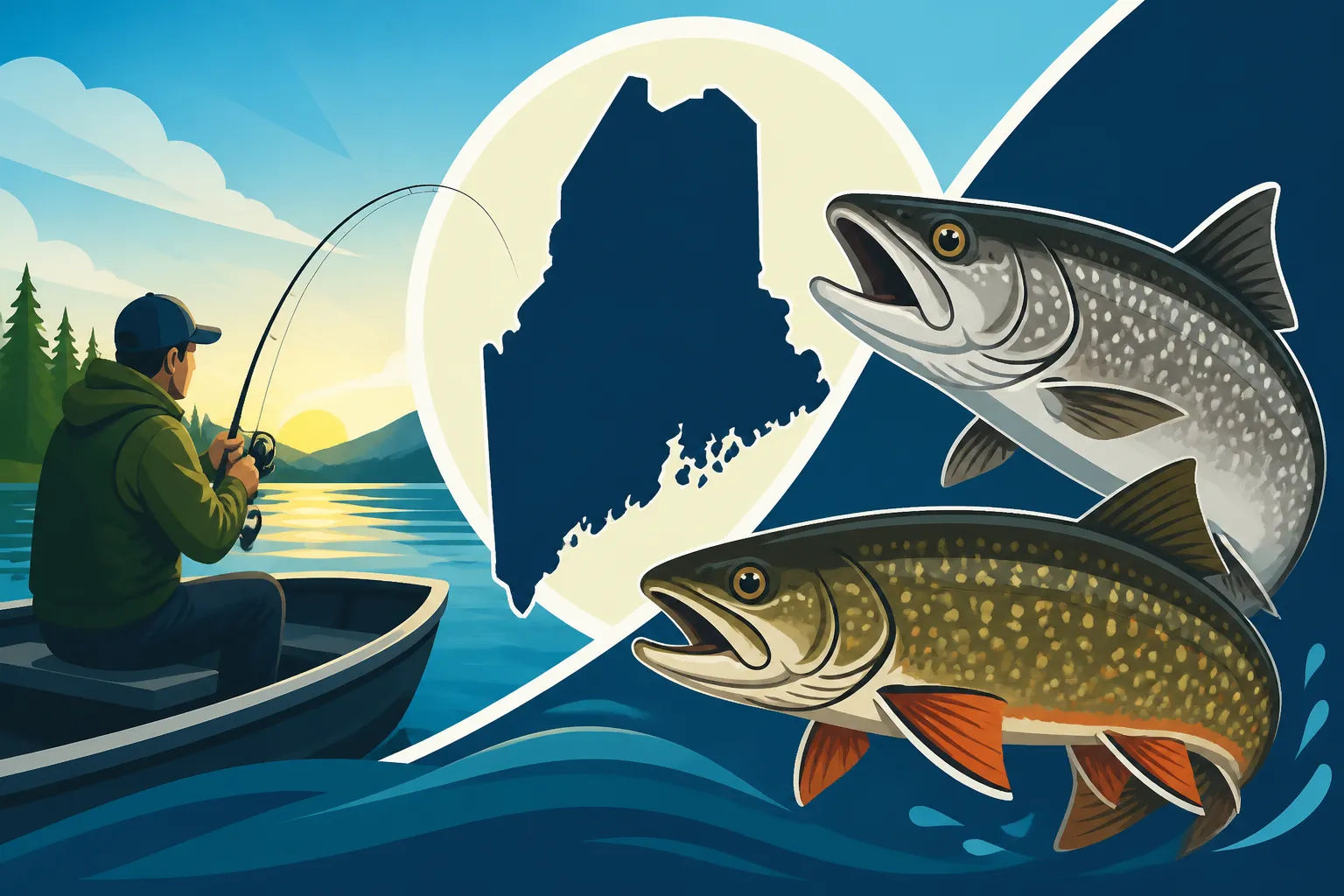
Maine Togue and Lake Trout Limits
Few things are more frustrating than heading out for a day of fishing, excited to chase after Maine's iconic togue, only to second-guess yourself about the regulations. The rules can feel like a labyrinth, especially with general laws and special provisions varying from one lake to another. This guide aims to clear up all the confusion around Maine's togue and lake trout limits, ensuring you spend less time worrying and more time enjoying the incredible fishing Maine has to offer.
Unraveling the Togue and Lake Trout Mystery in Maine Waters
When you talk about lake trout in Maine, you'll almost inevitably hear the term "togue." It's a deeply ingrained local term, and understanding it is the first step to truly grasping the regulations.
What's in a Name? Togue vs. Lake Trout
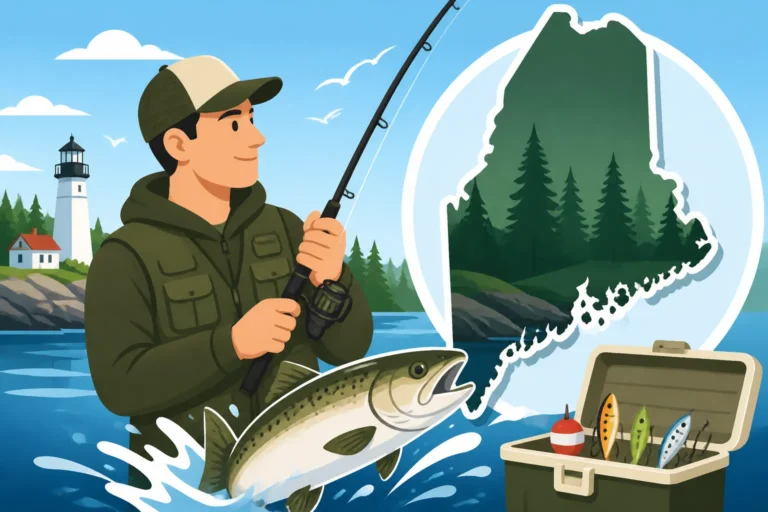
For many newcomers to Maine's angling scene, the word "togue" can be a bit of a head-scratcher. Is it a different species? A hybrid? The truth is, "togue" is simply the local Maine colloquialism for lake trout (Salvelinus namaycush). Think of it like calling a soda "pop" in some regions or a submarine sandwich a "hoagie"—it's the same thing, just a different name. This distinction is crucial because while the fishing regulations will almost always refer to "lake trout," you'll hear "togue" on docks, in tackle shops, and from fellow anglers all across the state. These fish are members of the char family, sharing close ties with brook trout and Arctic char, and are renowned for their cold-water preference and predatory nature.
They are truly magnificent fish, often growing to impressive sizes in Maine's deep, cold lakes. Their coloration can vary, from dark greenish-brown to silvery-grey, often adorned with pale spots that make them quite beautiful. Knowing that "togue" and "lake trout" are interchangeable terms means you won't get tripped up when reading the official Maine Department of Inland Fisheries and Wildlife (MDIFW) regulations or chatting with a local guide. It's all about clarity when you're out on the water.
The Importance of Togue in Maine's Ecosystem
Togue aren't just a prized catch for anglers; they play a vital role as apex predators in many of Maine's largest and deepest coldwater lakes. They feed on a variety of forage fish, most notably the incredibly important smelt. The health of the togue population is often a good indicator of the overall health of these coldwater ecosystems, especially concerning the balance of predator and prey species. MDIFW biologists carefully monitor togue populations, growth rates, and reproductive success to ensure sustainable fishing opportunities for generations to come.
These regulations aren't just arbitrary rules; they are carefully crafted based on scientific data to protect the species and its habitat. For instance, if a lake's smelt population is struggling, the togue might not grow as large, or their numbers might decline, leading to more restrictive limits to help the population recover. Conversely, in waters where togue thrive and grow to trophy sizes, the limits might be designed to encourage the harvest of smaller, more abundant fish to reduce competition for food, potentially allowing some individuals to grow even larger. It's a delicate balance that keeps our fisheries healthy and exciting.
Navigating Maine's General Law Togue and Lake Trout Limits
Maine's fishing regulations operate under a "General Law" framework, which applies to most waters unless specifically overridden by "special regulations." It's essential to understand these baseline rules before diving into the exceptions.
Statewide Daily Bag Limits: What You Can Keep
Under Maine's General Law, anglers typically face a daily bag limit for lake trout (togue). Currently, the general statewide daily bag limit for lake trout is 2 fish. This means that regardless of how many you catch, you are only legally allowed to possess two lake trout within a 24-hour period. This limit is in place to manage the overall harvest and ensure that enough fish remain in the system for future spawning and population health. It’s a conservation measure designed to spread the opportunity among many anglers while protecting the resource.
It's really important to keep this number in mind, especially when you're having a particularly good day on the water. Even if you're catching and releasing, once you decide to keep a fish, you're counting towards that limit. For example, if you catch a beautiful togue early in the morning and decide to keep it, then later in the day you catch another, that's two. Any subsequent togue you catch must be immediately released, no matter how tempting it might be to keep a bigger one. This helps prevent overharvesting and ensures that everyone gets a fair shot at these fantastic fish.
Understanding Minimum Length Requirements
Beyond the number of fish you can keep, Maine also enforces a minimum length requirement for lake trout (togue) under General Law. Generally, any lake trout you wish to keep must be 18 inches or greater in total length. This minimum length regulation serves several critical purposes. First, it allows younger fish to grow to maturity and spawn at least once, contributing to the next generation of the population. Second, it often helps protect the most vulnerable size classes of fish, which can be heavily targeted by anglers.
To comply with this rule, you'll need a reliable measuring device. A simple tape measure or a dedicated fish ruler, easily found on sites like Amazon or at your local tackle shop, is indispensable. When measuring, lay the fish flat, preferably on a wet surface or measuring board to minimize harm, and measure from the tip of its nose to the end of its tail, pinching the tail if necessary to get the maximum length. If the fish doesn't meet the 18-inch mark, it must be carefully and immediately released. Remember, these regulations, including the specific Togue Minimum Length Limit in Maine, are designed to ensure the longevity of the fishery, so respecting them is paramount.
| Regulation Type | General Law Limit | Notes |
|---|---|---|
| Daily Bag Limit | 2 fish | Total number of lake trout (togue) you can keep per day. |
| Minimum Length | 18 inches | Any kept fish must be at least this length, tip of nose to tail. |
Beyond General Law: Special Regulations for Togue Hotspots
While the General Law provides a foundational set of rules, Maine's extensive network of lakes and ponds often features "special regulations" that modify or replace these general provisions. These special rules are vital to understand, as they can significantly impact your fishing trip.
Why Certain Lakes Have Unique Rules
Maine is a state of diverse waterways, and what works for one lake might not work for another when it comes to fish management. Special regulations are tailored to the unique ecological conditions, fish populations, and angling pressures of specific bodies of water. For instance, a small, heavily fished pond might have a more restrictive bag limit to prevent overharvest, while a vast, remote lake with a robust population might have more generous limits or even different size restrictions to help manage an abundant population of smaller fish. These rules are usually developed through extensive research by MDIFW biologists who study population dynamics, growth rates, forage availability, and angler harvest data in each particular lake.
Sometimes, a lake might be managed for a "trophy" fishery, meaning the goal is to produce exceptionally large fish. In such cases, there might be slot limits, where only fish within a certain size range can be kept, or larger fish must be released, allowing them to continue growing and reproducing. These specific management goals mean that just because you know the statewide rules, you can't assume they apply everywhere. Always, always check the specific regulations for the waterbody you plan to fish. You'll find these nuances detailed in the Maine Fishing Regulations Explained guide.
Common Special Regulation Examples for Popular Waters
Maine boasts numerous lakes famous for their togue fishing, and many of these have unique regulations. Take, for instance, some of the larger, deeper lakes like Moosehead Lake or Sebago Lake. These often have specific rules that deviate from the general law. For example, a lake might have a reduced bag limit, say one fish instead of two, or a different minimum length, perhaps 20 inches instead of 18, to protect larger, spawning-aged fish. In some cases, lakes might have a slot limit, where you can only keep fish between certain lengths, like 18-24 inches, requiring the release of both smaller and larger fish.
It's also not uncommon to find rules that specify maximum lengths, meaning any togue over a certain size must be released. This is particularly common in waters managed for trophy potential. These subtle but crucial differences mean that relying solely on general knowledge is a recipe for a bad day, potentially involving a fine. Before you head out, make it a habit to look up the exact rules for your chosen destination. You can find comprehensive details in the official Maine Fishing Law Book Where to Get One or by checking the MDIFW website, which provides an incredibly detailed listing of special regulations by waterbody.
The Rationale Behind Maine's Togue Management
The regulations surrounding togue (lake trout) aren't arbitrary rules imposed by the state. They are carefully constructed management tools, rooted in science and designed to balance the interests of anglers with the long-term health of Maine's coldwater fisheries.
Protecting Future Generations of Fish
At its core, Maine's togue management is about sustainability. Minimum length limits ensure that most fish have the opportunity to reproduce at least once before they can be harvested. Togue, especially in colder northern waters, can be slow-growing and take several years to reach sexual maturity. By setting a minimum length, MDIFW ensures that the breeding stock is protected, allowing those fish to contribute to the next generation of togue. Similarly, daily bag limits prevent excessive pressure on the population from a high number of anglers, spreading the harvest out over time and across more participants.
Consider a lake where togue are particularly vulnerable, perhaps due to limited spawning habitat or a struggling forage base. In such a scenario, regulations might be even more conservative, with stricter bag limits or higher minimum lengths, to give the population every chance to thrive. This proactive approach helps avoid the catastrophic declines seen in some fisheries elsewhere, ensuring that the incredible thrill of catching a Maine togue remains a possibility for our children and grandchildren. Understanding this conservation ethic truly deepens the appreciation for the regulations themselves.
Balancing Angler Opportunity and Conservation
The MDIFW constantly strives for a delicate balance: providing ample fishing opportunities for residents and visitors alike, while simultaneously conserving the precious natural resource. This isn't always an easy task, as angler desires for generous limits often clash with biological imperatives for protection. The state's management plans are often dynamic, adjusting year by year based on the latest scientific assessments and angler feedback. When you see a change in the Maine Fishing Season Dates Guide or a modification to the Maine Fish Bag Limits Guide, it's usually the result of careful consideration of both sides of this equation.
For instance, if a lake shows signs of an overpopulation of smaller togue that are outcompeting other desirable species, the MDIFW might implement special regulations to encourage the harvest of these smaller fish, potentially even removing a minimum length limit for a period, or increasing the bag limit. Conversely, if a trophy fishery is the goal, stricter size limits might be imposed to allow fish to reach their maximum potential. This adaptive management approach is what keeps Maine's togue fisheries among the best in the nation, offering diverse experiences from catching numerous smaller fish to the pursuit of a true lunker.
Your Toolkit for Compliance: Staying Legal on the Water
Knowing the rules is one thing; having the tools and habits to easily follow them is another. Being prepared on the water is key to a stress-free and legal fishing experience.
Essential Resources: The Law Book and Online Tools
The absolute best and most comprehensive source for Maine's fishing regulations is the official Maine Open Water & Ice Fishing Regulations book, published annually by the MDIFW. This compact guide lists general laws and then details all the special regulations by county and specific waterbody. It's available for free at most town offices, sporting goods stores, and authorized license agents across the state. Every angler should have a current copy, either physical or easily accessible on their phone.
In addition to the physical book, the MDIFW website is an invaluable resource. Their online regulations viewer is regularly updated and allows you to search for specific lakes, rivers, or species to get the most current rules. This digital accessibility is a game-changer, especially if you're planning a trip to an unfamiliar area or just want to double-check something quickly while on the water. Many anglers find it useful to bookmark the MDIFW's regulations page directly on their phone or tablet for quick reference. For those who prefer a more robust reference on the go, a waterproof map or a specialty book available on Amazon that compiles local regulations can be a handy addition to your tackle box. Checking the specific How to Find Maine Fishing Regulations for a Specific Lake can save you a lot of headache.
Smart Practices for Measuring and Releasing
Accurately measuring your catch is paramount to adhering to length limits. Always carry a reliable measuring device – a simple retractable tape measure, a specialized bump board, or a measuring decal applied to your boat or cooler. When you land a fish that looks like it might be close to the minimum length, measure it quickly and accurately from the tip of its snout to the end of its tail, with the tail pinched to achieve maximum length. If it doesn't meet the legal size, or if you've already filled your bag limit, the fish must be released immediately.
When it comes to releasing fish, especially large, deep-water species like togue, care and speed are crucial for their survival. Keep the fish in the water as much as possible, use wet hands when handling to protect their protective slime coat, and remove the hook gently. If the fish is deeply hooked, consider cutting the line rather than trying to extract the hook, as this often causes less trauma. Releasing a fish properly ensures it swims away healthy to fight another day, continuing to contribute to the fishery. It's a fundamental aspect of Catch and Release Best Practices in Maine, showing respect for the fish and the regulations.
Consequences of Ignoring the Limits
Ignoring fishing regulations in Maine is not just frowned upon; it carries serious legal consequences. Maine's Fish and Wildlife Wardens are dedicated professionals who enforce these laws to protect the state's natural resources.
Fines and Penalties for Violations
Fishing without a proper license or keeping fish that are outside the legal limits (either too many or too small/large) can result in significant fines. These penalties can vary depending on the severity of the violation, whether it's a first offense, and the specific regulation broken. For instance, being caught with an undersized togue or exceeding the daily bag limit can lead to fines ranging from several hundred dollars, plus court fees. These aren't minor tickets; they can be a substantial hit to your wallet, far more expensive than any fish you might illegally keep.
Beyond monetary penalties, serious or repeat offenses can sometimes lead to the suspension or revocation of your fishing privileges in Maine, and potentially in other states through interstate compacts. Imagine being barred from fishing in the very waters you love for a year or more. The wardens are not there to ruin your day, but to protect the resource, and they take violations seriously. It's a stark reminder that understanding and following the Maine Fishing Laws for Beginners is not just a suggestion, but a legal obligation that carries real-world consequences if ignored.
Ethical Angling and Our Shared Responsibility
Beyond the legal ramifications, there's a strong ethical component to following fishing regulations. Every angler shares a responsibility to conserve Maine's natural heritage. When someone knowingly breaks the rules, they not only risk legal trouble but also undermine the efforts of conservationists and the vast majority of law-abiding anglers who strive to protect these fisheries. It can also harm the fish populations themselves, potentially impacting the quality of fishing for everyone.
Think of it this way: the regulations are a social contract among anglers and with nature. By adhering to limits on Maine Landlocked Salmon Bag Limits or Maine Bass Fishing Limits by Zone or for togue, we ensure that there's enough for everyone, both now and in the future. Educating yourself, buying the necessary gear like a measuring tape from Amazon, and practicing good sportsmanship are all part of being a responsible angler. If you ever witness someone violating fishing laws, you can discreetly report it to the Maine Warden Service, contributing to the collective effort to safeguard Maine's incredible outdoor traditions.
Disclaimer
Please remember that fishing regulations, including those for togue and lake trout, can change. While this guide provides current information, it is always your responsibility to consult the most recent official Maine Department of Inland Fisheries and Wildlife (MDIFW) regulations before heading out to fish. This guide is for informational purposes only and should not be considered legal advice.